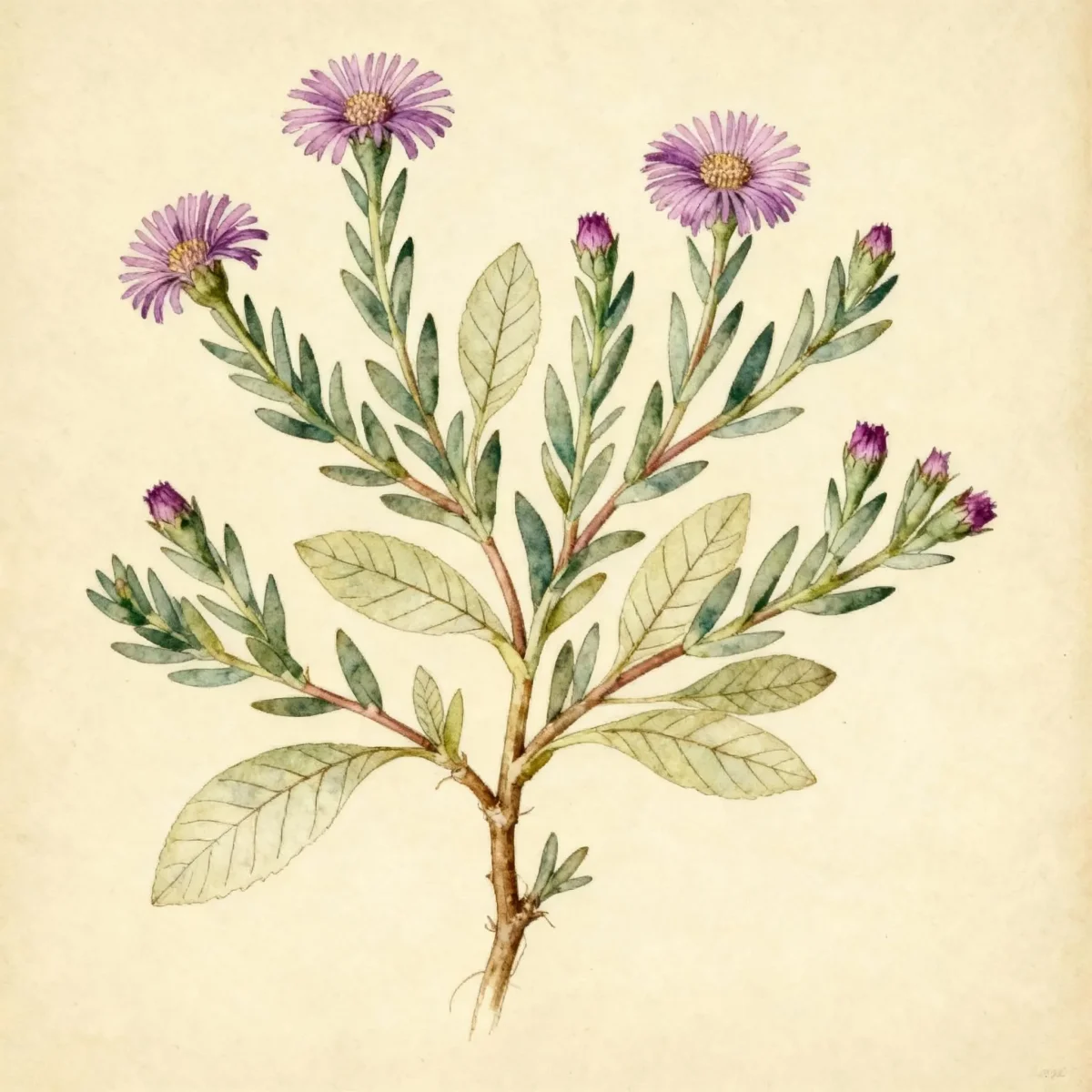
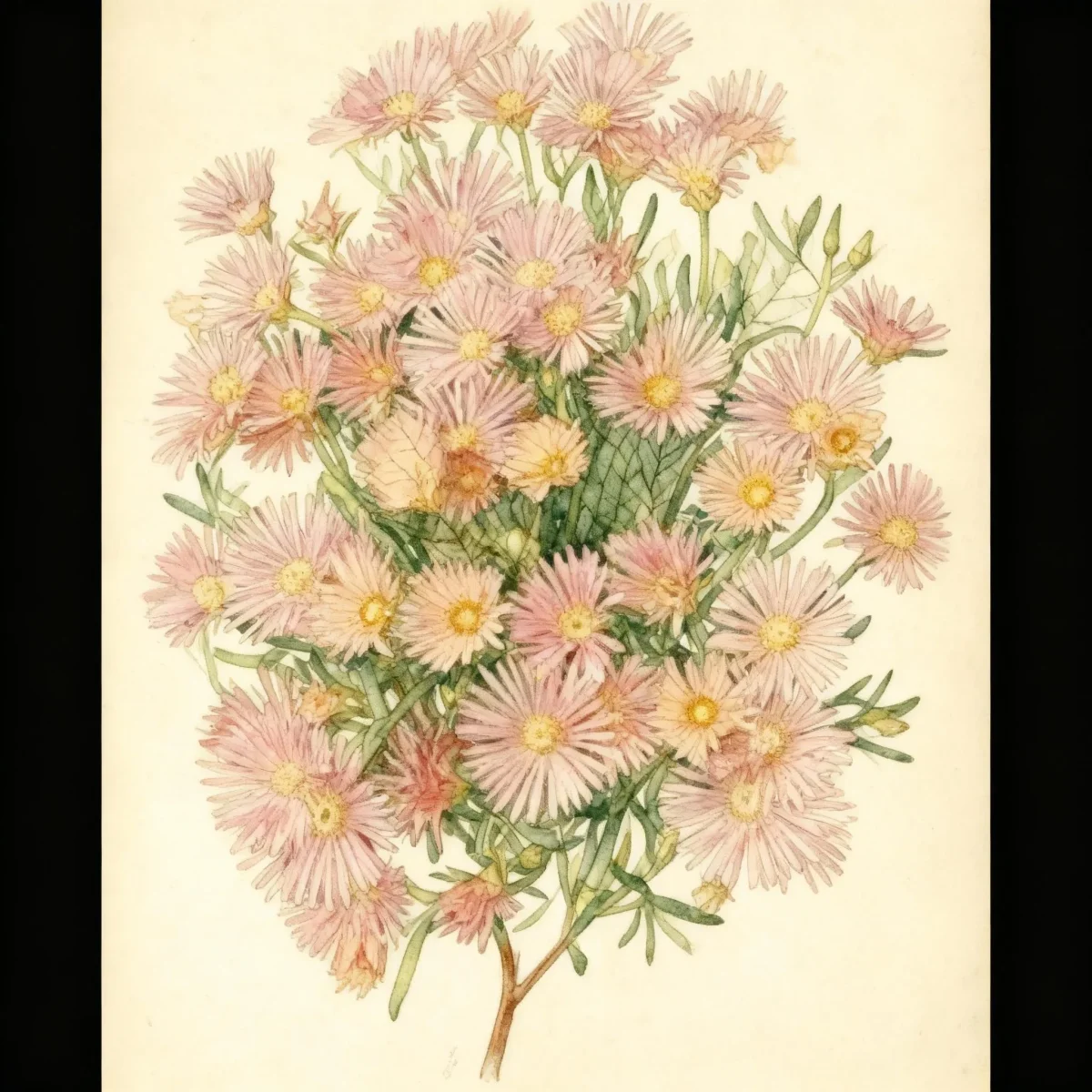
Ice plant (Delosperma cooperi)
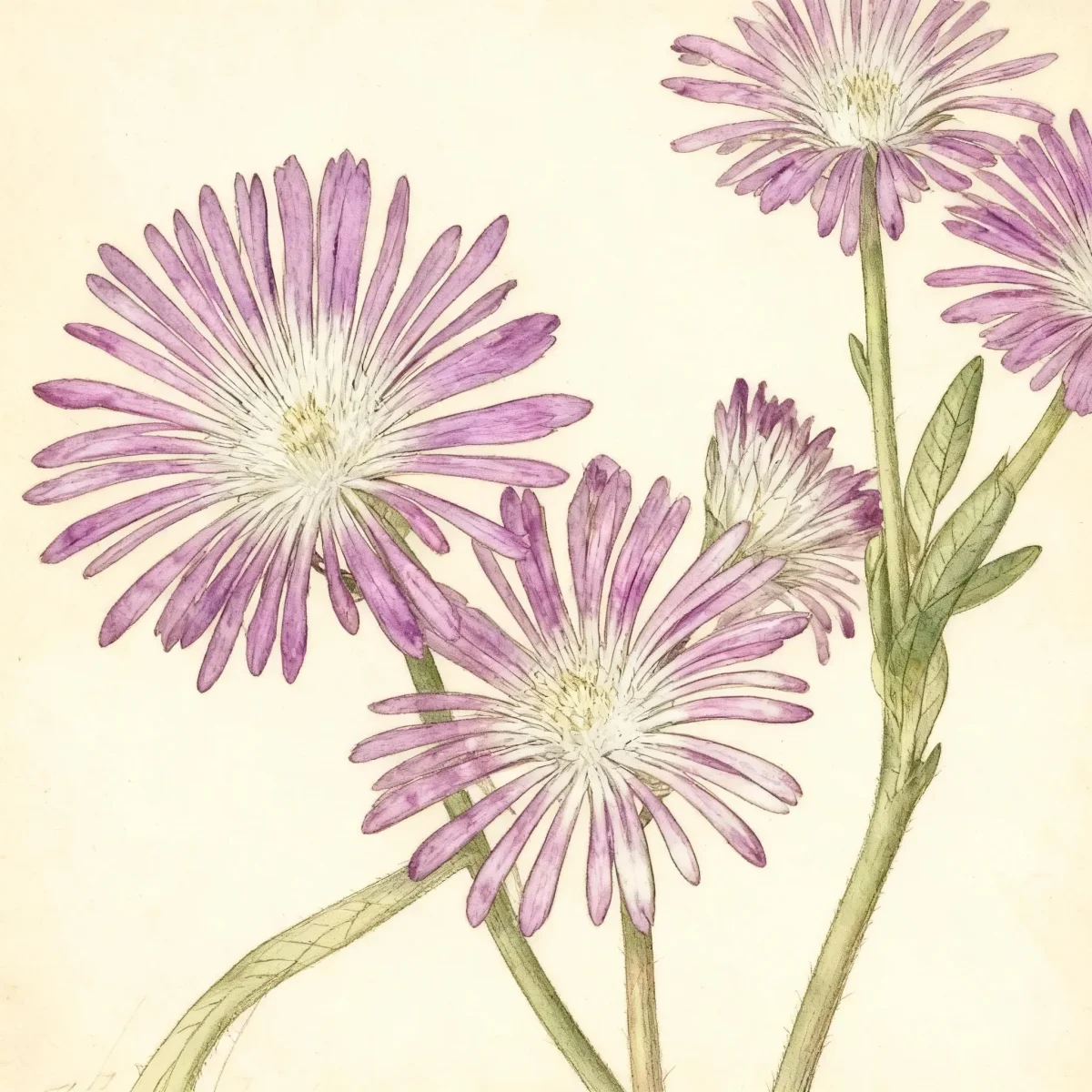
Delosperma cooperi, the Ice plant, offers vibrant, glossy red-purple blooms from June to September in USDA Zones 6-10.
Scroll down to discover growing tips, care requirements, companion plants, and more
Complete Plant Information
Overview
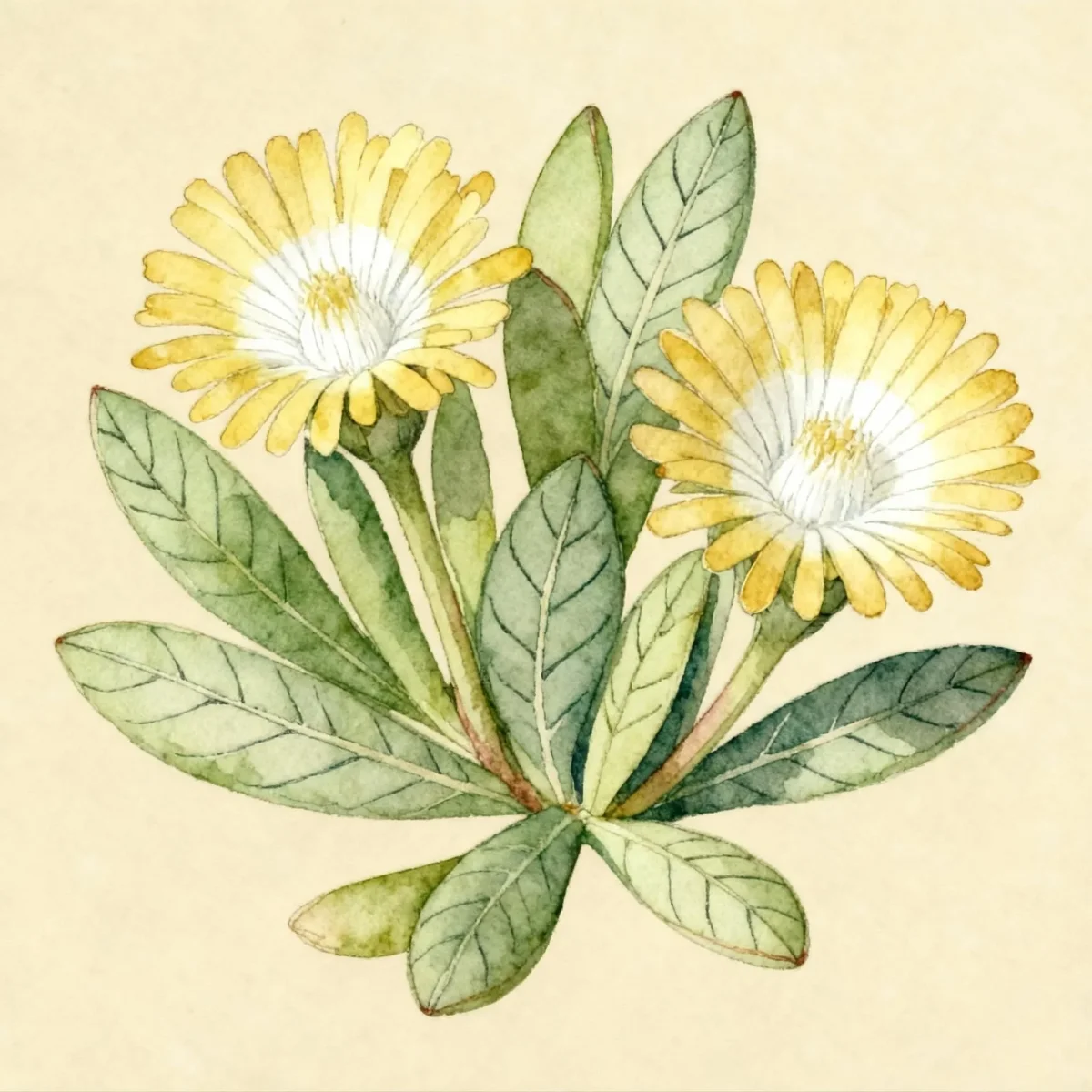
The Ice plant, scientifically known as Delosperma cooperi, is a distinctive succulent ground cover prized for its intense, long-lasting floral display. Native to South Africa, this plant forms a dense, spreading mat ideal for hot, dry locations where many other perennials struggle. Its appeal lies in the neon-like intensity of its red-purple, daisy-like flowers that cover the foliage throughout the summer months.
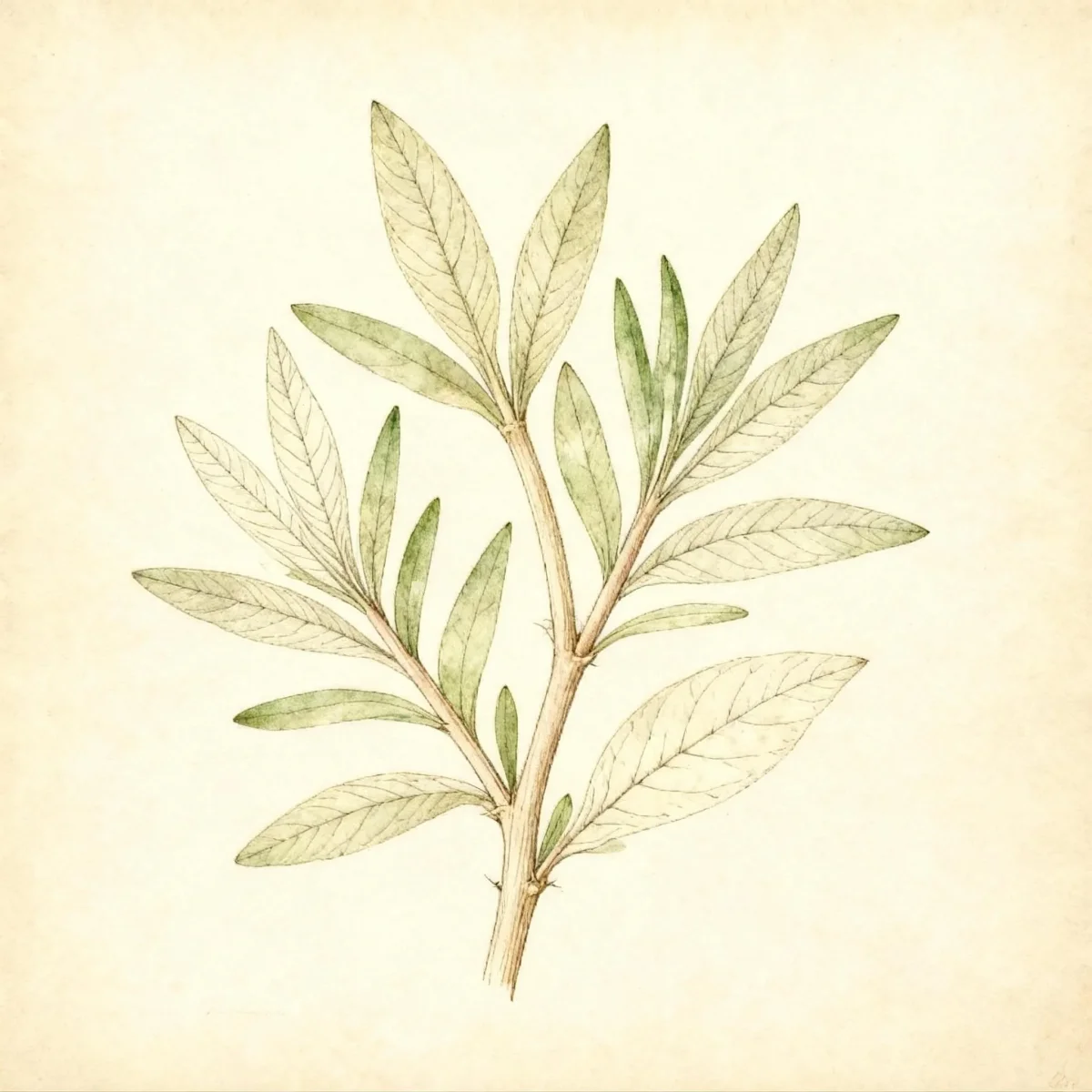
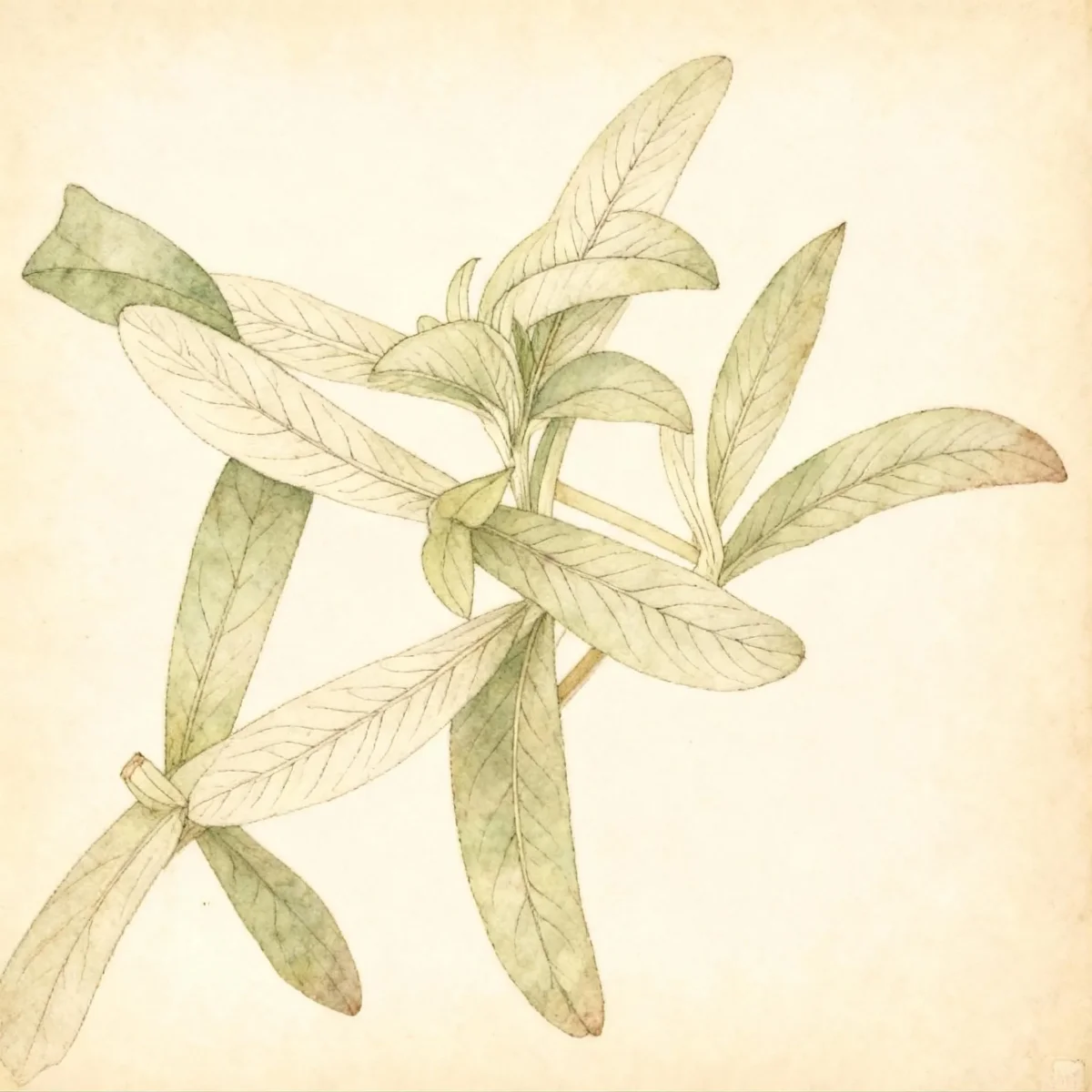
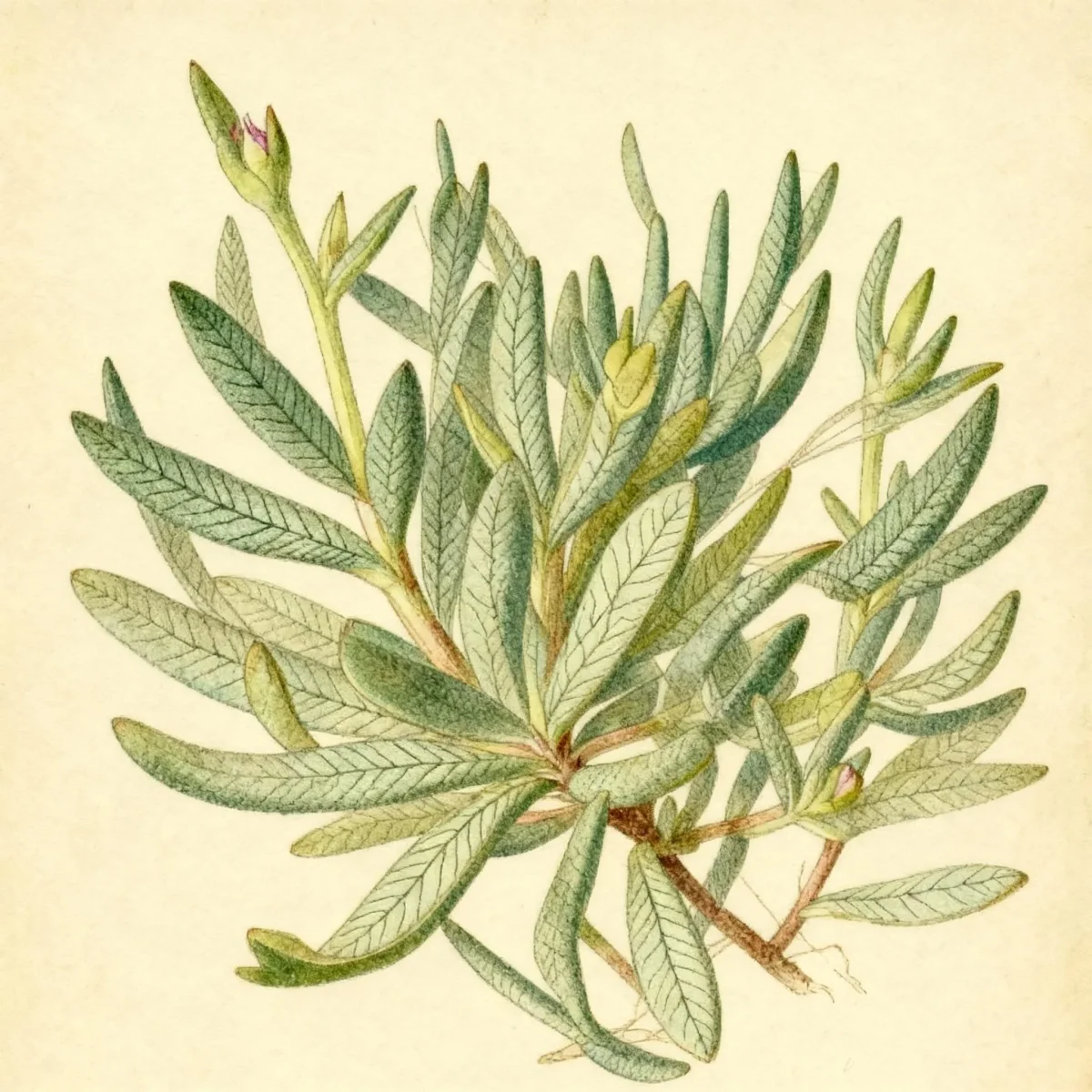
This herbaceous perennial offers significant ornamental value through its silvery-green, fleshy foliage, which often features transparent flakes that give rise to its common name. While it thrives as a vigorous, evergreen carpet in warmer climates, gardeners in northern zones should manage expectations regarding winter persistence. Effective cultivation of Delosperma cooperi hinges entirely on providing sharp drainage.
As a low-growing species, the Ice plant excels at suppressing weeds and stabilizing slopes while requiring minimal moisture once established. Its drought tolerance makes it a cornerstone species for xeriscaping and rock gardens, demanding little attention beyond initial placement in the correct environment.
Fast Facts
- Plant Family: Aizoaceae
- Plant Type: Herbaceous perennial
- Native Range: South Africa
- Hardiness Zones: USDA Zones 6-10
- Size at Maturity:
- Height: 0.25-0.5 ft
- Spread: 1-2 ft
- Bloom Time: June to September
- Bloom Description: Glossy red-purple
- Sun Exposure: Full sun
- Water Needs: Dry
- Maintenance Level: Medium
How to Grow
The key cultural requirement for successful Delosperma cooperi establishment is exceptional soil drainage. Plant in full sun, ensuring the site is sharply drained; avoid all unamended clay soils, as standing water will quickly cause this succulent to fail. This plant tolerates average to lean soils, performing well in sandy or gravelly conditions.
Water sparingly throughout the growing season, letting the soil dry out completely between irrigation events. Once established, the Ice plant exhibits significant drought tolerance, making it suitable for low-water landscapes. Fertilization is usually unnecessary; rich soils often lead to overly lush, floppy growth that reduces flowering.
For regions bordering its hardiness limit, such as the northern reaches of Zone 6, plan for winter protection. Siting the Delosperma cooperi on a south-facing slope or near a warm wall can improve winter survival. In these marginal areas, ensure drainage is superlative and consider applying a light layer of protective mulch after the ground freezes, focusing more on keeping the crown dry than insulating it from cold.
Landscape Uses
Delosperma cooperi shines wherever a durable, low-maintenance ground cover is needed in full sun. It is ideally suited for rock gardens, spilling over vertical stone edges with its brilliant summer flowers. Use it to edge walkways or borders, creating a stunning transition between paved areas and taller plantings.
Because of its succulent nature, the Ice plant combines well with other drought-tolerant species like Sedums, Sempervivums, and ornamental grasses that thrive in lean, fast-draining soil. Consider planting masses of this low-growing spread commercially, perfect for naturalizing slopes where maintenance access is limited. Its vivid color also provides excellent contrast when planted near silvery or blue-hued foliage plants.
Standout Features
Flower Qualities
- Showy
Noteworthy Characteristics
Delosperma cooperi, commonly called ice plant, is native to South Africa. It typically forms a vigorous, succulent, spreading, evergreen ground cover in warm winter areas of the United States. The foliage is covered with transparent flakes that somewhat resemble tiny pieces of ice, hence the common name, complementing its long season of daisy-like, bright red-purple flowers.
Tolerances
- Drought
- Dry Soil
- Shallow-Rocky Soil
Potential Problems
The primary concern when growing this Delosperma cooperi variety is winter hardiness outside of its optimal zone range; areas prone to cold, wet winters frequently lead to plant loss. Avoid planting in poorly drained or heavy clay soils at all costs, as this guarantees failure. Pest pressure is generally low, though occasional aphids or mealybugs may appear on succulent growth, which can often be managed with focused horticultural oil applications. Thankfully, deer and rabbits tend to avoid this plant.
Frequently Asked Questions
What hardiness zones is Ice plant suitable for?
The Delosperma cooperi Ice plant is generally hardy in USDA Zones 6 through 10, though performance in Zone 6 should be monitored carefully regarding winter drainage.
How large does Delosperma cooperi grow?
This fast-spreading succulent typically reaches a height between 0.25 and 0.5 feet, spreading widely from 1 to 2 feet across, forming a dense mat.
When does Ice plant bloom?
The prolific blooming period for this variety extends from early June well into September, covering the foliage with glossy red-purple flowers.
What sun exposure does Delosperma cooperi need?
For the best performance and longest blooming season, Delosperma cooperi requires full sun exposure throughout the day.
Conclusion
The vibrant, long-lasting bloom and extreme drought tolerance make the Ice plant (Delosperma cooperi) an invaluable, low-maintenance choice for sunny, dry spots in the garden. Ensure your site offers sharp drainage to guarantee success with this South African native. Check your local USDA zone compatibility before planning your mass plantings this season.
Companion Planting
Selecting companions whose cultural needs mirror those of Delosperma cooperi ensures a cohesive, low-stress garden design. Pair this succulent ground cover with other Mediterranean or arid-loving perennials that prefer lean soil and full sun. Excellent companions include various low-growing Sedums, which share similar water needs and textures, creating carpets of contrasting foliage color.
Consider using contrasting shapes in rock gardens; taller, spikier plants like Yucca varieties or upright ornamental grasses (such as Blue Fescue) provide vertical relief against the flat, spreading habit of the Ice plant. Always maintain adequate space between plantings to ensure good air circulation, which is vital for keeping the foliage dry and healthy.
Propagation Tips
Delosperma cooperi is incredibly simple to propagate, making it easy to expand coverage or replace winter losses. The most effective method is taking stem cuttings; these highly succulent stems root readily in the garden soil. Simply snip or snap off small sections of stem that have a few nodes attached and press them directly into prepared, dry soil in a sunny location.
Cuttings generally root within a matter of weeks, especially if taken mid-summer. Alternatively, division is possible, though slightly more challenging due to the fibrous, shallow root system. It is best to lift and divide large mats in the spring just as new growth emerges, replanting the separated sections immediately into well-drained soil.