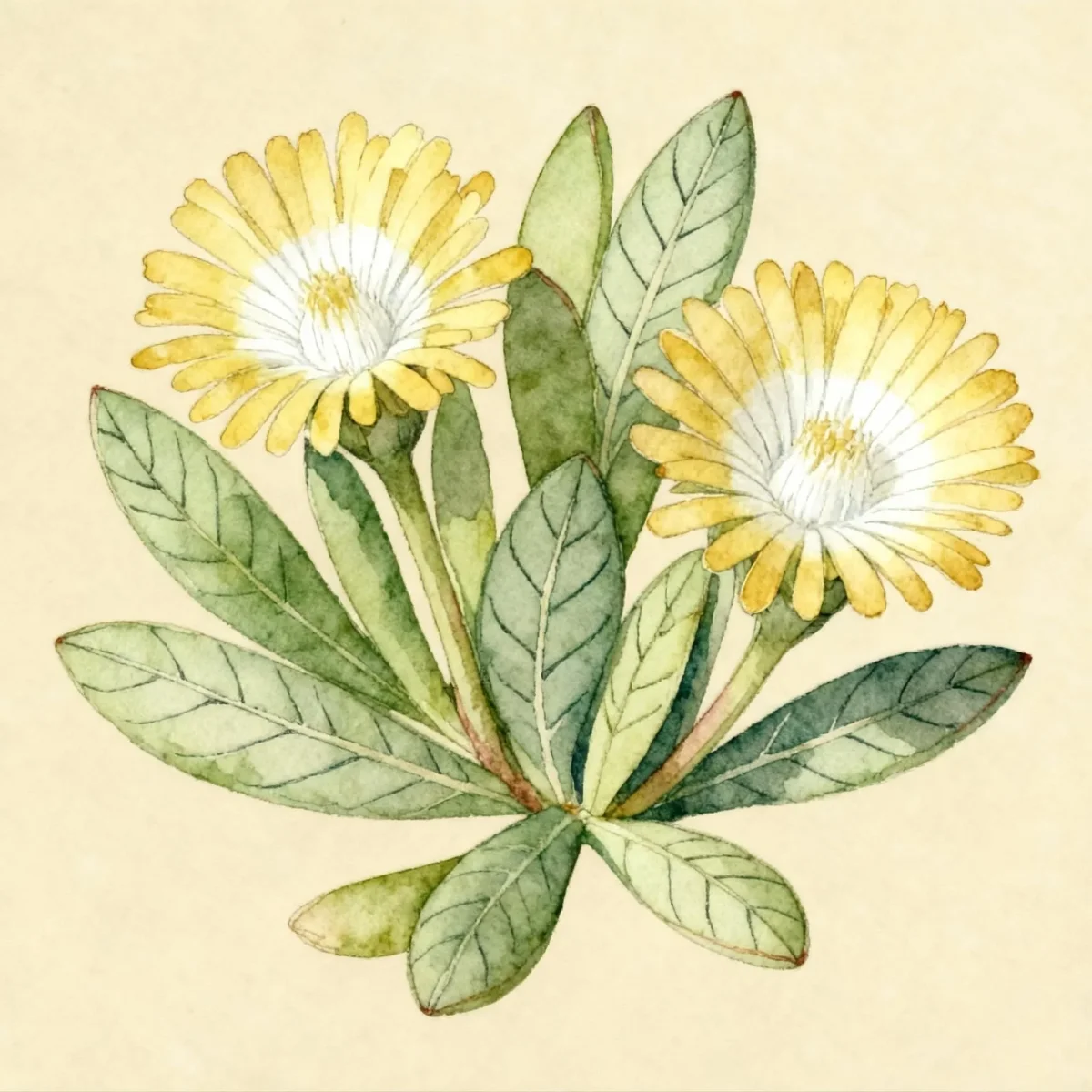
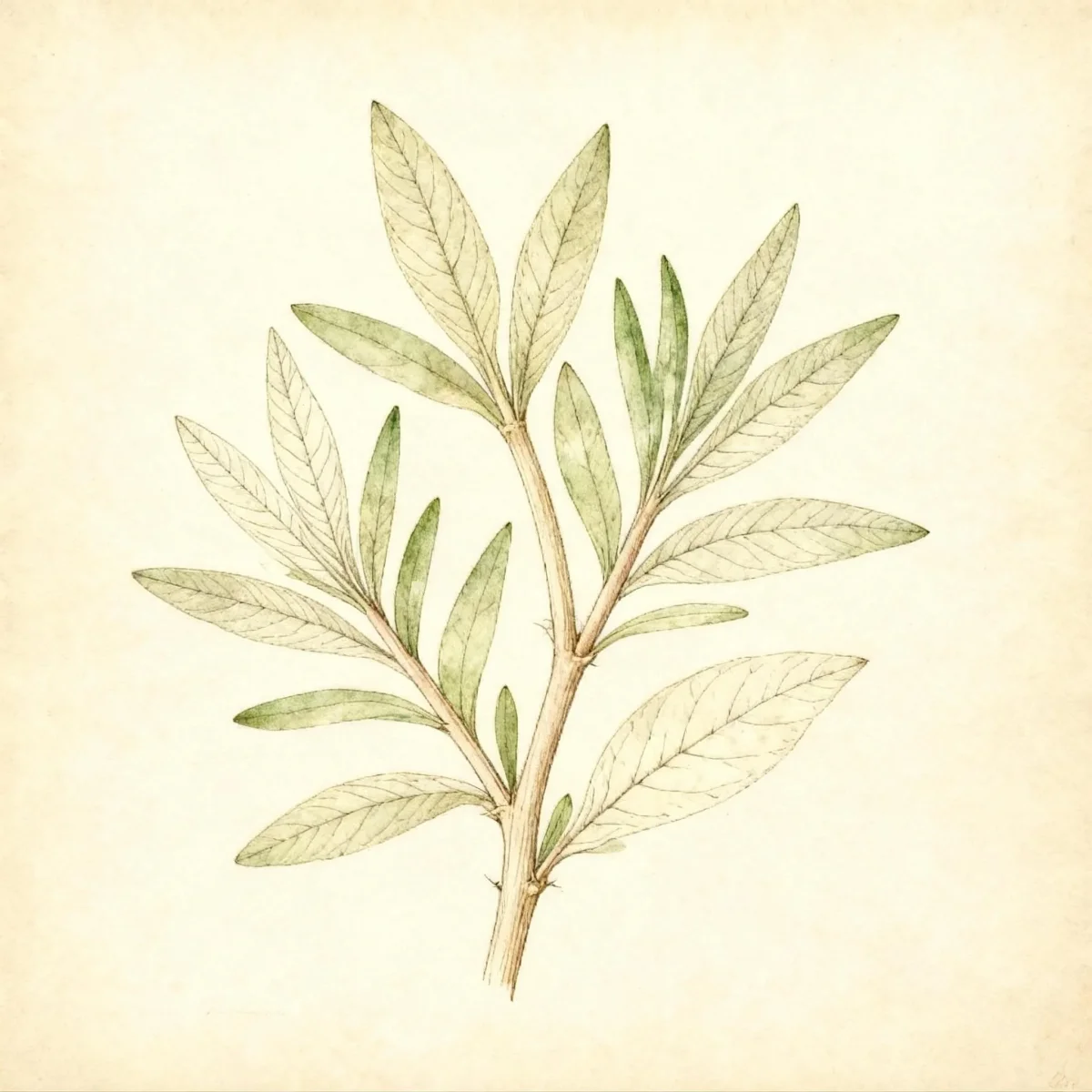
Shrubby ice plant (Ruschia pulvinaris)
Ruschia pulvinaris, the low-growing Shrubby ice plant, offers magenta-purple blooms in full sun and handles drought well in Zones 6-10.
Scroll down to discover growing tips, care requirements, companion plants, and more
Complete Plant Information
Overview
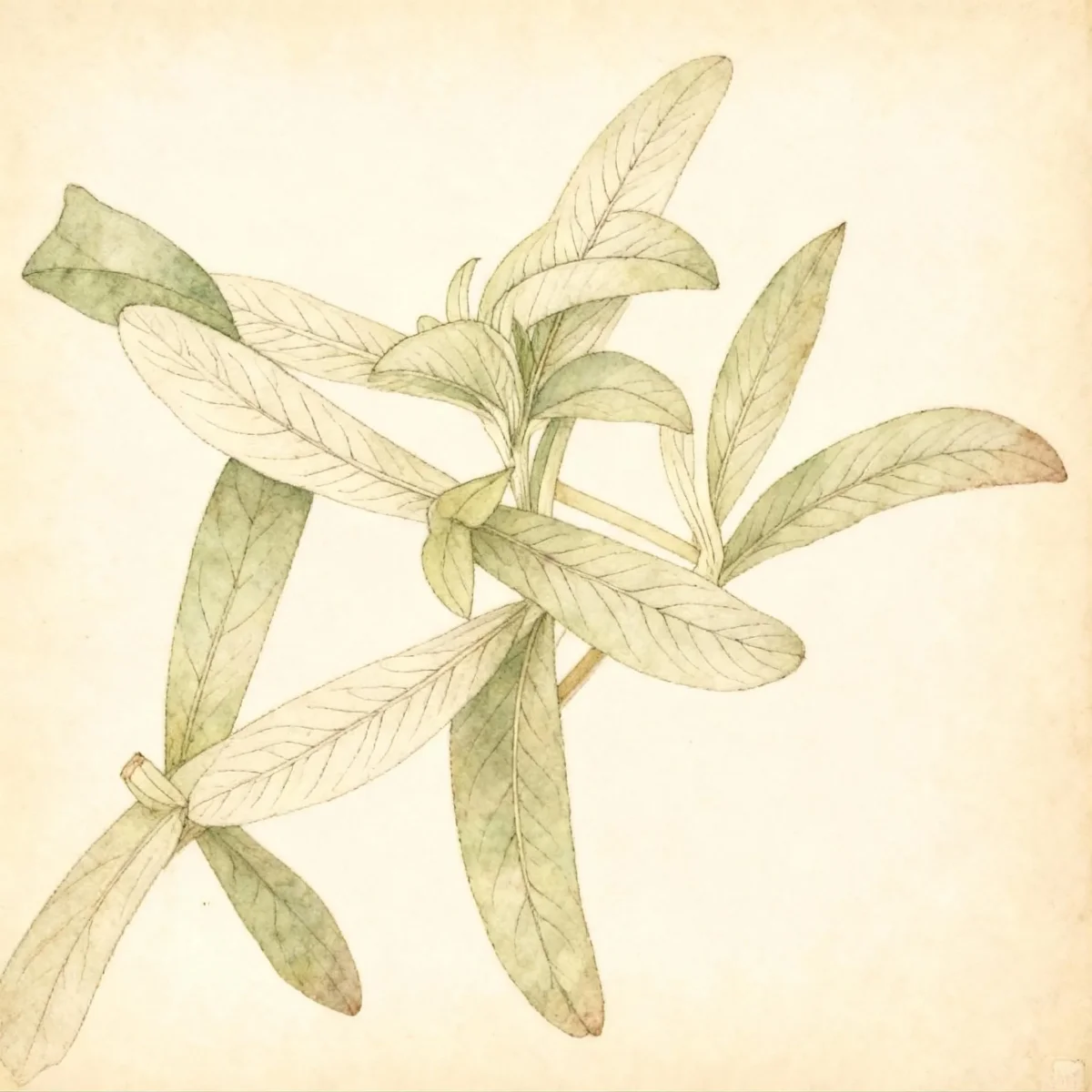
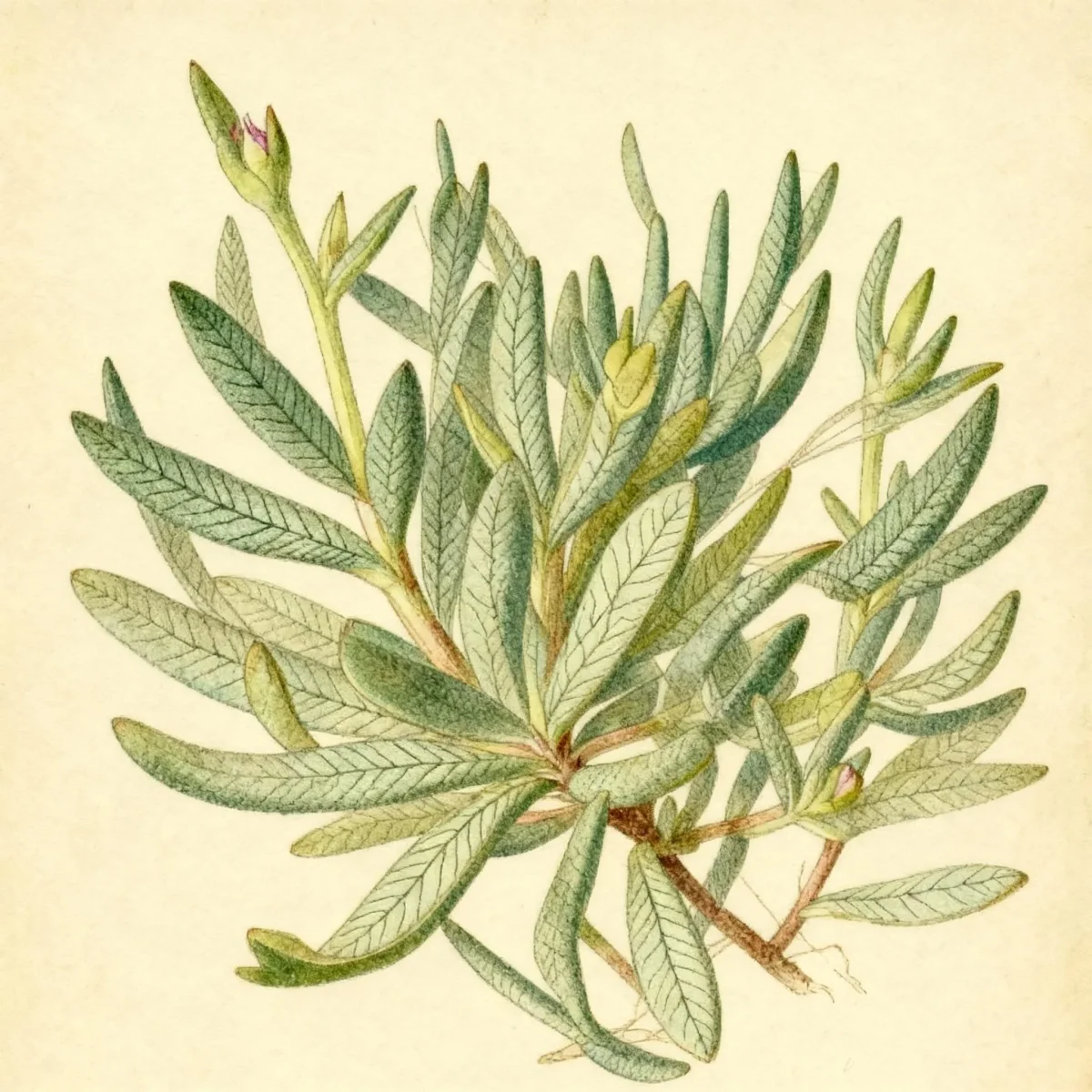
The Shrubby ice plant is a remarkable, low-growing perennial sub-shrub prized for its tight, spreading habit and brilliant spring floral display. Native to the Eastern Cape of South Africa, Ruschia pulvinaris distinguishes itself by carpeting the ground with dense, grey-green, triangular foliage. This excellent groundcover thrives in sunny, harsh conditions where many traditional perennials struggle.
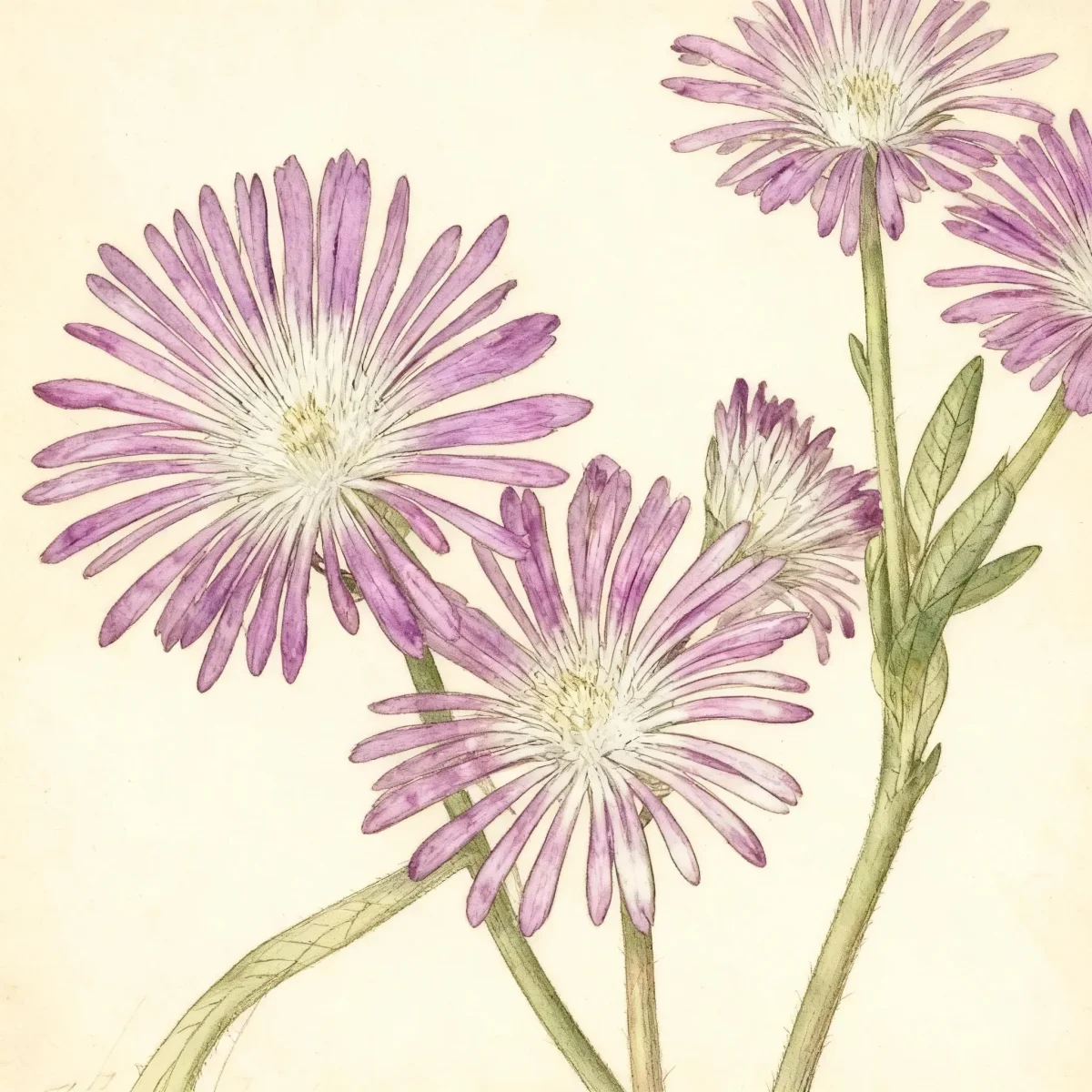
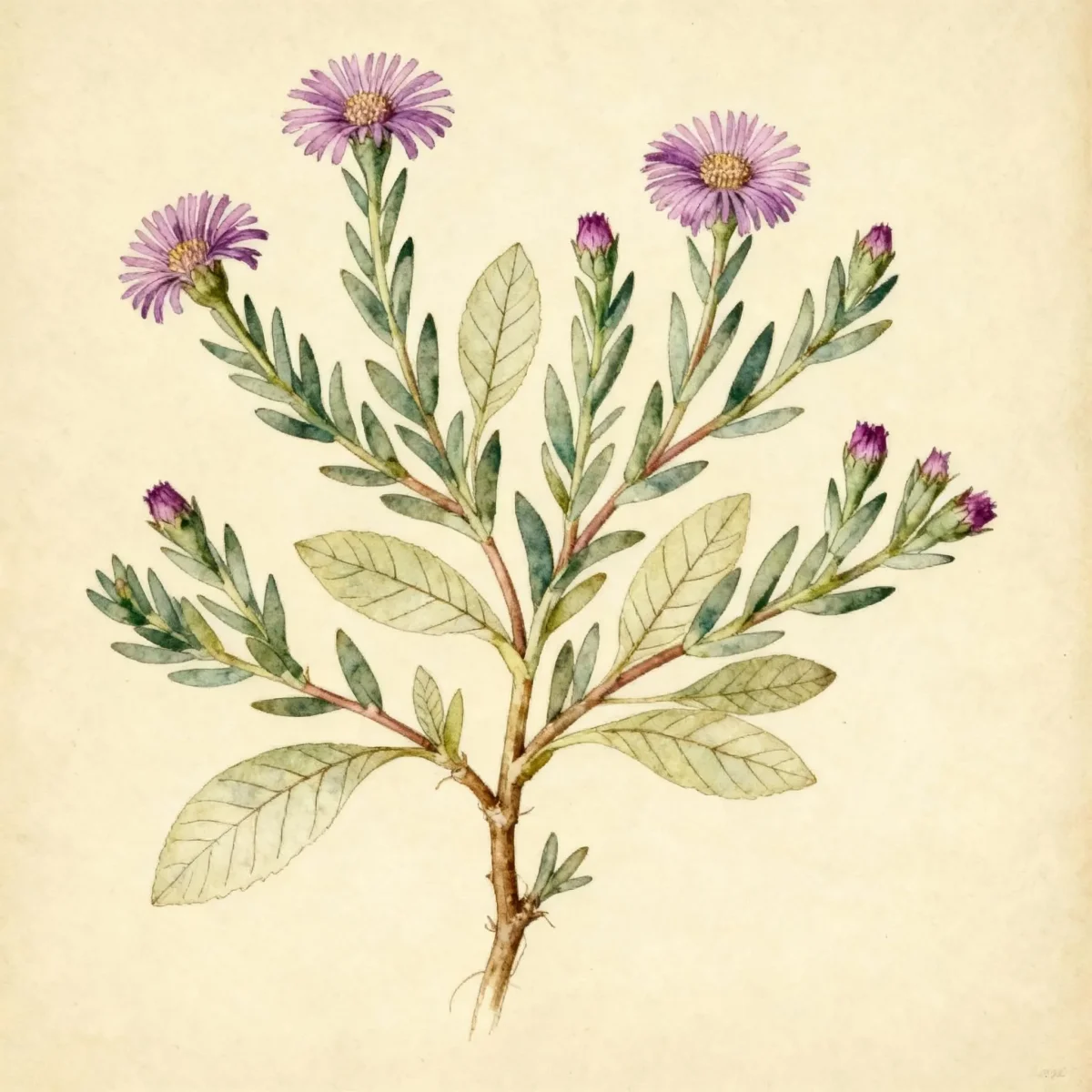
When in bloom from April to June, mature clumps of Ruschia pulvinaris are almost obscured by 1-inch, magenta-purple flowers, creating a stunning visual effect. Gardeners value this species for its extremely low maintenance profile and remarkable drought tolerance once established, making it an ideal choice for xeriscaping projects.
Beyond its drought resilience, the Shrubby ice plant provides valuable aesthetic texture year-round, reaching just under a foot in spread while staying under four inches tall. It is also highly attractive to insect pollinators, enhancing biodiversity in rock gardens and dry border edges.
Fast Facts
- Plant Family: Aizoaceae
- Plant Type: Herbaceous perennial
- Native Range: South Africa
- Hardiness Zones: USDA Zones 6-10
- Size at Maturity:
- Height: 0.25-0.33 ft
- Spread: 0.75-1 ft
- Bloom Time: April to June
- Bloom Description: Magenta-purple, Pink
- Sun Exposure: Full sun
- Water Needs: Dry to medium
- Maintenance Level: Low
How to Grow
Planting should occur when frost danger has passed, ensuring the location receives full, uninterrupted sunlight throughout the day. Ruschia pulvinaris demands excellent drainage; best results are achieved in sandy, rocky, or loose soils. It is highly intolerant of clayey, compacted, or poorly drained environments, which are primary causes of failure. Ensure adequate air circulation around the low-growing mass.
Watering requirements for the Shrubby ice plant are minimal once established, fitting perfectly into dry or medium water-use landscapes. Allow the soil to dry out thoroughly between waterings, especially during the summer heat. Crucially, this species requires dry conditions throughout the winter months to prevent fungal issues and root rot. No routine fertilization is typically necessary; rich soil can encourage softer, leggier growth that detracts from its natural compact form.
Maintenance is exceptionally low for this succulent-leaved perennial. Avoid heavy pruning; rather, let the plant develop its natural mounded, creeping habit. If cleanup is needed, a light trim after flowering can tidy up the appearance. Prepare for winter by ensuring the planting area does not retain excessive moisture, as this plant is sensitive to wet feet when temperatures drop.
Landscape Uses
The creeping habit and drought tolerance of Ruschia pulvinaris make it a superstar for challenging, dry spots. Its primary function is as an attractive ground cover, effectively suppressing weeds close to the soil surface while adding texture. It is indispensable in rock gardens and alpine gardens where sharp drainage is guaranteed.
Consider using the Shrubby ice plant to spill over retaining walls or the edges of raised beds, softening hard lines with its dense, low form. Its suitability for xeriscaping means it pairs beautifully with other Mediterranean or South African natives that share its low-water needs, such as certain Sedums, Sempervivums, or low-growing ornamental grasses. Furthermore, Ruschia pulvinaris performs well in containers, provided the potting mix is extremely gritty and allows for rapid drainage.
Standout Features
Noteworthy Characteristics
Ruschia pulvinaris, commonly called Shrubby ice plant or congested ice plant, is a perennial sub-shrub native to the Eastern Cape province of South Africa. Small, triangular, grey-green foliage is held on thin woody stems, and mature clumps have a creeping, spreading habit, reaching about 3-4” tall and filling a 1’ area. In mid-spring, the foliage is blanketed with bright magenta-purple, 1” diameter flowers, making it highly attractive to butterflies and other insect pollinators.
Tolerances
- Rabbit
- Deer
- Drought
- Shallow-Rocky Soil
Potential Problems
Ruschia pulvinaris generally enjoys robust health, suffering from few noted pest or disease issues in its preferred conditions. The most significant risk gardeners face is root rot, which occurs almost exclusively when the plant is sited in heavy clay or poorly draining sites. To prevent this, always amend heavy soils heavily with grit or sand, ensuring water never sits around the base of the clump, particularly during winter dormancy. If rot starts to show, improve drainage immediately or consider transplanting the affected area.
Frequently Asked Questions
What hardiness zones is Shrubby ice plant suitable for?
The Shrubby ice plant is hardy across USDA Zones 6 through 10.
How large does Ruschia pulvinaris grow?
This perennial sub-shrub maintains a very low profile, typically growing only 0.25 to 0.33 feet (3 to 4 inches) in height, with a spread reaching up to 1 foot.
When does Shrubby ice plant bloom?
Ruschia pulvinaris features its best show, magenta-purple to pink flowers, from April through June.
What sun exposure does Ruschia pulvinaris need?
This plant requires full sun exposure to thrive and produce its best floral display.
Conclusion
The Shrubby ice plant delivers significant textural interest and vibrant color with minimal input, cementing its place as a low-maintenance champion for dry, sunny areas. Utilizing Ruschia pulvinaris in rock gardens or xeriscapes capitalizes on its superb drought tolerance and spreading habit. Always confirm your soil drains exceptionally well before planting this South African gem.
Companion Planting
Because the cultural requirements for Ruschia pulvinaris center heavily on dry, gritty, fast-draining soil and full sun, companion planting should focus on other rock garden stalwarts. Grouping it with hardy Sempervivum (Hens and Chicks) or various low-growing Thyme varieties creates a textural tapestry where water competition is low. Avoid pairing it with moisture-loving perennials that require rich, consistently damp soil, as this will compromise the drainage critical for the survival of the Shrubby ice plant.
Wildlife Benefits
The prolific bloom period of Ruschia pulvinaris in late spring and early summer makes it a fantastic resource for early-season pollinators. The small, bright magenta-purple flowers are specifically reported to be highly attractive to many butterfly species traversing the garden landscape. Planting this species offers a reliable nectar source when many other summer bloomers have yet to open, supporting local insect populations in dry garden settings.