Common globe amaranth (Gomphrena globosa)
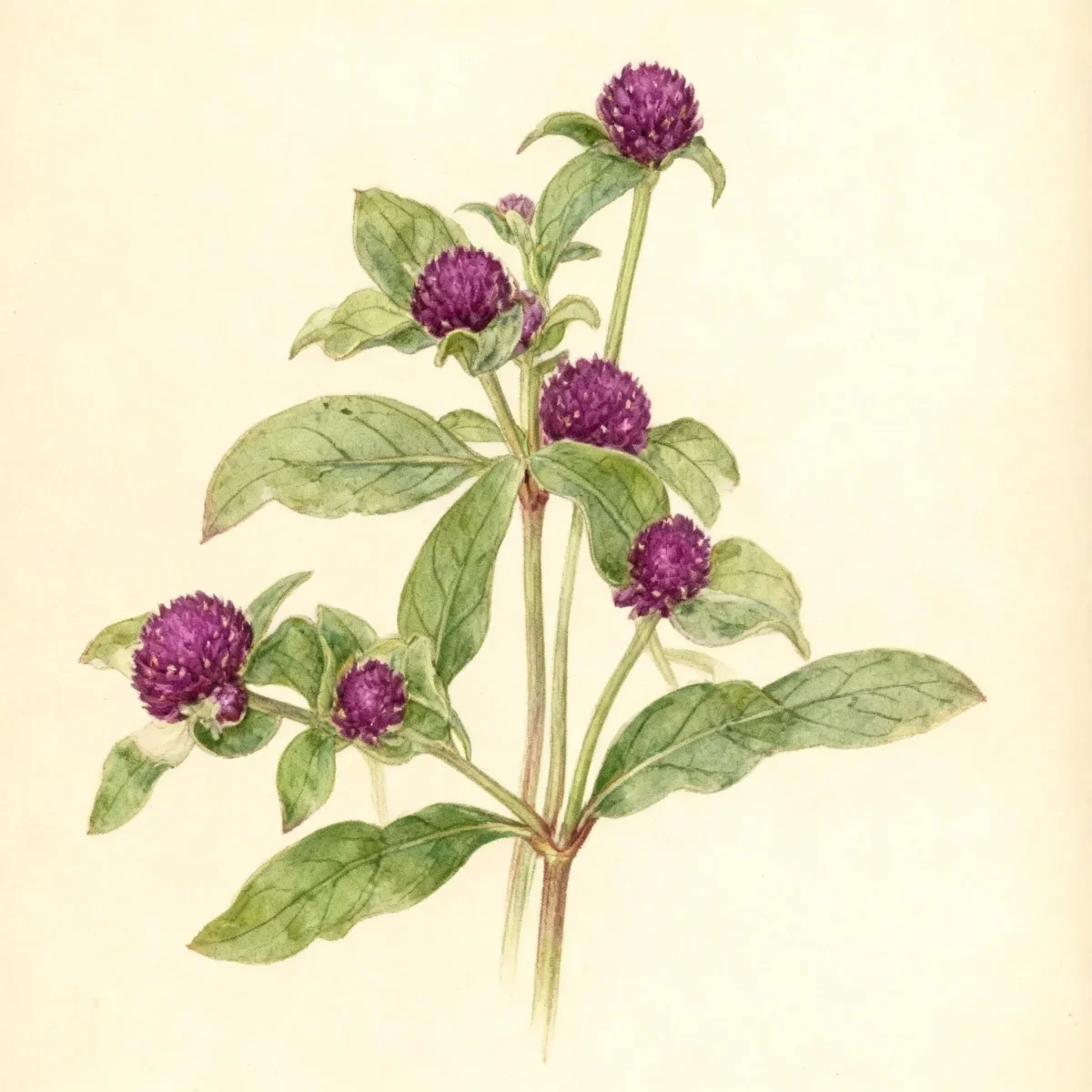
Common globe amaranth (Gomphrena globosa) is a showy, low-maintenance annual treasured for its everlasting, clover-like flowerheads perfect for drying.
Scroll down to discover growing tips, care requirements, companion plants, and more
Complete Plant Information
Overview
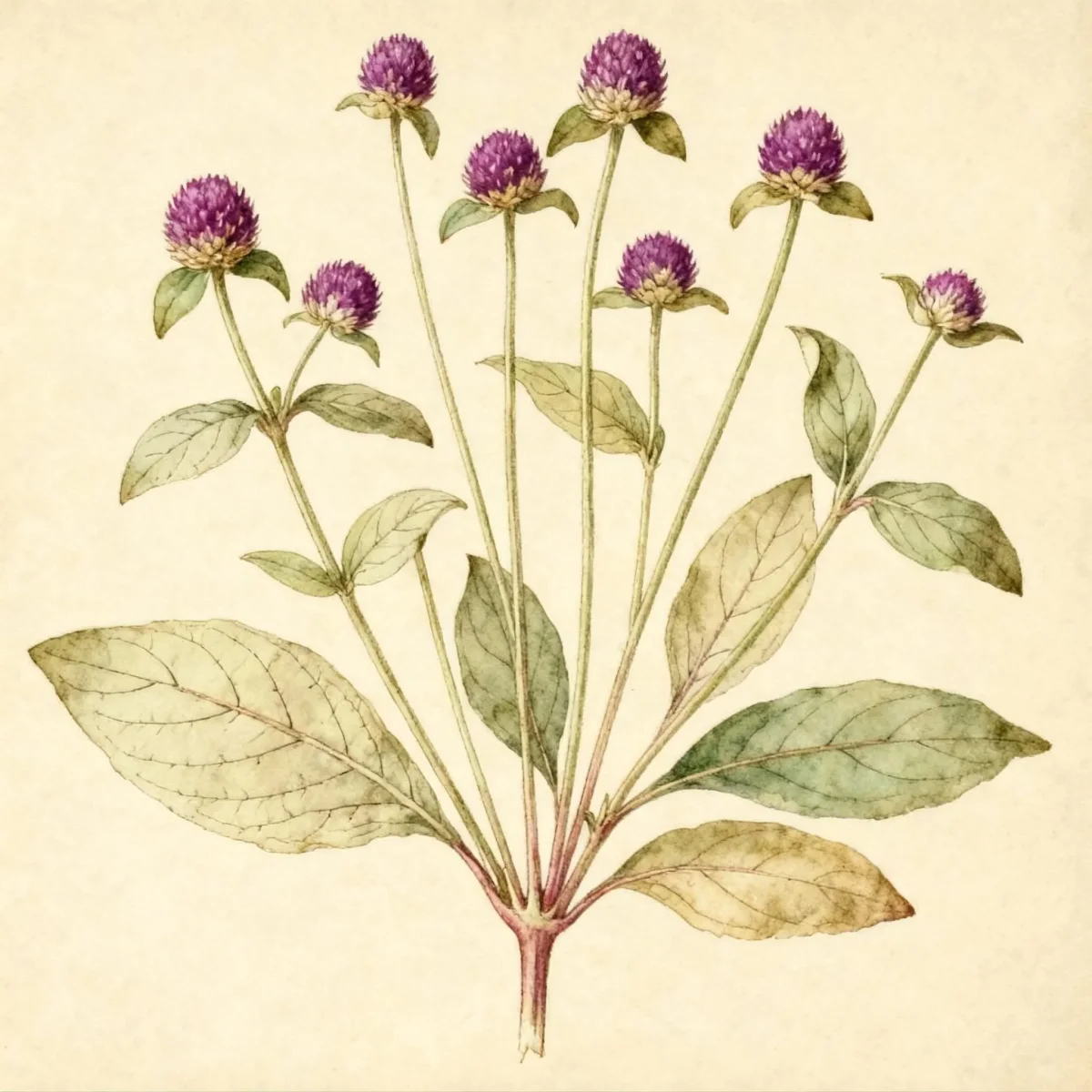
Common globe amaranth, scientifically known as Gomphrena globosa, is a beloved warm-season annual celebrated for its distinctive, everlasting blooms. While the true flowers are small, the papery, clover-like bracts provide vibrant color, typically magenta but available in many hues, lasting from early summer until the first frost. Gardeners value this plant for its exceptional heat tolerance and its suitability for uses beyond the garden bed.
This compact annual is remarkably easy to incorporate into diverse planting schemes. Gomphrena globosa thrives in full sun and adapts well to average, well-drained soils, even showing tolerance for clay and dry conditions once established. Its low maintenance requirements make it an excellent choice for busy gardeners looking for reliable summer performance.
The defining feature of the Common globe amaranth relates to its longevity both on and off the plant. Its stunning bracts retain their color exceptionally well, making it an excellent candidate for fresh bouquets and, critically, for drying. Growing Gomphrena globosa ensures months of unique texture and color in your landscape.
Fast Facts
- Plant Family: Amaranthaceae
- Plant Type: Annual
- Native Range: Central America and northern South America
- Hardiness Zones: USDA Zones 2-11
- Size at Maturity:
- Height: 0.5-2 ft
- Spread: 0.5-1 ft
- Bloom Time: June to frost
- Bloom Description: White to yellow with bright magenta bracts
- Sun Exposure: Full sun
- Water Needs: Medium
- Maintenance Level: Low
How to Grow
Start Gomphrena globosa by direct sowing seeds into the garden after all danger of frost has passed. Be prepared to use ample seed, as germination rates can sometimes be low. For earlier flowering, start seeds indoors 6 to 8 weeks before the last expected frost, transplanting young seedlings out only once the weather is reliably warm. Plants establish best when placed in a location receiving full sun.
Once growing, this plant performs best with consistent moisture throughout the peak summer heat. Although mature Common globe amaranth develops good drought resistance, regular watering supports the best flowering display. Avoid excessive fuss; this species prefers average, well-drained soil and tolerates poor structures, including clay, better than many summer annuals.
Maintenance is minimal. Taller varieties of Gomphrena globosa may occasionally require light staking if weather is windy, but generally, they remain sturdy. Pinching back young plants encourages a bushier, more compact habit, preventing legginess and maximizing bloom production throughout the season.
Landscape Uses
Gomphrena globosa is incredibly versatile, easily suiting borders, the edges of rock gardens, and mass plantings in annual beds. Its compact stature and vibrant, enduring texture make it an excellent structural element for container gardens where consistent color is desired all season long. Furthermore, because it is so attractive when dried, incorporating it into dedicated cutting gardens is highly recommended.
Use the globe-like flowerheads of the Common globe amaranth near the front of mixed perennial or annual borders, as its unique shape contrasts beautifully with softer, more traditional bloom types. They look fantastic planted alongside dusty miller for textural contrast or paired with zinnias and sunflowers for a rich, summery display. Its ability to handle heat makes it a reliable performer where other bedding plants might falter.
Standout Features
Flower Qualities
- Showy
- Good Dried
Noteworthy Characteristics
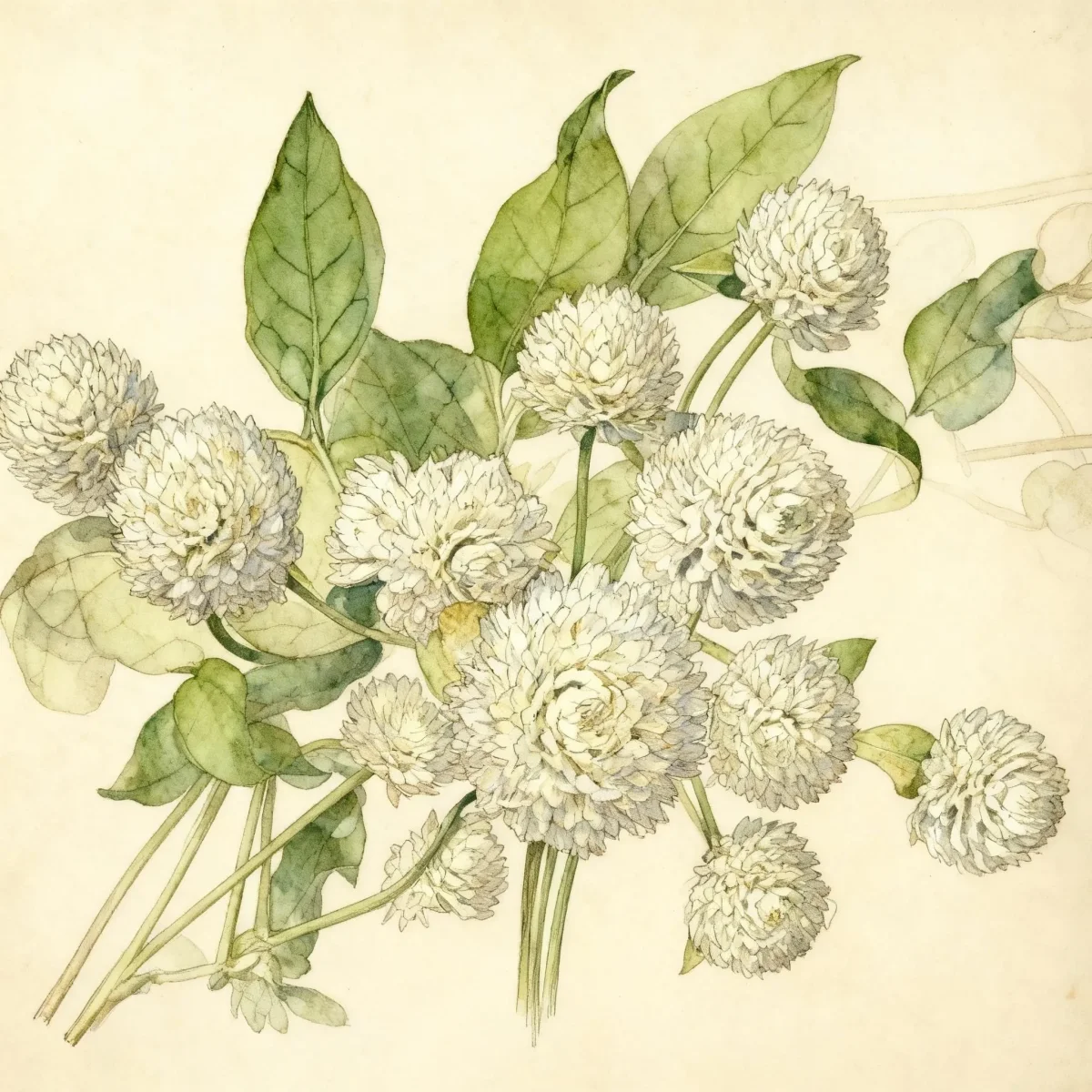
Gomphrena globosa, commonly called globe amaranth, is a compact annual that typically grows 12-24” tall on upright branching stems. The true flowers are insignificant, tiny, white to yellow trumpets that are only visible close up. It is the bright magenta bracts arranged in globose, papery-textured, clover-like flowerheads that provide the real show in a long summer to frost bloom. Cultivars expand the range of flowerhead colors to include red, pink, purple, lilac, violet and white. Long lasting fresh cut flower. Excellent dried flower (an everlasting) that retains color well. Narrow oblong to elliptic green leaves (to 4” long).Genus name comes from the Latin name for a kind of amaranth usually grown as a dried flower.Specific epithet means round or spherical.
Tolerances
- Drought
- Clay Soil
- Dry Soil
Potential Problems
Gomphrena globosa is generally resistant to most common garden pests and diseases, contributing to its low-maintenance rating. The primary cultural stressor to watch for is fungal diseases like powdery mildew, which may appear if plants become overly stressed by drought or if air circulation is poor. Ensure adequate spacing during planting to mitigate this risk. Taller cultivars sometimes benefit from support via staking to keep their upright stems from flopping over.
Frequently Asked Questions
What hardiness zones is Common globe amaranth suitable for?
Common globe amaranth (Gomphrena globosa) is surprisingly resilient and thrives across a vast temperature range, suitable for USDA Zones 2 through 11 as an annual.
How large does Gomphrena globosa grow?
Mature plants typically reach a height between 0.5 and 2 feet tall, with a corresponding spread ranging from 0.5 to 1 foot wide, depending on the specific cultivar planted.
When does Common globe amaranth bloom?
This reliable annual begins flowering in June and continues its colorful display without stopping, lasting all the way until the first hard frost arrives.
What sun exposure does Gomphrena globosa need?
Gomphrena globosa requires full sun exposure to produce the densest foliage and the most vibrant display of its unique flowerheads.
Conclusion
If you seek a durable, low-effort plant that delivers relentless color and superb material for dried crafts, the Common globe amaranth (Gomphrena globosa) is an outstanding selection. Its tolerance for heat and less-than-ideal soil structures speaks to its hardiness. Before planting, check your local last frost date to maximize your growing season with this beautiful globe flower.
Design Ideas
For a cottage garden aesthetic, intersperse masses of Gomphrena globosa with plants that have contrasting linear blooms, such as snapdragons or summer salvias. The dense, rounded texture of the globe amaranth heads acts as a visual anchor, balancing out the taller, more delicate spires. Plant them generously, as they look best in drifts rather than as singular specimens.
When designing a pollinator garden, these flowers are excellent additions, especially if you are focused on attracting beneficial insects that enjoy shorter, less ornate blooms. Their sturdy nature means the structure remains intact even after heavy rains, which often flatten more fragile filler flowers.
Propagation Tips
While most gardeners rely on purchasing nursery starts, propagation from seed is achievable, requiring patience. As noted, germination success for Gomphrena globosa can be inconsistent, so starting a high volume of seeds indoors 6 to 8 weeks before moving them outside is the most efficient approach. When handling transplants, be mindful that they prefer not to have their roots disturbed significantly once established in their permanent sunny location.