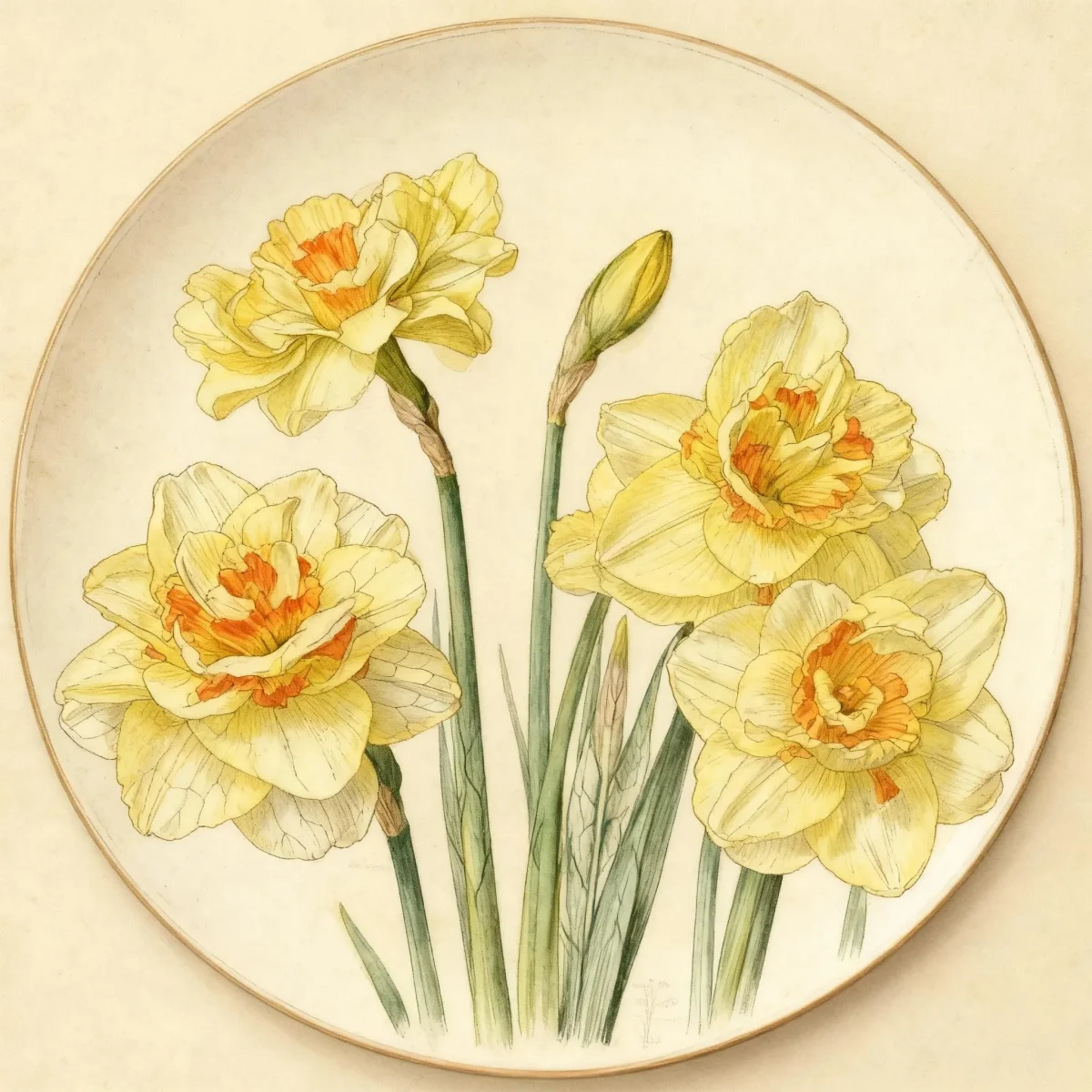
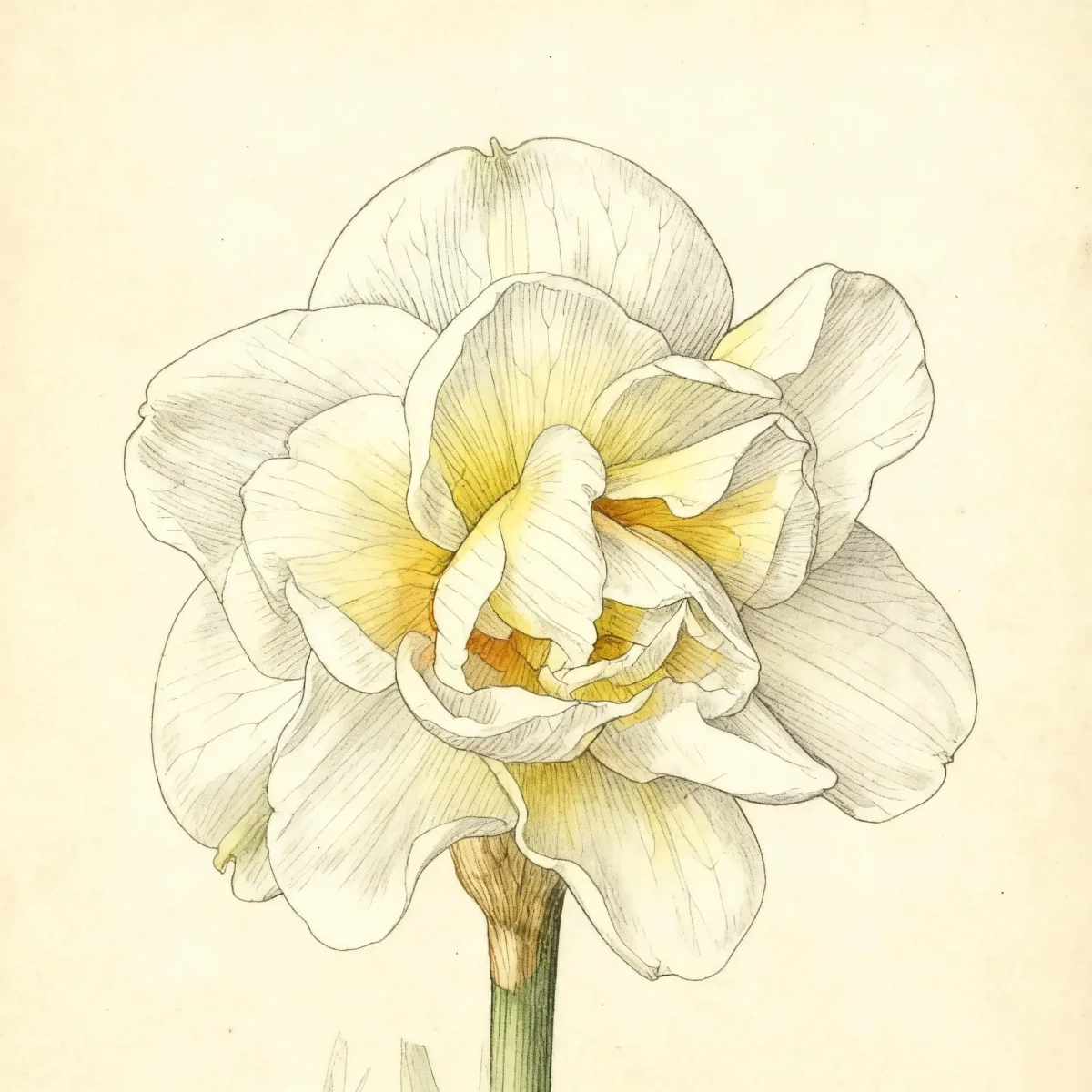
Bulbocodium daffodil (Narcissus triandrus)
Discover the charming Narcissus triandrus, the Bulbocodium daffodil. Enjoy fragrant, reflexed white blooms in mid-spring. Low maintenance.
Scroll down to discover growing tips, care requirements, companion plants, and more
Complete Plant Information
Overview
The Bulbocodium daffodil, scientifically known as Narcissus triandrus, offers gardeners a delicate and distinctive spring display. Beloved for their recurved petals, sometimes earning them the nickname ‘Angel’s Tears,’ these bulbs bring reliable, modest beauty to the early season garden. As a Division 13 species daffodil, Narcissus triandrus provides a wilder, elegant texture compared to many hybrid varieties.
Originating from the rocky pastures of Spain and Portugal, this species thrives with relatively low maintenance once established, often naturalizing beautifully over subsequent years. Their small stature and grace make them excellent for woodland edges, rock gardens, or blending seamlessly into mixed borders.
Gardeners appreciate the low maintenance commitment of the Bulbocodium daffodil, provided their basic soil and drainage requirements are met. These flowering bulbs return year after year, rewarding patient gardeners with fragrant, charming blooms from April into May.
Fast Facts
- Plant Family: Amaryllidaceae
- Plant Type: Bulb
- Native Range: Spain, Portugal, northwestern France
- Hardiness Zones: USDA Zones 4-9
- Size at Maturity:
- Height: 0.5-1 ft
- Spread: 0.5-1 ft
- Bloom Time: April to May
- Bloom Description: White to pale yellow
- Sun Exposure: Full sun to part shade
- Water Needs: Medium
- Maintenance Level: Low
How to Grow
Optimal planting time for Narcissus triandrus is in the early to mid-fall, allowing the bulbs sufficient time to establish roots before the hard freeze. These plants thrive best when situated in well-drained loams that are slightly acidic and hold medium moisture. Ensure your location receives full sun to partial afternoon shade; strategically place them so that taller shrubs or trees do not completely obscure the flowers, as Narcissus triandrus flowers generally face toward the light source.
When planting bulbs, the depth is critical; aim to bury the bulb two to three times as deep as the bulb height, ensuring at least three inches of topsoil covers the apex. While generally low maintenance, avoid cutting back the foliage after flowering; allow the leaves to yellow naturally, which is crucial for replenishing the bulb stores for next season’s appearance of the Bulbocodium daffodil.
If clumps appear crowded or bloom quality diminishes after several years, division is necessary. Dig the bulbs just after the foliage has completely died back. Be aware that this particular species plant can sometimes prove challenging to cultivate successfully in certain localized climates, such as the St. Louis area, underscoring the importance of perfect drainage.
Landscape Uses
Daffodils, including the delicate Narcissus triandrus, offer superior longevity compared to many annual displays, ensuring reliable performance season after season. Plant these bulbs generously in groupings of at least six, or allow them to form sweeping drifts to maximize visual impact during their spring showing. They are perfect for the edge of woodland areas, nestled in front of foundational shrubs, or massed beneath deciduous trees where they receive winter sun but summer shade.
The delicate structure of the Bulbocodium daffodil integrates well with other early bloomers like grape hyacinths or early tulips, offering fantastic layering opportunities in borders. Their naturalizing tendency means they are excellent candidates for less formal settings, such as wild gardens or naturalized meadows where they can colonize gently over time.
For a thoughtful design, position the Bulbocodium daffodil where its blooms are visible from a frequently used walkway or window. Because the flowers face the light, consider the sightline when planting to prevent the back sides of the clusters from facing your main viewing area.
Standout Features
Flower Qualities
- Showy
- Fragrant
Noteworthy Characteristics
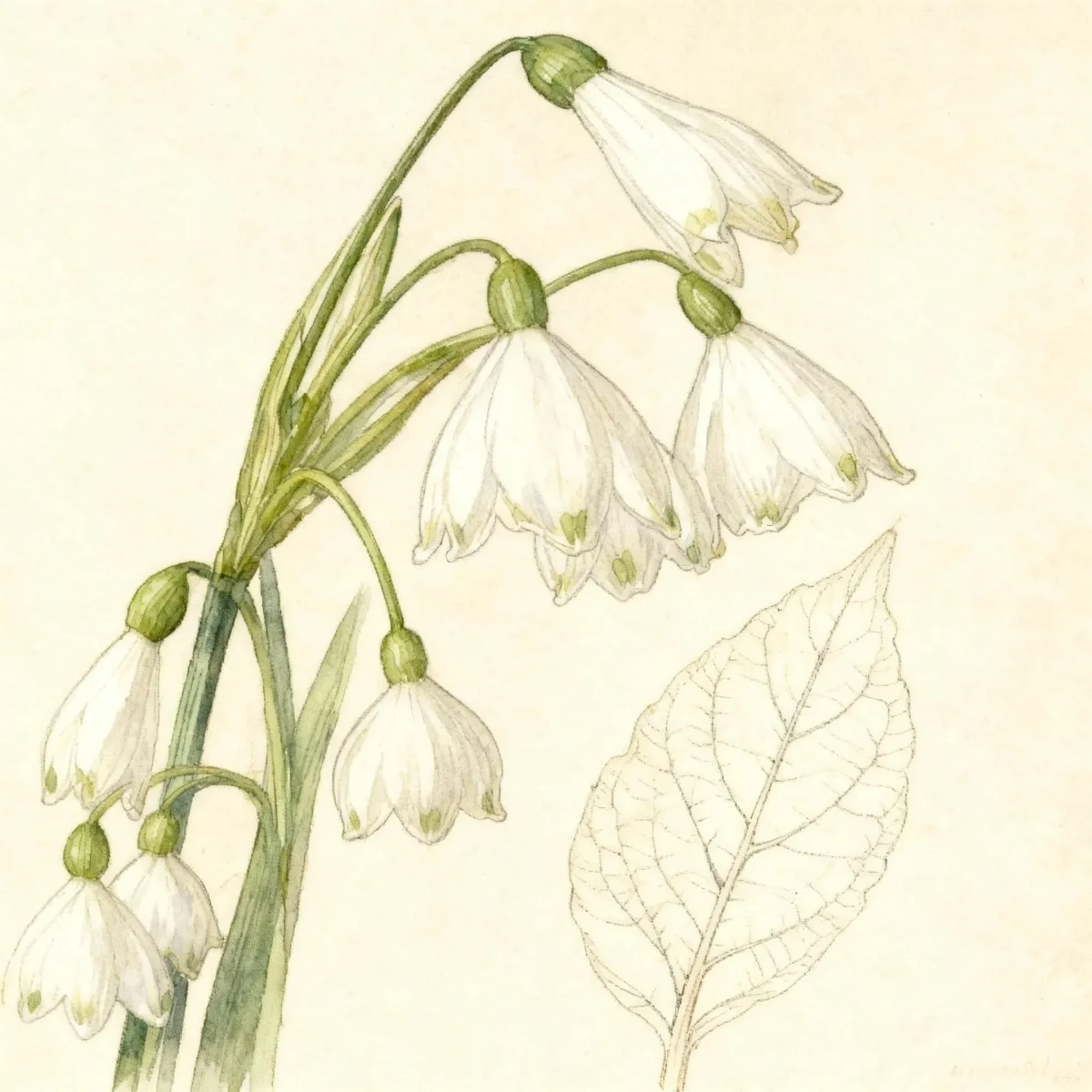
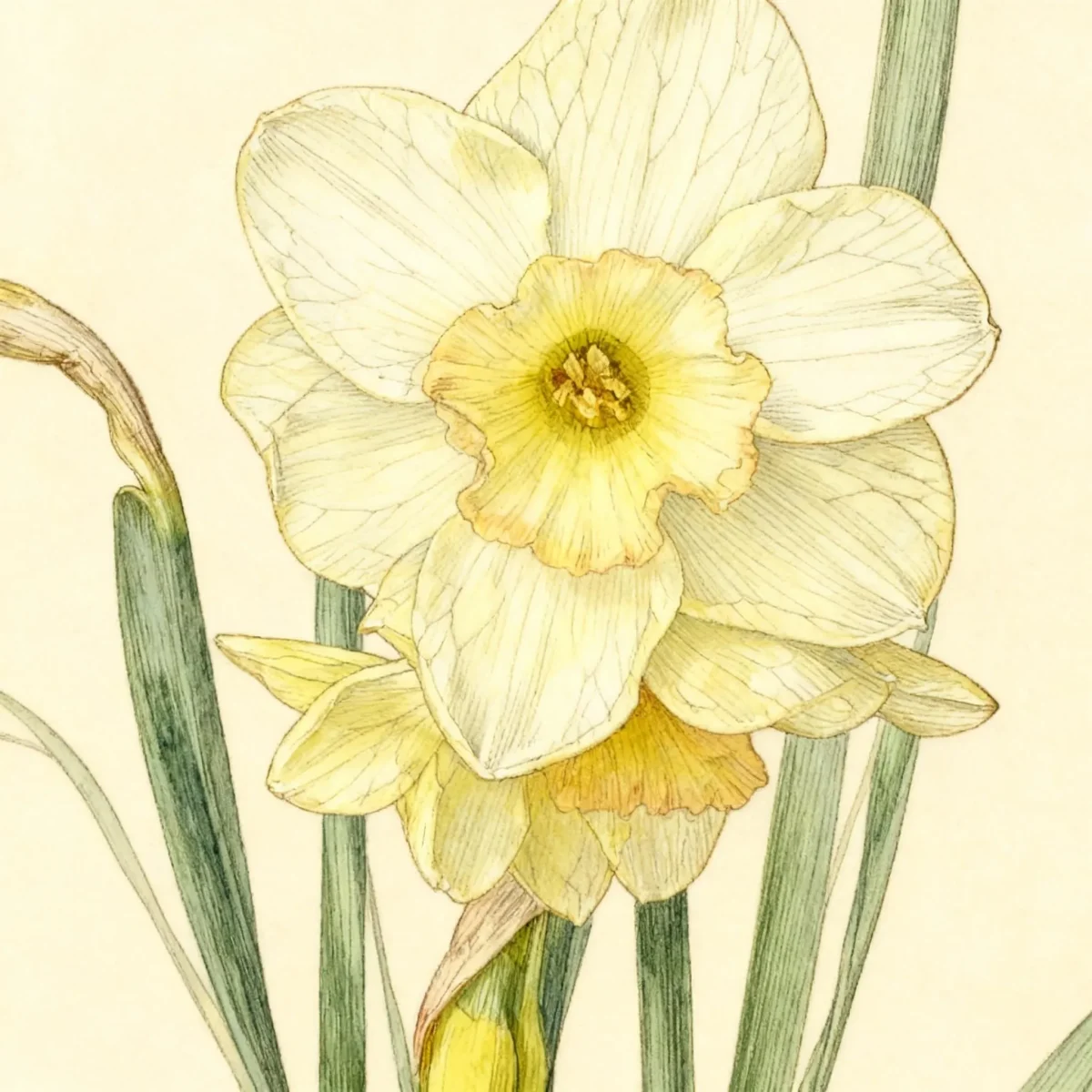
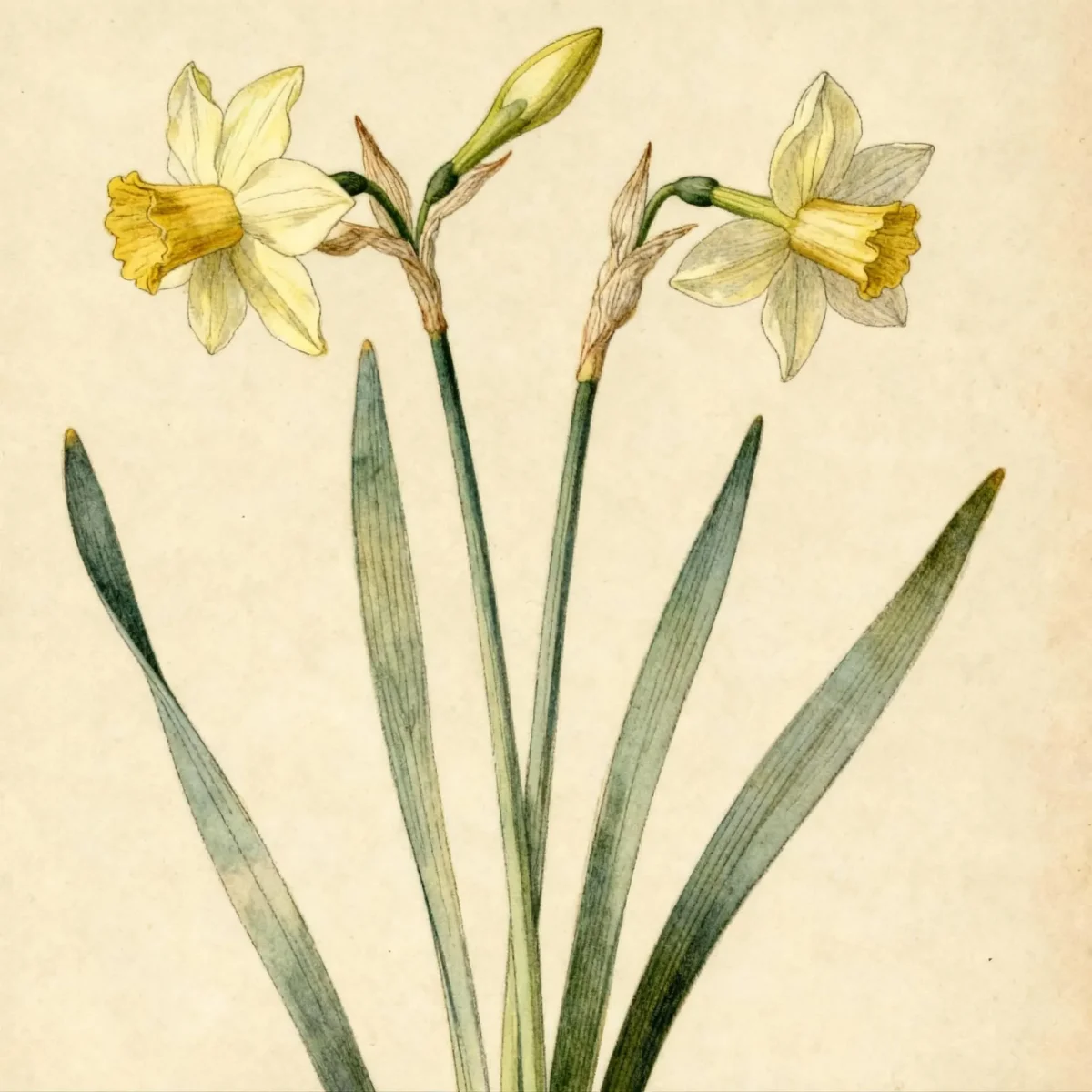
Narcissus triandrus is officially classified as a wild species under Division XIII, grouping together wild variants and natural hybrids. Commonly called angel’s tears because the flower heads naturally droop, this species is native to rocky woodlands and pastures in Portugal and Spain. The blossoms, appearing in mid-spring atop slender stems, feature creamy white to pale yellow recurved petals (the perianth segments) surrounding a small, rounded cup or corona, often appearing in small umbels of 2 to 4 flowers per stem. Narrow, green, rush-like leaves rise up to 12 inches tall, complementing the graceful flowers.
Tolerances
- Rabbit
- Deer
- Drought
Potential Problems
Daffodils are generally resilient and rarely suffer from serious diseases or insect pest issues when cultural requirements, particularly drainage, are met. The primary concern for Narcissus triandrus is bulb rot, which occurs when the soil remains excessively wet or poorly drained throughout the dormant season. Infrequent pests to watch for might include slugs, snails, or the narcissus bulb fly. To mitigate risks, always ensure sharp drainage when planting the Bulbocodium daffodil bulbs, and remove spent flowers to discourage unwarranted seed production.
Frequently Asked Questions
What hardiness zones is Bulbocodium daffodil suitable for?
The Narcissus triandrus is suitable for robust growth in USDA Hardiness Zones 4 through 9.
How large does Narcissus triandrus grow?
At maturity, this species typically reaches a height between 0.5 and 1 foot tall, with a similar spread of 0.5 to 1 foot wide.
When does Bulbocodium daffodil bloom?
The flowers appear relatively late in the spring season, generally blooming between April and May, producing white to pale yellow flowers.
What sun exposure does Narcissus triandrus need?
The ideal light requirement for successful blooming is full sun to areas receiving partial shade throughout the day.
Conclusion
The Bulbocodium daffodil introduces unmatched elegance and fragrance to the early garden display through its uniquely reflexed blooms. Ensuring well-draining soil is the key to long-term success with Narcissus triandrus, allowing this low-maintenance treasure to persist year after year. Before planting this spring, verify that your chosen location adheres to the necessary hardiness zone and sun exposure requirements.
Companion Planting
When selecting companions for Narcissus triandrus, focus on plants that share similar requirements for medium moisture and well-drained soil, especially those that bloom slightly later to fill the gap once the daffodils fade. Consider pairing them with early blooming species tulips, which offer structural contrast, or ephemeral woodland wildflowers like scilla or snowdrops. Planting low-growing groundcovers such as creeping thyme or sedums around the base can help stabilize the soil surface, protect the dormant bulbs, and visually anchor the slightly upright, rush-like foliage of the daffodils.
Seasonal Care Calendar
Early fall is the prime window for planting your Narcissus triandrus bulbs, ensuring they are settled before winter dormancy sets in. Once spring growth begins, water moderately if rainfall is insufficient to meet the ‘medium’ water needs, especially when the developing flower buds are present. Deadheading—removing the spent flower heads without damaging the stem—is important after flowering to prevent energy diversion into seed production. Never trim the foliage until it has completely turned yellow, usually by early summer, which allows the energy reserves to return to the Bulbocodium daffodil bulb for the following year’s display.