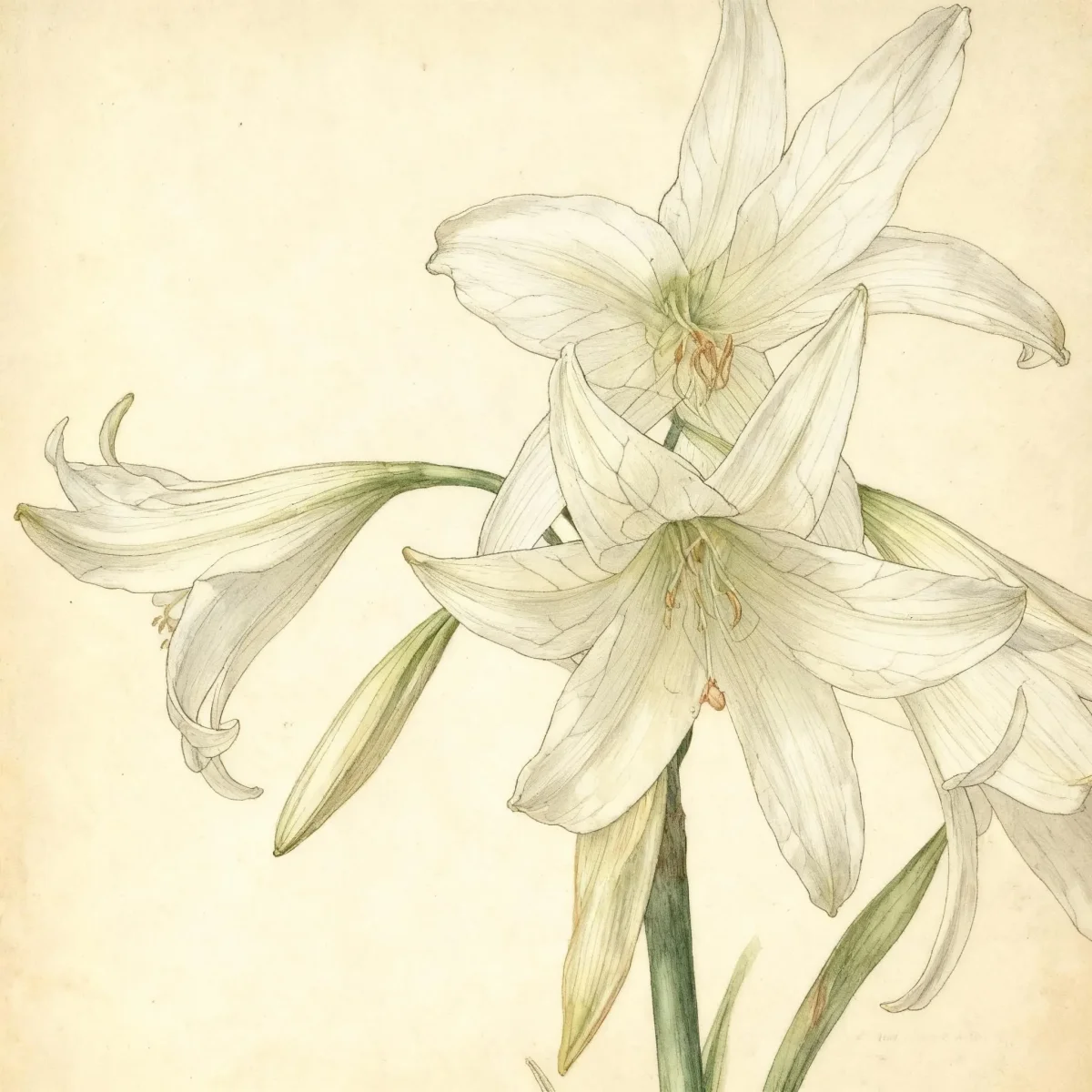
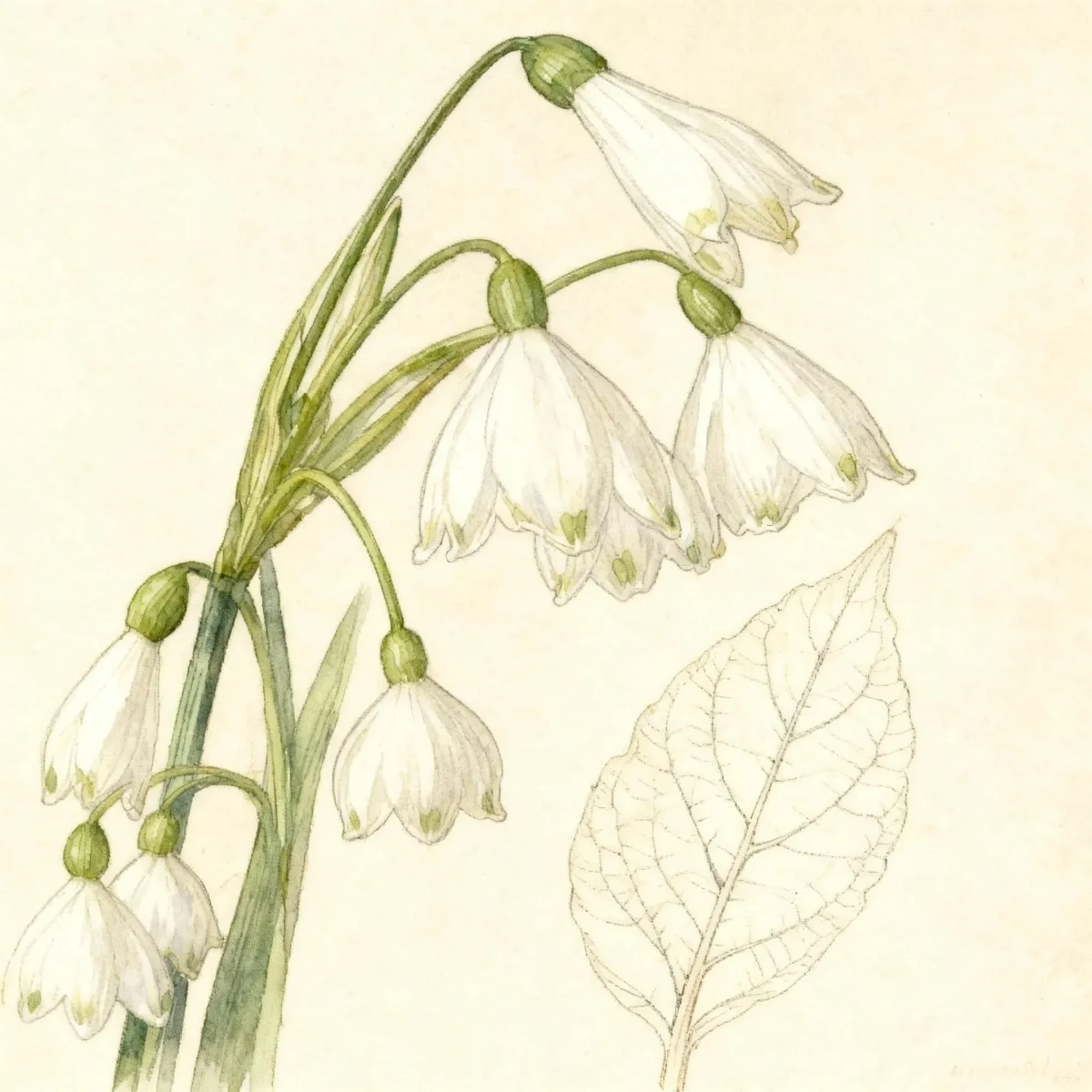
Resurrection lily (Lycoris squamigera)
Magical Lycoris squamigera blooms unexpectedly in late summer. This low-maintenance Resurrection lily offers fragrant, showy pink flowers.
Scroll down to discover growing tips, care requirements, companion plants, and more
Complete Plant Information
Overview
The Resurrection lily, scientifically known as Lycoris squamigera, offers one of gardening’s most surprising seasonal displays. This unique bulb generates tall, naked flower scapes seemingly out of nowhere in late summer, earning it nicknames like Magic lily. Its appearance is highly valued when summer color begins to fade.
As a member of the Amaryllidaceae family, Lycoris squamigera exhibits an unusual growth cycle where its foliage appears in spring, dies back completely during summer heat, only to be followed dramatically by the flower spikes. This cold-hardy species is the most reliably grown Lycoris available commercially.
Gardeners prize the Resurrection lily for its low maintenance requirements and the spectacle of its fragrant, rose-pink blooms rising unexpectedly. Plant these bulbs in the fall to enjoy the late-season magic they bring to borders and naturalized settings.
Fast Facts
- Plant Family: Amaryllidaceae
- Plant Type: Bulb
- Native Range: Japan
- Hardiness Zones: USDA Zones 5-9
- Size at Maturity:
- Height: 1.5-2 ft
- Spread: 1.5-2 ft
- Bloom Time: August to September
- Bloom Description: Rose pink tinged with lilac
- Sun Exposure: Full sun to part shade
- Water Needs: Medium
- Maintenance Level: Low
How to Grow
Planting Lycoris squamigera bulbs should occur in the autumn to allow for root establishment before cold weather sets in. Opt for organically rich, well-drained soil environments. Position the bulbs deep, spacing them about 5-6 inches deep and 6 inches apart, ideally receiving full sun to light afternoon shade.
Once established, this plant is exceptionally easy to manage. Lycoris squamigera needs only moderate watering during the summer months, specifically after the foliage has completely died back but before the flowering stems emerge. Fertilizing is rarely necessary if the soil is organically sound.
The foliage emerges in spring, providing ground cover until it mysteriously vanishes in early summer. Do not cut back the leaves prematurely; allow them to yellow naturally as this feeds the bulb for the next year’s bloom. A light winter mulch can provide extra protection in the colder ends of its range (Zone 5).
Landscape Uses
The naturalizing habit of the Resurrection lily makes it perfect for meadows or open woodland gardens where the temporary spring foliage isn’t an issue. Plant them among shrubs or under high canopy trees where they can emerge as late-season punctuation marks.
For more formal settings, Lycoris squamigera thrives in borders or containers where their unexpected August show can be highlighted. Consider grouping them near pathways where their color and subtle fragrance can be appreciated up close. They pair well with late-blooming perennials that can mask the space left vacant by the dormant summer leaves.
Allowing the Resurrection lily to naturalize by bulb offsets creates increasingly dense, spectacular drifts over time, requiring little intervention aside from occasional division every few years if they become overly crowded.
Standout Features
Flower Qualities
- Showy
- Fragrant
Noteworthy Characteristics
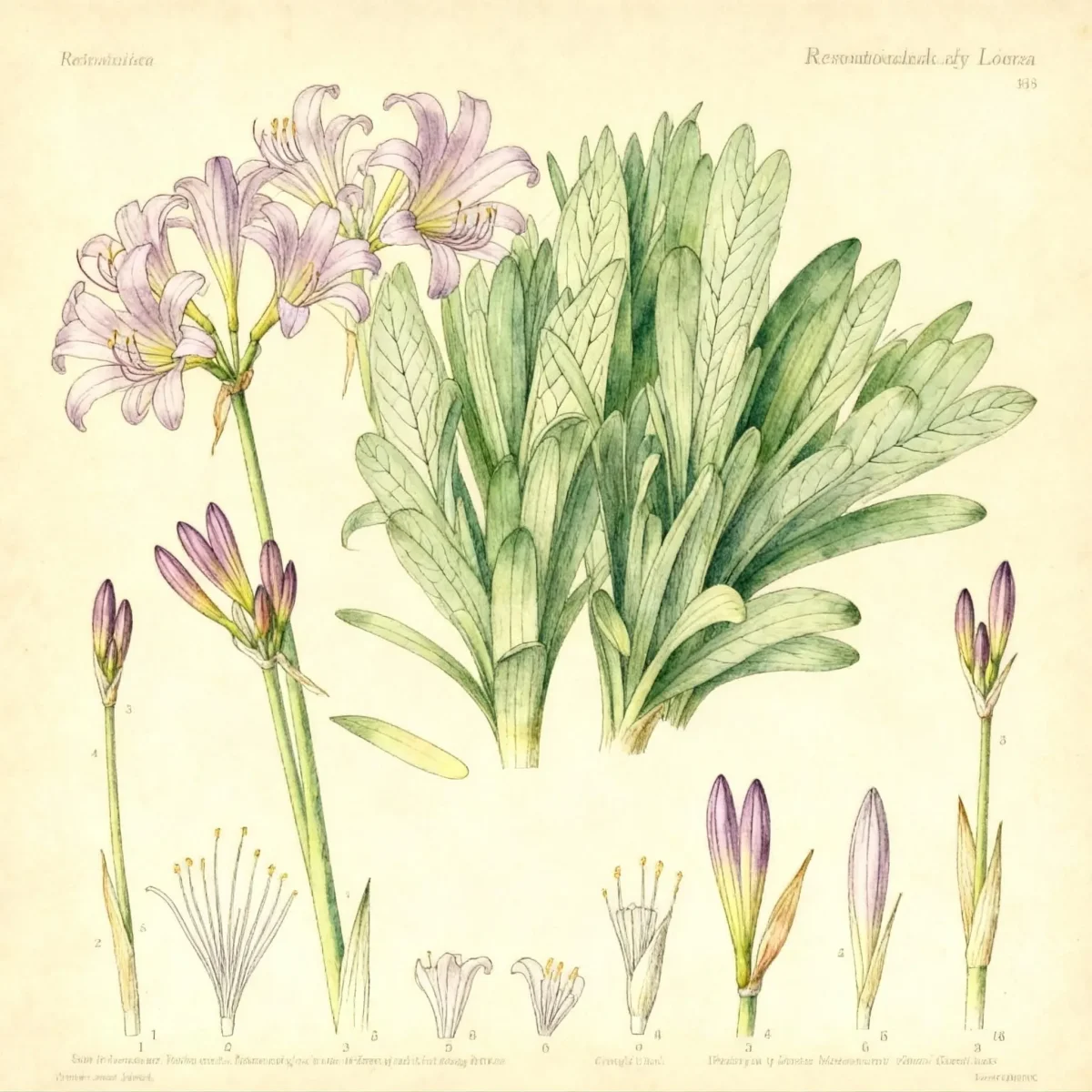
Lycoris squamigera is a late summer-blooming bulb of the Amaryllis family, featuring strap-like grayish-green leaves that disappear in summer. Thick naked flower scapes rise up to 2 feet tall, bearing clusters of funnel-shaped, rose-pink flowers tinged with lilac that are notably fragrant. Plants in the genus Lycoris are often called resurrection flower or surprise lily because the spikes appear to rise magically from bare earth.
Tolerances
No explicit tolerances were listed in the provided data.
Potential Problems
Gardeners rarely encounter serious insect or disease issues when growing the Resurrection lily. Maintaining well-drained soil is the primary preventative measure against bulb rots common in overly moist conditions. Pest pressure remains minimal for this hardy planting.
Frequently Asked Questions
What hardiness zones is Resurrection lily suitable for?
The Resurrection lily (Lycoris squamigera) is reliably hardy in USDA Zones 5 through 9.
How large does Lycoris squamigera grow?
This plant generally reaches a height between 1.5 and 2 feet tall, with an equal spread of 1.5 to 2 feet at maturity.
When does Resurrection lily bloom?
Lycoris squamigera puts on its main display from August to September, featuring rose pink tinged with lilac blooms.
What sun exposure does Resurrection lily need?
It performs best in locations receiving full sun or partial afternoon shade.
Conclusion
The Resurrection lily offers unbeatable late-season surprise and fragrance with remarkably low maintenance. Integrating Lycoris squamigera into your garden ensures a touch of horticultural magic when most other flowering is beginning to wane. Before planting this fall, confirm your current garden location falls within USDA Zones 5-9 for successful perennial success.
Companion Planting
When selecting companions for Lycoris squamigera, focus on plants that either bloom concurrently with the flower stems or tolerate the brief period required for the bulb’s foliage to photosynthesize in spring. Plants with fine texture contrast nicely with the bold, architectural look of the emerging flower spikes. Look for late-summer bloomers like Sedum ‘Autumn Joy’ or Japanese Anemones, which will fill the space once the Resurrection lily leaves have completely retreated.
Try planting them near ornamental grasses that provide movement and texture throughout the cooling months after the bloom of the Resurrection lily has concluded, ensuring the garden remains visually interesting all season long. Avoid planting dense groundcovers directly over the bulb area to ensure the emerging stems of this Lycoris species have a clear path to the sun.
Design Ideas
Utilize the late emergence of Lycoris squamigera to create a moment of “surprise design” in the border. Place clusters near hardscaping or seating areas where their sudden appearance in late summer will evoke the plant’s common name. They work exceptionally well as naturalized accents within a gravel path or dry perennial bed that looks somewhat sparse during mid-summer.
In mixed shrub borders, plant the bulbs underneath taller deciduous shrubs. By the time the shrub canopy leafs out fully, the Resurrection lily foliage will be naturally dying back, allowing the shrub structure to dominate during the hottest parts of the year. When the bare stems of Lycoris squamigera appear, they provide a surprising vertical element against the darker backdrop of established shrubbery.