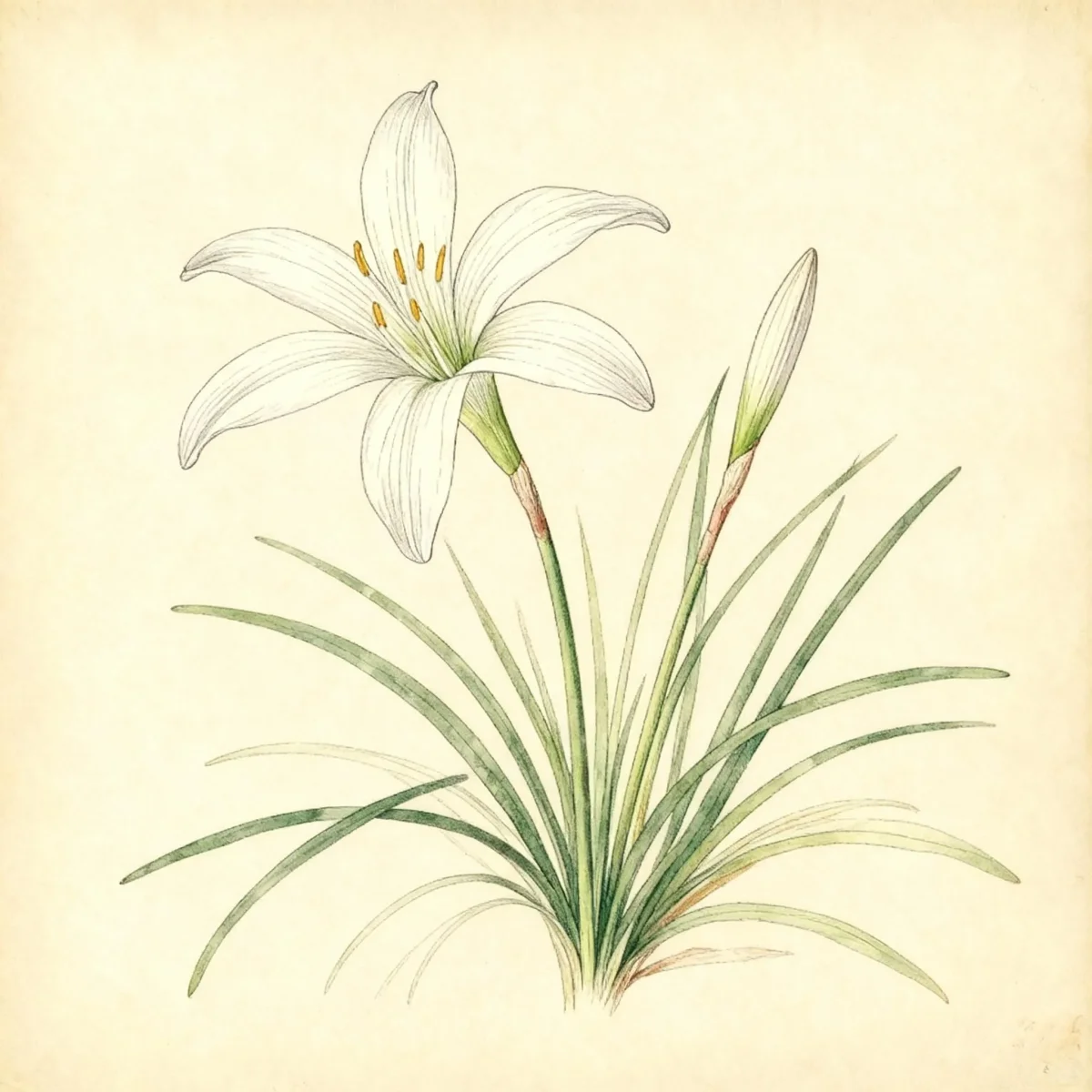
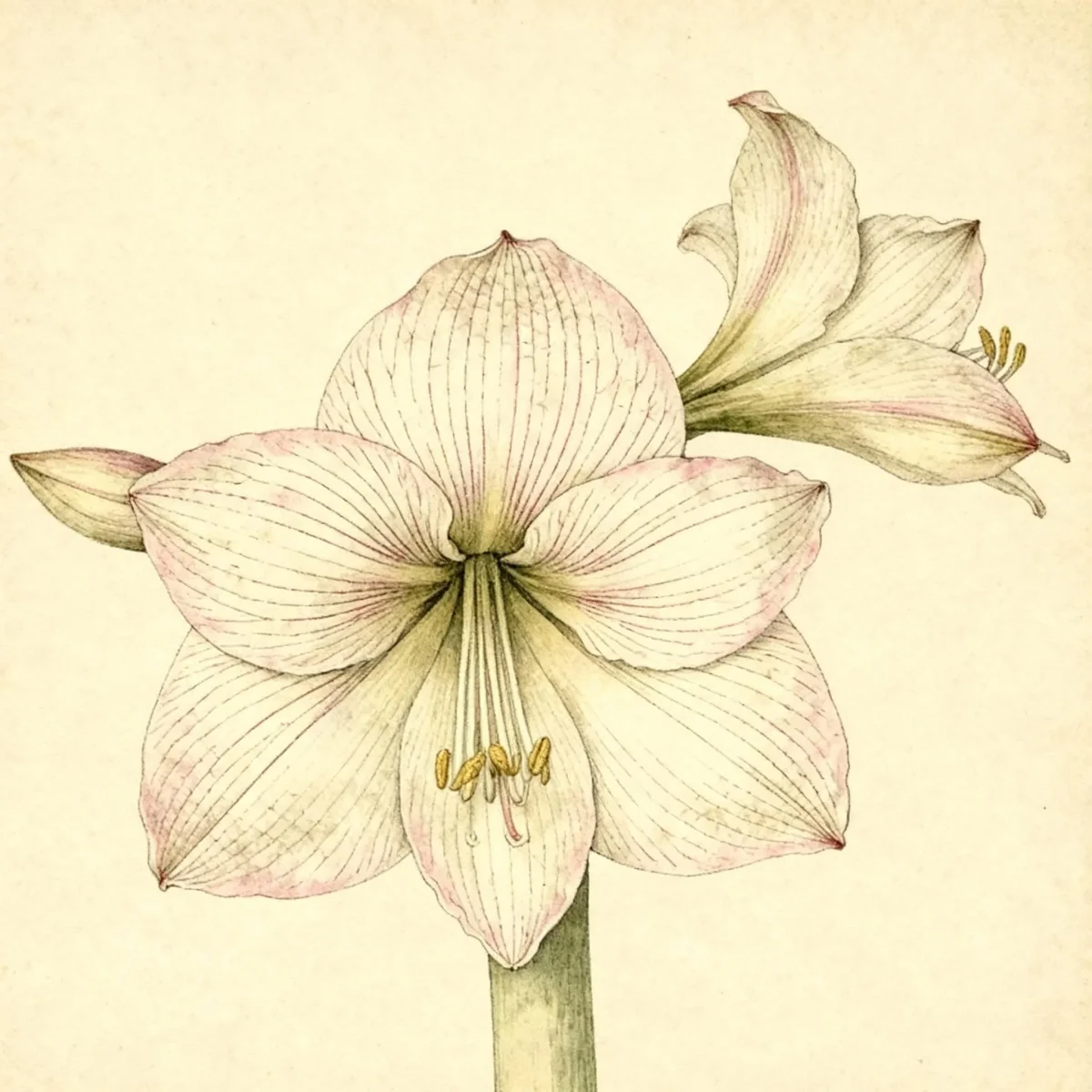
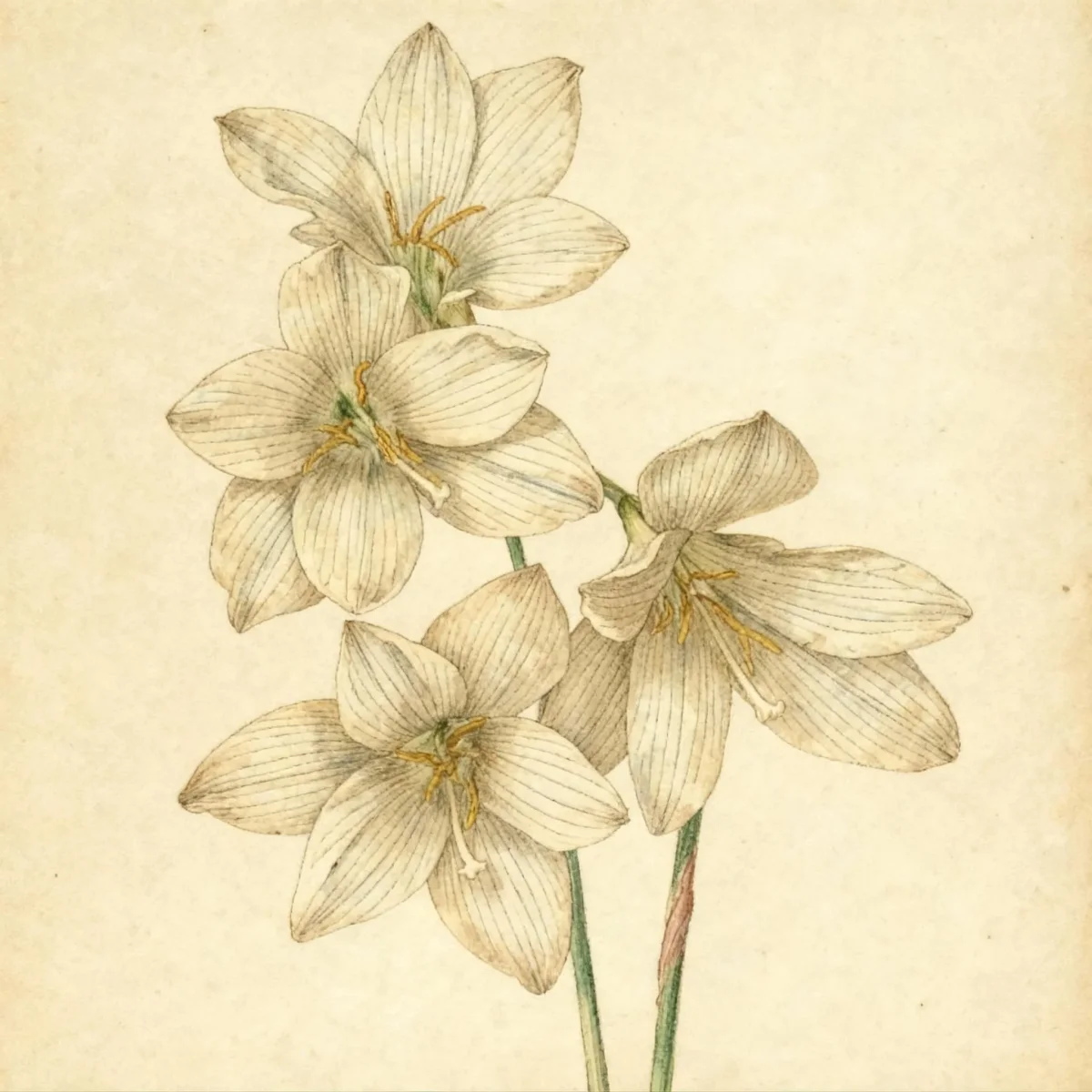
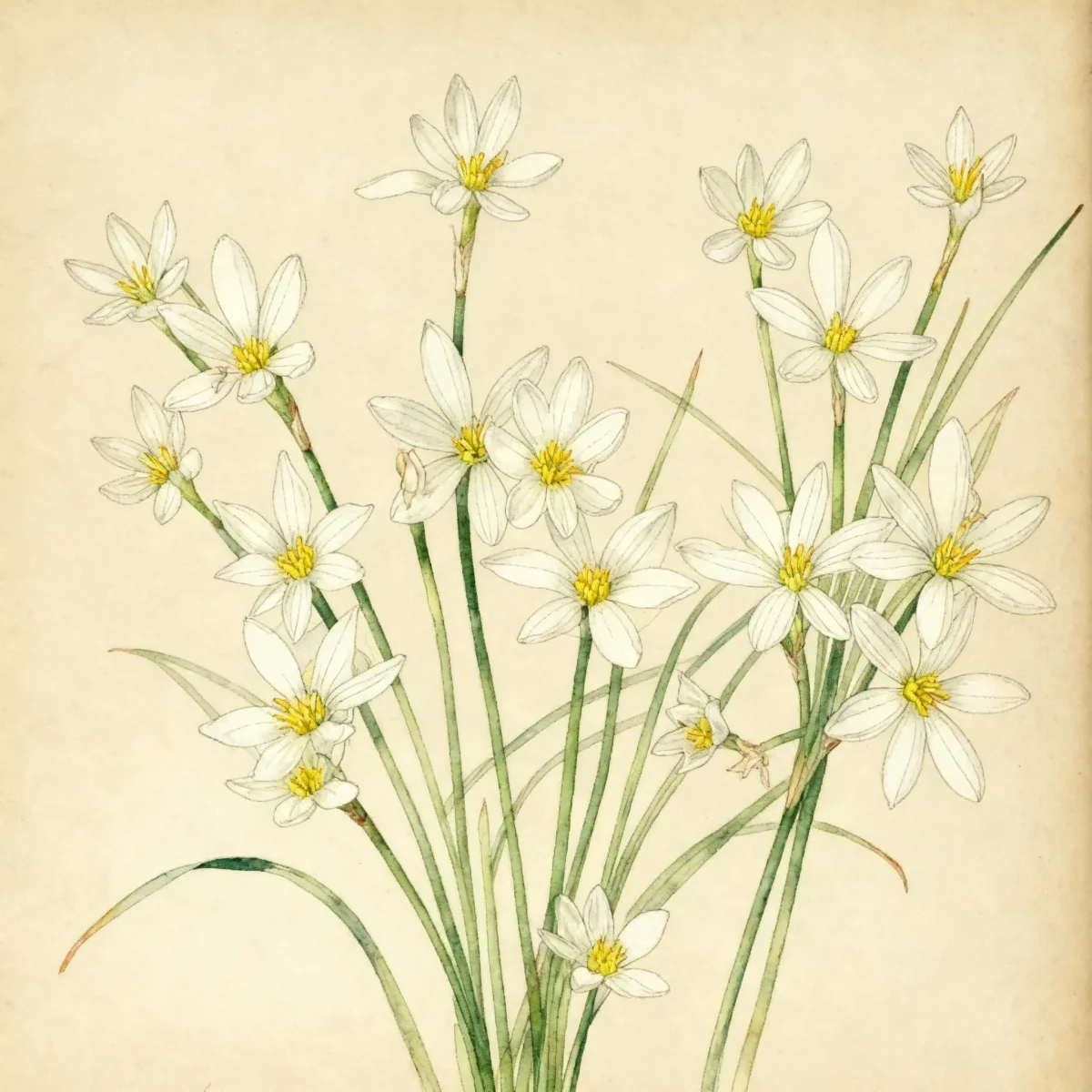
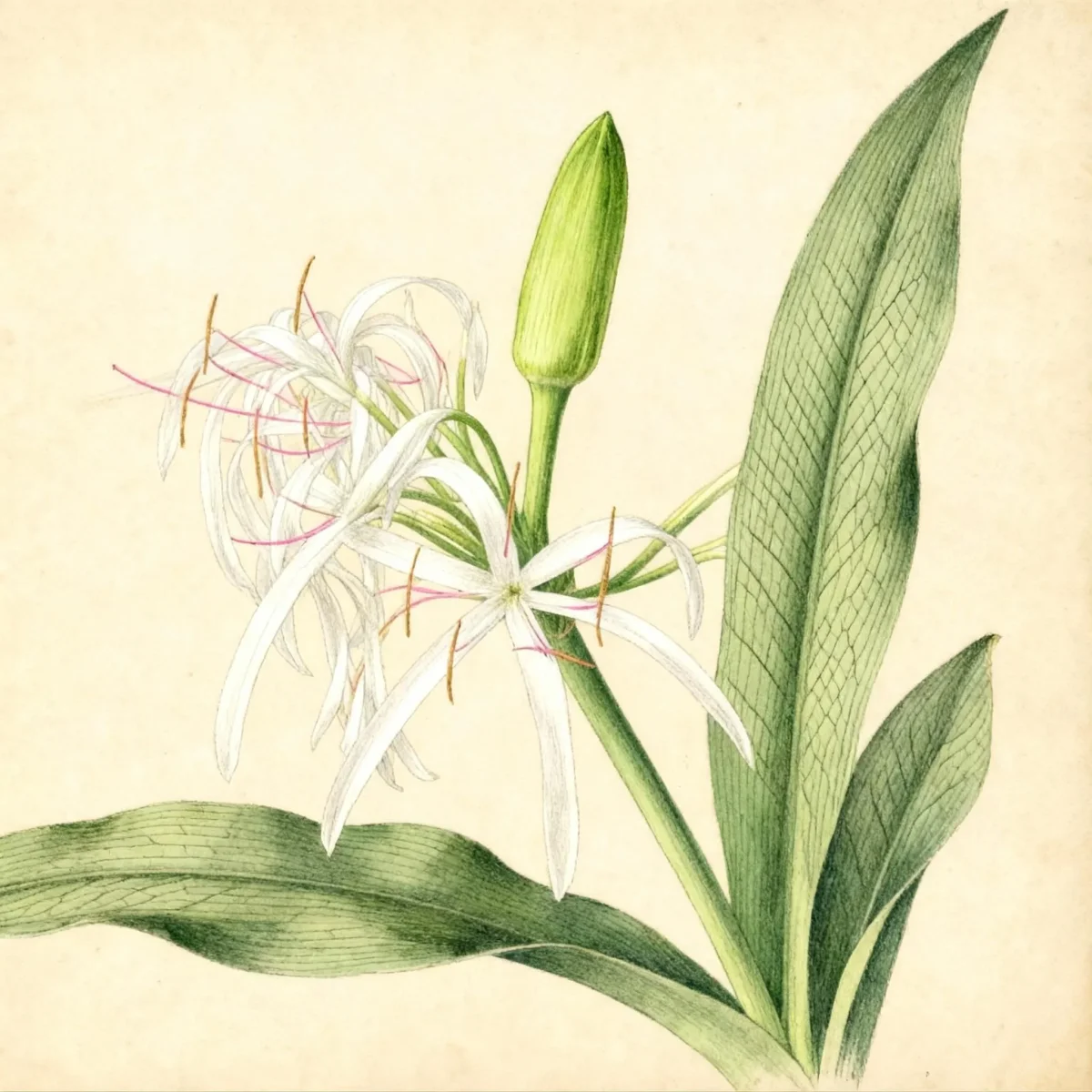
Florida swamp lily (Crinum americanum)
The Florida swamp lily (Crinum americanum) is a showy, fragrant perennial bulb perfect for wet garden areas across USDA Zones 8-11.
Scroll down to discover growing tips, care requirements, companion plants, and more
Complete Plant Information
Overview
The Crinum americanum, commonly known as the Florida swamp lily, is a striking, tender perennial bulb highly valued for its dramatic summer blooms and tolerance for consistently wet conditions. Native to the wetlands of the Southern United States, this plant offers elegant, large, white, lily-like flowers that are intensely fragrant, making it a standout feature near water edges.
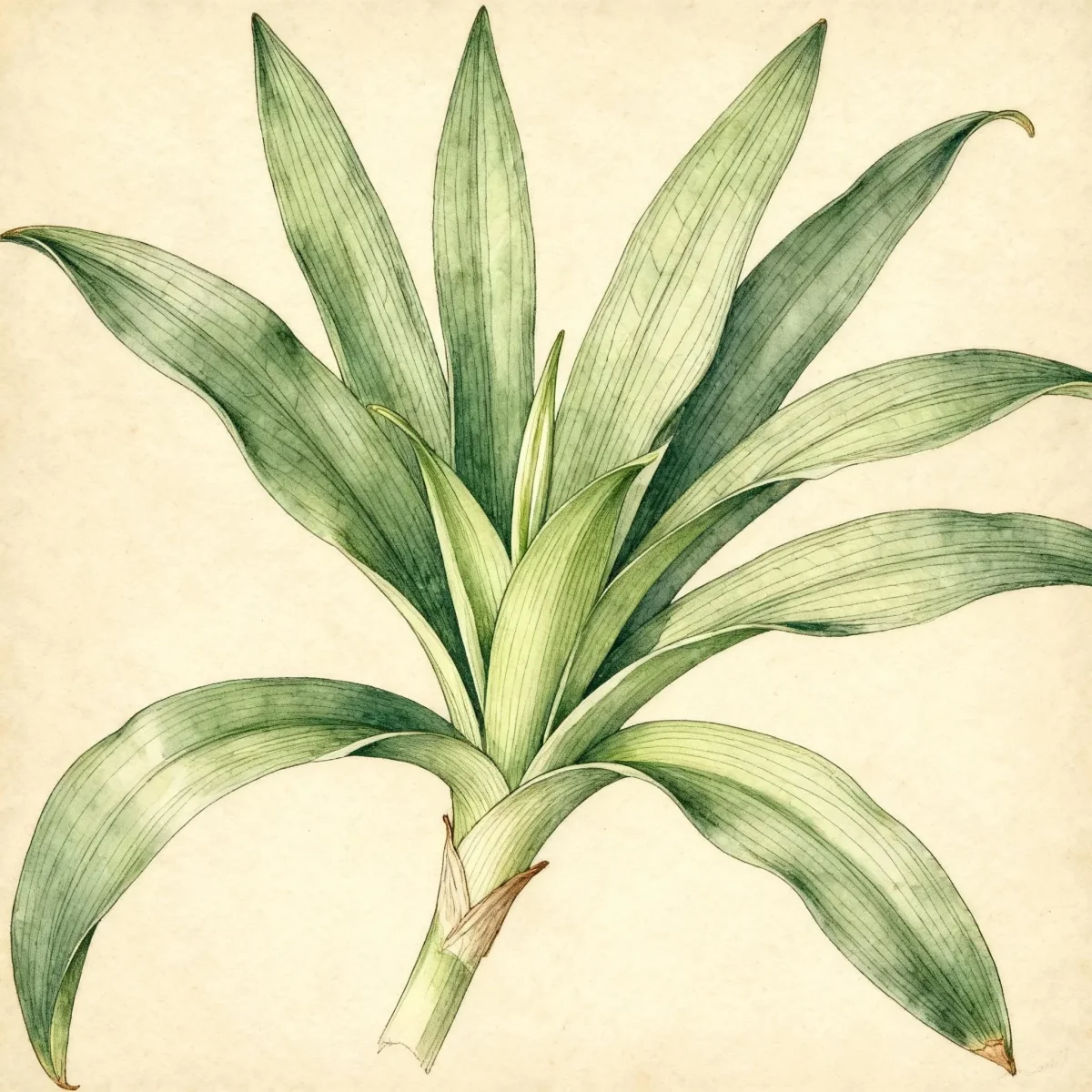
Gardeners appreciate the Crinum americanum for its lush, strap-like foliage that remains evergreen in mild climates, providing year-round structure. It thrives in conditions where few other landscape plants manage, lending a tropical feel to pond margins, bog gardens, or heavily irrigated borders.
While it prefers wetland environments, the Florida swamp lily adapts well to moderately moist garden soils throughout its established hardiness range. Successful cultivation relies on appropriate moisture management relative to your climate zone and providing the necessary warmth.
Fast Facts
- Plant Family: Amaryllidaceae
- Plant Type: Bulb
- Native Range: Southern United States
- Hardiness Zones: USDA Zones 8-11
- Size at Maturity:
- Height: 2-3 ft
- Spread: 1-2 ft
- Bloom Time: June to September
- Bloom Description: White (sometimes blushed pink)
- Sun Exposure: Full sun to part shade
- Water Needs: Medium to wet
- Maintenance Level: Medium
How to Grow
Planting the bulbs for Crinum americanum must align with winter hardiness expectations. In USDA Zones 8-11, plant bulbs directly into moist, organically rich soil in the spring for continuous outdoor growth, where they will naturally spread over time. If growing in marginally hardy areas (near Zone 8), select a protected location, such as one with a southern exposure, and heavily mulch the area with leaves or evergreen boughs after planting in spring.
The culture for this wetland native demands consistent moisture. Ensure soils remain moist to wet throughout the active growing season. If growing in containers—the preferred method for non-hardy regions—use pots at least two inches larger than the bulb diameter, leaving the bulb neck exposed, and keep media soaked. Fertilize these actively growing containers regularly.
For gardeners up north where the Florida swamp lily is not winter hardy, container culture dominates the strategy. Plant in spring after the danger of frost has passed and bring containers indoors prior to the first fall frost date, overwintering them in a cool, sunlit, frost-free spot. Avoid disturbing established in-ground bulbs unnecessarily, as root disturbance can delay flowering for several years.
Landscape Uses
The Crinum americanum is ideally suited for positions where moisture retention is high, making it a superb choice for water gardens and pond peripheries where its deep roots can access standing water up to six inches deep. Its striking form also lends itself to formal applications.
Consider using the Florida swamp lily as an accent plant in the center of circular drives or within foundation plantings, provided the soil consistently stays moist. The upright, strap-like foliage provides strong vertical contrast against lower, mounding perennials suitable for wet areas, such as various irises or sedges. Because of its noted fragrance, plant groups near patios or walkways where the evening scent can be enjoyed.
Standout Features
Flower Qualities
- Showy
- Fragrant
Noteworthy Characteristics
Crinum americanum, commonly called Florida crinum lily, southern swamp lily or spider lily, is a tender perennial bulb in the Amaryllis family. It is native to wetlands, swamps, marshes, wet hammocks, and streambanks from South Carolina to Florida and along the Gulf coast to Texas. Fragrant, white (sometimes blushed pink), lily-like flowers (each to 4” wide and long) in 2-6 flowered umbels bloom summer to fall atop leafless scapes rising to 2-3’ tall from a clump of narrow, evergreen, strap-shaped leaves.
Tolerances
- Wet Soil
Potential Problems
Grasshoppers may chew on the foliage, although this is usually just an aesthetic issue. Horticultural pests such as mealybugs, nematodes, slugs, and snails are occasional visitors that require monitoring. A common cultural issue to watch for is leaf scorch, which often indicates insufficient water during extreme heat or inadequate soil moisture retention.
Frequently Asked Questions
What hardiness zones is Crinum americanum suitable for?
The Crinum americanum is suitable for growing year-round outdoors in USDA Hardiness Zones 8 through 11.
How large does Florida swamp lily grow?
This bulb typically reaches a mature height between 2 and 3 feet, with a corresponding spread of 1 to 2 feet.
What sun exposure does Crinum americanum need?
The Florida swamp lily performs best when positioned in areas receiving full sun or partial shade.
When does Crinum americanum bloom?
You can expect the beautiful blooms of the Crinum americanum to appear from June through September, showcasing flowers that are typically white, sometimes showing a blush of pink.
Conclusion
The Crinum americanum, or Florida swamp lily, offers indispensable beauty for water features and moist garden spots throughout the warmer half of the country. Its showy, fragrant flowers make it a high-value addition to any water garden setting. Before planting, always verify that your local conditions match its USDA Zone 8 minimum requirement.
Companion Planting
When designing a bog or water garden around the Crinum americanum, select companions that share its need for consistently wet or standing water. Plants like Louisiana Iris, Pickerel Rush (Pontederia cordata), or hardy Cannas create excellent foliage contrast while thriving in similar saturated soil conditions. Ensure spacing is adequate, as the lilies tend to form large colonies over time.
Seasonal Care Calendar
For in-ground plants in Zones 8-11, spring marks the time to apply a balanced, slow-release fertilizer as new growth emerges from the bulb neck. Continue keeping the soil adequately wet, especially during the peak heat of summer when the Florida swamp lily is actively setting buds and flowering. In late fall, if located near the cold edge of the hardiness zone, apply a heavy layer of mulch, though established plants are generally robust if winters are mild.