Tuberose (Polianthes tuberosa)
Discover Tuberose (Polianthes tuberosa), cherished for its intensely fragrant white flowers, ideal for night time enjoyment.
Scroll down to discover growing tips, care requirements, companion plants, and more
Complete Plant Information
Overview
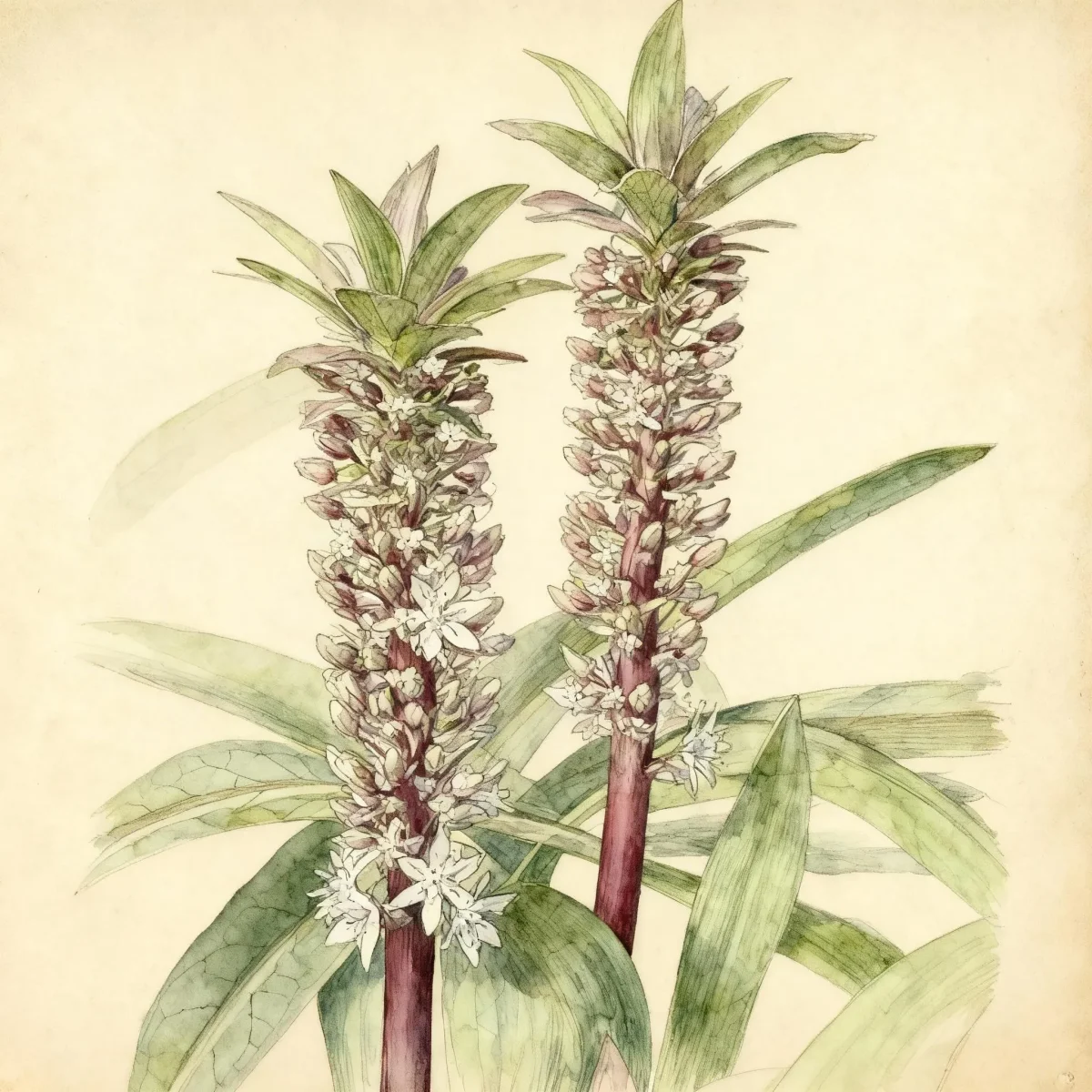
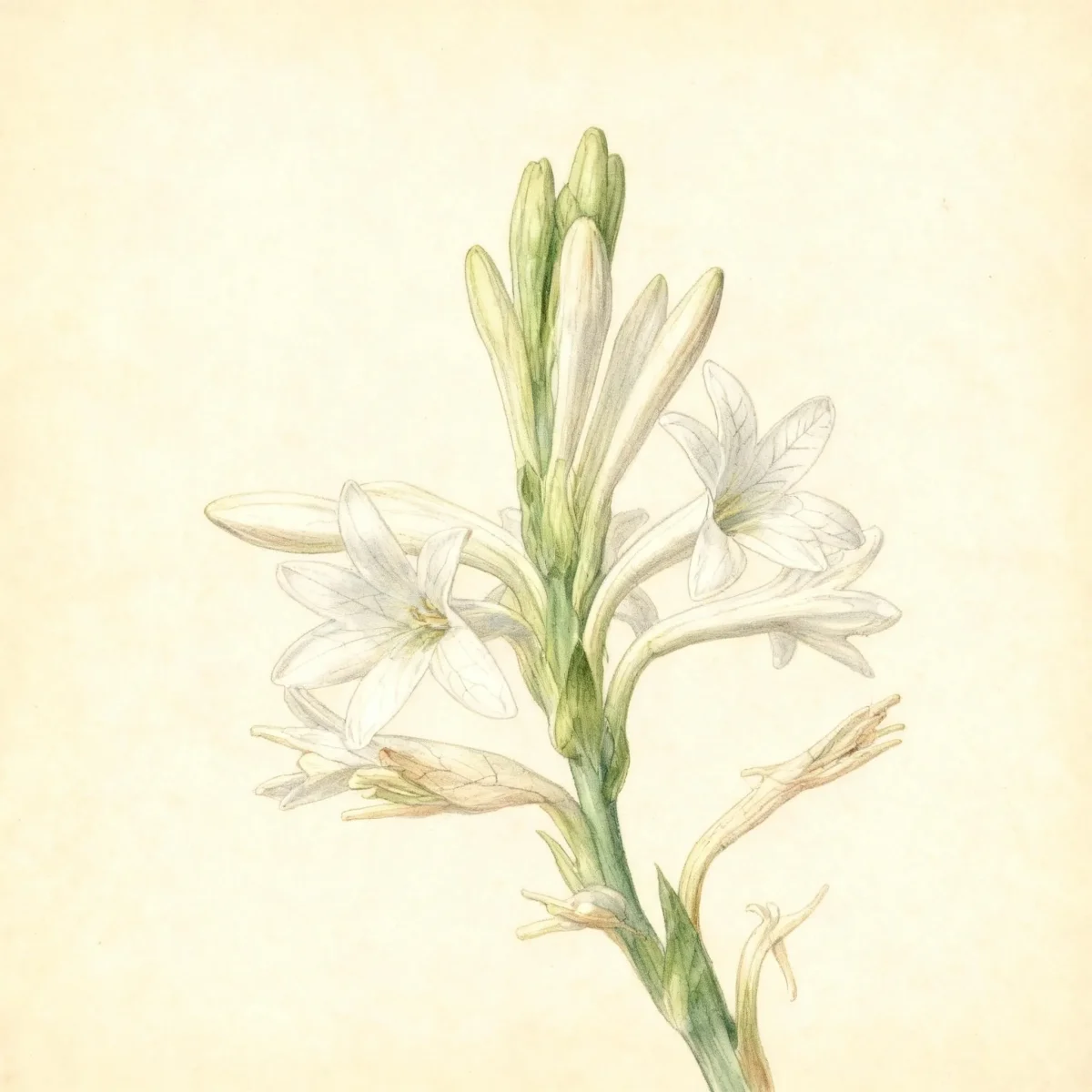
The Polianthes tuberosa, universally known as Tuberose, is a horticultural treasure prized globally for one dominant feature: its intoxicating fragrance. This plant produces tall spikes crowded with waxy, bright white, funnel-shaped flowers that release their potent perfume most intensely in the evening, earning it the nickname “Mistress of the night.” Though its exact origins are lost to cultivation, Polianthes tuberosa has been grown for centuries, particularly for its value as a premium cut flower.
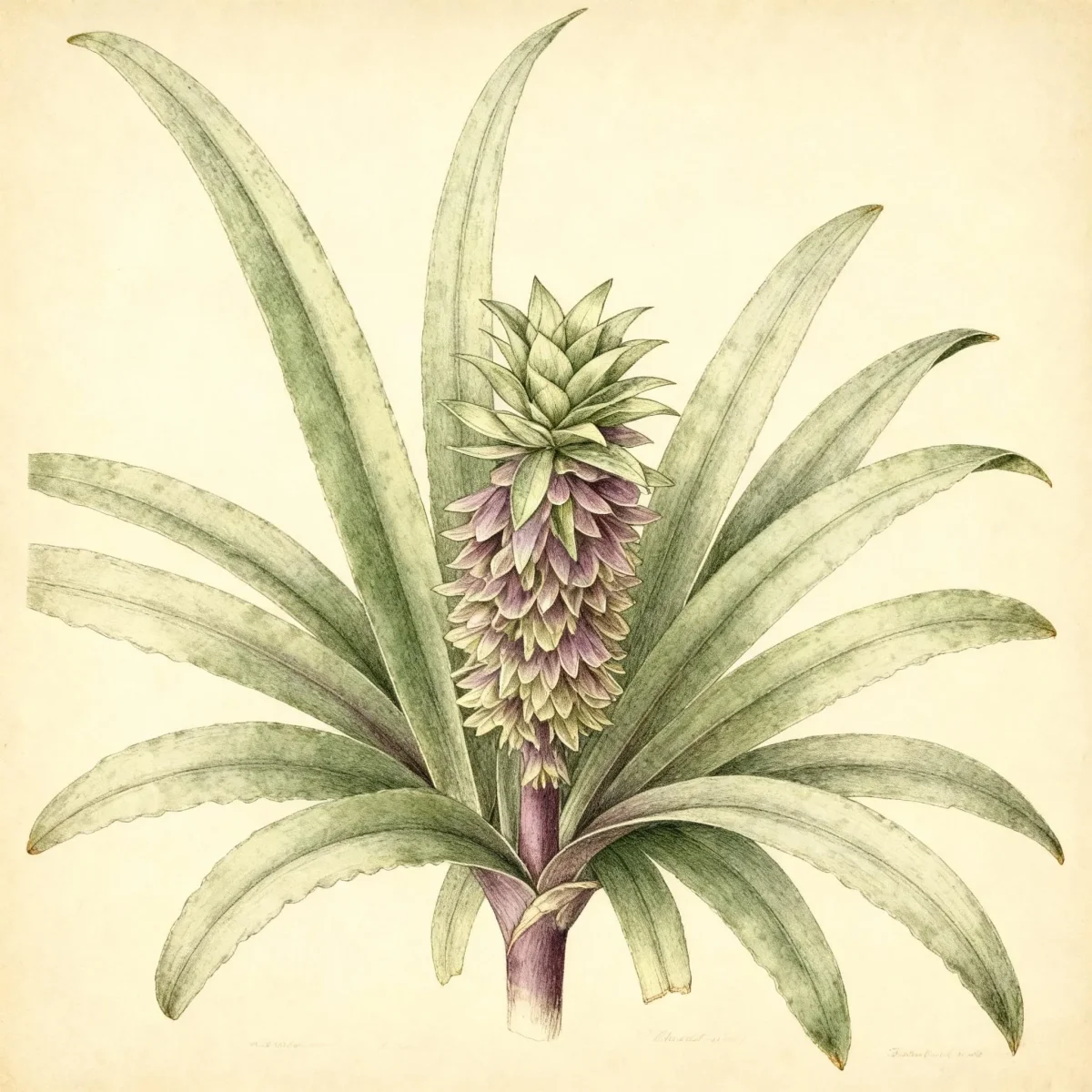
Growing vigorously from a thick, tuberous rhizome, the Tuberose develops a base clump of attractive, grass-like green leaves from which erect flower scapes emerge in late summer. Gardeners are captivated by the dramatic height, often reaching up to 30 inches, showcasing numerous blooms that offer a multi-sensory experience of stunning white flowers and arresting scent.
While often treated as an annual in cooler climates, its rich history and unparalleled floral perfume make it a must-have for specialized summer gardening displays. Growing Polianthes tuberosa successfully involves providing consistent moisture and abundant warmth, rewarding the diligent gardener with one of summer’s most memorable blossoms.
Fast Facts
- Plant Family: Asparagaceae
- Plant Type: Bulb
- Native Range: Known only in cultivation
- Hardiness Zones: USDA Zones 7-10
- Size at Maturity:
- Height: 2-3 ft
- Spread: 2-2.5 ft
- Bloom Time: August to September
- Bloom Description: White
- Sun Exposure: Full sun
- Water Needs: Medium
- Maintenance Level: Medium
How to Grow
The foundation of successful Tuberose cultivation lies in providing warmth and rich, well-drained soil. Plant the rhizomes in spring only after all danger of frost has passed, setting them about 2 inches deep and spacing them 6 to 8 inches apart if establishing them directly into the ground in colder zones, such as St. Louis where winter protection is necessary. The soil should be amended to be organically rich to support the plant’s vigorous growth pattern.
Consistent moisture is crucial throughout the growing season to ensure robust flowering. Provide medium watering, ensuring the soil does not become waterlogged, which can rot the rhizomes. As late summer transitions to fall and the foliage of the Polianthes tuberosa naturally begins to yellow, gradually taper off your watering regimen.
For gardeners in marginally hardy zones, or those seeking earlier blooms, start the rhizomes indoors in pots in early spring. Once the risk of frost is completely gone, these containers can be transitioned slowly to a full-sun location outdoors. In areas where winter temperatures drop below Zone 7 hardiness, the rhizomes must be lifted from the ground after the foliage dies back completely. Dry the lifted tubers thoroughly and store them protected from freezing, using a dry medium like peat moss or vermiculite until the following spring planting season.
Landscape Uses
Due to the extraordinary, night-time fragrance of Polianthes tuberosa, the best landscape placement is immediately adjacent to heavily used outdoor living areas. Locate these bulbs near patios, decks, entryways, or along walkways where the evening perfume can be fully appreciated. The bright white blossoms also provide a striking contrast against dark green foliage or deep evening shadows.
While the primary draw is scent, the tall spikes add excellent vertical accent in mixed perennial borders or tropical-themed plantings. When growing tuberose in containers, they serve as excellent focal points, easily moved to optimal locations for enjoying their aromatic contribution.
Consider pairing Polianthes tuberosa with plants that share similar sun and moisture preferences, such as Cannas or Dahlias, for a bold summer display. Their scent profile often complements herbaceous companions that bloom during the day, filling the garden with fragrance from dawn until dusk.
Standout Features
Flower Qualities
- Showy
- Fragrant
Noteworthy Characteristics
Polianthes tuberosa, commonly called tuberose, is a cultigen probably native to Mexico with a long history of cultivation dating to pre-Columbian times. It is most famous for the extremely intense fragrance emitted by its waxy white, funnel-shaped flowers that appear on elongated spikes in late summer. The plant features grass-like basal leaves up to 18 inches long and is highly recognized as a commercially grown cut flower.
Tolerances
Potential Problems
Tuberose is generally robust, often experiencing no serious insect or disease problems when cultural needs are met. The main vigilance should be directed toward small sap-sucking pests. Gardeners should routinely inspect the foliage and stems for aphids, especially tender new growth. A strong stream of water can often dislodge minor infestations, or horticultural soap can usually manage more established clusters without harming the fragrant blooms of this specific Polianthes tuberosa.
Frequently Asked Questions
What hardiness zones is Tuberose suitable for?
Polianthes tuberosa thrives in USDA Zones 7 through 10, though it must be lifted and stored overwinter in Zone 7.
How large does Tuberose grow?
Tuberose generally reaches a mature height between 2 and 3 feet tall, with a spread of about 2 to 2.5 feet wide.
When does Tuberose bloom?
The beautiful, white flowers of the Tuberose typically appear later in the season, blooming reliably from August through September.
What sun exposure does Polianthes tuberosa need?
Polianthes tuberosa requires a location that receives full sun exposure to produce the best flowering spikes and strongest fragrance.
Conclusion
The Tuberose remains unmatched for its potent, beautiful perfume, making the effort to grow Polianthes tuberosa well worth the experience. By ensuring warm soil, full sun, and providing medium, consistent hydration, gardeners can enjoy these magnificent white spikes. Always check your local USDA hardiness zone and plan your spring planting or indoor starts accordingly to maximize your summer enjoyment of this classic fragrant bulb.
Companion Planting
When selecting neighbors for Polianthes tuberosa, prioritize plants that thrive in full sun and demand similar attention to consistent moisture levels during the peak growing season. Pairing the vertical spikes of the Tuberose with broad-leafed, tropical annuals like Cannas or Elephant Ears creates a lush backdrop that visually complements the elegant white flowers. Consider using foliage plants with contrasting colors, like deep purple Basil or dark-leafed Sweet Potato Vine in containers, to make the white blooms of the Polianthes tuberosa truly stand out as they release their scent at twilight.
Seasonal Care Calendar
For optimal growth, the Tuberose benefits from a responsive care schedule tied to seasonal changes. During spring, focus on planting the rhizomes only after the soil has warmed sufficiently after the last frost. Summer is the feeding and watering season; maintain medium moisture and watch for pests like aphids while blooms develop. As fall approaches, transition your focus to harvesting; once the foliage yellows naturally, cease watering to prep the rhizomes for lifting and storage before the first hard freeze hits your garden area.