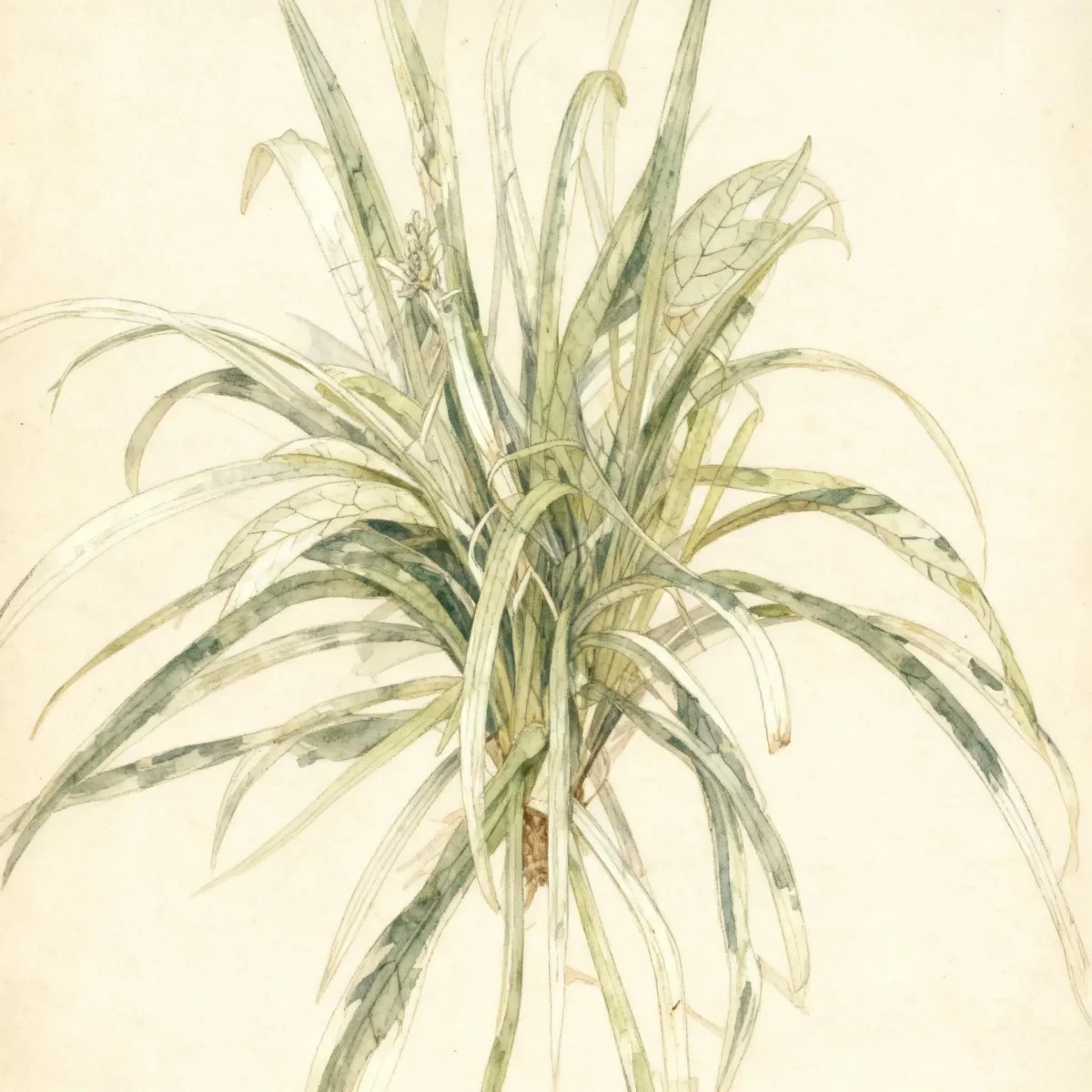
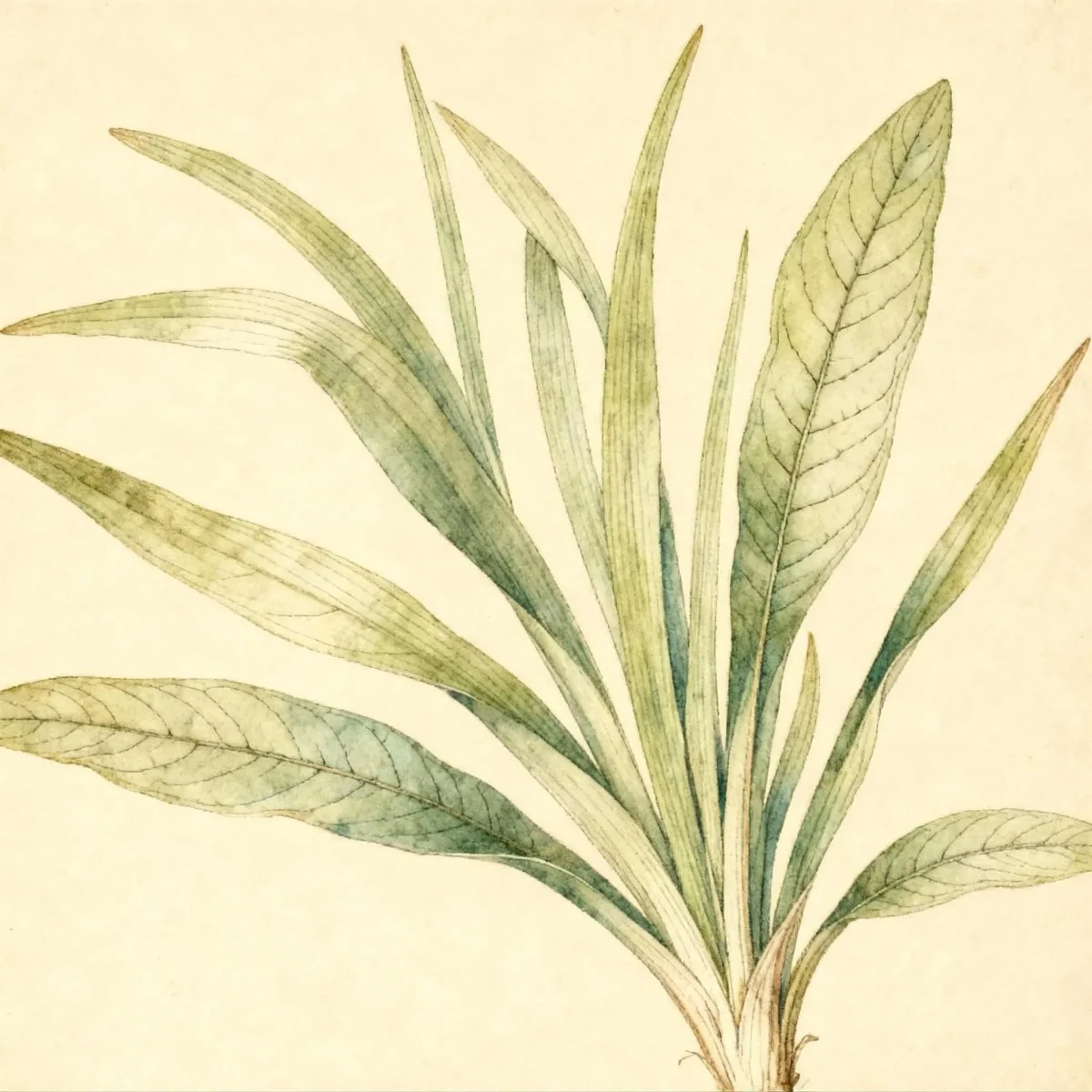
American agave (Manfreda virginica)
Manfreda virginica, the American agave, is a low-maintenance perennial forming striking rosettes, perfect for dry, sunny gardens.
Scroll down to discover growing tips, care requirements, companion plants, and more
Complete Plant Information
Overview
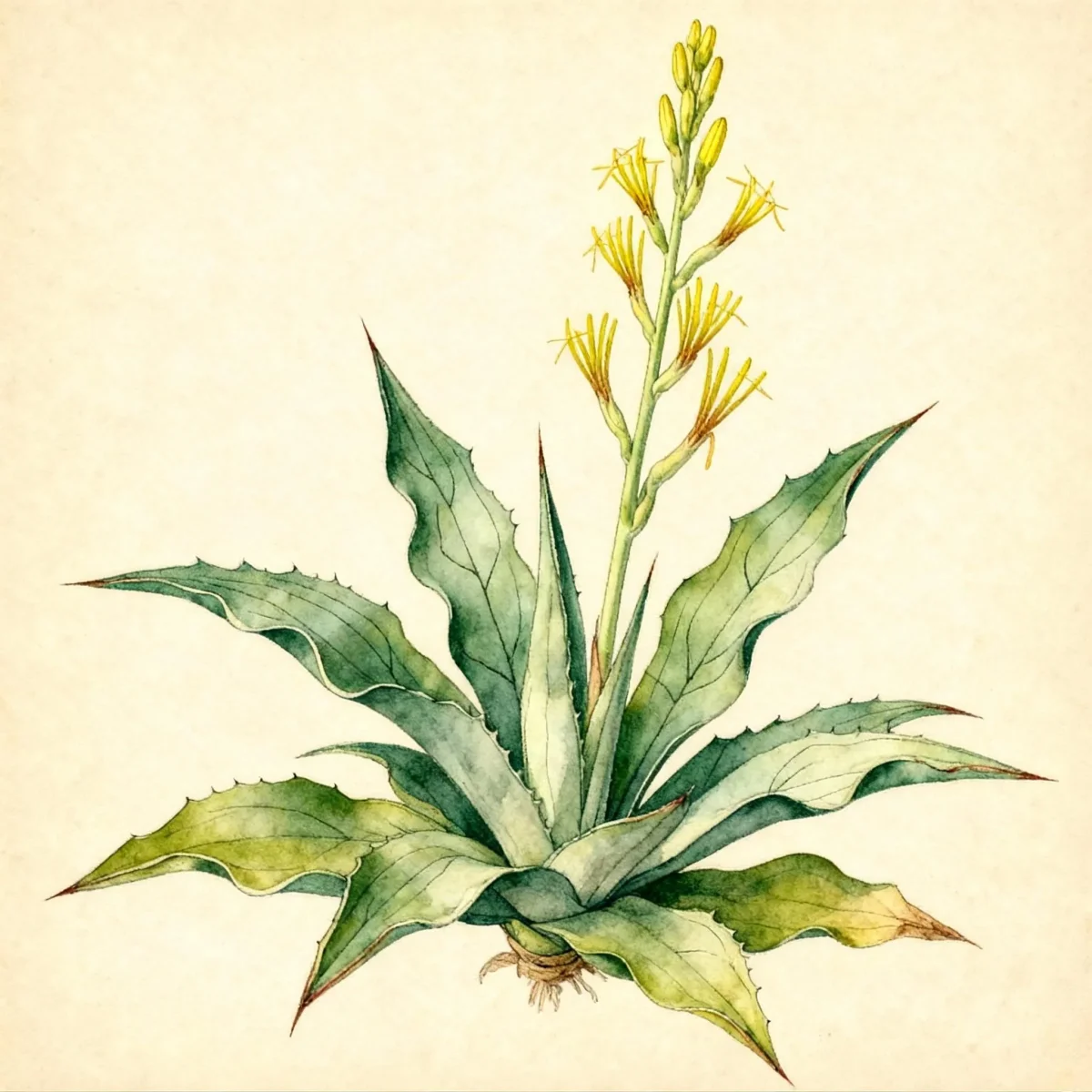
Manfreda virginica, widely known as the American agave or false aloe, provides dramatic architectural interest throughout the garden season. This rhizomatous perennial forms large, basal rosettes of soft, sword-shaped, dark green leaves, sometimes with red flecking, making it excellent for structure even when not in bloom. The stature and texture of Manfreda virginica set it apart in the perennial landscape.
When this plant matures, it sends up tall, striking flower spikes that feature uniquely fragrant pale yellowish-green flowers. Its adaptability is a major drawing point; it thrives where many other perennials struggle due to dry or poor soil conditions, offering significant visual impact with very little fuss.
For gardeners seeking resilient, native, or xeriscape options, Manfreda virginica is an outstanding choice. Its low maintenance requirements and tolerance for harsh conditions ensure that the beautiful rosette structure remains a focal point from spring through fall.
Fast Facts
- Plant Family: Asparagaceae
- Plant Type: Herbaceous perennial
- Native Range: Southern United States, Mexico
- Hardiness Zones: USDA Zones 6-9
- Size at Maturity:
- Height: 3-6 ft
- Spread: 3-4 ft
- Bloom Time: July to October
- Bloom Description: Yellow-green
- Sun Exposure: Full sun to part shade
- Water Needs: Dry to medium
- Maintenance Level: Low
How to Grow
Planting the American agave is best done in the spring after the last frost date, ensuring it settles well before summer heat arrives. It requires locations receiving full sun to light afternoon shade, which helps maintain the tight rosette form. The key to success with Manfreda virginica is excellent drainage; it performs admirably in average soils but thrives equally well in dry, rocky, or alkaline ground.
Once established, watering needs are minimal, requiring only occasional deep watering during prolonged dry spells. Fertilization is generally unnecessary, as rich soil can promote looser growth or shorten the lifespan of this naturally hardy species. Minimal pruning is required beyond potentially cutting back the spent, dramatic flower spikes after they have faded.
Gardeners in the cooler edges of its native range, specifically USDA Zone 5, should provide extra winter protection by planting Manfreda virginica in a well-drained, protected microclimate, such as near a south-facing wall, to ensure survival.
Landscape Uses
The vertical structure of the bloom stalk and the strong rosette habit of the American agave make it a superb accent plant in mixed borders or mass plantings. It is particularly effective in informal settings like wild gardens or native plant landscapes, where its ruggedness and form can be fully appreciated.
Consider utilizing this plant in a dry corner of the perennial border where moisture-loving species fail. Its tolerance for dry soil and shallow, rocky conditions means it pairs well with other sun-loving, drought-tolerant companions, such as ornamental grasses or shorter native Echinacea varieties. The architectural foliage works beautifully to contrast with softer, mounding plants early in the season.
Standout Features
Flower Qualities
- Showy
- Fragrant
Noteworthy Characteristics
Manfreda virginica is recognized by its large, basal rosettes of nearly flat, soft, fleshy leaves that can reach up to 20 inches long and may display red flecking. Rising from the center of the rosette is an erect flower stalk, often reaching 4-5 feet tall, bearing numerous solitary, pale yellowish-green, tube-shaped flowers. This Virginia native’s genus name honors an ancient writer, highlighting its historical presence in the environment.
Tolerances
- Drought
- Dry Soil
- Shallow-Rocky Soil
Potential Problems
This species is renowned for its hardiness and generally suffers from no significant insect or disease problems when sited correctly. Ensure that the soil drains perfectly; the primary issue for Manfreda virginica is root rot caused by persistently wet or heavy clay soils, especially during winter dormancy. Proper site selection focusing on sharp drainage will prevent most concerns.
Frequently Asked Questions
What hardiness zones is American agave suitable for?
The Manfreda virginica is reliably hardy in USDA Zones 6 through 9, though careful winter protection may be needed at the Zone 5 boundary.
How large does American agave grow?
This perennial typically reaches a mature height between 3 to 6 feet tall, with accompanying foliage spreading 3 to 4 feet wide.
When does Manfreda virginica bloom?
The flower stalks of Manfreda virginica emerge to produce blooms generally from July extending into October, noted for their distinctive yellow-green color.
What sun exposure does American agave need?
This plant performs best when planted in locations offering full sun exposure, though it can tolerate light to partial shade.
Conclusion
The architectural foliage and unique, fragrant summer blooms confirm why Manfreda virginica remains a favored choice for sustainable and low-maintenance gardens. This robust American agave offers striking texture and reliable performance across difficult soil types. Before planning your spring garden, confirm your local USDA Zone compatibility and prepare a location with excellent drainage to welcome this handsome perennial.
Companion Planting
Choosing companions for Manfreda virginica should focus on plants that share its love for sun and dry, well-drained soil. Plants that offer contrasting textures, such as feathery native grasses like Schizachyrium scoparium (Little Bluestem), create excellent visual depth against the sturdy, sword-like leaves of the agave. Consider pairing it with coneflowers (Echinacea) or Black-eyed Susans (Rudbeckia), as these offer bright color blobs against the paler spike flowers of the Manfreda virginica.
For truly dry, rocky patches where irrigation is scarce, look toward silver-leaved or fine-textured succulents and arid-region natives. These companions will enhance the architectural quality of the false aloe while competing minimally for scarce water resources, ensuring all plants remain healthy.
Design Ideas for Structural Impact
Utilizing the three-to-six-foot height, position Manfreda virginica in the mid-to-rear layer of a mixed border to act as a structural accent rather than a filler plant. Its upright habit excels when placed singly or in small groups to break up long, horizontal lines in the landscape design. Because its leaves may sometimes be flecked with red, it pairs beautifully with foliage that echoes those reddish tones during the summer months.
In contemporary or xeriscape designs, massing the rosettes in odd numbers (threes or fives) creates a powerful, repeating rhythm that mimics the geometry found in modern hardscaping. The American agave can also serve as an excellent focal point for dry streambeds or rock gardens where its tough nature is fully utilized.