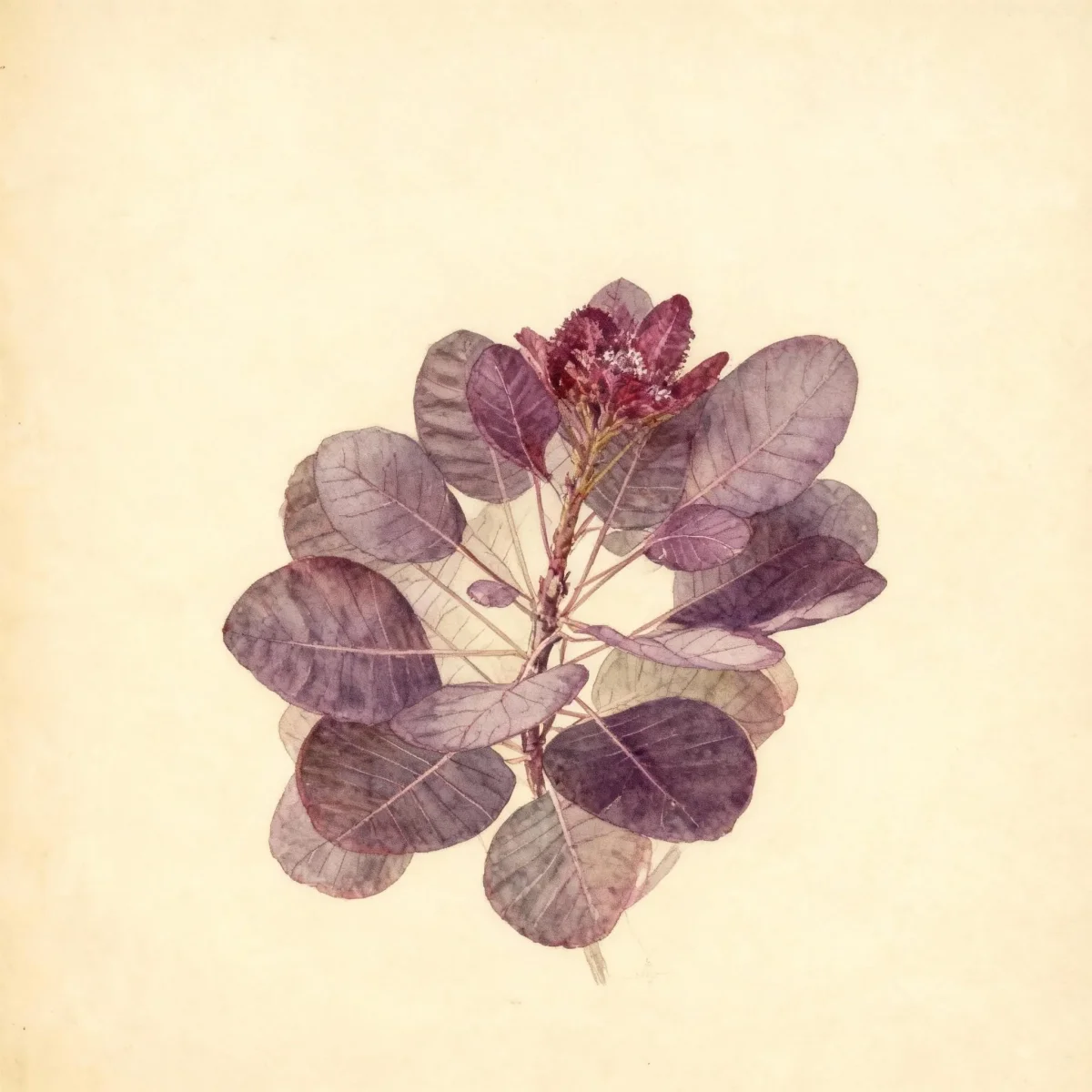
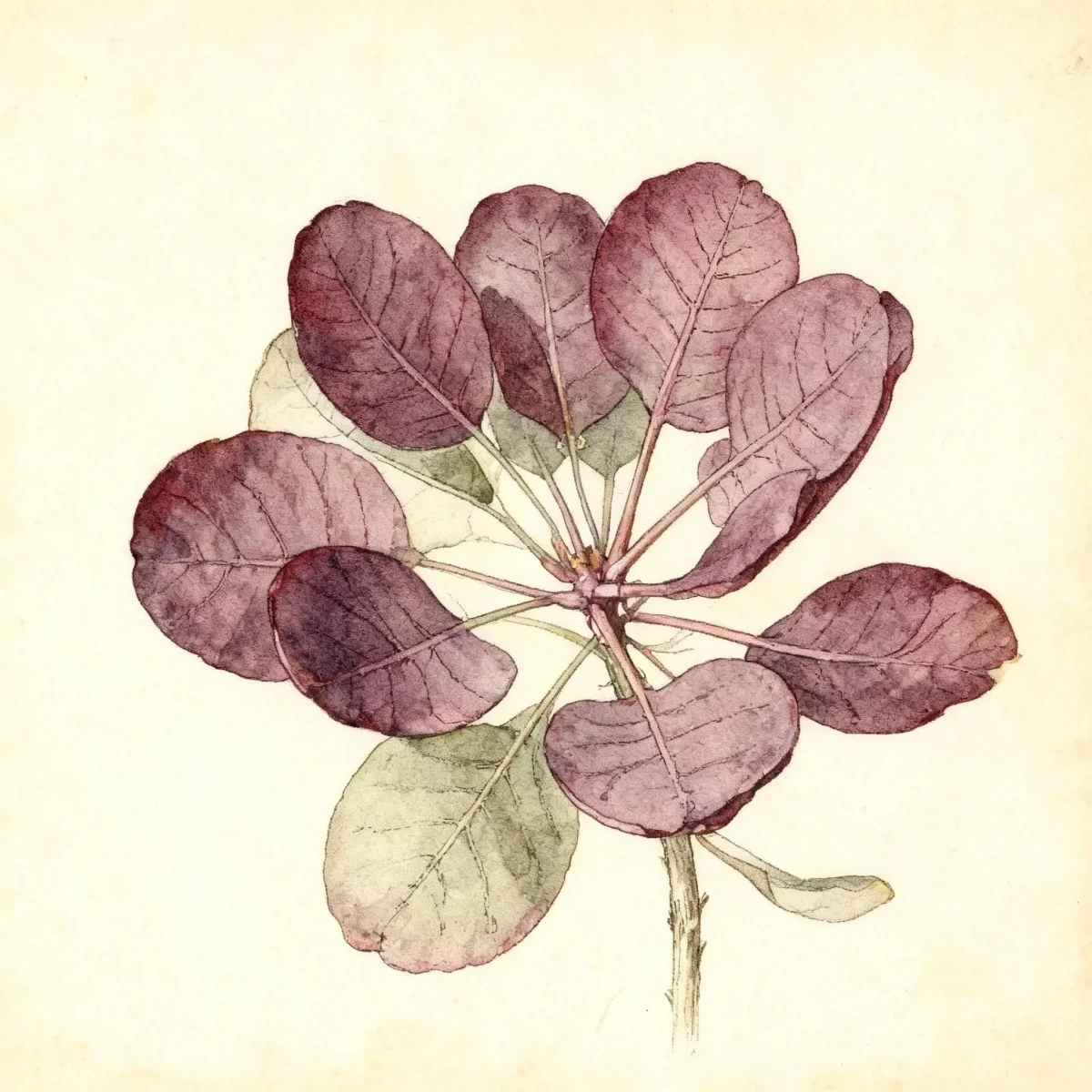
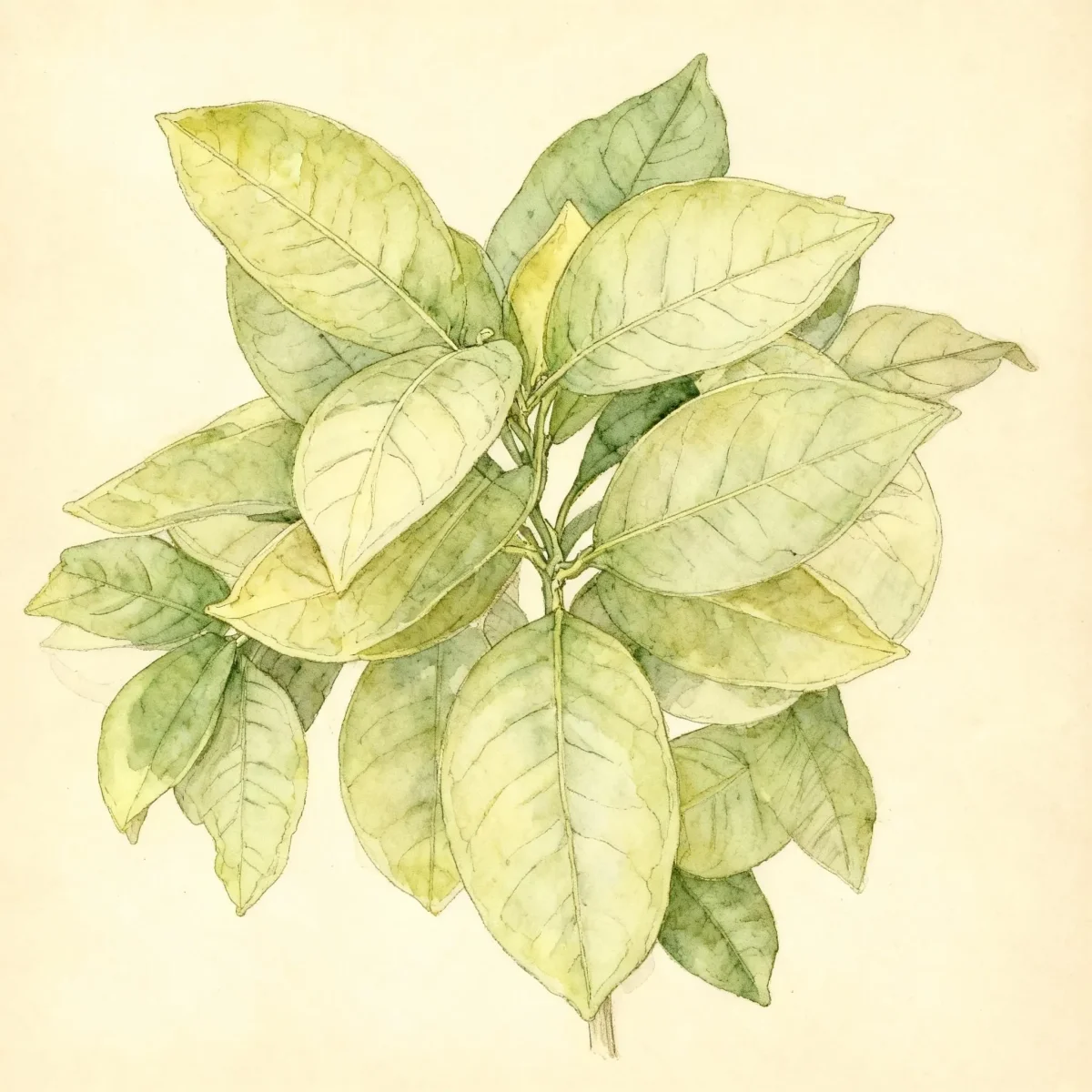
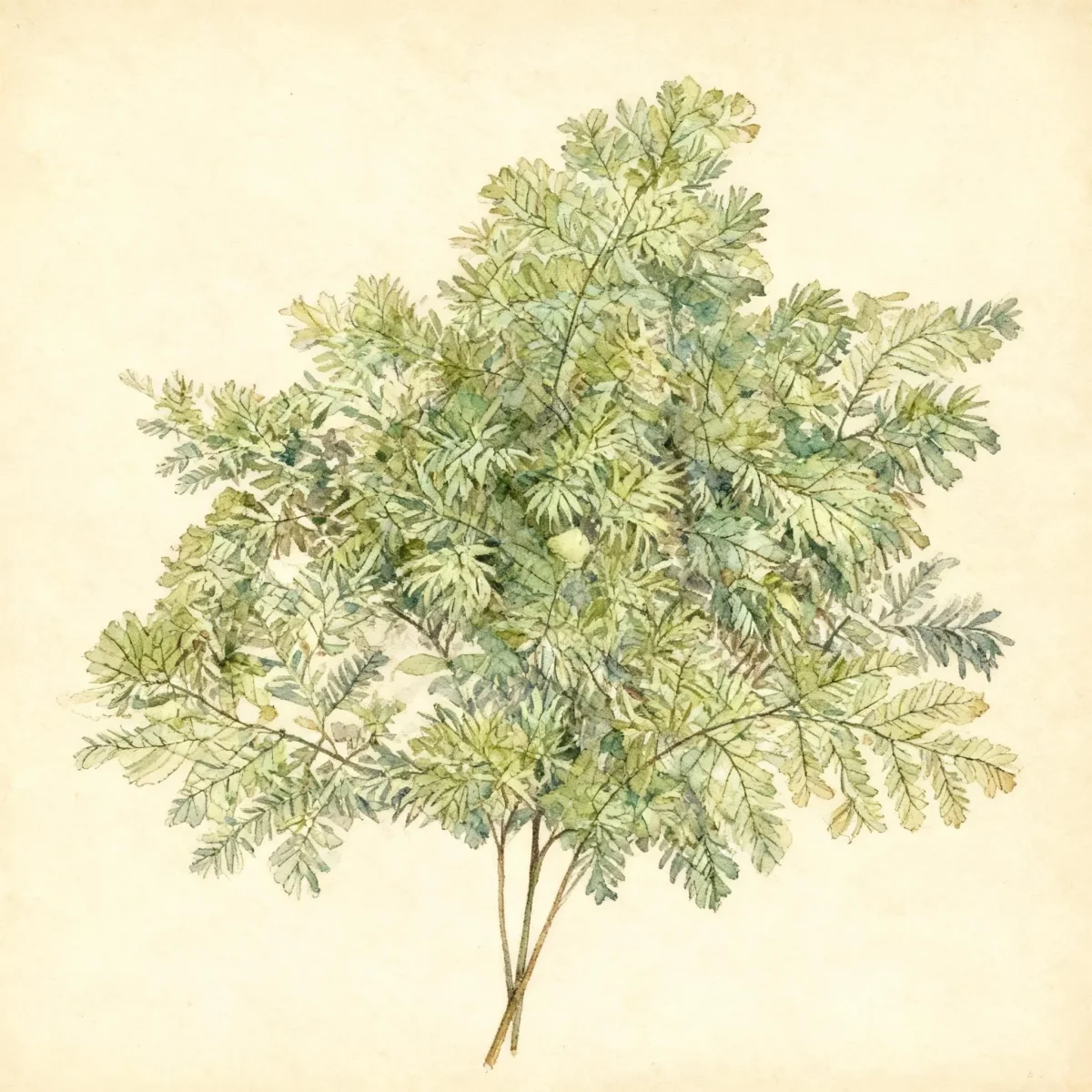
Brazilian peppertree (Schinus terebinthifolius)
The Brazilian peppertree (Schinus terebinthifolius) is an evergreen tree known for glossy leaves and showy red winter berries, though invasive.
Scroll down to discover growing tips, care requirements, companion plants, and more
Complete Plant Information
Overview
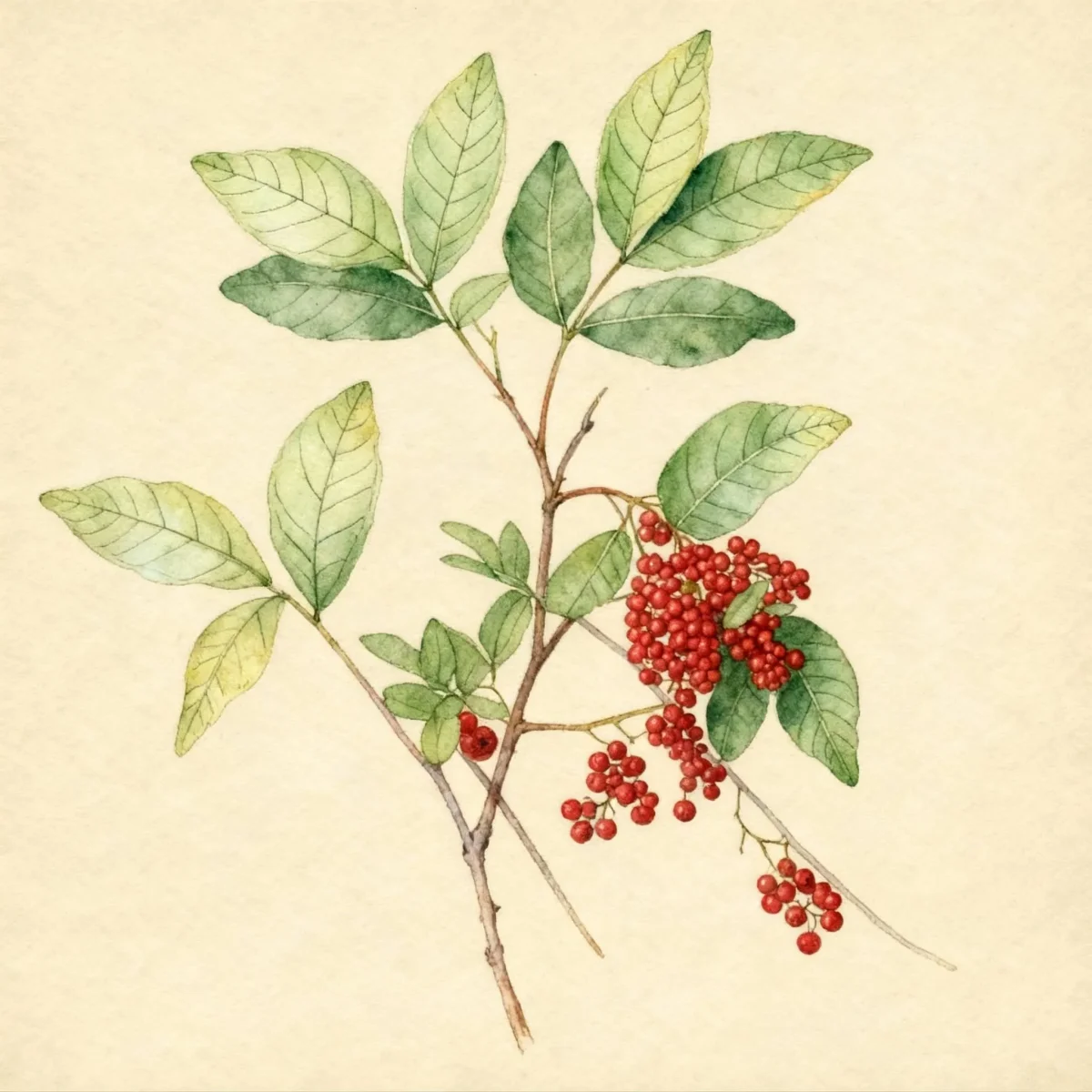
The Brazilian peppertree, or Schinus terebinthifolius, is a distinctive broadleaf evergreen celebrated for its ornamental value, particularly the clusters of bright red fruits that ripen in winter. While historically valued as an ornamental featuring glossy foliage and festive winter berries, this species carries significant environmental responsibility due to its aggressive nature. It thrives in tropical to subtropical climates, growing rapidly into an attractive, often multi-trunked shrub or small tree.
Gardeners are drawn to the pepper-like aroma released when the foliage of Schinus terebinthifolius is bruised, adding sensory interest to the landscape. It produces white blooms in late summer, followed by the characteristic showy fruits that attract local birds and mammals. However, responsible cultivation requires careful consideration, as the Brazilian peppertree is invasive in many regions.
Understanding the needs of the Brazilian peppertree is crucial, especially regarding its preferred full sun environment and its medium water requirements. Although established plants display drought tolerance, its widespread and aggressive colonization of disturbed or intact sites underscores why its cultivation is now restricted or illegal in zones like Florida.
Fast Facts
- Plant Family: Anacardiaceae
- Plant Type: Broadleaf evergreen
- Native Range: Venezula to Argentina
- Hardiness Zones: USDA Zones 9-11
- Size at Maturity:
- Height: 15-30 ft
- Spread: 10-20 ft
- Bloom Time: July to September
- Bloom Description: White
- Sun Exposure: Full sun
- Water Needs: Medium
- Maintenance Level: Medium
How to Grow
Planting the Brazilian peppertree is best done when conditions allow for establishment, ideally in late spring or early summer in its suitable hardiness zones (9-11). This species requires full sun exposure to develop its best structure and fruit set. It prefers average soils, prioritizing those that are moist but ensure excellent drainage, as sitting in standing water will harm the roots.
Care involves managing its growth habit. While established specimens exhibit drought tolerance, consistent, medium watering is recommended during the initial establishment period. Due to the risk of invasive spread, intentional fertilization should be used judiciously. Pruning, if performed, should focus on removing root suckers, which are a primary mechanism for the Brazilian peppertree spreading aggressively to form dense thickets.
A critical consideration for cultivation is its status as a noxious weed in several regions. Because birds and small mammals readily consume and disperse the fruit, new seedlings can rapidly emerge in surrounding areas, including travel via moving water. Therefore, where prohibited by law, possession and cultivation of Schinus terebinthifolius are strictly forbidden as part of environmental management efforts.
Landscape Uses
The inherent vigor that makes the Brazilian peppertree an aggressive spreader ironically speaks to its hardiness and ability to naturalize quickly in favorable environments. It was originally introduced for use as a stately ornamental shrub or tree, valued for its evergreen screen and the festive look provided by the winter fruit clusters. While its use as a standard landscape feature is now discouraged due to its invasive nature displacing native vegetation, its rapid growth means it can effectively colonize disturbed sites like roadsides.
For gardeners situated where its cultivation is permitted and its risks can be managed, it functions well in large, unstructured settings intended to mimic a naturalized environment, provided aggressive root and aerial suckering is watched. It should never be placed near sensitive natural areas or water sources due to its high dispersal rate. Historically, the attractive fruit-laden sprigs led to its use as “Christmas berry” decorations, leveraging its winter appeal when planted away from sensitive ecological areas.
Standout Features
Flower Qualities
- Showy
Fruit Qualities
- Showy
Noteworthy Characteristics
Schinus terebinthifolius, commonly called Brazilian peppertree, is a small, often multi-trunked, dioecious (separate male and female plants), evergreen tree or large shrub that typically matures as a tree to 30-40’ tall or as a shrub to 20’ tall. It is primarily noted for its glossy, evergreen, odd-pinnate leaves which emit a pepper-like aroma when bruised, distinctive white late summer flowers, and its beautiful yet invasive tendency to spread rapidly. The genus name relates to its resemblance to the mastic tree, while the specific epithet refers to the aromatic nature of the foliage.
Tolerances
- Drought
Potential Problems
The most significant issue associated with the Brazilian peppertree is its extremely aggressive and invasive spreading habit, capable of displacing valuable native flora in forests, fields, and pastures. While it generally avoids serious insect or disease problems—contributing to its success as an invasive species—its growth pattern rapidly creates dense, impenetrable thickets via root suckers and prolific bird-dispersed seeds. Where cultivation is illegal, the primary management strategy involves avoiding planting entirely, as chemical or physical removal of established populations is difficult and mandatory in heavily infested areas.
Frequently Asked Questions
What hardiness zones is Brazilian peppertree suitable for?
The Brazilian peppertree (Schinus terebinthifolius) is winter hardy in USDA Zones 9 through 11.
How large does Brazilian peppertree grow?
This species typically reaches a height between 15 and 30 feet, often spreading outward 10 to 20 feet wide, frequently growing as a multi-trunked large shrub or small tree.
What sun exposure does Schinus terebinthifolius need?
Schinus terebinthifolius requires full sun exposure to thrive effectively in the landscape.
When does Brazilian peppertree bloom?
The white flowers of this plant appear later in the growing season, typically blooming from July through September.
Conclusion
The Brazilian peppertree offers significant aesthetic rewards through its evergreen foliage and vibrant winter berries, providing year-round structure and color. However, its aggressive, invasive spreading habit demands that gardeners verify local regulations, as possession is illegal in many jurisdictions. Before attempting to cultivate Schinus terebinthifolius, always confirm it is permissible in your area and that you possess the acreage necessary to manage its robust growth potential.
Wildlife Benefits
The fruit of the Brazilian peppertree is a major draw for avian species. Female trees produce abundant, bright red berries that ripen in mid-winter, providing an important, although sometimes ecologically problematic, food source for birds and small mammals during scarce periods. This consumption is the primary vector for seed dispersal, often leading to unwanted colonization far from the parent plant.
Companion Planting
When considering companion plantings for Schinus terebinthifolius in approved, large-scale naturalizing projects, focus on species that can compete with its rapid ground coverage. Because the Brazilian peppertree prefers well-drained soil and full sun, choose hardy, locally native subtropical or tropical plants that also thrive in similar conditions. Avoid sensitive understory species, as the dense canopy and root competition from Schinus terebinthifolius can quickly outcompete slower-growing natives.