Chinese pistache (Pistacia chinensis)
The Chinese pistache (Pistacia chinensis) is a robust, deciduous tree prized for its excellent fall color and drought tolerance.
Scroll down to discover growing tips, care requirements, companion plants, and more
Complete Plant Information
Overview
The Chinese pistache (Pistacia chinensis) is a highly ornamental, deciduous tree celebrated for its adaptability and fiery autumn display. Valued in urban landscapes, this species offers dense shade during the summer, contrasting beautifully with its reliable seasonal color changes. It fills a vital niche where toughness meets aesthetic appeal.
Native to China and the Philippines, Pistacia chinensis handles challenging conditions well, making it an excellent choice for street plantings and tough sites. Its oval, rounded crown develops over time, providing a dependable canopy structure once established. Gardeners appreciate its relatively clean habit and tolerance for heat.
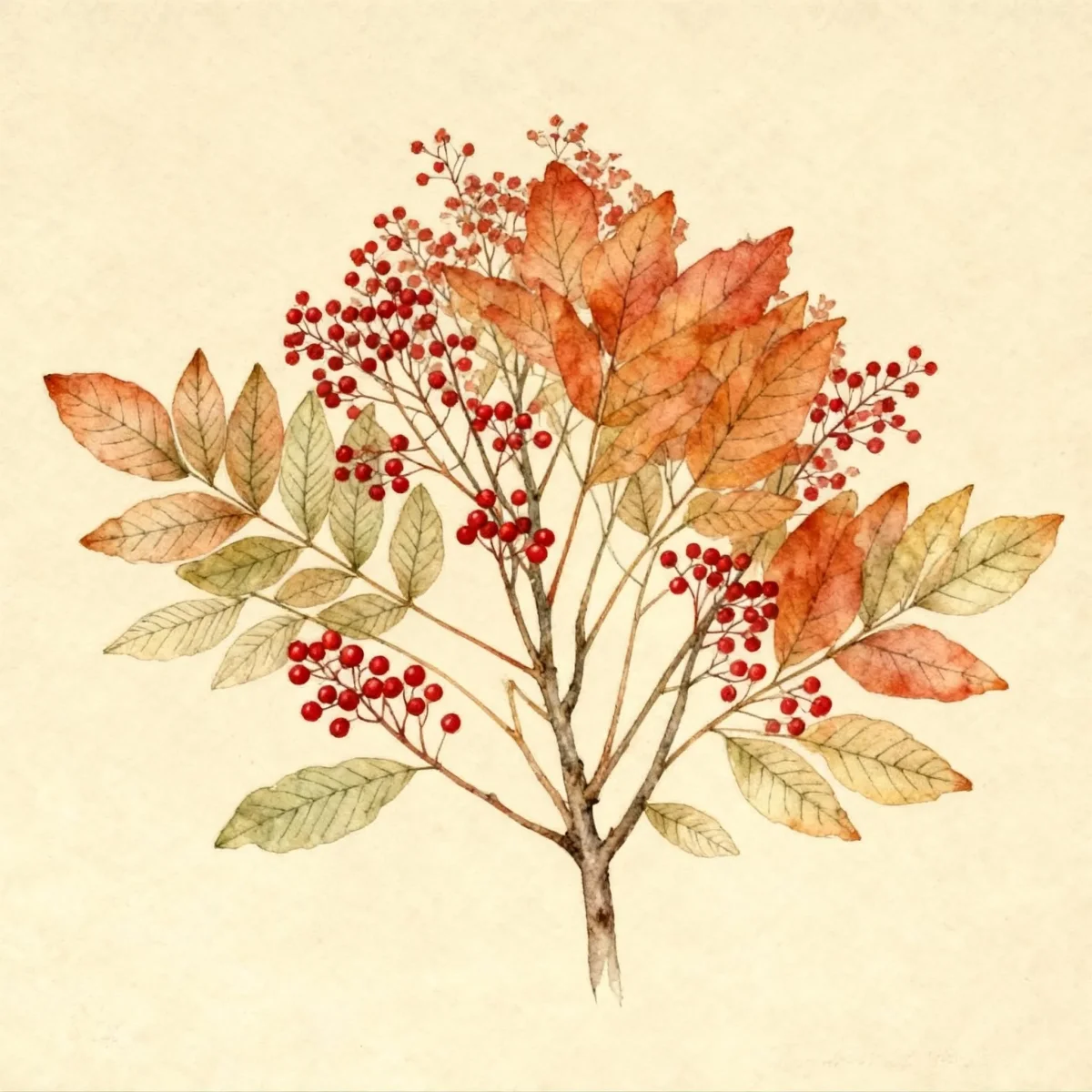
This tree is dioecious, meaning you may see attractive, reddish fall fruits on female plants if male trees are nearby, adding seasonal interest alongside the stunning foliage. The Chinese pistache provides multi-season structure and robust performance suitable for medium-sized landscape applications.
Fast Facts
- Plant Family: Anacardiaceae
- Plant Type: Tree
- Native Range: China to Phillipines
- Hardiness Zones: USDA Zones 6-9
- Size at Maturity:
- Height: 30-35 ft
- Spread: 20-30 ft
- Bloom Time: April
- Sun Exposure: Full sun
- Water Needs: Dry to medium
- Maintenance Level: Medium
How to Grow
Site selection is crucial for establishing a healthy Pistacia chinensis. Plant in moist, organically rich, well-drained soils, though the species shows remarkable tolerance for various soil types once established. Full sun exposure encourages the best growth and most vibrant fall coloration, though it can tolerate light shade. Proper pruning during the early years is essential, focusing on developing a strong central leader and symmetrical structure.
Water young trees regularly until they are well-rooted, ensuring consistent moisture without saturation. Mature Chinese pistache trees exhibit excellent drought tolerance and rarely require supplemental watering, fitting well into low-water landscape designs. Fertilization is generally unnecessary unless the soil is extremely poor; focus on amending the soil at planting rather than relying on heavy feeding later.
For gardeners in borderline zones, such as the northern limits of Zone 6, plant Pistacia chinensis in protected locations to minimize winter injury. Avoid overly wet spots, as this can exacerbate root issues, particularly in the dormant season. Minimal cleanup is usually required beyond pruning structural cuts.
Landscape Uses
The primary utility of Pistacia chinensis lies in its functional roles as a robust shade producer. Its manageable mature size and structural integrity make it an outstanding Street Tree, capable of handling urban pressures like reflected heat and compacted soils. As a Shade Tree, it creates a cooling canopy over patios or lawns once established, offering relief during hot summers.
For smaller garden settings, the Chinese pistache can serve as a specimen tree, highlighting its excellent fall color show. Plant specimens away from hardscaping where fruit drop might be an issue, although the drupes are generally not messy as they are attractive to birds. It works well as a vertical accent against large structures or when used in groupings along property lines for continuous fall display.
Standout Features
Flower Qualities
- Insignificant
Fruit Qualities
- Showy
Noteworthy Characteristics
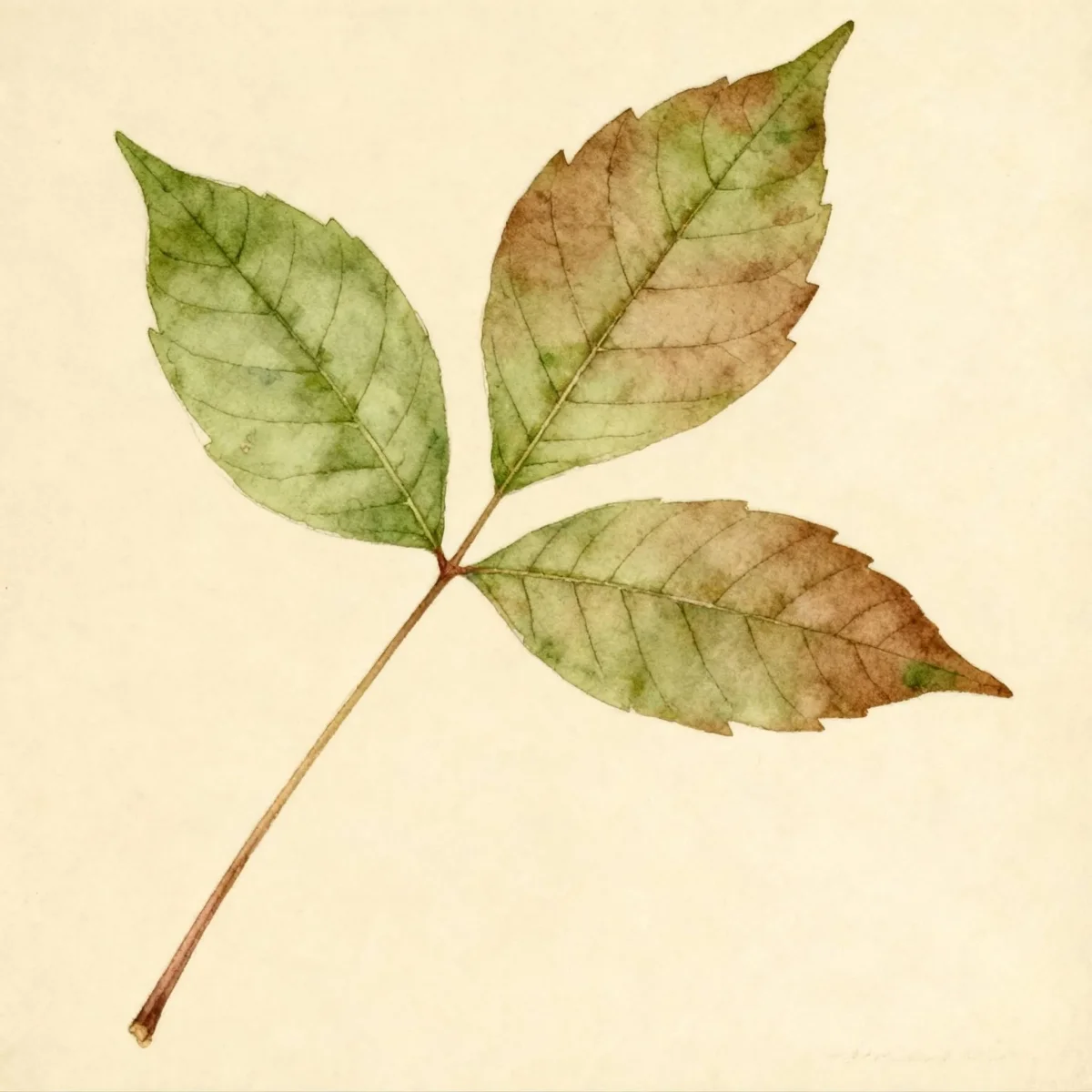
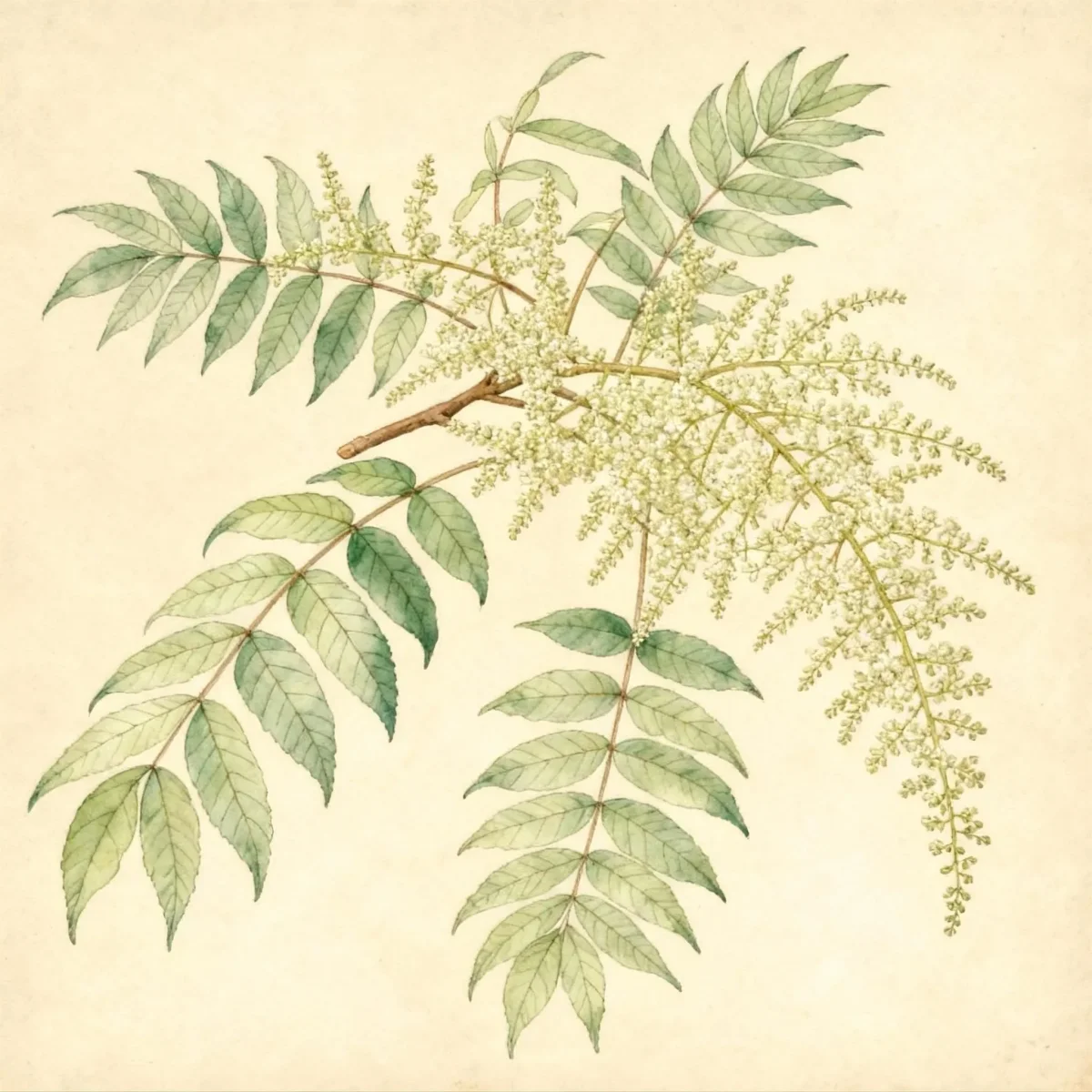
Pistacia chinensis, commonly called pistachio or Chinese pistache, is native to China, Taiwan and the Philippines. It is a small deciduous tree that typically grows to 30-35’ (less frequently to 60’) tall with an oval rounded crown. Foliage consists of compound, even-pinnate, dark green leaves (to 10” long), each leaf typically having 10-12 lanceolate leaflets (to 4” long). Fall color is variable but often appears in quality shades of yellow, orange and red.
Tolerances
- Drought
- Air Pollution
Potential Problems
The Chinese pistache generally maintains a clean bill of health, experiencing no serious insect or disease problems under proper growing conditions. The primary concern for growers is susceptibility to Verticillium wilt, a soil-borne fungal disease that can affect many woody plants. Prevention involves avoiding planting in areas recently removed of other susceptible trees and ensuring excellent drainage to reduce plant stress.
Monitoring young trees for signs of decline related to moisture stress is important during the initial establishment period. Once mature, provided the site has good drainage, this durable tree requires minimal chemical intervention.
Frequently Asked Questions
What hardiness zones is Chinese pistache suitable for?
The Chinese pistache is suitable for USDA Hardiness Zones 6 through 9.
How large does Pistacia chinensis grow?
This species typically reaches a mature height between 30 and 35 feet, with a spread between 20 and 30 feet wide.
What sun exposure does Pistacia chinensis need?
For optimal performance and best fall color, the Chinese pistache requires full sun exposure.
When does Chinese pistache bloom?
Bloom time occurs in April, featuring inconspicuous green panicles.
Conclusion
The Chinese pistache (Pistacia chinensis) offers ornamental gardeners a powerful combination of urban durability and brilliant autumn foliage, securing its place as a premium shade tree. Its tolerance for heat and drought ensures longevity, even in challenging environments. Assess your USDA zone compatibility and ensure excellent drainage before planting this superb specimen.
Companions for Urban Settings
When selecting companion plants for the tough environment where Pistacia chinensis often thrives, consider other high-tolerance species that mirror its requirements for full sun and dry to medium water needs. Good structural partners include hardy evergreen shrubs like certain varieties of Juniper or Rosemary, which can provide low-level green contrast beneath the deciduous canopy. For seasonal interest at the base, look toward drought-tolerant perennials such as Lavender or Ornamental Grasses that do not require rich, consistently moist soil.
Designing with Seasonal Interest
The variable, yet spectacular, fall color is the hallmark of the Chinese pistache. To maximize this effect, plant groups of Pistacia chinensis where their autumn display can be viewed against a backdrop of deep greens or darker architectural elements, such as brick or stone. Since the tree is dioecious, knowing if you have a male or female tree can influence the view; female trees offer the added benefit of showy fall fruits, which attract local bird populations.