Soursop (Annona muricata)
Discover Soursop (Annona muricata), a cherished tropical evergreen tree featuring edible, prickly fruit harvested from June to August.
Scroll down to discover growing tips, care requirements, companion plants, and more
Complete Plant Information
Overview
The Soursop, scientifically known as Annona muricata, is a distinctive evergreen tropical tree highly valued for its large, edible fruit. This species brings an exotic, lush texture to warm-climate landscapes, offering both aesthetic appeal and culinary reward. Native to Central and northwestern South America, it thrives where frost is entirely absent.
As a relatively fast-growing specimen, Annona muricata typically reaches heights between 15 and 20 feet outdoors, although it remains significantly smaller when cultivated in containers. Gardeners are drawn to the Annona muricata not only for its unique, prickly fruit—often called graviola or guanabana—but also for its attractive foliage and low maintenance needs once established in the appropriate climate.
Successful cultivation of Soursop requires consistent warmth and protection from cold winds, as it is entirely intolerant of frost. For those gardeners situated in suitable areas, providing rich, well-drained soil in a location receiving full sun to partial shade ensures vigorous growth and reliable summer blooming.
Fast Facts
- Plant Family: Annonaceae
- Plant Type: Tree
- Native Range: Central and northwestern South America
- Hardiness Zones: USDA Zones 10-11
- Size at Maturity:
- Height: 15-20 ft
- Spread: 8-12 ft
- Bloom Time: June to August
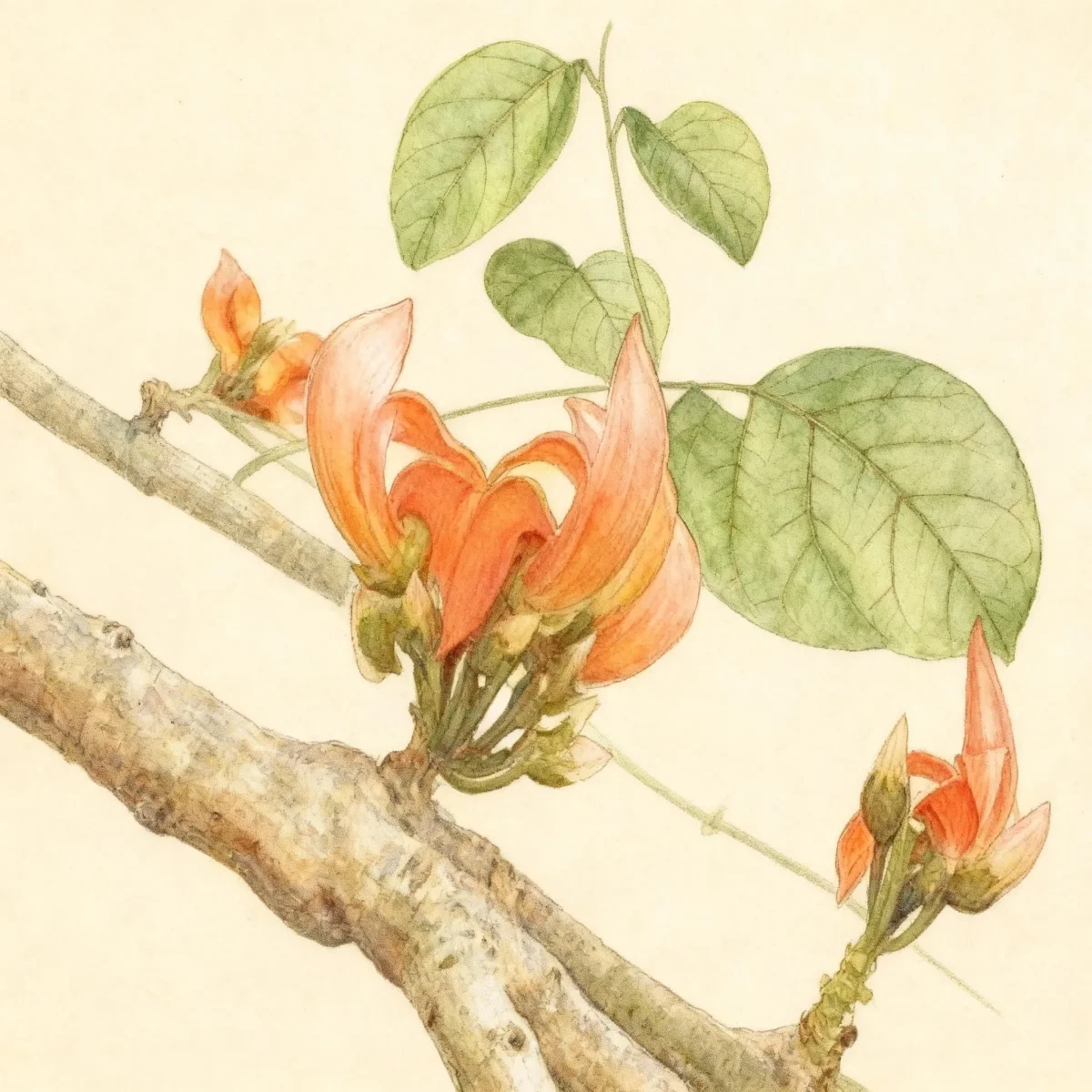
- Bloom Description: Yellow-green
- Sun Exposure: Full sun to part shade
- Water Needs: Medium
- Maintenance Level: Low
How to Grow
For optimal establishment, plant your Annona muricata in the late spring or early summer when all danger of cold weather has passed. Select a site that provides protection from harsh, cold winds, as this tropical tree cannot survive frost. The best growth occurs in rich, uniformly moist, yet exceptionally well-drained soil. While it tolerates average soils, superior fruit production relies on fertile ground.
Watering Annona muricata should be maintained at a medium level, ensuring the soil remains consistently moist but never waterlogged. Good drainage is paramount to prevent root issues. While the maintenance level is generally low, fertilizing regularly during the growing season can encourage better flowering and fruiting. Pruning is usually minimal, primarily aimed at maintaining shape or removing dead wood, as the tree naturally forms a slender structure in the wild.
In regions bordering its required climate, successful outdoor planting is restricted to microclimates or areas like the Florida Keys or Puerto Rico. In cooler locales, growing Soursop indoors is extremely difficult, often requiring greenhouse conditions where summer flowering can lead to autumn fruit production. Remember that this tree demands constant warmth and high humidity typical of the tropics.
Landscape Uses
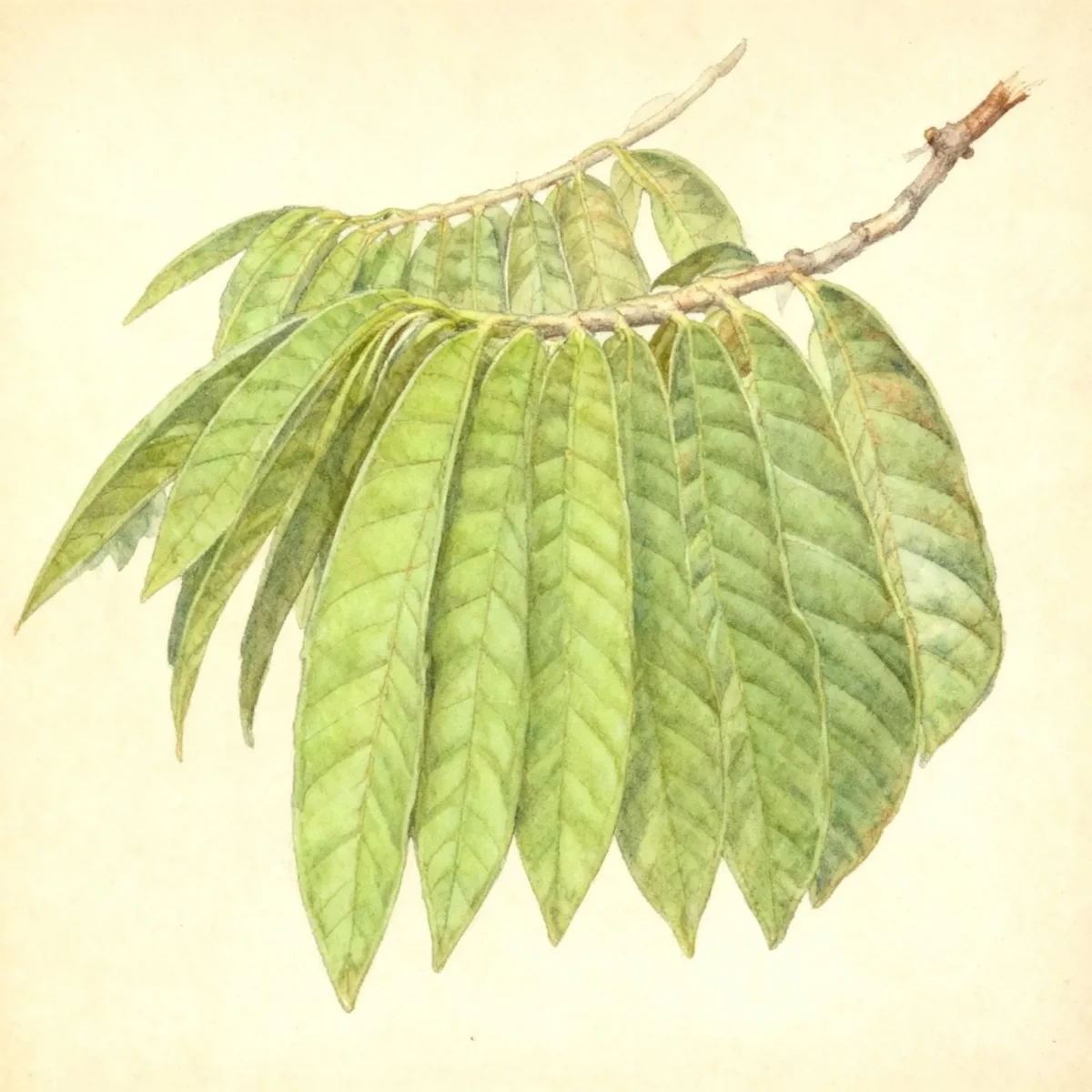
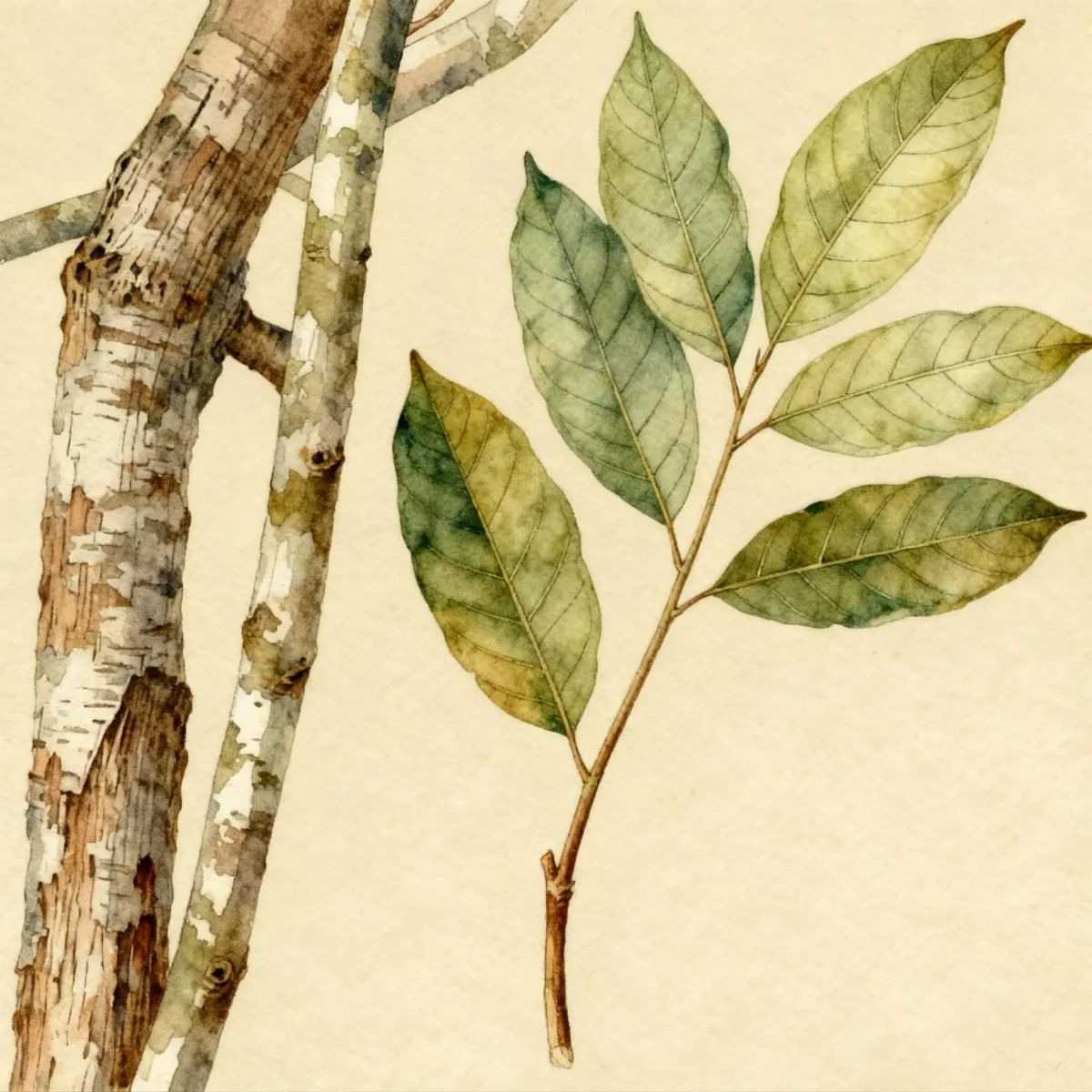
The Soursop tree offers significant value as an ornamental specimen in tropical and subtropical landscapes. Its dense, glossy green leaves provide excellent year-round screening and textured contrast against lighter foliage plants. When selecting garden placement, consider areas where its unique silhouette and eventual fruit display can be admired.
While primarily grown for its functional fruit production, the Annona muricata serves beautifully as a focal point or specimen tree in designated edible gardens or exotic border plantings. If space is limited, this tropical marvel adapts well to large containers, allowing it to be moved into protected shelters during brief cool spells, though it is best suited for permanent planting in Zones 10-11. Think of it as an anchor piece that blends the utility of an orchard with the beauty of a tropical shade tree.
Standout Features
Flower Qualities
- Showy
Fruit Qualities
- Showy
- Edible
Noteworthy Characteristics
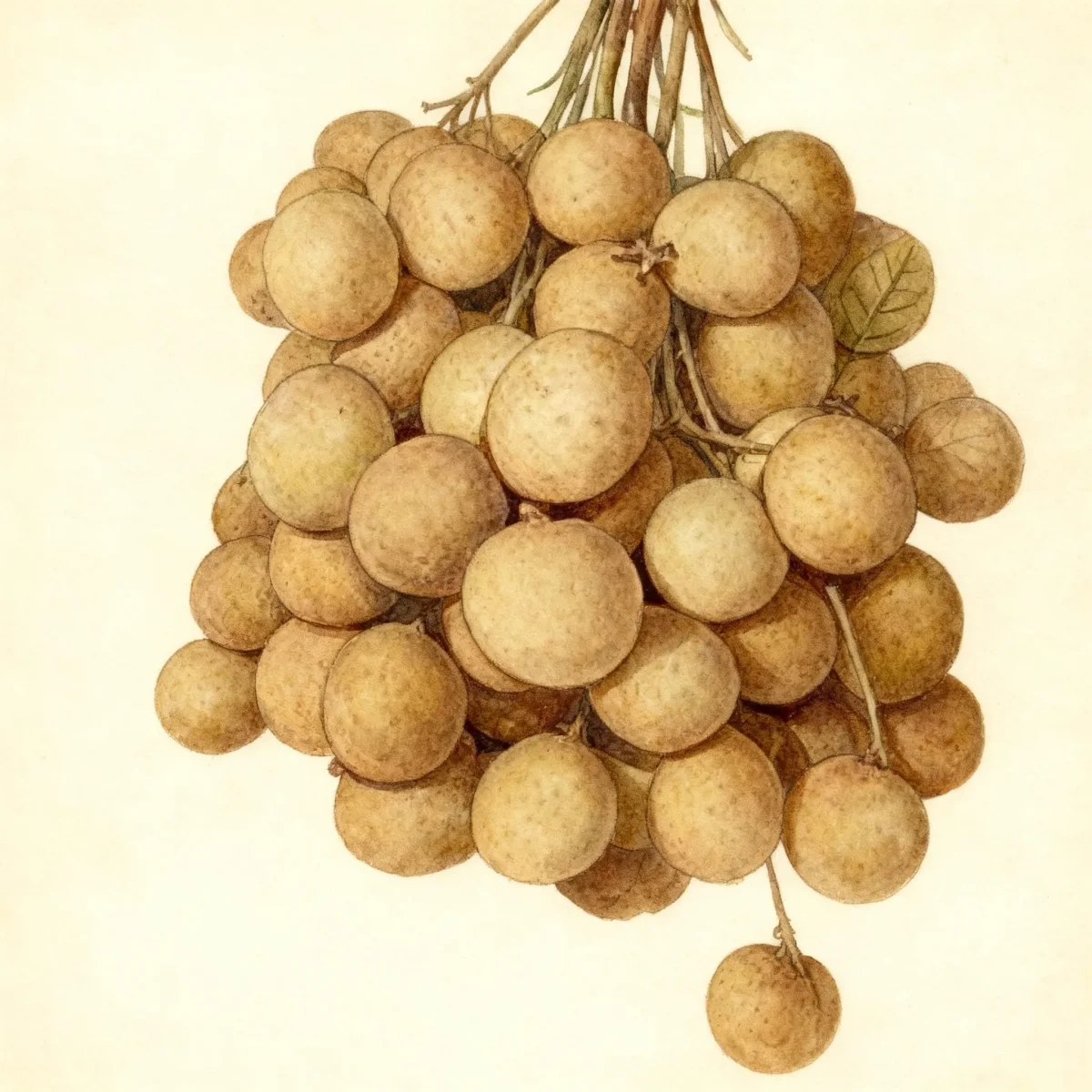
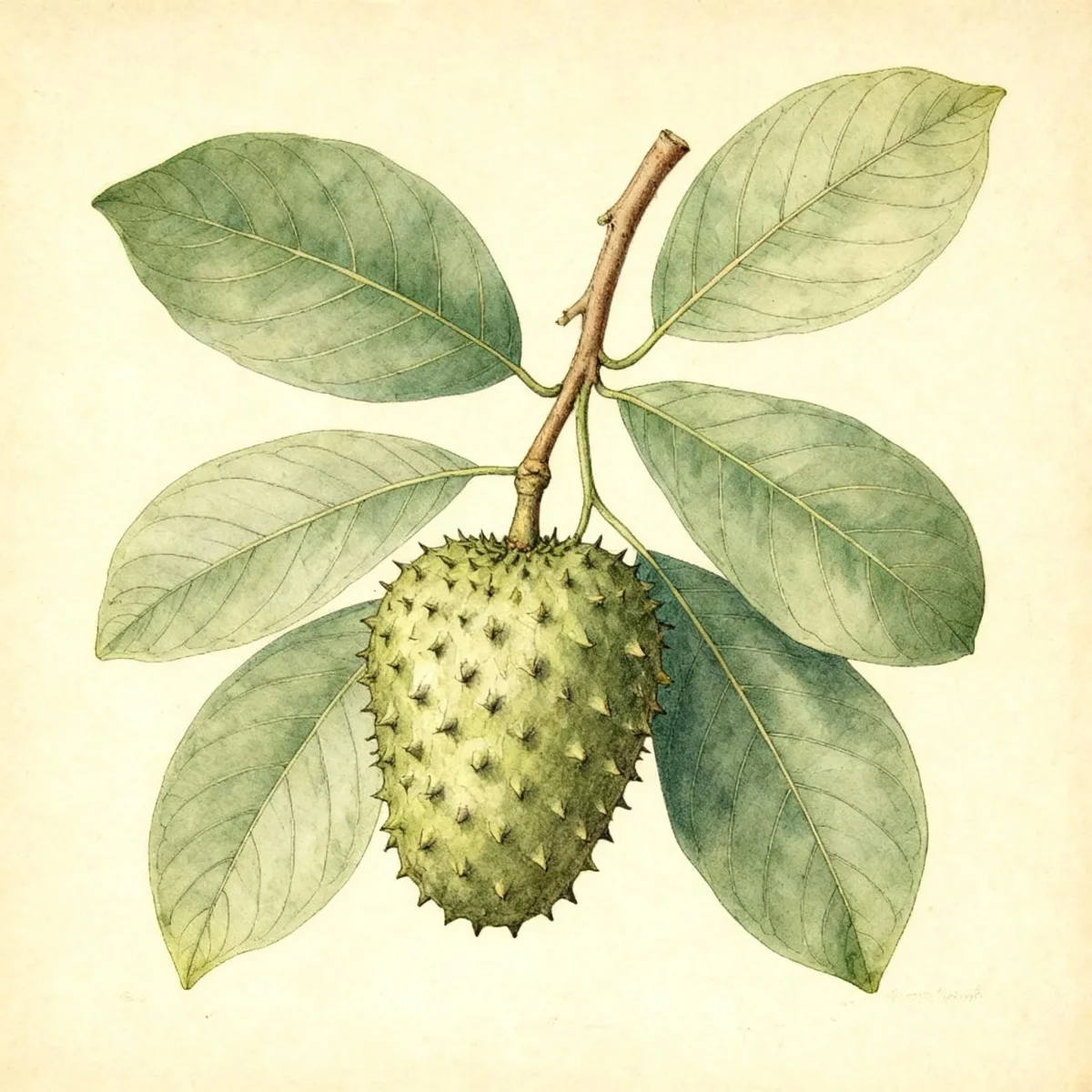
Annona muricata, commonly called soursop (also known as graviola or guanabana), is a small evergreen tropical tree that is native to Central and tropical South America. In the wild, it is a slender tree that will grow to 15-20’ tall often with down-curved branching, though it grows much smaller in containers. The name soursop is in reference to its large edible fruits which have a slightly acidic or sour taste, and the pulp is widely used in desserts and beverages.
Tolerances
- No serious insect or disease problems.
Potential Problems
The primary concern for growing Annona muricata anywhere north of its ideal range is frost, to which it is totally intolerant. Gardeners must rigorously protect this tree from any cold exposure below freezing temperatures. While generally robust against pests and diseases, consistent cultural needs regarding moisture and drainage must be met to keep the plant healthy. Focus on environmental management rather than chemical controls.
Frequently Asked Questions
What hardiness zones is Soursop suitable for?
Annona muricata is reliably winter hardy only in USDA Zones 10 to 11. It must be protected from frost year-round if grown outdoors.
How large does Soursop grow?
When planted outdoors, this tropical tree typically reaches a height of 15 to 20 feet, with a spread between 8 and 12 feet. It will be much smaller when grown successfully in containers.
What sun exposure does Annona muricata need?
This plant prefers locations that receive full sun, but it tolerates part shade, which can be beneficial in extremely hot climates to prevent sun scorch.
When does Soursop bloom?
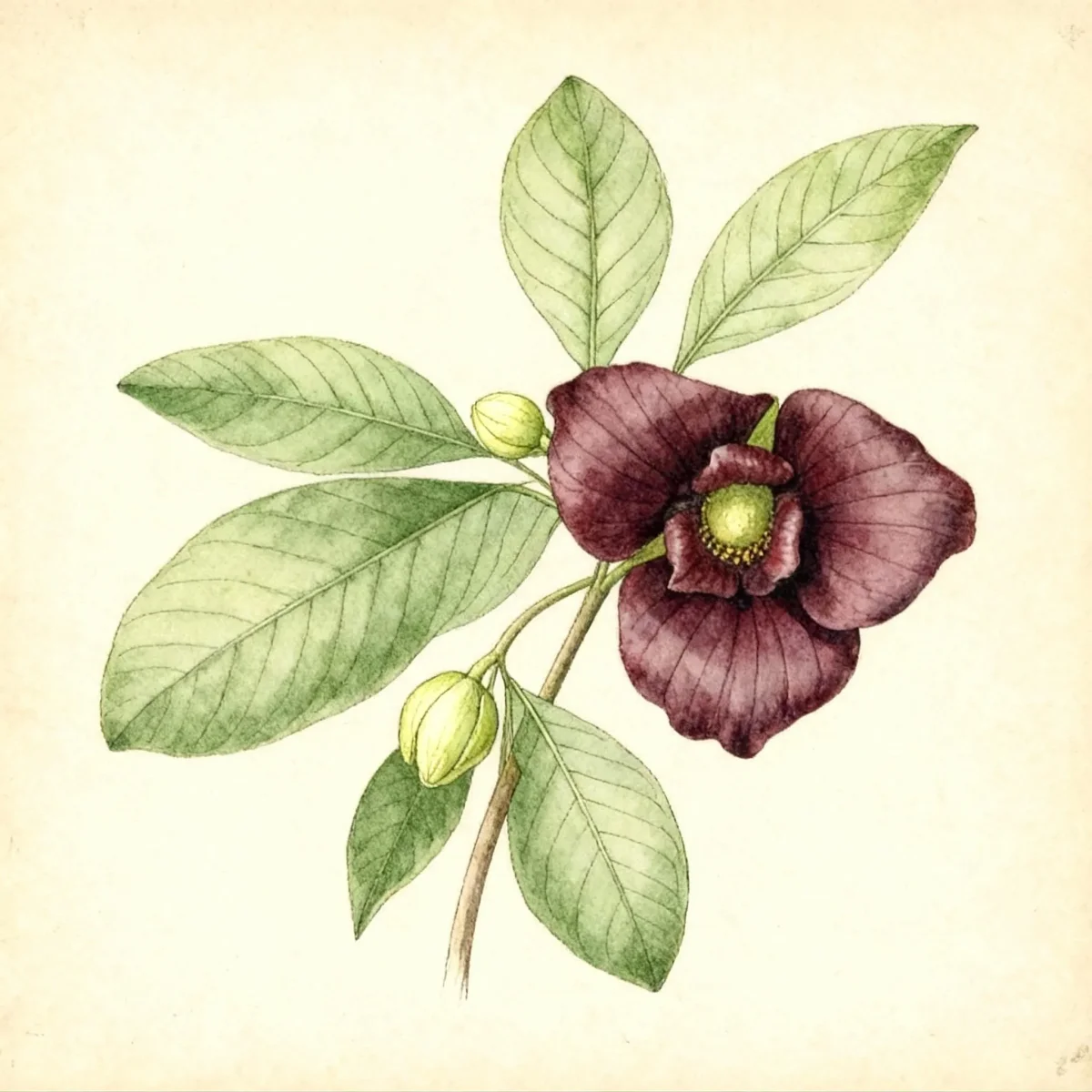
Flowering for the Annona muricata generally occurs from June through August, producing distinctive yellow-green blossoms that lead to fruit development later in the season.
Conclusion
The Soursop (Annona muricata) offers gardeners a unique combination of exotic foliage and highly prized edible fruit, warranting its special place on warm-climate properties. Its low maintenance profile makes cultivation enjoyable once its strict temperature requirements are met. If you reside in USDA Zones 10 or 11, plan your planting carefully for early summer establishment to enjoy this tropical treasure.
Companion Planting
When planting Annona muricata, consider companions that share its requirement for tropical warmth and consistent moisture without demanding dense shade. Companion plants thriving in full sun through part shade work well, such as tropical ornamentals with dark green leaves to contrast the Soursop’s texture. Avoid planting near species that prefer dry soil or suffer heavily from the same humidity levels, though serious pest competition is rare.
For a layered edible landscape, consider planting lower-growing, sun-tolerant herbs or smaller tropical fruit bushes around the drip line of the mature Annona muricata. Ensure that any ground cover chosen does not compete aggressively for root space, as the Soursop prefers rich, undisturbed soil around its base to thrive and produce its signature fruit.
Wildlife Benefits
While this profile does not list specific pollinators, tropical fruit trees like Annona muricata generally rely on specific insects or bats for pollination due to their unique flower structure, often opening at night. By ensuring good flowering between June and August, you are providing essential nectar resources for local nocturnal or near-ground visiting wildlife in tropical environments. Focused cultivation of Soursop thus supports the local ecosystem’s needs for high-caloric food sources during the summer months.