Custard apple (Annona reticulata)
Annona reticulata, the Custard apple, is a tropical evergreen tree featuring showy, edible fruit and fragrant flowers.
Scroll down to discover growing tips, care requirements, companion plants, and more
Complete Plant Information
Overview
The Custard apple, scientifically known as Annona reticulata, is a captivating tropical tree prized for its distinct fruit and moderate size among its relatives. While it offers ornamental value, its primary draw for many remains the creamy, edible flesh contained within its uniquely patterned rind. As a broadleaf evergreen, Annona reticulata provides consistent foliage in suitable climates.
This species thrives in warm environments, cementing its place as a staple in tropical landscaping within USDA Zones 10 and 11. It generally seeks full sun exposure but can tolerate partial shade, allowing for flexibility in garden placement. Gardeners must recognize that the Custard apple requires protection from freezing temperatures to ensure long-term survival outdoors.
Though often grown ornamentally, the production of large, showy fruits makes this tree a rewarding challenge for dedicated subtropical growers. Understanding its specific needs regarding moisture and temperature is key to successfully cultivating the beautiful Annona reticulata.
Fast Facts
- Plant Family: Annonaceae
- Plant Type: Broadleaf evergreen
- Native Range: Central America, northern South America, Mexico
- Hardiness Zones: USDA Zones 10-11
- Size at Maturity:
- Height: 20-35 ft
- Spread: 15-30 ft
- Bloom Time: June
- Bloom Description: Yellowish-green
- Sun Exposure: Full sun to part shade
- Water Needs: Medium
- Maintenance Level: Medium
How to Grow
For optimal growth, plant your Annona reticulata in the prime growing season, which is typically late spring after all danger of frost has passed. This tropical tree demands rich, evenly moist, yet perfectly well-drained soil, though it shows tolerance for average soils. Ensure the planting location receives full sun to filtered light; avoid areas prone to cold drafts, as this tree is highly sensitive to cold.
Water needs are classified as medium, requiring consistent moisture, especially for young trees or during fruit development. Allow the top layer of soil to dry slightly between waterings, ensuring the roots never sit in soggy conditions, which can lead to root issues. Fertilization should align with heavy feeding schedules common to other tropical fruit trees, usually involving balanced fertilizers applied during the active growing season.
Protection from frost is paramount; the Custard apple barely survives brief dips below 28 degrees F and is considered unreliable outside of true tropical settings like the Florida Keys or Puerto Rico. In greenhouse settings, expect flowering in summer followed by mature fruits in the fall. Pruning is generally light, focusing mainly on removing damaged or poorly placed limbs to maintain an open canopy structure suitable for sun penetration to developing fruit.
Landscape Uses
The Custard apple serves well as a standalone specimen tree, providing vertical interest and tropical texture in frost-free landscapes. Its moderate height range—up to 35 feet—allows it to feature prominently without overwhelming smaller garden areas, though significant spread mandates ample room. Considering its requirement for well-drained soil, it integrates nicely into mixed borders where drainage is naturally excellent.
While the primary attraction might be the fruit, the foliage and structure provide year-round greenery, making it a strong ornamental choice in tropical or Mediterranean-style gardens where hardiness permits. When planting, group the Annona reticulata with other heat-loving, moisture-tolerant species to create a cohesive planting scheme that shares similar cultural management strategies. It is generally not used for hedging or formal screening due to its natural, slightly irregular growth habit.
Standout Features
Flower Qualities
- Fragrant
- Insignificant
Fruit Qualities
- Showy
- Edible
Noteworthy Characteristics
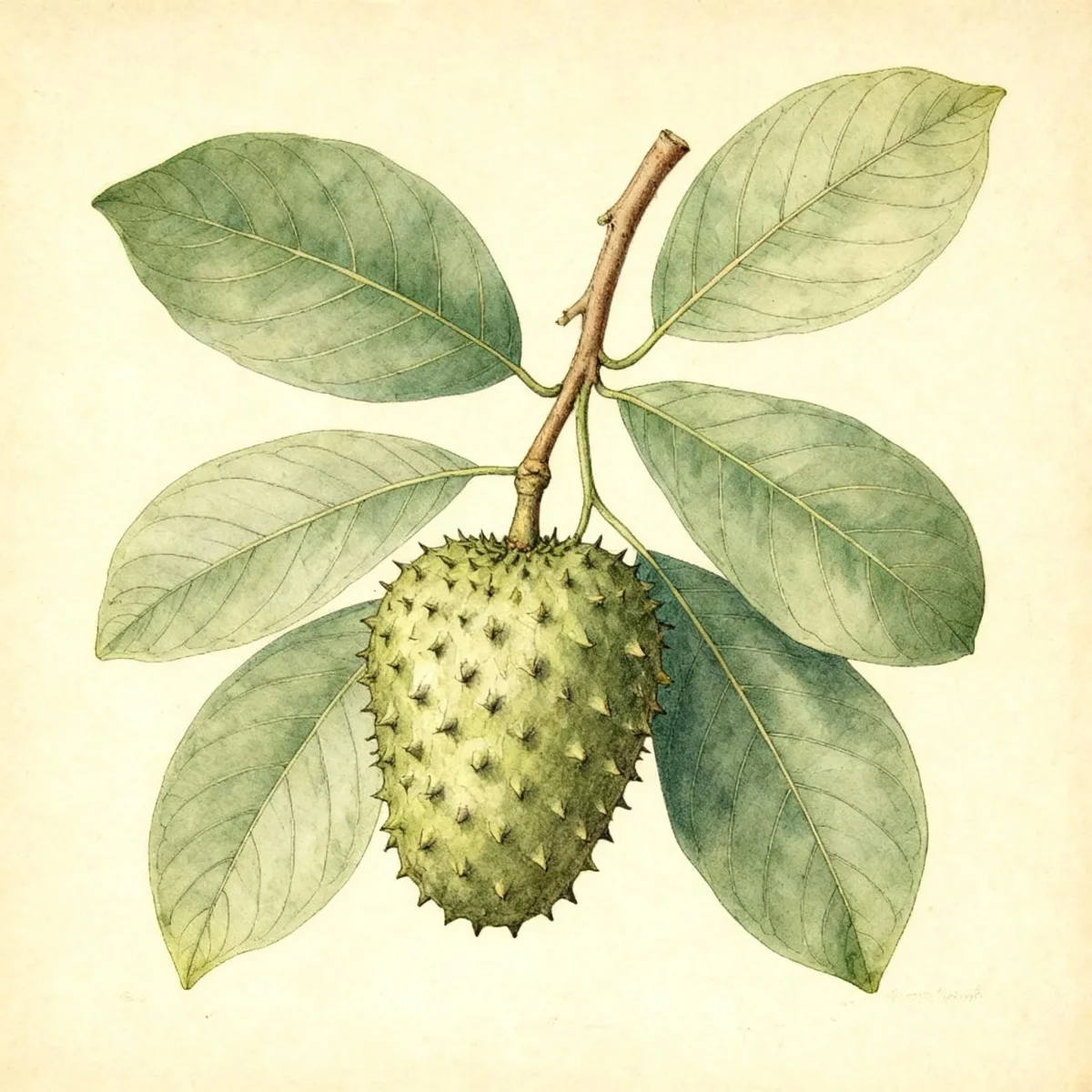
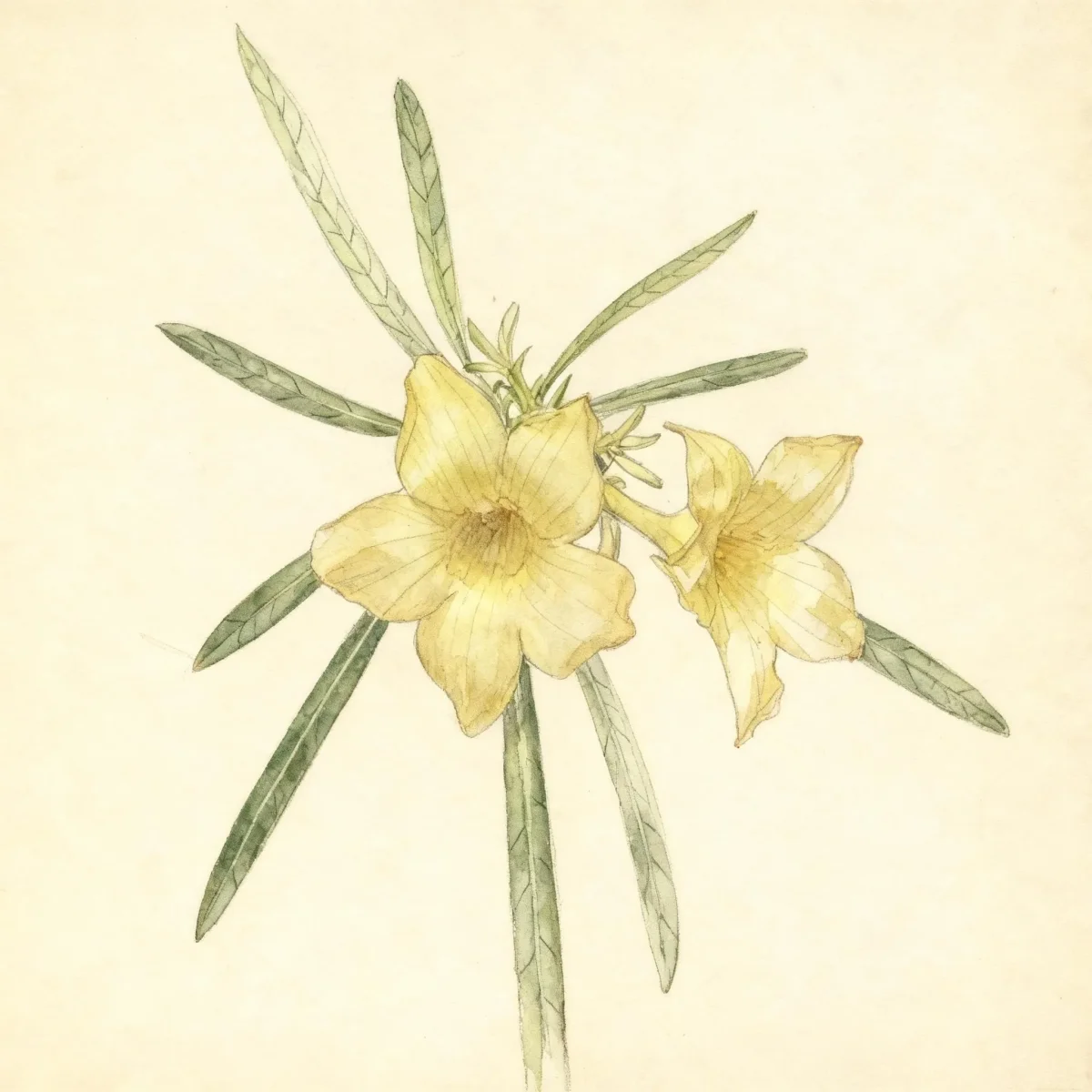
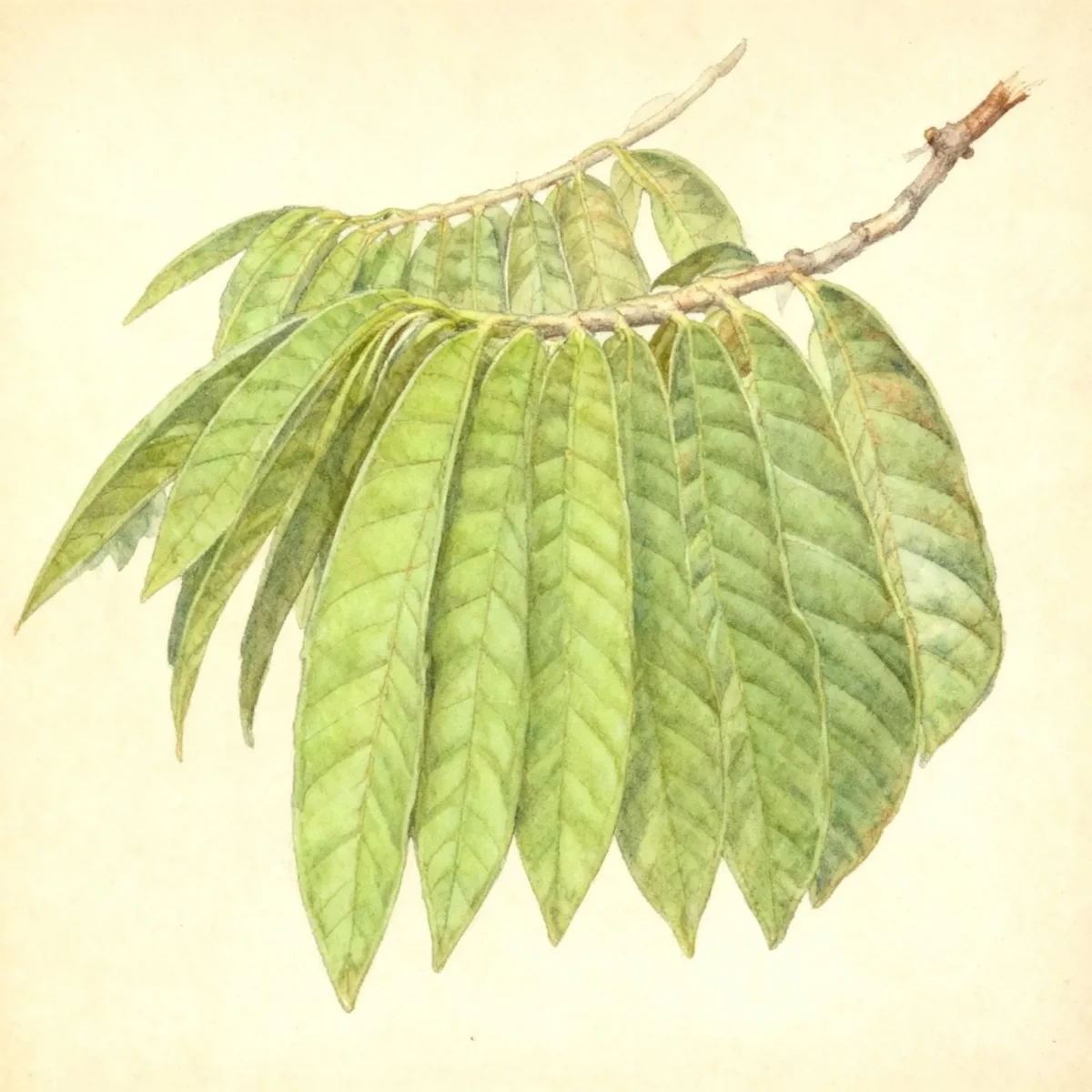
Annona reticulata, commonly called sugar apple, custard apple or bullock’s heart, is a small, evergreen to deciduous, tropical tree that is native to the West Indies. Featuring slender, oblong-lanceolate green leaves that are malodorous when bruised, the tree offers fragrant, yellowish-green flowers in small clusters, which develop into reddish-yellow to brown fruits covered in distinct polygonal plates. The thin skin may be distinctly reticulated, giving rise to its specific epithet, and the internal flesh is creamy and edible, though flavor quality can vary widely.
Tolerances
Potential Problems
The Custard apple is fortunately free from serious, consistent insect or disease issues, which simplifies the maintenance level somewhat. Gardeners should remain vigilant for sporadic infestations of mealybugs, which can adhere to stems and developing fruit, sucking sap and weakening the plant. If discovered, treat these pests promptly using horticultural oils or insecticidal soaps formulated for safe use on edible tropical fruit crops. The overriding threat to Annona reticulata, however, is cold; absolute protection from frost is mandatory for outdoor cultivation in Zones 10 and 11.
Frequently Asked Questions
What hardiness zones is Custard apple suitable for?
The Custard apple (Annona reticulata) is winter hardy only in USDA Zones 10 through 11, requiring protected, frost-free conditions for outdoor planting.
How large does Annona reticulata grow?
This tropical tree typically reaches a moderate height between 20 and 35 feet, with a spread ranging from 15 to 30 feet at maturity.
What sun exposure does Custard apple need?
This plant performs best when situated in areas receiving full sun to partial shade, balancing light needs against protection from the harshest afternoon heat.
When does Custard apple bloom?
The yellowish-green flowers of Annona reticulata appear around June, leading to fruit development later in the season.
Conclusion
The Annona reticulata, or Custard apple, offers tropical gardeners an attractive ornamental structure combined with the possibility of harvesting its unique, creamy fruit. While its maintenance is considered medium, the primary concern remains strict adherence to frost-free cultivation requirements. Before planting, always confirm your microclimate aligns with USDA Zones 10-11 standards for success with this tropical beauty.
Companion Planting
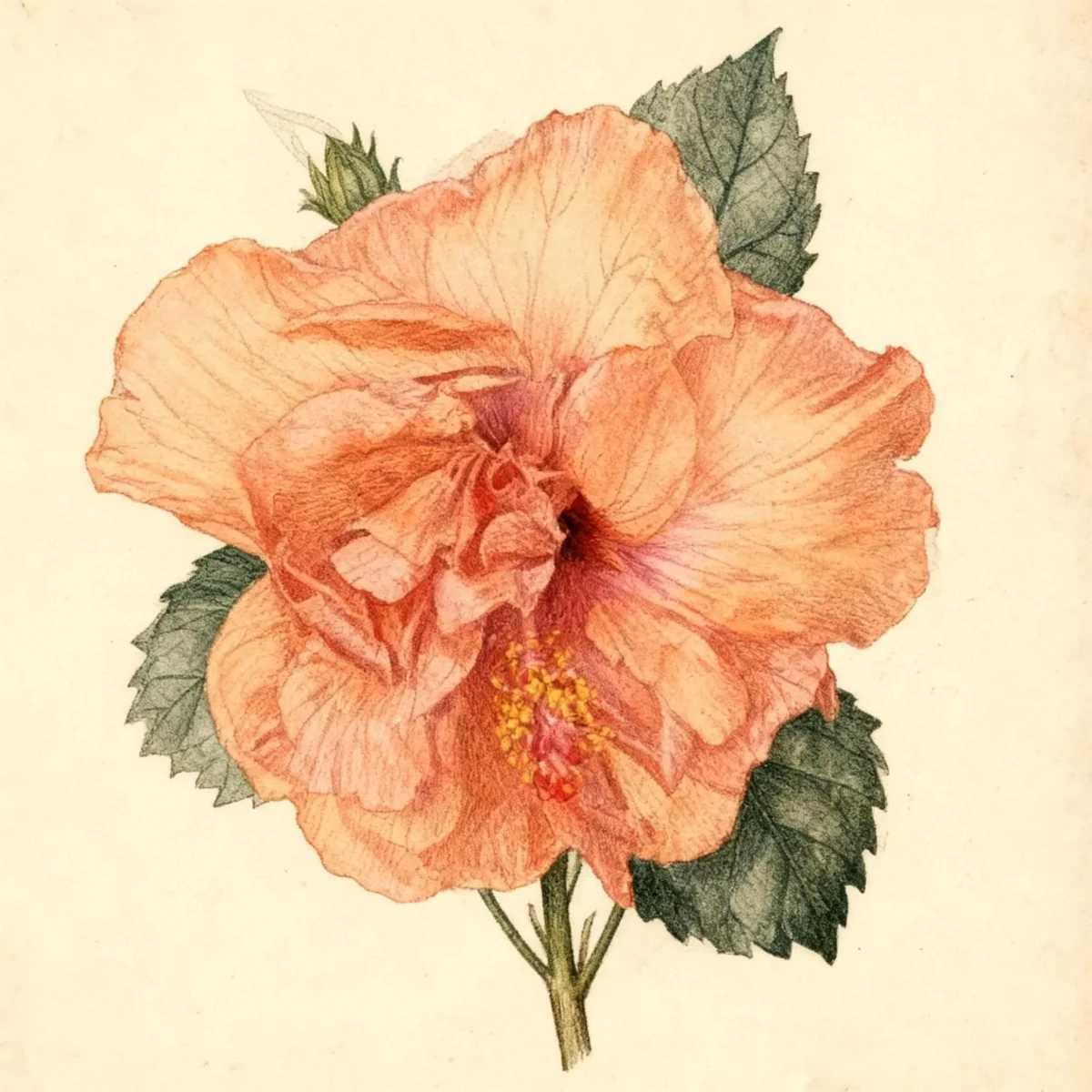
To manage the medium water needs and requirement for rich, well-drained soil, group Annona reticulata with other tropical fruiters or ornamental shrubs that share similar cultural demands. Consider companions like bananas, papayas, or certain Hibiscus varieties in full sun locations. Avoid planting near species that require deep shade or excessively dry conditions, as this competitive environment will stress the Custard apple.
Seasonal Care Calendar
Spring is the crucial preparation time; ensure soil drainage is excellent before the active growing season begins. Apply a balanced fertilizer as new growth emerges. Summer requires diligent monitoring of water levels, especially during fruit set, ensuring medium moisture is maintained without waterlogging the roots. During the short winter when temperatures dip near the tolerance limit, apply a layer of mulch to insulate the root zone, though in Zones 10/11 this protective measure is mainly insurance rather than dormancy preparation.