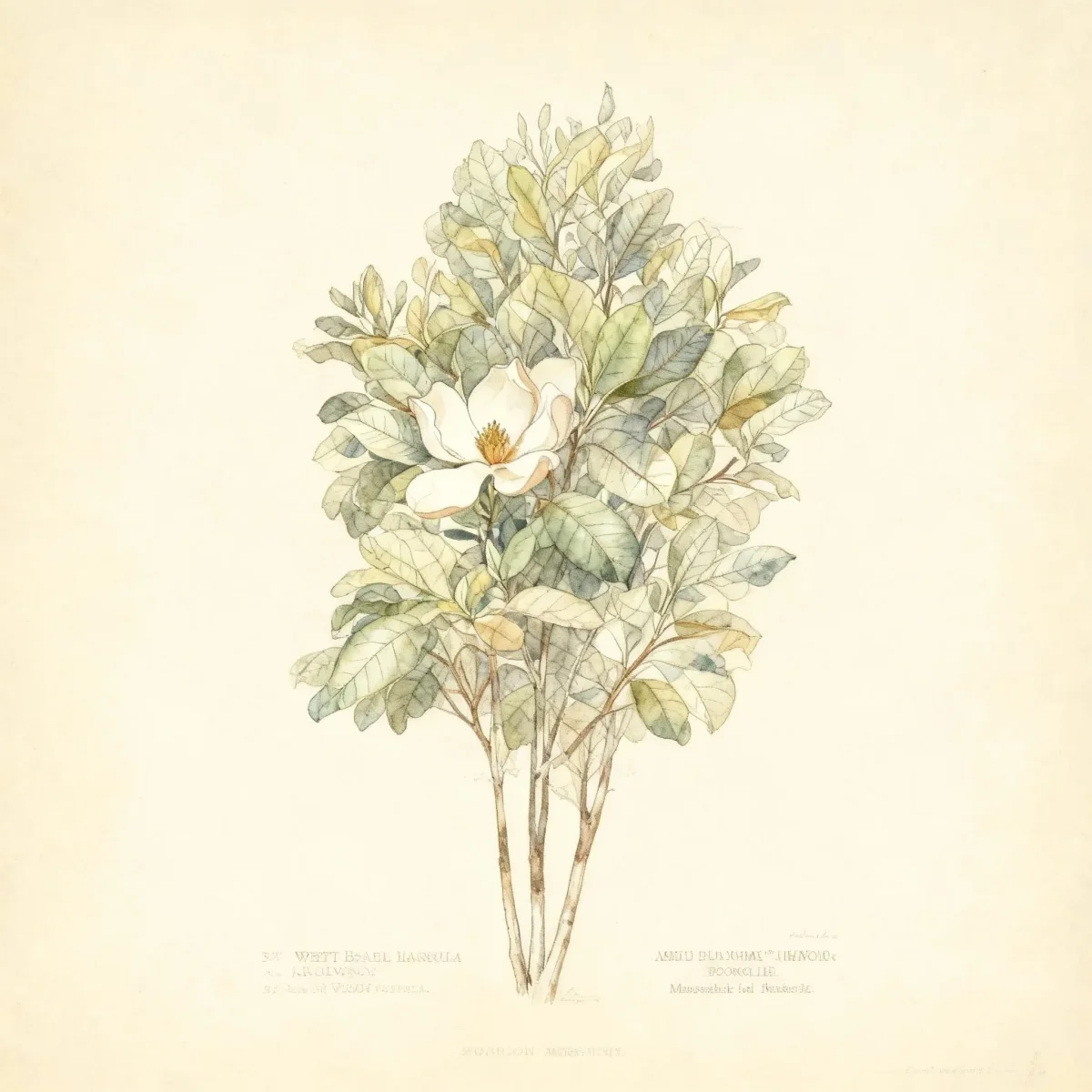
Pawpaw (Asimina triloba)
Grow the native Pawpaw (Asimina triloba), a unique tree offering edible, banana-flavored fruit and attractive spring blossoms.
Scroll down to discover growing tips, care requirements, companion plants, and more
Complete Plant Information
Overview
The Pawpaw, Asimina triloba, stands out as one of the most unique native trees of the Southeastern United States, primarily valued for its surprisingly delicious, custard-like fruit. This small understory tree or large shrub is an excellent addition to native or naturalized landscapes, forming pleasant colonies via root suckers. Its foliage is large and tropical-looking, providing excellent summer structure before turning a bright yellow in the autumn.
Asimina triloba is adaptable, thriving in various moist conditions associated with stream banks and woodland bottoms within its native range. Gardeners appreciate its low maintenance requirements once established, especially in sites that mimic its preferred damp, fertile soil environments. Beyond its fruit yield, the Pawpaw offers early spring flowering interest with its distinctive, slightly unusual purple blooms.
If you are looking to support local wildlife, the fruit of the Pawpaw is eagerly sought by raccoons, squirrels, and opossums, ensuring that most harvests are shared with nature. Successfully growing Asimina triloba means placing it where its need for consistent moisture can be met, rewarding the gardener with a truly North American treasure.
Fast Facts
- Plant Family: Annonaceae
- Plant Type: Tree
- Native Range: Southeastern United States
- Hardiness Zones: USDA Zones 5-9
- Size at Maturity:
- Height: 15-30 ft
- Spread: 15-30 ft
- Bloom Time: April to May
- Bloom Description: Purple
- Sun Exposure: Full sun to part shade
- Water Needs: Medium to wet
- Maintenance Level: Low
How to Grow
Planting the Pawpaw is best achieved in the spring, ensuring the newly installed tree has the entire growing season to establish a robust root system. This species strongly prefers moist, acidic, and fertile soils, making it well-suited for areas with medium to wet water availability. While it tolerates full sun, positioning Asimina triloba where it receives afternoon shade can prevent scorching, though heavy shade results in leggy growth structure.
Ongoing care for the Pawpaw is straightforward, justifying its low maintenance rating. Ensure soil remains consistently moist, especially during dry spells, as stressed plants establish poorly. While fertilization supports vigor, the real key is soil quality; avoid compact or very dry sites. Keep the area around the base clear initially to allow roots to spread unimpeded.
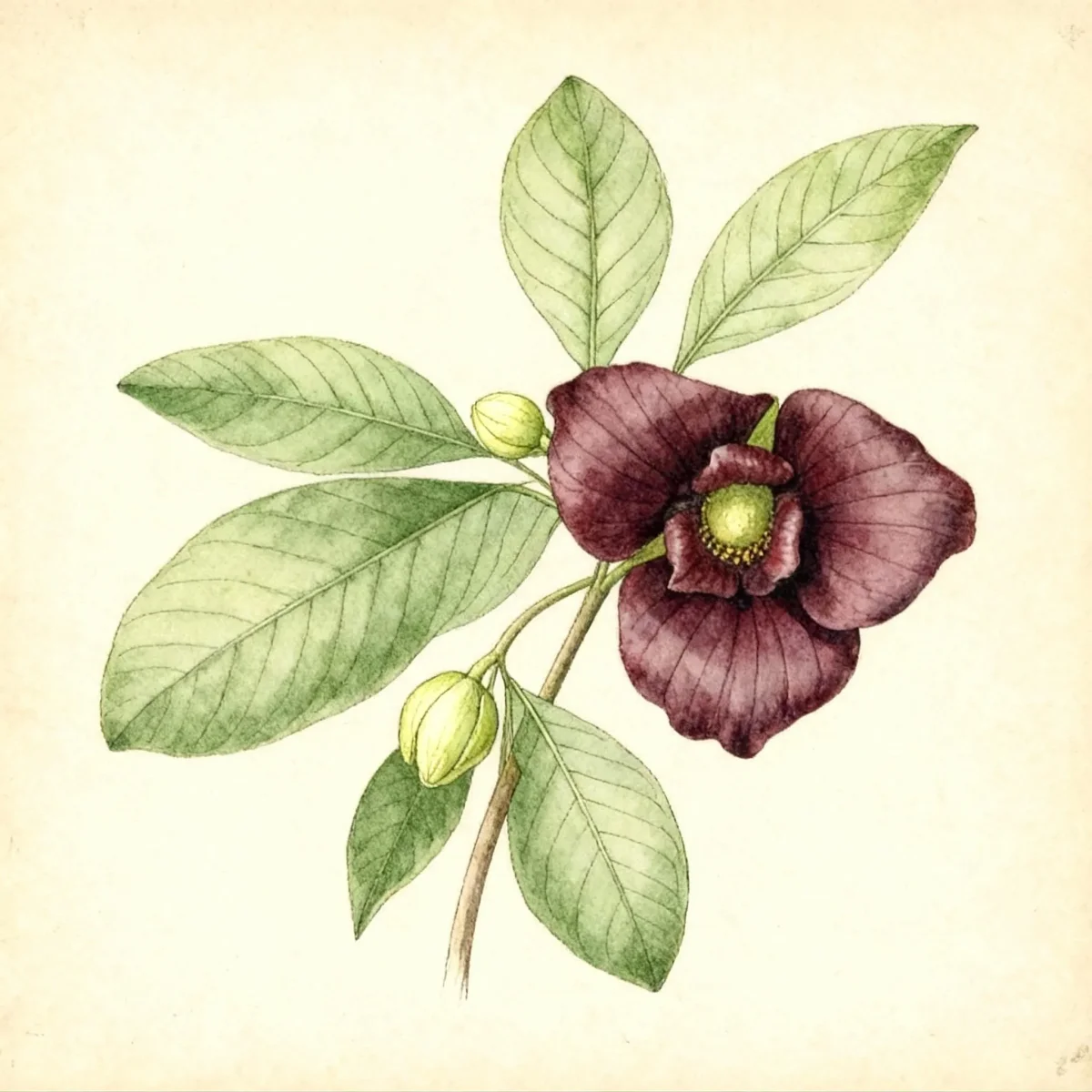
Since Asimina triloba can sucker to form thickets, pruning should be judicious. Remove unwanted suckers back to the ground if you desire a single-trunk specimen. In winter, inspect for any broken limbs, removing them cleanly. In spring, keep an eye out for emerging foliage, as the cup-shaped purple flowers appear early before the large leaves fully unfurl.
Landscape Uses
One of the best applications for the Pawpaw is utilizing its moderate stature and moisture preference in a Rain Garden setting. Given its effectiveness in damp areas along ponds or streams, planting Asimina triloba acts as a beautiful, functional anchor in wet landscapes. It blends seamlessly into a Naturalized Area or Wild Garden design, where root suckering is encouraged to create natural-looking colonies.
For shrub borders or woodland margins, the Pawpaw provides excellent vertical interest. Its large leaves create a lush, almost tropical feel that contrasts nicely with finer-textured native grasses or ferns that share its preference for moisture retention. Consider pairing it with other native species that tolerate wet feet, enhancing biodiversity in that section of the garden.
Its ability to tolerate Black Walnut root competition also makes it a useful understory component in mixed woodlands, provided adequate water is supplied. Designing a habitat garden around the Pawpaw ensures you are cultivating a plant that supports regional ecosystems while providing sweet, unusual fruit for personal enjoyment.
Standout Features
Flower Qualities
- Fragrant
- Insignificant
Fruit Qualities
- Showy
- Edible
Noteworthy Characteristics
Asimina triloba, commonly called pawpaw, is a Missouri native small understory tree or large shrub which typically grows 15-20’ tall (sometimes to 30’) and occurs in low bottom woods, wooded slopes, ravines and along streams. Large, slightly drooping leaves retain green color well into fall before turning to a bright yellow, complementing the early spring cup-shaped, purple flowers. The resulting oblong fruits, which mature to dark brown, possess a sweet flavor resembling bananas and are frequently eaten raw, often attracting eager wildlife well before human harvest begins.
Tolerances
- Wet Soil
- Black Walnut
Potential Problems
Few significant challenges typically plague the Pawpaw. This species is fortunate to have very few serious insect or disease problems, making it a reliable choice for low-input gardening. Maintaining proper soil moisture is the most crucial cultural factor; plants failing to thrive are usually suffering from inconsistent watering or poorly draining, heavy clay soils rather than pests. Monitor for leaf spotting if humidity is extremely high, but generally, chemical intervention is unnecessary.
Frequently Asked Questions
What hardiness zones is Pawpaw suitable for?
The Pawpaw (Asimina triloba) is hardy across USDA Zones 5 through 9, making it a versatile native choice for many eastern and midwestern regions.
How large does Pawpaw grow?
This tree typically reaches a mature height between 15 and 30 feet, with a corresponding spread of 15 to 30 feet, often spreading to form colonies.
What sun exposure does Pawpaw need?
Asimina triloba performs best in Full sun to part shade conditions, though be mindful that deep shade can cause the tree to become leggy.
When does Pawpaw bloom?
Flowering occurs reliably in the spring, generally from April to May, producing distinctive Purple flowers.
Conclusion
The remarkable Pawpaw (Asimina triloba) offers gardeners an exceptional combination of low maintenance needs, adaptable moisture tolerance, and the reward of unique, edible fruit. By providing consistent moisture in zones 5 through 9, you can successfully integrate this native tree into diverse landscape plans. Before planting, confirm your site’s moisture levels and sun exposure match its requirements for optimal fruit production.
Wildlife Benefits
The Pawpaw is a powerhouse for supporting local fauna, particularly mammals that rely on its unique autumnal harvest. Nearly all parts of the plant—leaves, bark, and fruit—serve as food sources for various insects, but the fruit is the main attraction. Raccoons, squirrels, and opossums actively seek out the mature, yellowish-green fruits, serving as effective seed dispersers across the landscape.
Cultivating Asimina triloba helps ensure a reliable food source, especially in woodland edge environments where its seeds must travel to establish new colonies. Planting several trees together, as they often sucker, enhances fruit set and supports a sustainable local food web throughout the fall season.
Companion Planting
Due to its preference for moist, rich soil and light shade, the Pawpaw pairs wonderfully with other understory natives that share similar ecological requirements. Excellent companions include native ferns, which thrive in the dappled light beneath the Pawpaw’s canopy, and various moisture-loving Viburnum species.
When spacing your planting, remember that Asimina triloba eventually spreads, so allow ample room unless you intend for it to colonize an area fully. Other shade-tolerant, moisture-loving shrubs that enjoy acidic soils, such as certain species of native holly, can create a rich, layered habitat around your Pawpaw trees.