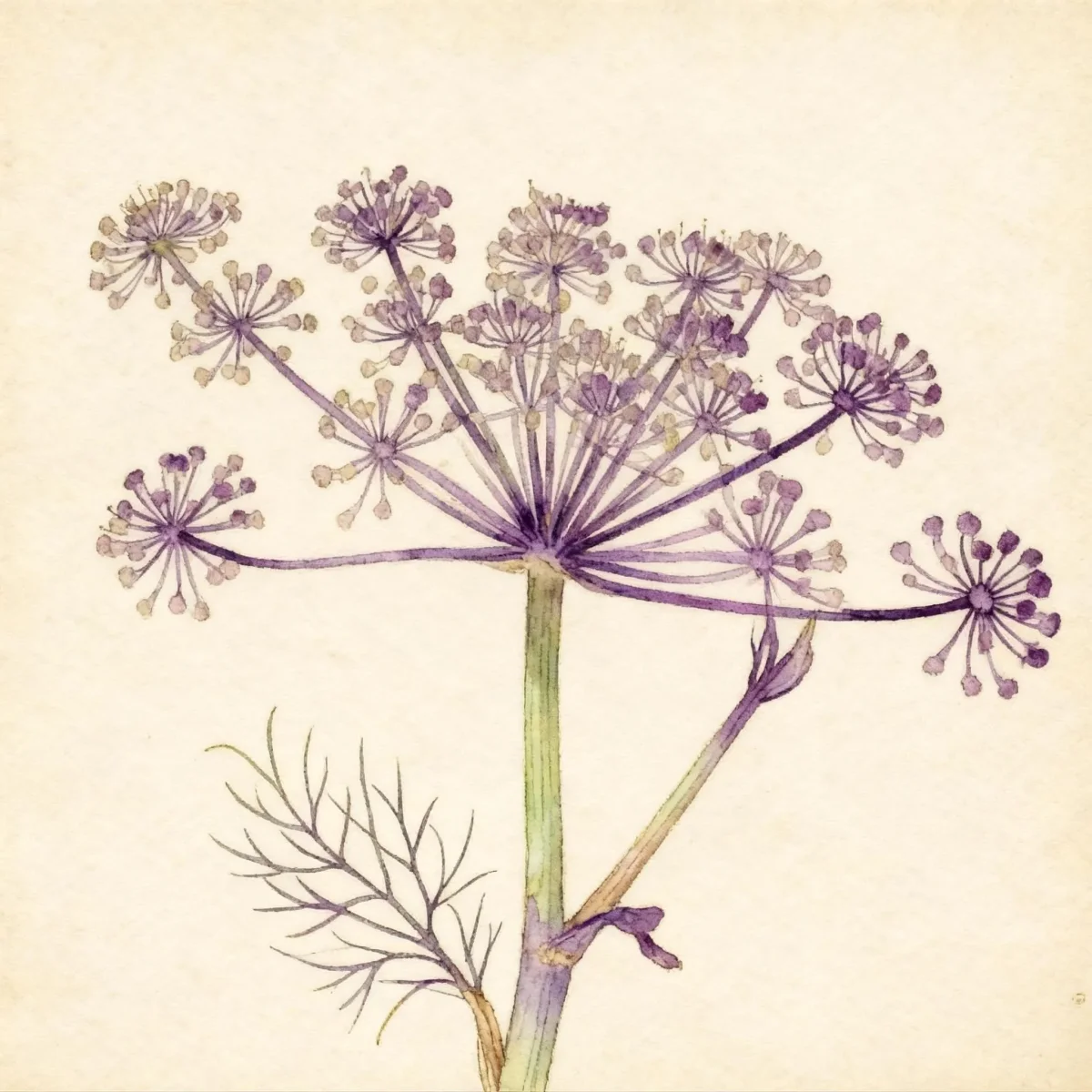
Moon carrot (Seseli gummiferum)
Discover Moon carrot (Seseli gummiferum), a unique herbaceous perennial boasting silver-gray foliage and pale pink summer blooms, perfect for dry conditions.
Scroll down to discover growing tips, care requirements, companion plants, and more
Complete Plant Information
Overview
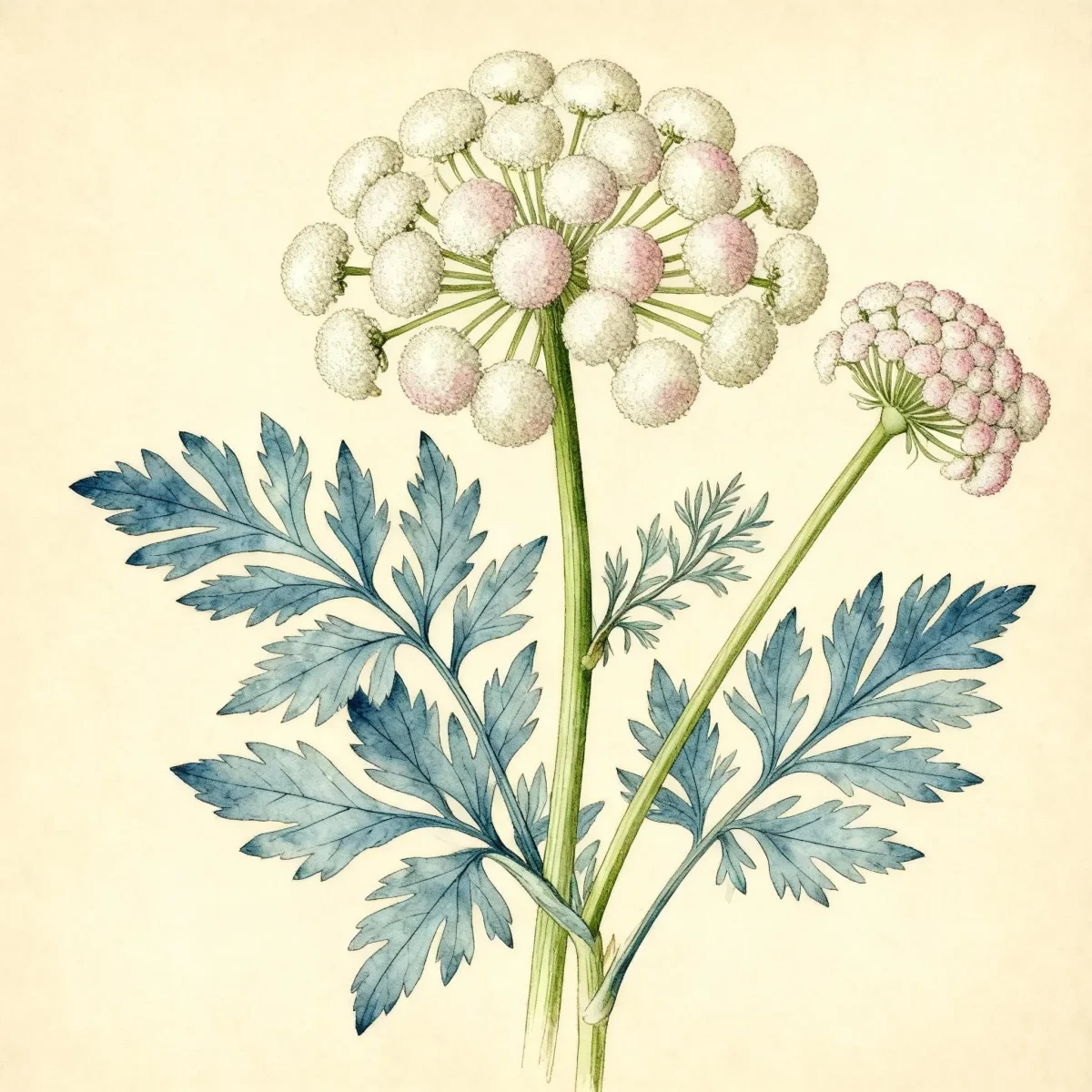
The Moon carrot, scientifically known as Seseli gummiferum, is a striking addition to dry, sunny gardens, cherished for its unique, finely-dissected, silver-gray foliage. This umbelliferous plant starts as a substantial basal rosette, providing texture and year-round interest before sending up flower stalks in its second year. Its airy structure and pale pink-to-white summer blooms make Seseli gummiferum a refined choice for discerning gardeners.
This species thrives in lean, well-drained environments, mirroring its native habitat in the Crimea and Turkey. It is valued both for its architectural presence and its low maintenance needs once established. Gardeners often appreciate the silvery hue of the leaves, which contrasts beautifully with deeper green neighboring plants in the perennial border.
Although often grown as a biennial or short-lived perennial, the Moon carrot ensures its presence through reliable self-seeding. Combining drought tolerance with a preference for full sun, this plant offers substantial aesthetic value without demanding constant care, making Seseli gummiferum an excellent selection for xeriscaping or rock gardens.
Fast Facts
- Plant Family: Apiaceae
- Plant Type: Herbaceous perennial
- Native Range: Krym, Turkey
- Hardiness Zones: USDA Zones 5-9
- Size at Maturity:
- Height: 2-3 ft
- Spread: 1-1.5 ft
- Bloom Time: June to September
- Bloom Description: Pale pink
- Sun Exposure: Full sun
- Water Needs: Dry to medium
- Maintenance Level: Low
How to Grow
For best results with Seseli gummiferum, plant in spring or early fall after the danger of hard frost has passed. Choose a location that receives full sun, although some light afternoon shade is tolerated. The soil must be well-drained; the Moon carrot performs excellently in average, sandy, or lean soils, actively disliking wet feet, especially in winter.
Water sparingly once established. As a drought-tolerant plant, Seseli gummiferum requires only dry to medium moisture levels. Avoid heavy fertilization, as rich soils can encourage excessive leafy growth at the expense of bloom quality. Keep supplemental watering to a minimum during the summer heat.
Maintenance is generally low. After the flowers fade to white, deadheading (removal of flower stems to the base) may encourage continued perennial behavior, although this practice is not strictly necessary. Even if plants do not perennialize in your specific location, they will happily reseat themselves nearby through natural seed dispersal, ensuring the return of this unique foliage.
Landscape Uses
The unique texture and silvery color of the Moon carrot make it an excellent accent plant throughout the garden design. Its vertical habit and airy flower heads integrate well into informal settings. Use Seseli gummiferum to break up blocks of solid color or place it near the front of borders where its sophisticated foliage can be appreciated up close.
This plant is particularly effective in rock gardens or dry borders where its tolerance for dry soil is a significant asset. Pair the Seseli gummiferum with Mediterranean herbs, silvery lamb’s ears (Stachys byzantina), or drought-tolerant lavender for a cohesive, low-water planting scheme that echoes its native environment. Its ability to handle tough conditions allows it to thrive where other ornamental foliage might struggle.
Standout Features
Flower Qualities
- Showy
Noteworthy Characteristics
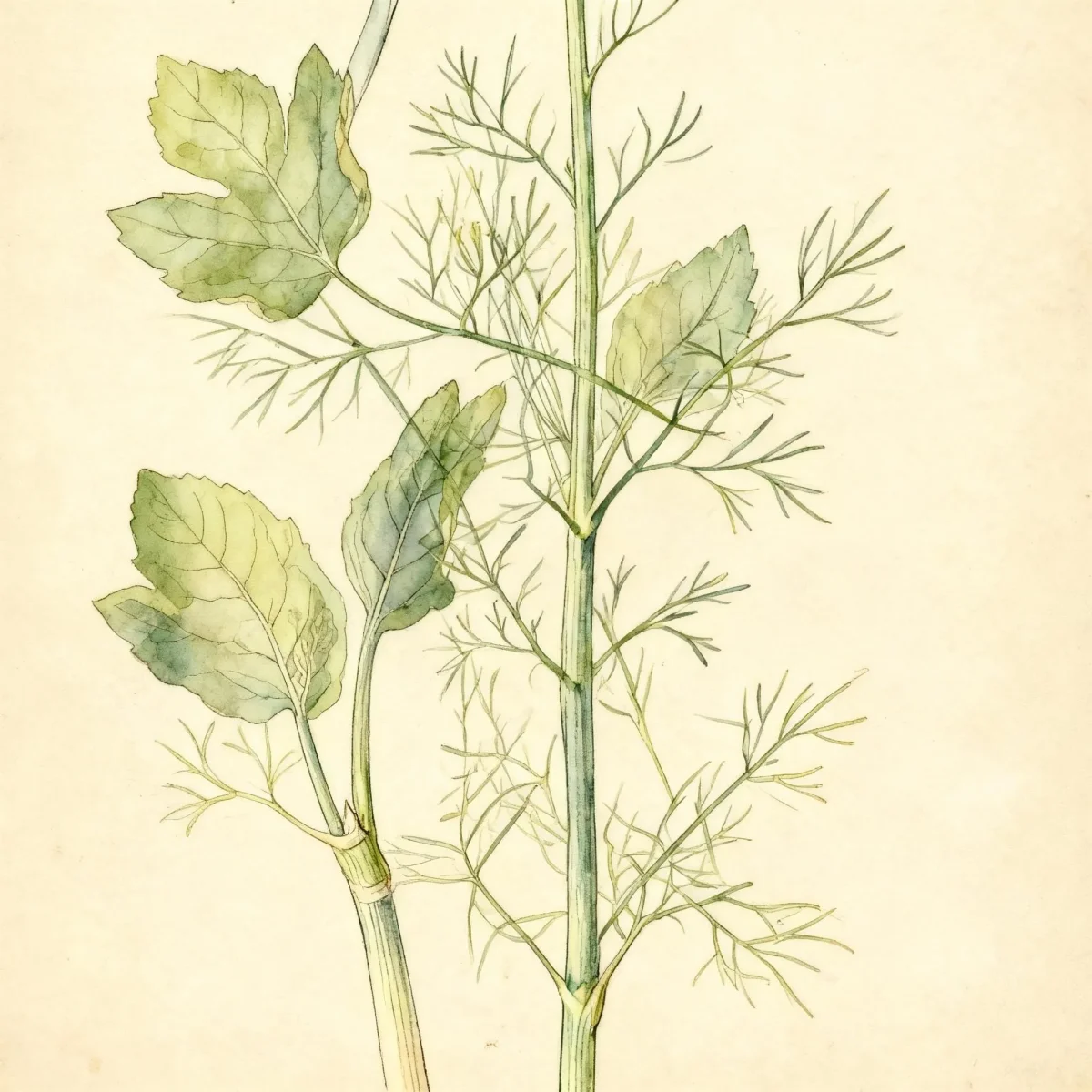
Seseli gummiferum, commonly called moon carrot, is an umbelliferous biennial or short-lived perennial that is native to the Crimea and South Aegean. In the first year, it features a basal rosette of succulent, finely-dissected, fern-like, silver-gray foliage that rises to 12-18” tall and as wide. In the second year, large 5” umbels of pale pink flowers bloom in mid-summer atop thick gray-green stems that rise above the foliage to 2-3’ tall.
Tolerances
- Drought
- Dry Soil
Potential Problems
Seseli gummiferum is not known to have serious insect or disease problems, which adds significantly to its appeal as a low-maintenance specimen. Due to its preference for sharp drainage, the primary risk involves root rot in overly wet or compacted clay soils. Ensure planting sites are amended generously with grit or sand to promote drainage, particularly if you live in a region with high winter rainfall. Avoid over-fertilizing, as this can exacerbate pest susceptibility in other members of the Apiaceae family, although this specific species is generally robust.
Frequently Asked Questions
What hardiness zones is Moon carrot suitable for?
The Moon carrot (Seseli gummiferum) is reliably hardy in USDA Zones 5 through 9.
How large does Seseli gummiferum grow?
When mature, you can expect Seseli gummiferum to reach a height between 2 to 3 feet tall, with a spread generally between 1 to 1.5 feet wide.
When does Moon carrot bloom?
This plant produces its pale pink flowers, held in attractive umbels, from early to late summer, specifically between June and September.
What sun exposure does Seseli gummiferum need?
For optimal flowering and robust foliage development, the Moon carrot requires full sun exposure in the garden.
Conclusion
The striking silver-gray texture and delicate pale pink blooms confirm that Seseli gummiferum is an exceptional choice for adding architectural interest to dry environments. Its reliably low maintenance and drought tolerance make the Moon carrot a pragmatic and beautiful asset for modern landscape design. Check your local conditions against USDA Zones 5-9 and incorporate Seseli gummiferum into your next sunny, well-drained border planting.
Companion Planting
When selecting companions for Seseli gummiferum, focus on plants that share its love for sharp drainage and full sun exposure. Silver-leaved drought-tolerant perennials like Artemisia or certain Sedums offer complementary textures that enhance the silvery look of the Moon carrot’s primary foliage. For contrasting color, consider adding soft yellows from evening primrose (Oenothera) or deep purples from Russian sage (Perovskia atriplicifolia).
Avoid planting Seseli gummiferum near moisture-loving border staples such as Hostas or Astilbes, as these conflicting water needs will result in poor performance for one or both species. The key is pairing it with other Mediterranean or arid-climate loving selections to maintain a consistent cultural environment that supports the low water needs of this Apiaceae family member.
Wildlife Benefits
Although not explicitly noted for wildlife value, plants in the Apiaceae family, including Seseli gummiferum, are wonderful attractors for beneficial insects. The compound umbels of pale pink flowers provide an open landing pad, making them highly accessible nectar sources for small beneficial wasps, hoverflies, and small solitary bees. These often work as natural pest controllers in the garden ecosystem.
By allowing some of the flower stems of the Moon carrot to remain standing through late summer, you also provide seed heads that can offer late-season food for small seed-eating birds. Integrating this plant supports biodiversity, especially when placed near other drought-tolerant pollinator favorites, giving beneficials a consistent food source throughout the mid-summer blooming period.