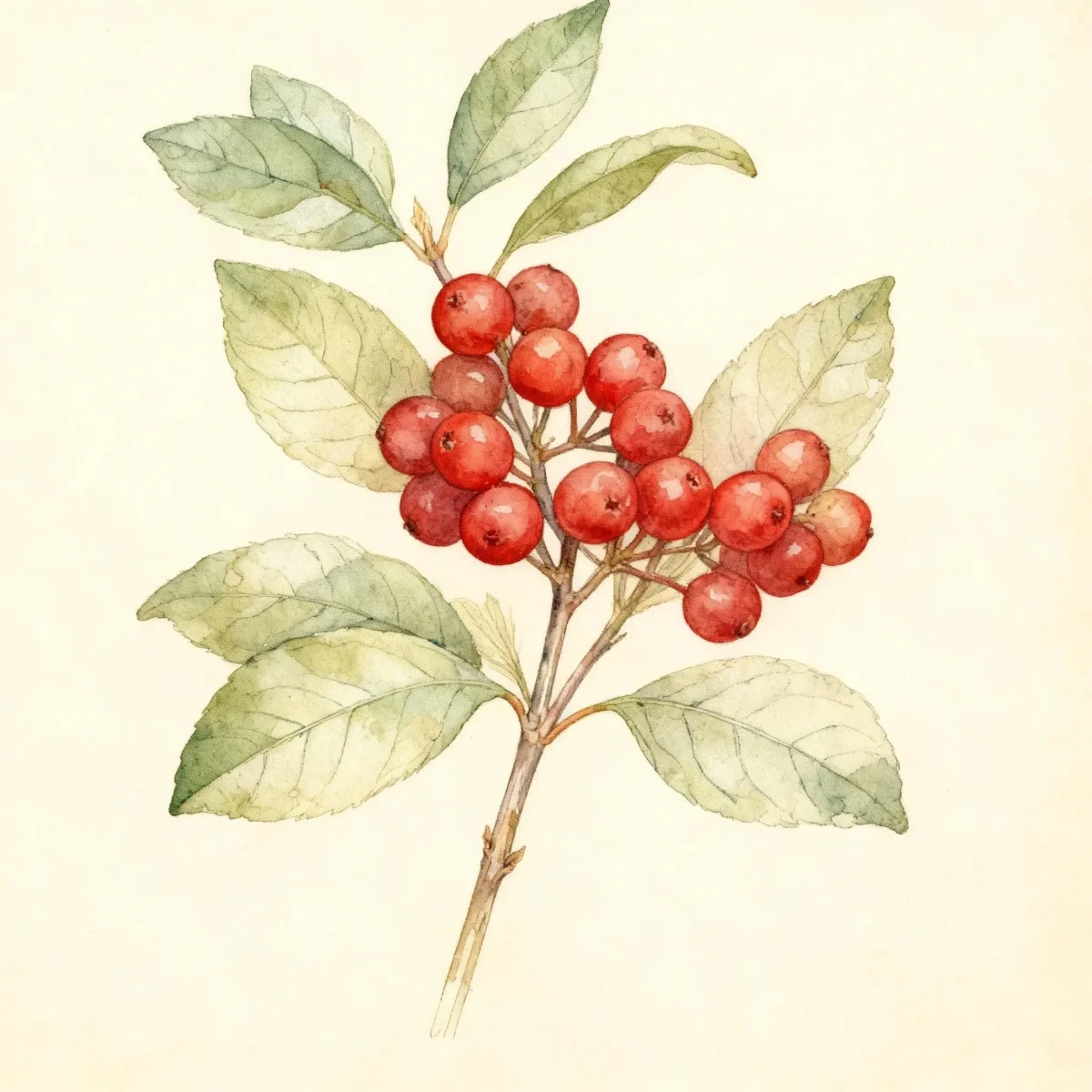
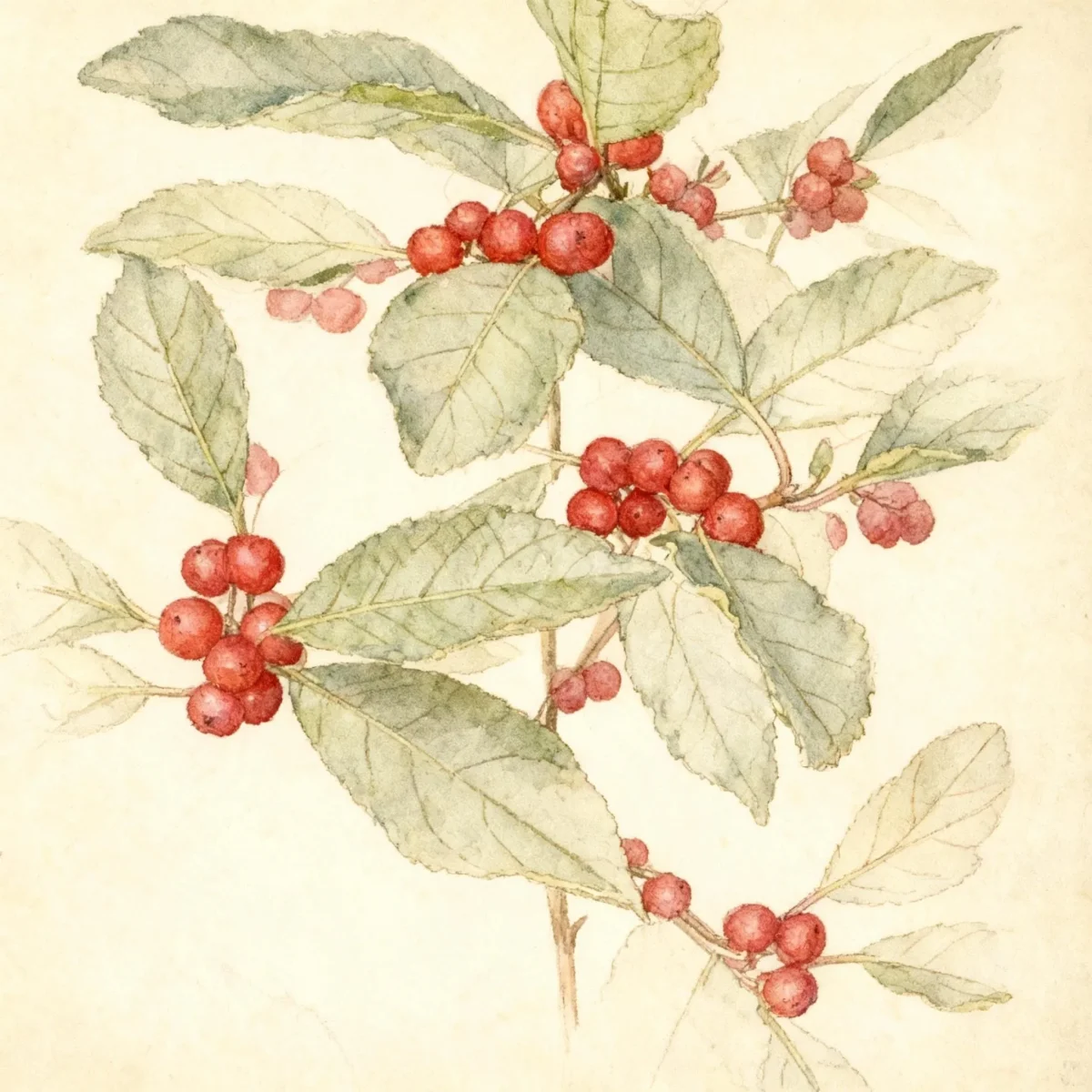
Inkberry (Ilex glabra)
Ilex glabra, or Inkberry, is a staple broadleaf evergreen for wet sites, thriving from USDA Zones 4-9 with low maintenance and glossy foliage.
Scroll down to discover growing tips, care requirements, companion plants, and more
Complete Plant Information
Overview
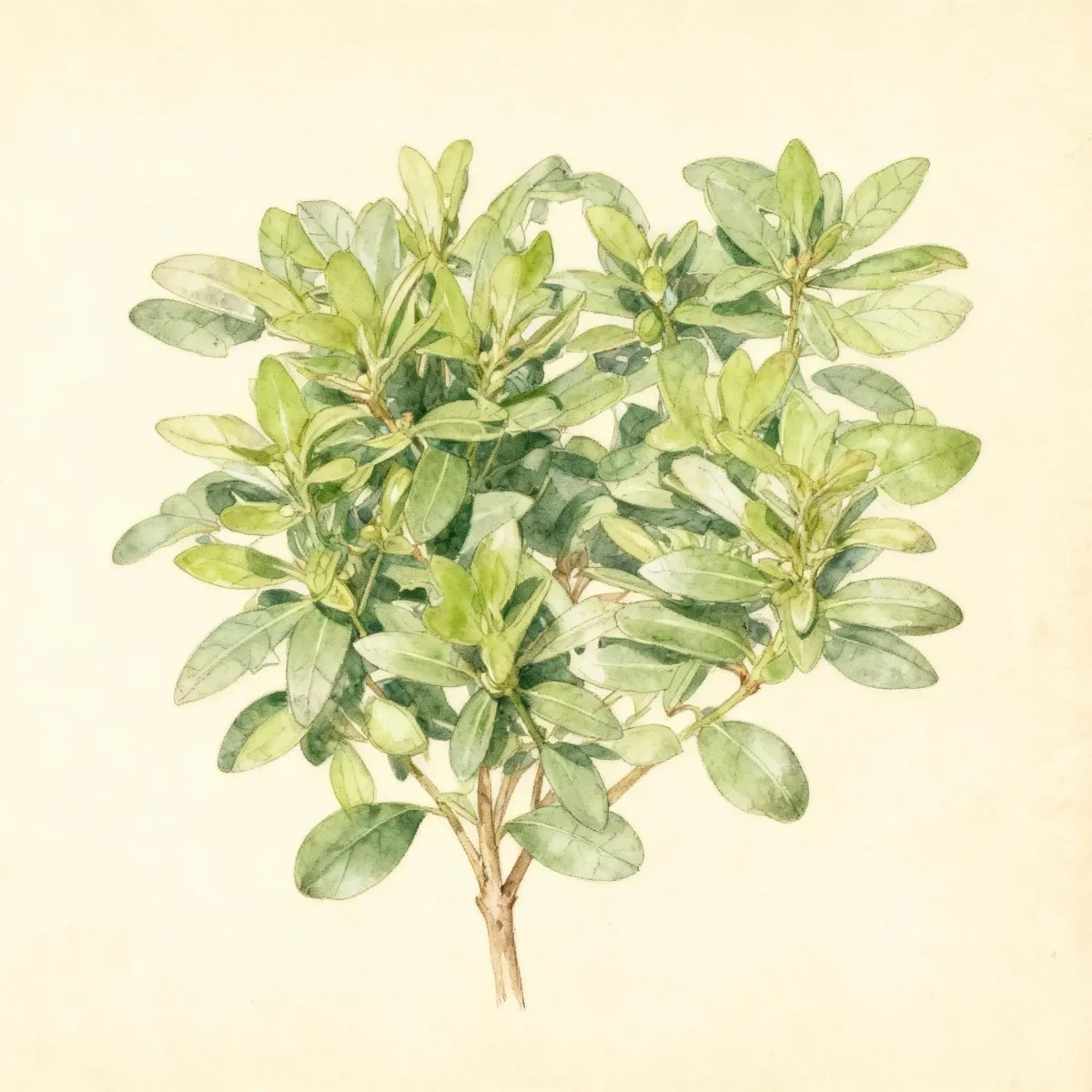
The Inkberry, scientifically known as Ilex glabra, is a cornerstone broadleaf evergreen well-suited for the eastern North American landscape. It provides excellent structure and reliable dark green foliage throughout the winter, offering a significant aesthetic appeal when deciduous plants are bare. This shrub is highly valued for its toughness and adaptability, particularly its remarkable ability to thrive in consistently moist to wet soils where many other broadleaf evergreens fail. The naturally upright-rounded habit of the Inkberry makes it an indispensable choice for foundational plantings, informal hedges, and naturalized areas.
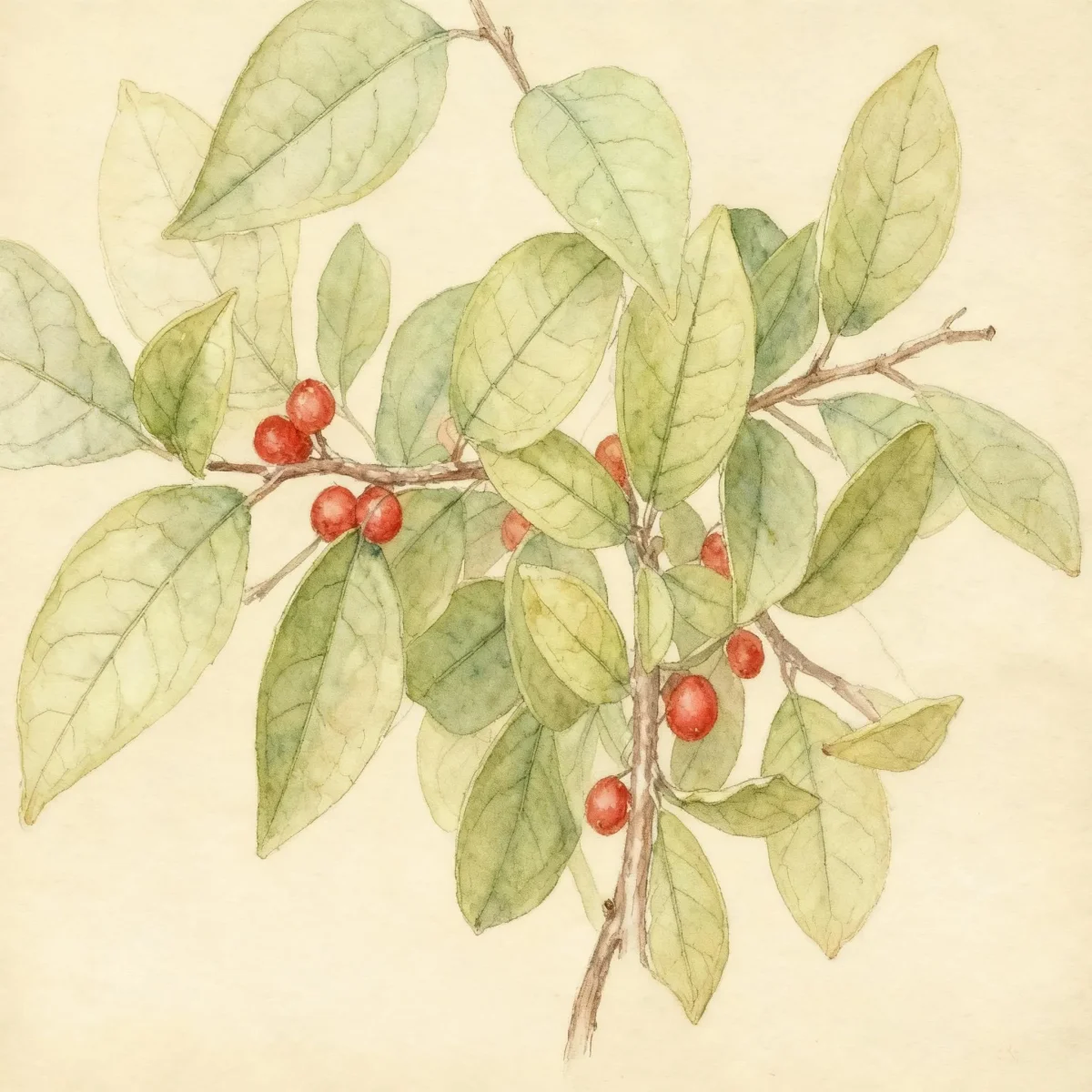
A distinctive quality of Ilex glabra is its relatively inconspicuous springtime flowers, which, if pollinated, develop into small, jet-black, berry-like drupes that persist into the following spring. Gardeners must remember that Inkberry plants are dioecious, requiring both male and female plants nearby to ensure berry production on the females. This hardy native shrub offers long-term, low-input structure for diverse garden designs.
Fast Facts
- Plant Family: Aquifoliaceae
- Plant Type: Broadleaf evergreen
- Native Range: Eastern North America
- Hardiness Zones: USDA Zones 4-9
- Size at Maturity:
- Height: 5-8 ft
- Spread: 5-8 ft
- Bloom Time: May to June
- Bloom Description: Greenish-white
- Sun Exposure: Full sun to part shade
- Water Needs: Medium to wet
- Maintenance Level: Low
How to Grow
For optimal establishment, plant Ilex glabra during the spring or fall when cooler temperatures reduce transplant shock. It performs best when situated in average to rich soils that are consistently moist, though it is highly adaptable to various soil textures. Critically, ensure the growing site has good drainage if you are not deliberately cultivating it for wet-site performance, and absolutely avoid strongly neutral or alkaline soil compositions, which can induce chlorosis.
Watering requirements for Inkberry are medium to wet; once established, it tolerates soggy conditions better than most shrubs. While it prefers consistently moist conditions, established plants are relatively self-sufficient, requiring supplemental water only during prolonged dry spells. Fertilization is generally unnecessary unless the soil is extremely poor; if feeding, an acid-loving fertilizer applied in early spring will suffice.
Pruning should be scheduled for early spring, just prior to the onset of new growth, typically to maintain a formal shape for use as a hedge. For a more natural look, Inkberry requires minimal intervention. If colonial growth via root suckers becomes too aggressive in informal settings, manage this spread by removing unwanted suckers near the periphery regularly.
Landscape Uses
Ilex glabra excels in applications that benefit from permanent green texture near water features or in areas with challenging moisture levels. It is an excellent candidate for mass plantings or grouping to create bold, textural masses in the landscape, effectively obscuring foundations or blank walls. Since it adapts well to moist spots, utilizing Inkberry in rain gardens or along stream banks fulfills its natural ecological role while managing runoff.
Due to its suitability for clipping, it functions perfectly as a low, informal border hedge where traditional boxwood might struggle due to soil moisture or climate. When used in foundation plantings, ensure adequate spacing, allowing the species plants to achieve their mature 5 to 8-foot spread naturally, creating a lush, dark green backdrop. The dense foliage provides excellent year-round screening.
Standout Features
Flower Qualities
- Insignificant
Noteworthy Characteristics
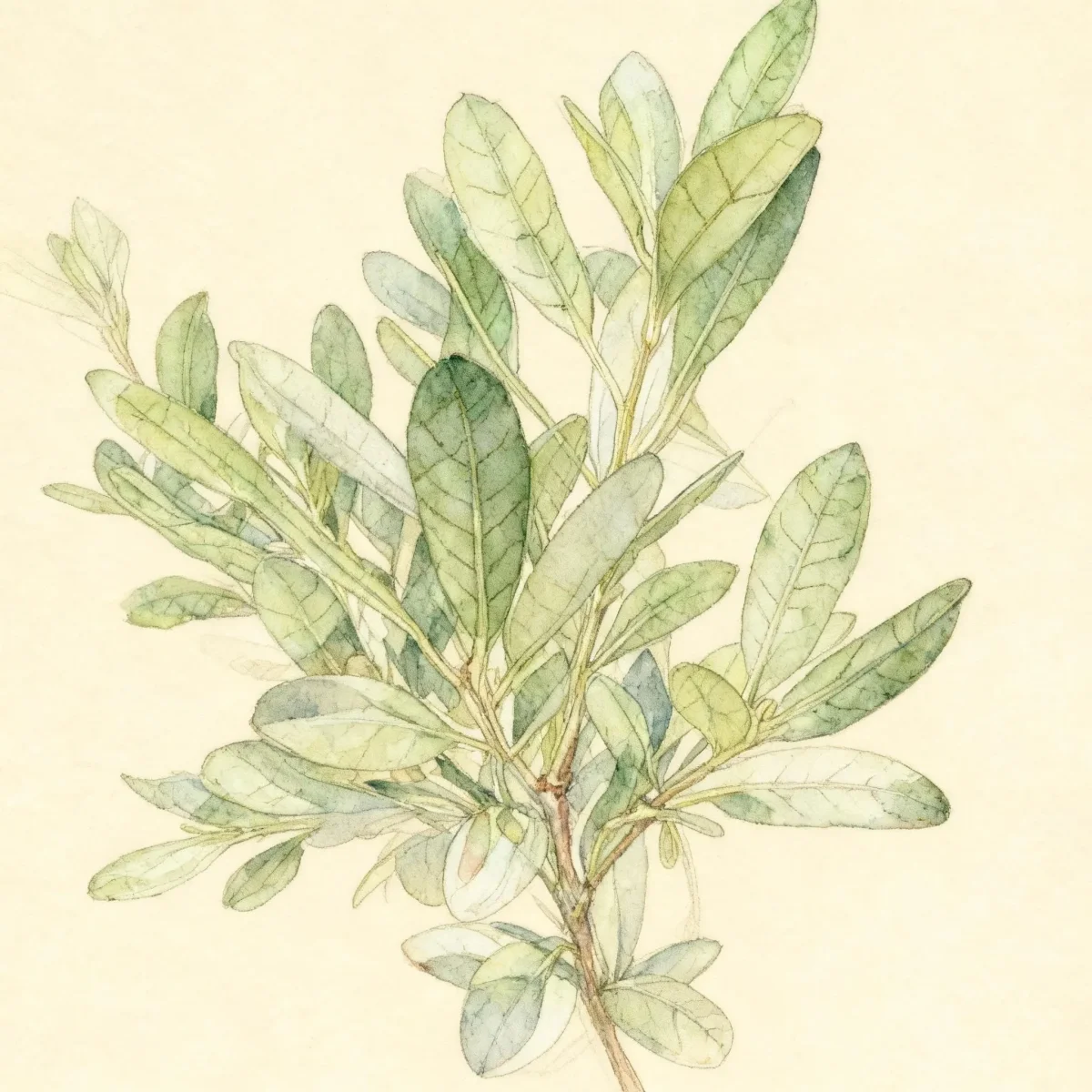
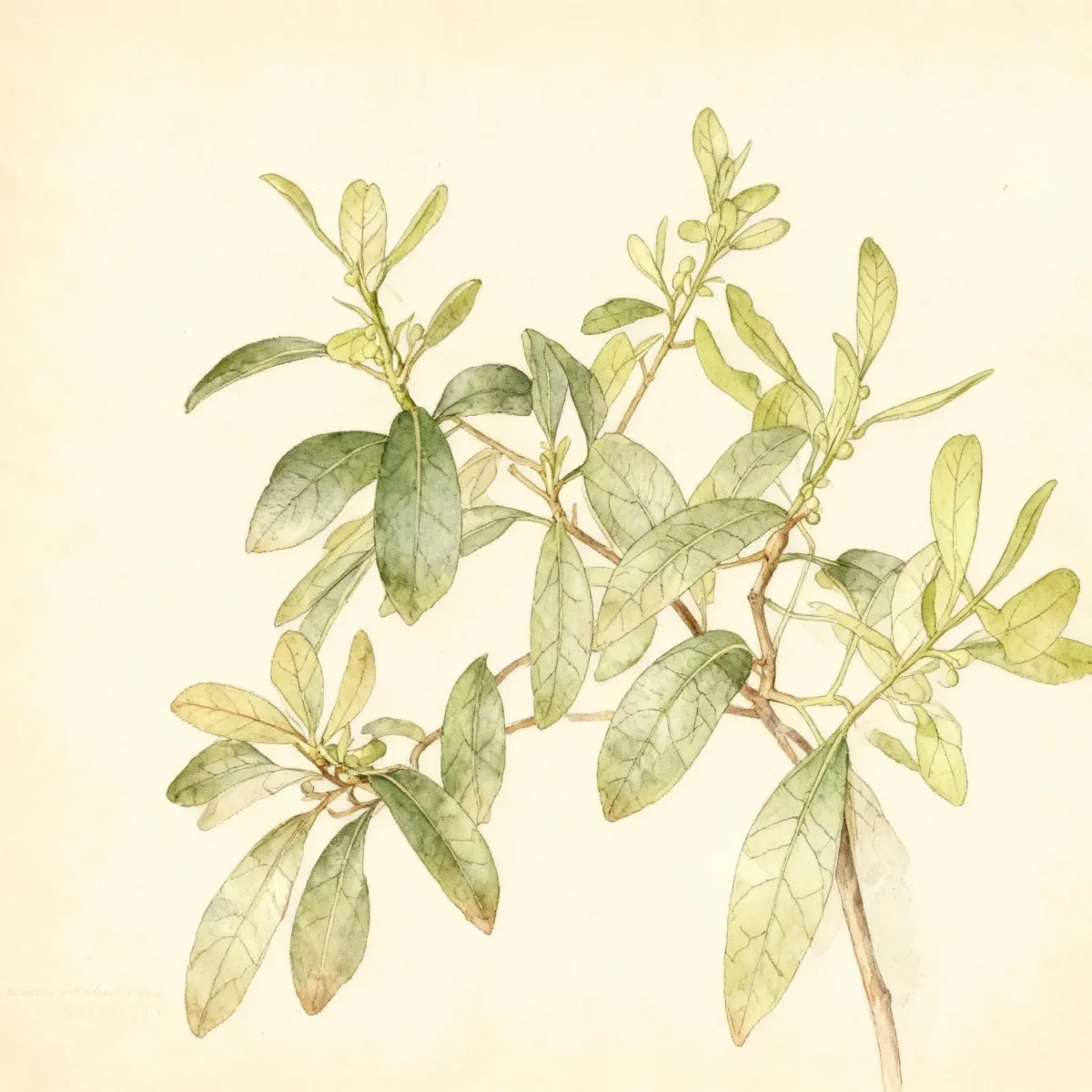
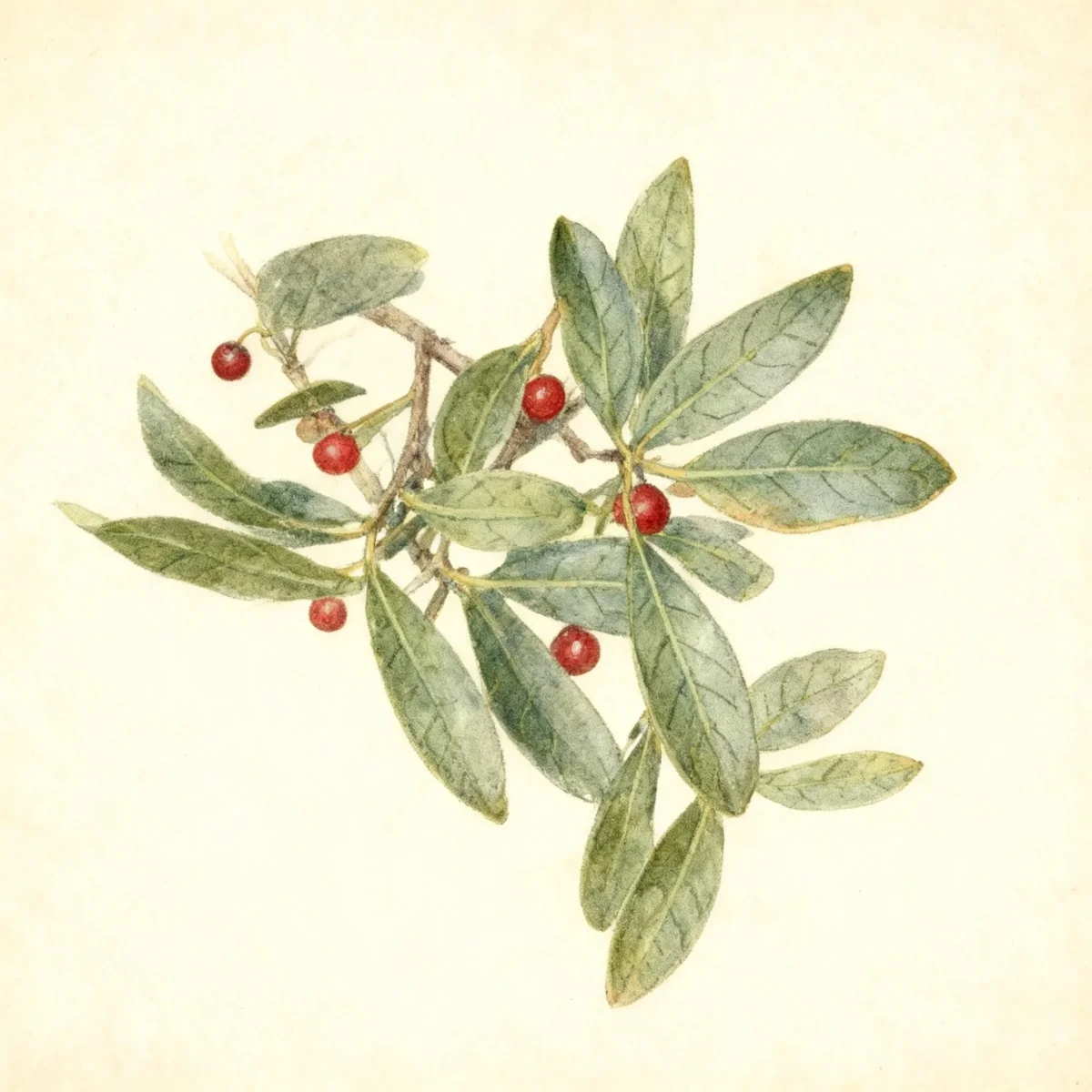
Ilex glabra, commonly called inkberry or gallberry, is a slow-growing, upright-rounded, stoloniferous, broadleaf evergreen shrub in the holly family. It typically matures to 5-8’ tall, and can spread by root suckers to form colonies. Spineless, flat, ovate to elliptic, glossy, dark green leaves have smooth margins with several marginal teeth near the apex and usually remain attractive in winter unless temperatures dip well below zero. If pollinated, female flowers give way to pea-sized, jet black, berry-like drupes (inkberries) which mature in early fall and persist throughout winter unless consumed by local bird populations.
Tolerances
- Rabbit
- Deer
- Erosion
- Wet Soil
- Air Pollution
Potential Problems
Leaf spot is an occasional fungal issue that can affect the health and appearance of your Inkberry foliage. To mitigate this, ensure adequate air circulation around the shrubs, especially when planting them closely for hedge use. Susceptibility to chlorosis—a yellowing of leaves—is a major indicator that the soil pH is too high (alkaline), emphasizing the need for consistently acidic soil conditions.
Spider mites can become a nuisance, particularly when the Ilex glabra is stressed by dry conditions; consistent watering, especially during hot summers, helps prevent these outbreaks. Finally, watch for the inkberry leaf miner, which tunnels within the leaves. Minor infestations can be managed by pruning and destroying affected leaves, although severe problems might require targeted horticultural oils applied at the correct developmental stage of the pest.
Frequently Asked Questions
What hardiness zones is Inkberry suitable for?
Ilex glabra is reliably hardy across USDA Zones 4 through 9.
How large does Inkberry grow?
This shrub typically reaches a mature height between 5 and 8 feet, with a similar spread of 5 to 8 feet, forming an upright, rounded shape.
What sun exposure does Ilex glabra need?
Inkberry performs well in locations ranging from full sun down to partial shade conditions.
When does Inkberry bloom?
The greenish-white flowers of Ilex glabra appear relatively early in the season, typically from May through June.
Conclusion
The Inkberry (Ilex glabra) is an exceptionally versatile and resilient native shrub, offering year-round evergreen screening and superior performance in wet or poorly draining soils. Its low-maintenance nature ensures lasting landscape value with minimal gardener input. Before purchasing, confirm your garden site falls within USDA Zones 4-9 and assess your soil pH to ensure it remains acidic for the best blue-green foliage.
Companion Planting
When designing beds around Ilex glabra, choose other acid-loving plants that share its medium to wet water needs. Plants like Azaleas, Rhododendrons, and Camellias thrive alongside Inkberry, creating a lush, evergreen backdrop. For groundcover solutions in moist, shady spots, consider ferns such as Cinnamon Fern (Osmundastrum cinnamomeum) or large patches of native sedges (Carex species).
In sunny, consistently moist areas where you want seasonal color, plant perennial companions like Marsh Marigold (Caltha palustris) or Cardinal Flower (Lobelia cardinalis). These companions provide visual interest during the growing season while the Inkberry anchors the background with its unchanging, glossy foliage.
Wildlife Benefits
Beyond its aesthetic contributions, Inkberry provides crucial habitat and seasonal resources for local wildlife. Its dense evergreen structure offers excellent winter cover for small birds and mammals seeking refuge from harsh weather. Furthermore, the small, dark drupes persist through winter, acting as an important late-season food source for many bird species when other berries have been consumed.
The greenish-white flowers of the Inkberry, though deemed insignificant visually by some, are highly attractive to foraging bees during their May to June bloom period. This flowering time is significant as it provides nectar when other spring blooms may be fading. Local beekeepers even seek out areas with dense Ilex glabra populations to produce high-quality Gallberry honey.