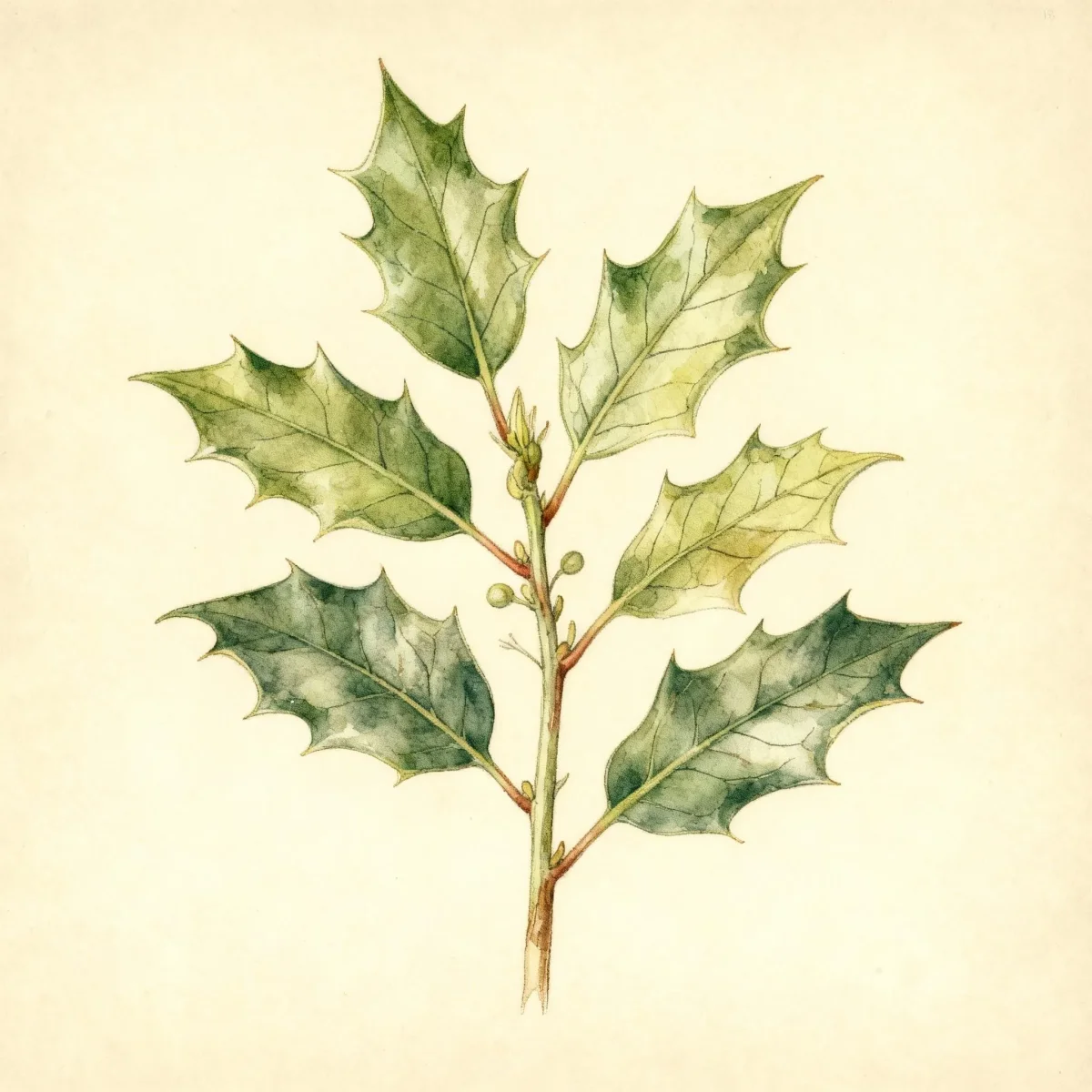
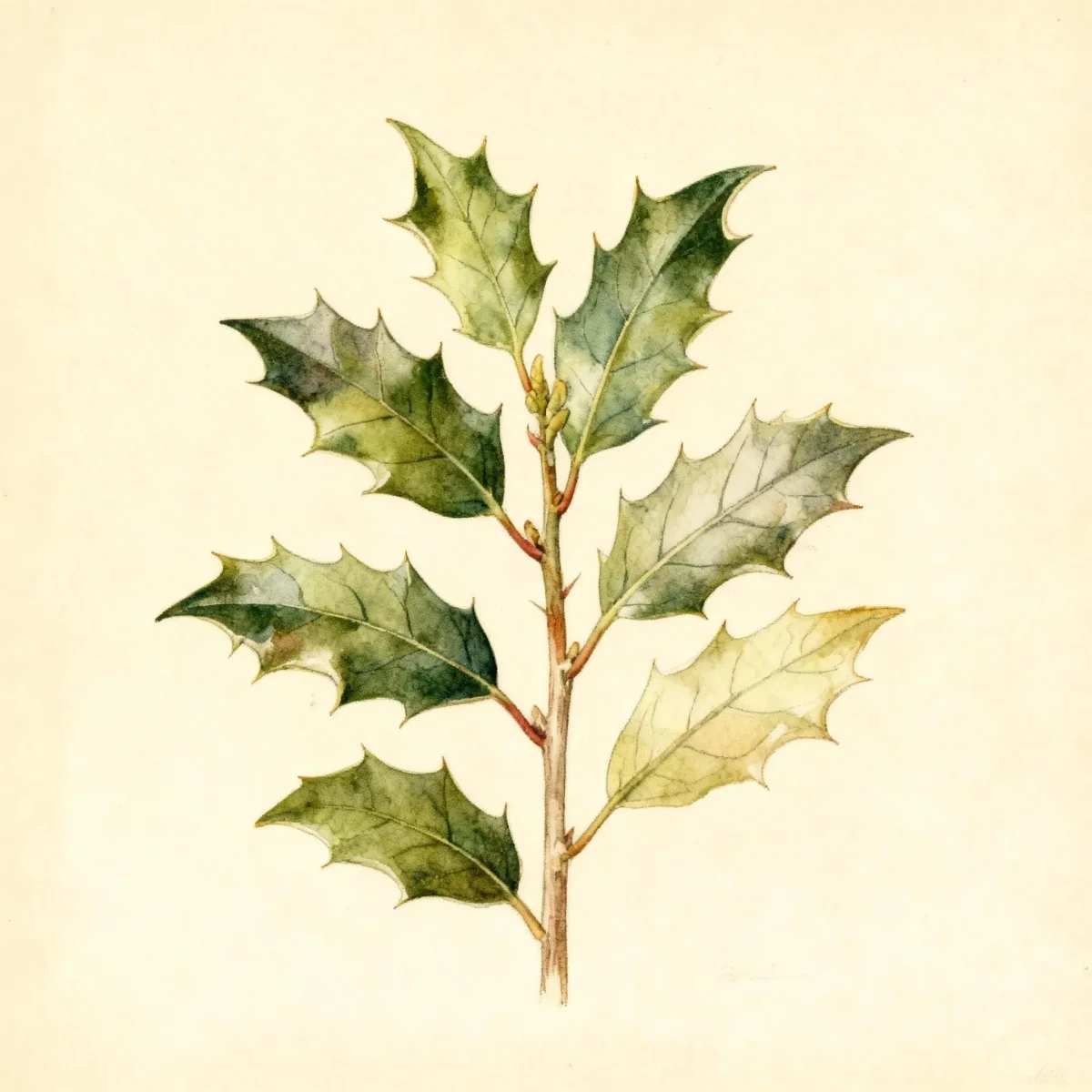
American holly (Ilex opaca)
Ilex opaca, the iconic American holly, offers glossy, spiny evergreen foliage and bright winter berries. Hardy in Zones 5-9.
Scroll down to discover growing tips, care requirements, companion plants, and more
Complete Plant Information
Overview
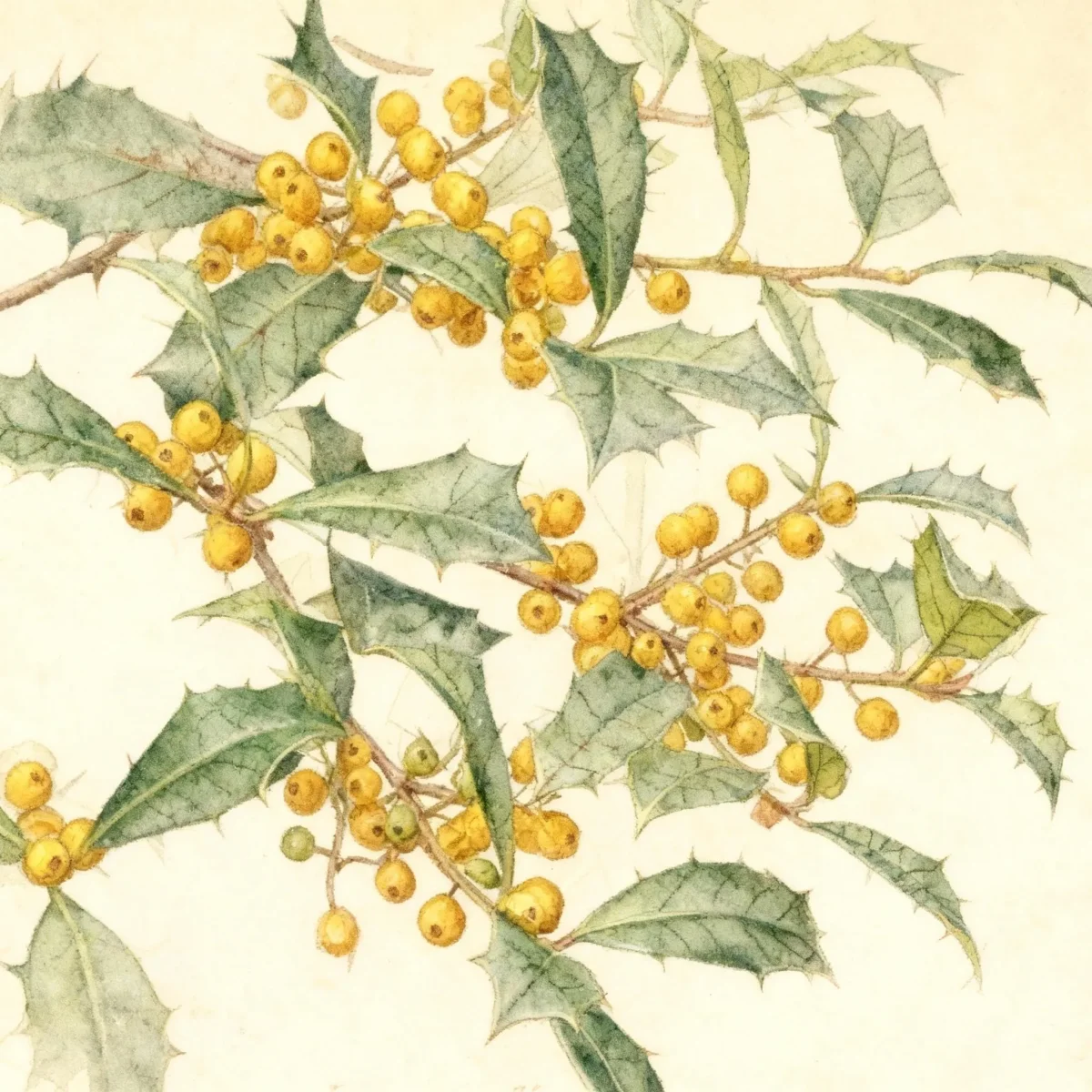
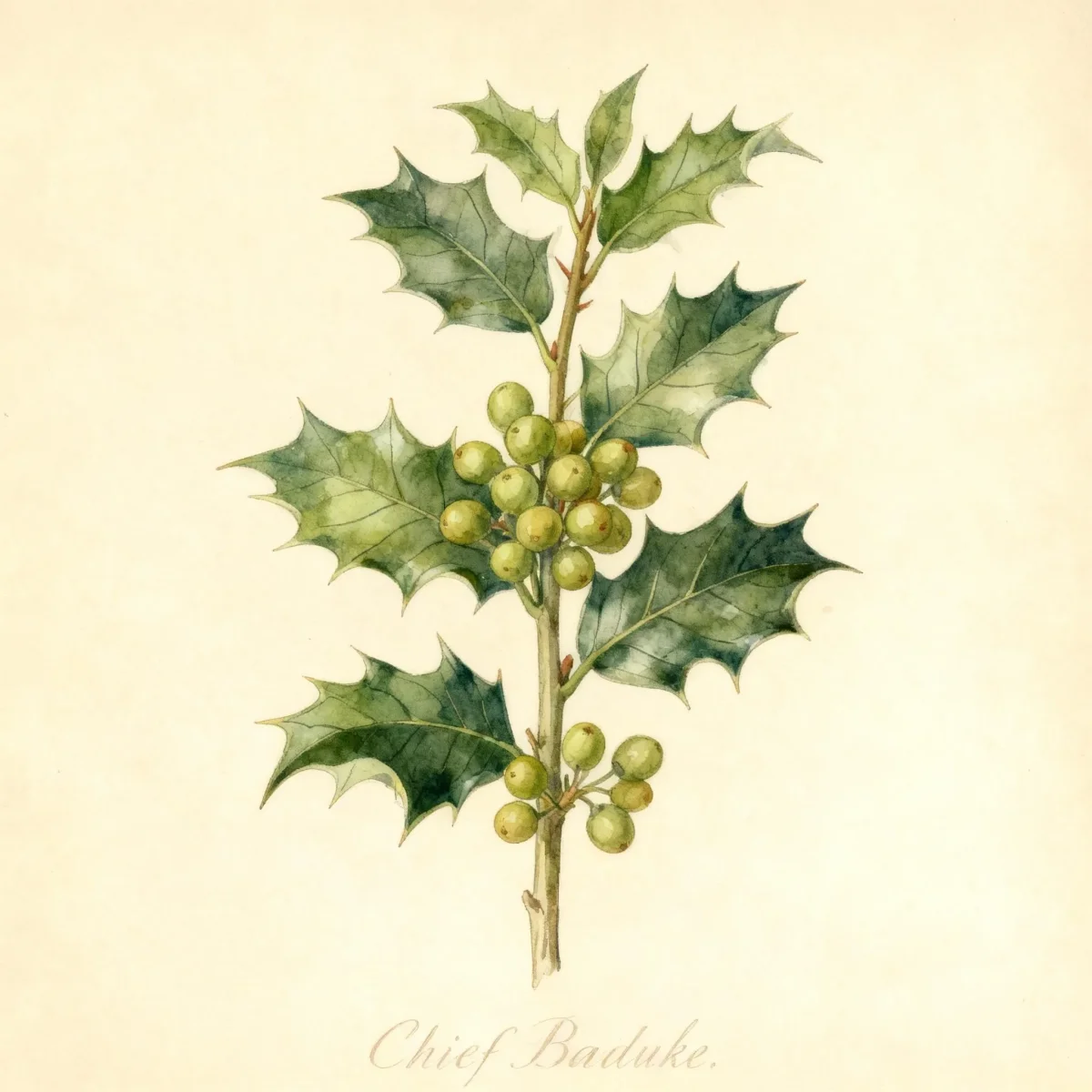
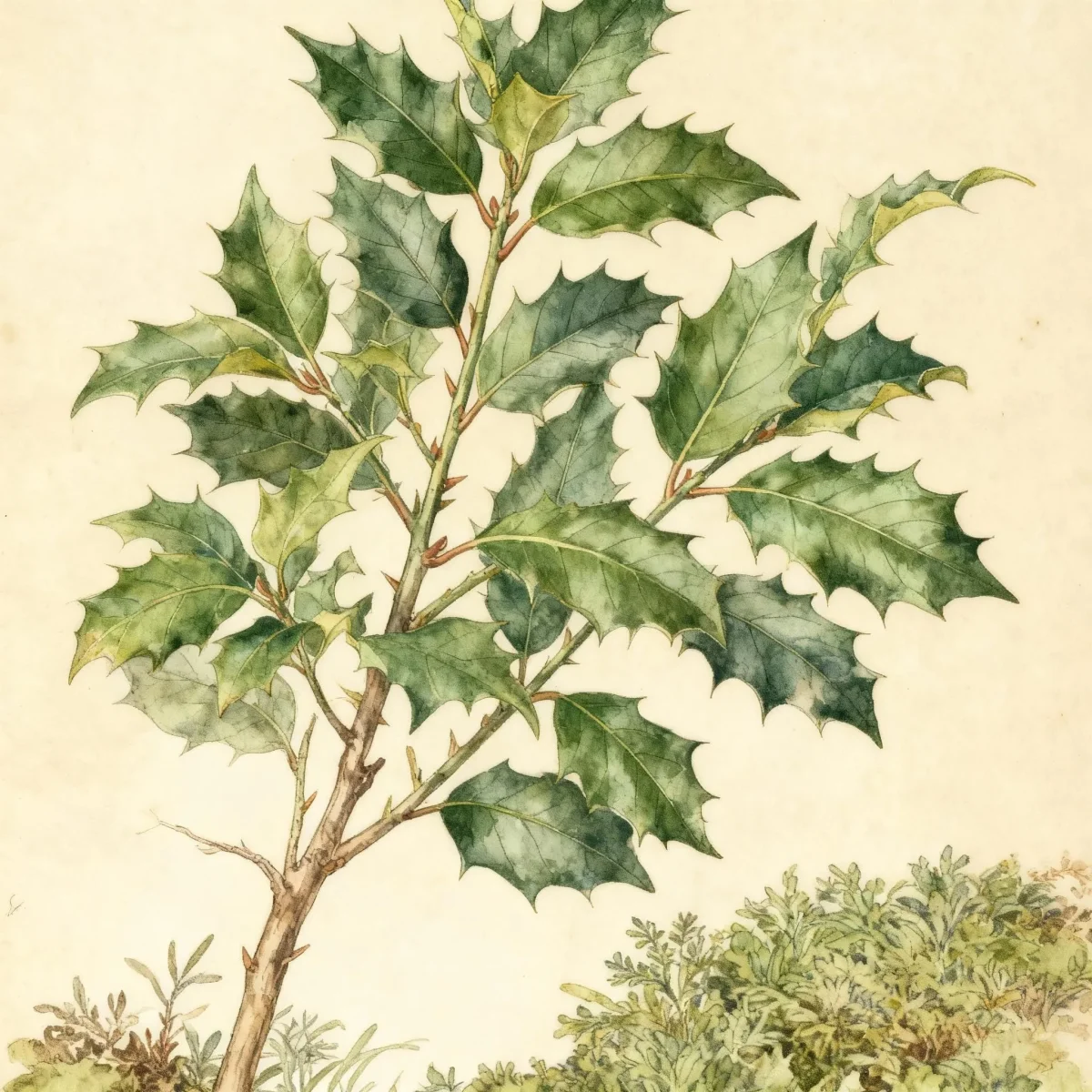
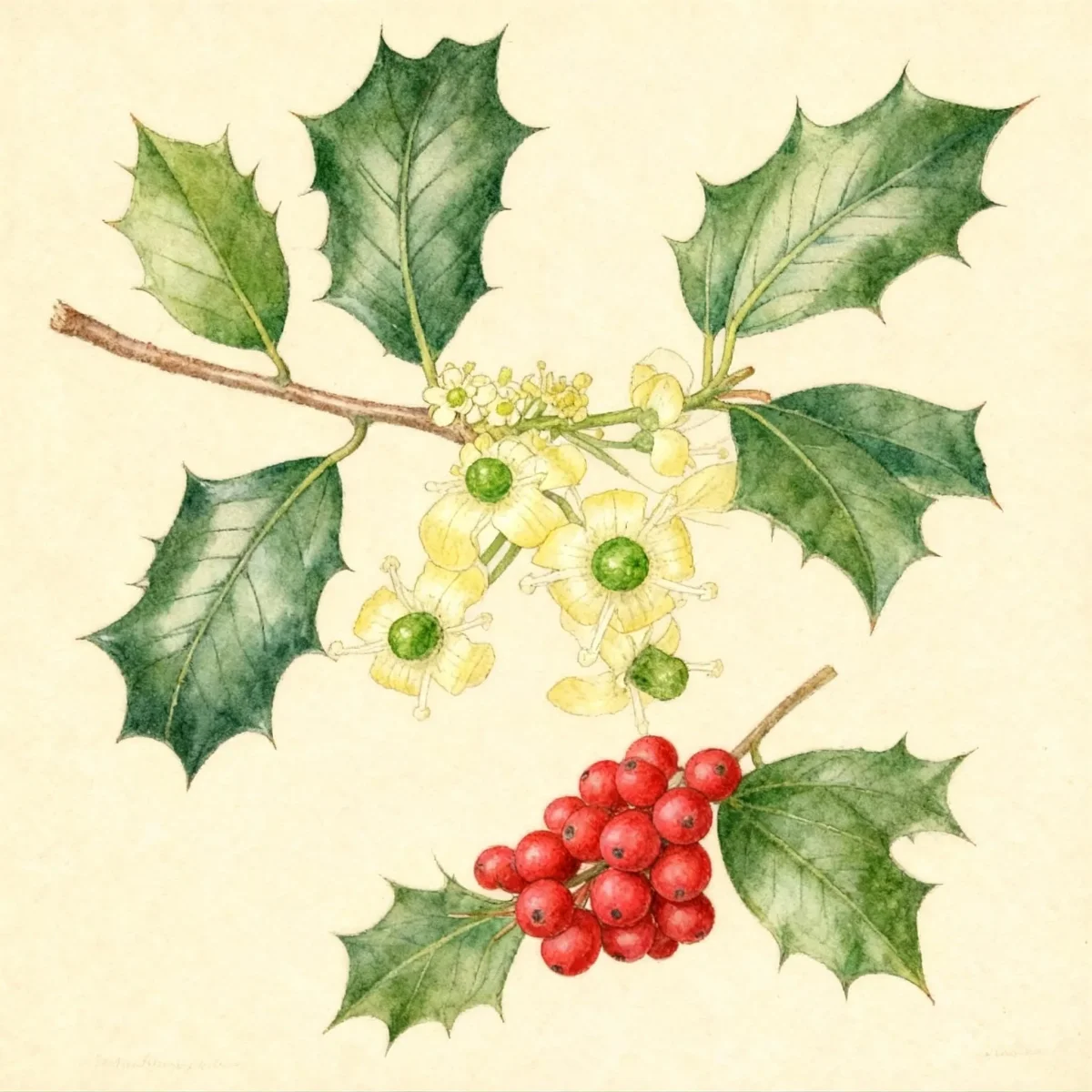
The American holly (Ilex opaca) stands as a cornerstone of winter landscapes across the Eastern and Central United States. This broadleaf evergreen tree is instantly recognizable by its thick, leathery, spiny dark green leaves, providing essential structure and color when deciduous trees are bare. Its cultural significance peaks in winter when pollinated female trees display vibrant, persistent red or orange berries, a classic feature of holiday decorations.
Ilex opaca establishes itself as a low-maintenance choice that offers significant visual impact. While it can mature to 50 feet in the wild, cultivated specimens typically reach 15 to 30 feet tall, maintaining a stately, pyramidal form suitable for specimen planting. Providing year-round screening and vital winter food for birds, the American holly is both an aesthetic and ecological asset.
Gardeners should plan for its slightly slower growth rate and ensure siting considers its need for protection from harsh winter winds. Proper soil pH is key to maintaining the deep green color of the foliage, making Ilex opaca a rewarding, long-lived investment for permanent landscape structure.
Fast Facts
- Plant Family: Aquifoliaceae
- Plant Type: Broadleaf evergreen
- Native Range: Eastern and central United States
- Hardiness Zones: USDA Zones 5-9
- Size at Maturity:
- Height: 15-30 ft
- Spread: 10-20 ft
- Bloom Time: May
- Bloom Description: Creamy white
- Sun Exposure: Full sun to part shade
- Water Needs: Medium
- Maintenance Level: Low
How to Grow
The ideal time to plant Ilex opaca is when the ground is workable, usually spring or early fall, allowing roots to establish before summer heat or winter frost. This tree thrives in average, consistently moist, acidic, well-drained soils. Critically, while Ilex opaca tolerates many soil types, it strictly avoids flooding or soils saturated with moisture, so excellent drainage is paramount to prevent root issues.
Watering should be consistent, especially for newly planted specimens, to maintain that “consistently moist” requirement. Established American holly trees often perform well with medium supplemental irrigation during dry periods. Fertilization is usually minimal, but observe leaf color; yellowing leaves often signal alkalinity, indicating a need to amend the soil to maintain the required acidic conditions.
Pruning is generally light, focused mainly on removing dead or crossing branches to maintain its natural pyramidal shape. When siting, remember that the foliage loses density in heavy shade; ensure locations receive adequate light. Furthermore, site trees where they are protected from whipping, cold winter winds, which can cause leaf scorch or drop, especially on younger bark.
Landscape Uses
The value of the American holly extends across various landscape functions due to its dense, evergreen nature. It serves excellently as a prominent specimen tree, drawing the eye year-round, or planted in groups for impressive screening and foundation plantings. Its foliage adds unmatched texture and color contrast, particularly against snow or lighter evergreen backgrounds.
For areas requiring a formal border or windbreak, hedges of Ilex opaca are highly effective, providing security and privacy that lasts through all seasons. They adapt well to woodland garden settings, mirroring their native habitat in moist forest bottoms. Furthermore, the berry-laden cuttings remain a traditional and valuable component for holiday wreaths and decorations.
Standout Features
Flower Qualities
- Insignificant
Fruit Qualities
- Showy
Noteworthy Characteristics
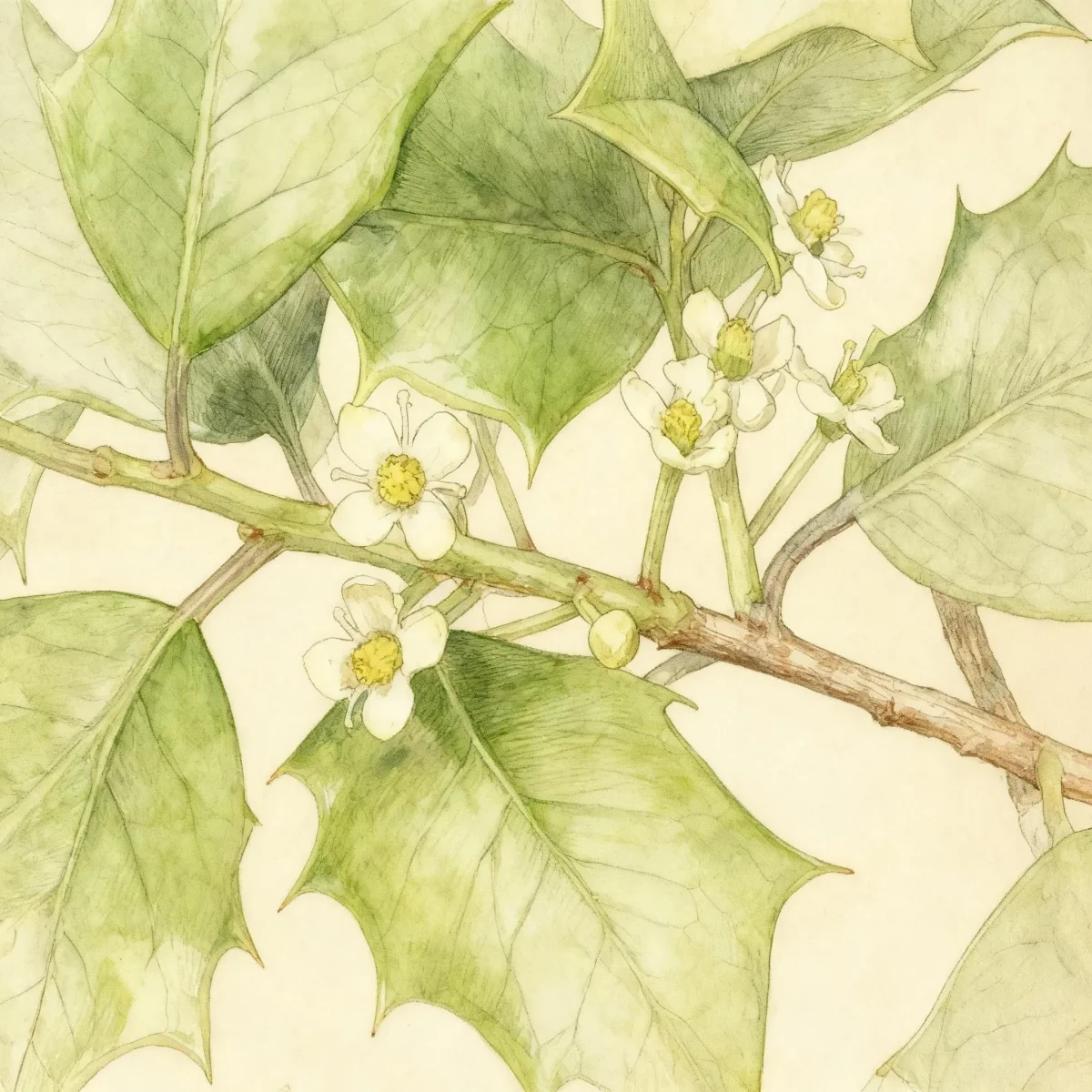
Ilex opaca, commonly called American holly, is an upright, pyramidal, evergreen tree that slowly matures to 15-30’ in cultivation, but may reach 50’ tall in the wild. It is easily identified as the only native U.S. Holly boasting spiny green leaves and bright red berries which persist through winter, providing significant visual interest and food for birds. This species is dioecious, meaning male and female flowers appear on separate trees, so pollination is required for the desirable fruit display.
Tolerances
- Deer
- Clay Soil
- Air Pollution
Potential Problems
While generally robust, gardeners should monitor the American holly for a few specific potential issues. Insect pests that frequently target this species include the holly leaf miner, spider mites, whitefly, and various scale insects, requiring regular inspection, especially of the leaf undersides. Disease challenges include leaf spot, leaf rot, tar spot, and powdery mildew, often exacerbated by poor air circulation or overly wet conditions.
Preventative care focuses on good cultural practices, such as ensuring proper drainage and siting the tree away from excessive wind exposure to mitigate leaf scorch and unnecessary leaf drop. If chlorosis (yellowing of leaves) occurs, it is a strong indicator of planting in high pH (alkaline) soils, which necessitates immediate soil amendment to restore the needed acidity.
Frequently Asked Questions
What hardiness zones is American holly suitable for?
Ilex opaca is suitable for USDA Hardiness Zones 5 through 9.
How large does American holly grow?
This evergreen typically reaches a height between 15 and 30 feet, with a spread ranging from 10 to 20 feet at maturity.
What sun exposure does American holly need?
American holly performs best in full sun to part shade conditions. Too much shade will thin out the foliage density.
When does Ilex opaca bloom?
The creamy white flowers of Ilex opaca appear during the month of May.
Conclusion
The Ilex opaca, or American holly, is invaluable for providing dark, spiny evergreen structure and brilliant winter berries, making it a staple in the four-season garden. Its relatively low maintenance, coupled with strong tolerance for challenging conditions like clay soil and air pollution, ensures it remains a top pick for large specimen planting. Before purchasing, confirm your site has the acidic soil and medium moisture levels required for this classic native tree to thrive.
Wildlife Benefits
The winter berries of the American holly are a crucial, dependable food source for many bird species when other food is scarce. Birds, including robins and cedar waxwings, actively consume the bright red drupes, aiding in seed dispersal across the native range of Ilex opaca. Planting a female tree near a male pollinator ensures a consistent food supply for local wildlife throughout the colder months.
Companion Planting
When designing a landscape around Ilex opaca, select companions that appreciate similar acidic, moist soil conditions. Broadleaf evergreens like rhododendrons and camellias thrive alongside the holly, offering contrasting leaf textures and spring flowers. For ground cover beneath the canopy, consider shade-tolerant ferns (like Christmas fern) or acid-loving azaleas that won’t compete heavily for surface nutrients.