Possumhaw (Ilex decidua)
Discover Possumhaw (Ilex decidua), a hardy, low-maintenance deciduous holly native to the US, prized for winter berries.
Scroll down to discover growing tips, care requirements, companion plants, and more
Complete Plant Information
Overview
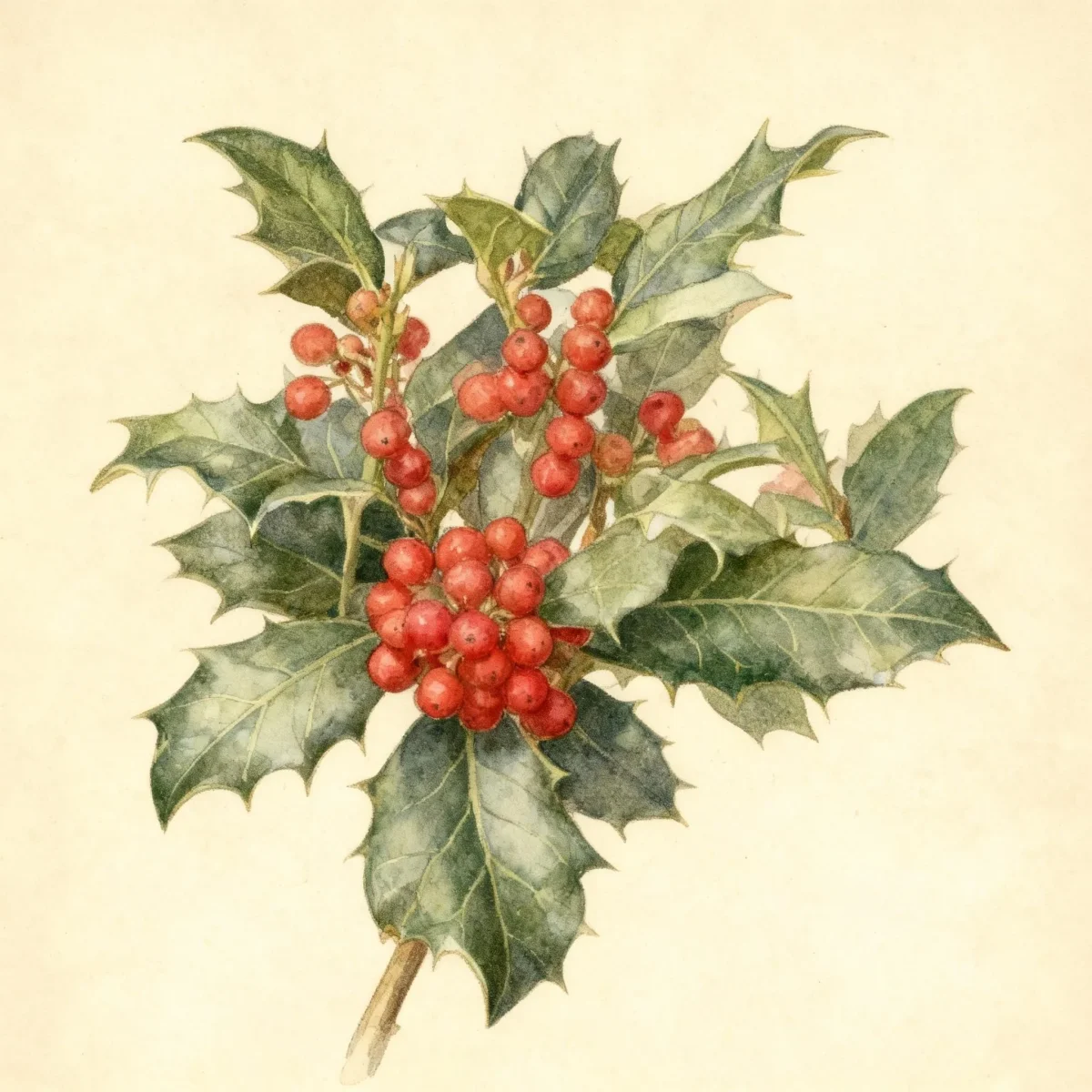
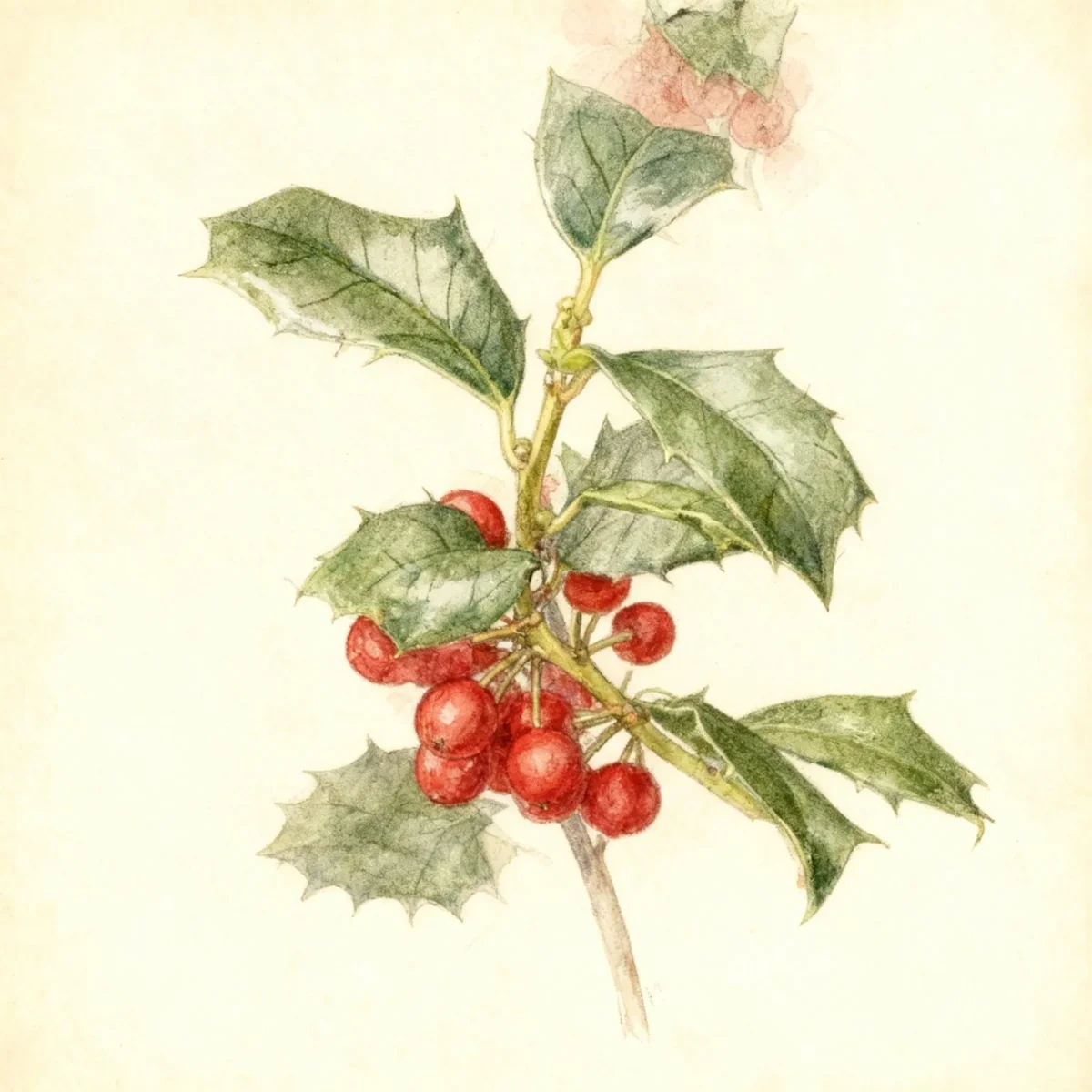
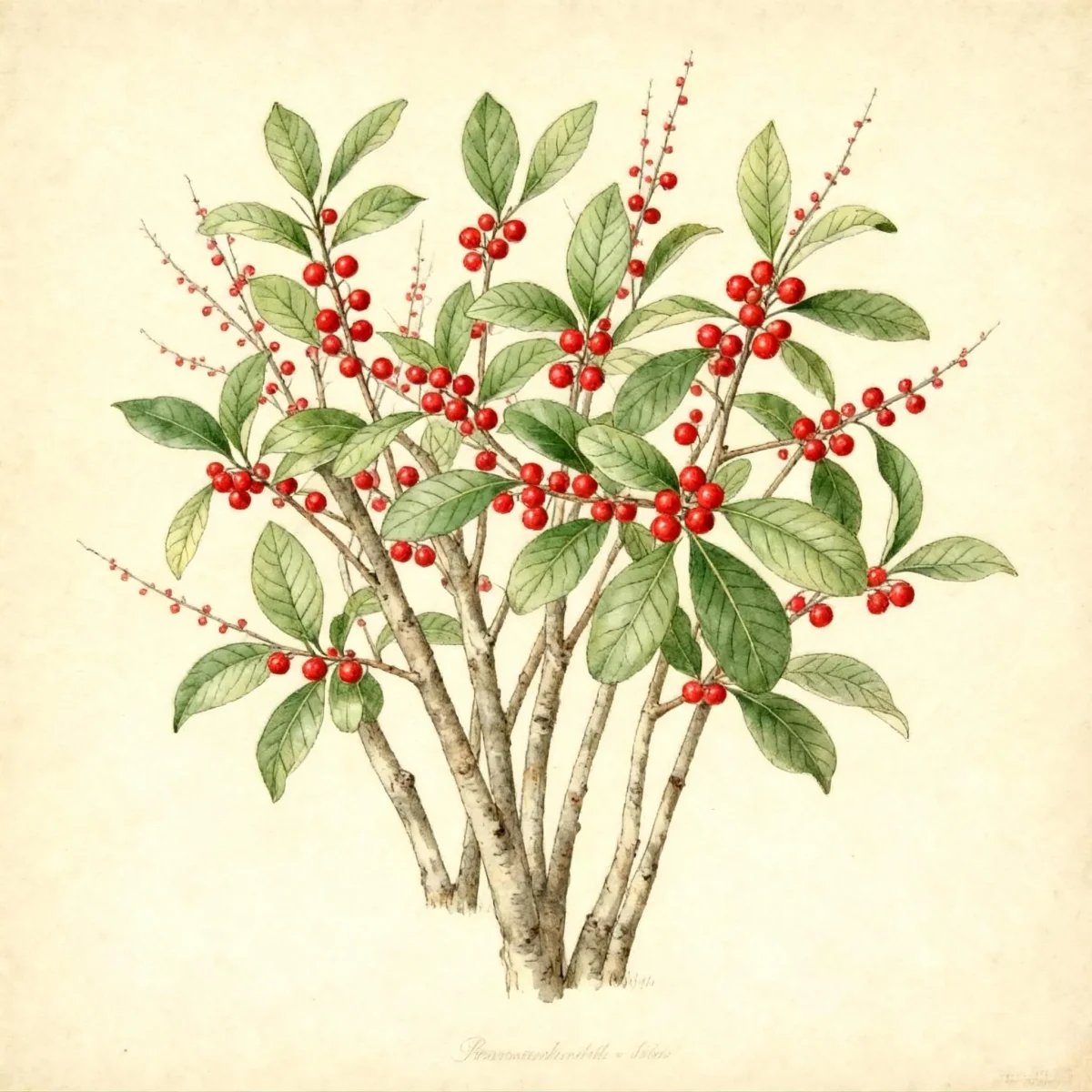
The Possumhaw, scientifically known as Ilex decidua, is a valuable deciduous holly celebrated for providing significant winter interest. Unlike many evergreen hollies, this shrub sheds its leaves, dramatically showcasing bright orange-red berries that persist long after leaf drop, offering crucial late-season color. It is an adaptable and relatively tough plant, making it an excellent choice for gardeners seeking structure and wildlife value without demanding constant attention.
Native to wet bottomlands and streamsides in the Southeastern and central United States, Ilex decidua naturally thrives in moist environments. This hardiness makes it a reliable specimen or screening plant, particularly suited for rain gardens or areas that retain moisture. Its eventual height of 7 to 15 feet allows it to function well as a large shrub or a small feature tree.
A key consideration for this species is its reproductive structure; plants are typically dioecious, meaning you must plant both male and female specimens to ensure successful pollination and the coveted berry display. When cared for properly, the upright, spreading structure of the Possumhaw provides excellent texture and form throughout the year, culminating in a brilliant winter show.
Fast Facts
- Plant Family: Aquifoliaceae
- Plant Type: Deciduous shrub
- Native Range: Southeastern and central United States
- Hardiness Zones: USDA Zones 5-9
- Size at Maturity:
- Height: 7-15 ft
- Spread: 5-12 ft
- Bloom Time: May
- Bloom Description: Dull white
- Sun Exposure: Full sun to part shade
- Water Needs: Medium
- Maintenance Level: Low
How to Grow
Ilex decidua is easily established when planted in the correct location, ideally during the dormant season in early spring or fall. It develops best in average, medium-moisture soil but exhibits notable adaptability, handling both light and heavy substrates. While it tolerates wet conditions better than many garden shrubs, it thrives in moist, acidic, and organic soils common in its native habitat, such as lowland valleys or alongside streams.
Routine care for the Possumhaw is minimal, fitting its low-maintenance classification. Ensure plants receive consistent moisture, especially during establishment, though established shrubs show some drought tolerance. They generally do not require fertilization if the native soil provides decent organic matter. Pruning should be reserved for shaping purposes and must be performed in the early spring just as new growth is about to emerge to avoid sacrificing potential flowers or berries.
The most critical cultural aspect involves ensuring fruit production. Since plants are mostly dioecious, you must incorporate at least one male specimen near the desired female plants to facilitate pollination. Female plants produce the ornamental berries, so proper sex selection and placement are vital for achieving the desired winter interest from your Ilex decidua.
Landscape Uses
The reliability and seasonal interest of Possumhaw make it highly recommended for several landscape applications. Its ability to tolerate wet soil conditions makes it an excellent structural component in a rain garden, helping to manage runoff near ponds or streams. Furthermore, these plants excel when used in mass plantings to create naturalized borders or informal screens due to their upright, spreading habit.
For maximum berry impact, feature a female specimen where its winter silhouette is visible from a window or walkway. While it functions well in groups or as hedges, its native context suggests pairing it with other moisture-loving species common to wetland edges, such as certain dogwoods or ferns that share similar sun and moisture profiles. This native holly provides textural contrast year-round.
The resulting fruit display is a magnet for local bird populations as the berries persist well into late winter, often remaining until the threat of frost subsides or new growth begins. Utilizing Ilex decidua introduces significant ecological value alongside its aesthetic appeal, anchoring structural interest in the winter garden.
Standout Features
Flower Qualities
- Insignificant
Fruit Qualities
Noteworthy Characteristics
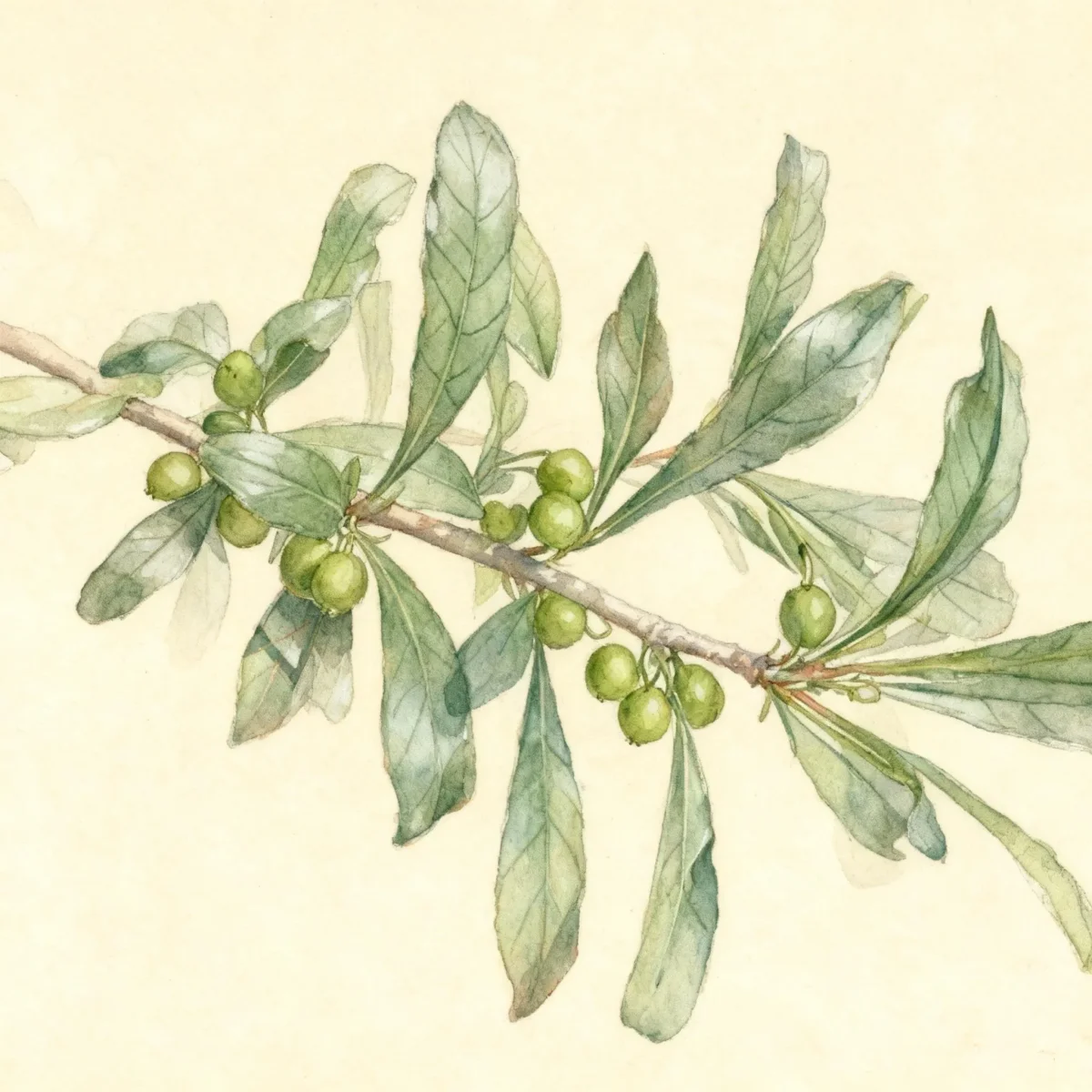
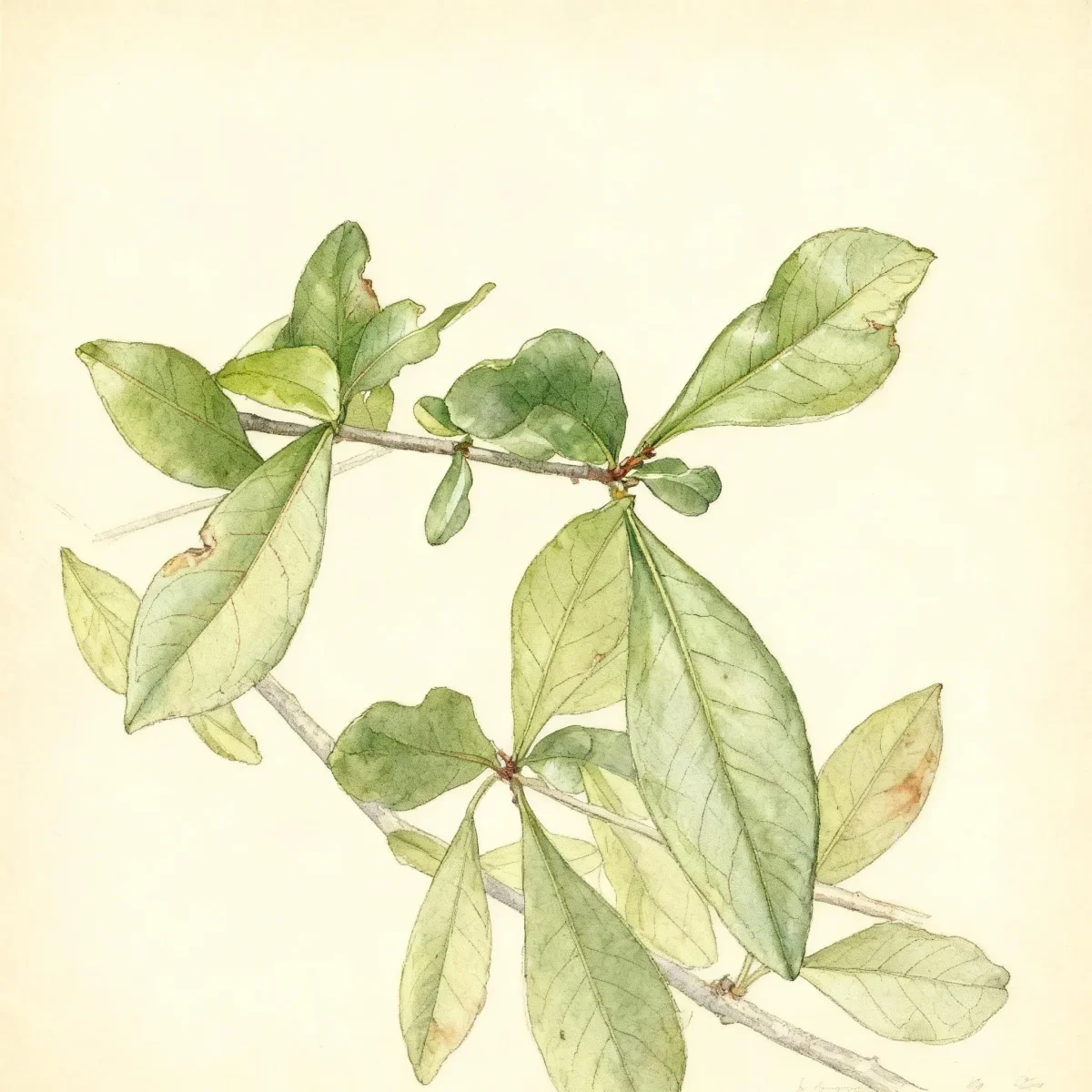
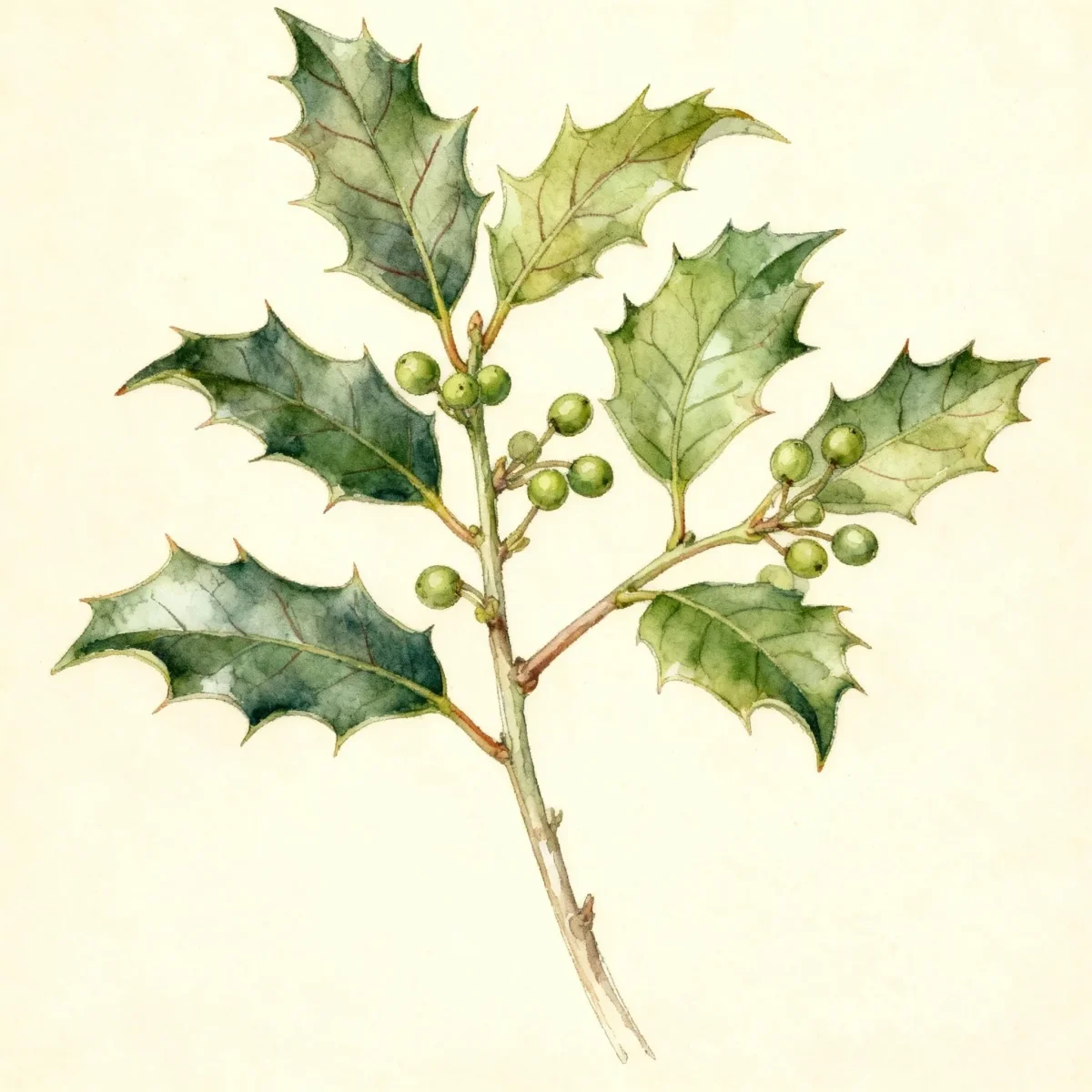
Ilex decidua is a Missouri native, deciduous holly known commonly as possum haw, often found along limestone glades and streams in wet woodlands. Its narrow, glossy dark green leaves turn dull purplish green or yellow in the autumn before dropping to expose the fruit. Pollinated female flowers mature into striking orange-red berries in September that typically last throughout the winter until new spring growth appears, attracting deer and various small mammals.
Tolerances
- Clay Soil
- Air Pollution
Potential Problems
Possumhaw generally exhibits excellent resistance to major disease and insect pressures, contributing to its low-maintenance appeal. Occasionally, gardeners may observe minor issues such as leaf spots or powdery mildew, particularly in heavily shaded or poorly circulating air conditions. If these minor fungal issues appear, improving air circulation around the shrub or applying appropriate dormant horticultural oil or fungicide in severe cases will usually manage the problem effectively.
Frequently Asked Questions
What hardiness zones is Possumhaw suitable for?
Ilex decidua is well-suited for cultivation across USDA Hardiness Zones 5 through 9, offering reliability across a broad swath of the United States.
How large does Possumhaw grow?
When mature, this deciduous holly typically reaches a height between 7 and 15 feet, with a corresponding spread ranging from 5 to 12 feet wide.
What sun exposure does Ilex decidua need?
This adaptable shrub performs best when situated in full sun but tolerates partial shade very well, offering flexibility in landscape planning.
When does Possumhaw bloom?
The inconspicuous, dull white flowers of the Ilex decidua appear outwardly during the month of May.
Conclusion
The Possumhaw (Ilex decidua) stands out as a resilient, low-maintenance native shrub perfect for adding crucial late-season structure and unparalleled winter color to the garden setting. Remember that for the best berry production, you must pair female Possumhaw plants with a male pollinator. Before planting, confirm your region falls within USDA Zones 5-9 and plan installation for early spring or fall.
Companion Planting
When selecting companions for Ilex decidua, prioritize plants that share its preference for medium moisture, especially if you are installing it in a rain garden setting. Native companions like River Birch (Betula nigra) provide excellent vertical contrast, while various moisture-loving astilbes or ferns can offer groundcover texture beneath the spreading crown. Because the berries of the Possumhaw are held high once the leaves drop, pairing it with low-growing evergreens can help ground the winter structure.
Wildlife Benefits
The winter berries displayed by the female Ilex decidua are a significant resource when other food sources are scarce, acting as a vital late-season nutritional stop for overwintering birds. Smaller mammals, as its common name suggests, are also attracted to the persistent fruit. While the dull white flowers are not highly showy, they still provide necessary nectar for early season pollinators in May, supporting biodiversity in the managed landscape.