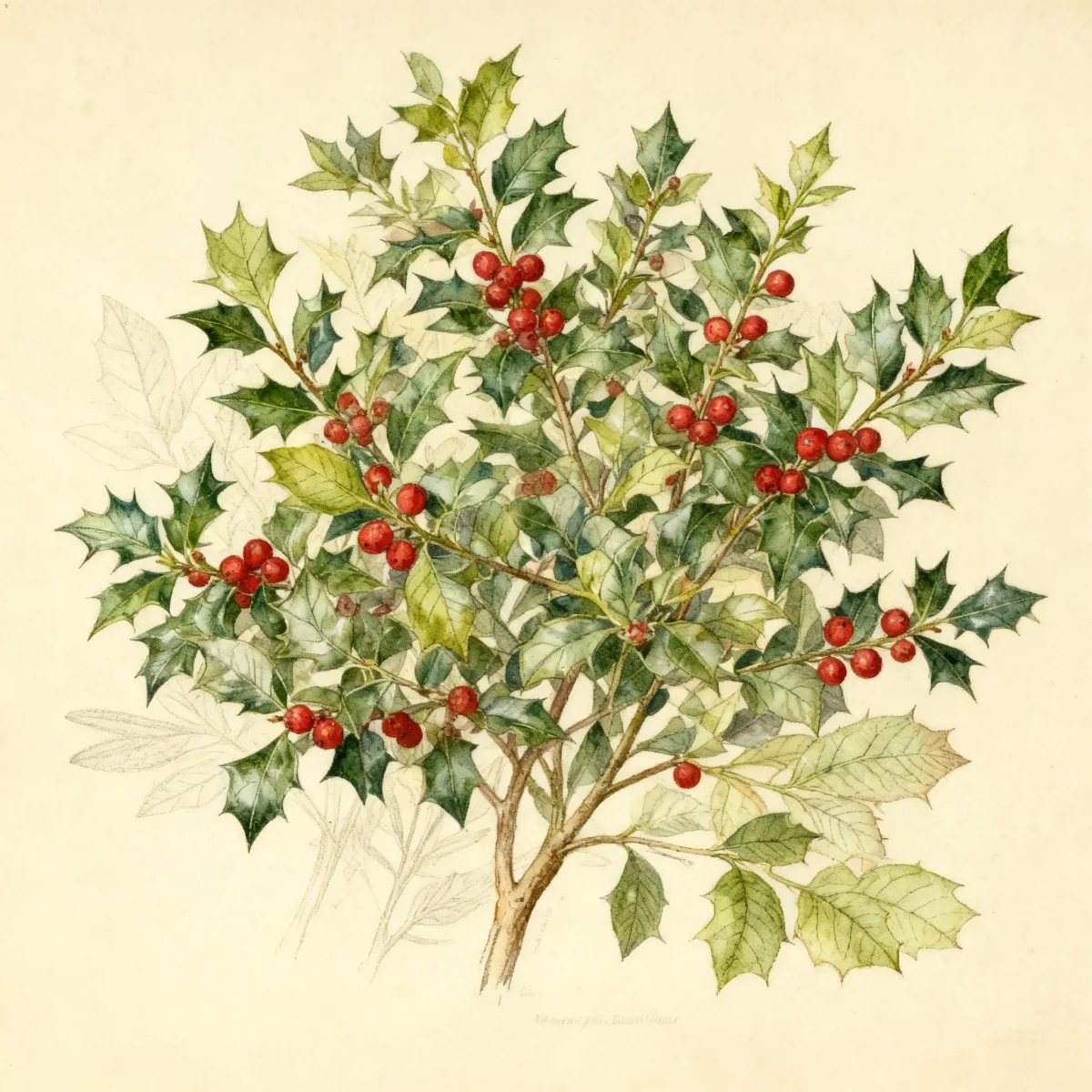
English holly (Ilex aquifolium)
Ilex aquifolium, or English holly, is a broadleaf evergreen tree offering glossy foliage and showy red fruit for winter color.
Scroll down to discover growing tips, care requirements, companion plants, and more
Complete Plant Information
Overview
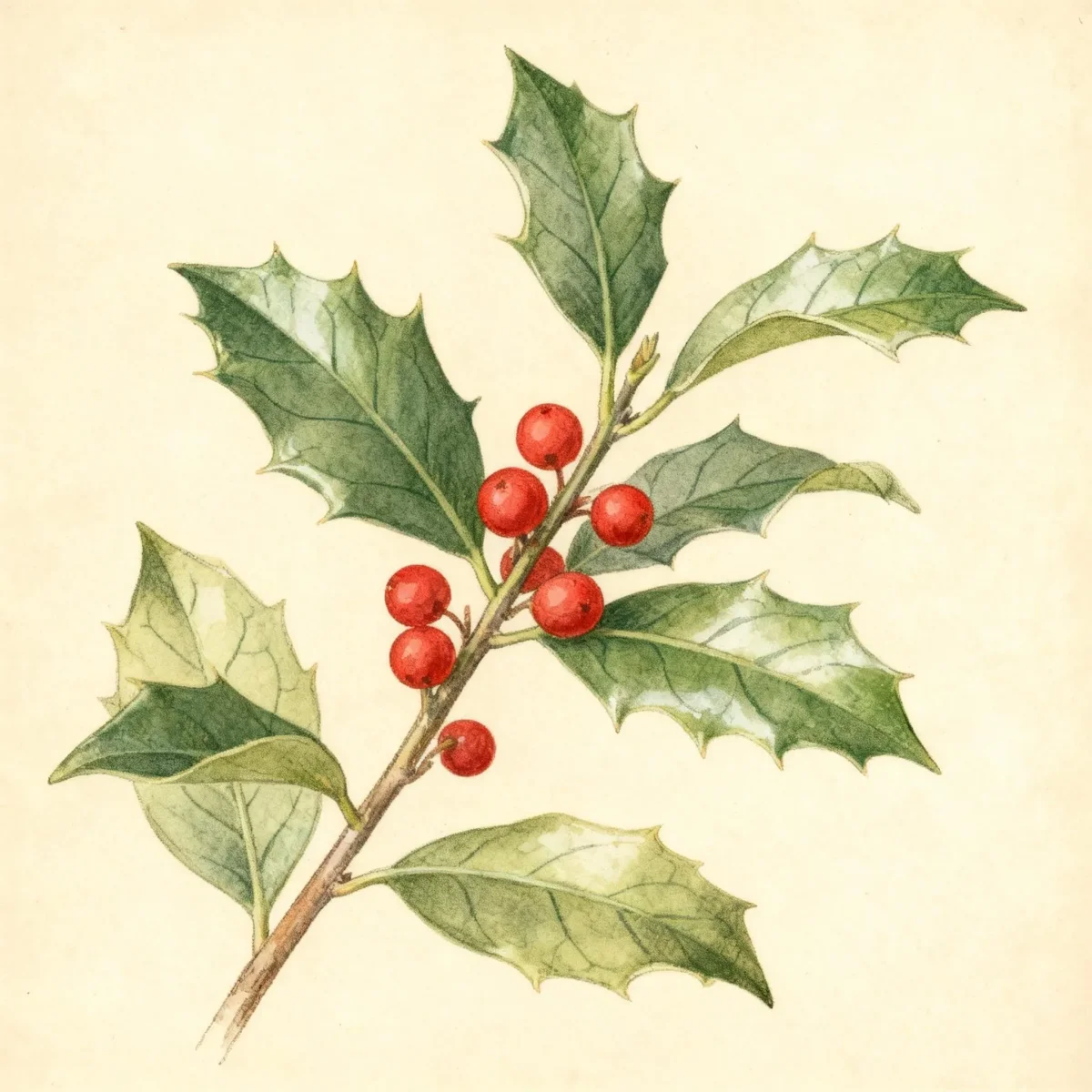
English holly (Ilex aquifolium) is celebrated globally for its iconic, glossy, spiny foliage and persistent, vibrant red berries, making it a cornerstone of winter interest gardens. This broadleaf evergreen typically matures into an erect, pyramidal tree, although it can be managed as a substantial shrub. The noteworthy foliage of Ilex aquifolium ensures color when most deciduous plants are bare.
As an ornamental, English holly offers superior aesthetic qualities compared to some native alternatives, though its cultivation requires attention to regional climate suitability. It thrives best where winters are mild and summers are not excessively hot or humid. Achieving the prized fruit display depends entirely on having both male and female specimens planted nearby.
Gardeners value this species for foundation plantings, specimen placement, or use in tall hedges where its dense branching structure provides excellent screening. Successful cultivation of Ilex aquifolium results in a structure that provides consistent color and attracts winter birds to the persisting fruit.
Fast Facts
- Plant Family: Aquifoliaceae
- Plant Type: Broadleaf evergreen
- Native Range: Europe, northern Africa, western Asia
- Hardiness Zones: USDA Zones 7-9
- Size at Maturity:
- Height: 30-50 ft
- Spread: 15-25 ft
- Bloom Time: May
- Bloom Description: White
- Sun Exposure: Full sun to part shade
- Water Needs: Medium
- Maintenance Level: Medium
How to Grow
The best time to plant Ilex aquifolium is in the spring or early fall, ensuring the root system has time to establish before facing the stresses of extreme summer heat or deep winter cold. This tree prefers average, well-drained soils, and while it can tolerate full sun, providing part afternoon shade is beneficial, particularly in hot climates. Avoid any sites where the soil remains consistently wet or poorly drained, as this is detrimental to the holly’s health.
Water needs are medium; maintain consistently even moisture, especially for new plantings. Once established, Ilex aquifolium is relatively drought-tolerant but benefits from watering during extended dry spells. Pruning should be reserved for winter if shaping is necessary; otherwise, invasive or damaged limbs can be removed during dormancy.
A critical cultural point for English holly is its dioecious nature—male and female flowers occur on separate plants. For female plants to produce the classic red berries, a nearby male pollinator must be present. Gardeners in areas like the Mid-West often find this species challenging due to its intolerance for deep freezes and high summer humidity, succeeding much better in maritime climates like the Pacific Northwest.
Landscape Uses
English holly excels when used where its evergreen texture and winter fruit can be fully appreciated. It performs exceptionally well as a stately specimen plant, commanding attention throughout the year, or planted in small groups for structural impact. Its dense habit makes it suitable for formal foundation plantings, softening the base of a structure while providing year-round privacy.
Due to its height potential, Ilex aquifolium is an excellent choice for creating tall, formal hedges. While it shares some visual characteristics with American holly (I. opaca), the European species requires slightly milder conditions to thrive. Ensure placement takes advantage of its foliage contrast against lighter evergreen or deciduous plantings.
The foliage and fruit provide crucial color variety during the dormant season, making it invaluable in winter landscape design plans. Focus planning on ensuring a male pollinator is within effective range if showy fruit is the goal for your grouping of English holly.
Standout Features
Flower Qualities
- Insignificant
Fruit Qualities
- Showy
Noteworthy Characteristics
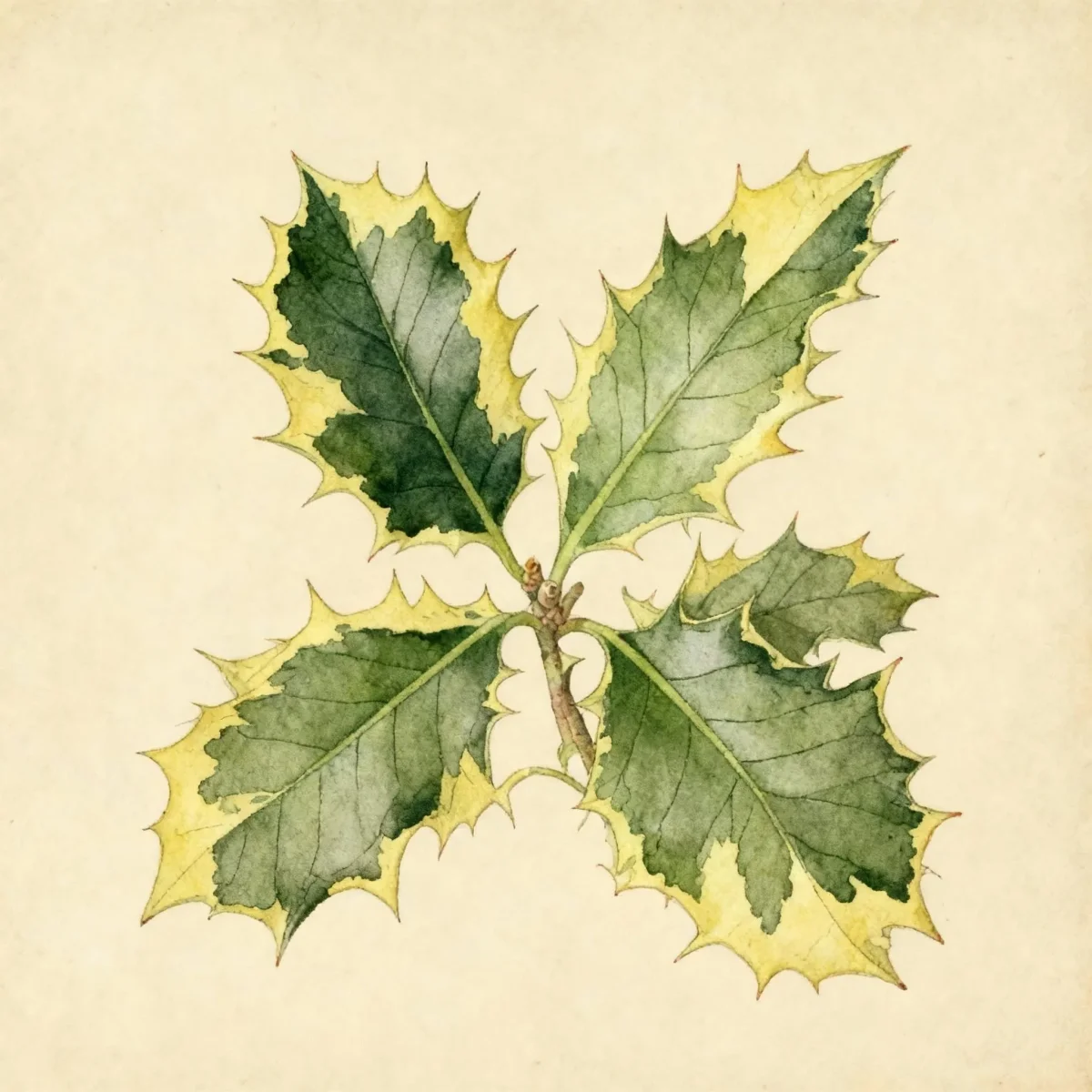
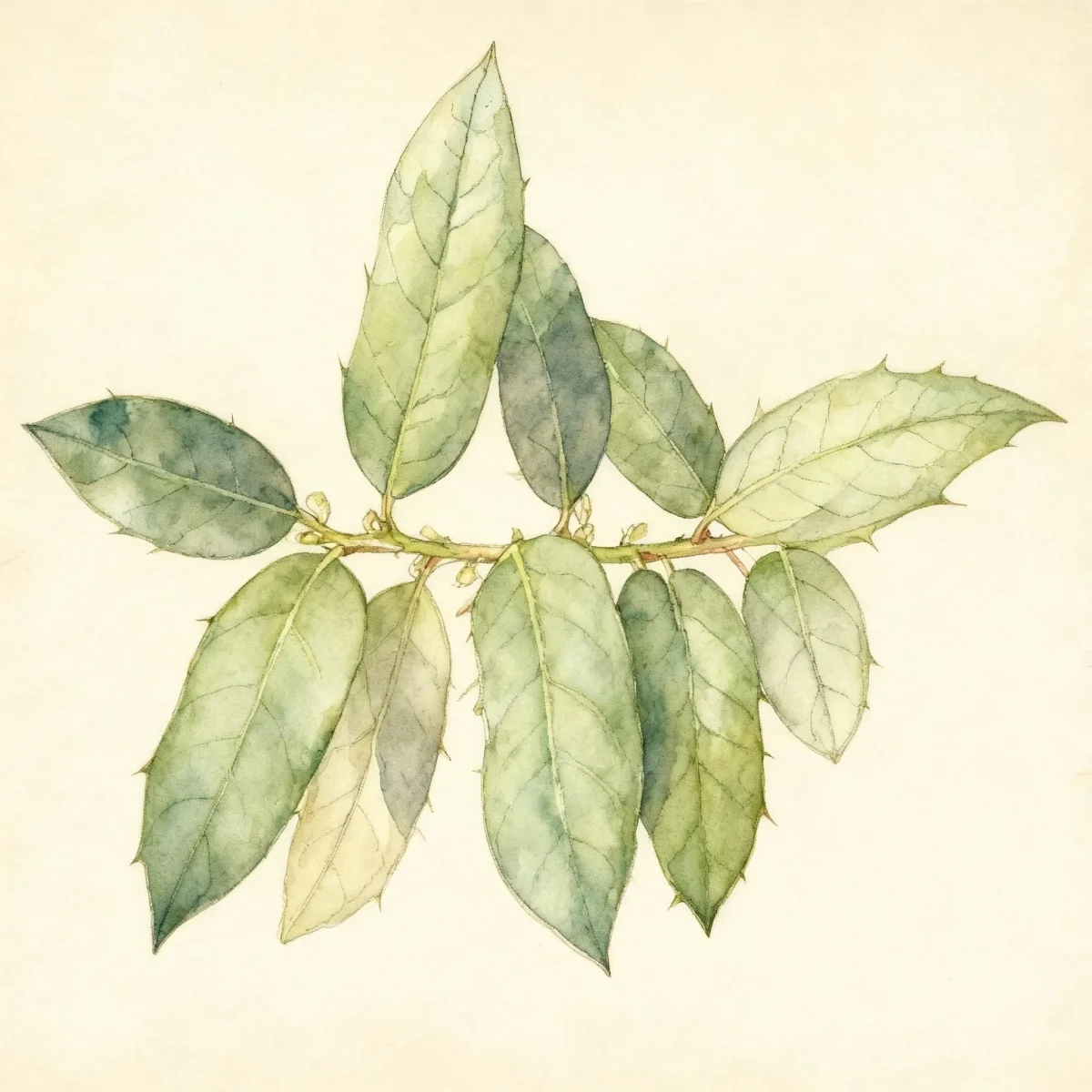
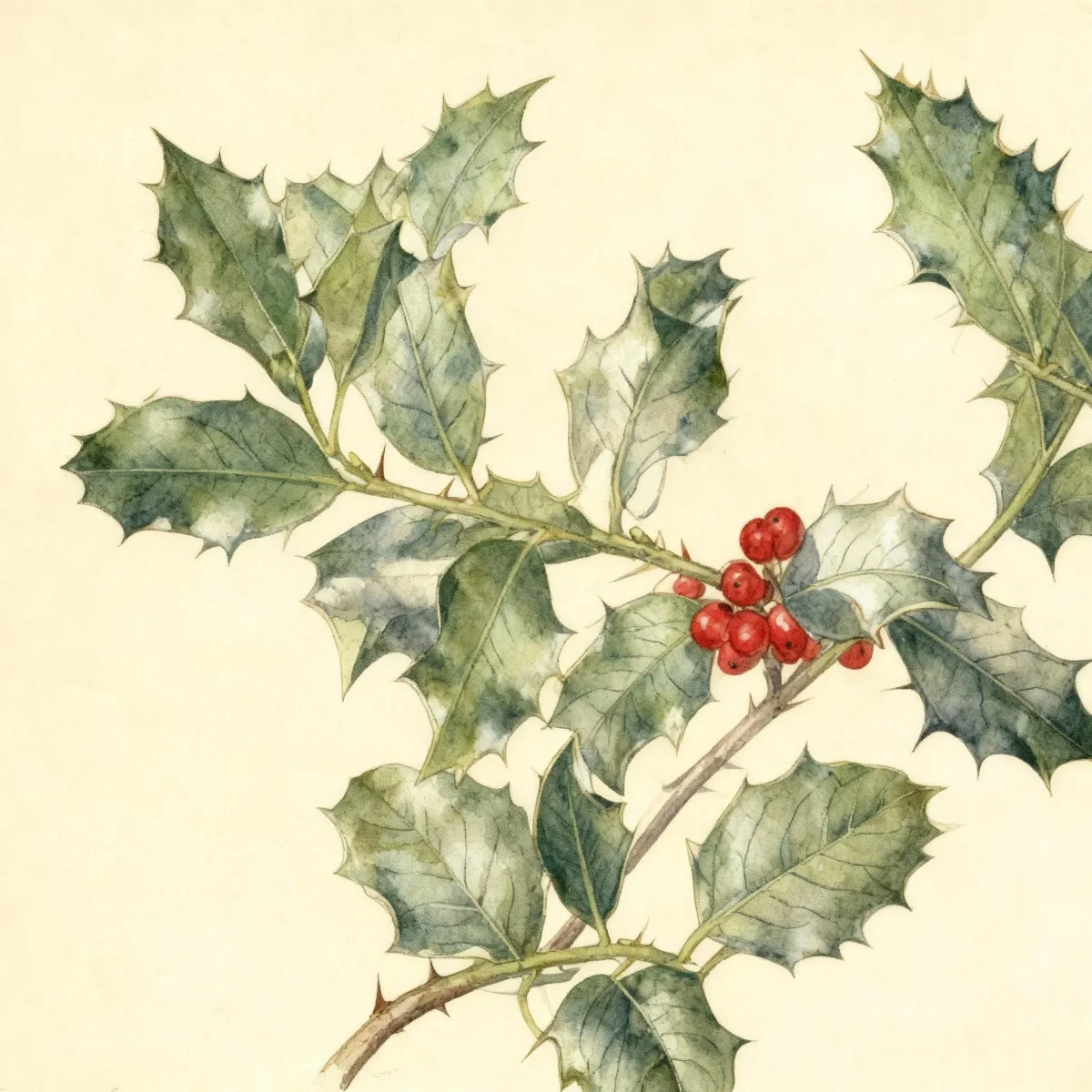
Ilex aquifolium, commonly called English holly, is native to Europe, western Asia and north Africa. It is an erect, pyramidal, densely-branched, evergreen tree that typically grows to 30-50’ (less frequently to 80’) tall, though it may also be grown as a large shrub. Its signature elliptic leaves are leathery, glossy, dark green, and feature wavy margins with large spiny teeth, which inspired the species name referencing needles and leaves. Pollinated female plants yield berry-like red drupes in the fall that persist deep into winter, attracting birds.
Tolerances
- Air Pollution
Potential Problems
While a highly regarded ornamental, Ilex aquifolium can suffer in challenging environments, particularly regions experiencing harsh winter cold or extreme summer heat/humidity outside its preferred zones. The species dislikes poorly drained soils, which can lead to root issues. Monitor for pests, although generally, this holly is quite resistant. Prevention centers on correct site selection—ensuring protection from harsh winter winds and avoiding soggy ground—as stressed plants are more susceptible to secondary issues.
Frequently Asked Questions
What hardiness zones is English holly suitable for?
Ilex aquifolium is recommended for USDA Hardiness Zones 7 through 9.
How large does English holly grow?
This holly typically reaches mature heights between 30 and 50 feet, with a spread between 15 and 25 feet, though exceptional specimens can grow taller.
What sun exposure does English holly need?
Ilex aquifolium performs best when sited in full sun to part shade conditions.
When does English holly bloom?
The flowers of Ilex aquifolium appear in May and are white in color.
Conclusion
English holly offers unparalleled classic winter interest through its dark, glossy foliage and brilliant red berries when properly sited. Successful cultivation of Ilex aquifolium hinges on providing well-drained soil and protection from extreme Midwestern cold or intense southern heat. Before planting, verify your USDA zone compatibility and ensure you have included a male pollinator if you desire the famous fruit display.
Wildlife Benefits
The persistent berries of Ilex aquifolium serve as an important late-season and winter food source for various bird species, including robins and cedar waxwings, when other fruits are scarce. Attracting birds is often a primary reason gardeners choose to cultivate fruiting female holly specimens. Providing this reliable winter sustenance contributes significantly to local avian populations surviving colder months.
Companion Planting Ideas
When designing a landscape featuring English holly, select companions that share its preference for medium moisture and well-drained soil, avoiding areas that become waterlogged. Consider broadleaf evergreens like Rhododendron or Camellia, which appreciate similar protective, slightly acidic conditions often found in the Pacific Northwest climate where this holly excels. For colorful contrast against the dark green foliage, group Ilex aquifolium with plants that offer bright bark in the winter, such as certain dogwoods or certain varieties of Japanese maples.