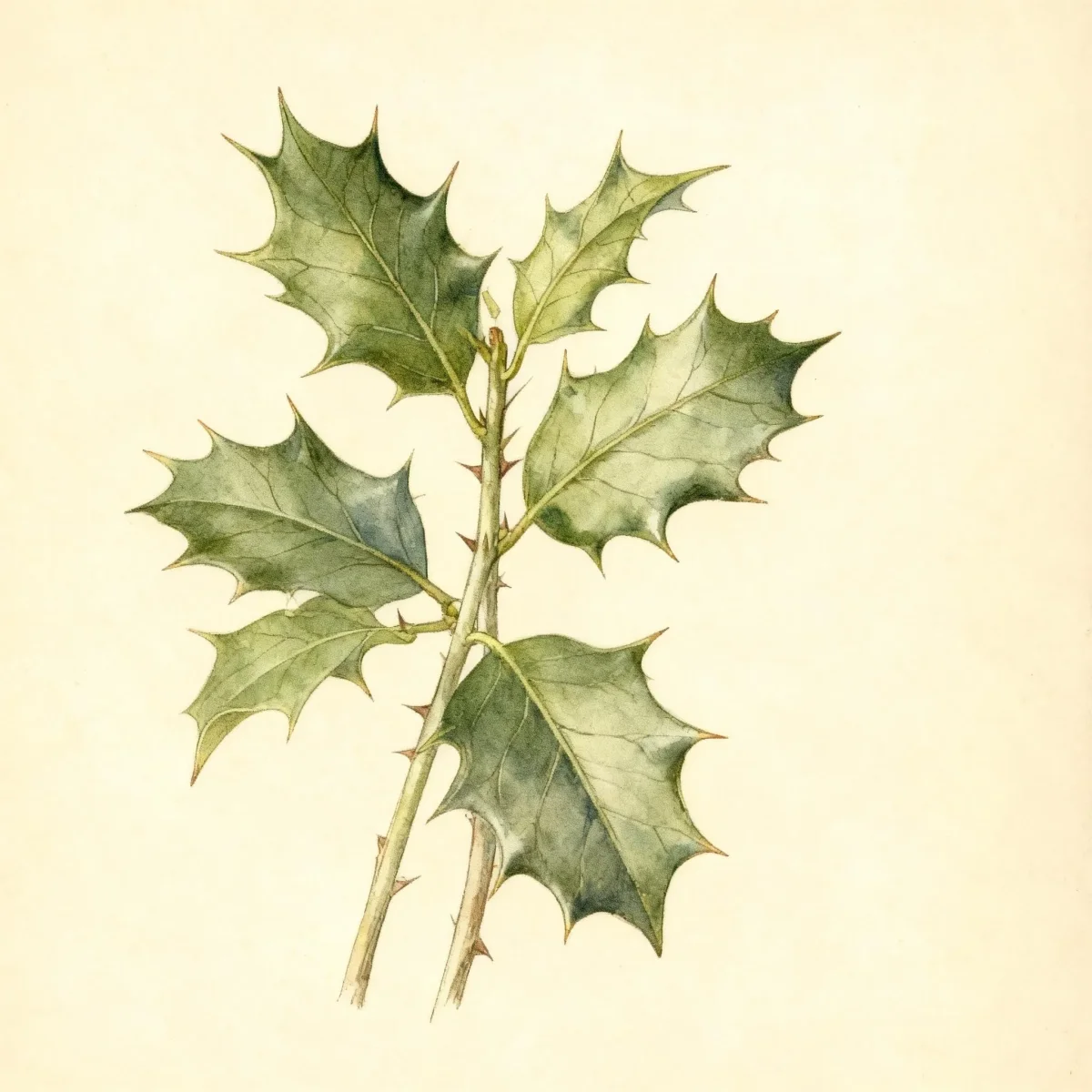
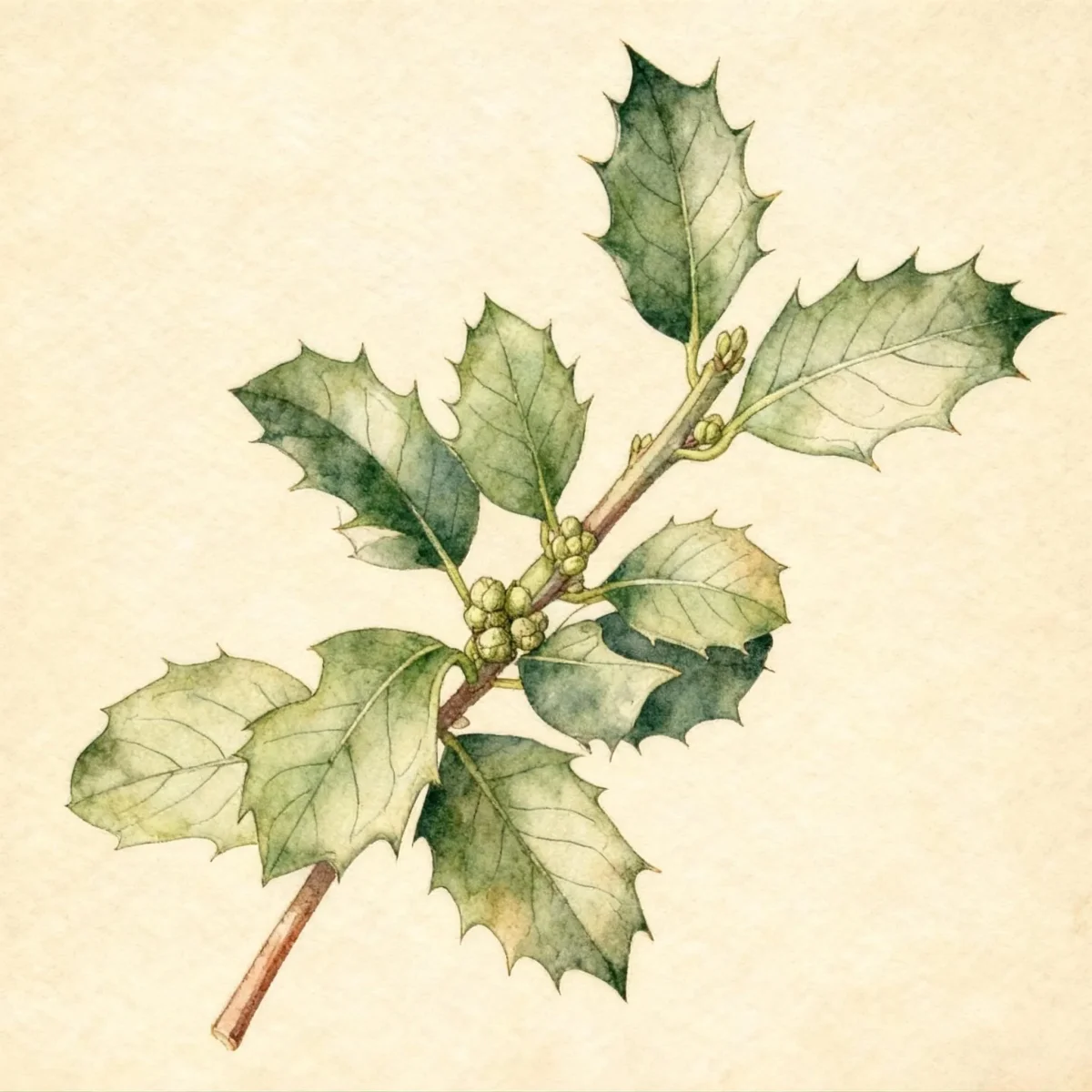
Holly (Ilex ciliospinosa)
Discover Ilex ciliospinosa, a pyramidal broadleaf evergreen Holly native to China, valued for its low maintenance and winter interest.
Scroll down to discover growing tips, care requirements, companion plants, and more

Complete Plant Information
Overview
The Ilex ciliospinosa, commonly known as Holly, is a beautiful pyramidal, broad-leaf evergreen that offers structure and year-round color to the landscape. Native to the mixed forests of central and western China, this species is prized for its relatively low maintenance requirements once established. Gardeners appreciate its dense habit, which makes it an excellent choice for screening purposes throughout the year.
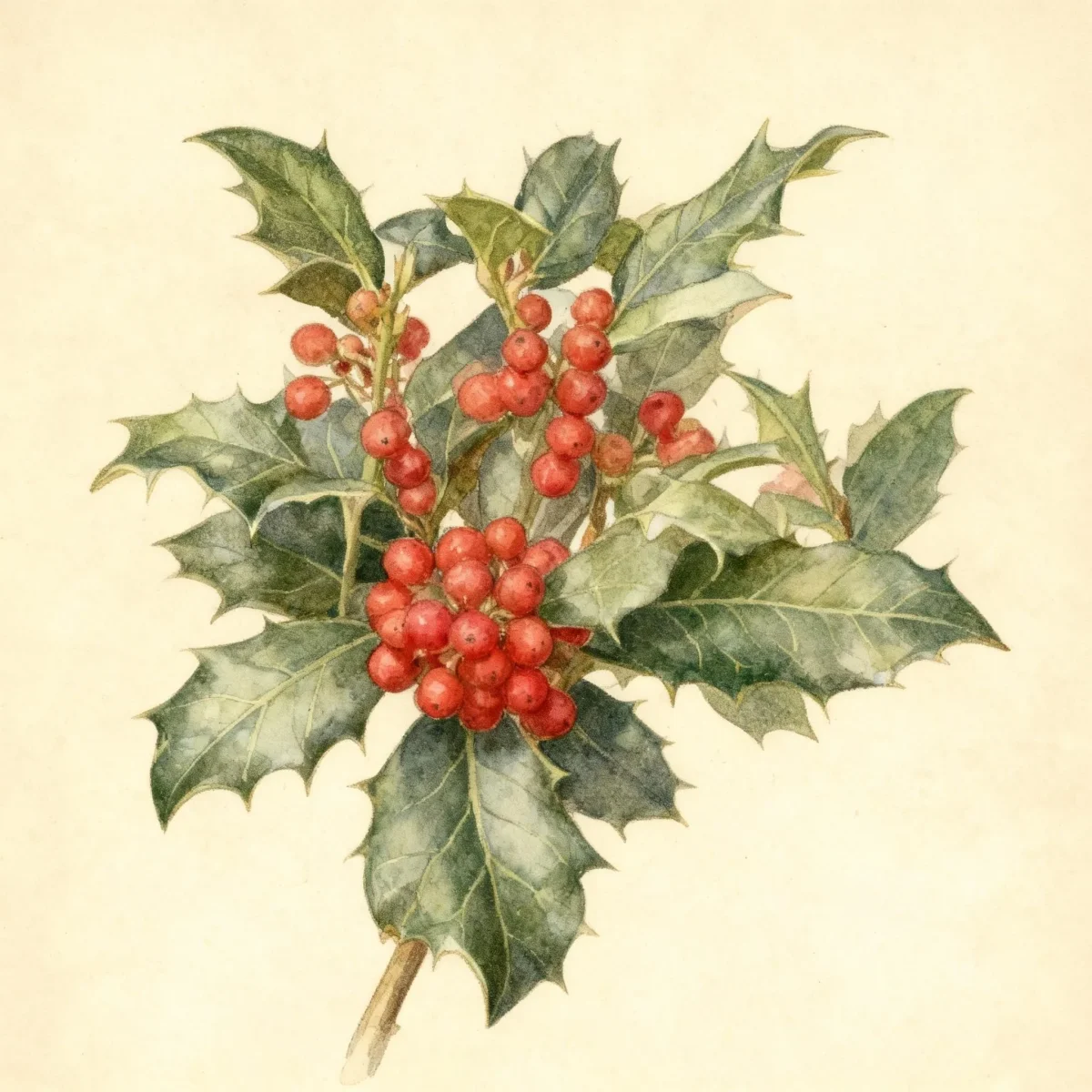
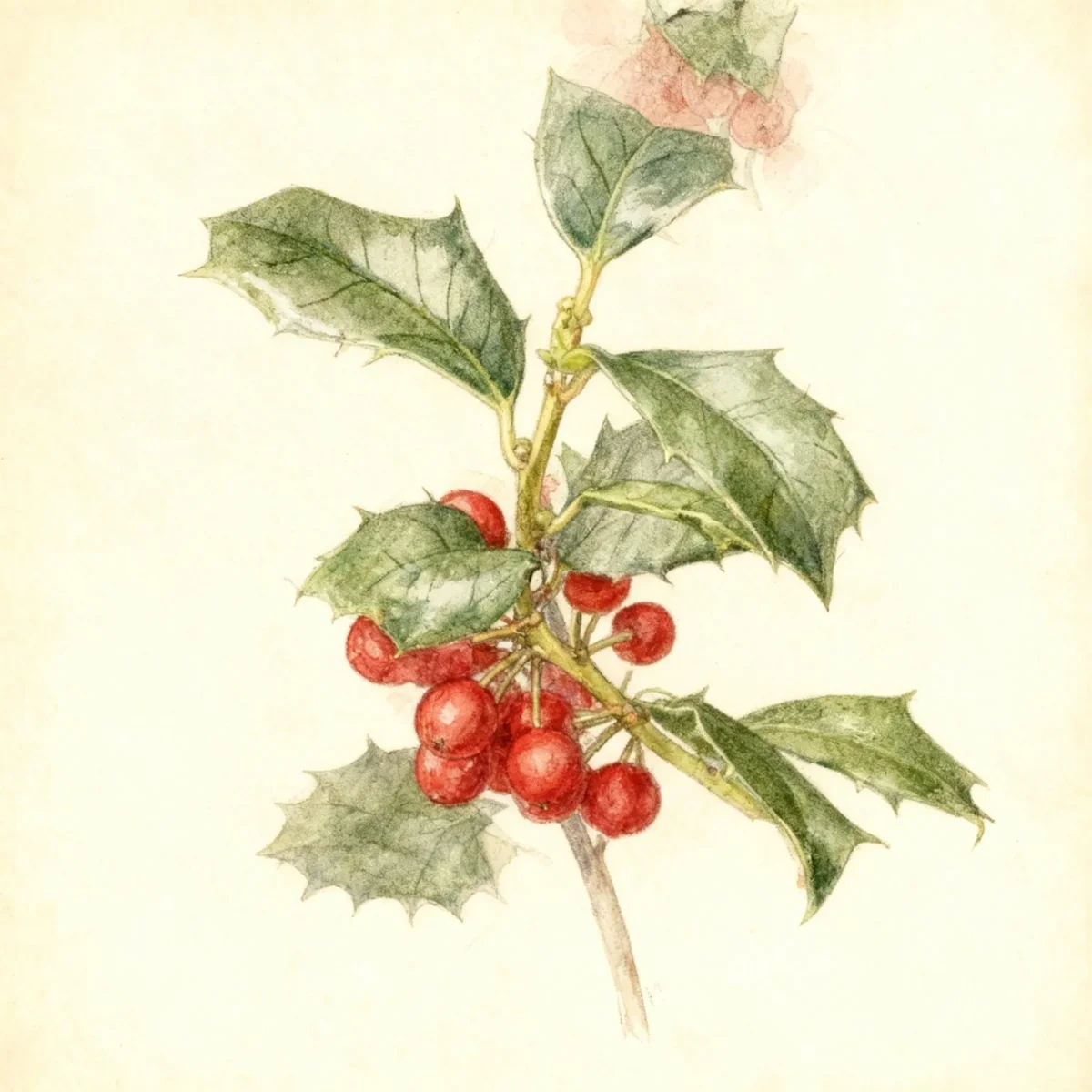
This Holly typically matures into a large shrub or short tree, reaching heights between 15 and 20 feet, with a graceful spread of 10 to 15 feet. While the small flowers are not notably showy, the plant produces bright red fruits following successful pollination, adding vital winter color that attracts local bird populations. For reliable fruit set on female Ilex ciliospinosa specimens, ensure a male pollinator is planted nearby, as this species is dioecious.
Overall, Ilex ciliospinosa provides durable, evergreen structure and offers excellent visual interest, particularly when its foliage contrasts with winter snow. Its adaptability to various light conditions and relatively easy cultural needs cement its place as a valuable specimen plant or background screen.
Fast Facts
- Plant Family: Aquifoliaceae
- Plant Type: Broadleaf evergreen
- Native Range: Western China
- Hardiness Zones: USDA Zones 5-8
- Size at Maturity:
- Height: 15-20 ft
- Spread: 10-15 ft
- Bloom Time: April to May
- Bloom Description: Pale yellow
- Sun Exposure: Full sun to part shade
- Water Needs: Medium
- Maintenance Level: Low
How to Grow
Planting your Ilex ciliospinosa is best done in the spring or fall when temperatures are moderate, allowing the roots time to establish before extreme heat or cold arrives. This Holly thrives in average, medium-moisture, well-drained soils. It particularly favors sandy loams. Locate plants in full sun, or provide part afternoon shade, especially critical in regions that experience hot summers to prevent leaf scorch. Always avoid areas where water collects, as poorly drained soils are quickly detrimental.
Watering needs are medium; maintain consistent moisture, particularly during the first few seasons after planting. Fertilizing is rarely required if the soil is reasonably fertile. Since Ilex ciliospinosa is dioecious, remember that female plants require a nearby male pollinator to produce the desirable red berries. Pruning should be reserved for winter, primarily to maintain shape or remove crossing branches.
Be mindful of high pH soils, which can induce chlorosis, causing the signature dull green leaves to turn yellow. Careful soil amendment and regular monitoring will help maintain the rich green color expected of this Holly.
Landscape Uses
Whether used as a single specimen or incorporated into a larger design, Ilex ciliospinosa shines when utilized for its evergreen structure. Its mature size makes it perfectly suited for creating a tall hedge or an effective screen, providing privacy and buffering sound year-round. The dense foliage of this Holly offers superb backdrop material against brighter colored plantings.
When planting multiple specimens for an opaque screen or hedge, space them according to the recommended spread to ensure they grow together seamlessly. The autumn fruit provides excellent winter contrast when positioned near burgundy or gold ornamental grasses, or against the stark vertical lines of columnar evergreens.
Standout Features
Flower Qualities
- Insignificant
Fruit Qualities
- Showy
Noteworthy Characteristics
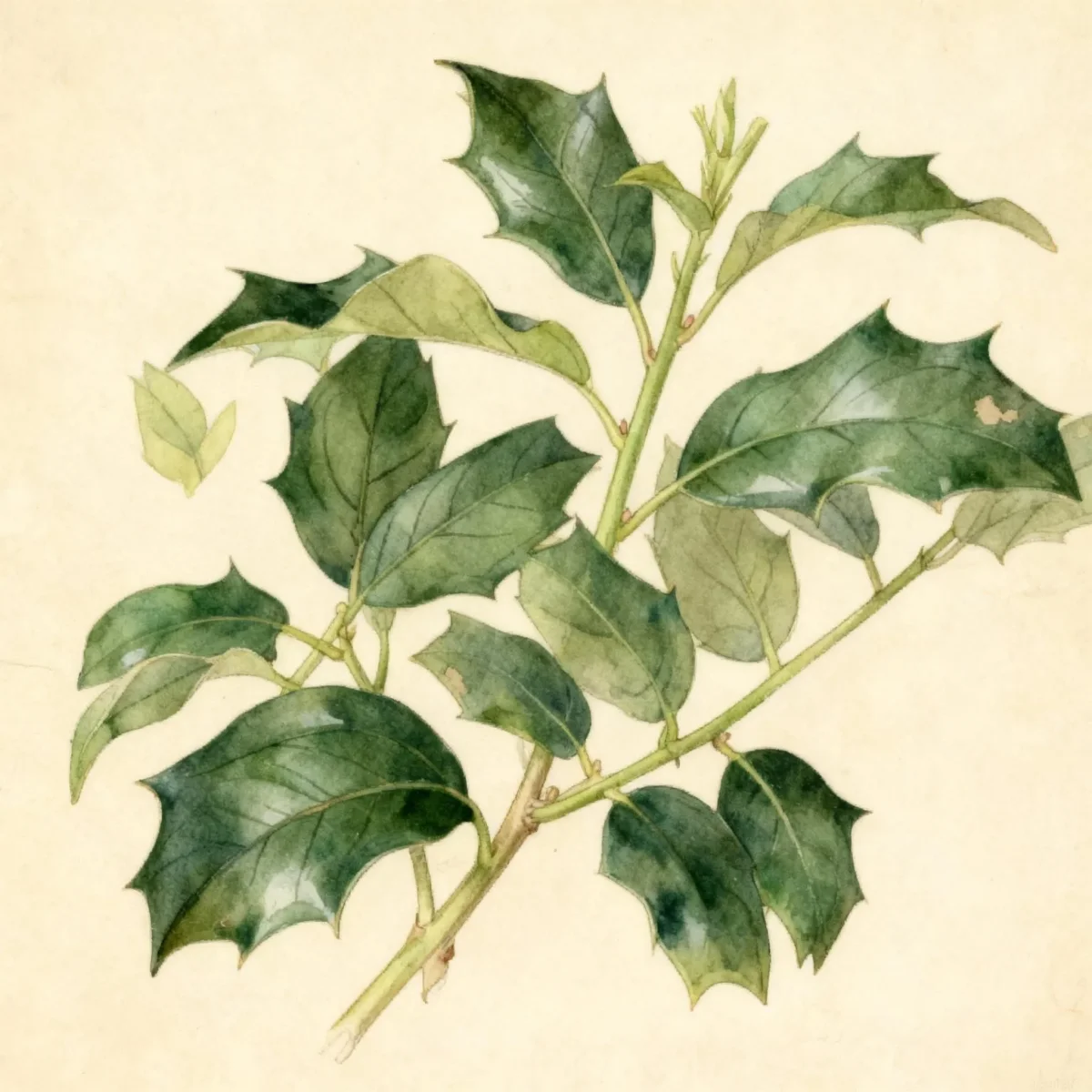
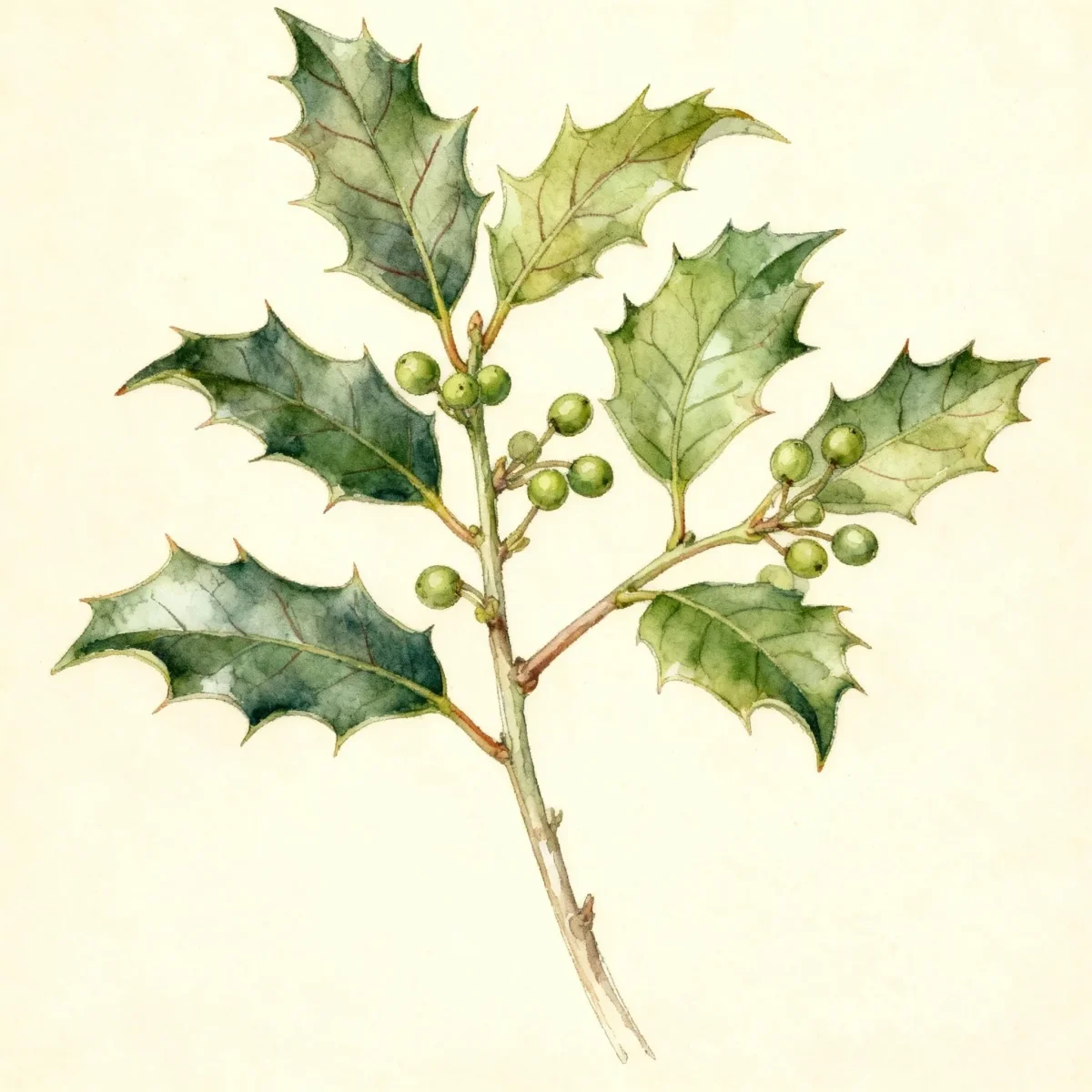
Ilex ciliospinosa is a pyramidal, broad-leaf evergreen holly that typically grows as a large shrub or short tree to 15-20’ tall. It is native to mixed forests on mountain slopes and roadsides in central and western China. Simple, dull, evergreen, elliptic leaves (to 2” long) have serrated margins, lending a unique texture among hollies. Pollinated flowers give way to bright red fruits (drupes to 1/3” long) which ripen in fall, heavily attracting birds.
Tolerances
- Deer
Potential Problems
Potential insect pests for Ilex ciliospinosa are common to many broadleaf evergreens and include scale, whitefly, spider mites, and the holly leaf miner. Thorough inspection of the leaf undersides and regular cleanup of fallen debris can minimize initial infestations.
Disease issues manifest primarily as fungal spots, such as tar spot, leaf spot, and powdery mildew, often exacerbated by poor air circulation or overly wet conditions. Ensure adequate spacing between plants to promote airflow. Susceptibility to leaf drop and leaf scorch often signals environmental stress, such as drought or excessive sun exposure in extreme heat.
Frequently Asked Questions
What hardiness zones is Holly suitable for?
This Holly (Ilex ciliospinosa) is suitably hardy in USDA Zones 5 through 8.
How large does Ilex ciliospinosa grow?
It typically matures to a height between 15 and 20 feet tall, with a spread ranging from 10 to 15 feet wide.
What sun exposure does Ilex ciliospinosa need?
This plant performs well in locations receiving full sun to part shade, though part afternoon shade is recommended in the hottest summer climates.
When does Ilex ciliospinosa bloom?
Flowering occurs in the spring, specifically from April into May, producing small, pale yellow blossoms.
Conclusion
The Ilex ciliospinosa offers gardeners a dependable, low-maintenance broadleaf evergreen solution distinguished by its manageable size and winter fruit display. Its robust nature makes it an excellent choice for tall hedges or screening elements. Before planting, confirm your location falls within USDA Zones 5-8 and plan to include a male pollinator if you desire the vibrant red berries of this wonderful Holly.
Companion Planting
Selecting appropriate companions for Ilex ciliospinosa helps maximize visual appeal and manage soil moisture levels effectively. Given its preference for well-drained, acidic to neutral soils, consider pairing it with other acid-loving evergreens like Rhododendrons or Azaleas, ensuring the sun exposure requirements align. For winter interest, contrasting textures provided by plants like Japanese Forest Grass (Hakonechloa macra) under the canopy can beautifully offset the solid green of the Holly foliage.
Wildlife Benefits
While the flowers of this Holly are insignificant, the bright red fruits produced by fertilized female plants serve as an important late-season food source for migratory and resident birds. Planting dense clusters of Ilex ciliospinosa also provides excellent protective cover for small wildlife throughout the winter months due to its persistent, dense foliage. Planning for both male and female plants ensures you maximize this beneficial wildlife value.