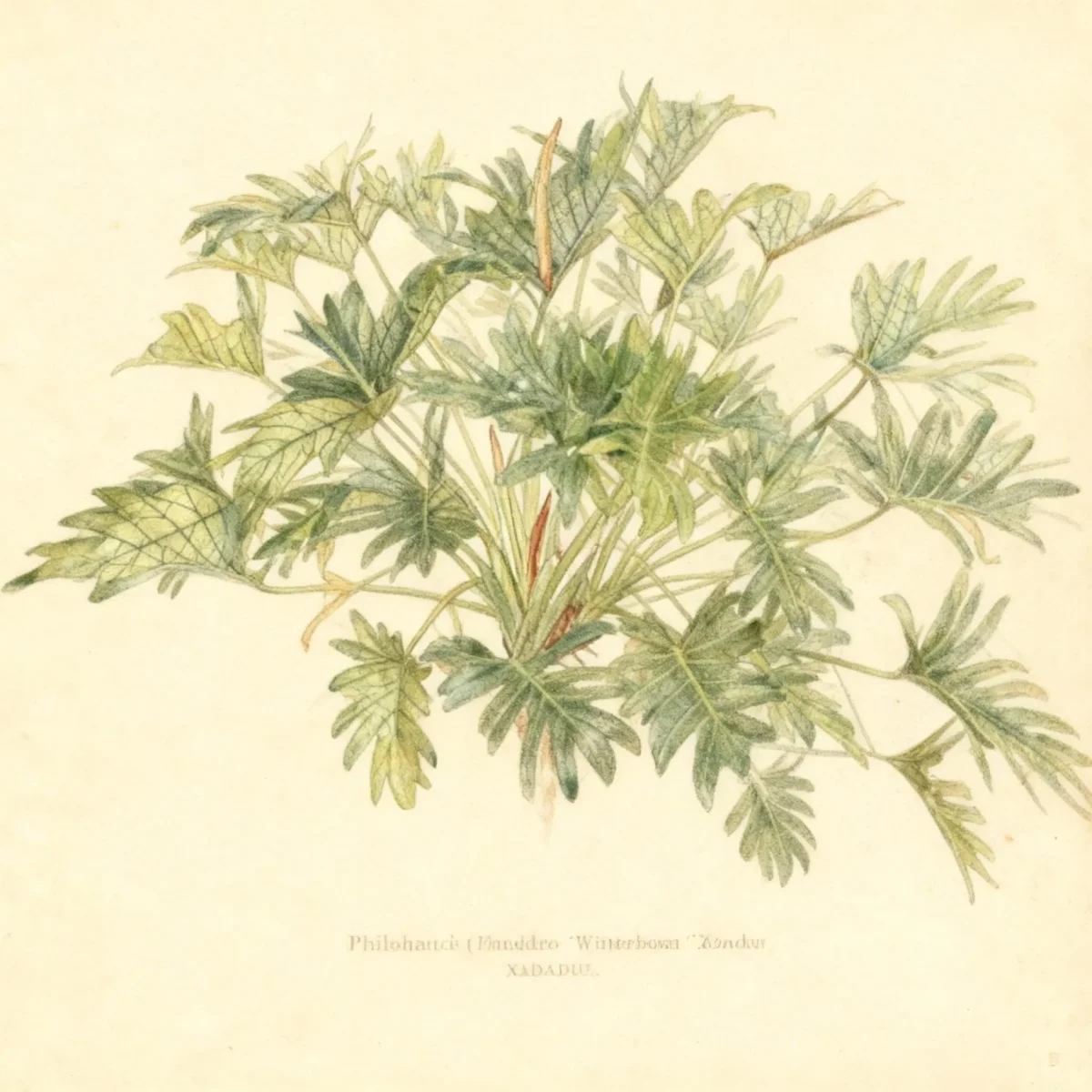
American evergreen (Syngonium podophyllum)
The low-maintenance American evergreen (Syngonium podophyllum) offers stunning foliage that changes character as it matures. Ideal for zones 10-12.
Scroll down to discover growing tips, care requirements, companion plants, and more

Complete Plant Information
Overview
The American evergreen, scientifically known as Syngonium podophyllum, is cherished by indoor gardeners for its perpetually changing and attractive foliage. Native to the warm, humid regions of Central and northern South America, this evergreen climbing vine provides dynamic visual interest throughout its life cycle. As a houseplant, it transitions from juvenile, heart-shaped leaves to mature, distinctly arrow-shaped foliage, offering excellent texture in shaded areas.
Valuable for both its ornamental appeal and its ease of care, Syngonium podophyllum thrives with minimal fuss, earning its ranking as a low-maintenance favorite. It is adaptable to various indoor settings, whether allowed to sprawl, trained up supports, or displayed in hanging baskets. This versatility ensures that the American evergreen remains a staple in tropical and subtropical landscapes, and as a globally recognized houseplant.
While it occasionally produces small greenish-white flowers, the primary value of Syngonium podophyllum lies entirely in its leaves. Gardeners seeking reliable, lush greenery that signals tropical vibes will find this vine an exceptional choice for brightening dim corners, provided they respect its medium water needs and desire for high humidity.
Fast Facts
- Plant Family: Araceae
- Plant Type: Vine
- Native Range: Central and northern South America, Mexico
- Hardiness Zones: USDA Zones 10-12
- Size at Maturity:
- Height: 3-6 ft
- Spread: 1-2 ft
- Bloom Time: Rarely flowers indoors
- Bloom Description: Greenish white
- Sun Exposure: Part shade
- Water Needs: Medium
- Maintenance Level: Low
How to Grow
For optimal health, position your Syngonium podophyllum where it receives bright, indirect light; direct sun must be strictly avoided as it can scorch the attractive foliage. This plant is winter hardy in USDA Zones 10-12, making it suitable for year-round outdoor growth in tropical climates. In cooler regions, it excels as a houseplant, especially in warm, humidified rooms.
Watering is crucial but straightforward: maintain medium moisture levels by watering regularly during the active growing season. However, reduce watering significantly from fall through late winter to mimic natural dormancy cycles. The American evergreen prefers a soil-based potting mix that allows for good drainage.
To meet its high humidity requirements, actively boost environmental moisture. Consider siting the plant in a well-humidified room or place its pot atop a tray filled with wet pebbles, ensuring the base of the pot remains above the water line. Pruning can be employed to maintain a manageable size or encourage bushier growth, particularly if grown in a hanging basket.
This vine is easily trained; grow it on a moss pole if you desire upright growth, allowing the aerial roots to anchor themselves, or let it cascade dramatically from a mossy growing pole or container edge.
Landscape Uses
The recommendations for using Syngonium podophyllum highlight its flexibility, functioning well both as a permanent landscape plant in warm zones and as a seasonal color accent elsewhere. Due to its requirement for part shade and good indoor performance, it excels at filling mid-level spaces or containers needing year-round texture.
As an American evergreen, it serves beautifully in mixed containers or shady borders where its foliage can contrast with solid-colored annuals or perennials. When grown indoors, training the arrowhead vine onto a trellis or moist moss pole encourages larger, mature leaf forms, adding vertical interest to sun-dappled interiors. It is an excellent choice for low-maintenance indoor gardening applications.
For outdoor use in Zones 10-12, consider planting it under the canopy of taller trees or along north-facing walls where shelter from harsh afternoon sun is guaranteed. Its vining habit also makes it an excellent, fast-growing groundcover in established, shaded landscape beds.
Standout Features
Fruit Qualities
- Showy
Noteworthy Characteristics
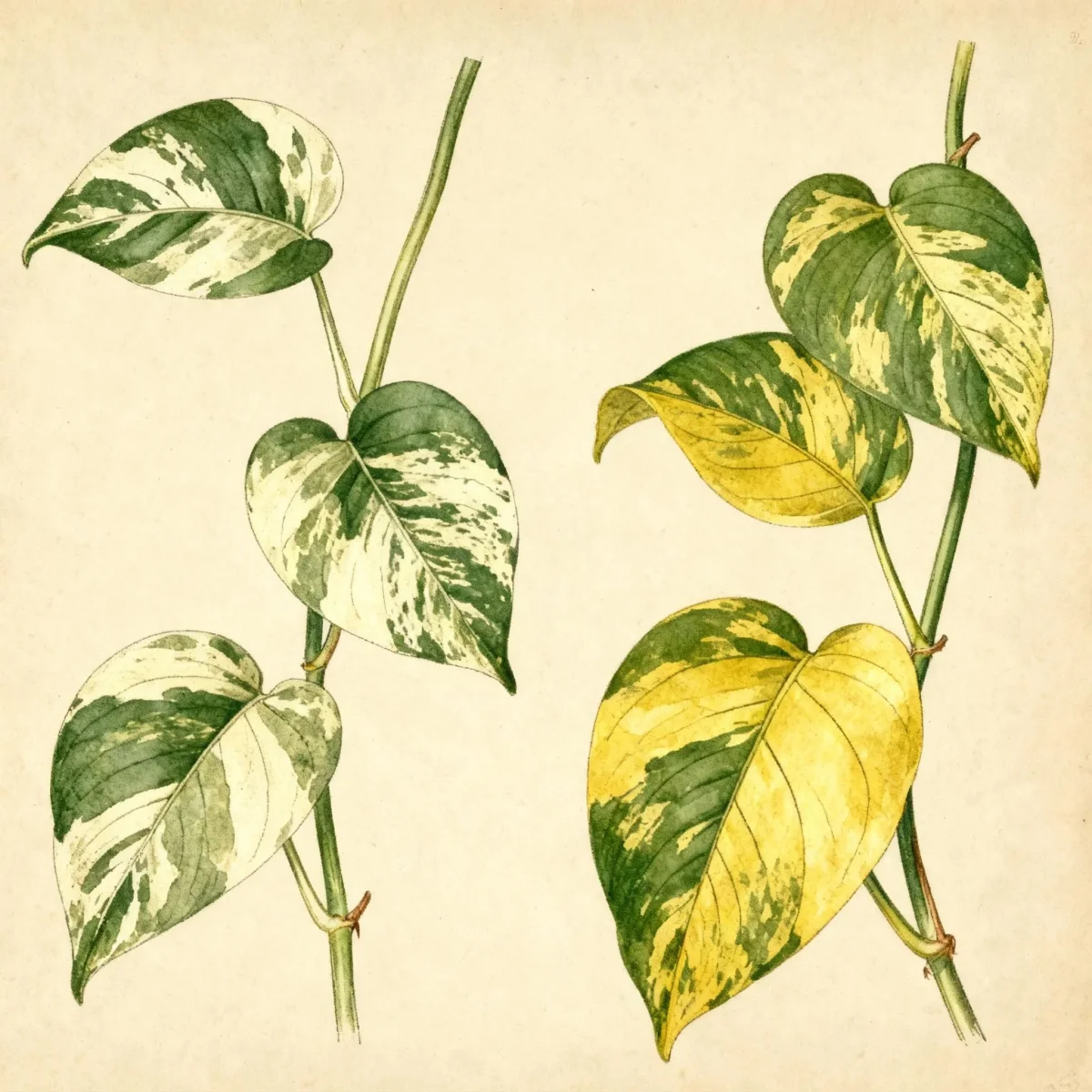
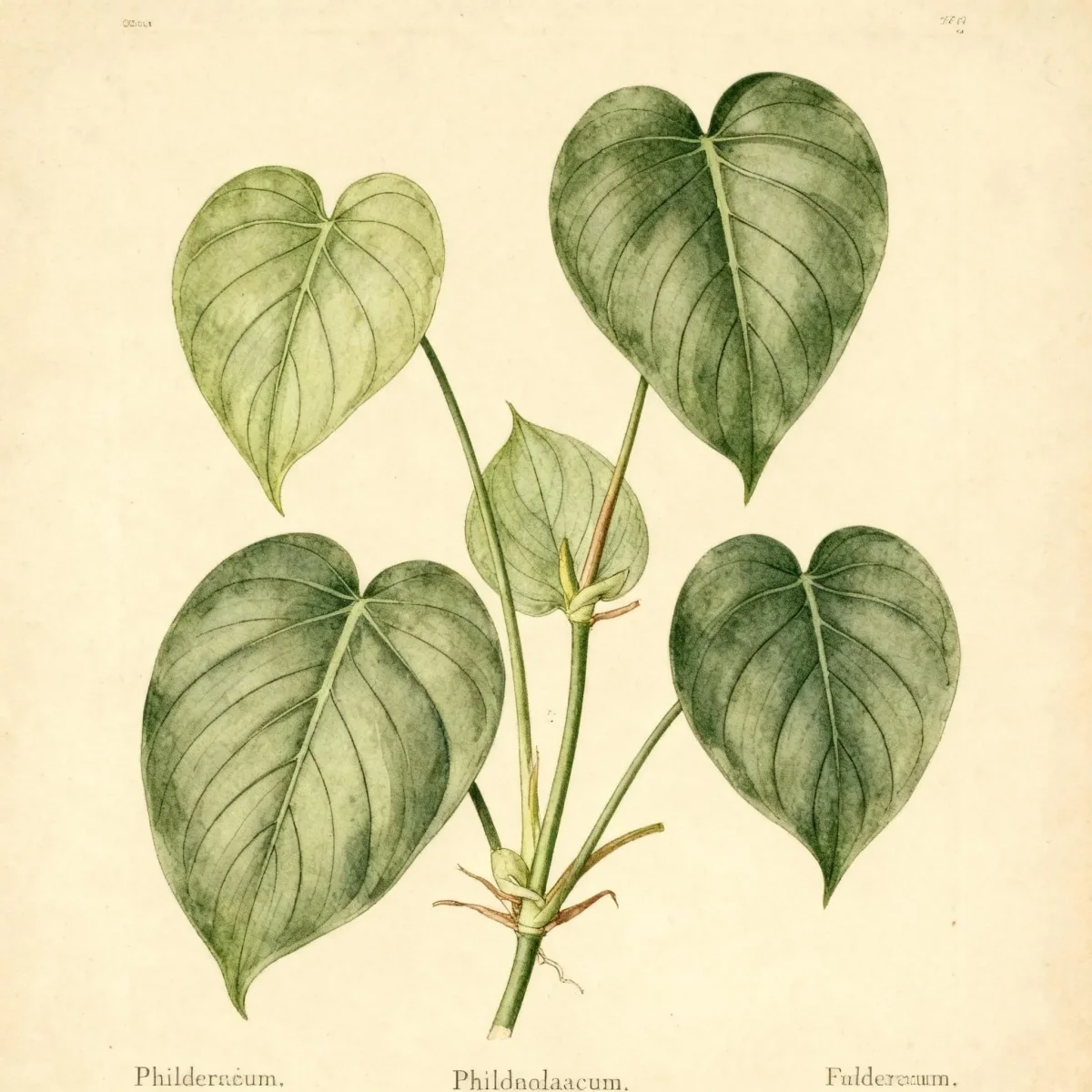
Syngonium podophyllum, commonly called arrowhead vine, is native from Mexico to Ecuador. It is an evergreen climbing vine that typically grows to 3-6’ long. As a houseplant, it is typically grown for its attractive ornamental foliage which changes shape as the leaves mature, progressing from heart shape to fully pedate shapes with age. The genus name reflects the fused ovary structure, while the specific epithet refers to its stout-stalked leaves.
Tolerances
Potential Problems
Soft rot and bacterial leaf spot are noted as possible diseases affecting Syngonium podophyllum. Prevention involves ensuring excellent drainage and avoiding overhead watering, particularly in humid conditions, which can predispose the plant to fungal and bacterial issues.
Inspect regularly for common houseplant pests, including mealybugs, aphids, scale, and spider mites. If infestations occur, a gentle application of insecticidal soap or horticultural oil is usually effective at controlling populations of these common sap-sucking insects on the American evergreen.
Frequently Asked Questions
What hardiness zones is American evergreen suitable for?
Syngonium podophyllum is winter hardy outdoors in USDA Zones 10 through 12, though it is commonly grown as a houseplant elsewhere.
How large does American evergreen grow?
This vining plant typically reaches a height between 3 and 6 feet long with a spread of 1 to 2 feet when mature.
What sun exposure does American evergreen need?
The ideal light conditions for the American evergreen are part shade, requiring bright indirect light while needing protection from direct sunlight.
When does American evergreen bloom?
In cultivation, particularly indoors, Syngonium podophyllum rarely flowers; when it does, the blooms are small and greenish white.
Conclusion
The American evergreen (Syngonium podophyllum) is a highly rewarding plant, valued for its rapidly changing, handsome foliage and its extremely low maintenance profile. Whether using it as a trailing accent or training it vertically, this vine brings reliable tropical structure to any setting. Before planting, confirm that your local climate aligns with USDA Zones 10-12, or plan to maintain it indoors where it thrives year-round.
Companion Planting
When selecting companions for Syngonium podophyllum, aim for plants that share similar cultural needs, primarily high humidity and part-shade exposure. Grouping it with other members of the Araceae family, such as various Philodendrons or Calatheas, creates a cohesive, lush tropical vignette indoors or in shaded outdoor garden areas.
For mixed seasonal containers, pair the vining habit of the American evergreen with upright foliage plants like coleus or flowering spillers like impatiens. The foliage of the Syngonium podophyllum provides a wonderful, textural backdrop that lasts throughout the growing season, enhancing the color impact of nearby annuals in shady borders.
Design Ideas
The aesthetic versatility of Syngonium podophyllum allows it to adapt to several design styles, from modern minimalist interiors to dense cottage gardens in its native zones. Indoors, use small specimens on shelves where the leaves can cascade over the edge, softening hard lines. In outdoor designs in Zones 10-12, allow it to climb up rough stone walls or weave through the lower limbs of larger shrubs for a naturalized, jungle-like effect.
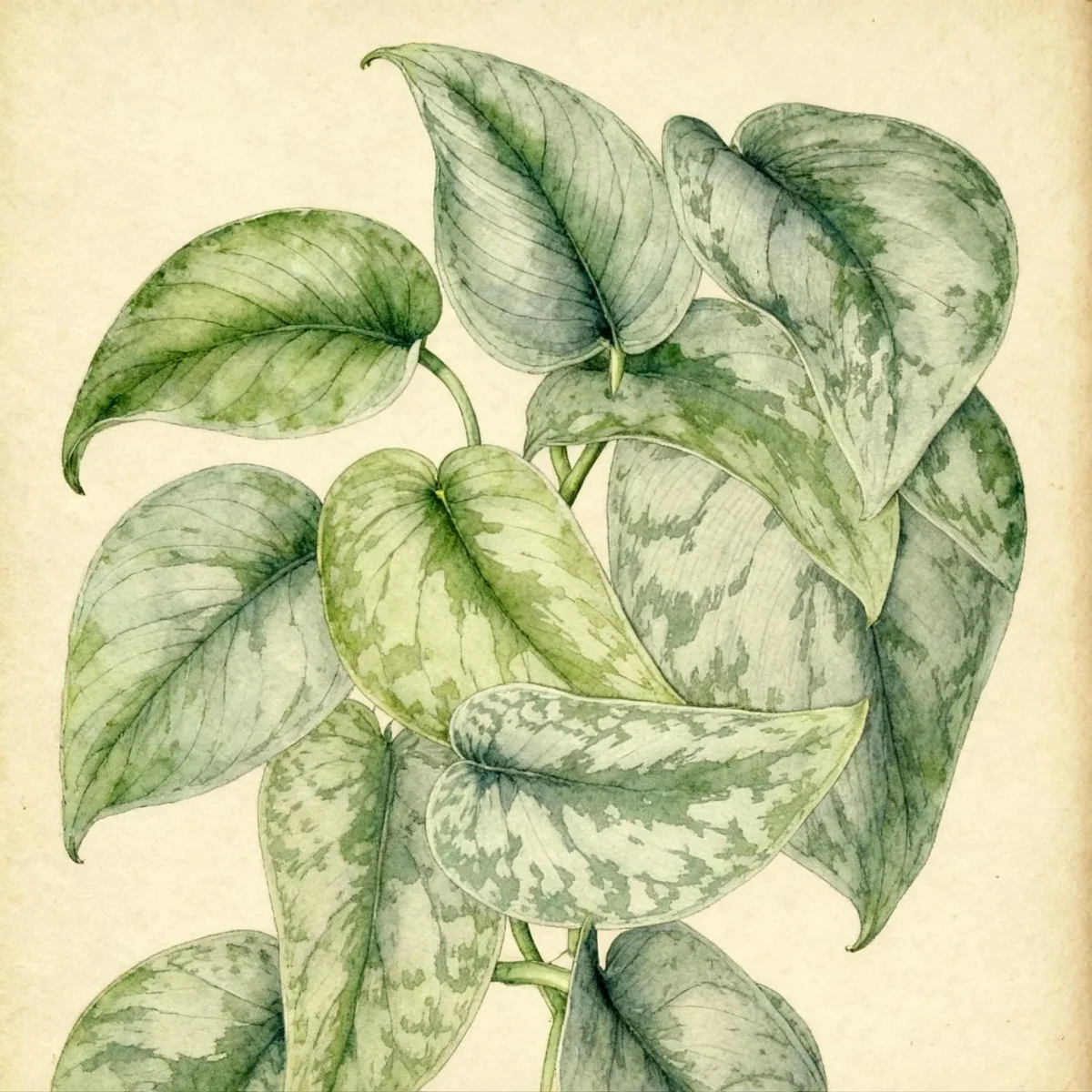
Consider using different cultivars if available, contrasting the solid green varieties with those exhibiting silver or pink variegation alongside your standard American evergreen. This layering of foliage textures, all requiring part shade, builds depth without relying on flowers for visual appeal.