Castor aralia (Kalopanax septemlobus)
Castor aralia, Kalopanax septemlobus, is a large, unique deciduous tree from Eastern Asia, offering striking foliage and low maintenance.
Scroll down to discover growing tips, care requirements, companion plants, and more
Complete Plant Information
Overview
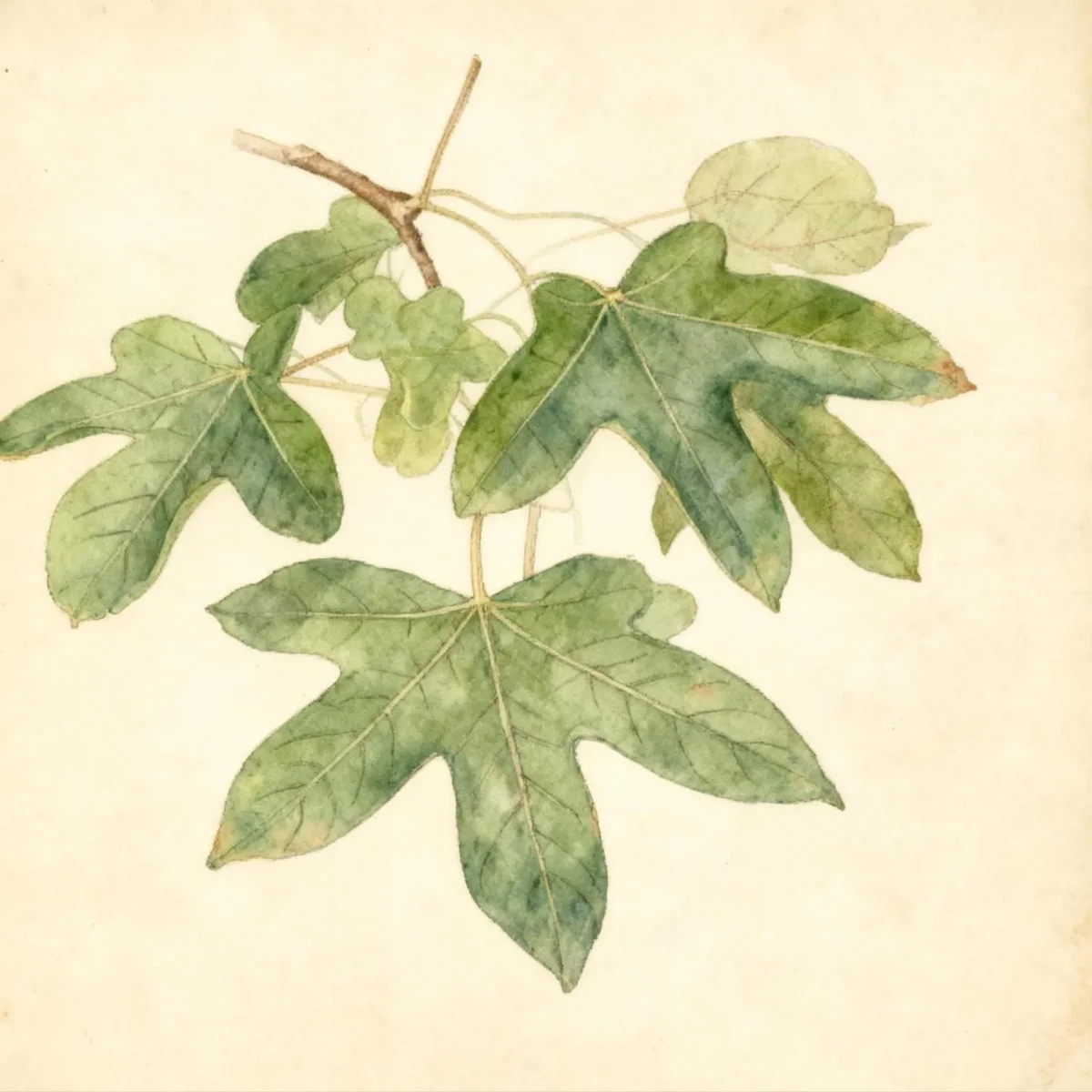
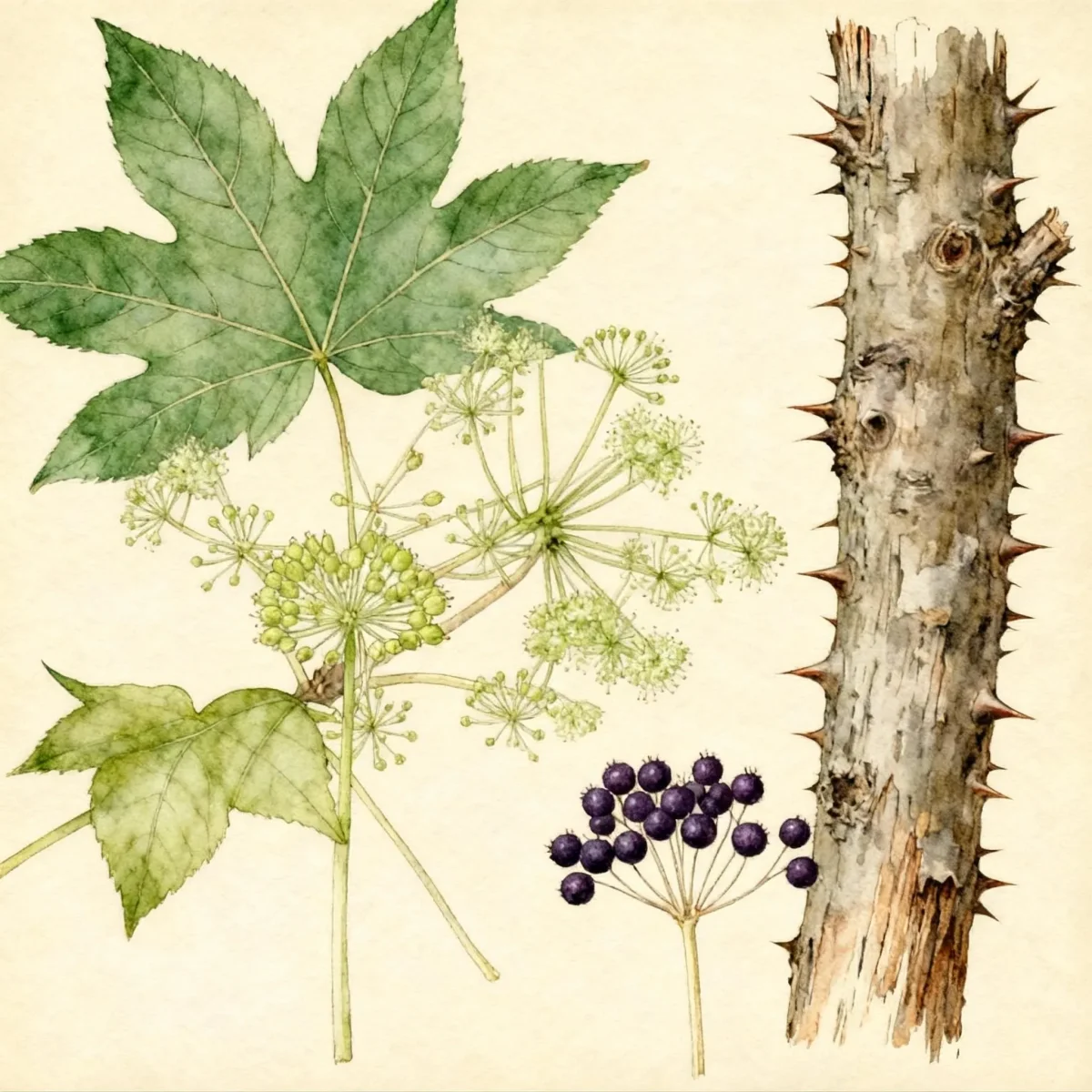
The Castor aralia (Kalopanax septemlobus) stands out in the landscape as the sole large tree member of the Araliaceae family, offering dramatic structure and unusual texture. Its large, palmately lobed leaves create significant shade, reminiscent of a giant castor bean plant, making it a valuable specimen tree where bold architecture is desired. As Kalopanax septemlobus matures, it develops a deeply furrowed dark gray bark, contrasting with the young stems armed with noticeable spines.
This deciduous tree provides reliable performance across a wide range of cooler climates, provided its moisture needs are met. While providing impressive summer presence with its foliage and late-season white blooms, the Castor aralia is celebrated for its relatively low demands once established, requiring minimal ongoing care.
Gardeners looking for an imposing specimen or flowering tree that handles USDA Zones 4 through 7 well will appreciate the stature and unique appeal of Kalopanax septemlobus. It’s important to site this imposing tree away from heavily trafficked areas where its younger spiny growth might be an issue.
Fast Facts
- Plant Family: Araliaceae
- Plant Type: Tree
- Native Range: Eastern Asia
- Hardiness Zones: USDA Zones 4-7
- Size at Maturity:
- Height: 40-60 ft
- Spread: 40-60 ft
- Bloom Time: July to August
- Bloom Description: White
- Sun Exposure: Full sun
- Water Needs: Medium
- Maintenance Level: Low
How to Grow
Planting the Castor aralia should ideally occur in the spring or fall when temperatures are moderate, allowing the tree to establish its root system before facing extreme heat or cold. Site Kalopanax septemlobus where it can receive full sun, although it tolerates light shade in cooler locations. Success relies heavily on deep, moist, fertile, and well-drained soil; avoid heavy clay or compacted sites.
Watering requirements are medium; aim for consistent moisture, especially during the establishment phase. Avoid allowing the soil to dry out completely, as the plant is noted to be intolerant of dry soils. Fertilizing is rarely necessary for mature specimens growing in ideal fertile soil, but a balanced, slow-release fertilizer in early spring can benefit young trees.
Pruning should be kept minimal, focusing only on removing damaged or crossing limbs to maintain its natural, upright oval habit. Be mindful that stems, branches, and twigs are often armed with spines when young. While these spines generally recede from the trunk and older branches as the tree ages, avoid planting where frequent, close contact with lower limbs is anticipated.
The foremost cultural consideration for successful Castor aralia cultivation is avoiding high heat and humidity, especially characteristic of the deep South, where this tree struggles. If growing near the colder limits of its range (Zone 4), ensure adequate mulch protection around the root zone during harsh winters.
Landscape Uses
When incorporating Castor aralia into a larger design, its role as a majestic shade tree is paramount. Plant it strategically on large properties where its 40 to 60-foot height and spread will not overwhelm surrounding structures or smaller plantings. It serves exceptionally well as a towering landscape specimen, providing strong vertical interest throughout the growing season.
Due to its imposing size and unique foliage, allow plenty of space for Kalopanax septemlobus to mature without crowding. It pairs well with herbaceous perennials that can handle partial shade cast by its broad canopy but thrive in the moist, rich understory soil it prefers. Consider pairing it with large shrubs or evergreens that offer textural contrast to its large, palmate leaves.
It functions excellently as a statement piece in a botanical garden setting or large estate landscape where its unique traits, including the late-summer flowering display, can be fully appreciated from a distance. For effective shade casting, plant it thoughtfully on the south or west side of structures.
Standout Features
Flower Qualities
- Showy
Fruit Qualities
- Showy
Noteworthy Characteristics
Kalopanax septemlobus, commonly called castor aralia or tree aralia, is the only large tree found in the aralia family. Its large leaves are reminiscent of castor bean. This deciduous tree typically grows to 40-60’ tall with an upright oval habit. Palmate, toothed, glossy, dark green leaves (7-14” wide) have 5-7 lobes (septemlobus meaning 7 lobes). Tiny white flowers appear profusely in large, terminal, umbel-like panicles (12-24” wide) in late summer, and the resulting tiny black fruits ripen in fall, attracting birds. Trunk, branches, and particularly the younger stems are armed with spines, which tend to disappear from the trunk and larger branches as the tree matures.
Tolerances
No specific tolerances were provided beyond general cultural notes.
Potential Problems
This tree enjoys a clean bill of health generally, with no serious insect or disease problems routinely reported, making maintenance low. The primary practical limitation for gardeners involves the thorns present on the branches, particularly on stems of younger specimens of Kalopanax septemlobus. Site selection is key to managing this characteristic; avoid planting where children or pets frequently play directly beneath the canopy.
If dry soils are encountered, the tree will show stress; maintaining adequate medium water application is the best preventative measure against environmental strain. Ensure excellent drainage to prevent root issues, which are a common problem for many moisture-loving trees in poorly prepared ground.
Frequently Asked Questions
What hardiness zones is Castor aralia suitable for?
The Castor aralia, Kalopanax septemlobus, is suitable for USDA Hardiness Zones 4 through 7.
How large does Castor aralia grow?
This species typically reaches a mature height between 40 and 60 feet, with a comparable spread of 40 to 60 feet, creating a substantial presence in the landscape.
What sun exposure does Castor aralia need?
This tree prefers full sun but is adaptable enough to tolerate light shade, provided the soil remains moist and fertile.
When does Castor aralia bloom?
The white flowers of Kalopanax septemlobus appear late in the season, typically blooming from July through August.
Companion Planting
When selecting companions for the Castor aralia, focus on plants that share its preference for deep, fertile, moist, well-drained soils and tolerate the dappled shade cast by a maturing canopy. Excellent partners would be shade and moisture-loving woodland shrubs such as large rhododendrons or azaleas, which appreciate similar rich soil amendments.
Hostas offer great textural contrast beneath the tree; select large-leafed varieties to echo the scale of the Kalopanax septemlobus leaves while thriving in filtered light. Other suggestions include large ferns, such as Ostrich Fern (Matteuccia struthiopteris), which naturally colonize moist, cool forest areas similar to the plant’s native habitat.
Avoid any drought-tolerant or sun-loving plants that dislike competition for deep moisture. Because the establishment period is critical, ensure companion plantings are not competing aggressively for initial water resources during the first two seasons the tree is in the ground.
Wildlife Benefits
The fruit display of Castor aralia offers a subtle but valuable contribution to local ecosystems, particularly as the seasons change. The tiny black fruits that follow the late summer white flowers appear in compound clusters that ripen in the fall.
These persistent fruits are noted for being attractive to birds, providing them with a reliable late-season or early-winter food source before heavier snows potentially cover access. While the tree is primarily valued for its structure and foliage, this late-season food supply adds ecological merit to its landscape use.
Planting Kalopanax septemlobus provides essential structure for nesting large birds in mature settings due to its considerable height and sturdy branching, even though it is grown as a specimen tree.
Conclusion
The Castor aralia, or Kalopanax septemlobus, offers gardeners a truly unique, large-scale specimen characterized by its striking palmate foliage and low maintenance needs in suitable cool climates. Its ability to anchor a large landscape while providing late-season interest makes it indispensable where an imposing, non-standard deciduous tree is desired. Before planting, ensure your site provides the deep, moist soil and adequate room necessary for this magnificent tree to fully develop its impressive stature.