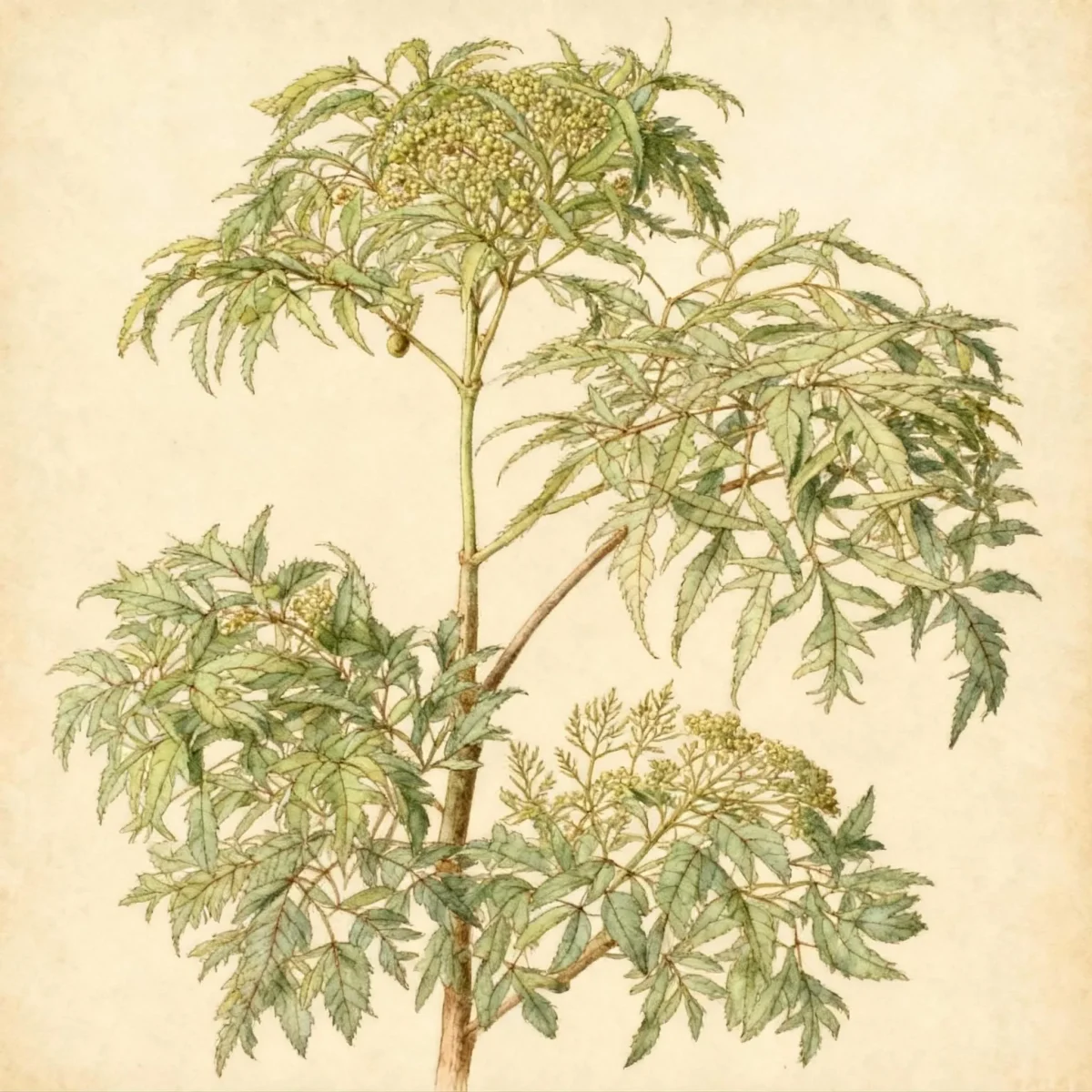
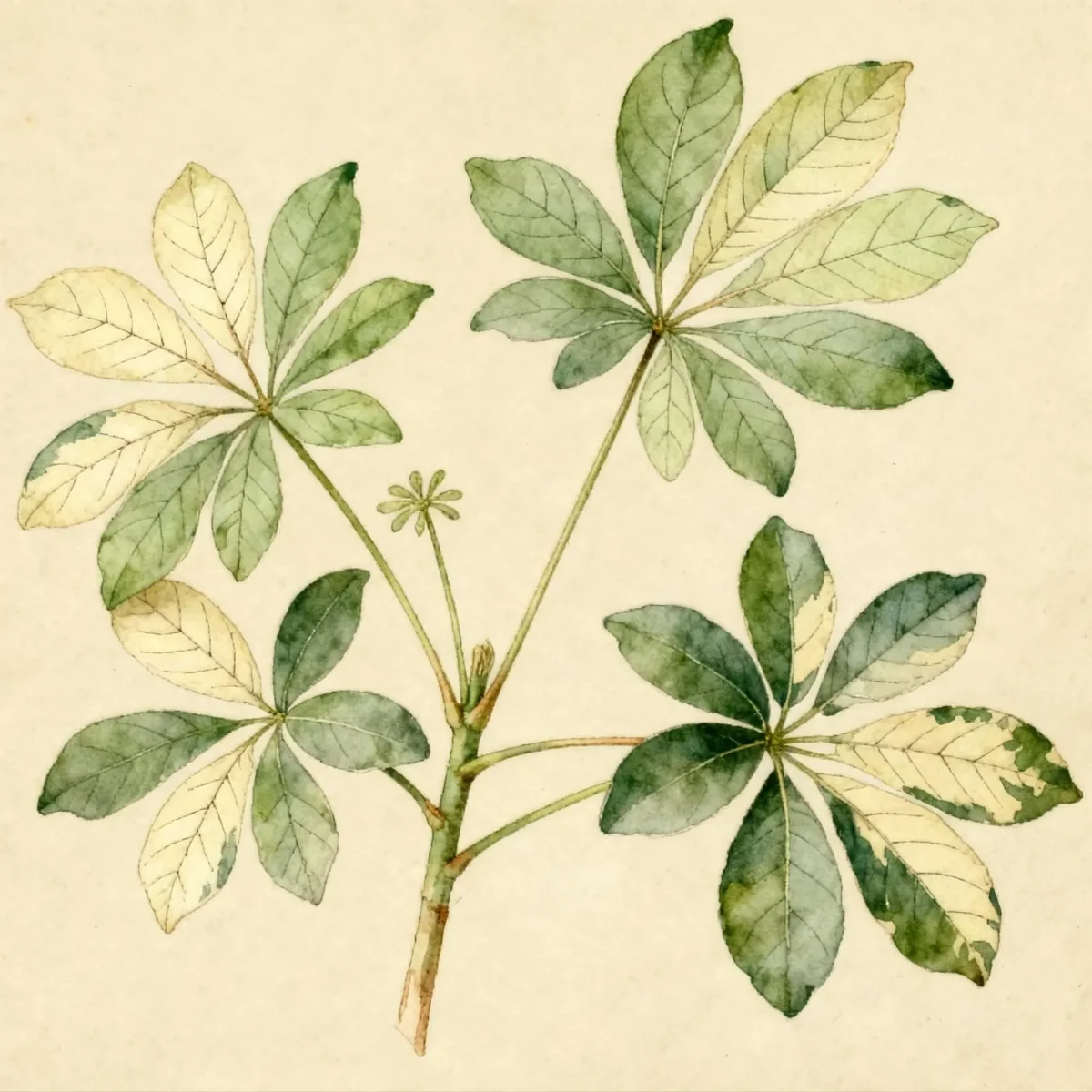
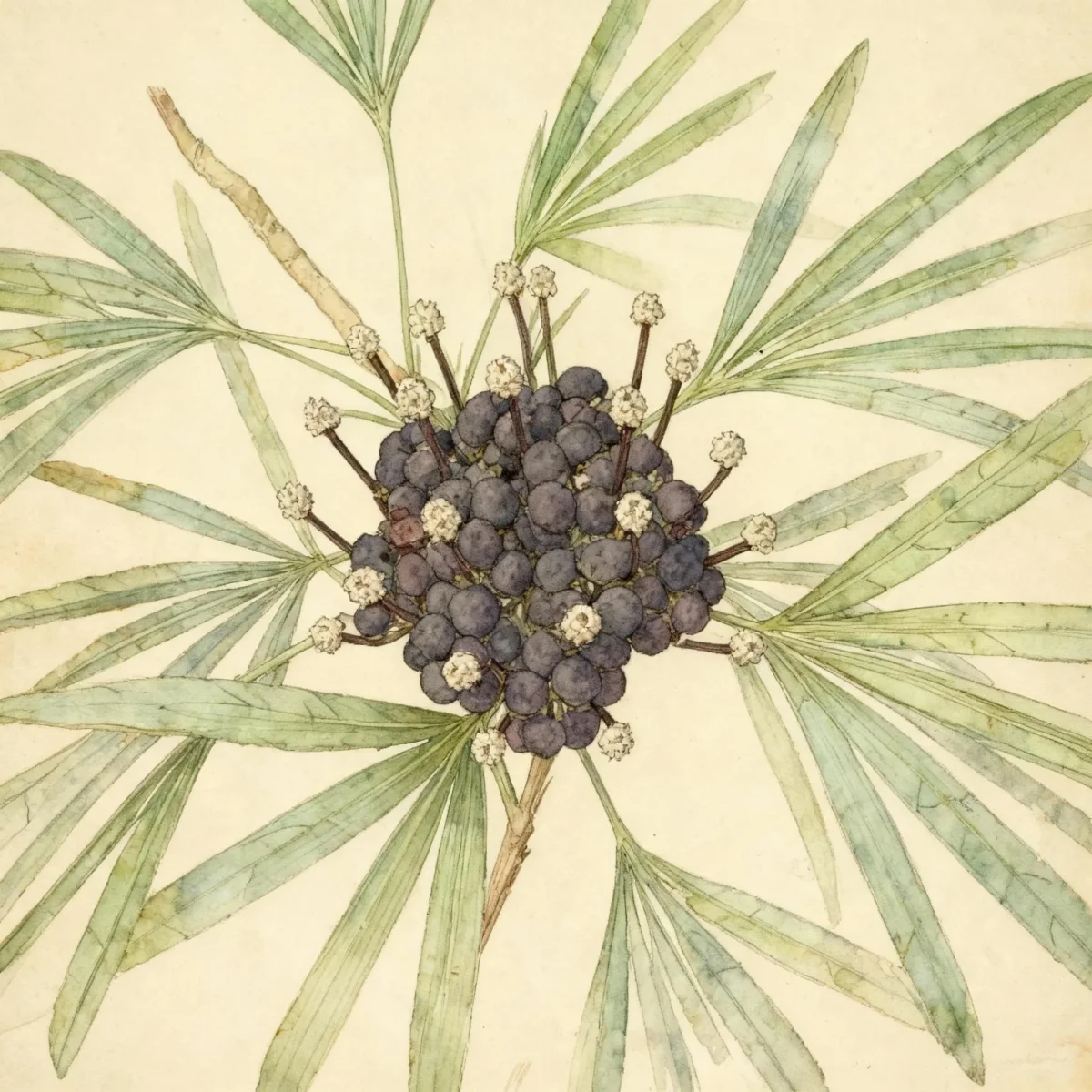
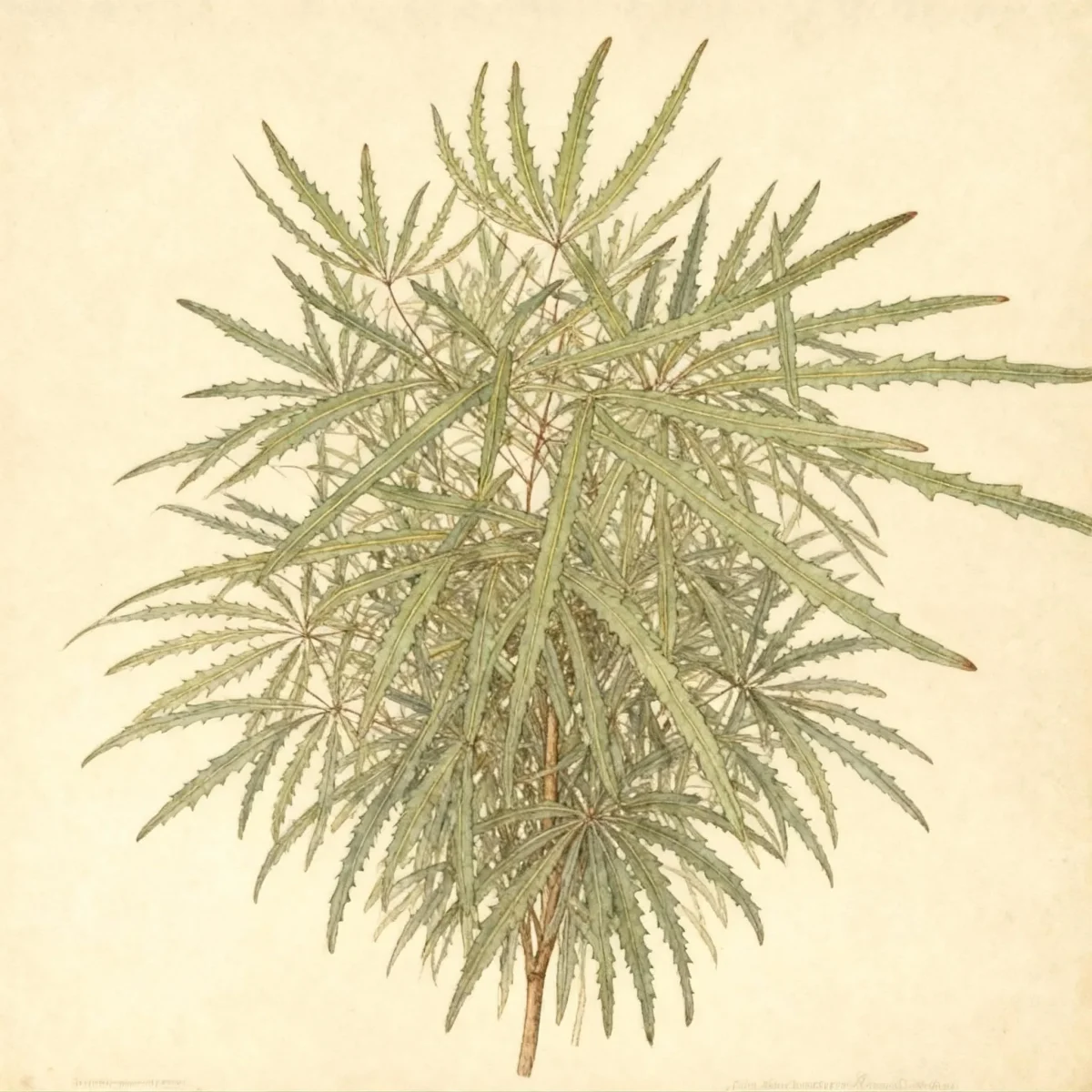
Octopus tree (Schefflera actinophylla)
The Octopus tree, Schefflera actinophylla, is a striking broadleaf evergreen prized for its unique palmate leaves and low maintenance needs.
Scroll down to discover growing tips, care requirements, companion plants, and more
Complete Plant Information
Overview
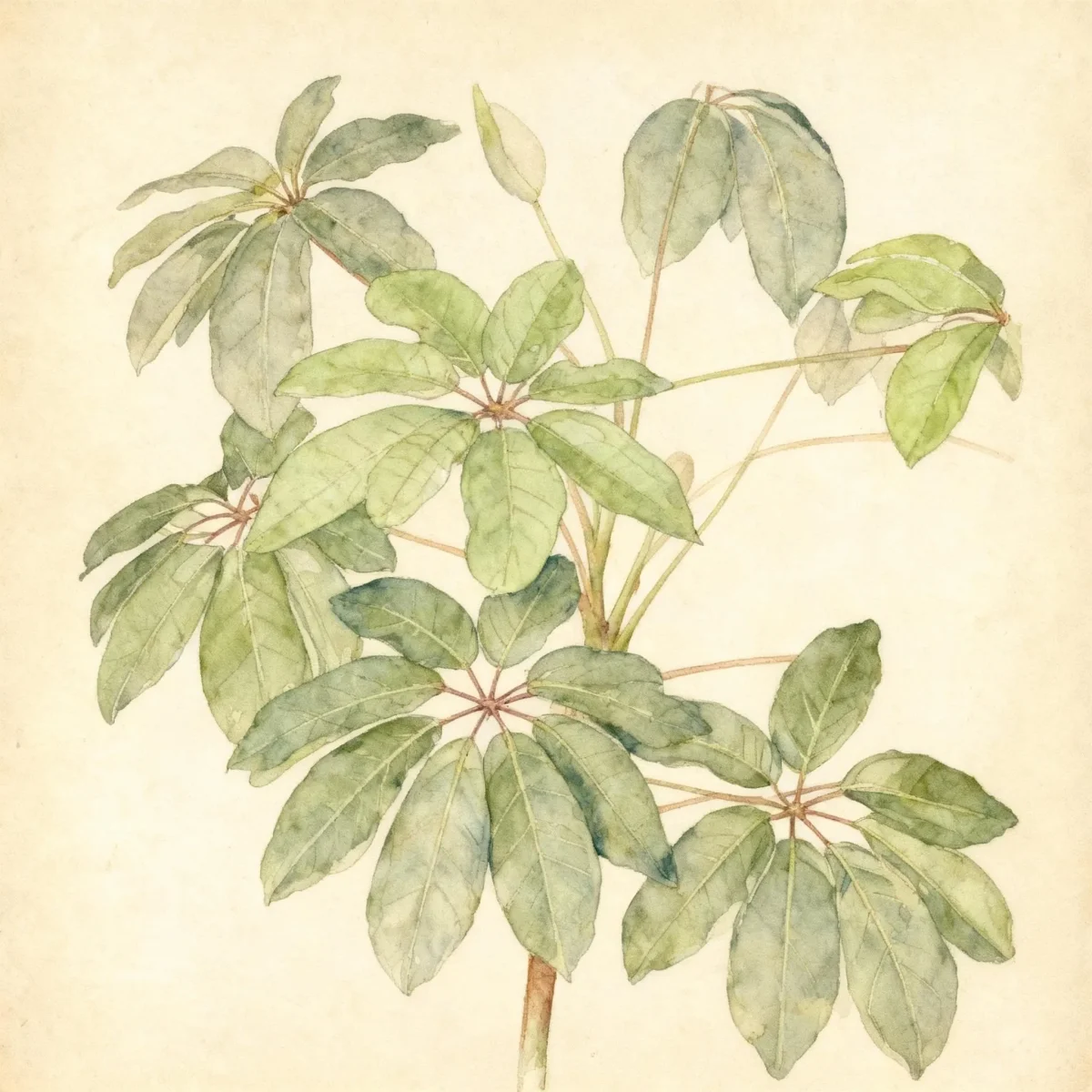
The remarkable Schefflera actinophylla, commonly recognized as the Octopus tree, is an attention-grabbing broadleaf evergreen native to the rainforests of Australia and New Guinea. Gardeners value it for its dramatic, palmately compound foliage, where leaflets radiate outward like the tentacles of an octopus, justifying its distinctive common name. This plant offers a unique architectural element in subtropical landscapes or as a major specimen indoors.
While reaching up to 50 feet tall outdoors in its native range, the Schefflera actinophylla is widely utilized as a large, low-maintenance houseplant in cooler climates. Its cultural tolerances are broad, making it adaptable, though it thrives best with bright light and consistent moisture during active growth.
A significant aesthetic feature, though rarely seen indoors, is its unusual bloom structure. The plant produces striking inflorescences of small red flowers that extend far out from the canopy, adding significant texture and color when established, cementing the status of the Octopus tree as a versatile and exotic addition to any planting scheme.
Fast Facts
- Plant Family: Araliaceae
- Plant Type: Broadleaf evergreen
- Native Range: Northeastern Australia, New Guinea
- Hardiness Zones: USDA Zones 10-12
- Size at Maturity:
- Height: 40-50 ft
- Spread: 15-20 ft
- Bloom Time: Rarely flowers indoors
- Bloom Description: Red
- Sun Exposure: Full sun to part shade
- Water Needs: Medium
- Maintenance Level: Low
How to Grow
When planting Schefflera actinophylla outdoors in applicable zones, choose a location that provides bright, sunny conditions but ideally offers protection from intense, scorching afternoon sun, which can scorch the tropical foliage. This plant exhibits a wide range of cultural tolerances, thriving in well-draining soils.
Watering requirements are medium; water regularly but moderately throughout the growing season to keep conditions even, reducing watering significantly from fall through late winter as the plant slows its growth rate. Maintenance for pruning is necessary primarily to control size, especially when grown as an indoor specimen or near structures, as the Octopus tree can grow quite tall. Overwatering is the surest way to invite root issues.
For gardeners in marginal zones, the Schefflera actinophylla serves admirably as a houseplant, requiring warm, humidified environments, particularly when situated indoors, such as in St. Louis, where it is easily managed. In summer, larger container specimens may benefit from being moved to sheltered outdoor locations to enjoy warmer conditions before bringing them back inside before frost threatens.
Landscape Uses
The Schefflera actinophylla excels when used as a low-maintenance potted plant, offering year-round structure and tropical flair both on patios and within bright interior spaces. Outdoors in USDA Zones 10-12, its substantial size makes it an excellent specimen planting or screen, providing a bold, architectural backdrop for smaller, shade-tolerant perennials.
Because of its height potential and architectural leaf structure, the Octopus tree pairs well with finer-textured or lower-growing tropicals that fill the space beneath its canopy. Consider pairing it with ferns or bromeliads if grown in a sheltered, humid environment, letting the large leaves of the Schefflera dominate the vertical space. Its robust nature means it requires minimal fuss once established, freeing up maintenance hours.
Standout Features
Flower Qualities
- Showy
Fruit Qualities
- Showy
Noteworthy Characteristics
Schefflera actinophylla, commonly known as umbrella tree, is native to rainforests in Australia and New Guinea where it grows as a tree to 50’ tall. It is widely grown in temperate climates as an ornamental houseplant, featuring palmately compound bright green leaves (7-16 leaflets) that radiate outward like an umbrella. The common name octopus tree is derived from its unique inflorescence, which consists of small red flowers on long stalks radiating out like tentacles.
Tolerances
Potential Problems
The Schefflera actinophylla is generally considered low maintenance, but potential issues primarily revolve around overly wet conditions or pest infestations common to tropical foliage indoors. Be vigilant for soft rot and bacterial leaf spot; these are often environmental stresses related to poor air circulation or excess moisture, so ensure proper watering and airflow. Indoors, monitor closely for common houseplant pests, including mealybugs, aphids, spider mites, thrips, and scale, inspecting the undersides of leaves regularly for early detection and treatment.
Frequently Asked Questions
What hardiness zones is Octopus tree suitable for?
The Octopus tree is winter hardy in USDA Zones 10 through 12, requiring frost-free conditions outdoors.
How large does Schefflera actinophylla grow?
Outdoors, this plant can reach heights of 40 to 50 feet with a spread of 15 to 20 feet, although indoor specimens typically remain much smaller at 6 to 15 feet tall.
What sun exposure does Schefflera actinophylla need?
It prefers full sun to part shade; indoors, bright sunny locations are recommended, often with protection from harsh, direct afternoon sun to prevent leaf burn.
When does Octopus tree bloom?
When grown as a houseplant, the Schefflera actinophylla rarely flowers indoors, but outdoors, it produces clusters of small red flowers.
Conclusion
The Schefflera actinophylla offers exceptional architectural beauty with minimal long-term upkeep, making it a top choice for large container use or as a feature tree in warm landscapes. The distinctive foliage of the Octopus tree ensures it captures visual interest in any setting. Before planting, confirm your climate falls within USDA Zones 10-12, or plan on treating this striking evergreen as a prized specimen houseplant.
Container Growing
Growing Schefflera actinophylla in containers is highly recommended, particularly for those gardening outside Zones 10-12. Use a high-quality, well-draining potting mix to prevent waterlogging, which is a major contributor to fungal issues in potted specimens. Repotting is usually only necessary every one to two years, depending on desired size, as pruning can effectively manage its overall height and spread within the decorative container.
When container grown, temperature control is paramount; protect your Octopus tree from any temperature dipping below 50°F, ensuring it remains in a consistently warm environment away from cold drafts, such as near exterior doors or windows during winter months. Consistent, moderate feeding during spring and summer will support robust leaf development necessary for that classic tropical look.
Companion Planting
When siting Schefflera actinophylla in the landscape or grouping pots together, choose companions that share similar requirements for bright light and medium water needs. Good neighbors include other bold-textured tropicals like large Philodendrons, Bird of Paradise (Strelitzia), or hardy Banana varieties (Musa). These plants create a lush, layered jungle effect that complements the dramatic structure of the Schefflera leaves.
Ensure that companion plants do not aggressively shade the base of the Octopus tree, as it requires fairly bright conditions to maintain its dense structure. Avoid planting it too closely near groundcovers that might retain excessive moisture around the root ball, increasing the risk of soft rot issues for the Schefflera actinophylla.