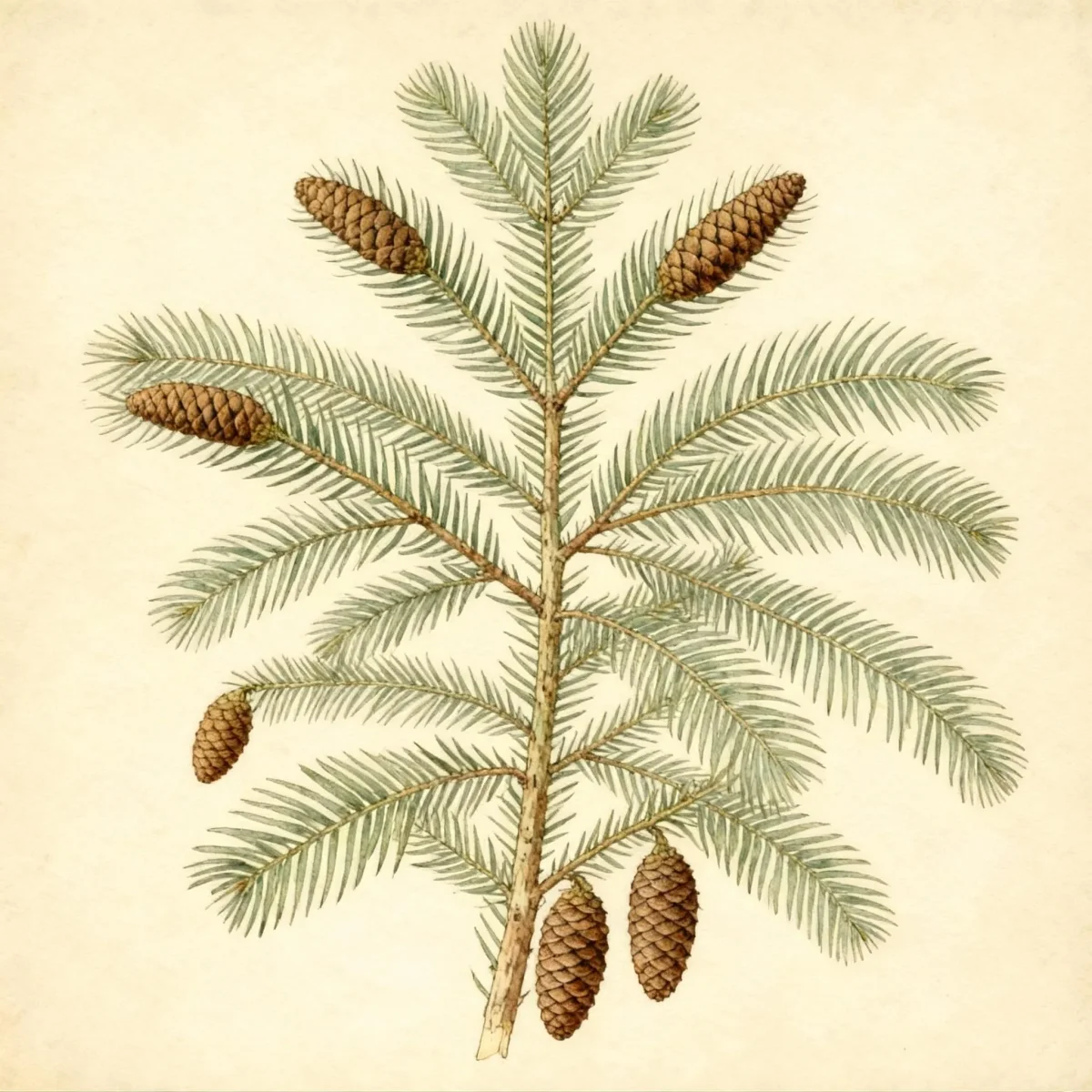
Monkey-puzzle tree (Araucaria araucana)
Araucaria araucana, the Monkey-puzzle tree, is a striking evergreen conifer noted for its unique ancient shape and stiff, sharp foliage.
Scroll down to discover growing tips, care requirements, companion plants, and more
Complete Plant Information
Overview
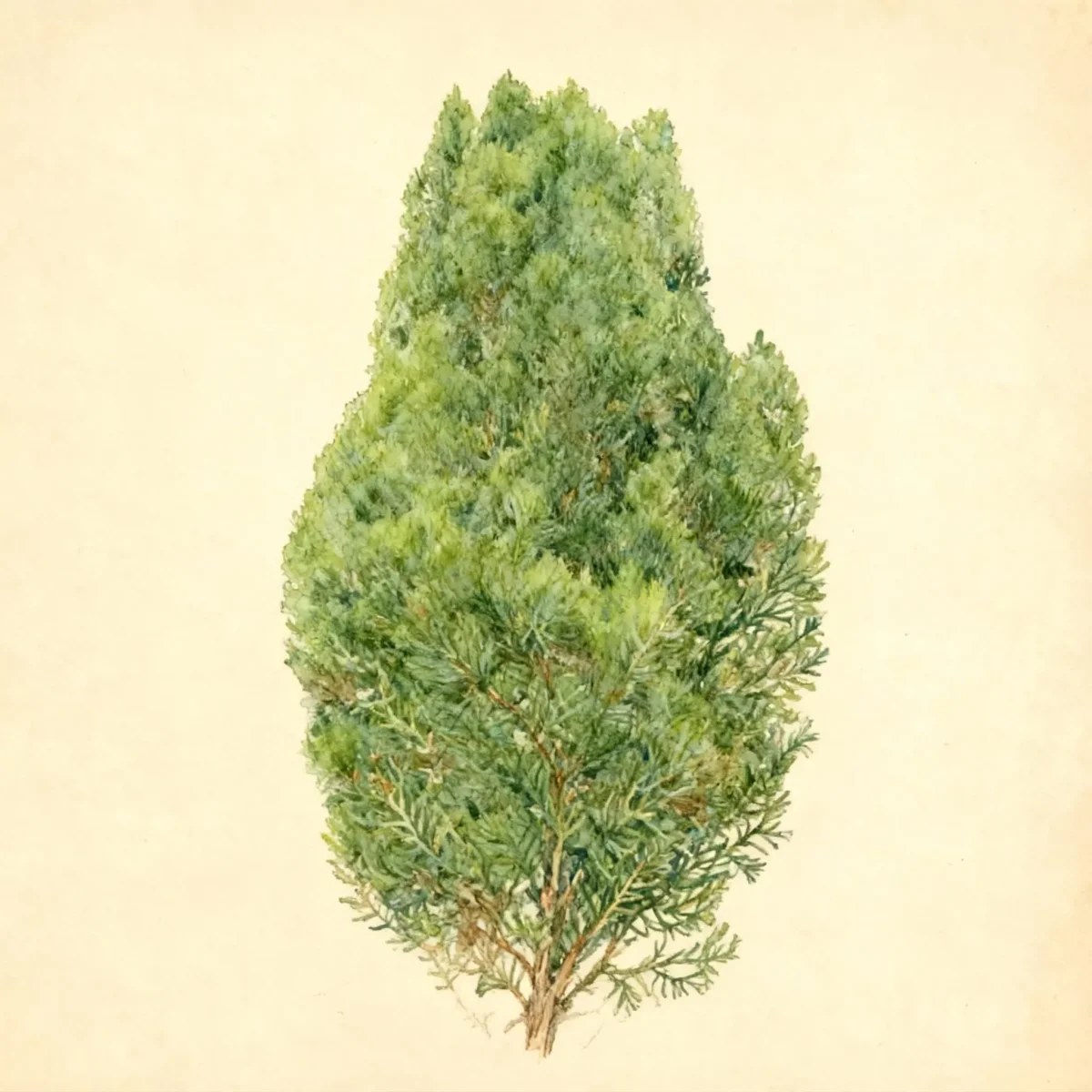
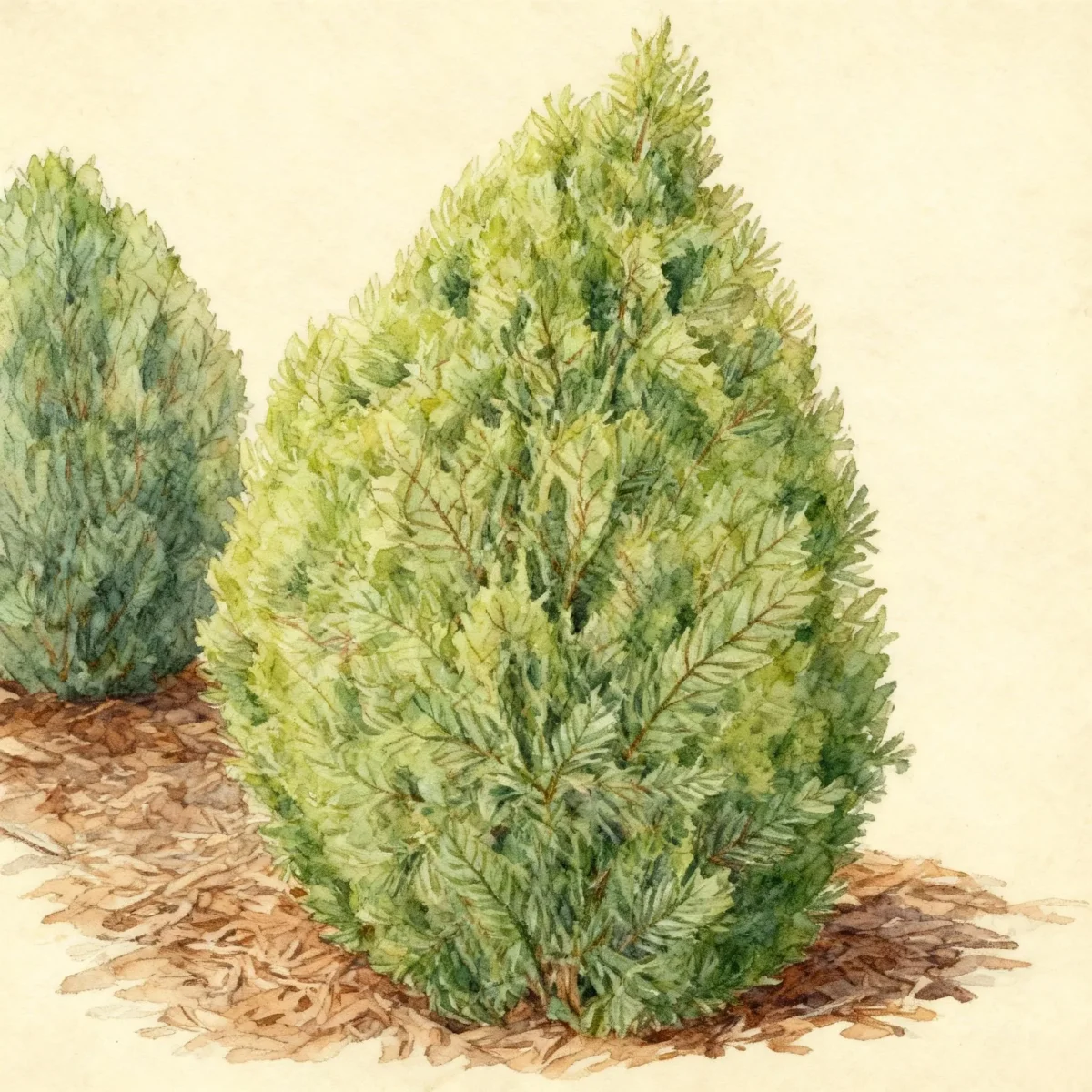
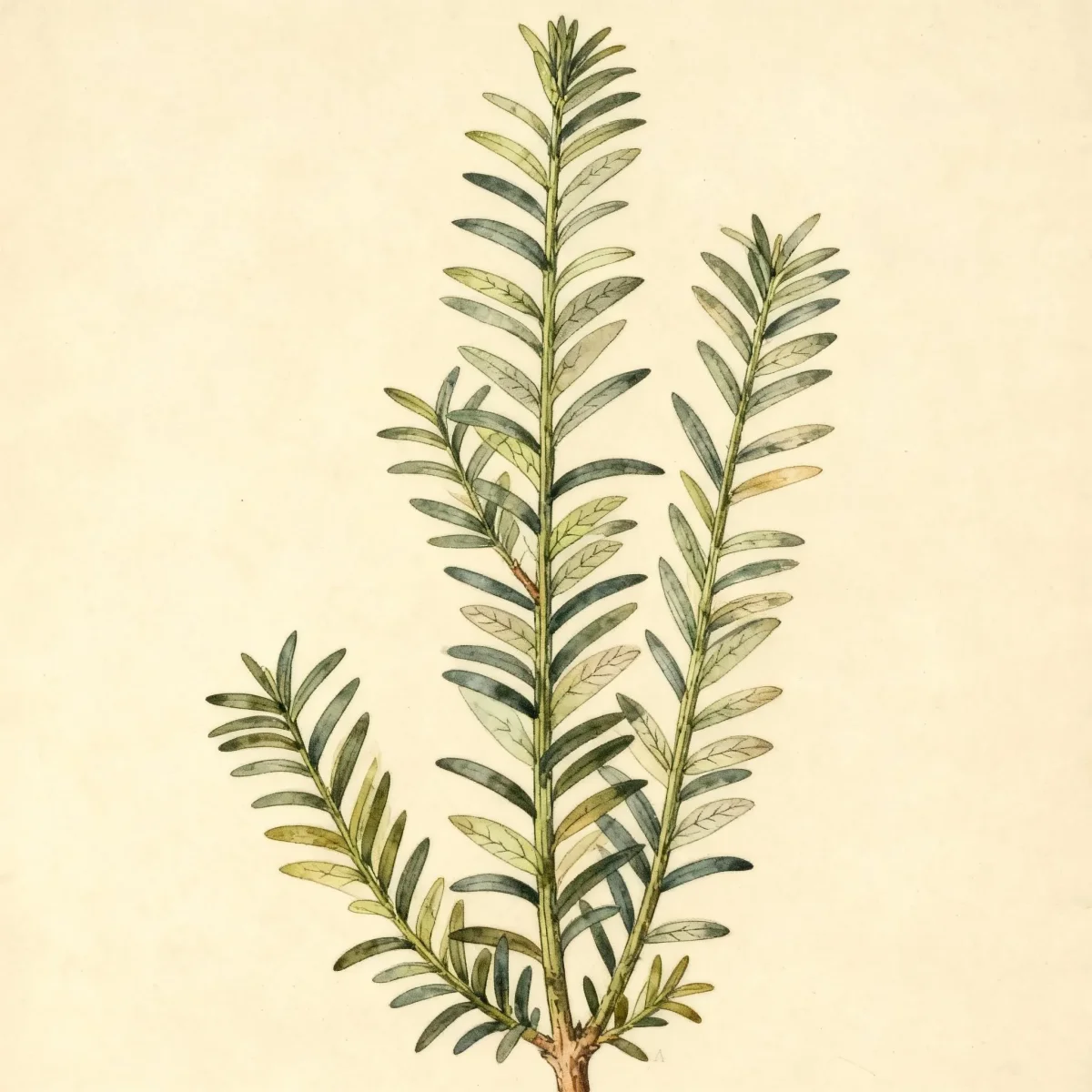
The Monkey-puzzle tree (Araucaria araucana) is one of the most visually arresting conifers available to gardeners in suitable climates. Native to the volcanic slopes of Chile and Argentina, this ancient species stands as the national tree of Chile and offers a prehistoric, architectural presence unmatched by common evergreens. Its dense, leathery, triangular leaves are radially arranged and tipped with sharp points, making clear why it earned the evocative name Monkey-puzzle tree.
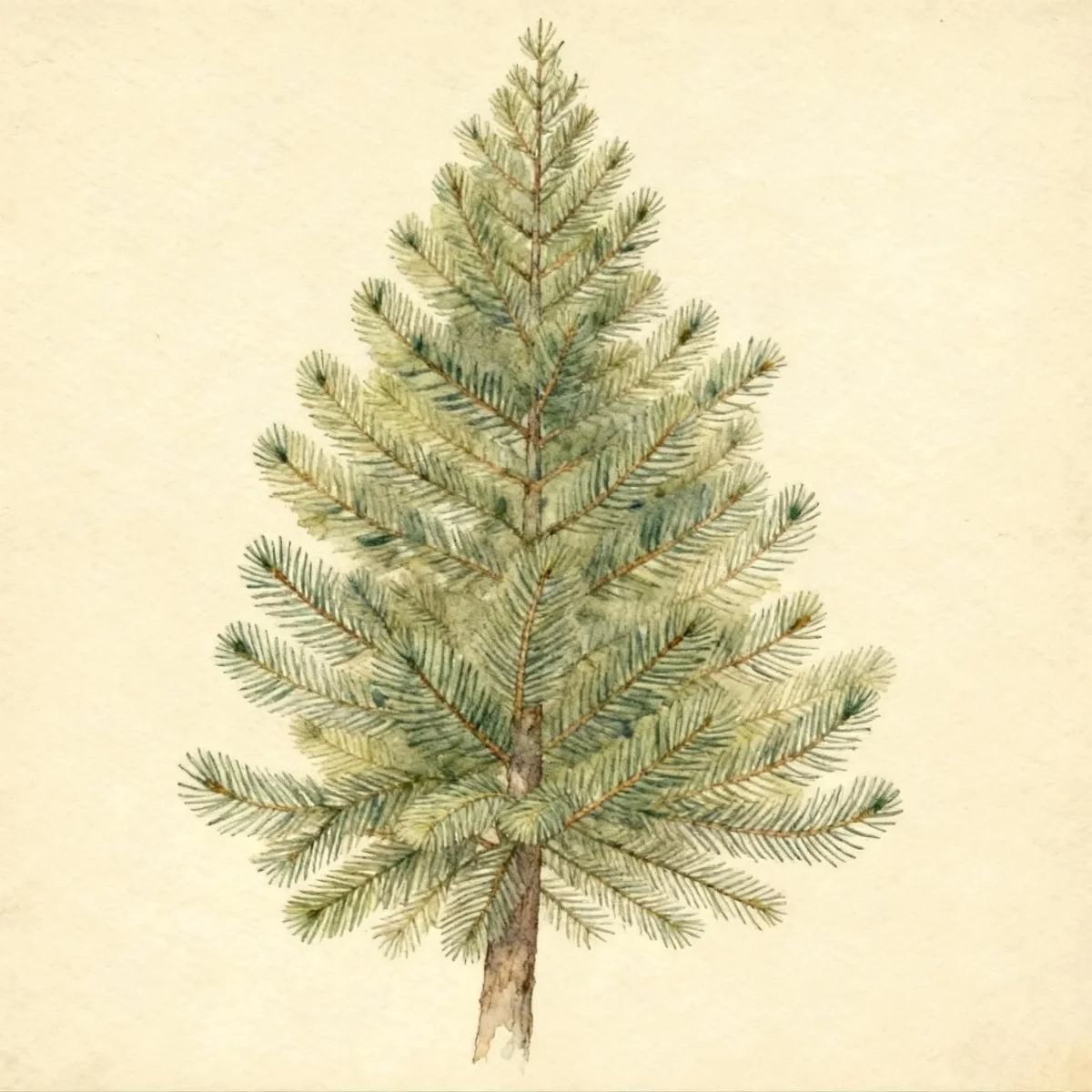
While specimens in cultivation generally reach 50 to 80 feet tall, Araucaria araucana offers impressive structural interest throughout its life, transitioning from a loose pyramid when young to a distinct, umbrella-like crown as it matures through the decades. Its unique silhouette and slow growth rate make it a truly noteworthy ornamental landscape specimen, though it requires commitment due to its long life span and eventual size.
For gardeners able to meet its moderate care requirements regarding soil drainage and summer heat tolerance, introducing the Monkey-puzzle tree provides a permanent, bold focal point. Proper siting is key to ensuring this magnificent conifer thrives outside of its native South American environment.
Fast Facts
- Plant Family: Araucariaceae
- Plant Type: Needled evergreen
- Native Range: Chile, Argentina
- Hardiness Zones: USDA Zones 7-10
- Size at Maturity:
- Height: 50-80 ft
- Spread: 20-30 ft
- Bloom Time: Non-flowering
- Bloom Description: Non-flowering
- Sun Exposure: Full sun to part shade
- Water Needs: Medium
- Maintenance Level: Medium
How to Grow
Planting the Araucaria araucana is best done in the spring or fall, allowing the roots time to establish before facing extreme seasonal weather. The most critical aspect of siting the Monkey-puzzle tree is ensuring exceptional drainage. It thrives in deep, moderately fertile soils that remain evenly moist but never waterlogged. While it tolerates various soils, performance is markedly better in Mediterranean-type climates characterized by mild summers.
Ongoing care involves maintaining consistent moisture, particularly during dry spells, adhering to its medium water requirements. Fertilizing is rarely necessary if the soil is moderately fertile. Pruning should be avoided as the tree develops its unique structure naturally; lower branches will self-clean as the tree ages.
Seasonal consideration is important, especially in cooler parts of its range (Zone 7). Trees perform better in climates with mild summers; those facing hot summers might show stress. If necessary, container-grown specimens must be protected indoors during winter, placed in bright indirect sun where temperatures are cool, and the foliage should be misted regularly to mimic humid conditions.
Landscape Uses
The inherent drama of the Monkey-puzzle tree makes it a premier choice as an interesting and unusual ornamental landscape specimen. It commands attention, functioning perfectly as a solitary focal point or specimen planting where its unique branching structure can be fully appreciated without competition. Its distinct profile works well in modern, sculptural landscape designs or as a bold contrast against softer, mounding companion plants.
While often too large for standard indoor settings, its close relative, the Norfolk Island Pine (Araucaria heterophylla), is typically preferred as a houseplant. When placed outdoors, ensure adequate clearance; the spread of 20 to 30 feet means this tree needs significant space to mature into its iconic umbrella shape. Avoid planting near walkways due to the sharp leaf tips.
Standout Features
Noteworthy Characteristics
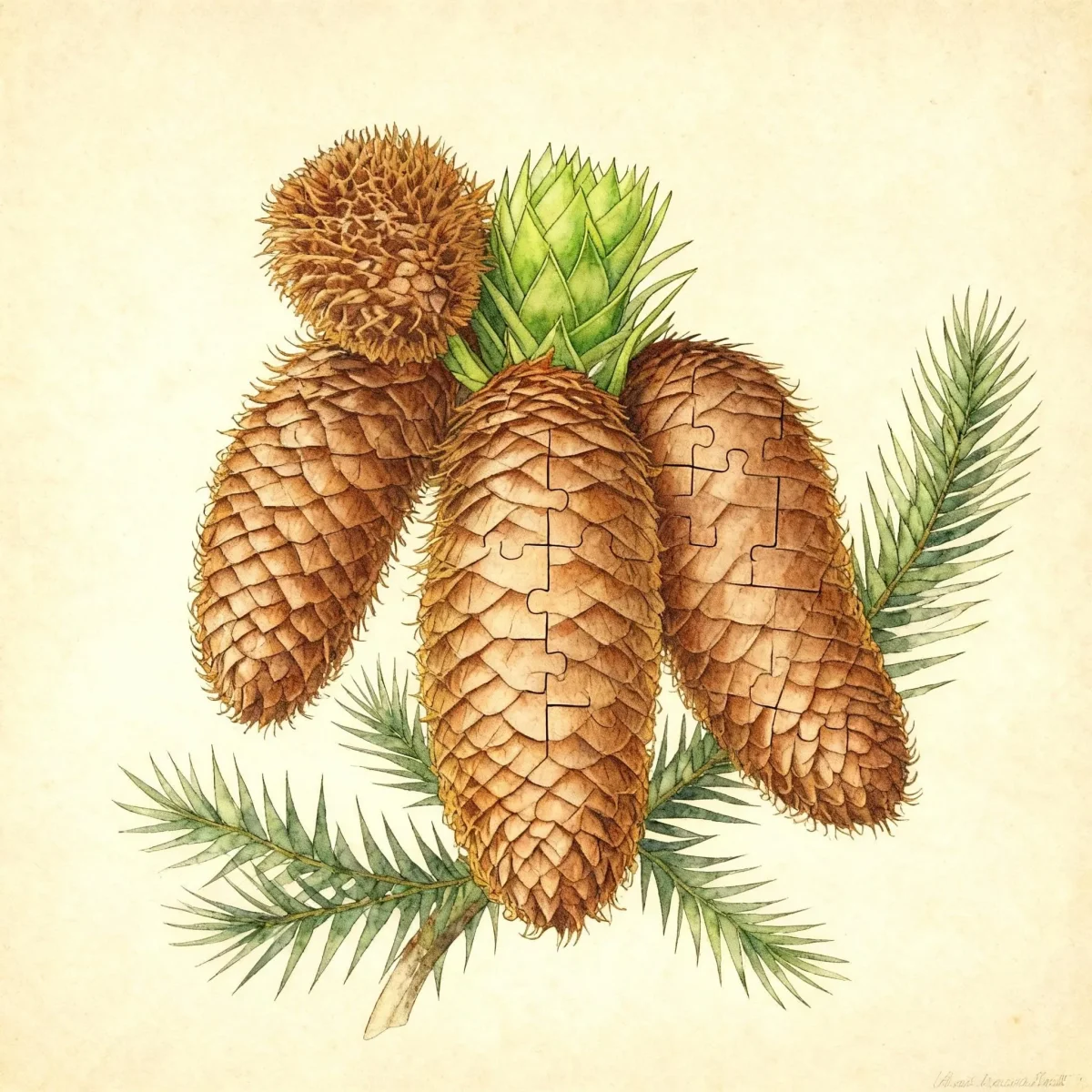
Araucaria araucana, commonly called monkey puzzle tree or Chilian pine, is a resilient evergreen conifer native to high-elevation volcanic slopes in the Andes. It holds the distinction of being the national tree of Chile and reportedly possesses the best winter hardiness of any tree originating south of the equator. The tree is famous for its unique, rigid form, featuring horizontally spreading branches that develop an umbrella-like crown, complemented by dense, leathery, triangular leaves that persist for over a decade. Trees are dioecious, with large female cones taking several years to mature and release edible, nut-like seeds known as pinones.
Tolerances
- Needle necrosis and canker
- Mealybugs
- Scale
- Thrips
- Spider mites
Potential Problems
The Araucaria araucana is generally robust, facing no serious widespread insect or disease problems. However, gardeners should remain vigilant regarding specific issues that can occasionally arise. The most common physiological issues reported include needle necrosis and canker, which stress the tree’s appearance.
Pest management may require attention toward smaller nuisances such as mealybugs, scale insects, and spider mites, especially if the Monkey-puzzle tree is stressed by improper watering or heat. Maintaining optimal conditions—especially ensuring deep, consistent moisture and avoiding intense summer heat stress—is the best preventative measure against these issues.
Frequently Asked Questions
What hardiness zones is Monkey-puzzle tree suitable for?
The Araucaria araucana is suitable for USDA Hardiness Zones 7 through 10.
How large does Monkey-puzzle tree grow?
This species typically reaches a mature height between 50 and 80 feet, with a spread ranging from 20 to 30 feet wide.
What sun exposure does Araucaria araucana need?
The Monkey-puzzle tree prefers conditions ranging from full sun to partial shade for optimal growth.
When does Araucaria araucana bloom?
This plant is non-flowering; it is a conifer and does not produce traditional flowers on its separate male and female trees.
Conclusion
The Monkey-puzzle tree provides an unparalleled look into ancient horticulture, offering a striking, architectural focal point for the capable gardener. Successfully growing Araucaria araucana depends heavily on providing sharp drainage and adequate space for its slow, majestic development. Before planting, ensure your garden falls within USDA Zones 7-10 and prepare the site with well-drained, moderately fertile soil to give this national treasure the best chance to thrive.
Companion Planting
When selecting plants to accompany the bold lines of the Monkey-puzzle tree, consider species that complement its architectural nature without competing for root space or light directly beneath its canopy. Due to its densely armored foliage, groundcover beneath a mature Araucaria araucana is often sparse. Opt instead for surrounding plantings with textural contrast, such as fine-textured grasses or low, mounding shrubs that enjoy similar soil acidity and moisture levels.
In the cooler edges of Zones 7 and 8, pairing the Monkey-puzzle tree with resilient evergreens like Japanese Holly (Ilex crenata) or certain rhododendrons that appreciate partial shade can work well. Ensure any companion plants are also tolerant of excellent drainage, as this conifer absolutely cannot tolerate wet feet, especially in winter.
Seasonal Care Calendar
Spring brings renewed growth and the ideal time to check the health of your Araucaria araucana canopy following winter conditions. Inspect for any signs of needle discoloration or lingering frost damage, although if correctly sited, hardiness issues should be minimal. This is the best time to apply a slow-release fertilizer if soil fertility is in question.
Summer requires diligence concerning water, especially in areas prone to hot, dry spells. While established trees are drought-tolerant once fully mature, younger Monkey-puzzle trees need consistent medium watering to maintain that evenly moist soil profile mentioned in its culture requirements. Avoid overhead sprinkling late in the evening, as this can encourage fungal issues on the dense foliage.
As temperatures drop in the fall, reduce watering frequency. If you are in a marginal Zone 7 location, ensure the soil is not excessively wet going into freezing soil temperatures. For containerized trees brought indoors, move them to a cool, bright location and focus on regular misting to prevent leaf desiccation during dry indoor air exposure.