Norfolk Island pine (Araucaria heterophylla)
The symmetrical Norfolk Island pine (Araucaria heterophylla) is a stunning, slow-growing needled evergreen perfect for subtropical landscapes or indoor container culture.
Scroll down to discover growing tips, care requirements, companion plants, and more
Complete Plant Information
Overview
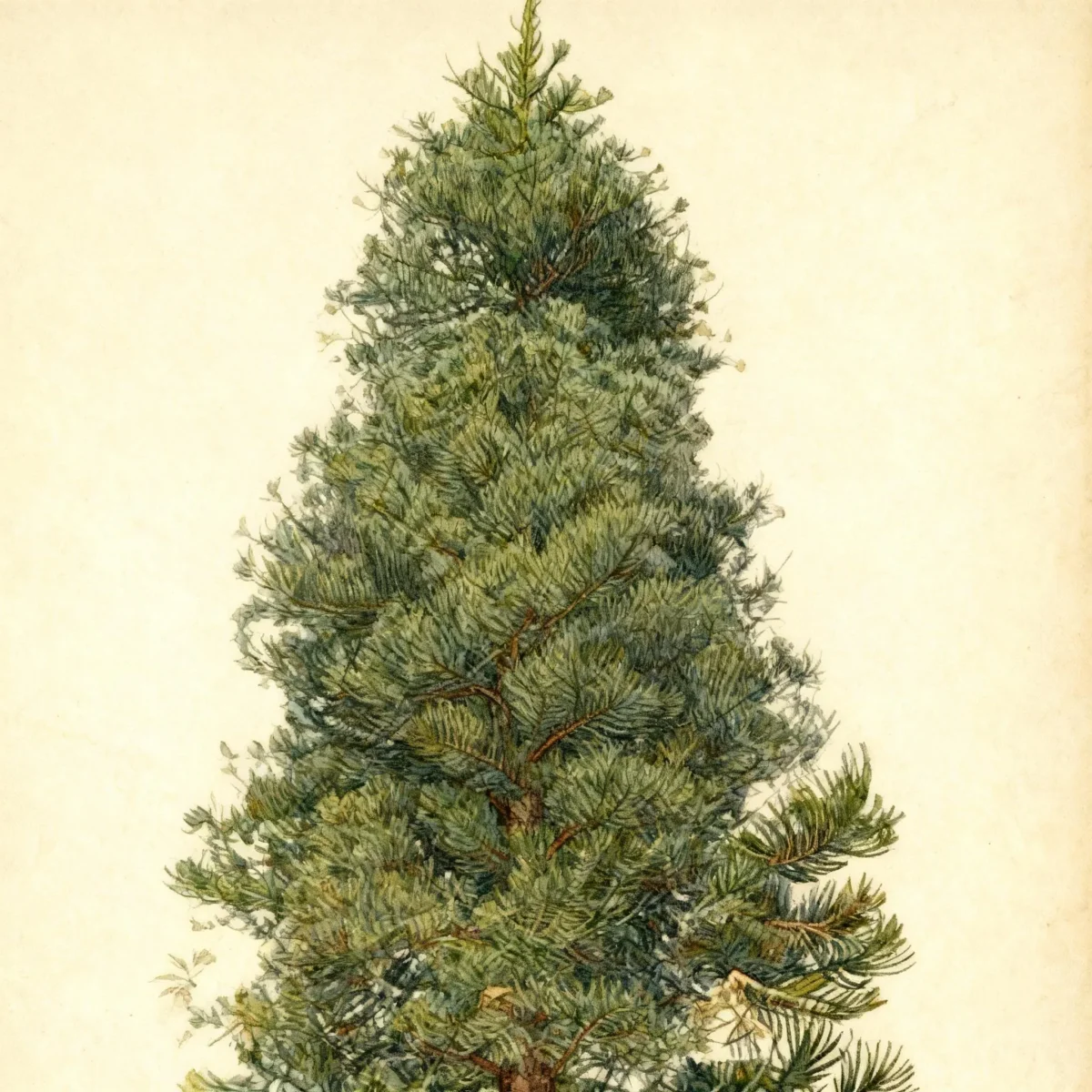
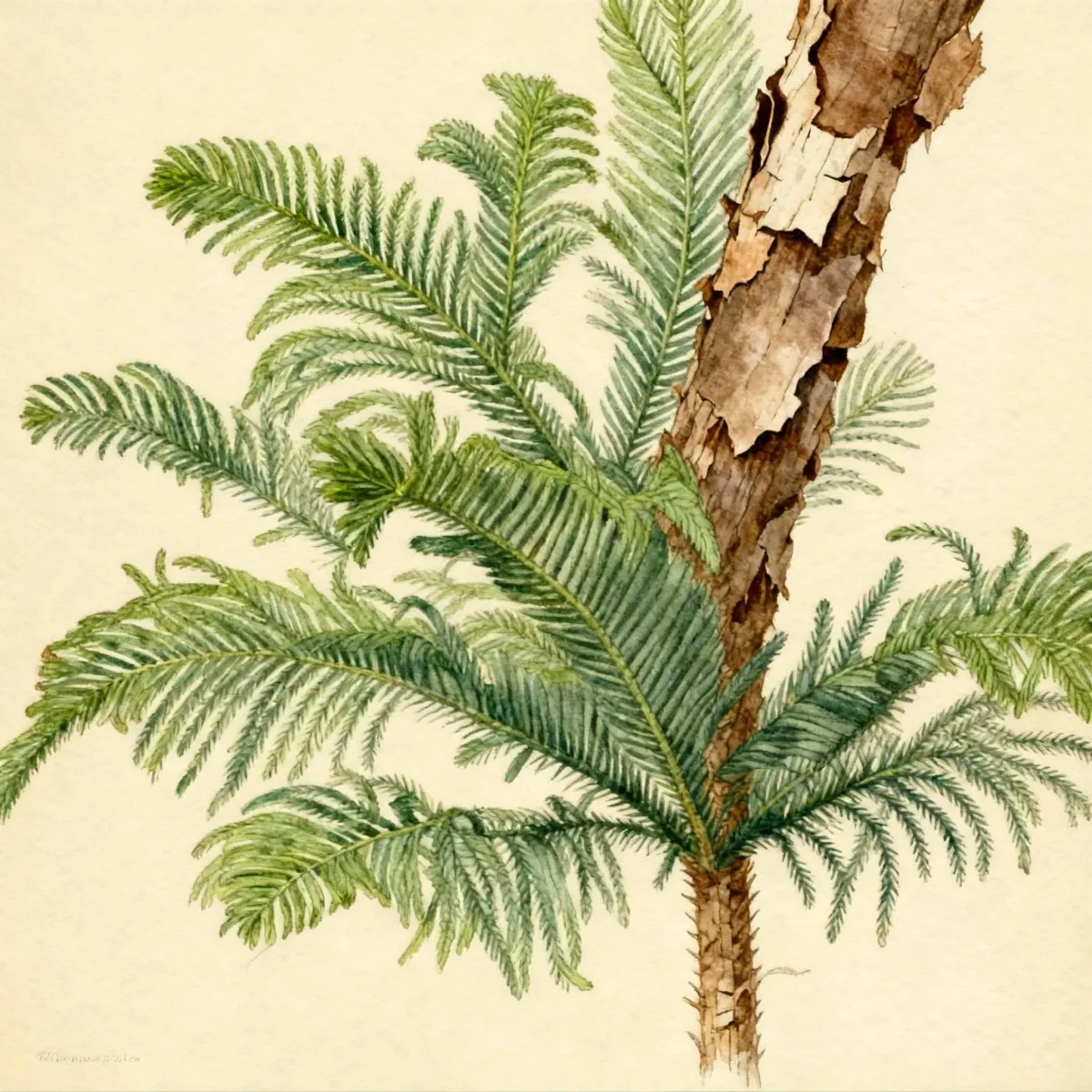
The Norfolk Island pine, scientifically known as Araucaria heterophylla, is immediately recognizable by its perfectly symmetrical, tiered structure, making it a stately addition to subtropical gardens or a highly desirable indoor specimen. This coniferous evergreen features whorled, horizontal branches that radiate outward from a single, upright trunk, offering a striking architectural element. While reaching majestic heights outdoors in its native range and suitable subtropical climates, this slow-growing tree is widely appreciated across North America as a decorative houseplant.
Native to the basalt sea cliffs and interior rainforests of Norfolk Island, the Araucaria heterophylla has adapted to coastal conditions, demonstrating a remarkable tolerance for wind. Its aesthetic appeal, characterized by soft, needle-like juvenile foliage and later scale-like adult leaves, ensures that it remains popular for creating a tropical accent appearance even in cooler regions when grown in containers. Gardeners should note its cultural preference for consistent moisture and porous soil when cultivating this impressive species.
Fast Facts
- Plant Family: Araucariaceae
- Plant Type: Needled evergreen
- Native Range: Norfolk Island
- Hardiness Zones: USDA Zones 10-11
- Size at Maturity:
- Height: 100-200 ft
- Spread: 20-25 ft
- Bloom Time: Non-flowering
- Sun Exposure: Part shade
- Water Needs: Medium
- Maintenance Level: Low
How to Grow
For optimal outdoor growth, secure a location receiving full sun, although light afternoon shade protects the foliage from scorching or developing yellow tints. The Araucaria heterophylla thrives in deep, porous, reasonably moist, and moderately fertile soils. While it appreciates consistent moisture, it shows tolerance for some dry soil conditions and excels in windy environments, making it suitable for exposed coastal areas outside of true tropical zones. In regions like Zone 9, protection in a warm microclimate is essential for survival.
When grown indoors as a container plant, select fertile, porous, sandy, peaty, slightly acidic, and very well-drained soil. Maintain cooler conditions for container specimens, ideally between 55-65°F. Full sun encourages the best compact, symmetrical growth indoors as well, but monitor closely for potential sun bleaching. As the Norfolk Island pine adapts well to typical home and office humidity, focus instead on consistent root health.
Watering requires diligence: aim for medium moisture levels, ensuring the soil never becomes waterlogged or excessively dry, which stresses the roots. From spring through fall, supplement feeding with dilute liquid fertilizer applied weekly or biweekly. Pruning is generally minimal, focusing only on removing damaged or crossing lower branches to maintain the classic pyramidal shape of the Araucaria heterophylla.
Landscape Uses
The towering presence of the mature Norfolk Island pine makes it a superb focal point or lawn specimen in subtropical landscapes where winter temperatures remain mild. Its dramatic, layered silhouette contrasts beautifully against more amorphous tropical plantings, functioning effectively as a stately tropical accent tree near homes or large water features. In areas with freezing risk, the tree shines as an excellent houseplant; growing Araucaria heterophylla in large containers or tubs allows it to provide architectural structure on patios or in sunrooms during favorable months, often moving indoors during winter.
When selecting companion plants for outdoor settings in Zones 10-11, pair the pine with broadleaf evergreens or plants that enjoy similar well-drained, moderately fertile conditions, such as certain palms or mature flowering shrubs. For container culture, focus on the aesthetics of the lower branches; using dwarf or trailing plants around the base of the tub can soften the transition to the ground plane without competing for the root space of the magnificent Norfolk Island pine.
Standout Features
Noteworthy Characteristics
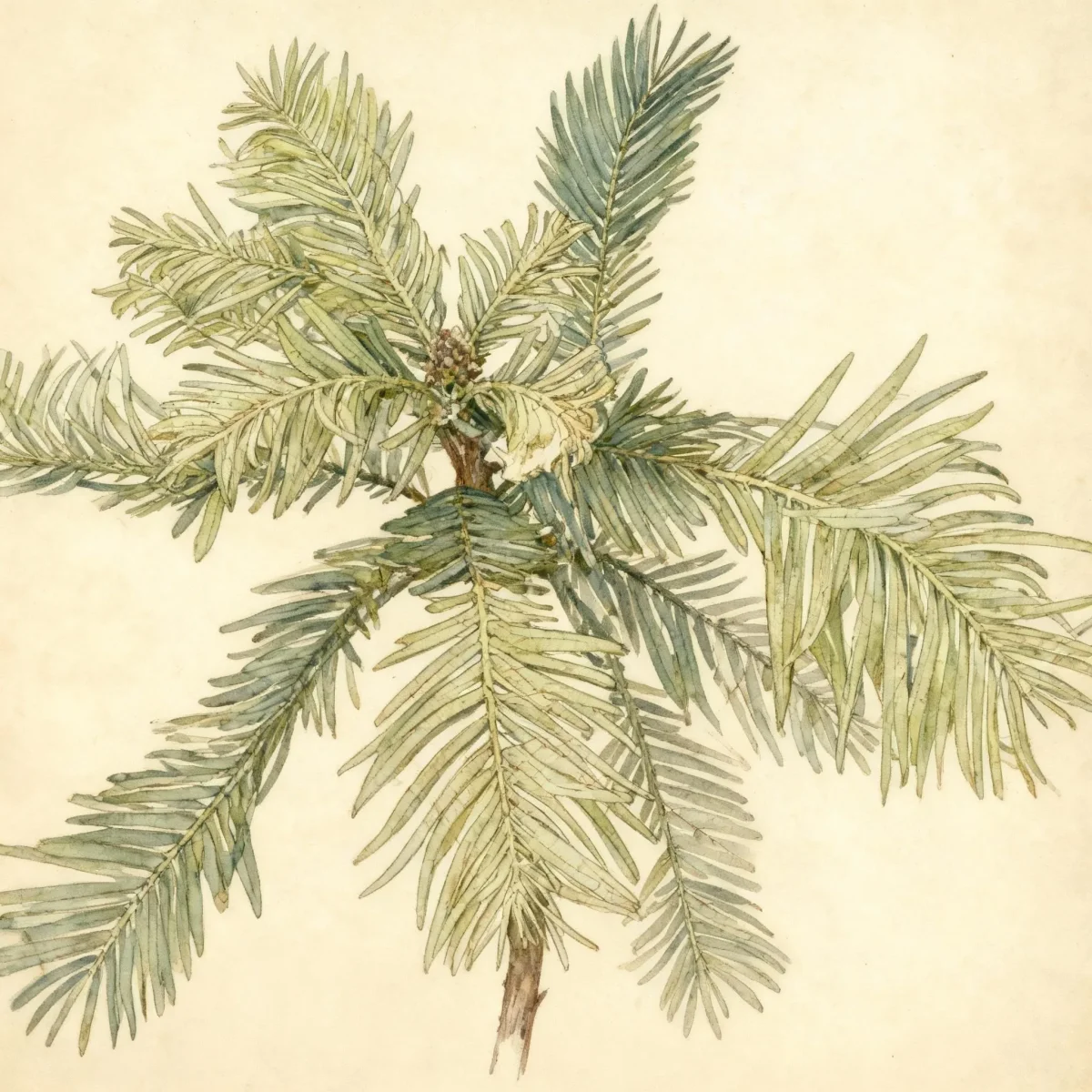
Norfolk Island pine is a pyramidal to columnar, coniferous, evergreen tree with a symmetrical form that features whorled, horizontal branches, typically arranged in tiers radiating outward from a strong, single, upright trunk. Native to oceanic cliffs, this species can reach immense proportions outdoors, showcasing needle-like juvenile leaves that mature into tight, scale-like foliage along the shoots. It remains immensely popular as a houseplant across North America due to its slow growth and enduring architectural beauty, even though it is not a true pine.
Tolerances
- Tolerant of some dry soil conditions
- Tolerant of windy conditions
Potential Problems
The Araucaria heterophylla is generally robust but warrants monitoring against common container and warm-climate pests. Gardeners should regularly inspect the dense foliage for signs of spider mites or scale insects that can compromise the tree’s health. Additionally, if the root system becomes persistently saturated, there is a risk of developing fungal issues such as mushroom root rot.
Preventative care involves maintaining sharp cultural practices—avoiding overly wet or overly dry soil conditions is key to long-term success. For any established outdoor specimens, if pest pressure is noted, treat infestations promptly using horticultural oil or an appropriate systemic insecticide formulated for conifers.
Frequently Asked Questions
What hardiness zones is Norfolk Island pine suitable for?
The Norfolk Island pine (Araucaria heterophylla) is winter hardy in USDA Zones 10 through 11, though it may persevere in protected spots in Zone 9.
How large does Norfolk Island pine grow?
When planted outdoors in ideal conditions, this tree can achieve dramatic heights of 100 to 200 feet, with a spread generally between 20 to 25 feet. Indoor specimens remain significantly smaller.
What sun exposure does Norfolk Island pine need?
This species prefers part shade, though it benefits from full sun when young or indoors to maintain compact, symmetrical growth, provided afternoon sun scorching is avoided.
When does Norfolk Island pine bloom?
The Araucaria heterophylla is categorized as non-flowering, as it is a conifer that produces cones rather than traditional blossoms.
Conclusion
The iconic, geometrically perfect form of the Norfolk Island pine ensures its continued popularity, whether serving as a majestic outdoor landmark in subtropical areas or providing essential structure as an indoor foliage plant. Understanding its preference for deep, well-drained, moderately moist soil is crucial for maintaining the symmetry of your Araucaria heterophylla. Before planting, verify that your local climate falls within USDA Zones 10 or 11, or commit to providing the necessary container care.
Companion Planting
Selecting appropriate neighbors for your Norfolk Island pine can enhance the visual appeal of your landscape while ensuring cultural harmony. Since Araucaria heterophylla prefers deep, porous, and moderately moist soils, consider pairing it with other subtropical natives or architectural foliage plants that share these needs, such as certain hardy palms or broadleaf evergreens that thrive in the same light conditions. Avoid plants with aggressive shallow root systems that might compete heavily with the pine, particularly if it is young or containerized.
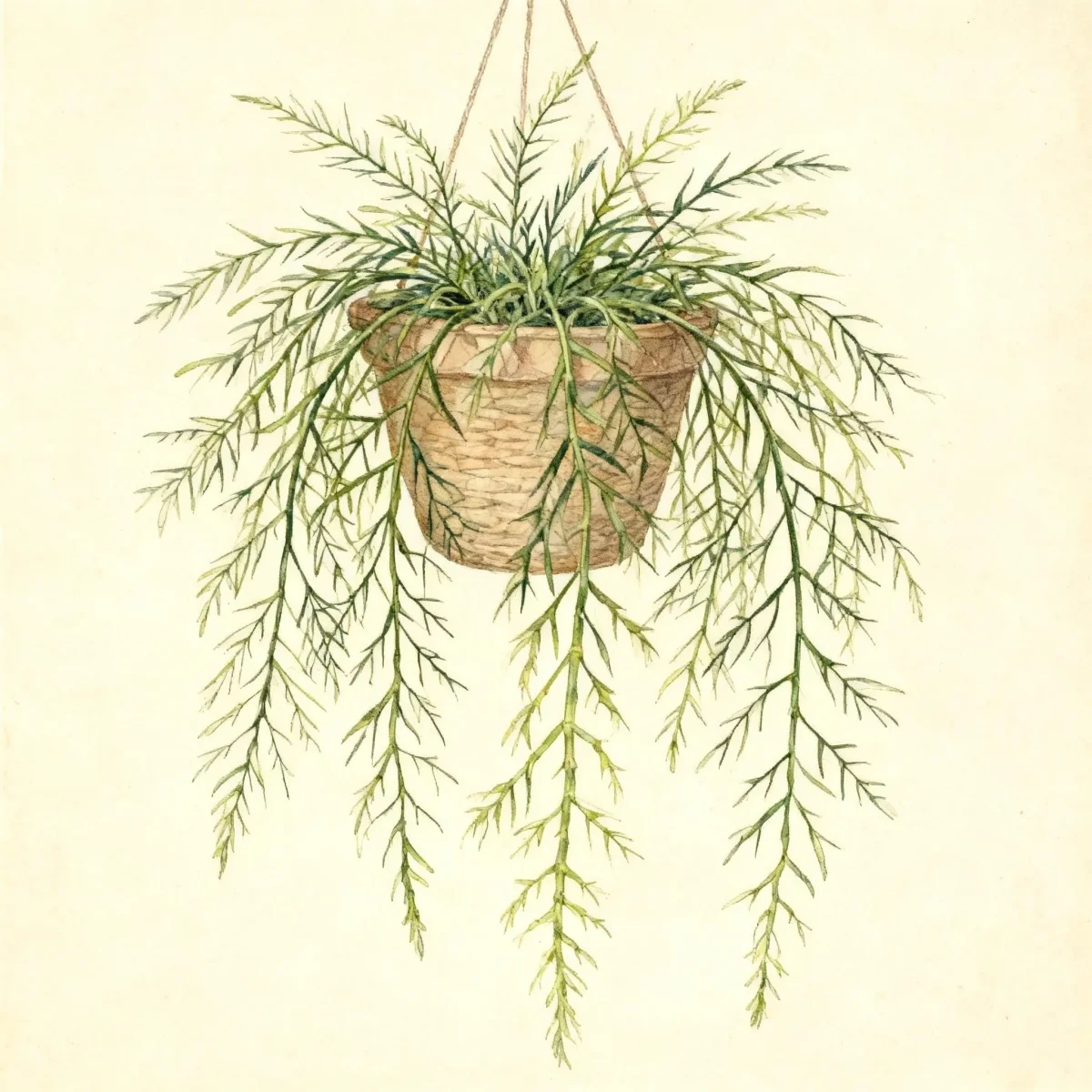
For container arrangements, utilize trailing plants that spill over the edge of the tub housing the Araucaria heterophylla, introducing softer textures that provide a counterpoint to the tree’s rigid, whorled branches. Low-growing ferns or creeping groundcovers suitable for acidic soils can effectively anchor the container visually without overshadowing the lower tiers of the tree.
Seasonal Care Calendar
Container-grown Araucaria heterophylla requires slightly different attention seasonally compared to outdoor specimens. During spring and summer, increase feeding frequency to biweekly or weekly with dilute fertilizer to support active growth; this is also the primary time to ensure consistent medium watering levels. When fall approaches, reduce fertilization gradually and begin preparing the plant for cooler indoor conditions, especially if temperatures drop below 60°F.
Winter care emphasizes balance: maintain a relatively cool environment (55-65°F is ideal for indoor plants) and water only enough to prevent the root ball from drying out completely, as reduced light means reduced water uptake. In early spring, before the onset of vigorous new growth, inspect the foliage for any winter damage and repot if root-bound, ensuring the use of fresh, porous, slightly acidic potting media.