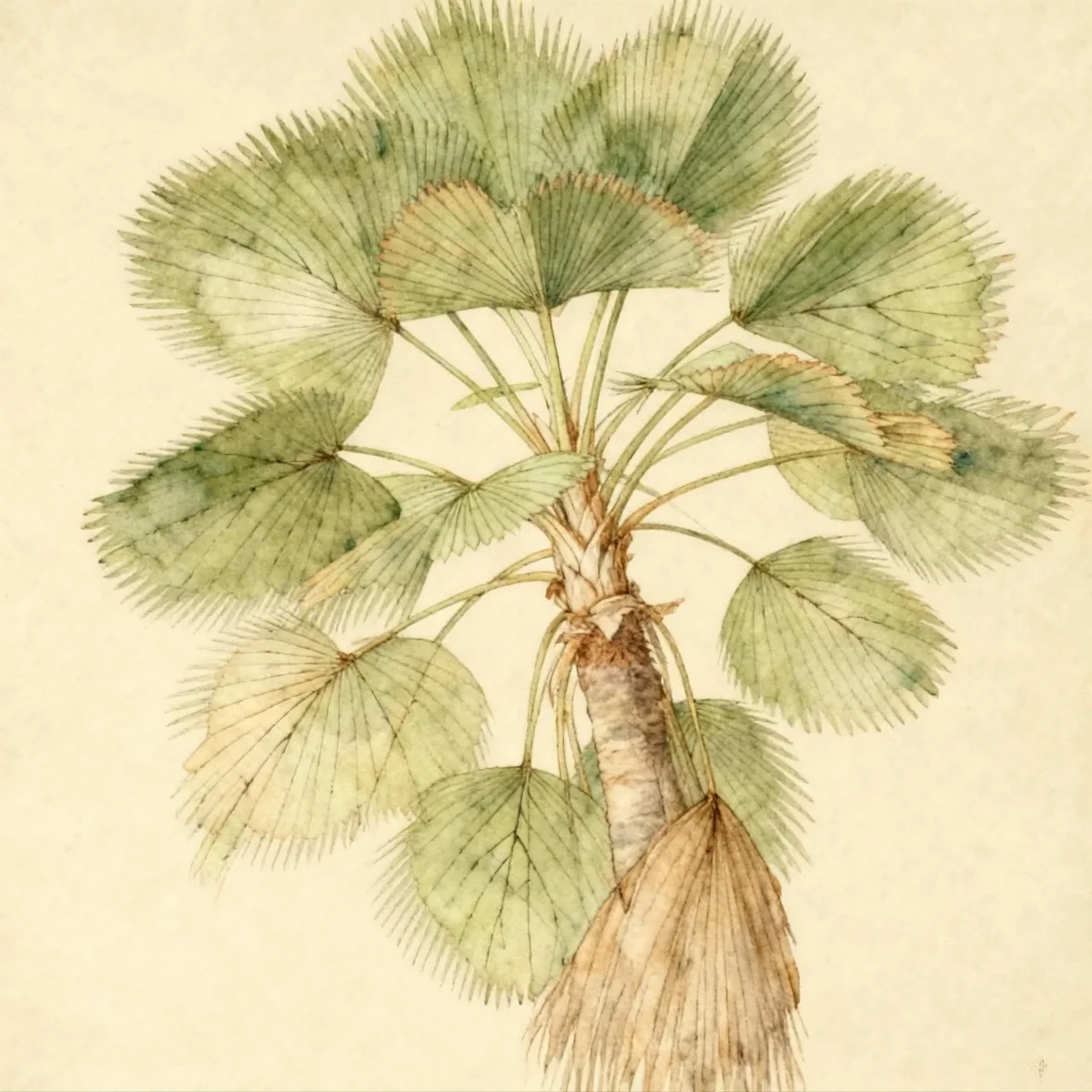
Parlor palm (Chamaedorea elegans)
The Parlor palm (Chamaedorea elegans) is a beloved, low-maintenance houseplant known for dense, tropical foliage in low light.
Scroll down to discover growing tips, care requirements, companion plants, and more
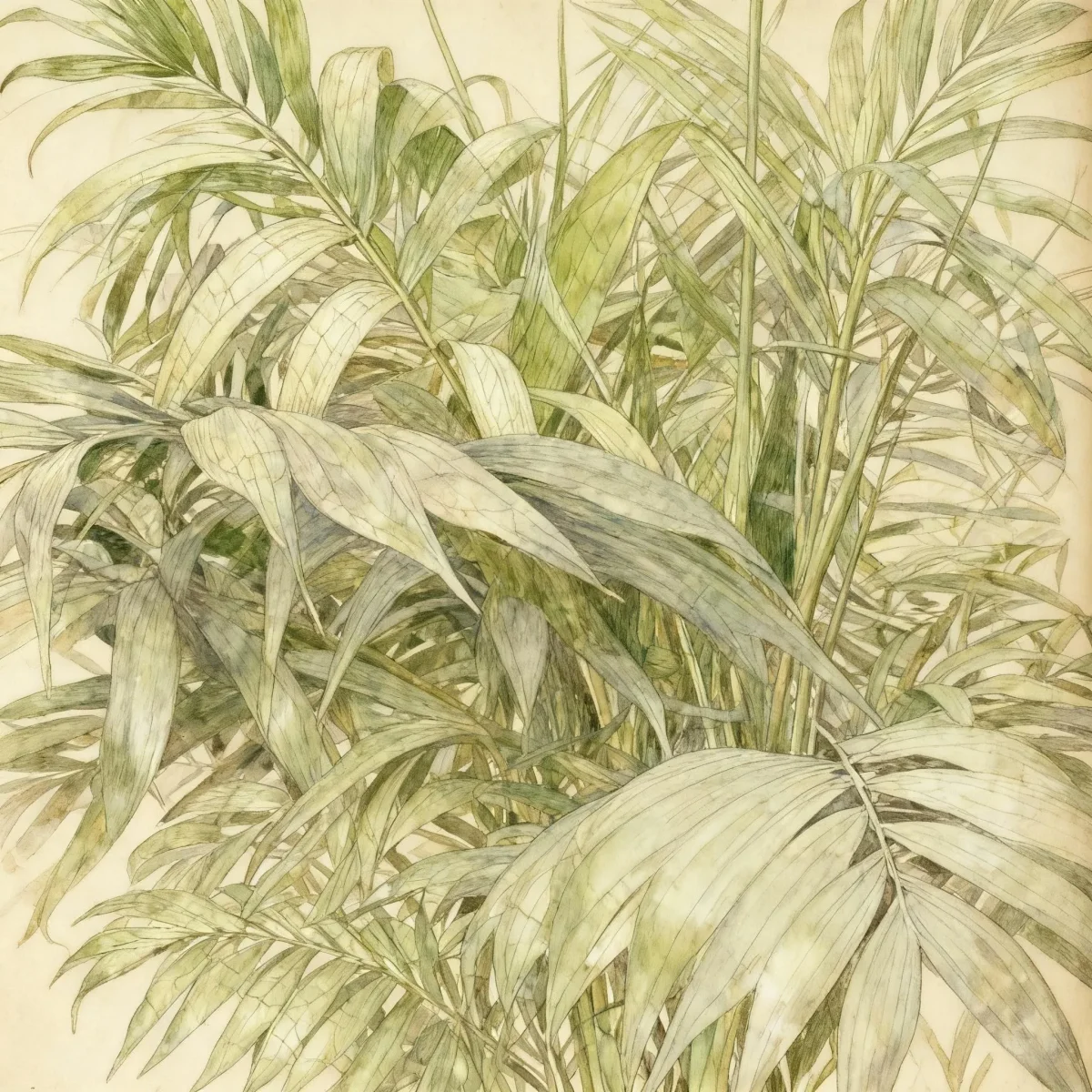
Complete Plant Information
Overview
The Parlor palm, scientifically known as Chamaedorea elegans, is cherished globally for its elegant, architectural form that thrives in shaded environments. Native to the rainforests of Mexico and Central America, this compact palm brings a distinctly tropical flair to both protected landscapes and indoor spaces. Its dense, gracefully arching foliage makes the Chamaedorea elegans an exceptionally popular choice for areas that receive limited natural light.
This species is particularly valued for its low maintenance requirements and adaptability. While winter hardy outdoors in the warmest zones (10-12), it is most famous as a robust houseplant, tolerating the controlled temperatures and dimmer light conditions common in homes and offices. Growing slowly, especially indoors, the Parlor palm offers long-term, stable greenery without demanding constant attention from the gardener.
With its handsome, pinnate leaves, the Chamaedorea elegans provides year-round visual appeal. Though it may produce small, yellow blooms seasonally under ideal conditions, its primary appeal lies in its structural green texture and ability to purify air in low-light settings. Successfully growing this palm ensures an enduring piece of natural elegance in your design.
Fast Facts
- Plant Family: Arecaceae
- Plant Type: Palm or Cycad
- Native Range: Central America, Mexico
- Hardiness Zones: USDA Zones 10-12
- Size at Maturity:
- Height: 2-6 ft
- Spread: 2-3 ft
- Bloom Time: Seasonal bloomer
- Bloom Description: Yellow
- Sun Exposure: Part shade to full shade
- Water Needs: Medium
- Maintenance Level: Low
How to Grow
When planting the Parlor palm outdoors where winters are mild (Zones 10-12), select locations that offer protection from strong winds and provide rich, moist, and well-drained soil. They thrive in filtered sunlight, part shade, or even deeper shade, but absolutely avoid direct, scorching sun exposure, which can damage the fronds. For container culture in cooler climates, use a peaty, soil-based potting mix, ensuring the container has adequate drainage.
Watering is critical for the Chamaedorea elegans; maintain uniformly moist soil throughout the growing season, as its water needs are medium. Fertilize once per month during active growth but significantly reduce water applications and cease fertilization entirely during the winter months to accommodate its slower metabolism. This slow feeding schedule supports healthy development without forcing overly rapid growth indoors.
Pruning should be minimal, restricted only to removing an entire damaged frond or stem right at the base when necessary for aesthetics or plant health. Indoor plants particularly require protection from dry air; misting or placing them near a humidifier can mimic their humid native environment. Remember that bright, filtered light is ideal indoors, though the Parlor palm adapts remarkably well to lower light levels typical of interior settings.
Landscape Uses
The Parlor palm excels wherever a touch of year-round tropical screening or accent is desired in shady areas. Where winter hardy, use this palm as an accent plant nestled beneath larger trees or near shady walkways, providing vertical interest where few other palms can survive. Its relatively compact size, reaching up to 6 feet outdoors, makes it suitable for foundation plantings or small-scale specimen display.
For locations outside of Zones 10-12, the indispensable role of the Chamaedorea elegans is as a sophisticated container plant. It is commonly used in lobbies, offices, and homes because it handles the lower light and stable internal temperatures with ease. Grouping several smaller Parlor palms together can create an instant, lush, low-maintenance indoor jungle effect.
When considering companion plants, select foliage that appreciates similar moist, shady conditions, such as hostas, ferns, or cast iron plants. This versatility allows the Parlor palm to integrate seamlessly into shaded groundcover plantings or serve as a stately, solitary feature in a decorative container by an entryway.
Standout Features
Flower Qualities
- Showy
Fruit Qualities
- Showy
Noteworthy Characteristics
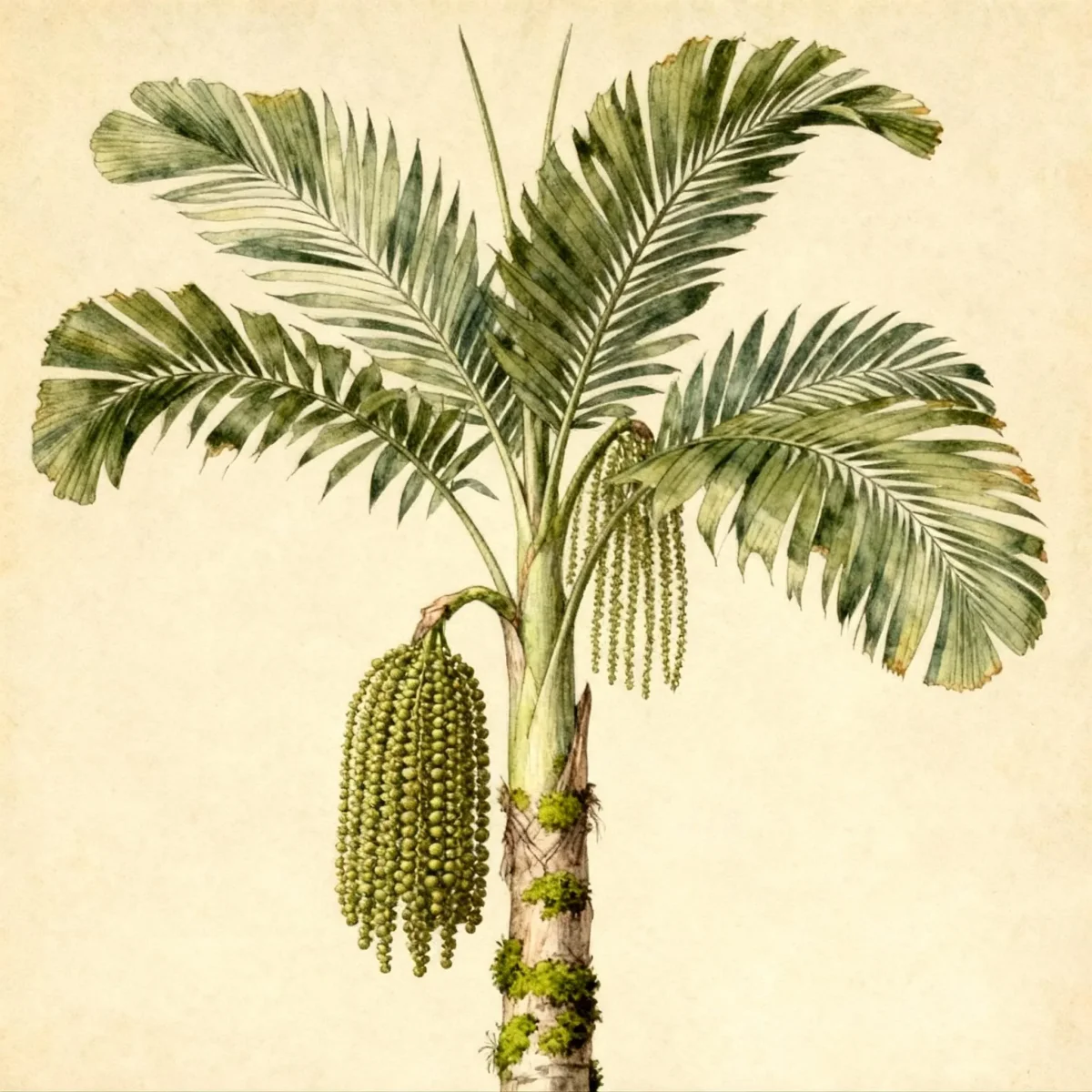
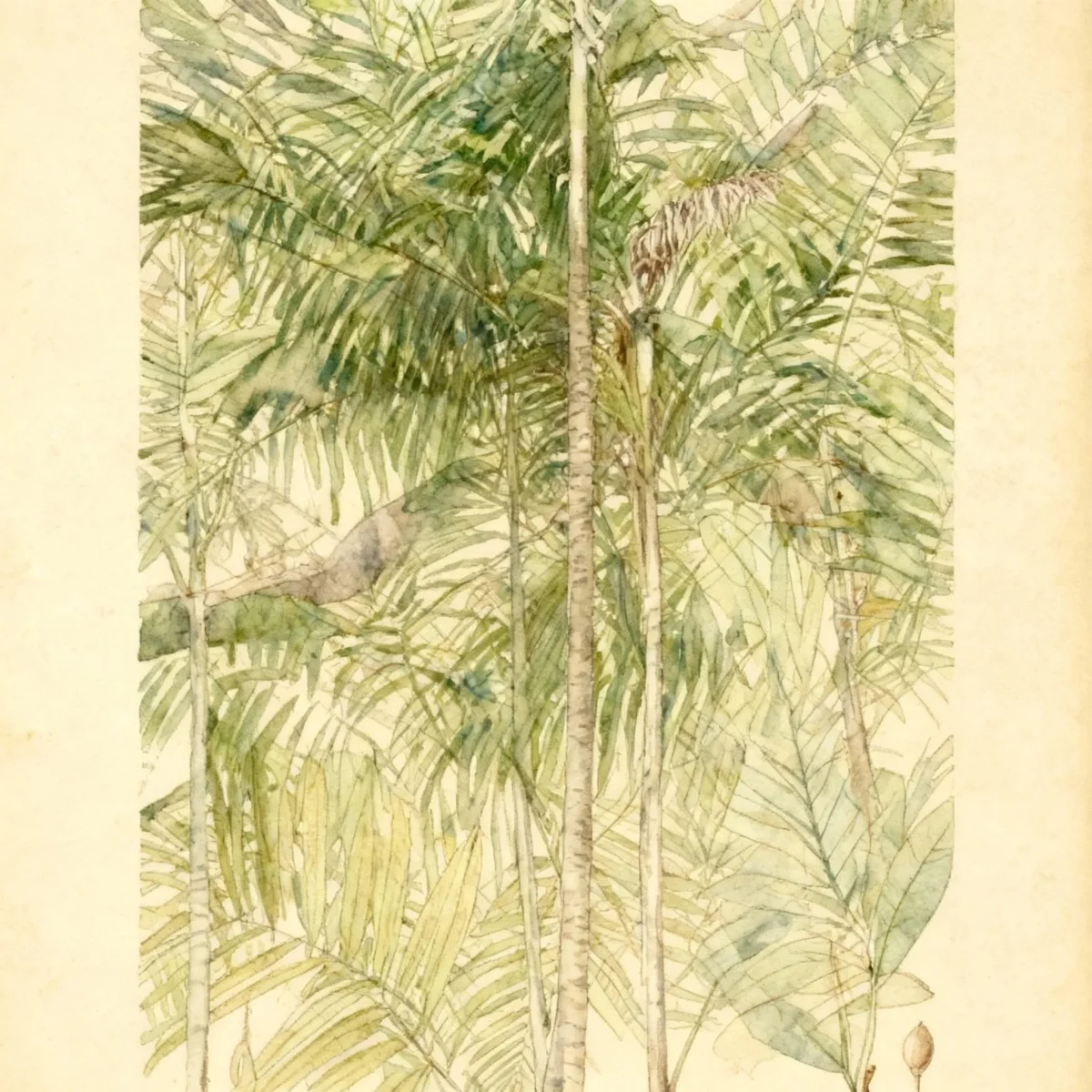
Chamaedorea elegans, commonly called parlor palm or neanthe bella palm, is a small, compact, usually single-trunked palm that is native to rainforests from southeastern Mexico to northern Guatemala. As a houseplant, this palm typically grows to about 4 feet tall and is clearly noted for its dense, attractive foliage and easy maintenance. Handsome, arching pinnate leaves lend a distinctive tropical flair to any shaded location.
Tolerances
- Heavy Shade
Potential Problems
The good news for enthusiasts of the Parlor palm is that it generally experiences no serious insect or disease problems, making maintenance low. However, when grown indoors or under stress, gardeners should remain vigilant for common houseplant pests. Specifically watch for scale insects, nematodes in the soil, and occasionally, spider mites or mealybugs.
Managing pests usually involves routine inspection, especially on the undersides of leaves. If pests are detected, isolating the affected plant is crucial. Small infestations of spider mites or mealybugs can often be controlled by wiping them off with a cloth dampened with rubbing alcohol or treating the foliage with insecticidal soap formulated for indoor use.
Frequently Asked Questions
What hardiness zones is Parlor palm suitable for?
The Parlor palm (Chamaedorea elegans) is winter hardy in USDA Zones 10 through 12, thriving outdoors only in consistently frost-free environments.
How large does Parlor palm grow?
Outdoors in ideal shade, the palm can reach heights between 2 and 6 feet, with a spread of 2 to 3 feet. Indoors, it typically remains shorter, often maturing around 4 feet tall.
What sun exposure does Chamaedorea elegans need?
This palm requires part shade to full shade. It performs best in bright, filtered light indoors or consistent dappled shade outdoors, and direct sun must be avoided to prevent leaf scorching.
When does Parlor palm bloom?
The plant is a seasonal bloomer, and if sufficient light is present—more likely outdoors than indoors—it may produce loose spirals of yellow flowers in the spring.
Conclusion
The Parlor palm (Chamaedorea elegans) remains an unparalleled choice for gardeners seeking year-round, low-effort tropical ambiance, particularly in shaded or indoor settings. Its reputation is well-earned due to its tolerance of low light and minimal upkeep. Before planting, confirm USDA Zone compatibility or plan for its container needs, ensuring you provide the required filtered light and consistently moist soil to enjoy this elegant palm for years.
Companion Planting Considerations
Selecting companions for the Chamaedorea elegans should focus on plants that share its preference for moist, well-drained soil and low light conditions. In shaded garden beds within Zones 10-12, consider using large-leafed shade lovers like Hostas (in appropriate zones) or moisture-loving woodland plants such as Astilbe or various types of Ferns. These pairings create a lush, layered tropical understory effect that complements the palm’s upright structure.
When growing the Parlor palm indoors, pair it with other low-light tolerant houseplants to maintain a cohesive decorative theme. Good choices include the Cast Iron Plant (Aspidistra elatior) or Dracaenas, which can handle similar watering schedules and light intensity. Ensure that containers are grouped to subtly increase local humidity, benefiting all the tropical foliage plants residing together.
Seasonal Care Calendar
For homeowners in the warm Zones 10-12, care is generally light. During the active spring and summer growing seasons, maintain a medium watering schedule, ensuring soils remain consistently moist, and provide monthly fertilization to fuel growth. As the season transitions toward cooler weather, begin reducing water intake significantly; this dormancy period requires less moisture and absolutely no fertilizer application.
For those growing Chamaedorea elegans as a houseplant year-round, the cycle is similar but focused on environmental control. During winter months when indoor heating can dry the air, focus on increasing humidity around the plant rather than increasing water volume at the roots. If the palm is moved outdoors for the summer, ensure it is slowly acclimated to brighter conditions and protected from harsh afternoon sun before placing it in its semi-shady summer location.