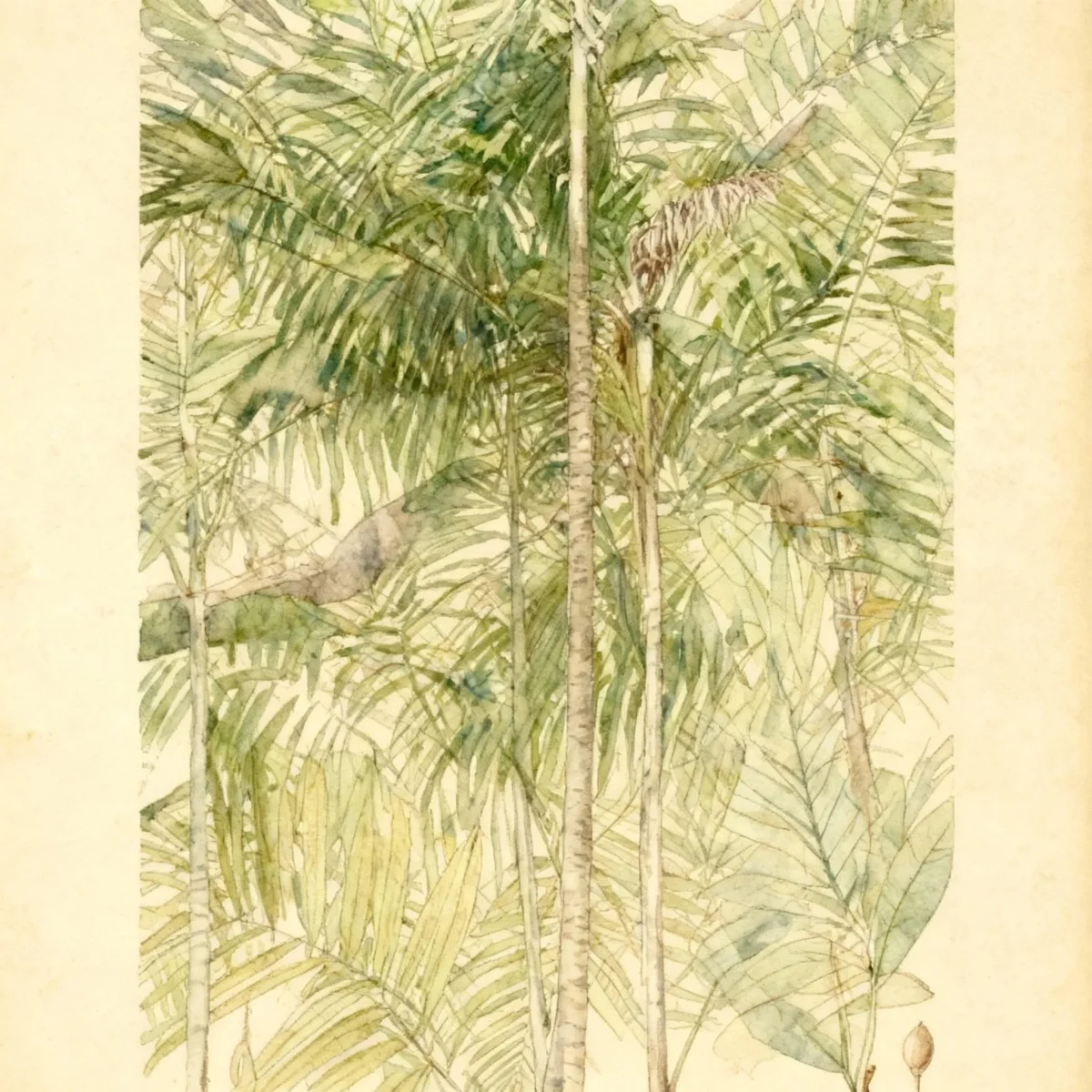
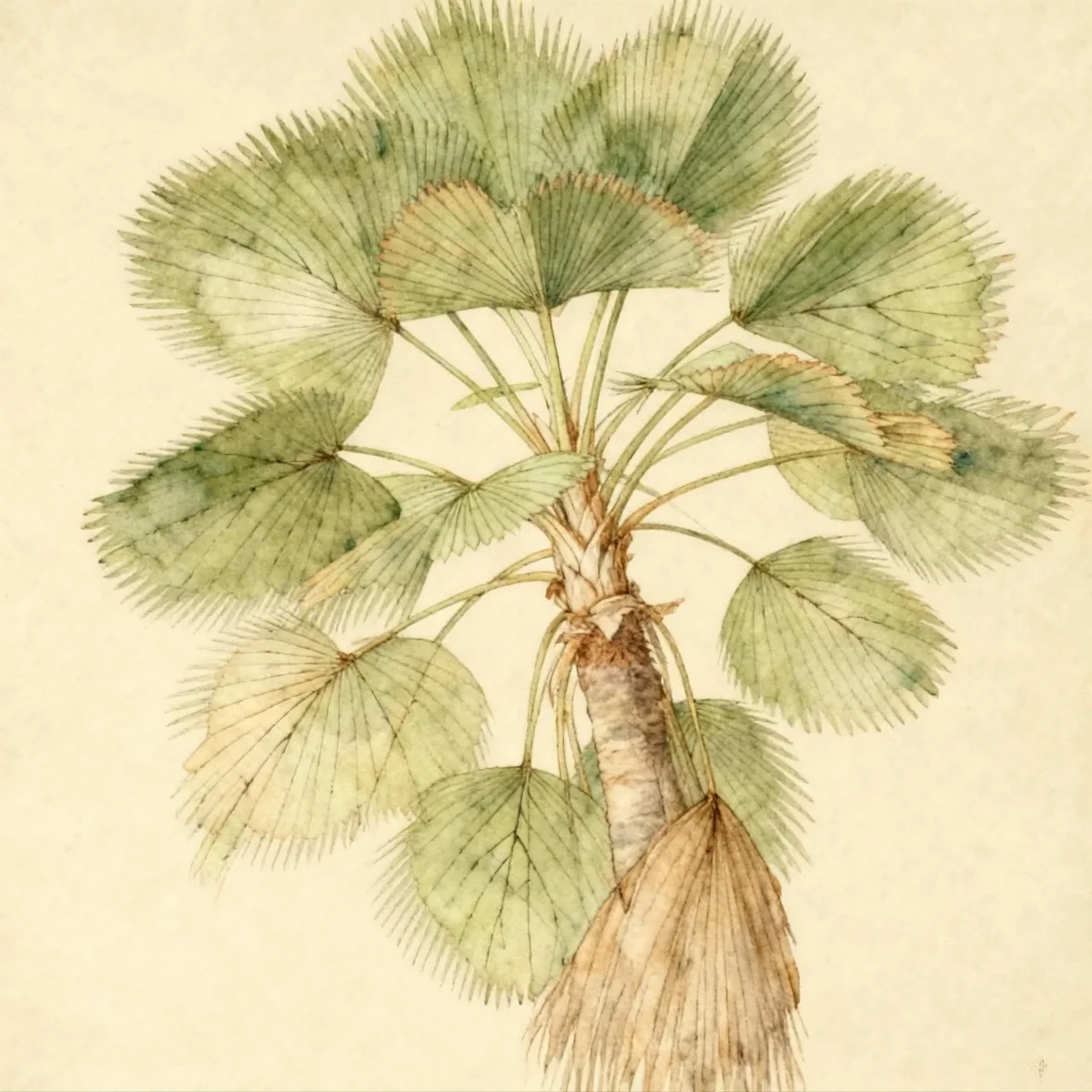
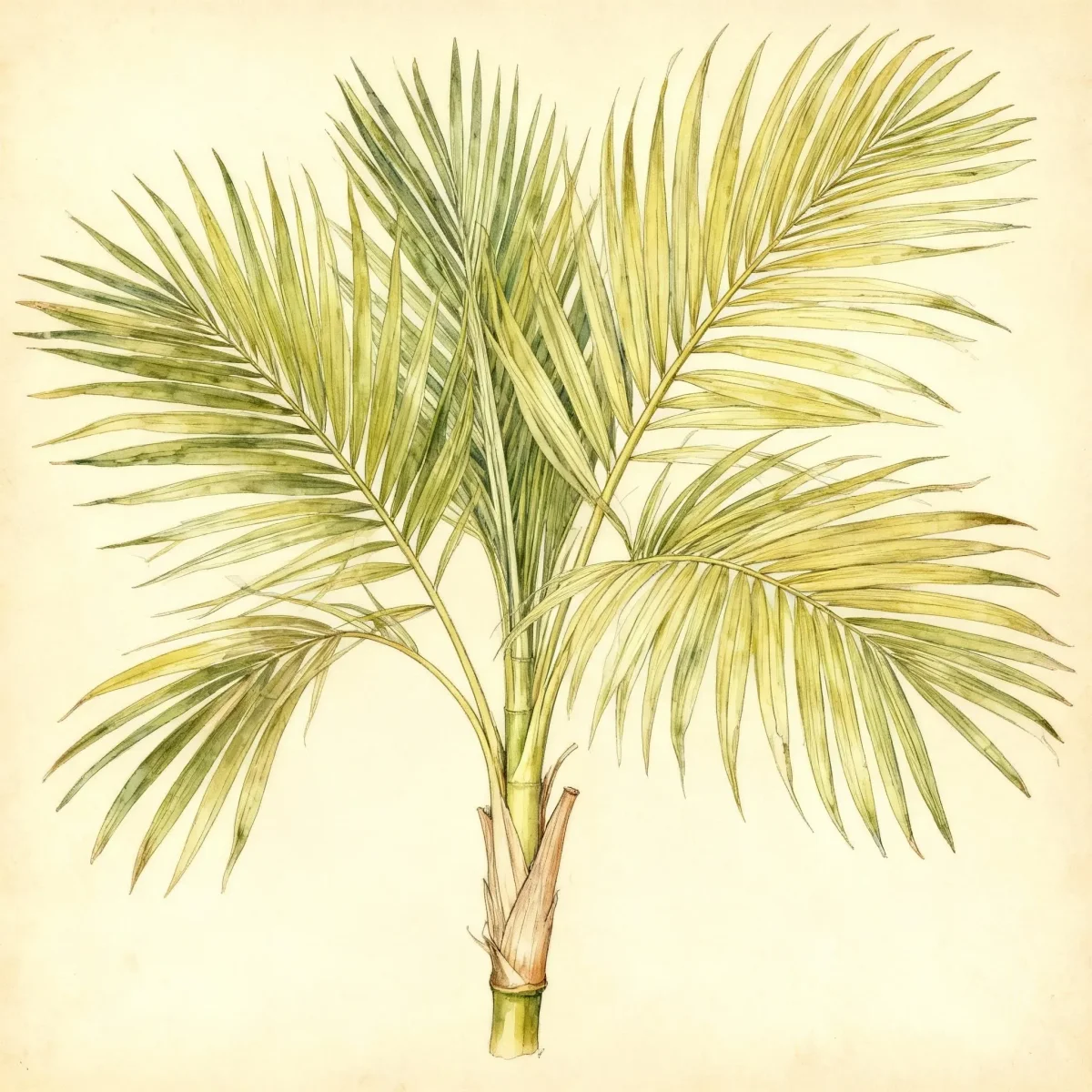
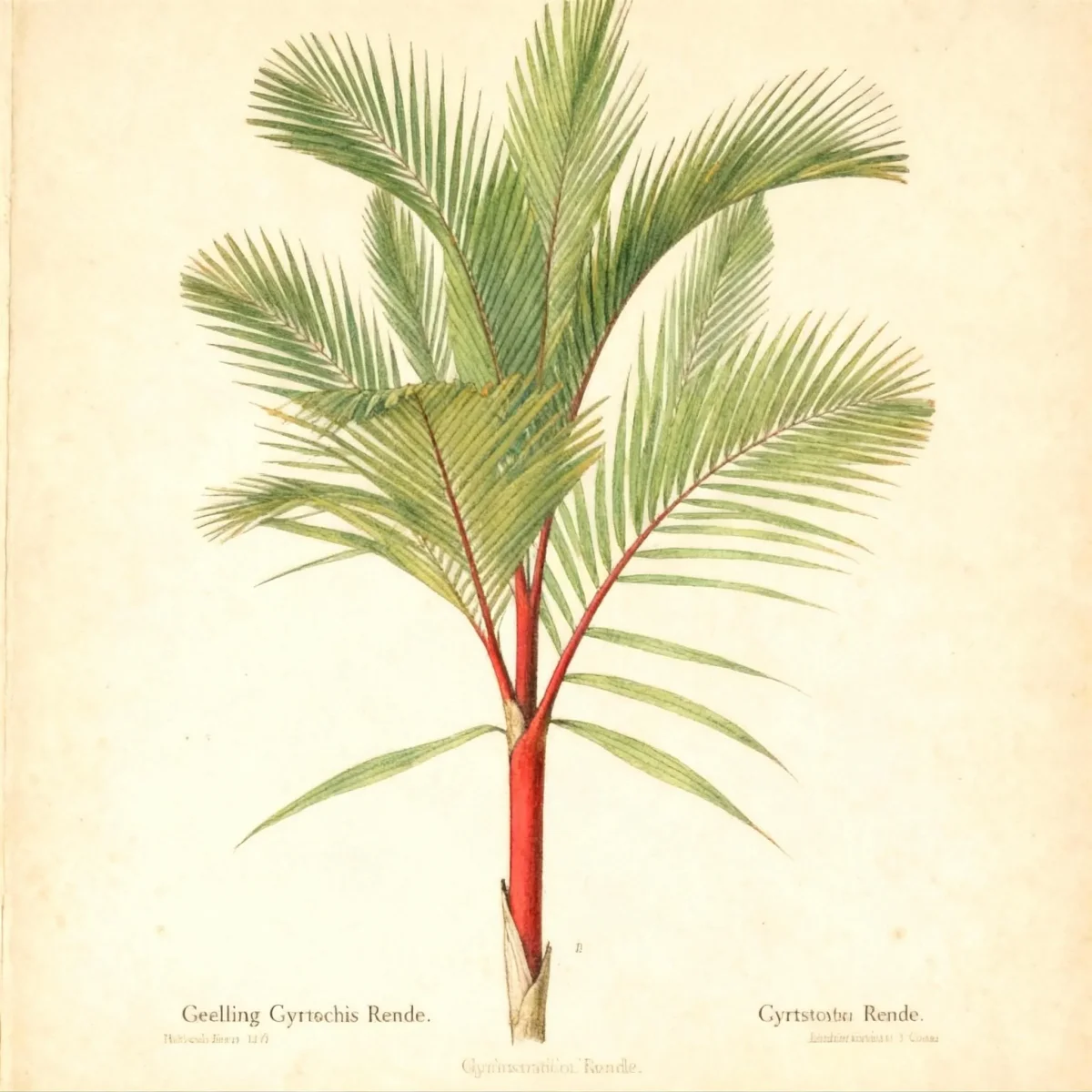
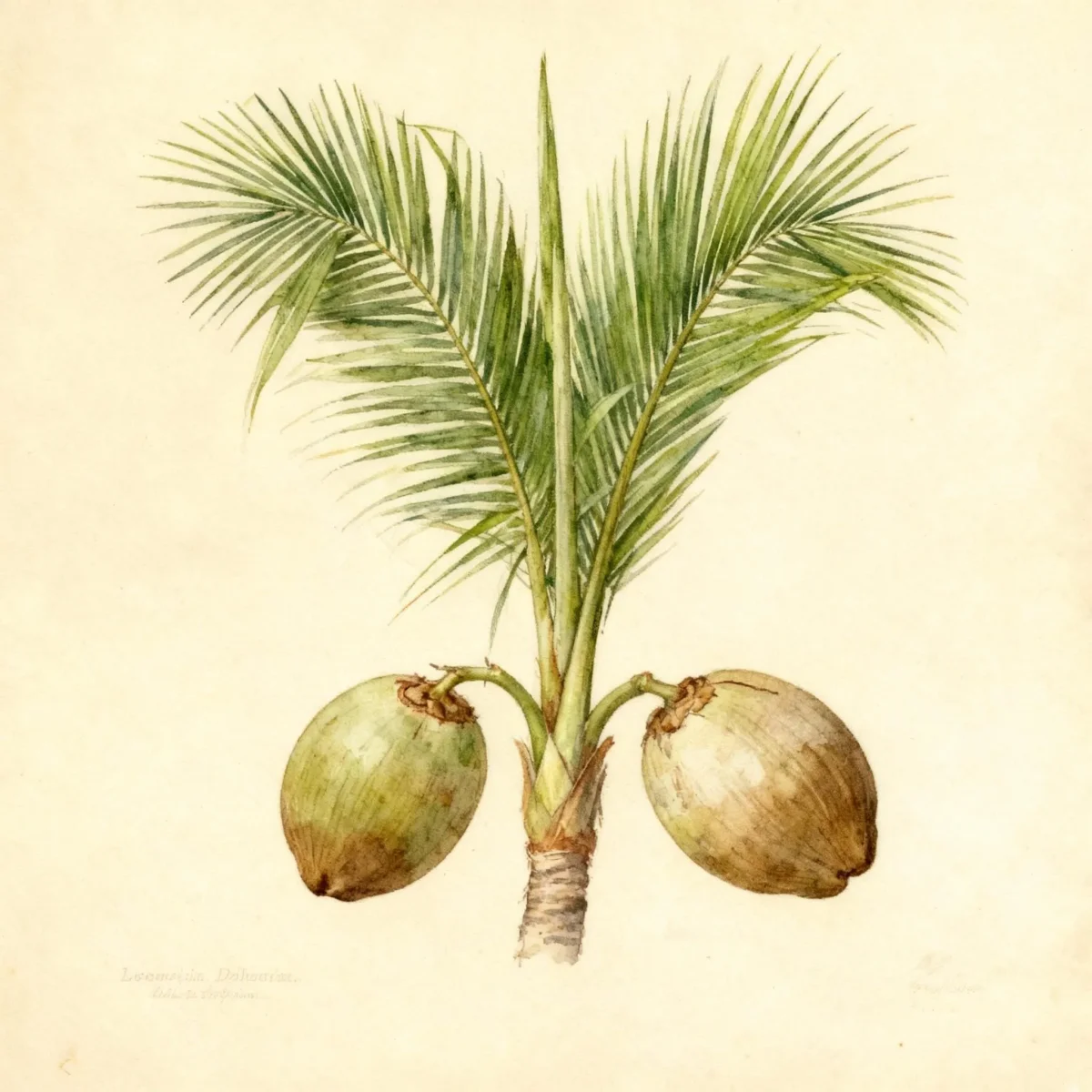
Palm (Pritchardia affinis)
Pritchardia affinis, the Kona fan palm, is a striking medium to large Palm native to Hawaii, prized for its tropical aesthetic and low maintenance.
Scroll down to discover growing tips, care requirements, companion plants, and more
Complete Plant Information
Overview
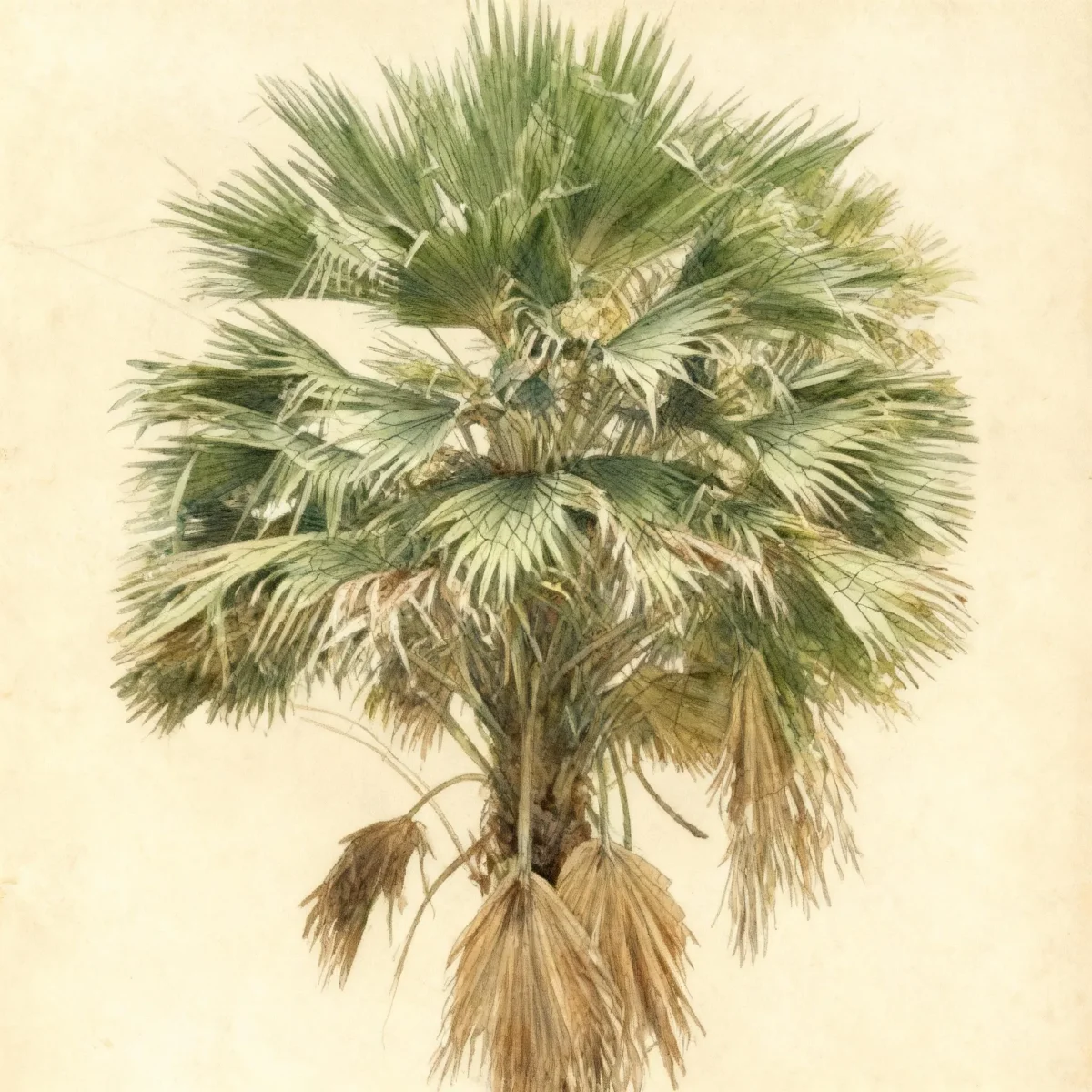
The Pritchardia affinis, widely known simply as the Palm, is a classic representation of the Hawaiian tropics. This native species commands attention with its distinctive fan-shaped fronds and impressive stature, making it a highly desirable specimen plant for tropical and subtropical settings. While it can reach significant heights in the wild, cultivated specimens usually top out around 35 feet, offering dramatic vertical interest.
This Palm thrives under consistent care, preferring evenly moist, well-draining soil conditions. Its relatively low maintenance requirement makes it accessible even to intermediate gardeners looking to establish a dense, exotic ambiance near coastal areas or within protected microclimates. Establishing Pritchardia affinis successfully relies heavily on selecting the correct warm zone location.
Beyond its clear aesthetic value as a unique specimen piece, the Pritchardia affinis presents a wonderful architectural structure ideal for focal points in landscape design. It blooms with cheerful yellow flowers in the late winter months, followed by edible fruit, adding multi-season interest to the garden. Sourcing this Palm outside of Hawaii may prove challenging due to dwindling wild populations.
Fast Facts
- Plant Family: Arecaceae
- Plant Type: Palm or Cycad
- Native Range: Hawaii
- Hardiness Zones: USDA Zones 11-12
- Size at Maturity:
- Height: 25-35 ft
- Spread: 10-25 ft
- Bloom Time: December to February
- Bloom Description: Yellow
- Sun Exposure: Full sun to part shade
- Water Needs: Medium
- Maintenance Level: Low
How to Grow
Planting the Pritchardia affinis should occur when temperatures are reliably warm, ideally in spring, ensuring the root ball establishes before the intense heat of summer. This Palm requires an environment that mimics its native moist, coastal forest habitat; therefore, prioritize placement in well-draining soil that remains evenly moist but never waterlogged. Full sun exposure is preferred, though it tolerates partial shade, especially in the hottest afternoon hours.
Watering for this species must be consistent, classifying its needs as medium. During active growing seasons, ensure deep watering sessions when the top few inches of soil begin to dry. While it is low maintenance, occasional feeding suitable for palms can promote better health and vigor, particularly if the soil quality is poor or sandy. Minimal pruning is necessary, generally limited to removing old, spent fronds that naturally yellow and droop near the base.
Propagation of Pritchardia affinis is typically done through seed, though this process requires patience. Gardeners should be aware that this species is hardy only in USDA Zones 11 through 12; attempting to grow it outdoors further north will require significant cold protection or container culture brought indoors during winter months.
Landscape Uses
The primary role of the Pritchardia affinis in cultivation is as a singular, stunning focal point. Its tropical silhouette makes it an unparalleled choice for specimen planting near entryways or situated to catch light, providing immediate high-impact structure. Although its suggested use is listed as Annual outside its ideal zones, in Zones 11-12, it functions as a long-lived perennial anchor in the landscape.
Given its size and need for sun, this Palm works well when framed by smaller, lower-growing tropical foliage plants that appreciate similar drainage and moisture levels, such as ferns or bromeliads near its base. Because of its relative rarity outside native areas, treating the planting of this Palm as a marquee design element is highly recommended, ensuring clear sightlines to appreciate its mature form.
Standout Features
Fruit Qualities
- Edible
Noteworthy Characteristics
Pritchardia affinis, commonly called Hawaii pritchardia or Kona fan palm, is a significant medium to large species endemic to the moist coastal forests of the Hawaiian Islands. Its defining features include fan-shaped fronds up to 3 feet long, with bases covered in soft, woolly hairs, and dense panicles of yellow flowers appearing in late winter. Wild populations face threats from habitat destruction and invasive species, making cultivated specimens important for preservation.
Tolerances
No specific tolerances were listed.
Potential Problems
The Pritchardia affinis generally exhibits robustness in the landscape regarding pests and diseases. Gardeners report no major pest or disease problems when the Palm is grown within the appropriate warm USDA hardiness zones (11-12) and cultural needs are met. Prevention centers on maintaining excellent soil drainage to avoid root stress, which can weaken any plant’s natural defenses.
Frequently Asked Questions
What hardiness zones is Pritchardia affinis suitable for?
The Pritchardia affinis is hardy in USDA Zones 11 and 12, requiring frost-free conditions to thrive outdoors year-round.
How large does Palm grow?
In cultivation, this Palm typically reaches heights between 25 to 35 feet, with a spread of 10 to 25 feet, though exceptional wild specimens have exceeded 80 feet.
What sun exposure does Pritchardia affinis need?
This species performs best when given full sun to partial shade, needing generous light to maintain compact structure.
When does Palm bloom?
The distinctive yellow flowers of the Pritchardia affinis generally appear during the late winter, specifically from December through February.
Conclusion
The Pritchardia affinis Palm offers irreplaceable architectural beauty and low-maintenance appeal for tropical gardeners. Its striking fan leaves and late-winter yellow blooms solidify its status as a unique specimen. Before planting this magnificent Palm, always confirm that your local climate falls securely within USDA Zones 11-12 for long-term outdoor success.
Companion Planting
Choosing companions for Pritchardia affinis involves selecting other tropical plants that share its preference for bright light and consistently moist, well-draining soil. Consider pairing it with large-leafed tropicals, such as various species of Elephant Ears (Colocasia) or large flowering gingers, ensuring they do not overcrowd the lower structure of the Palm. For ground cover beneath the canopy, look toward shade-tolerant, moisture-loving plants like ferns or Aglaonema, providing a lush, layered tropical carpet effect that complements the vertical thrust of the Pritchardia affinis.
Propagation Tips
Cultivating Pritchardia affinis from seed is the most straightforward method, though it is a slow process. Fresh seeds should be extracted from the fruit, cleaned, and ideally soaked in warm water for 24-48 hours prior to planting to help break dormancy. Sow the seeds just beneath the surface of a sterile, warm, moist medium, maintaining high humidity and warmth (around 75-85°F) until germination occurs, which can take several months. Once seedlings develop their first true palm fronds, they can be carefully transplanted into slightly larger containers to continue development before being moved to their final location.