Needle palm (Rhapidophyllum hystrix)
Discover the ultra-hardy Rhapidophyllum hystrix, the Needle palm. A clumping, fan-leaved wonder ideal for Zones 6-10.
Scroll down to discover growing tips, care requirements, companion plants, and more
Complete Plant Information
Overview
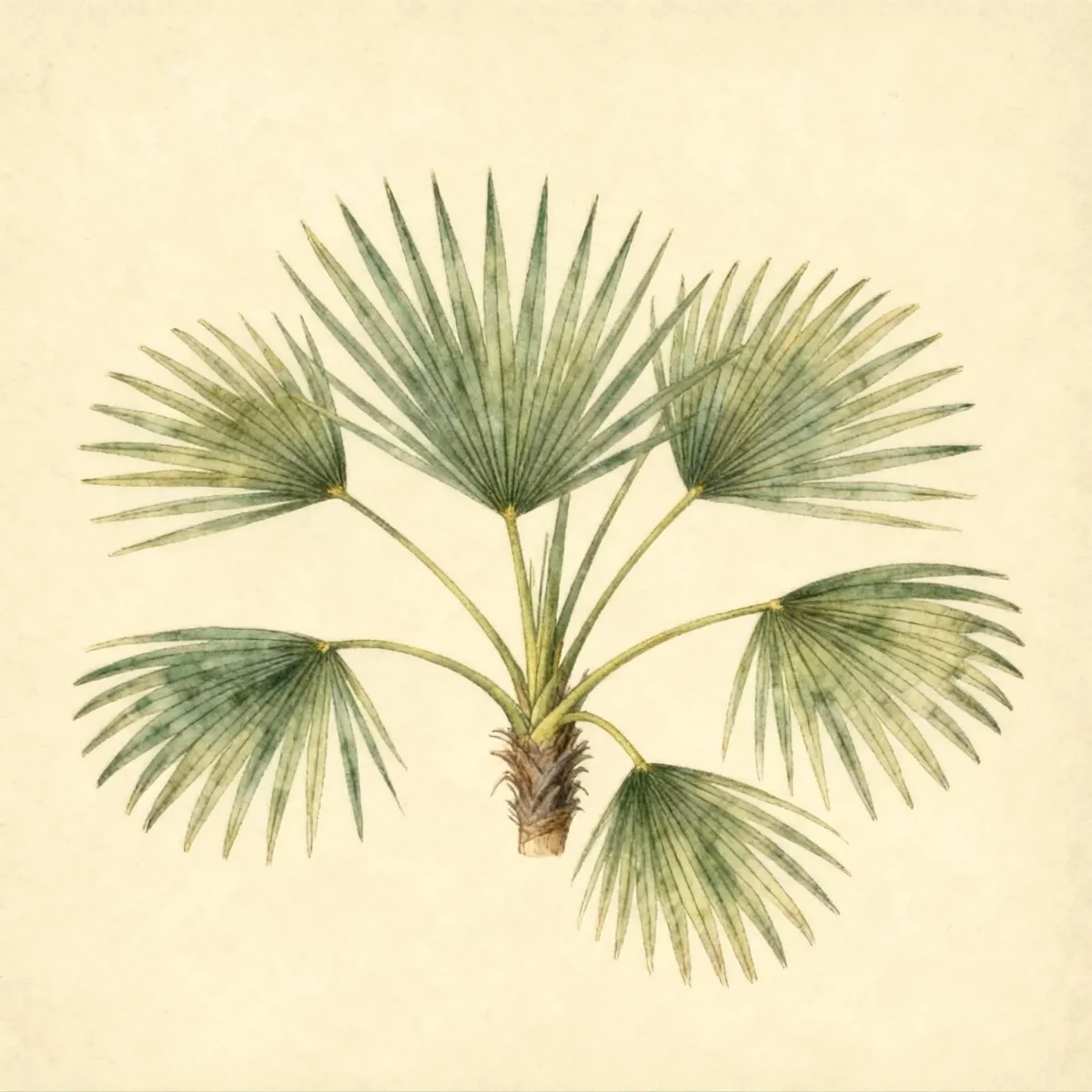
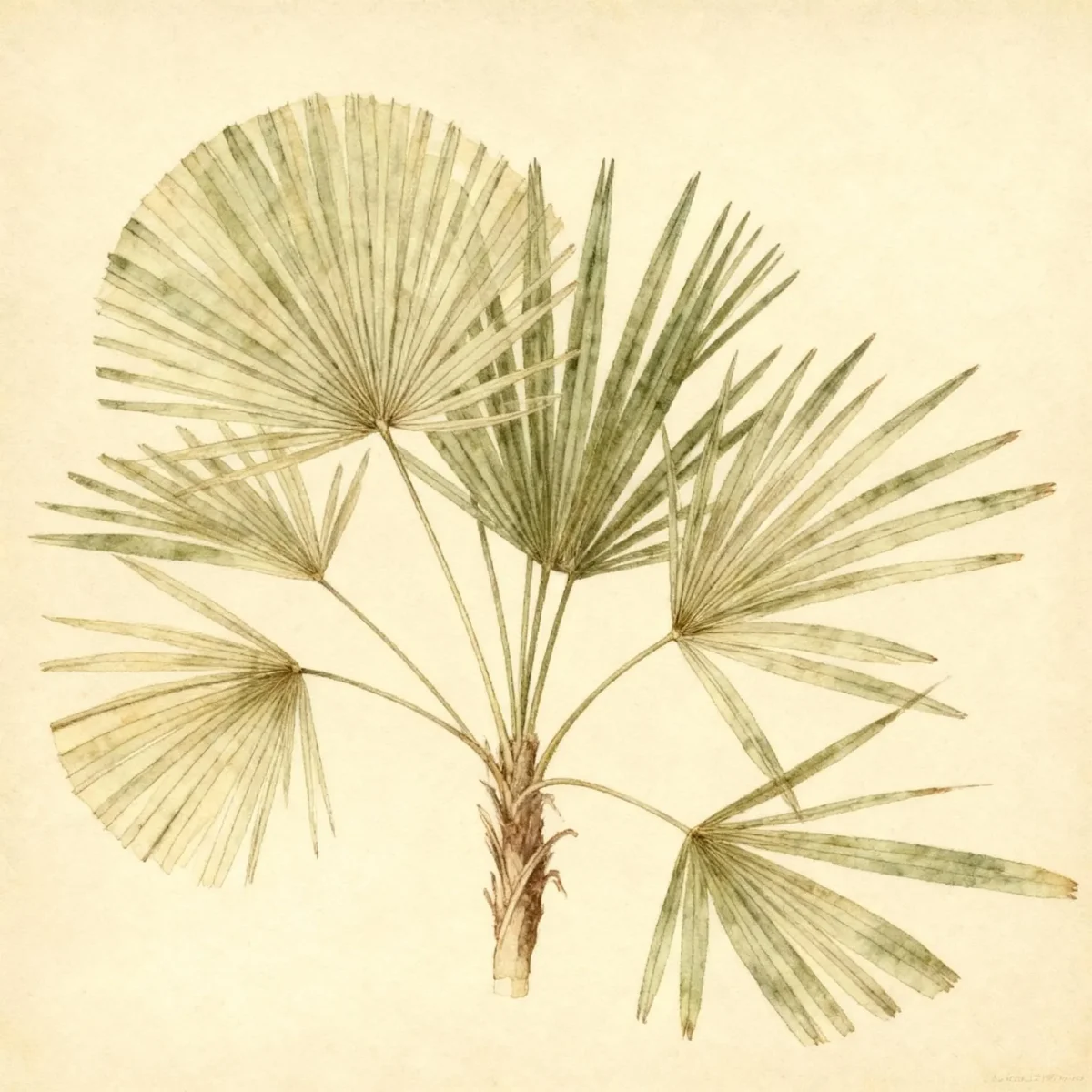
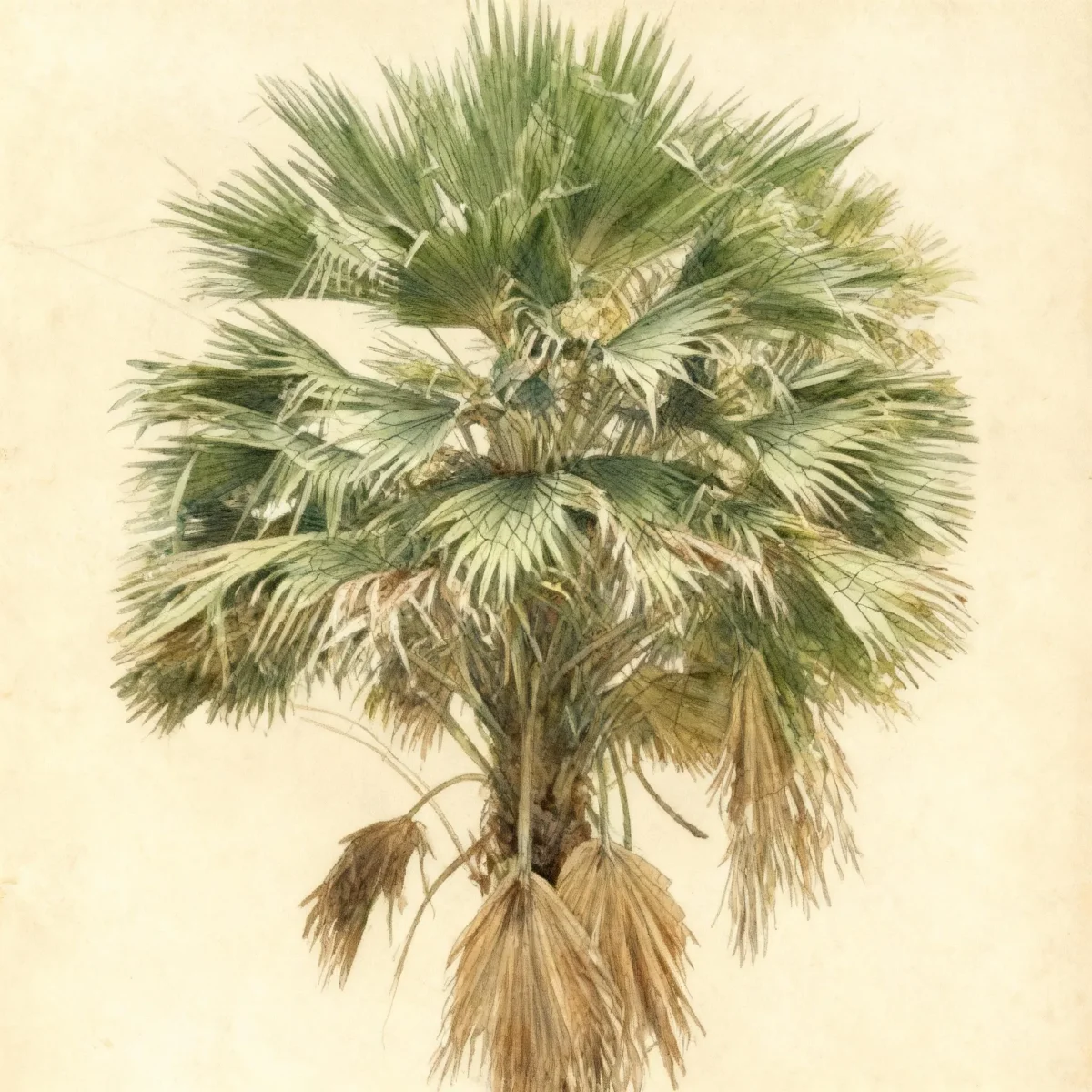
The Needle palm, scientifically known as Rhapidophyllum hystrix, is highly sought after by temperate gardeners due to its remarkable cold tolerance. It stands out as one of the hardiest, if not the hardiest, palm species suitable for cultivation outside the deep South. Distinguishing itself as a shrubby, clumping fan palm, it rarely develops a noticeable trunk, forming dense, nearly impenetrable thickets.
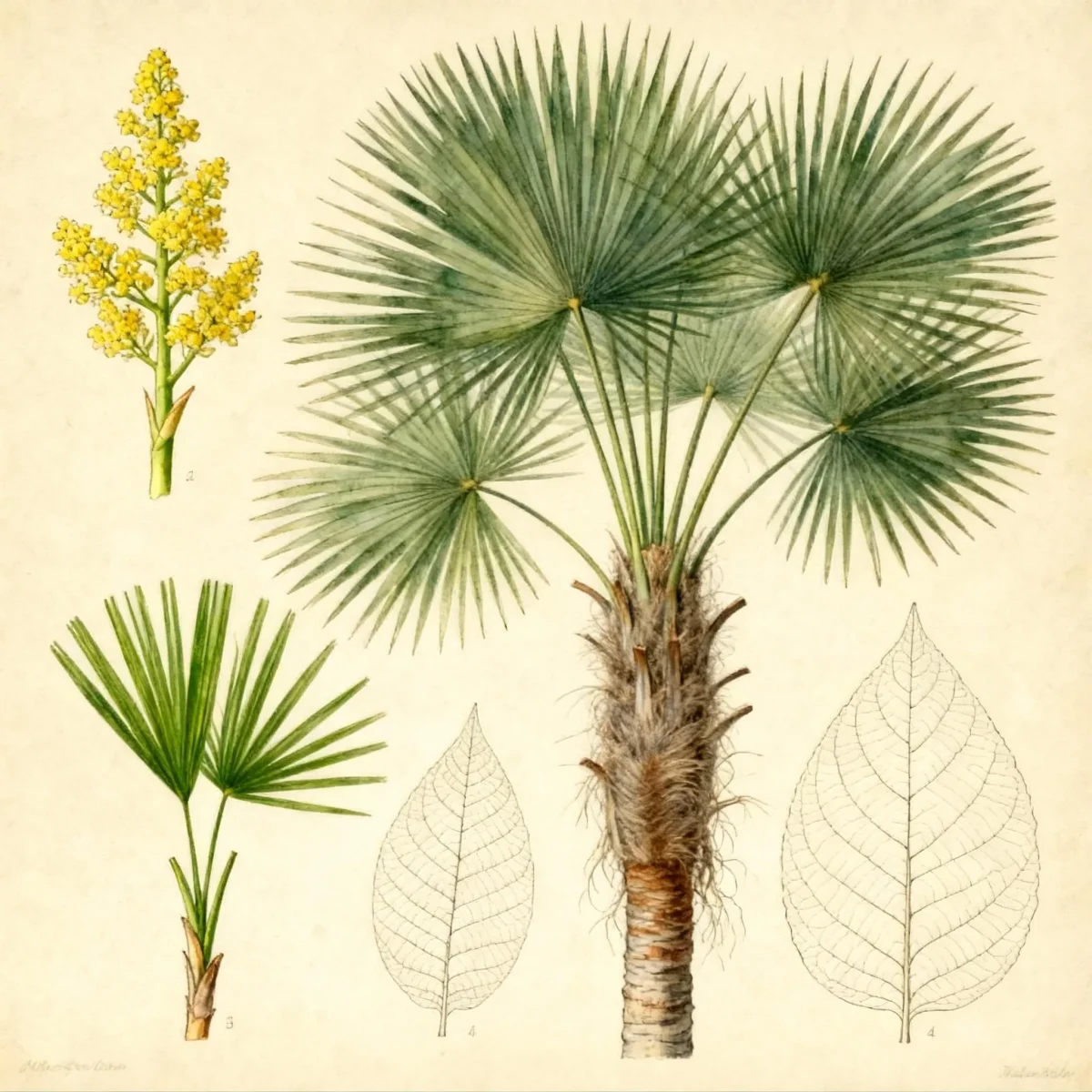
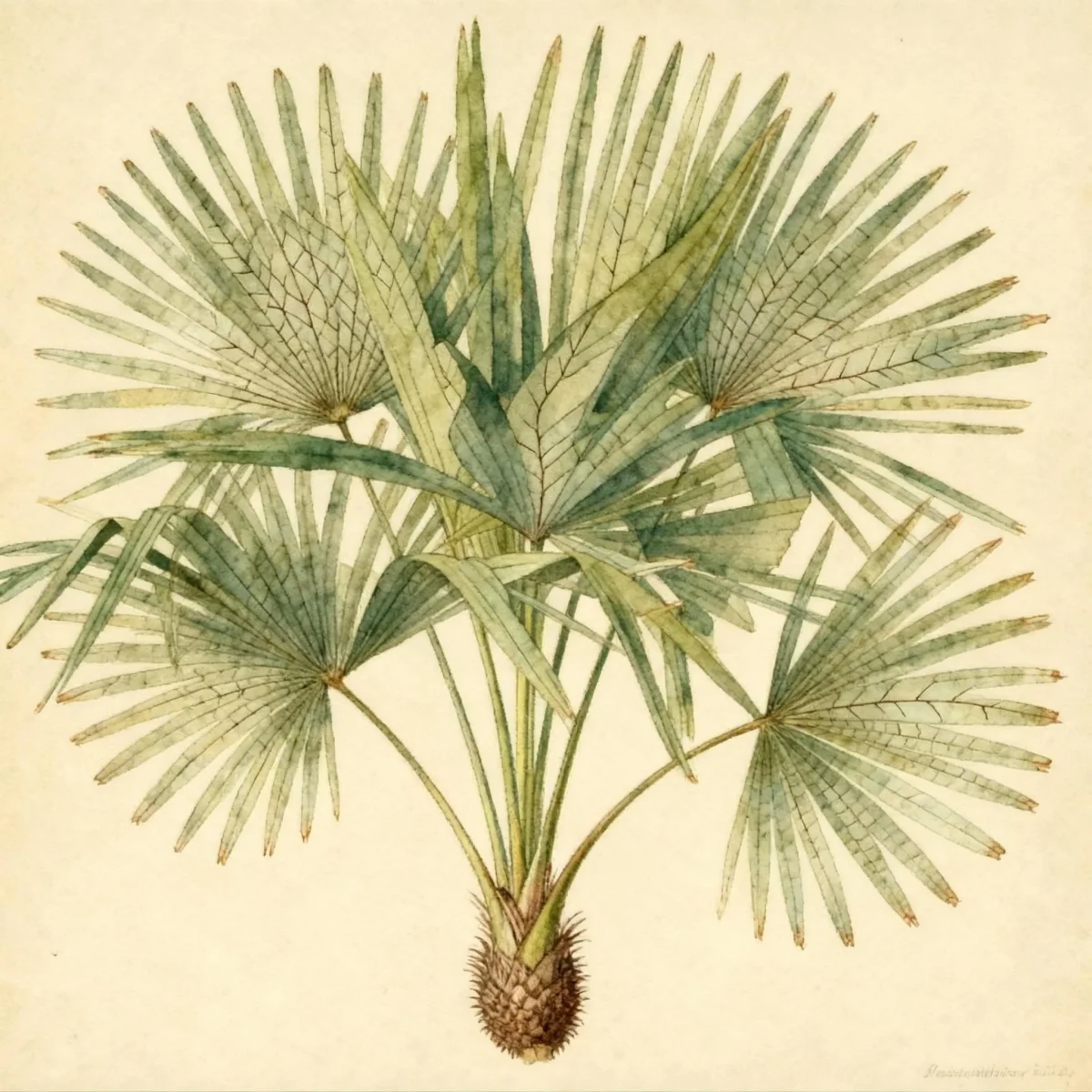
Rhapidophyllum hystrix features large, glossy green, palmate leaves held aloft on upright petioles, creating a dramatic tropical texture in the landscape. Its common name is derived from the stiff, sharply-pointed black spines, up to six inches long, that project menacingly from the leaf sheaths, offering excellent protection against curious wildlife.
This palm thrives best when situated in protected areas, offering year-round visual appeal with its evergreen foliage. While slightly demanding regarding maintenance, the reward is a resilient, accentuating specimen that brings true subtropical flair to cooler gardens where other palms fear to tread.
Fast Facts
- Plant Family: Arecaceae
- Plant Type: Palm or Cycad
- Native Range: Southeastern United States
- Hardiness Zones: USDA Zones 6-10
- Size at Maturity:
- Height: 3-6 ft
- Spread: 4-8 ft
- Bloom Time: June to July
- Bloom Description: Yellow-brown
- Sun Exposure: Full sun to part shade
- Water Needs: Medium
- Maintenance Level: High
How to Grow
Planting Rhapidophyllum hystrix should occur during the warm season to allow the roots to establish before winter stress. Select a location offering organically rich, well-drained soil that is kept evenly moist. While tolerating full sun, best performance is generally achieved when sited in partial shade, protected from intense afternoon scorchers, especially in warmer zones.
Provide medium water consistently; do not allow the soil to dry out completely between waterings, though excellent drainage is paramount to prevent root rot. Maintenance tends to be high, often revolving around managing its clumping habit; plants sucker profusely along the stems, creating dense growth that might need occasional thinning.
Because Rhapidophyllum hystrix is renowned for its impressive winter hardiness—sometimes surviving short dips to -5 degrees F in protected sites—winter preparation is crucial in the marginal sixth zone. Ensure the base of the plant is heavily mulched during winter months to insulate the roots. Site plants where they are sheltered from harsh winter winds to maximize survival odds.
Landscape Uses
The clumping structure and dense, spiny foliage make the Needle palm a superb landscape specimen capable of creating natural barriers. It functions beautifully as a low focal point accentuating entryways or anchoring borders where movement is restricted. Its tropical look contrasts stunningly with finer-textured, hardy perennials or dwarf conifers.
The Rhapidophyllum hystrix is also highly valued as a container or tub plant. Growing it solo in a decorative urn allows gardeners in zones colder than 6 the ability to move the palm to a sheltered location (like a garage or basement) during deep freezes. When used in containers, pay meticulous attention to drainage and watering, as containerized soil dries faster than in-ground planting beds.
Standout Features
Flower Qualities
- Insignificant
Noteworthy Characteristics
Rhapidophyllum hystrix, commonly called needle palm, is a shrubby, clumping, nearly trunkless, fan palm that grows to 3-6’ tall and as wide. It is native to moist to wet woodlands, slopes, ravines and stream bottomland in the southeastern U. S. (South Carolina, Georgia, Florida, Alabama and Mississippi). It is one of the hardiest if not the hardiest of the palms. It is noted for its large, palmate, glossy green leaves that grow on long upright petioles (to 30” long). Each deeply divided leaf (almost to the base) is fan-shaped (to 30 inches across) with 5-12 narrow segments (each to 20” long). Leaves are evergreen. The common name of needle palm are both in reference to the long, stiff, sharply-pointed, needle-like, black spines (to 6” long) that project from the leaf sheaths. Spines make the clumps impenetrable to most wildlife.
Potential Problems
Overall, the Needle palm exhibits remarkable pest resistance, suffering from no serious insect or disease problems under ideal conditions. Gardeners must remain vigilant regarding its cold tolerance limits; winter hardiness is the chief concern outside of its core native range, particularly in areas subject to prolonged deep freezes or severe wind chill. Ensure proper site selection, prioritizing shelter from winter winds, to prevent leaf damage or crown death.
If planting near Zone 6 boundaries, always treat the plant as if it needs protection, utilizing heavy mulching and potentially wrapping the crown during extreme cold snaps. Avoid waterlogged winter soils, which, combined with cold, are far more damaging than the cold temperatures alone.
Frequently Asked Questions
What hardiness zones is Needle palm suitable for?
The Rhapidophyllum hystrix is generally suited for USDA hardiness zones 6 through 10, offering exceptional cold resilience for a palm species.
How large does Rhapidophyllum hystrix grow?
This clumping palm typically matures to a height between 3 and 6 feet tall, spreading to a width of 4 to 8 feet at maturity.
What sun exposure does Needle palm need?
The ideal setting for this plant allows for full sun to partial shade, but note that performance is often best when offered some afternoon protection in part-shade.
When does Rhapidophyllum hystrix bloom?
Flowering occurs from June to July, producing inconspicuous yellow-brown blossoms nestled among the foliage.
Conclusion
The remarkable cold tolerance and striking texture provided by the Rhapidophyllum hystrix make it a unique and worthwhile addition to any garden aiming for a subtropical aesthetic. Known widely as the needle palm, its dense, spiny clumping habit offers both beauty and natural security. Before planting, ensure your location falls within USDA Zones 6-10 and that you can provide the consistent moisture and rich soil this high-maintenance palm desires.
Companion Planting
When selecting companions for Rhapidophyllum hystrix, focus on plants that share its cultural requirements: moist, rich soils and tolerance for part shade. Consider grouping the rugged, spiny texture of the needle palm with softer, evergreen groundcovers that thrive in damp woodlands. Hostas, especially those with blue or variegated foliage, provide excellent contrast at the base. Furthermore, ferns like the Christmas fern (Polystichum acrostichoides) or Tassel Fern (Polystichum setiferum) complement the palmate leaves beautifully while enjoying similar levels of moisture and protection from harsh light.
Propagation Tips
While mature plants sucker profusely, offering an easy vegetative means of expansion, Rhapidophyllum hystrix can also be grown from seed. Propagation from suckers is the most straightforward method for gardeners; simply wait until a sucker has developed a decent root mass, typically when it is a few feet away from the mother plant, and carefully sever it with a sharp, clean tool. Ensure the separated clump is replanted immediately into prepared, rich soil and kept consistently moist as it establishes its own root system away from the parent plant.