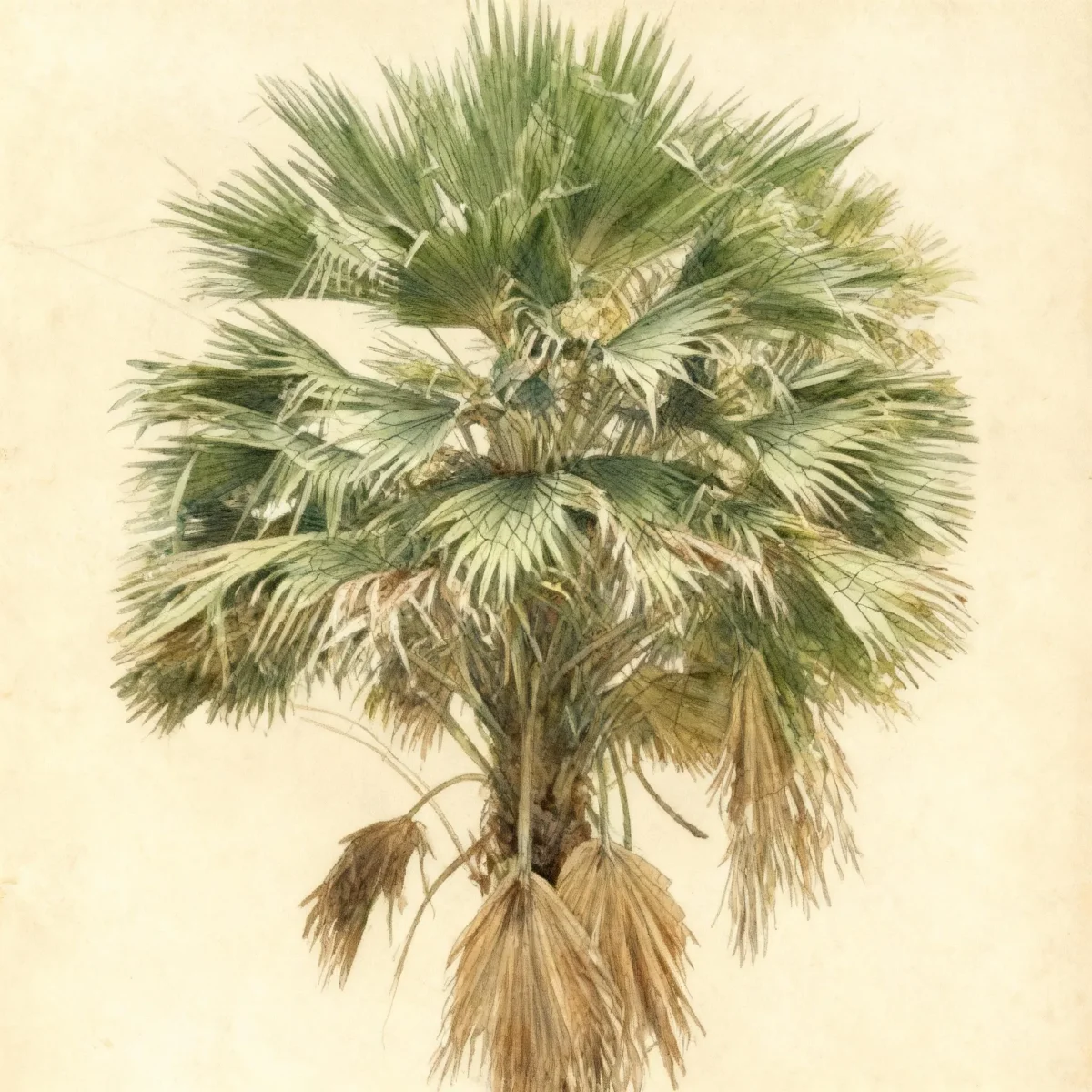
Dwarf palmetto (Sabal minor)
The Dwarf palmetto (Sabal minor) offers year-round tropical appeal, thriving in Zones 7-10 with moderate water needs and striking evergreen foliage.
Scroll down to discover growing tips, care requirements, companion plants, and more
Complete Plant Information
Overview
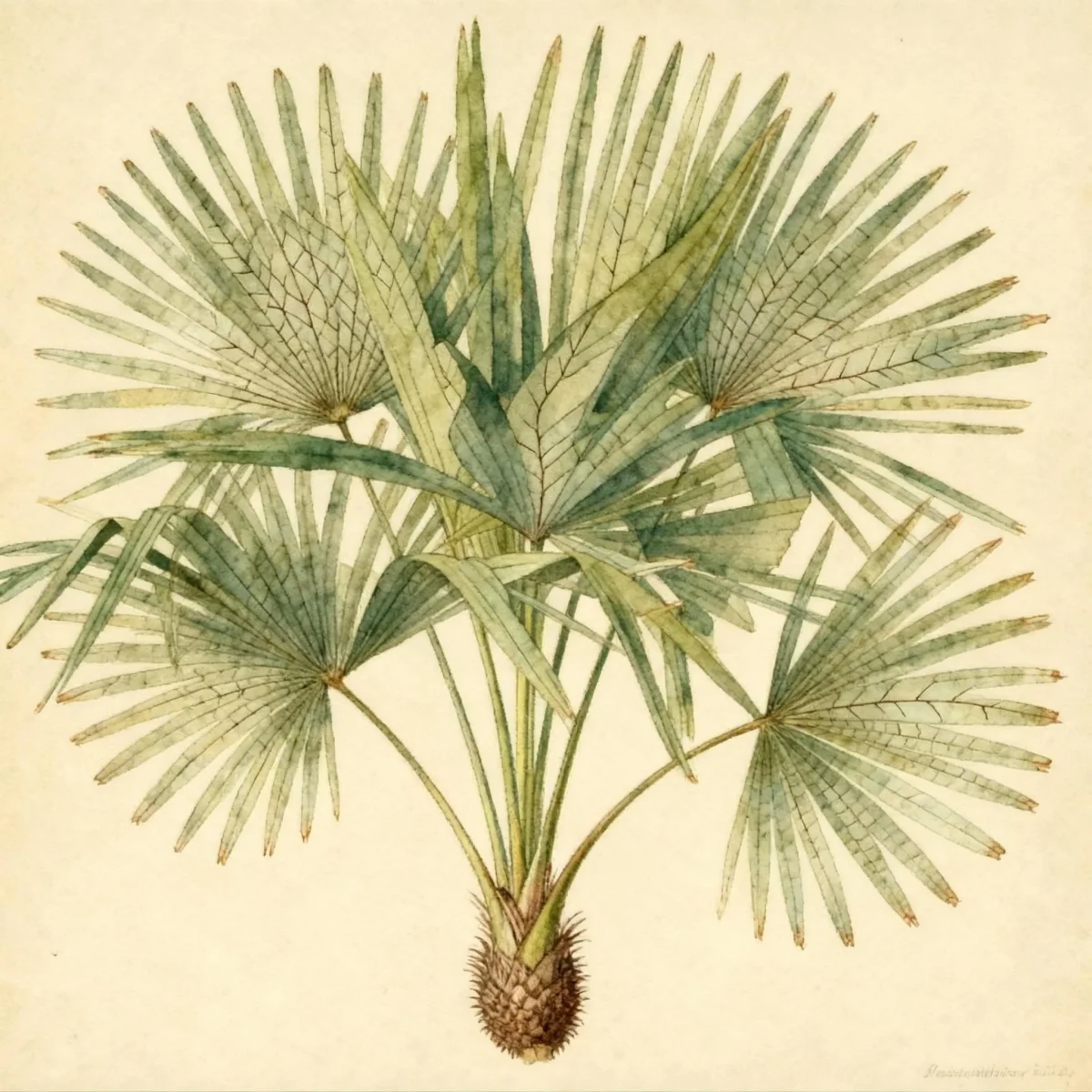
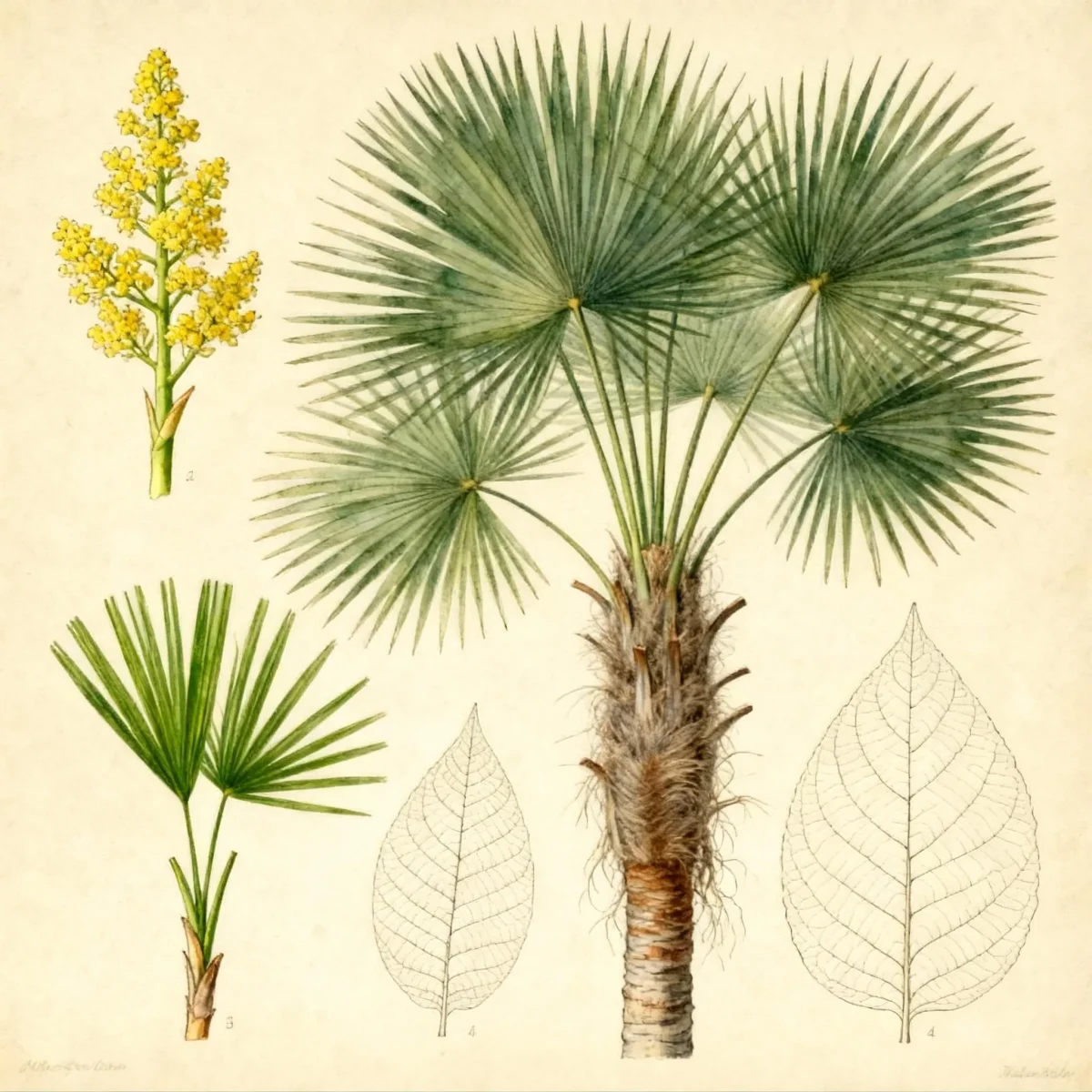
The Dwarf palmetto, or Sabal minor, is a stunning, slow-growing fan palm highly valued for its ability to impart a dense, tropical flair even in cooler climates when sited correctly. Native to the rich, moist bottomlands of the southeastern US, this plant maintains attractive evergreen foliage throughout the winter months, making it a vital structural element in any garden design. Its diminutive stature, rarely exceeding six feet, sets it apart from larger relatives, allowing it to fit into varied landscape settings.
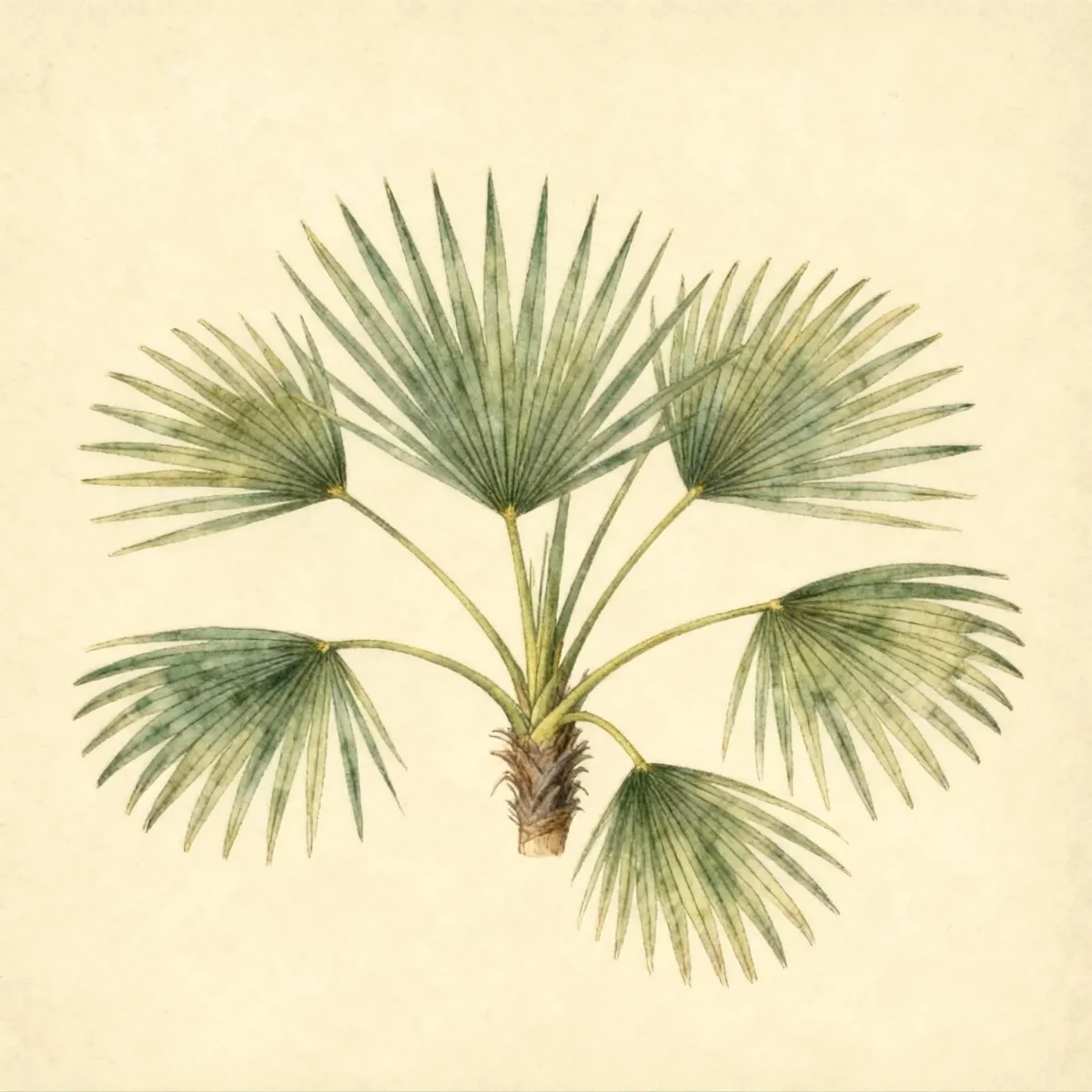
A key distinguishing feature of Sabal minor is its subterranean trunk, which results in a clumping, shrub-like appearance often without any visible stem structure above ground. This growth habit provides an excellent low foundation planting or accent piece. Gardeners must respect its cultural needs, particularly concerning soil drainage and winter protection, to ensure the long-term viability of this handsome species.
While it requires diligent management, especially regarding winter wrapping in borderline zones, the reward is year-round visual interest. The lush, deeply divided palmate leaves provide excellent textural contrast against finer-leafed shrubs, confirming the Dwarf palmetto’s status as a premier accent plant for creating shaded or partially exposed tropical vignettes.
Fast Facts
- Plant Family: Arecaceae
- Plant Type: Palm or Cycad
- Native Range: Southeastern United States
- Hardiness Zones: USDA Zones 7-10
- Size at Maturity:
- Height: 4-6 ft
- Spread: 4-6 ft
- Bloom Time: June to July
- Bloom Description: Yellowish-white
- Sun Exposure: Full sun to part shade
- Water Needs: Medium
- Maintenance Level: High
How to Grow
Optimal establishment of the Dwarf palmetto hinges on selecting the correct location and amending the soil appropriately. Plant during the warmer months to encourage root development before winter stress sets in, ideally situating the plant in protected areas shielded from harsh winter winds. Sabal minor demands organically rich, moderately fertile soil that remains evenly moist but drains exceptionally well; standing water is detrimental to its health and survival. While it tolerates full sun, best performance and color retention are achieved in part shade.
Care requirements lean toward the high end, largely due to the necessary winter preparations in Zone 7. Maintain adequate moisture levels—medium water needs suggest consistent watering, especially during establishment and dry spells, but ensure water moves through the root zone swiftly. Though the plant rarely suckers, fertilizing according to soil tests can support robust growth. Pruning is minimal, generally involving removing old, dead fronds at the base as needed.
Winterizing is crucial if you are near the lower limits of its hardiness range. Mulch generously around the base of the plant to insulate the root structure. In colder locations, providing physical protection from freezing winds and extreme dips below 10°F is highly recommended for established plants which might otherwise survive brief dips near 0°F. Remember this species can be propagated successfully by seed.
Landscape Uses
The evergreen foliage of the Dwarf palmetto proves unique and attractive throughout winter, injecting reliable structure into landscapes otherwise dormant. This palm excels when used as a specimen plant, drawing the eye with its bold, deeply segmented fans, or planted in groups to create a dense, textural mass planting underneath taller canopy trees. Its preference for part shade makes it an excellent textural component situated beneath larce hardwoods where many other sun-loving palms struggle.
Use this species to bring an immediate tropical flair to established borders or near water features where high moisture is occasionally present, provided drainage remains paramount. When grouping Sabal minor with other shade-tolerant, subtropical plants, such as large ferns or broadleaf evergreens, you can successfully create immersive, layered garden rooms that feel miles away from typical temperate settings.
Standout Features
Flower Qualities
- Showy
Fruit Qualities
- Showy
Noteworthy Characteristics
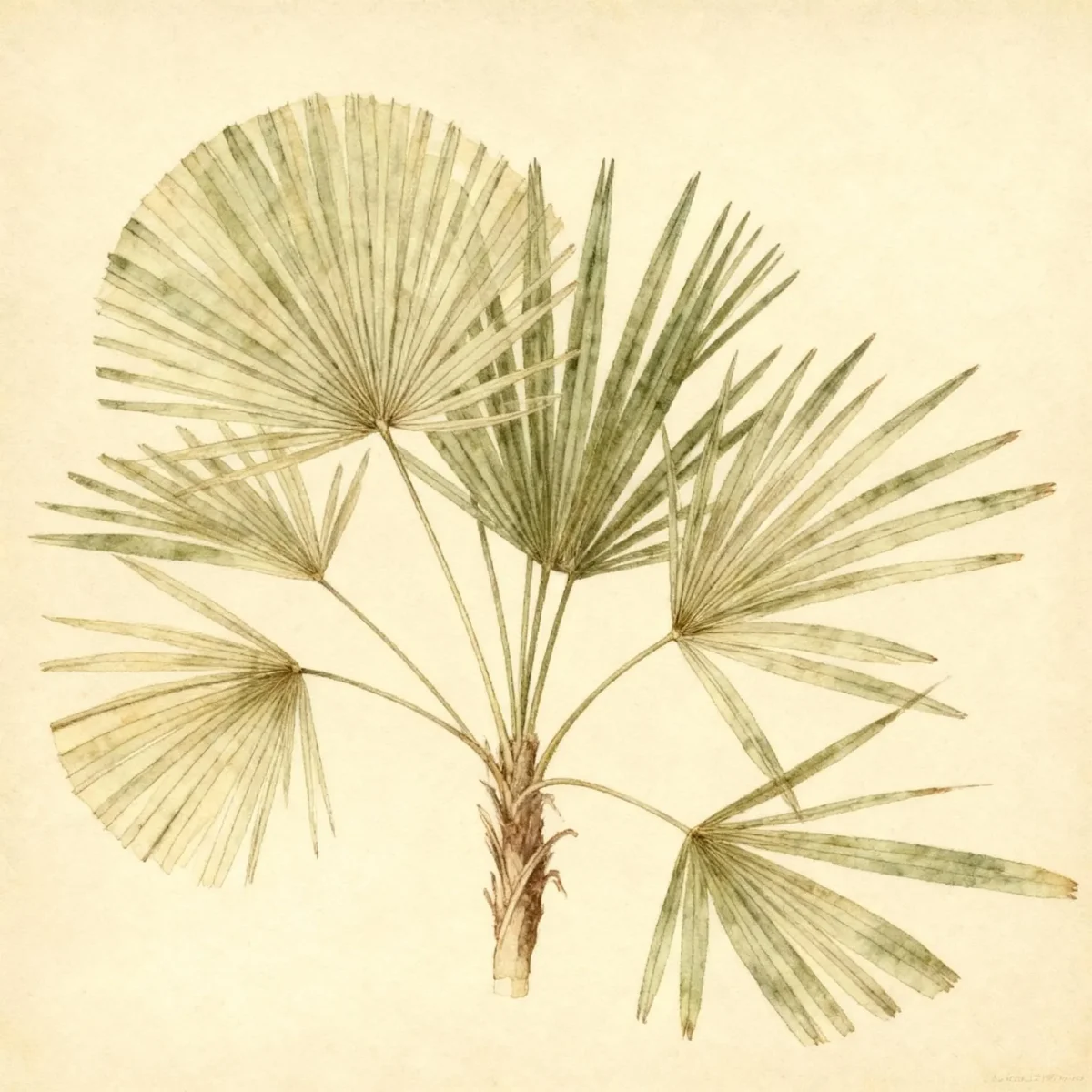
Sabal minor, commonly called dwarf palmetto, is a fan palm that is native to rich soils of moist forests, ravines, flood plains and bottomlands from North Carolina to Florida west to Oklahoma and Texas. In the landscape, it is noted for its excellent winter hardiness and tropical appearance. This is a small shrubby plant with (a) a subterranean trunk, (b) long smooth unarmed petioles and (c) huge deeply-divided palmate leaves (each 1-5’ tall and wide).
Tolerances
Potential Problems
Generally, Sabal minor proves quite resistant to serious insect or disease problems under ideal cultural conditions. The primary concern for growers outside the warmer south is winter hardiness. In areas susceptible to prolonged freezing or severe cold snaps, winter survival can be unreliable, as noted by concerns in areas like the St. Louis region. To mitigate this risk, ensure planting sites are as protected as possible from prevailing winter winds and utilize heavy mulching.
Avoid planting in poorly draining spots, as root rot can become an issue if the soil remains saturated for extended periods, especially when combined with cold temperatures. By focusing on excellent drainage and protection, you significantly reduce the likelihood of environmental stress that might invite secondary pests.
Frequently Asked Questions
What hardiness zones is Dwarf palmetto suitable for?
This plant is typically hardy in USDA Zones 7 through 10, although success in Zone 7 relies heavily on site protection.
How large does Dwarf palmetto grow?
The Dwarf palmetto reaches a height between 4 and 6 feet, with an equivalent spread of 4 to 6 feet, usually without a visible trunk.
When does Sabal minor bloom?
Sabal minor produces its yellowish-white flowers primarily during the peak summer months, specifically from June to July.
What sun exposure does Sabal minor need?
This palm performs best when sited in part shade, though it can tolerate full sun if adequate moisture is provided.
Conclusion
The Dwarf palmetto is an invaluable landscape asset, offering undeniable tropical texture and evergreen structure through all four seasons, provided its high maintenance requirements are met. Successfully cultivating Sabal minor ensures your garden benefits from this resilient, shrub-like palm. Before purchasing, verify your local hardiness zone and diligently prepare an organically rich, well-drained site shielded from harsh winter elements.
Companion Planting in Shaded Gardens
Given that Sabal minor thrives best in full sun to part shade, companion planting should focus on other species that enjoy similar filtered light and require medium moisture. Consider pairing the Dwarf palmetto with shade-loving ferns, such as large Holly Ferns (Cyrtomium falcatum), for contrasting leaf texture. Another excellent combination involves broadleaf evergreens like Camellias or Rhododendrons, which appreciate the shade provided by the palm’s canopy during the hottest parts of the day.
This strategy helps unify the planting area, ensuring all components share similar cultural needs for soil organic matter and consistent hydration. These pairings enhance the overall subtropical feel established by the Sabal minor.
Propagation Tips for Sabal Minor
Gardeners seeking to expand their collection of this native palm have several direct avenues, though seed collection and stratification is the most common method. Fruit from the Dwarf palmetto matures into shiny black drupes, which can be collected after blooming finishes in mid-summer. The seeds must be processed to remove the pulp before sowing to ensure successful germination.
While the genus name origin is unclear, growing the plant itself is straightforward once you bypass germination dormancy. Some specialized growers may also attempt division, though this is difficult given the subterranean nature of the trunk; focus on clean, fresh seed stock for the most reliable increase of your Dwarf palmetto population.