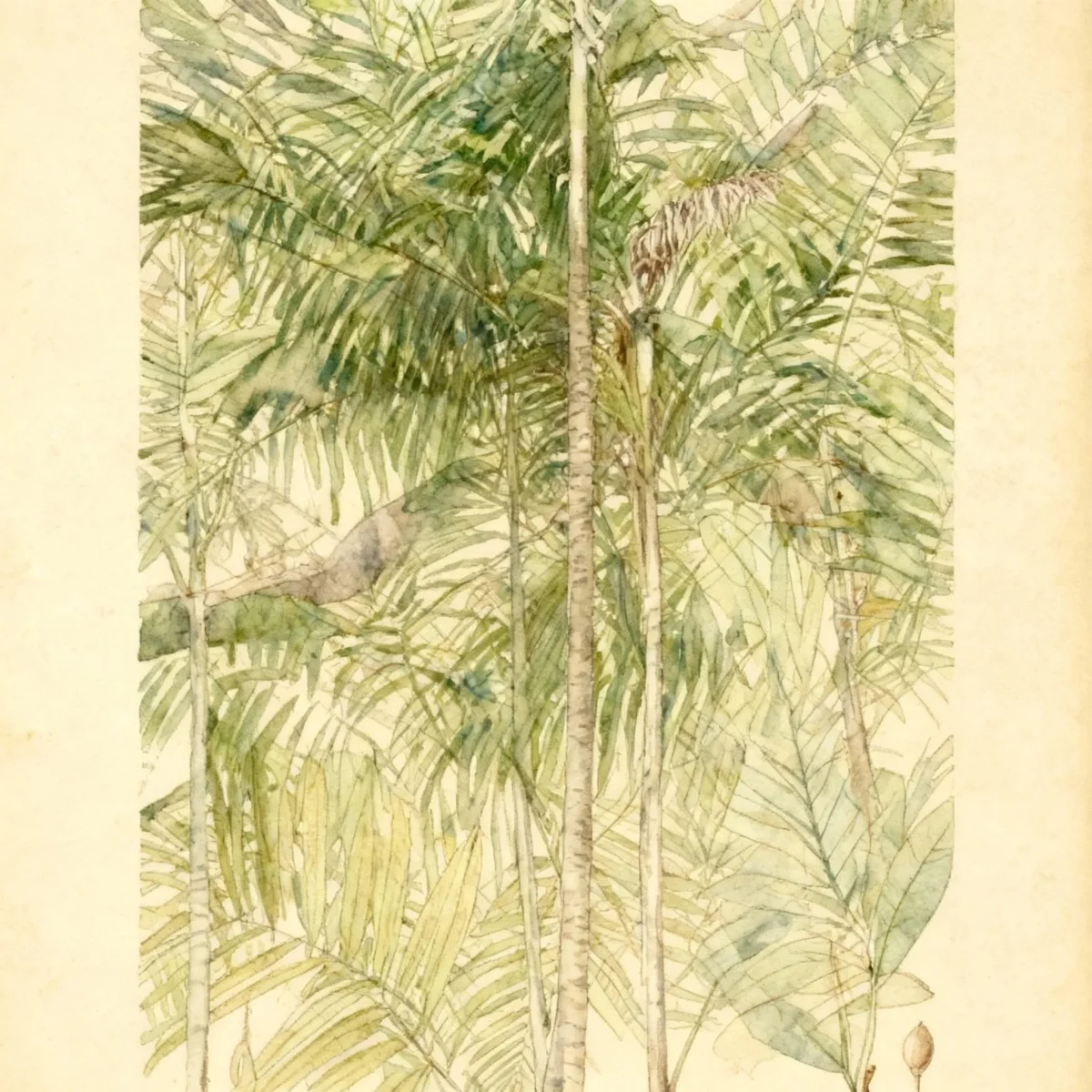
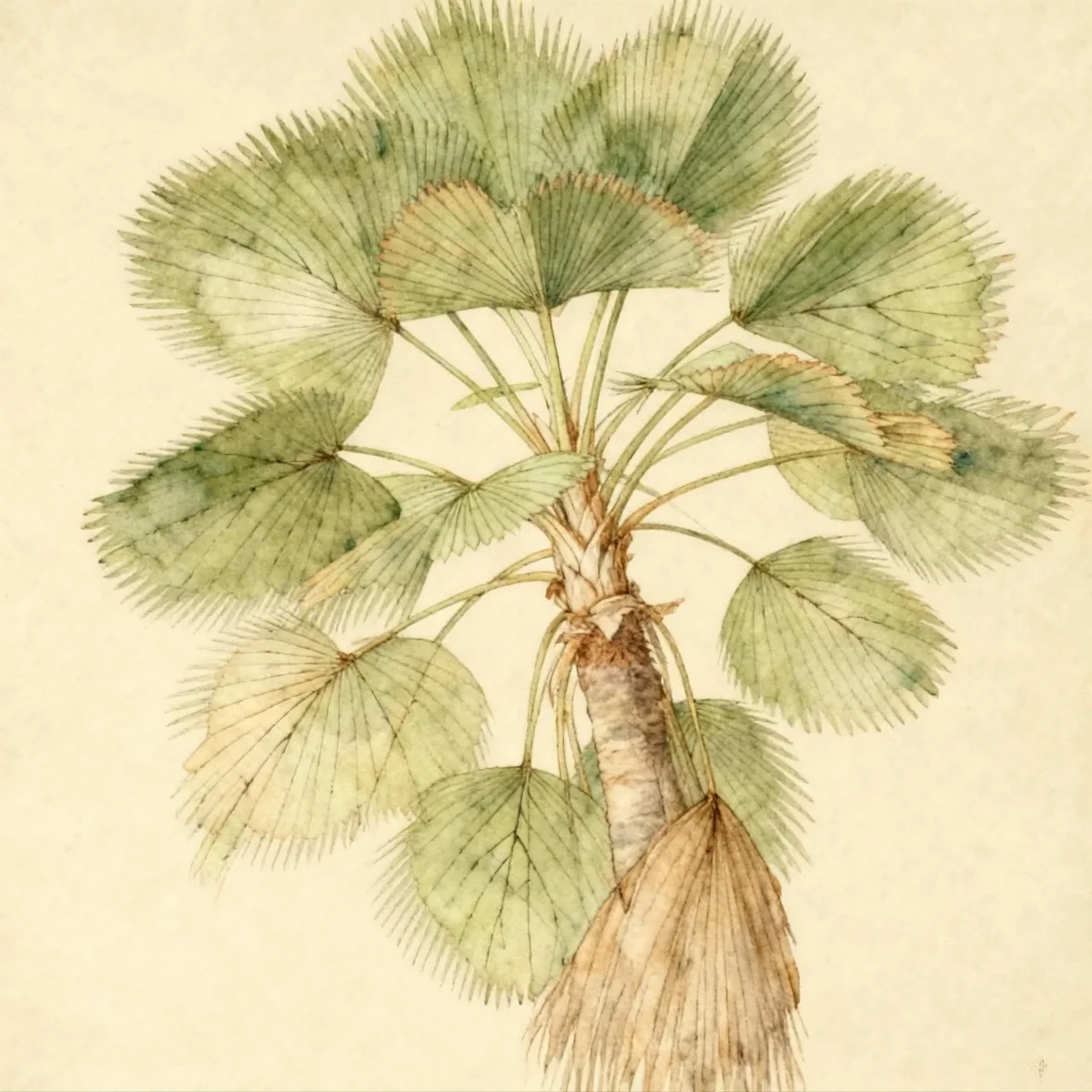
Burmese fishtail palm (Caryota mitis)
The Caryota mitis, a lush Burmese fishtail palm, thrives in part shade, offering tropical texture and low maintenance. Hardy in Zones 9-10.
Scroll down to discover growing tips, care requirements, companion plants, and more
Complete Plant Information
Overview
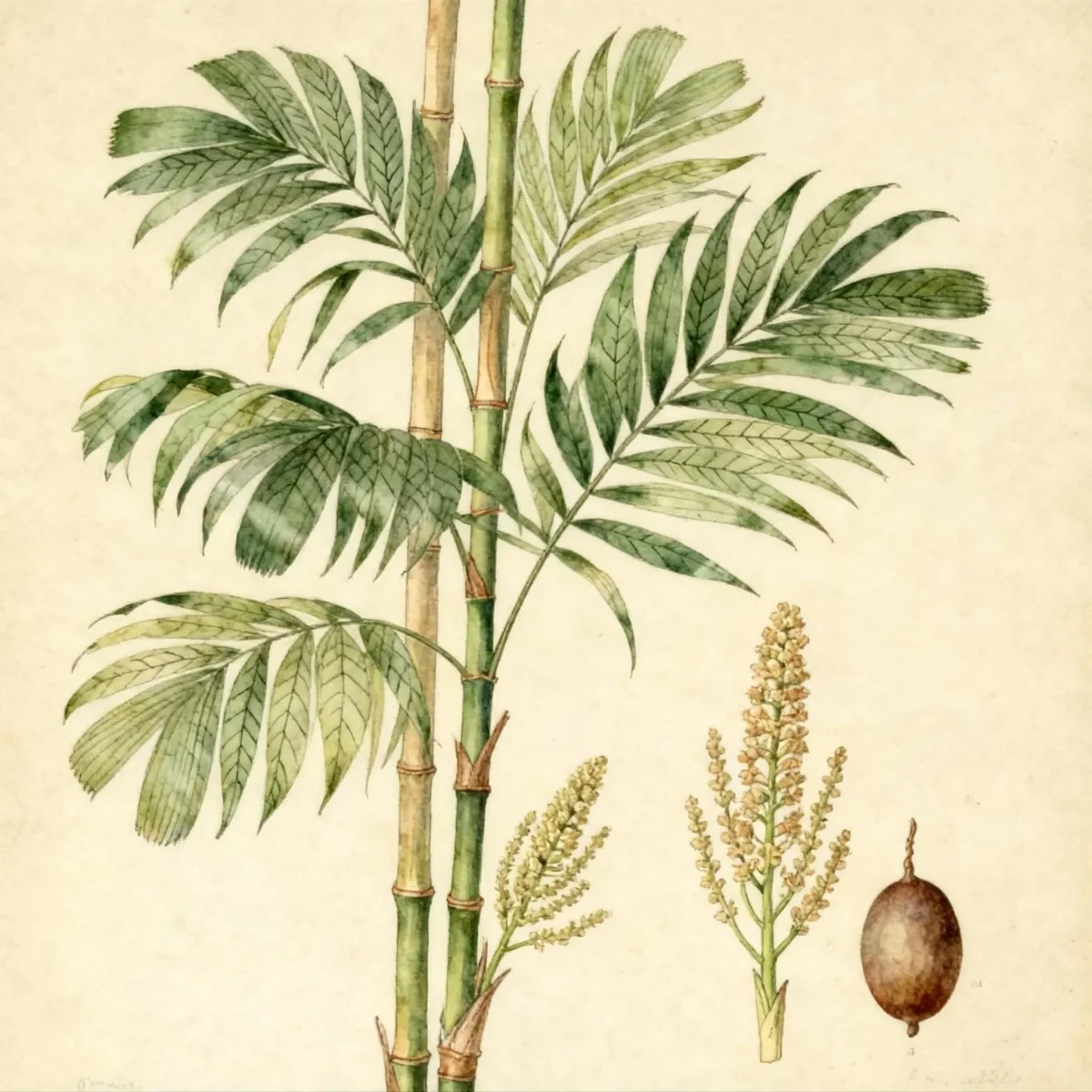
The Burmese fishtail palm, or Caryota mitis, brings dramatic, tropical architecture to the landscape with its distinctive, jagged leaflets that resemble fish tails—hence the common name. This clumping palm is highly valued for its rapid growth and dense, multi-stemmed habit, providing excellent screening and texture in warm climates. While known for its unique foliage, gardeners should be mindful of its showy but irritating fruit.
Caryota mitis is relatively straightforward to cultivate, requiring medium water inputs and preferring partial shade protection from the harshest afternoon sun. It is celebrated for its low maintenance requirements once established, making it a reliable backbone plant for tropical or subtropical gardens.
As a clumping species, mature specimens of Caryota mitis create a full effect, reaching heights between 15 and 25 feet tall, making the clustered fishtail palm a fantastic focal point or accent piece in protected settings.
Fast Facts
- Plant Family: Arecaceae
- Plant Type: Palm or Cycad
- Native Range: Southeast China to Malaysia to Malesia
- Hardiness Zones: USDA Zones 9-10
- Size at Maturity:
- Height: 15-25 ft
- Spread: 8-12 ft
- Bloom Time: Seasonal bloomer
- Bloom Description: Pale purple to mauve
- Sun Exposure: Part shade
- Water Needs: Medium
- Maintenance Level: Low
How to Grow
For optimal health, site your Caryota mitis where it receives rich, well-draining soil that is kept consistently moist. While tolerant of several light conditions, protection from intense, direct sun exposure will prevent leaf scorch, especially in hotter zones. Planting in a somewhat sheltered area is crucial, as wind can easily damage the fronds of the Burmese fishtail palm.
Watering should be consistent; aim for medium moisture levels. Avoid letting the soil dry out completely between waterings, especially when the palm is young or exposed to full sun. Maintenance is generally low for this species. Pruning is usually limited to removing dead or damaged leaf bases, though any stem that finishes flowering will eventually die and should be removed near the base to encourage fresh suckers.
Hardiness is confirmed for Zones 9b down to 12, offering some tolerance to brief cold snaps, corresponding to temperatures around 25°F. Always ensure the planting location provides adequate space for the mature spread of 8 to 12 feet, considering the clumping nature of the trunks.
Landscape Uses
The stature and texture of the Burmese fishtail palm make it an excellent specimen or accent feature in foundational plantings or tropical-themed gardens. Its dense clumping habit allows it to function effectively as an informal screen or backdrop where privacy is desired, though sufficient space must be allocated for its mature width.
This palm also transitions beautifully into container settings, serving as a magnificent, large foliage plant for interiorscaping in cooler climates, allowing the tropical look of Caryota mitis to be enjoyed year-round indoors. Furthermore, the strong fibers extracted from the petioles and leaf sheaths offer unique functional uses, historically utilized for making rope, coarse thread, and even thatch or fire starters.
Standout Features
Flower Qualities
- Insignificant
Fruit Qualities
- Showy
Noteworthy Characteristics
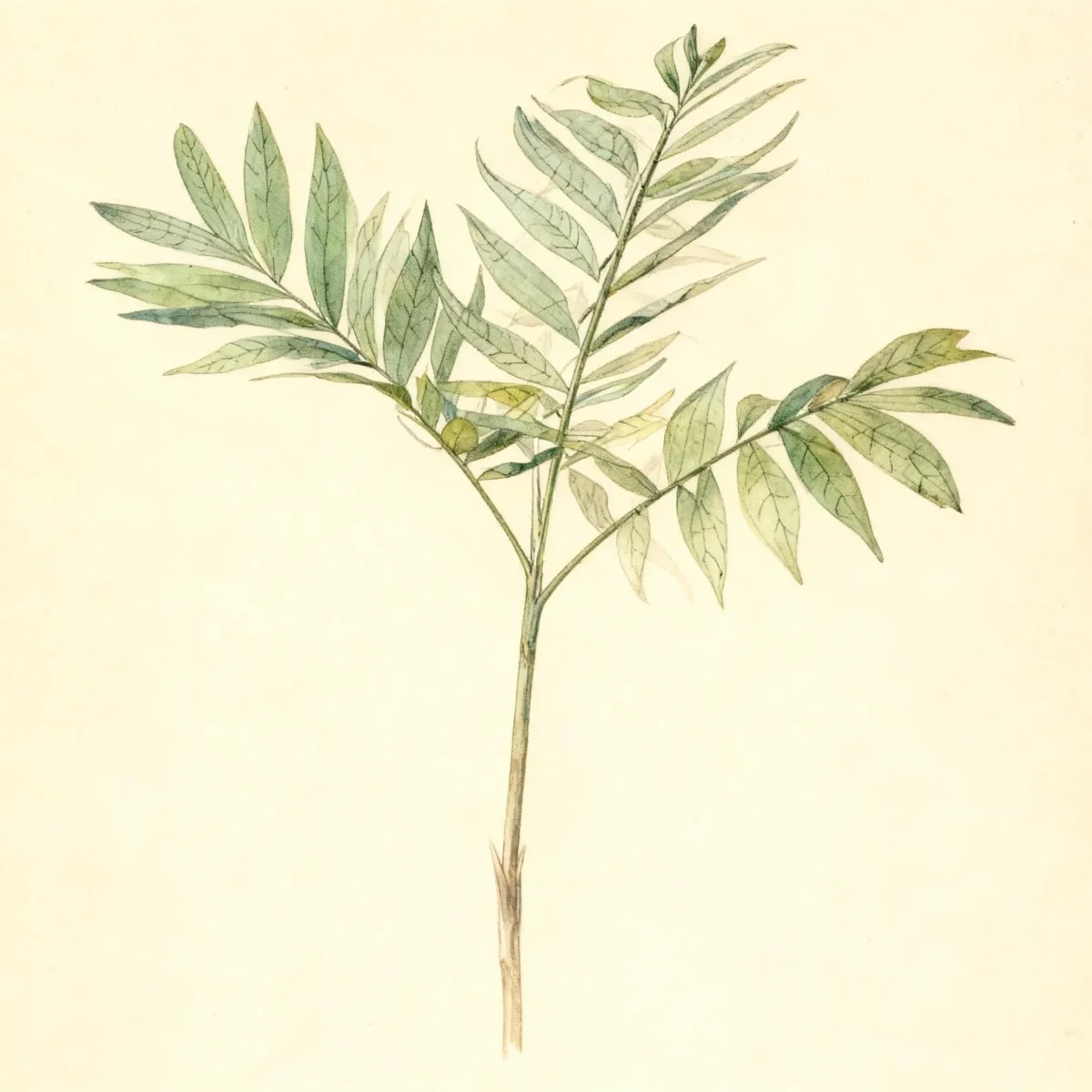
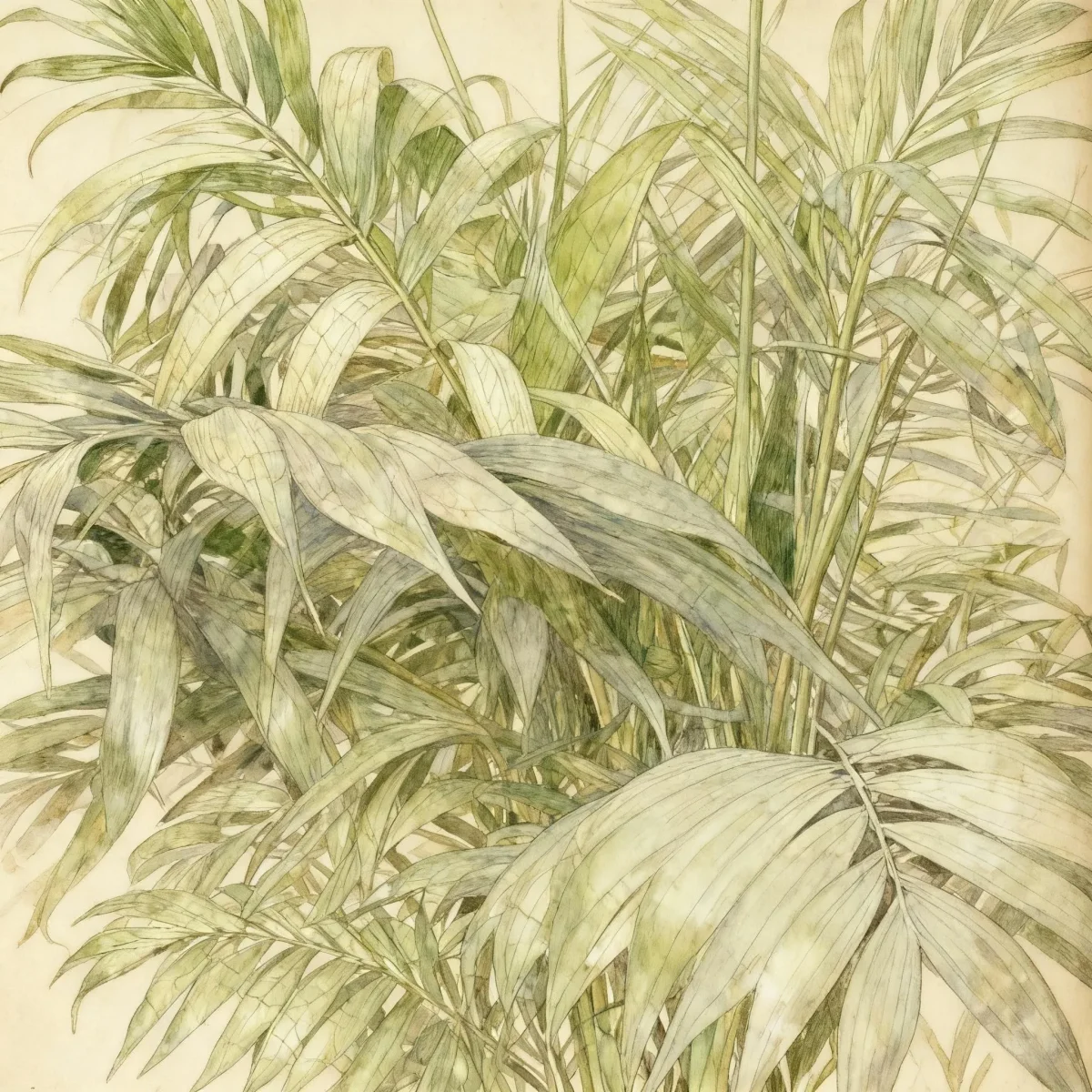
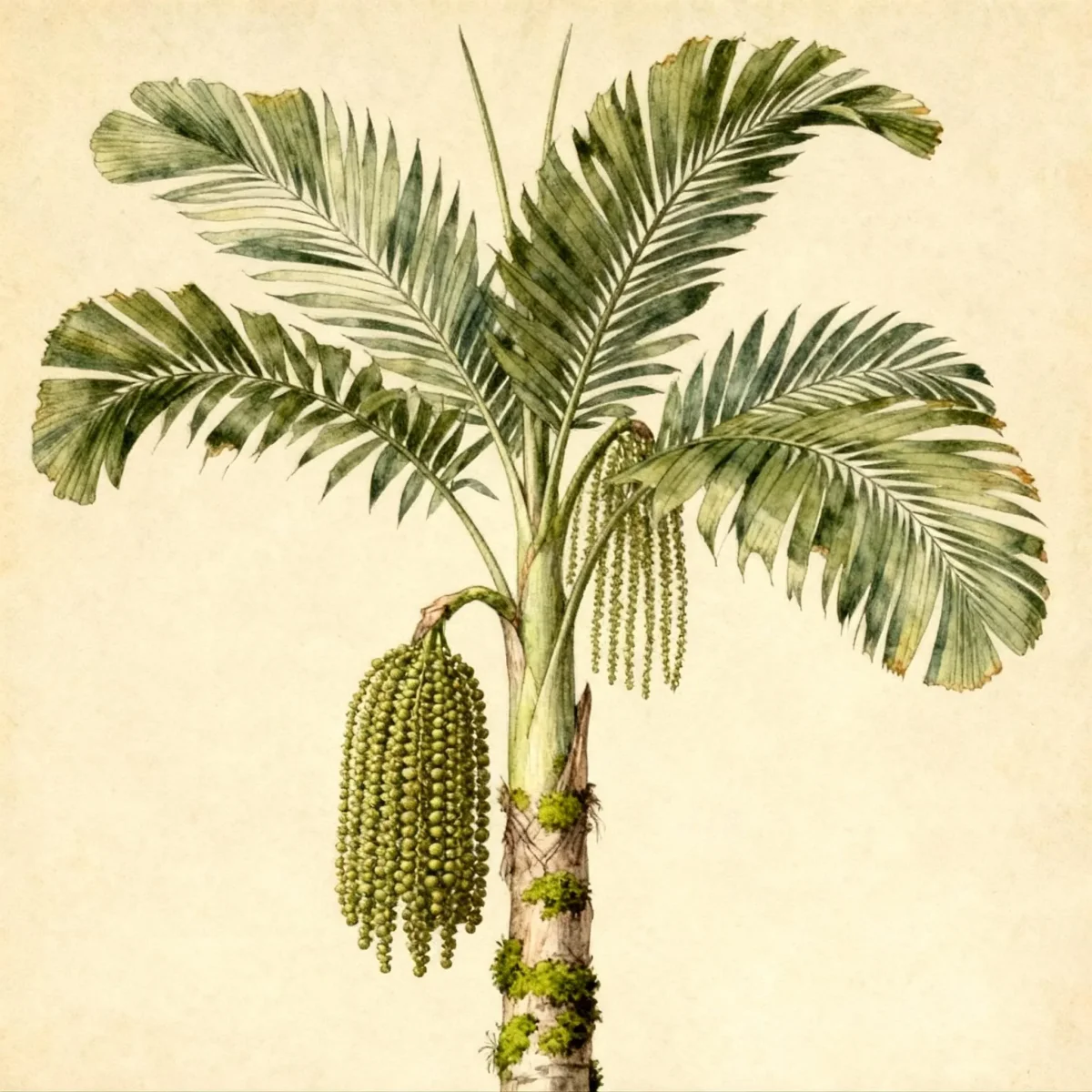
The Caryota mitis, commonly called clustered fishtail palm, is a small, clumping palm native to moist, fertile rainforests of Southeast Asia but cultivated in tropical regions around the world. Mature clumps will reach 15-25’ tall and around 8-12’ wide, featuring smooth, grey-brown trunks with distinctive rings. Its signature feature is the large, bipinnately compound leaves with wedge-shaped leaflets displaying jagged ends, referencing its common name, fishtail palm. The flowering process is unique, starting at the top of mature stems before moving downward, ultimately leading to the death of that specific stem, though new growth replaces it from the base of the clump.
Tolerances
- Susceptible to lethal yellowing disease.
Potential Problems
Spider mites and scale insects pose the primary threat, especially when the Burmese fishtail palm is grown indoors or under stressful environmental conditions, requiring consistent monitoring and appropriate horticultural oil treatments. A significant safety concern involves the round fruits; they contain calcium oxalate crystals that are highly irritating, necessitating caution during handling and mandatory placement away from areas accessible to children or pets.
While the palm is generally hardy in its preferred range, improper sun exposure or severe storms can cause physical damage to the large fronds. Always inspect new plantings for early signs of pests and avoid planting where fruit drop is a management issue.
Frequently Asked Questions
What hardiness zones is Burmese fishtail palm suitable for?
The Caryota mitis is reliably hardy in USDA Zones 9 through 10, capable of surviving brief dips near 25°F.
How large does Caryota mitis grow?
This palm typically matures to a height between 15 and 25 feet, with a spread ranging from 8 to 12 feet wide.
What sun exposure does the clustered fishtail palm need?
It thrives best in part shade, though it shows tolerance for a range of sun conditions from full sun to dappled shade, provided it is sheltered from strong winds.
When does the Burmese fishtail palm bloom?
The Caryota mitis is a seasonal bloomer, producing pale purple to mauve flowers as it reaches maturity, with blooming commencing near the crown of the stem.
Conclusion
The Burmese fishtail palm provides outstanding architectural texture and lush, tropical appeal with remarkably low inputs once established in appropriate warm climates. For gardeners seeking drama and screening, Caryota mitis delivers consistently, provided its safety concerns regarding fruit handling are heeded. Always confirm your local USDA zone compatibility before planting this gorgeous, multi-stemmed palm.
Companion Planting
When siting Caryota mitis, focus on companion plants that share similar requirements for rich, moist, well-draining soil and part shade tolerance. Excellent partners include various shade-loving understory plants common in tropical settings, such as large-leafed Hostas (in cooler edges of its range), large Calatheas, or tropical ferns like the Boston Fern. Grouping the Burmese fishtail palm near flowing water features or beneath the canopy of taller, established trees (like hardwoods) enhances the perception of a sheltered rainforest floor, benefiting both the palm and its underplanting.
Design Ideas
The upright-to-spreading habit of the Caryota mitis makes it ideal for creating dramatic focal points near entryways or patios in tropical garden designs. Its uniform texture works well when planted in odd-numbered clusters (threes or fives) to anchor corners of a property or demarcate transitions between garden spaces. For modern or minimalist designs, consider planting the clustered fishtail palm singularly against a smooth stucco or dark wall to emphasize the contrast between the clean background and the highly textured, fan-shaped foliage.