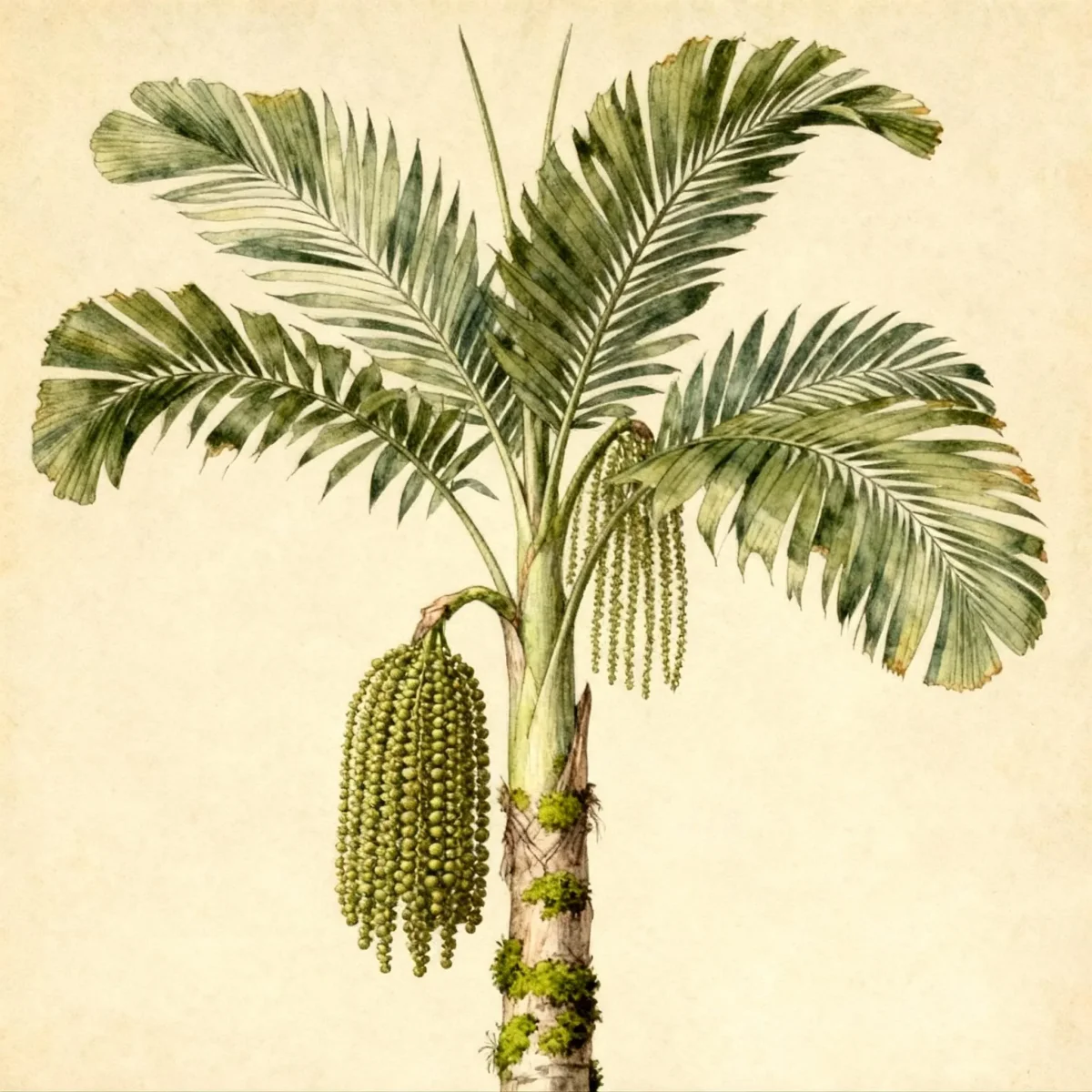
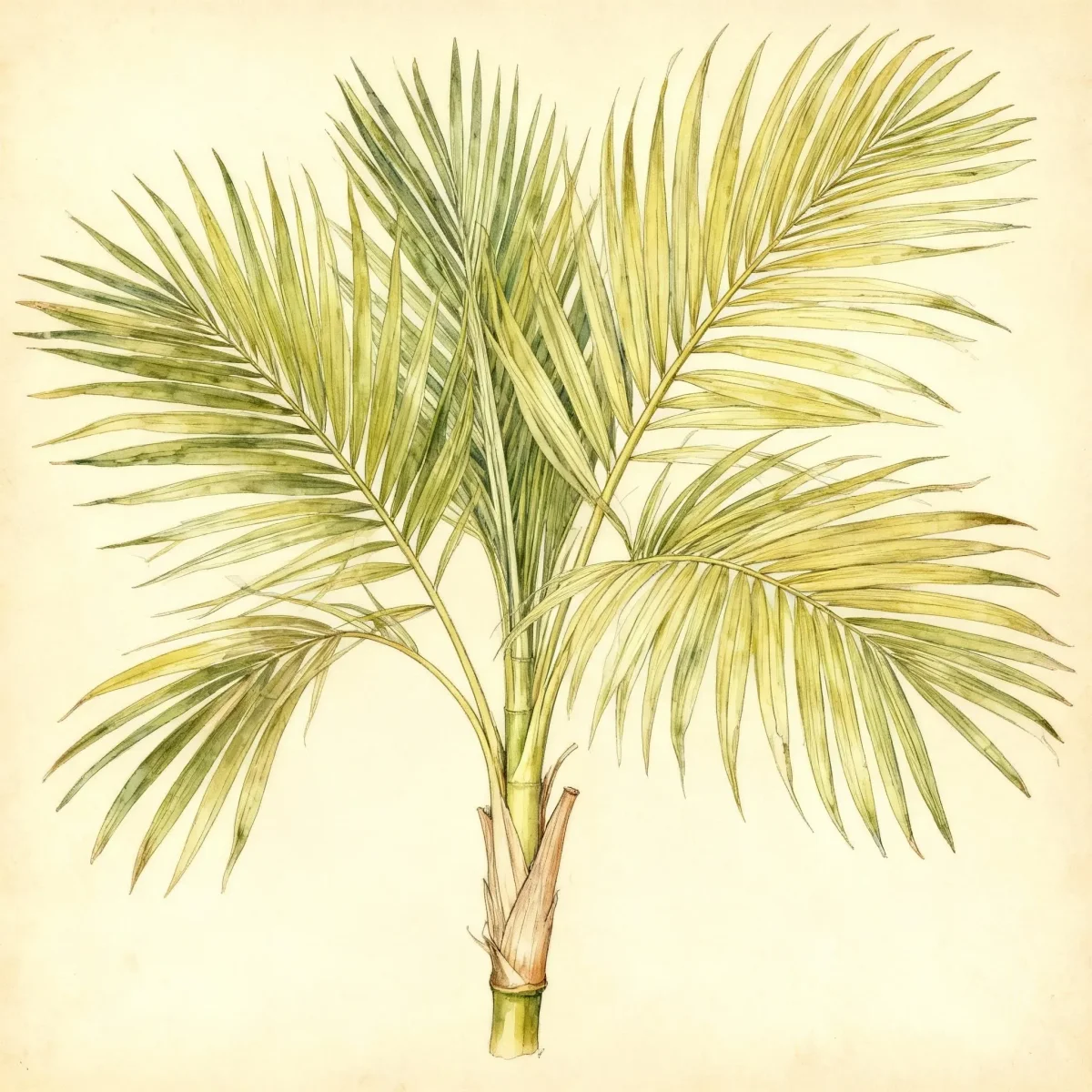
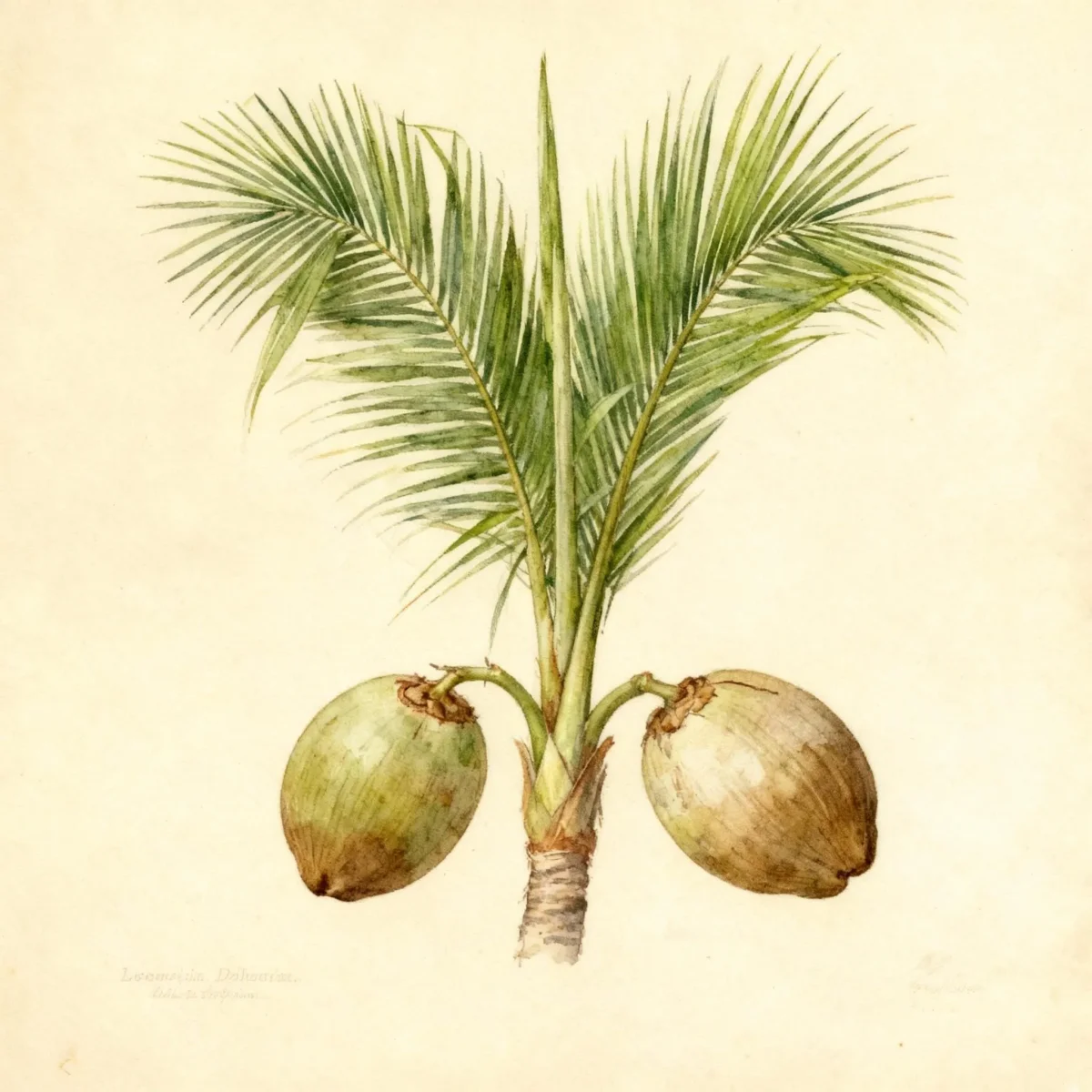
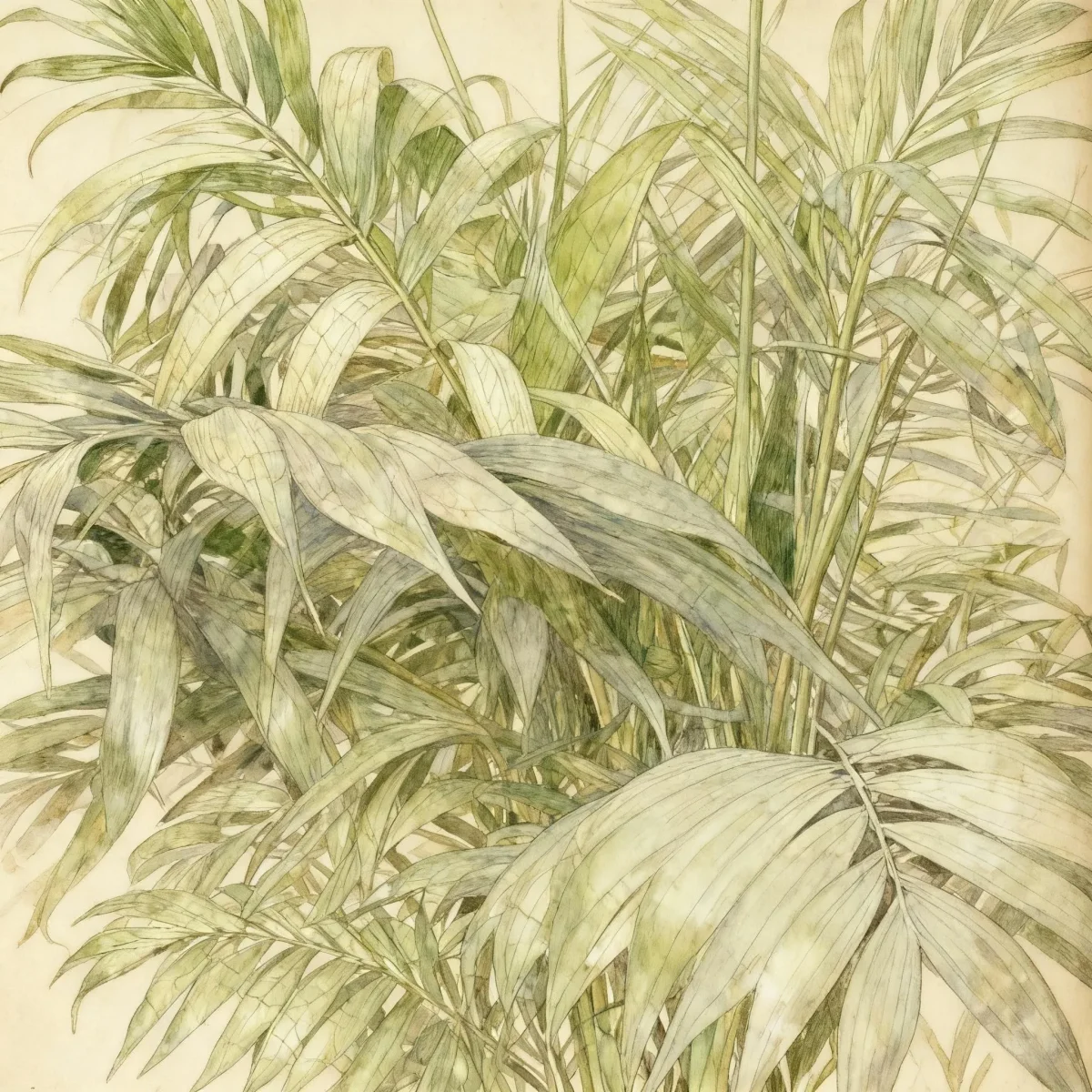
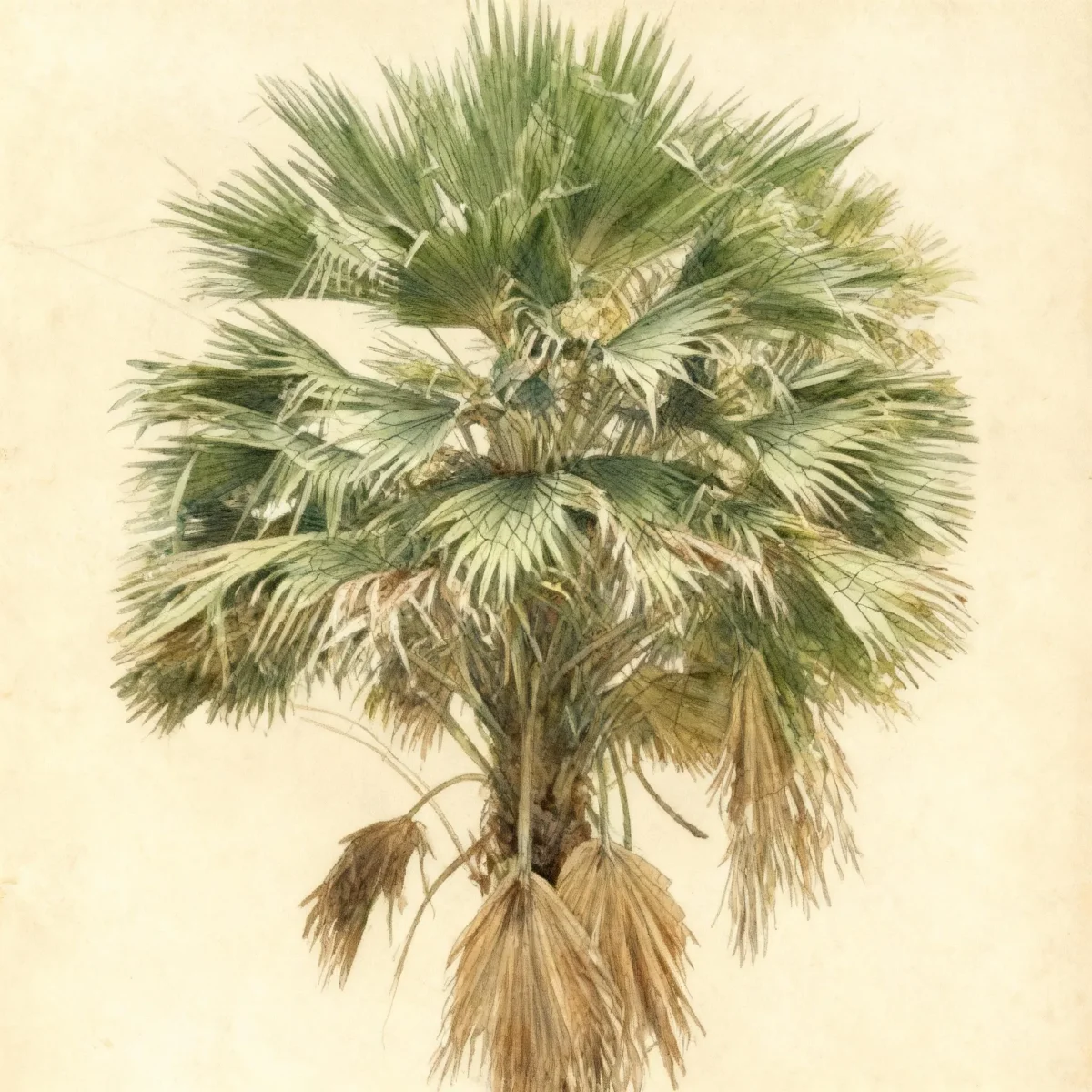
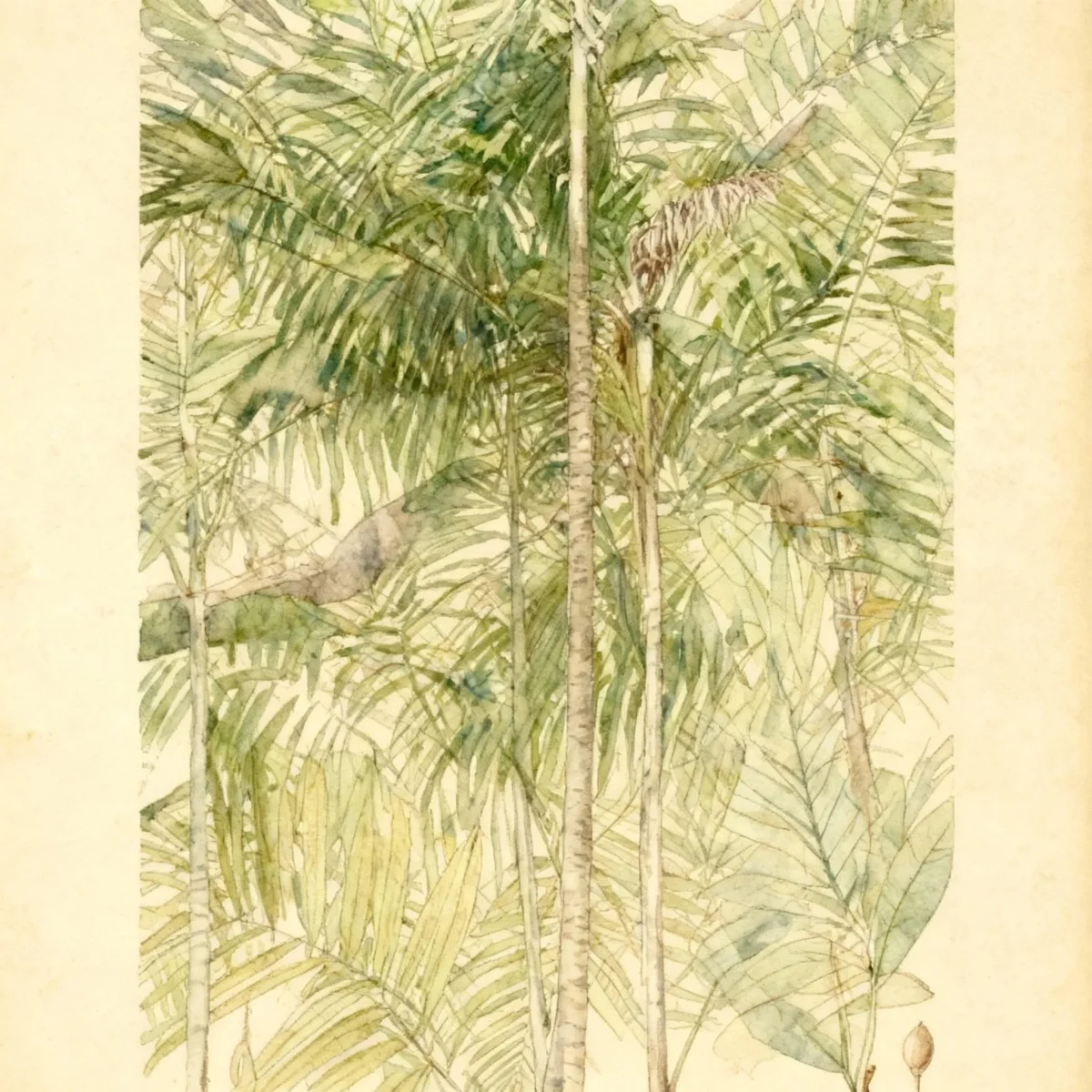
Bamboo palm (Chamaedorea seifrizii)
The Bamboo palm (Chamaedorea seifrizii) is a low-maintenance clumping palm, perfect for screens or tropical accents in Zones 10-11.
Scroll down to discover growing tips, care requirements, companion plants, and more
Complete Plant Information
Overview
The Bamboo palm (Chamaedorea seifrizii) is prized by landscape designers for its dense, clumping habit and slender, bamboo-like stems, making it an excellent choice for creating natural screens in tropical settings. This attractive palm is native to the rainforest understories of Mexico and Central America, thriving where it receives filtered light. Its maintenance needs are generally low, appealing to busy gardeners who still desire a lush, subtropical aesthetic.
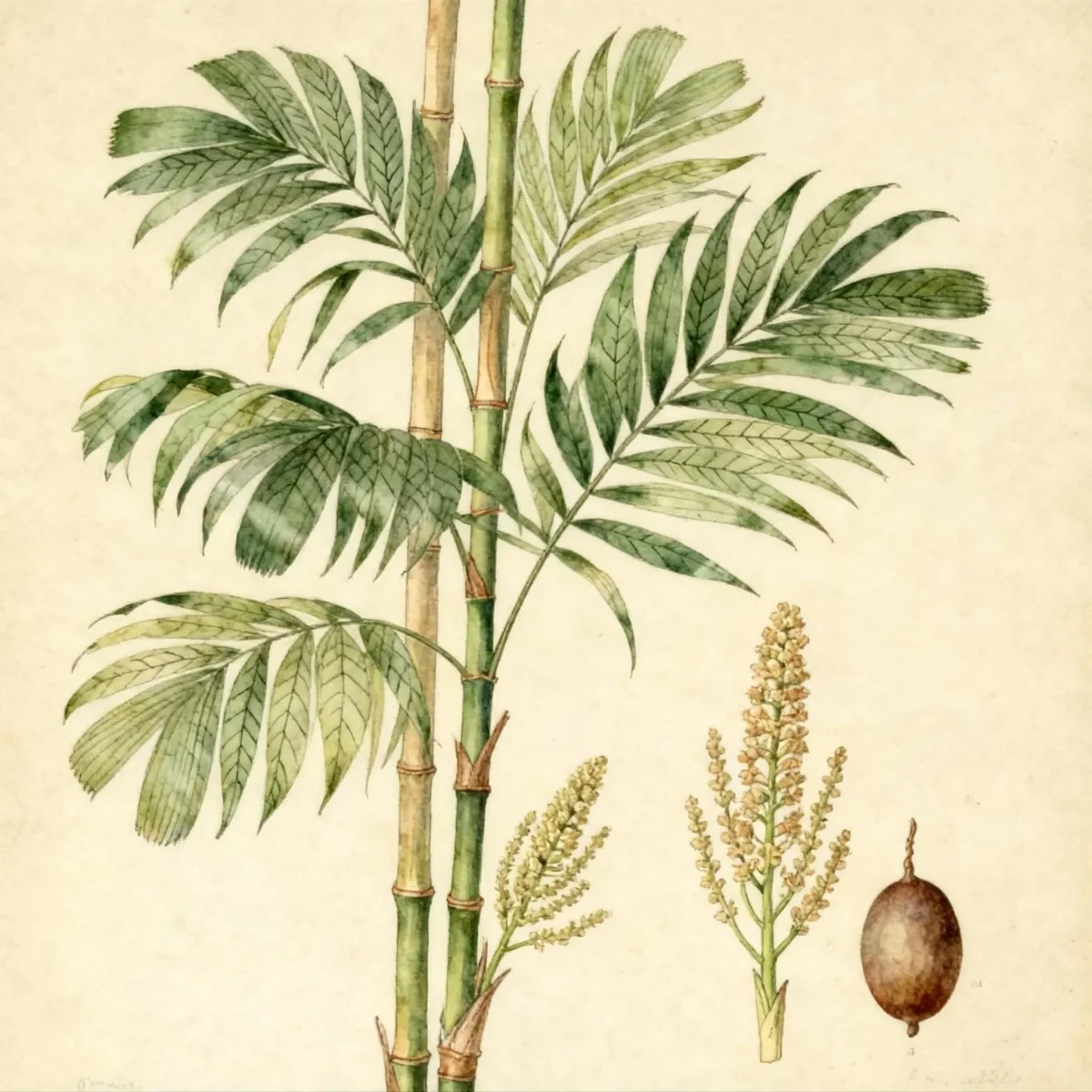
Mature clumps of Chamaedorea seifrizii grow up to 10 feet tall and spread moderately, forming tight vertical interest. The upright stems, marked with distinct nodes, give the Bamboo palm its common name, distinguishing it from other palms. While primarily suited for warm regions, its adaptability allows it to function beautifully as a container specimen in cooler climates.
The visual texture provided by the finely-cut, pinnate fronds offers year-round appeal, softening hardscapes or defining edges in garden beds. For gardeners in suitable zones, Chamaedorea seifrizii offers long-term, reliable performance and structure with minimal intervention required once established.
Fast Facts
- Plant Family: Arecaceae
- Plant Type: Palm or Cycad
- Native Range: Central America, Florida, southern Mexico
- Hardiness Zones: USDA Zones 10-11
- Size at Maturity:
- Height: 7-10 ft
- Spread: 3-6 ft
- Bloom Time: Seasonal bloomer
- Bloom Description: Yellow
- Sun Exposure: Part shade
- Water Needs: Medium
- Maintenance Level: Low
How to Grow
Planting the Bamboo palm is best achieved when soils are rich, evenly moist, and possess excellent drainage. Although Chamaedorea seifrizii is tolerant of slightly drier soils or shadier spots than ideal, maximizing health requires aiming for rich loam amended to drain well. Always avoid exposing this plant to harsh, direct afternoon sun, as this can scorch the delicate fronds.
Watering needs are medium; maintain consistent moisture, especially during establishment or in hot, dry spells. While Chamaedorea seifrizii shows tolerance for occasional inundation if drainage is generally robust, periods of standing water should be avoided to prevent rot. Fertilizing is usually light; standard palm feeds applied according to directions support healthy growth.
The maintenance for Chamaedorea seifrizii is low, mainly involving removing dead or damaged fronds at the base. Be mindful of frost; while the roots may survive short dips into Zone 9, the foliage of the Bamboo palm is susceptible to damage when temperatures dip, requiring protection or relocation in marginal zones. Furthermore, this species exhibits low tolerance for salt spray, making it poorly suited for immediate coastal exposure.
Landscape Uses
The clumping form and graceful height of Chamaedorea seifrizii make it exceptionally versatile in subtropical and tropical landscaping. Use this palm as an accent specimen to highlight entryways or pool areas where its fine texture contrasts well with broad-leafed tropicals. Mass planting the Bamboo palm creates an effective, dense screen or a lush border element, offering instant privacy and structure.
In regions outside Zones 10-11, Chamaedorea seifrizii excels as a large specimen plant in containers. When grown indoors or in a heated greenhouse for the winter, they add significant vertical appeal to patios or sunrooms. When planting outdoors in tropical gardens, pair this palm with lower-growing, large-leafed foliage plants that enjoy similar part-shade conditions, such as ferns or caladiums, allowing its cane-like stems to stand out.
Standout Features
Flower Qualities
- Insignificant
Fruit Qualities
- Showy
Noteworthy Characteristics
Chamaedorea seifrizii, commonly called Bamboo palm, is a small, clumping palm native to rainforest understories of Mexico and Central America. Mature clumps are densely packed with stems and will reach up to 10’ tall and spread to 3-6’ wide. The slender, upright to leaning stems have distinct nodes giving them a bamboo-like appearance. The 4-6” long, branched inflorescences appear seasonally, bearing small, yellow flowers, with female plants displaying bright orange fruits maturing to black.
Tolerances
Potential Problems
The Bamboo palm is susceptible to several fungal issues, including gliocladium stem blight, root rot, and stem rot, often exacerbated by poor air circulation or overly saturated soil. Ensuring excellent drainage is the primary preventative measure against these soil-borne diseases. Pests like mealy bugs, scale insects, and spider mites can become problematic, particularly if the palm is grown indoors in dry conditions. Regular inspection and occasional insecticidal soap application can manage these common minor infestations.
Frequently Asked Questions
What hardiness zones is Bamboo palm suitable for?
The Chamaedorea seifrizii is hardy in USDA Zones 10 through 11, though roots may sustain survival into Zone 9, provided the foliage is protected from hard frosts.
How large does Chamaedorea seifrizii grow?
When mature, the Bamboo palm typically reaches a height between 7 and 10 feet, with a spread ranging from 3 to 6 feet wide, forming a pleasingly dense clump.
What sun exposure does Bamboo palm need?
This species naturally prefers part shade, mirroring its understory habitat. It thrives best when direct, harsh afternoon sun is carefully avoided.
When does Chamaedorea seifrizii bloom?
The Bamboo palm is a seasonal bloomer, noted for producing small, yellow flowers. On female plants, these develop into showy, round fruits.
Conclusion
The Bamboo palm (Chamaedorea seifrizii) offers exceptional vertical texture and low maintenance, making it a cornerstone plant for creating lush, shaded tropical effects. Its distinctive, cane-like stems provide year-round visual interest, whether massed as a screen or used as a specimen. Before planting, always confirm your local climate falls within USDA Zones 10-11.
Companion Planting
Selecting appropriate neighbors is key to creating a vibrant, healthy landscape pairing for the Bamboo palm. Look for plants that share similar cultural needs, specifically favoring part shade and medium moisture. Excellent companions include a variety of ferns, such as the Boston Fern (Nephrolepis exaltata), which echoes the fine texture of the palm’s foliage near the ground level. Caladiums are also wonderful choices, adding bold, colorful leaf shapes beneath the canopy of the Chamaedorea seifrizii.
Container Growing
Growing Chamaedorea seifrizii in containers is an excellent strategy for gardeners in cooler regions or those needing flexible planting schemes. For success, select a large, heavy pot to accommodate its spreading root structure and stem density. Use a high-quality potting mix focusing heavily on aeration, reinforcing the need for the ‘well-draining’ soil culture this palm demands. Regular, deeper watering is necessary in pots compared to in-ground planting, though allowing the top inch of soil to dry slightly between waterings prevents root rot, especially important for this species.