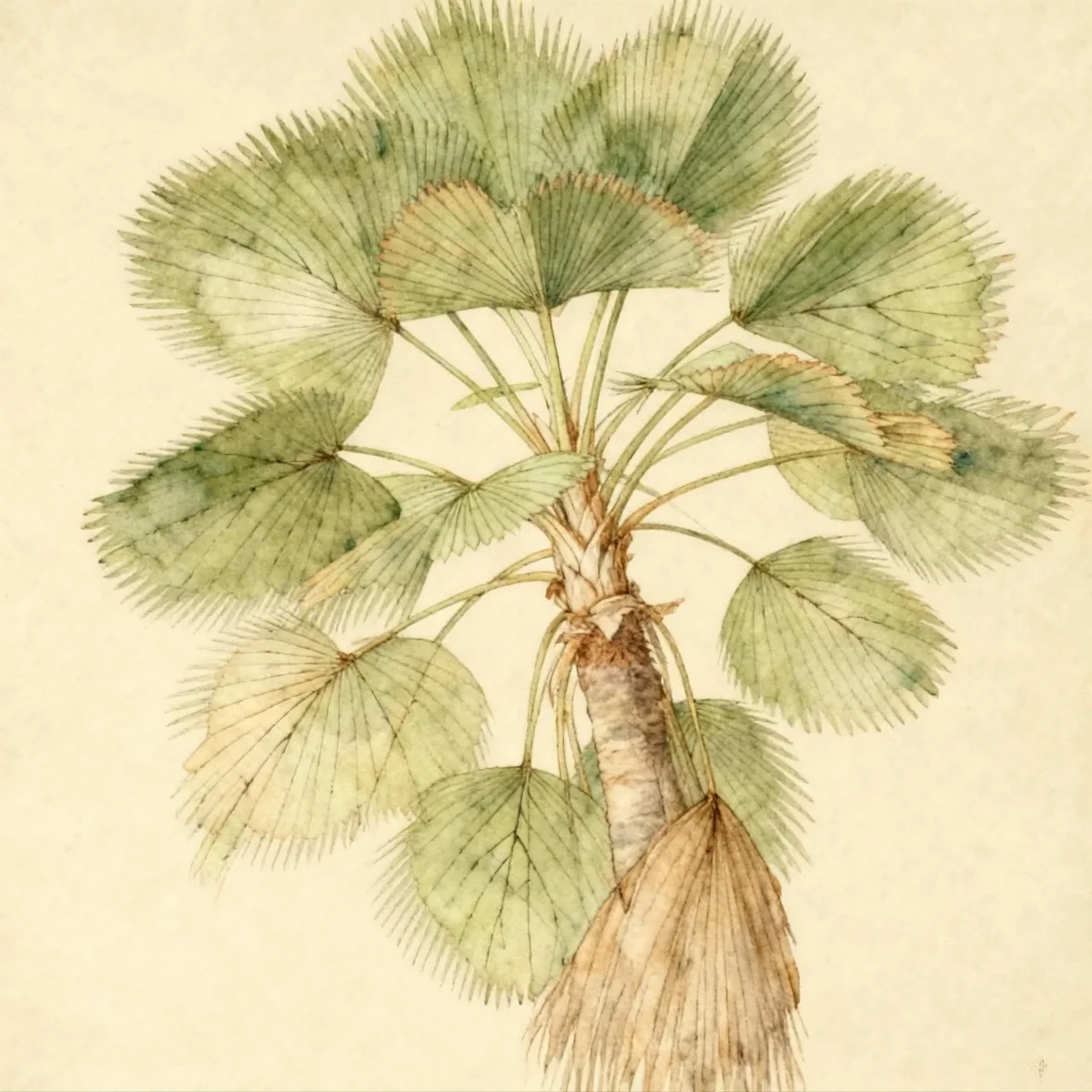
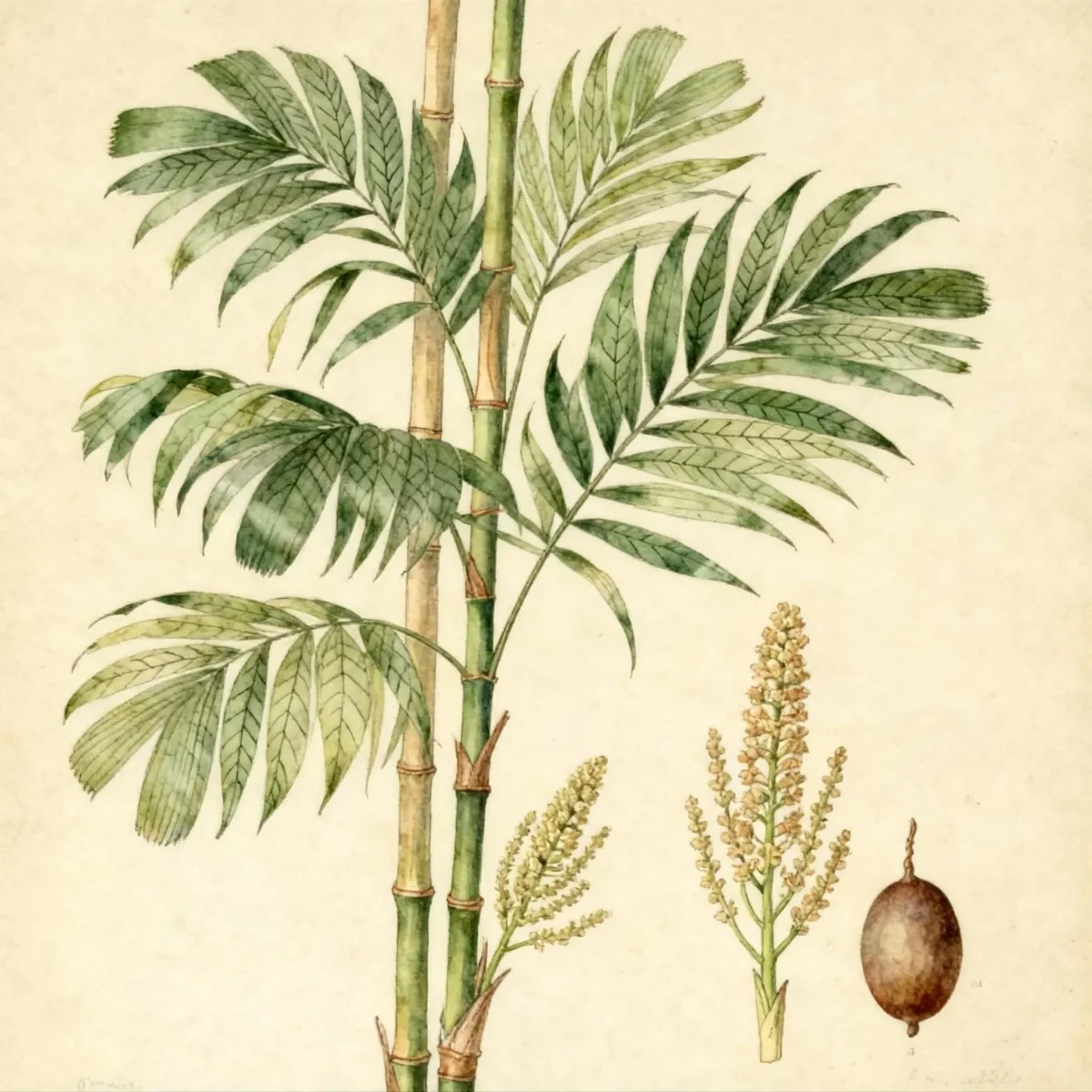
Lady palm (Rhapis excelsa)
The elegant Lady palm (Rhapis excelsa) is a low-maintenance, shade-loving evergreen fan palm perfect for screens or containers.
Scroll down to discover growing tips, care requirements, companion plants, and more

Complete Plant Information
Overview
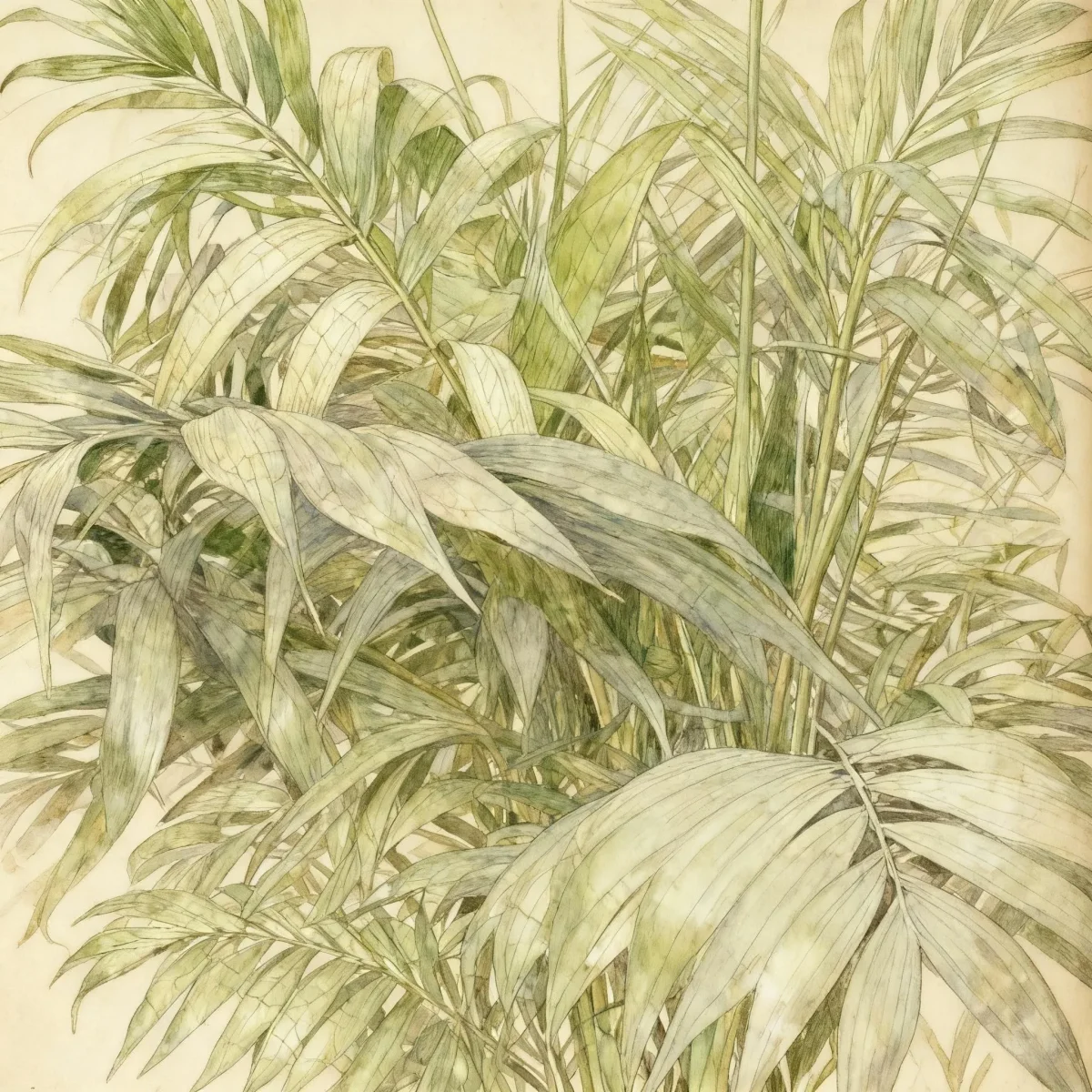
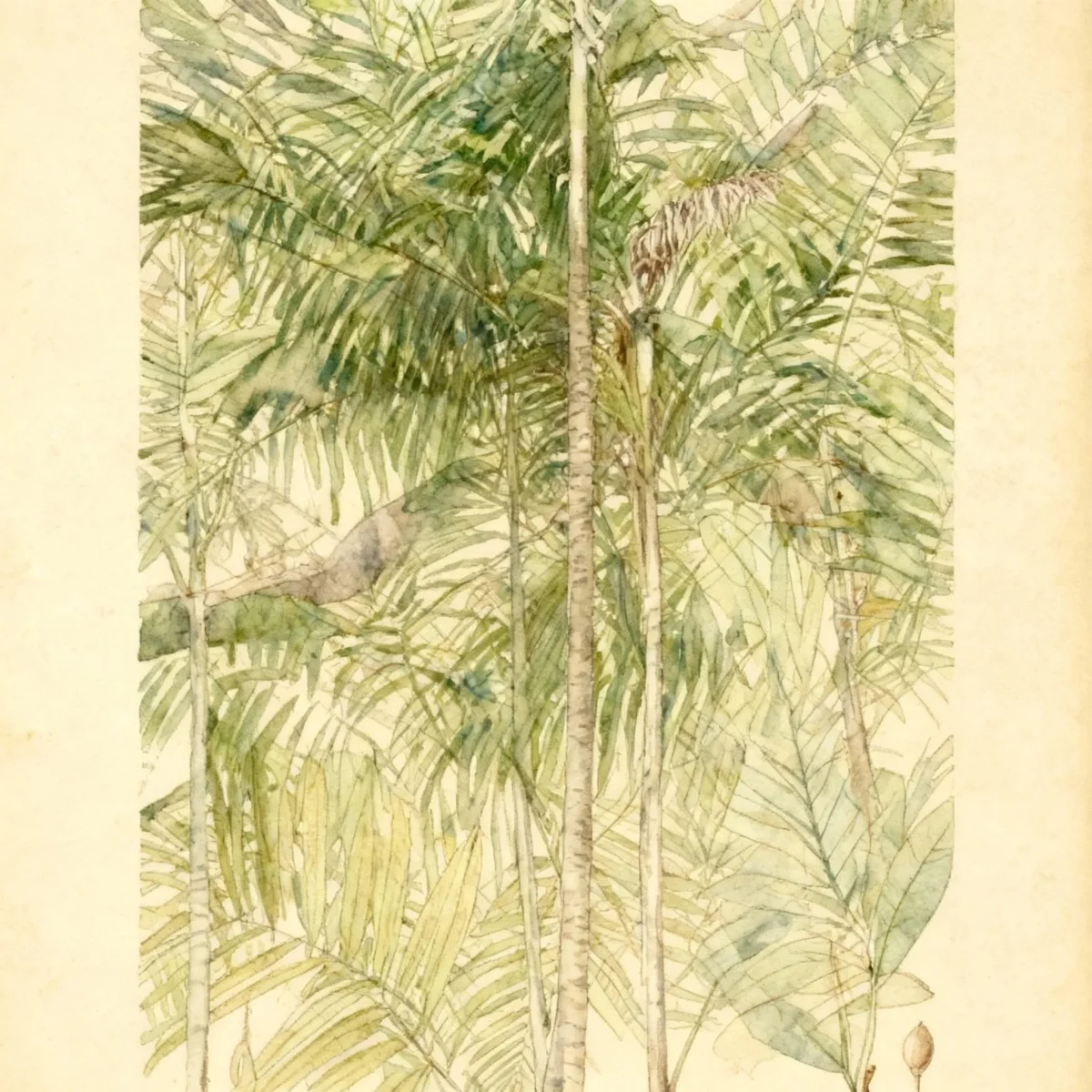
The Rhapis excelsa, commonly known as the Lady palm, is highly valued by gardeners and interior designers for its dense, clumping habit and tolerance for lower light conditions. This evergreen fan palm develops slender, upright, bamboo-like canes tightly packed with rich green, deeply divided foliage, creating an excellent tropical texture. It functions beautifully as a privacy screen outdoors in suitable climates or as a sophisticated architectural plant indoors.
This species is celebrated for its remarkable adaptability, thriving in conditions where many other palms might struggle, such as bright indirect light indoors or deep part shade outdoors. While Rhapis excelsa is native to parts of China and Vietnam, it is cultivated widely for its aesthetic appeal and relatively low demands on the gardener.
With a low maintenance profile and a preference for consistent moisture, the Lady palm provides year-round structure and elegance. Its slow-growing nature and ability to mature into a substantial clump make proper placement essential for long-term success in the landscape or a large decorative container.
Fast Facts
- Plant Family: Arecaceae
- Plant Type: Palm or Cycad
- Native Range: Southeastern China, Vietnam
- Hardiness Zones: USDA Zones 9-11
- Size at Maturity:
- Height: 6-15 ft
- Spread: 6-15 ft
- Bloom Time: Flowers not showy
- Sun Exposure: Part shade to full shade
- Water Needs: Medium
- Maintenance Level: Low
How to Grow
Planting the Lady palm outdoors should occur when the danger of frost has completely passed, ideally in spring or early summer to allow establishment. This palm needs well-drained soil, which is especially critical when grown indoors in containers. Ensure the area provides dappled sun or part shade, as direct, intense sunlight will quickly scorch the attractive green leaves.
Watering requires consistency; aim for regular moisture, peaking during the hot summer months. Reduce watering applications significantly as temperatures drop in the winter, though established plants exhibit some drought tolerance once acclimated. Fertilization is generally light, focusing on promoting healthy green foliage rather than rapid growth. Pruning is minimal, typically just removing older, damaged fronds near the base.
The Rhapis excelsa spreads via rhizome offshoots, which can be used to propagate new plants, though this process is often slow. Indoor growers should recognize that these plants prefer temperatures around 70°F in summer, with winter lows ideally staying above 55°F, making them ideal for climate-controlled environments.
Landscape Uses
The upright, dense growth habit of the Lady palm makes it an unparalleled choice for creating naturalized screens or hedges where winter hardy. Its ability to handle considerable shade allows it to soften foundation plantings or line shaded walkways beautifully. Indoors, due to its low light and humidity requirements, it is frequently chosen for offices and interior courtyards.
When designing with the Rhapis excelsa, contrast its fine-textured, fan-shaped leaves against broad-leafed tropicals or structural evergreens. Outdoors in Zones 9-11, plant them beneath taller trees to utilize filtered light effectively, complementing them with understory shade lovers like Hostas or large ferns, depending on the specific microclimate.
For container gardening, the Lady palm provides year-round fullness. Use deep, well-drained pots and place them strategically where their bamboo-like canes can be admired up close, such as flanking an entryway or patio door.
Standout Features
Flower Qualities
- Showy
Noteworthy Characteristics
The Rhapis excelsa, commonly known as lady palm or bamboo palm, is an evergreen fan palm that forms a dense clump of slender, upright, bamboo-like canes clad with palmate, deep green foliage consisting of deeply divided, fan-shaped leaves each of which divide into 5-8 finger-like, narrow-lanceolate segments. The plant’s genus name references the Greek word rhapis (a needle), relating to the leaf segments, while the epithet excelsa refers to its height, though it remains a manageable size, especially indoors.
Tolerances
- Drought
Potential Problems
Leaf spot remains the most common fungal issue affecting the Lady palm, often exacerbated by overhead watering or poor air circulation, especially indoors. To manage this, ensure water hits the soil, not the leaves, and maintain good airflow around the plant clumps.
Pest monitoring should focus on checking the base of the canes and the undersides of leaves for common tropical pests like aphids, scale insects, and nematodes. Scale and aphids can often be controlled with horticultural oils or insecticidal soap applied thoroughly. While susceptible to fireblight, this is generally less common in container settings compared to landscape applications.
Frequently Asked Questions
What hardiness zones is Lady palm suitable for?
The Lady palm (Rhapis excelsa) is winter hardy in USDA Zones 9 through 11.
How large does Lady palm grow?
Outdoors, Rhapis excelsa can reach 6 to 15 feet tall and spread 6 to 15 feet wide, though it often remains closer to 6 feet tall when grown successfully as an indoor container plant.
What sun exposure does Lady palm need?
This palm prefers part shade to full shade conditions; direct, unmitigated sunlight should be avoided as it causes the leaves to burn.
When does Lady palm bloom?
Flowering on the Lady palm is generally considered inconspicuous; the tiny, bowl-shaped yellow flowers are not horticulturally showy.
Conclusion
For reliable, elegant, low-maintenance greenery, the Lady palm (Rhapis excelsa) stands out, particularly concerning its superior tolerance for shade and indoor conditions. Its distinctive clump of cane-like stems and beautiful fan leaves offers year-round architectural interest. When planning your garden or interior planting scheme, check your local hardiness zone compatibility and ensure you can provide the consistent moisture this beautiful palm prefers.
Companion Planting
When selecting companions for outdoor plantings of Rhapis excelsa in shaded zones, choose other plants that share similar moisture and light needs. Ferns, such as the robust Hellebore (though technically not a fern, it thrives in similar conditions) or various hardy groundcover ferns, work well to create a deep woodland texture beneath the canopy of the palms. Consider placing shade-loving impatiens or Begonias around the base for seasonal color contrast without competing for overhead light.
Propagation Tips
The primary method for increasing your stock of Lady palm is through the division of its rhizome offshoots. These side shoots develop around the base of the mature plant clumps over time. Wait until the offshoot has developed a respectable root system, typically when it is at least 1-2 feet tall, before carefully separating it from the mother plant using a sharp, clean spade or knife. Plant the division immediately into a well-draining, rich potting mix, keeping the soil consistently moist until new growth confirms successful establishment of the new Rhapis excelsa.