Pelican flower (Aristolochia gigantea)
Discover Aristolochia gigantea, the Pelican flower. This massive vine boasts huge, uniquely shaped burgundy blooms and thrives in Zones 10-12.
Scroll down to discover growing tips, care requirements, companion plants, and more
Complete Plant Information
Overview
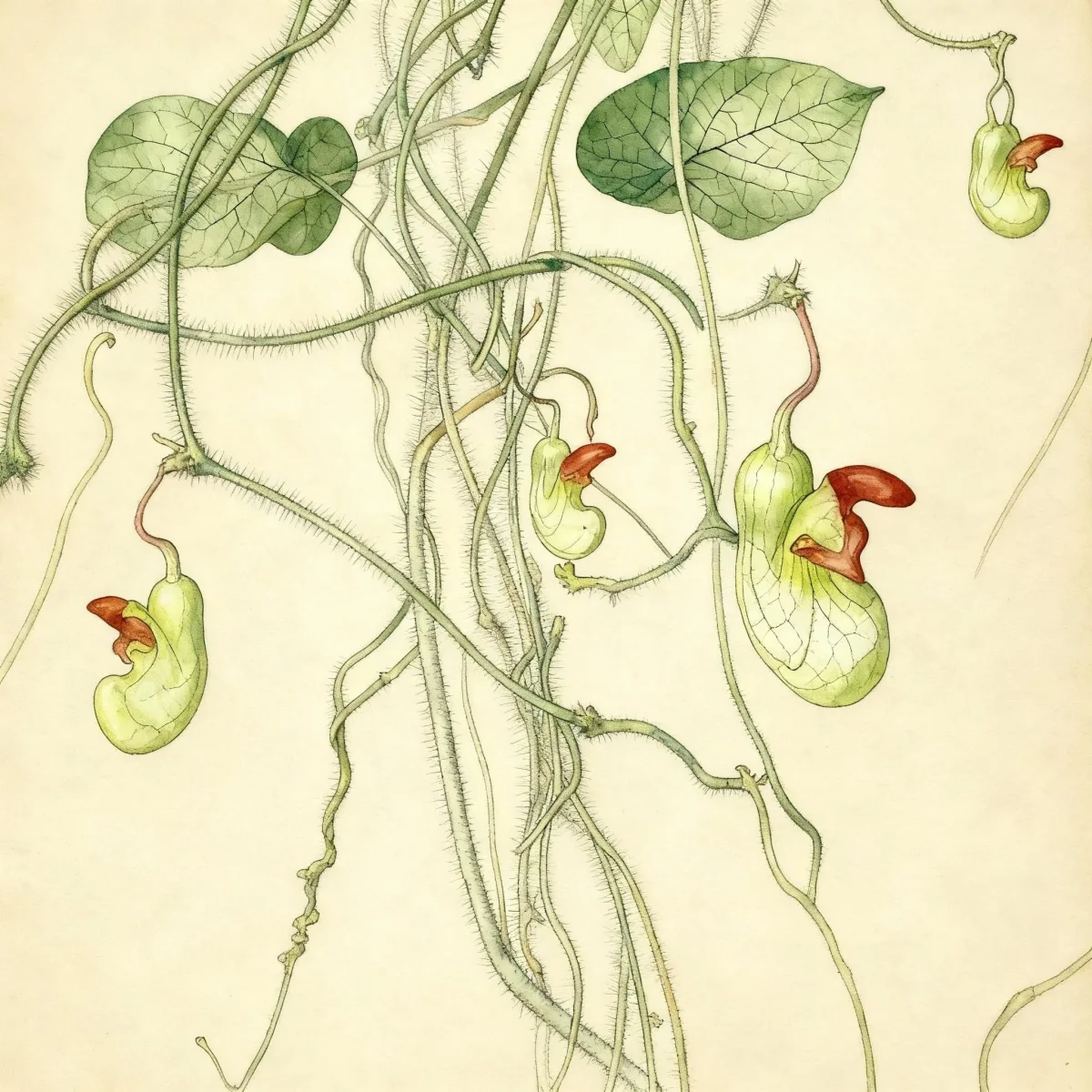
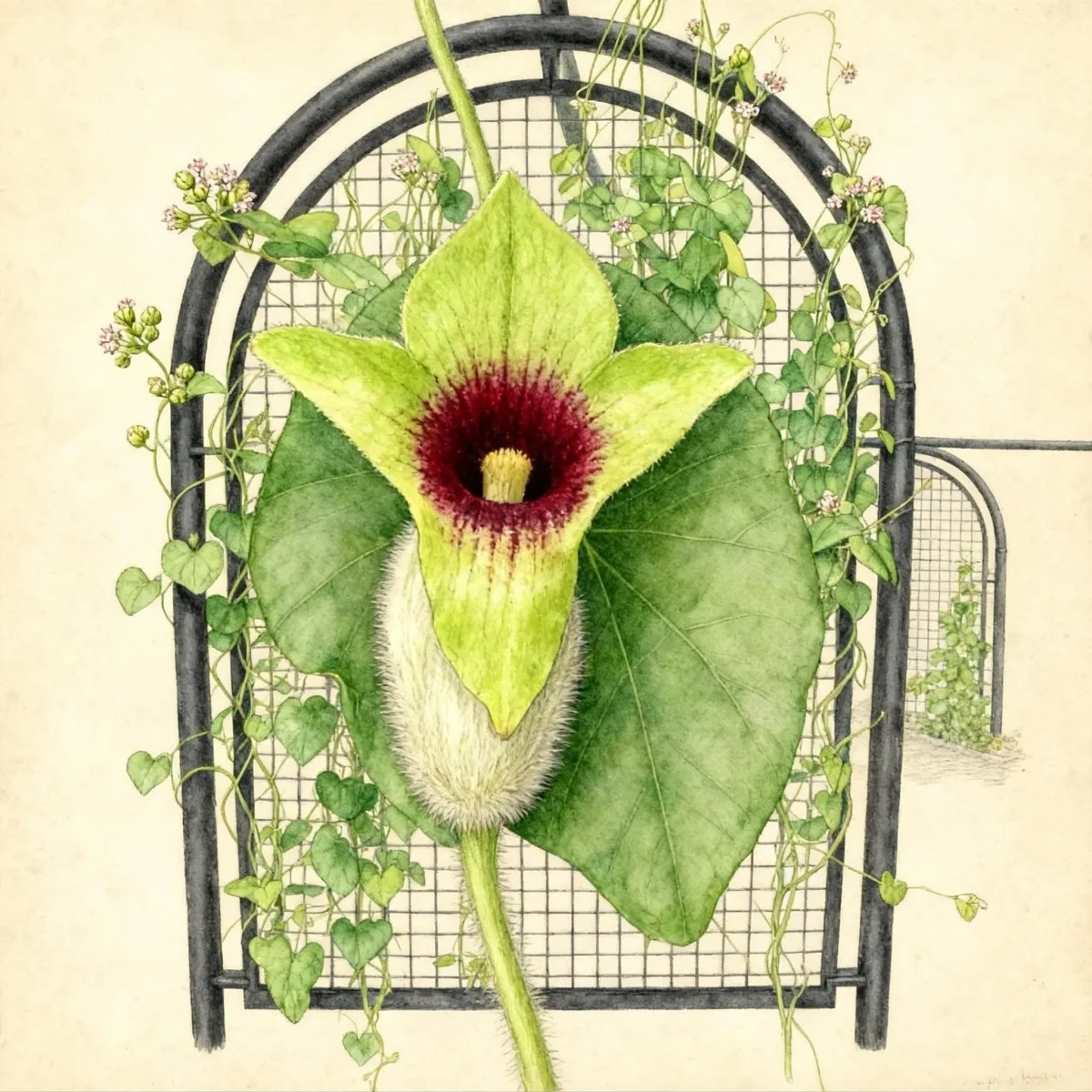
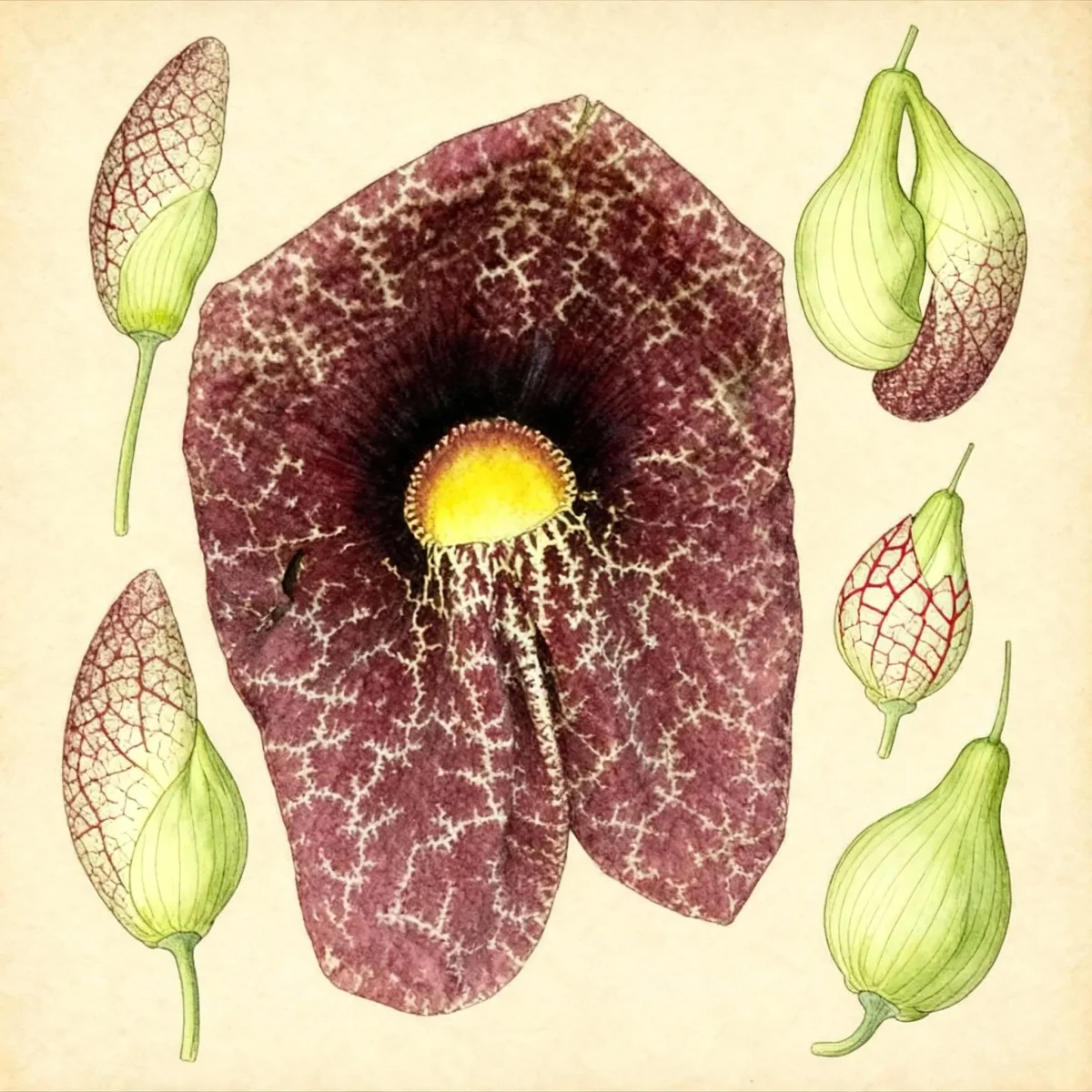
The magnificent Aristolochia gigantea, commonly known as the Pelican flower, is a show-stopping tropical vine admired for its extraordinarily large and complex blooms. These woody evergreen climbers produce flowers that can reach up to two feet long, featuring a dramatic burgundy velvet coloration netted with ivory white veins, truly justifying its common name. As a fast-growing vine, Aristolochia gigantea requires ample vertical space to display its unique architecture, making it an unparalleled specimen plant in warmer climates.
Native to the humid forests of Central and South America, this plant establishes itself readily where temperatures remain mild year-round. While its massive flowers feature a potent fragrance intended to attract specific insects for pollination, many gardeners appreciate its sheer scale and exotic appearance. Growing the Pelican flower offers a dramatic focal point for arbors or large supporting structures.
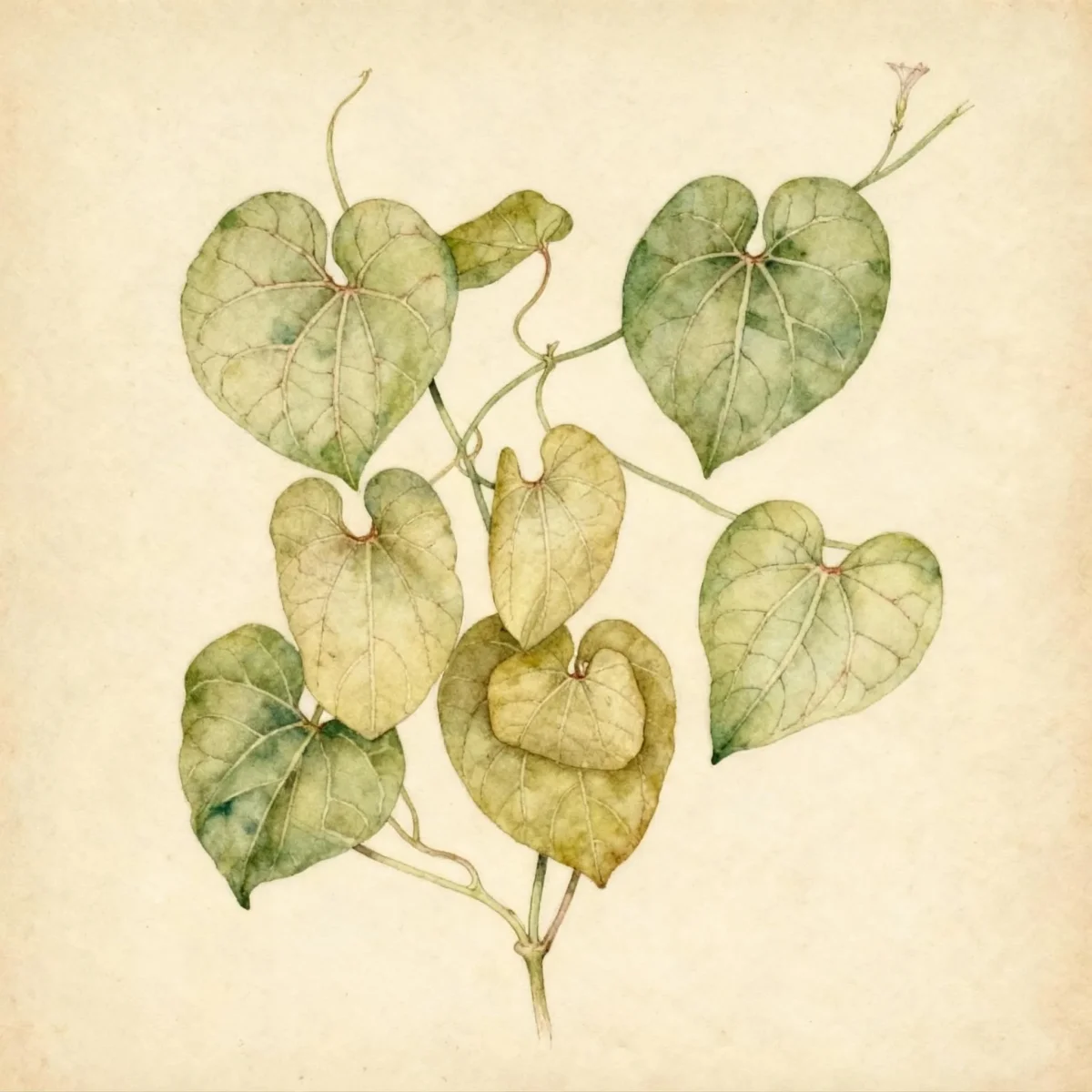
Gardeners must note that while this vine is generally low maintenance once established, it must be protected from frost. Its large, light-green leaves provide excellent coverage, complementing the striking appearance of the unusual summer blooms. Embrace the exotic beauty of Aristolochia gigantea by providing the necessary support structure in frost-free zones.
Fast Facts
- Plant Family: Aristolochiaceae
- Plant Type: Vine
- Native Range: Central and South America
- Hardiness Zones: USDA Zones 10-12
- Size at Maturity:
- Height: 15-20 ft
- Spread: 3-6 ft
- Bloom Time: June to July
- Bloom Description: Burgundy with white veins
- Sun Exposure: Full sun to part shade
- Water Needs: Medium
- Maintenance Level: Low
How to Grow
Planting the Pelican flower should occur in spring, allowing the long growing season to establish the vine before any potential cold weather. It thrives in medium moisture, moderately fertile, well-drained soils. Ensure that the chosen location receives full sun, though appreciated afternoon shade is beneficial in intensely hot inland areas to prevent leaf scorch.
Once planted, maintain a medium watering schedule, ensuring the soil does not become dry, which this tropical plant dislikes. Fertilization requirements are minimal for established vines. Pruning, if necessary for size control or shaping, should be executed in late winter or early spring before new vigorous growth begins.
The most critical consideration for year-round outdoor survival is temperature; Aristolochia gigantea will perish if temperatures dip below 30 degrees F. Therefore, these vines absolutely require a sturdy support structure, such as a trellis or robust arbor, on which to twine and climb extensively. In areas outside its native hardiness range, treat it as an annual or bring it indoors for the winter.
Landscape Uses
The sheer scale and unusual nature of the Pelican flower dictate that it is best utilized as a sensational vertical accent. Where winter hardy, it needs a trellis, arbor, or other structure on which to grow, transforming otherwise plain surfaces into a tapestry of exotic foliage and blooms. Its vigorous growth makes it an excellent choice for screening unwanted views or dramatically covering pergolas, providing intense summer shade.
For a truly dramatic effect, plant Aristolochia gigantea near seating areas where its huge, showy flowers can be observed up close, though be aware of the potent fragrance. While it can reach 20 feet, those with limited space can successfully manage this vine in large containers, allowing for easy movement indoors during cold snaps. It pairs well with other tropical or substantial foliage plants that enjoy similar conditions of bright light and consistent moisture.
Standout Features
Flower Qualities
- Showy
- Fragrant
Noteworthy Characteristics
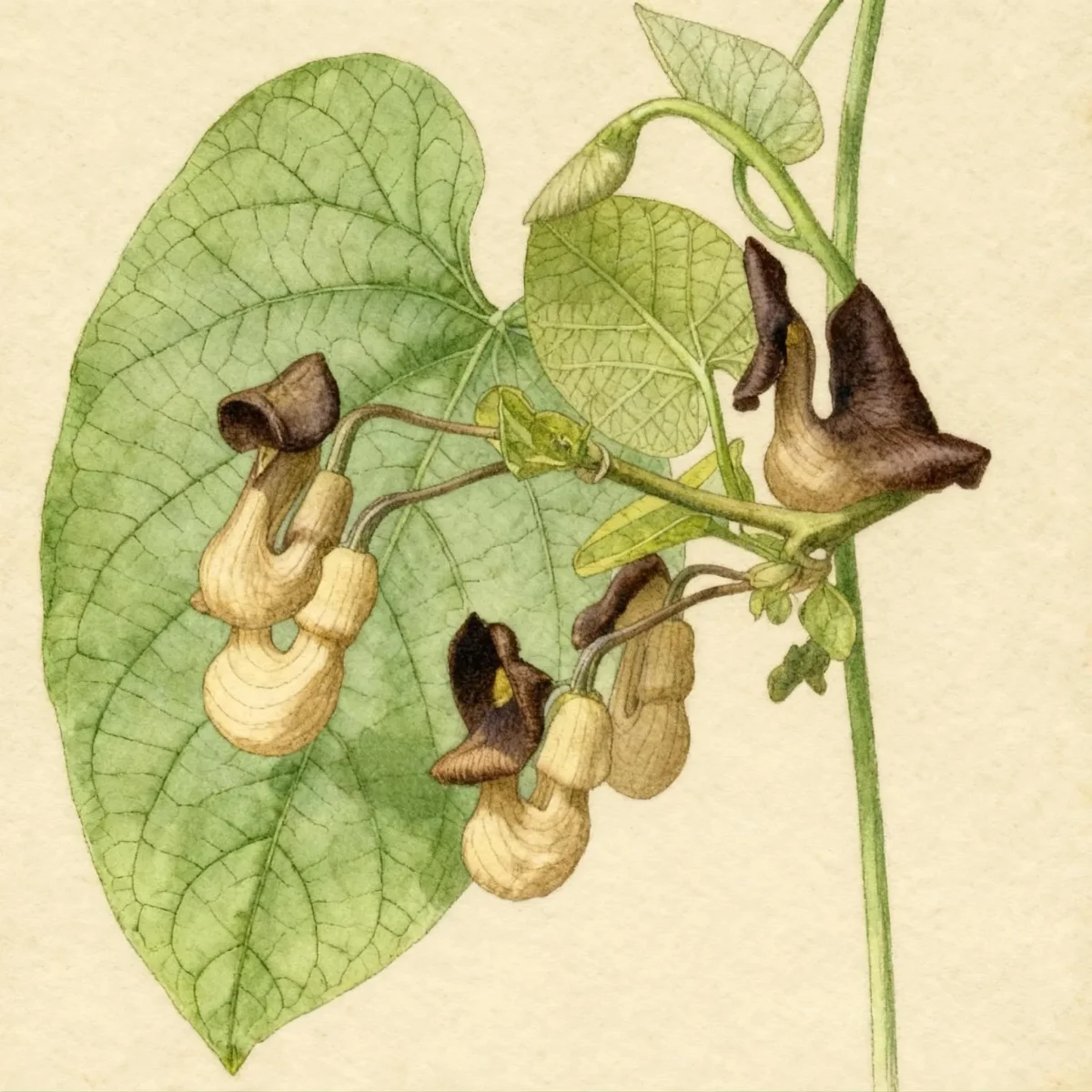
Aristolochia gigantea, commonly called Brazilian Dutchman’s pipe or giant pelican flower, is a fast growing woody evergreen twining climber of the birthwort family that produces in early summer unusually large apetalous flowers each having a pouch to 2’ long and 1’ across. Flowers are burgundy velvet netted with distinctive ivory white veins. This species is native to humid forested areas from Costa Rica and Panama to Brazil; notably, while U.S. native Aristolochia species host the pipevine swallowtail, the leaves of the tropical Aristolochia gigantea are toxic and harmful to the butterfly larvae.
Tolerances
- No serious insect or disease problems
Potential Problems
This vine generally exhibits low susceptibility to pests and diseases, which is a significant advantage for such a large, leafy plant. Gardeners should remain vigilant for general tropical vine issues, although no specific serious problems are noted in its culture. The most significant “problem” is managing its rapid, massive growth habit and ensuring adequate winter protection outside of USDA Zones 10 through 12.
Frequently Asked Questions
What hardiness zones is Pelican flower suitable for?
The Pelican flower (Aristolochia gigantea) is winter hardy only in USDA Zones 10 through 12 outdoors.
How large does Aristolochia gigantea grow?
This vigorous vine typically reaches mature heights between 15 and 20 feet tall, with a comparable spread of 3 to 6 feet, requiring substantial support.
When does Pelican flower bloom?
The striking burgundy and white-veined blooms typically appear from June through July in its peak growing season.
What sun exposure does Aristolochia gigantea need?
It prefers full sun but benefits from some part shade, especially during the hottest part of the day, to prevent stress.
Conclusion
The dramatic size and unique, showy flowers of Aristolochia gigantea make it an unforgettable addition to exotic gardens in the appropriate subtropical and tropical climates. For gardeners in Zones 10-12, prioritizing the installation of a very sturdy support structure is crucial for enjoying this magnificent Pelican flower vine to its fullest potential. Check your local minimum temperatures before attempting to establish this fast-growing beauty outdoors for the long term.
Design Ideas
When incorporating the Pelican flower into a landscape design, think vertically and boldly. Due to its rapid growth and large leaf structure, it can quickly become overwhelming in small spaces. It is perfectly suited to cover large, industrial chain-link fences or to dramatically canopy sturdy pergolas, creating a shaded, high-impact outdoor room. Pair it with structural, evergreen shrubs to anchor the view during the vine’s dormant or non-blooming periods.
Consider the mature size of Aristolochia gigantea (up to 6 feet wide) to ensure it doesn’t crowd neighboring plants. Because its blooms are so singular and dramatic, it rarely needs companions to draw attention. If you must pair it, look for plants with fine, contrasting textures or bright, clear colors (like white or yellow flowers) that won’t fight visually with the burgundy velvet of the main attraction.
Wildlife Interactions
Although many native Aristolochia species are vital host plants for the Pipevine Swallowtail butterfly, the tropical Aristolochia gigantea presents a toxicity issue for these larvae. While monarch and swallowtail butterflies often investigate pipevines, the larvae feeding on the leaves of this specific species typically perish due to the high level of toxins present in the foliage.
The flower structure itself is specifically designed to attract certain flies as pollinators. The potent odor lures flies into the pouch, where unidirectional hairs temporarily trap them, ensuring successful pollination before release. This fascinating, though sometimes unsavory, adaptation demonstrates a highly specialized life cycle unique to the Pelican flower.