Miniature wax plant (Hoya lanceolata subsp. bella)
The Miniature wax plant, Hoya lanceolata subsp. bella, offers waxy, fragrant blooms and low maintenance, ideal for containers.
Scroll down to discover growing tips, care requirements, companion plants, and more

Complete Plant Information
Overview
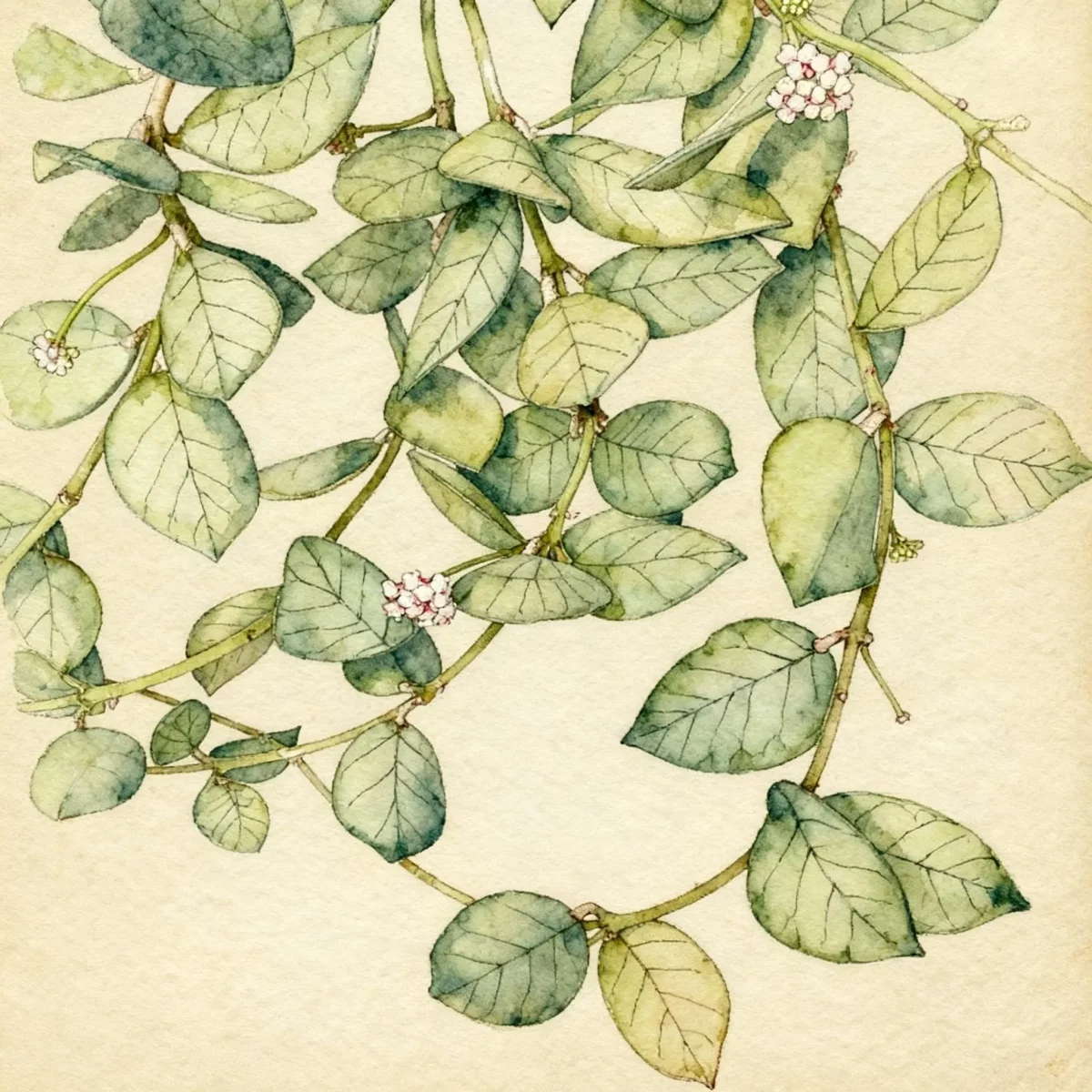
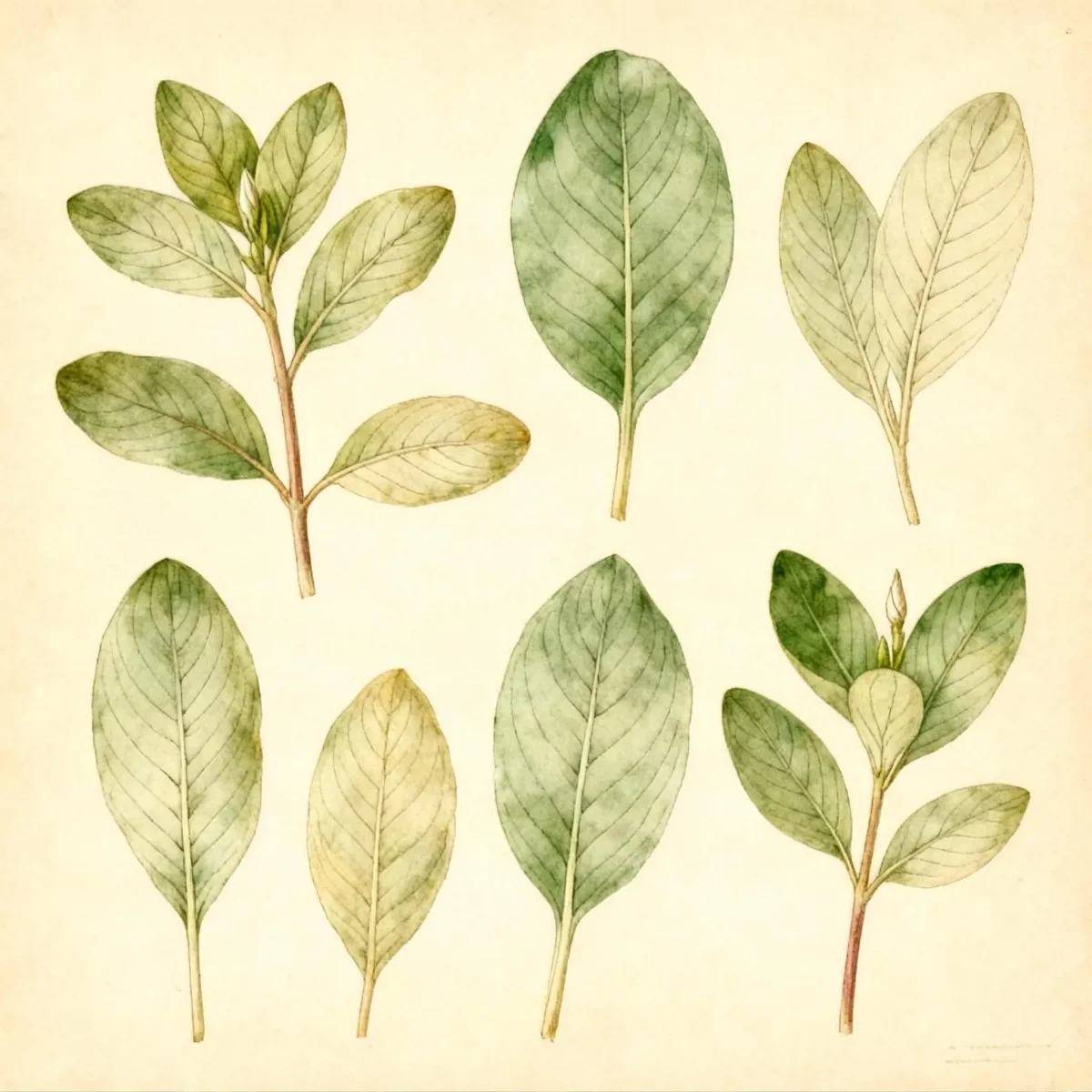
Hoya lanceolata subsp. bella, commonly known as the Miniature wax plant, is a treasured epiphytic vine prized for its compact size and strikingly beautiful flowers. Unlike some of its larger relatives, this subspecies remains manageable, thriving as an excellent indoor specimen or greenhouse plant in temperate climates. Its foliage is evergreen and waxy, providing year-round visual appeal.
The primary ornamental appeal of the Miniature wax plant lies in its floral display. It produces tight, rounded clusters of small, star-shaped flowers that feature a pristine white corolla contrasted by a distinct red center. These blossoms are often fragrant, enhancing their value as a houseplant. Gardeners appreciate that Hoya lanceolata subsp. Bella offers a low-maintenance tropical touch.
Native to the Himalayan region, this plant expects bright conditions to perform well. While hardy only in the warmest climates (Zones 11-12), it adapts readily to container culture indoors, where it can trail or be trained onto small supports. Success with Hoya lanceolata subsp. Bella relies on proper light and careful watering management throughout the growing cycle.
Fast Facts
- Plant Family: Apocynaceae
- Plant Type: Vine
- Native Range: Himalaya to northern Burma
- Hardiness Zones: USDA Zones 11-12
- Size at Maturity:
- Height: 1-1.5 ft
- Spread: 1-1.5 ft
- Bloom Time: Seasonal bloomer
- Bloom Description: White with red centers
- Sun Exposure: Full sun to part shade
- Water Needs: Medium
- Maintenance Level: Low
How to Grow
The Miniature wax plant thrives when treated as an indoor or protected specimen outside of USDA Zones 11-12. For the best growth, especially for encouraging bloom production, situate your container in a location receiving bright light, ensuring it receives at least half a day of direct sun. It tolerates curtain-filtered sun or very bright indirect light, but less light will suppress flowering.
During the active growing season, water Hoya lanceolata subsp. Bella moderately and consistently. The goal is to allow the surface of the standard, loamy, well-drained potting mix to become nearly dry between waterings. Reduce watering significantly in winter, when the plant also requires less bright light. This vine can tolerate cooler winter protection, down to approximately 50°F at night.
This plant is easily trained onto a small trellis or framework if you desire a more upright habit, though it naturally cascades well from hanging baskets. A crucial care tip for Hoya lanceolata subsp. Bella involves its flowering spurs: resist the urge to remove the flowering stalk after the blooms fade, as new flowers will emerge from the same location later.
Landscape Uses
While the Miniature wax plant is generally relegated to container culture in most parts of the U.S., its compact size and enduring foliage make it an exceptional long-lived house plant. Use it to soften the edges of windowsills or place it atop shelving where its trailing growth can cascade attractively. Because it appreciates bright, consistent conditions, consider placing it near a south or west-facing window indoors.
When grown in a greenhouse setting in warmer zones, Hoya lanceolata subsp. Bella can serve as a delicate, low-growing element beneath taller, hanging tropicals. Its needs for bright light and medium, consistent moisture allow it to pair well with other tropical epiphytes like certain small bromeliads or trailing philodendrons grown in similar potting media.
Standout Features
Flower Qualities
- Showy
- Fragrant
Noteworthy Characteristics
Hoya lanceolata, commonly known as wax plant, wax flower or honey plant, is an epiphytic, shrubby, climbing or trailing member of the milkweed family. Waxy, star-shaped, sweetly scented flowers appear in tight clusters, featuring a white corolla with a distinctive, star-shaped, red-centered corona. Subsp. Bella, the miniature wax plant, is specifically valued for remaining smaller, typically reaching only about 18 inches high, making it perfect for desks and small spaces.
Tolerances
No specific tolerances were provided for this entry.
Potential Problems
The most common issue plaguing the Miniature wax plant is improper watering. Overwatering is highly detrimental and can quickly lead to root rot, which is difficult to reverse, so ensure the soil dries slightly between soakings. Gardeners must also remain vigilant for common tropical pests, particularly mealybugs and scale insects. Inspect leaf axils and undersides regularly; early detection allows for easier management with insecticidal soap or horticultural oil.
Frequently Asked Questions
What hardiness zones is Miniature wax plant suitable for?
Hoya lanceolata subsp. bella is winter hardy only in USDA Zones 11 through 12. In most regions of the continental United States, it is maintained successfully as an indoor houseplant.
How large does Miniature wax plant grow?
This dwarf variety, the Miniature wax plant, is relatively small, reaching a mature height and spread between 1 and 1.5 feet tall and wide.
When does Hoya lanceolata subsp. Bella bloom?
This species is a seasonal bloomer, typically producing its attractive white flowers with red centers during the warmer months.
What sun exposure does Hoya lanceolata subsp. Bella need?
For successful container growth and optimal flower production, the Miniature wax plant requires full sun to part shade, needing at least half a day of direct sunlight.
Conclusion
The Miniature wax plant (Hoya lanceolata subsp. bella) offers exceptional value to indoor gardeners due to its manageable size, waxy evergreen leaves, and delightfully fragrant blooms. Successfully cultivating this Hoya hinges on providing bright light and avoiding overly moist soil conditions. Before bringing one home, confirm that your indoor environment can mimic its tropical requirements, especially regarding temperature and light intensity.
Companion Planting
When growing Hoya lanceolata subsp. Bella in containers, soil aeration is key. Pair your potting mix with perlite or orchid bark to ensure the necessary rapid drainage this epiphytic vine requires. This mimics the conditions found in its native habitat, supporting the root health essential for producing abundant blooms from the Miniature wax plant.
Consider placing Hoya lanceolata subsp. bella near other medium-light humidity lovers if you use a humidity tray or pebble tray indoors. Good companions include smaller varieties of ferns or tropical jewelry plants (like Fittonia), as they share similar watering preferences and appreciate the consistent, bright conditions that encourage the waxy flowers of the Hoya.
Propagation Tips
The most straightforward method for increasing your stock of the Miniature wax plant is through stem cuttings. Take cuttings that include at least two leaf nodes, ensuring you have a clean cut below a node, as this is where new roots will form. Allow the cut end to air dry for a few hours until it forms a slight callus before planting it directly into a very porous, dry medium, such as a mix heavily weighted with perlite or coarse sand.
Watering cuttings requires restraint; misting the medium lightly every few days is often better than soaking it initially. High ambient humidity aids rooting, so consider covering the cutting loosely with plastic (creating a mini-greenhouse effect) until you detect firm resistance when gently tugging the stem upward—a sign that roots have developed. Once rooted, transition the new Hoya lanceolata subsp. Bella into standard well-drained potting mix.