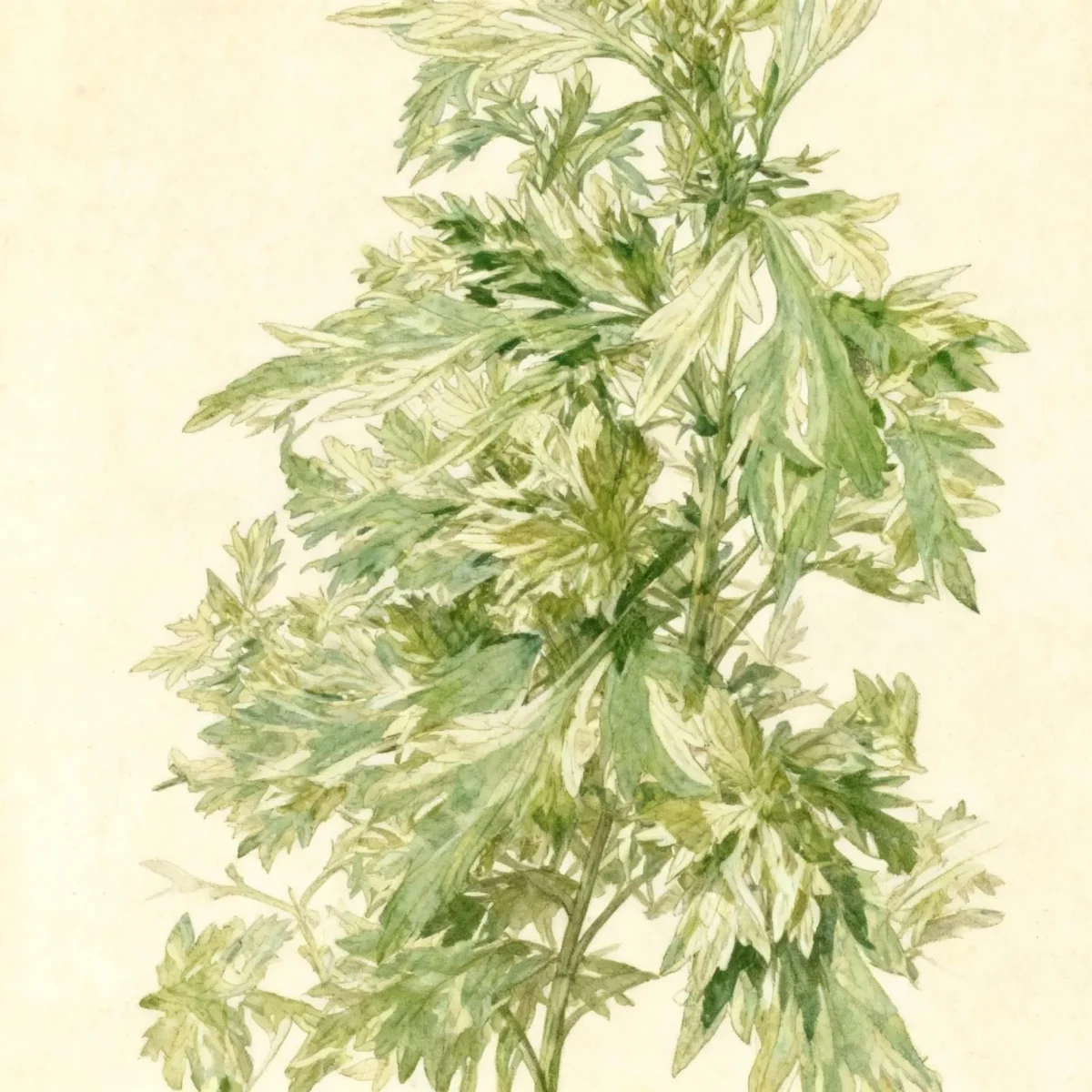
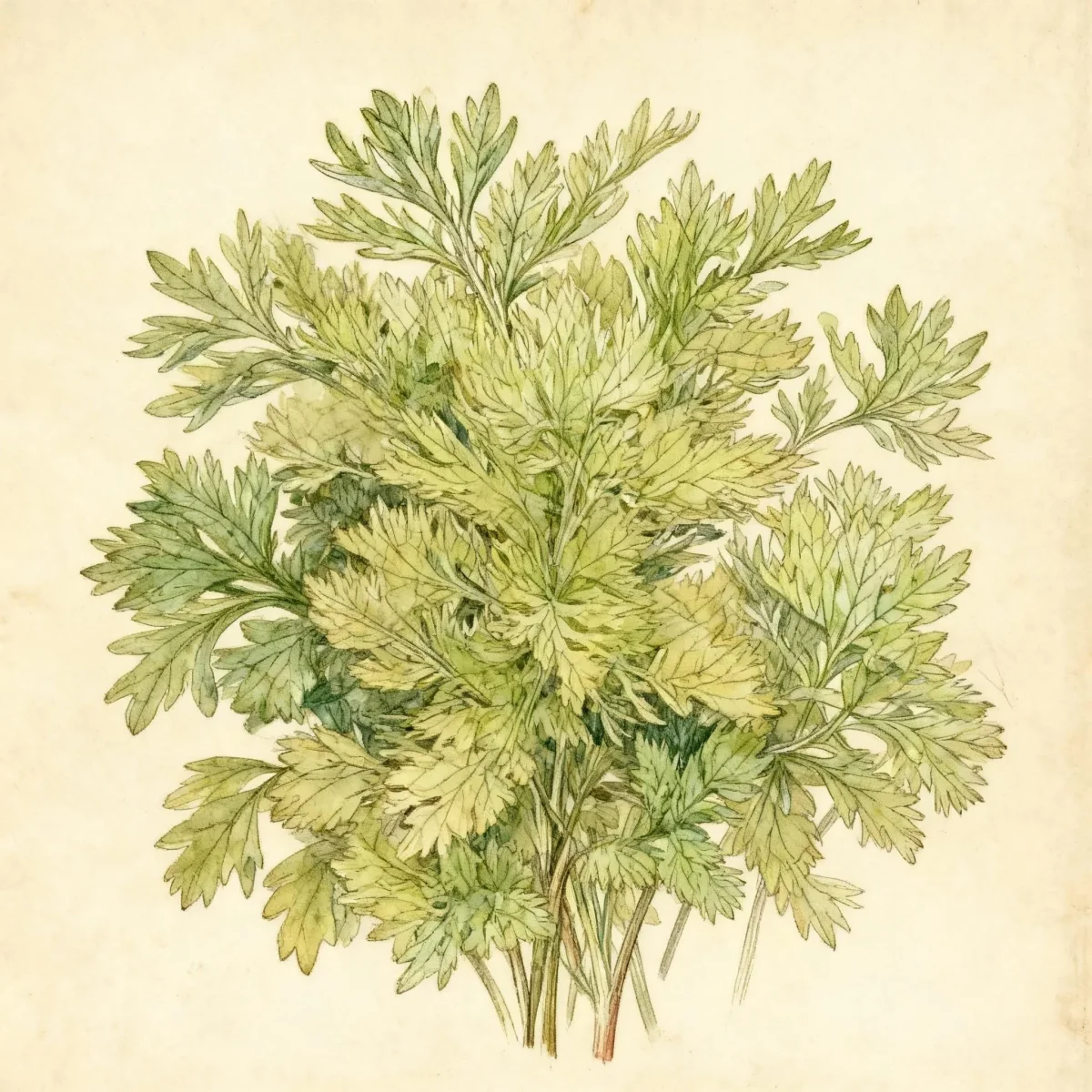
Golden chamomile (Anthemis tinctoria)
Anthemis tinctoria, or Golden chamomile, offers profuse yellow daisy-like flowers from June to September, thriving in full sun and dry, average soil.
Scroll down to discover growing tips, care requirements, companion plants, and more
Complete Plant Information
Overview
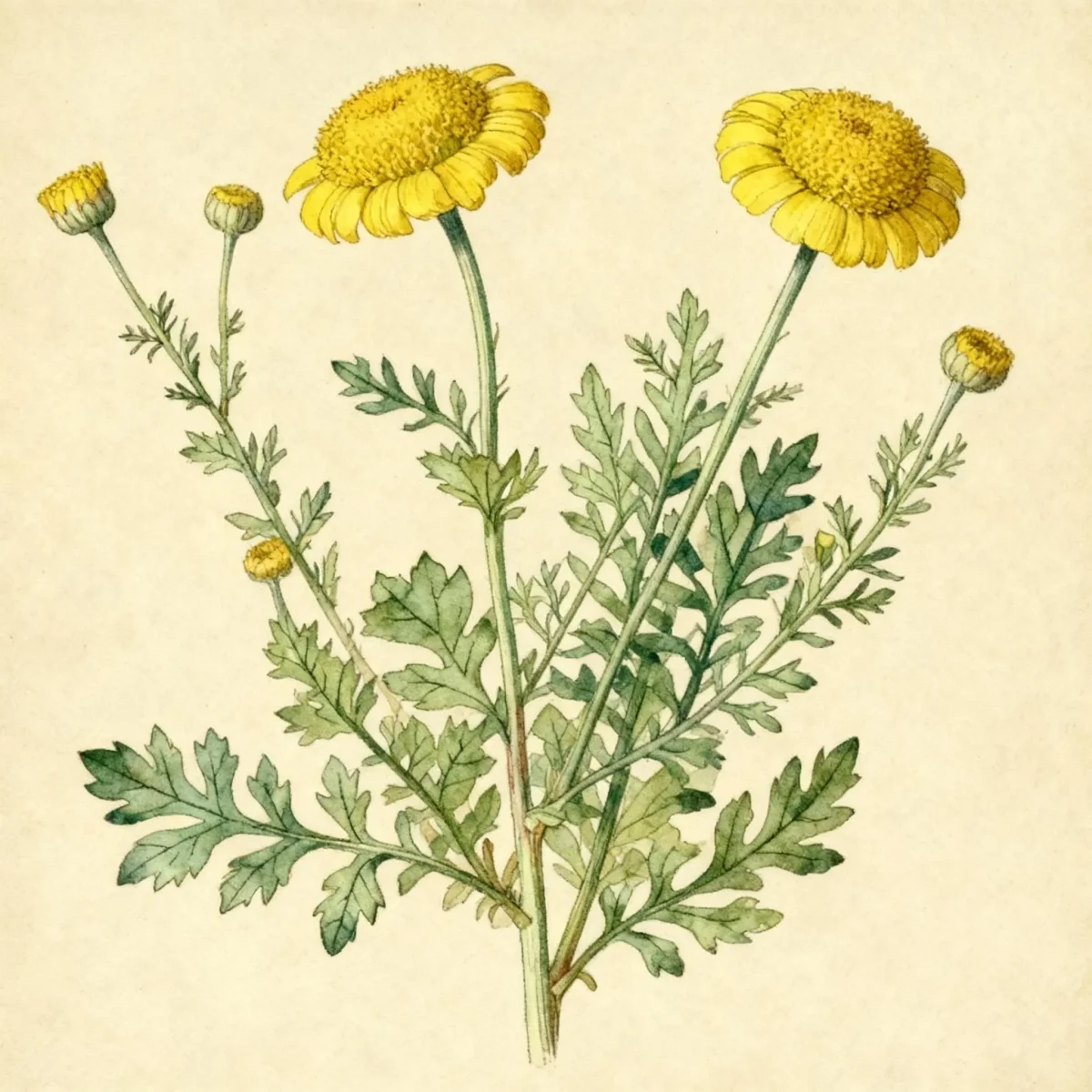
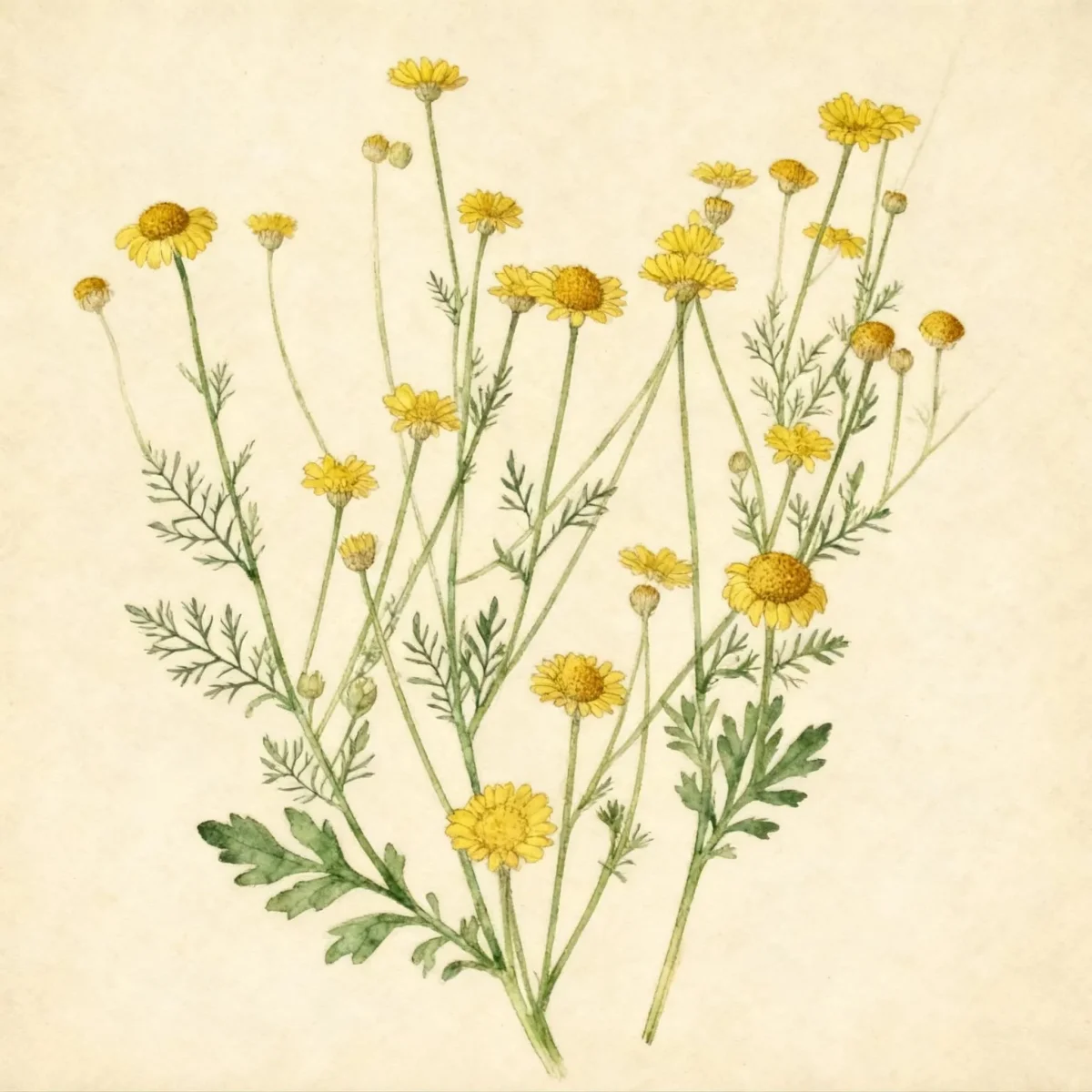
Anthemis tinctoria, widely known as Golden chamomile or Golden marguerite, is a valuable herbaceous perennial prized for its bright, profuse display of 1.5-inch yellow, daisy-like flowers throughout the summer months. This erect, clump-forming plant brings consistent, vibrant color to sunny borders while exhibiting notable resilience in challenging garden spots. Its finely divided, aromatic foliage provides an attractive textural contrast even when not in bloom.
Cultivating Anthemis tinctoria is straightforward, as it prefers general garden soil provided it has excellent drainage. It flourishes in full sun and tolerates dry conditions, making it an ideal choice for xeriscaping or rock gardens where heavy watering is undesirable. This shrubby perennial offers long-lasting blooms well into September if properly maintained.
For gardeners seeking low-maintenance color that resists browsing deer, Golden chamomile fulfills these requirements admirably. It is an excellent source of cut flowers and contributes bright accents to the summer landscape without demanding rich soil or constant attention. Ensure good air circulation and avoid over-fertilizing to maintain strong, upright growth habits for your Anthemis tinctoria.
Fast Facts
- Plant Family: Asteraceae
- Plant Type: Herbaceous perennial
- Native Range: Western Asia, Europe
- Hardiness Zones: USDA Zones 3-7
- Size at Maturity:
- Height: 2-3 ft
- Spread: 2-3 ft
- Bloom Time: June to September
- Bloom Description: Yellow
- Sun Exposure: Full sun
- Water Needs: Dry to medium
- Maintenance Level: Medium
How to Grow
Planting Golden chamomile should occur in spring or fall in a location receiving full sun exposure. The most critical factor for successful, long-lived Anthemis tinctoria is excellent drainage; the plant does poorly and shortens its lifespan significantly when grown in heavy, moisture-retentive clay soils. Average, well-drained soil is sufficient, as this species tolerates drought and poor soil conditions once established.
Watering requirements are minimal once established; treat this plant as drought-tolerant, supplying only occasional water during extreme dry spells. Fertilization should generally be avoided. Rich soil or heavy fertilization can cause the plants to become excessively leggy, potentially requiring unsightly staking to remain upright.
Maintenance centers primarily on encouraging extended bloom. Promptly deadhead or shear off spent flowers throughout the season to promote continuous blooming and prevent unwanted self-seeding. After the main flush of summer bloom subsides, cut back the foliage to encourage new basal branching for the following year. Gardeners should plan to divide clumps every two years to maintain vigor. Note that Anthemis tinctoria dislikes the hot, humid conditions common in the deep South.
Landscape Uses
This robust perennial excels in lending vibrant, sunny color wherever sunshine abounds. Anthemis tinctoria is a superb inclusion in the summer perennial border, offering reliable contrast against blue, purple, or deep green foliage plants. Because it tolerates dry soil and low fertility, it is an excellent candidate for problem areas, dry slopes, or gravel gardens where many other plants struggle.
As a reliable source of long-lasting, showy flowers, Golden chamomile works wonderfully in mixed plantings or cottage garden designs. Use it toward the middle or back of borders due to its 2-3 foot height. Its upright structure makes it suitable for mass plantings where a swath of yellow brilliance is desired against structural evergreens or architectural grasses.
Standout Features
Flower Qualities
- Showy
- Good Cut
Noteworthy Characteristics
Anthemis tinctoria, commonly called golden chamomile or golden marguerite, is an erect, clump-forming, shrubby perennial growing to 3’ tall which features profuse 1.5” diameter, yellow, daisy-like flowers and finely divided, fern-like, aromatic, green leaves which are whitish and woolly beneath. Good fresh cut flower. Genus name comes from the Greek name for this plant. Specific epithet means used for dyeing.
Tolerances
- Deer
- Drought
- Dry Soil
Potential Problems
Gardeners should monitor for common pests such as aphids, slugs, and snails, especially during wet weather. Powdery mildew can sometimes affect the foliage, particularly if air circulation is poor. To manage leggy growth, which is often prompted by overly rich soil or excessive fertilizer application, employ careful pruning techniques. If the stems stretch and flop, a hard mid-season shear can encourage bushier, more compact re-growth.
Frequently Asked Questions
What hardiness zones is Golden chamomile suitable for?
Anthemis tinctoria is reliably hardy across USDA Zones 3 through 7, offering a wide range of adaptability across many temperate climates.
How large does Anthemis tinctoria grow?
This perennial typically reaches a mature height between 2 and 3 feet, with a similar spread of 2 to 3 feet, creating a medium-sized presence in landscape beds.
When does Golden chamomile bloom?
Golden chamomile performs best when situated in full sun, providing its characteristic yellow blooms consistently from early June all the way through September.
What sun exposure does Anthemis tinctoria need?
This plant requires full sun exposure to maintain its compact habit and maximize its prolific flowering period.
Conclusion
The dependable bloom time, drought tolerance, and deer resistance make Golden chamomile (Anthemis tinctoria) an indispensable component for sunny, low-water garden designs. Its cheerful yellow daisies provide essential mid-to-late summer color with relatively simple pruning demands. Before planting, always confirm that your site offers the full sun and excellent drainage that this handsome perennial requires for optimal performance.
Companion Planting
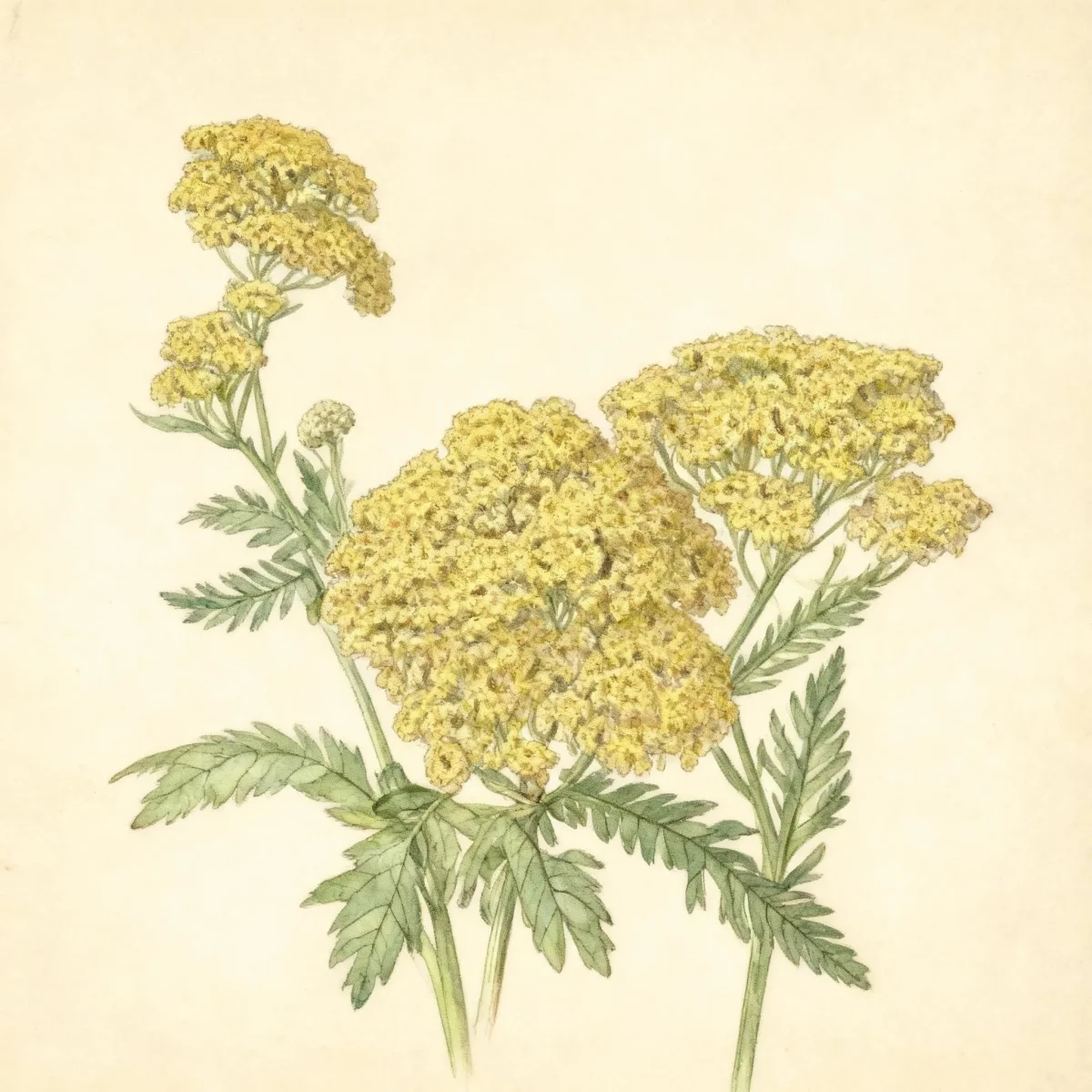
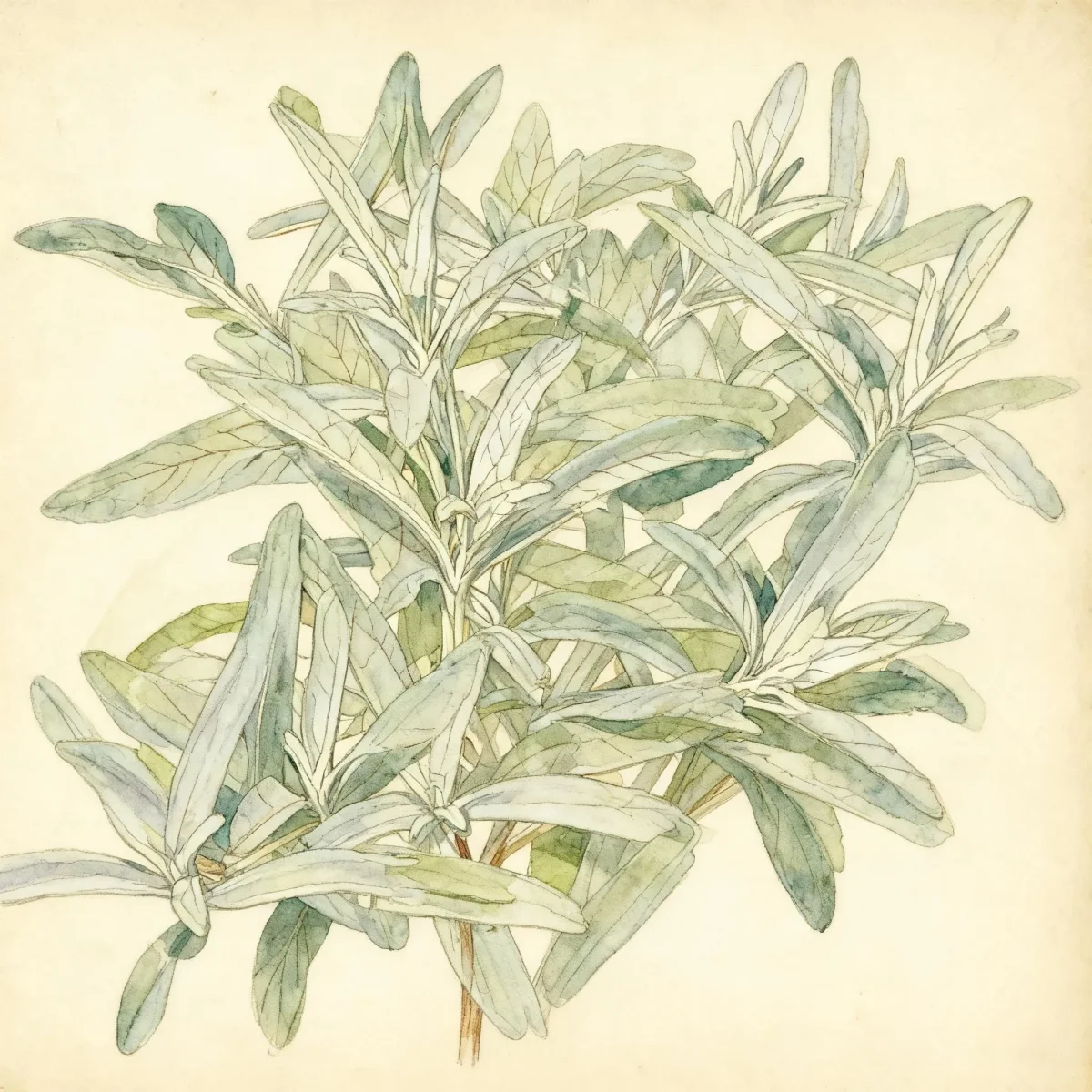
When selecting neighbors for Anthemis tinctoria, focus on plants that share its love for full sun and well-drained, even dry, conditions. Consider pairing it with companion plants that offer contrasting cool-toned flowers or different textures. Lavender (Lavandula species) thrives under similar dry, sunny conditions and provides wonderful blue or purple contrast to the yellow of the Golden chamomile. Gray-leaved plants like Lamb’s Ears (Stachys byzantina) or silvery Artemisia varieties also visually complement the bright blooms while sharing tolerance for drier soil.
Propagation Tips
The most common and practical method for propagating Anthemis tinctoria is division, which is often necessary to maintain plant vigor every two years. It is best performed in early spring before new growth begins vigorously, or in early autumn. Carefully dig up the entire clump and divide it into smaller sections, ensuring each piece has adequate roots and shoots. Alternatively, the plant can self-seed, but deadheading spent blooms diligently will minimize unwanted seedlings popping up around the border.