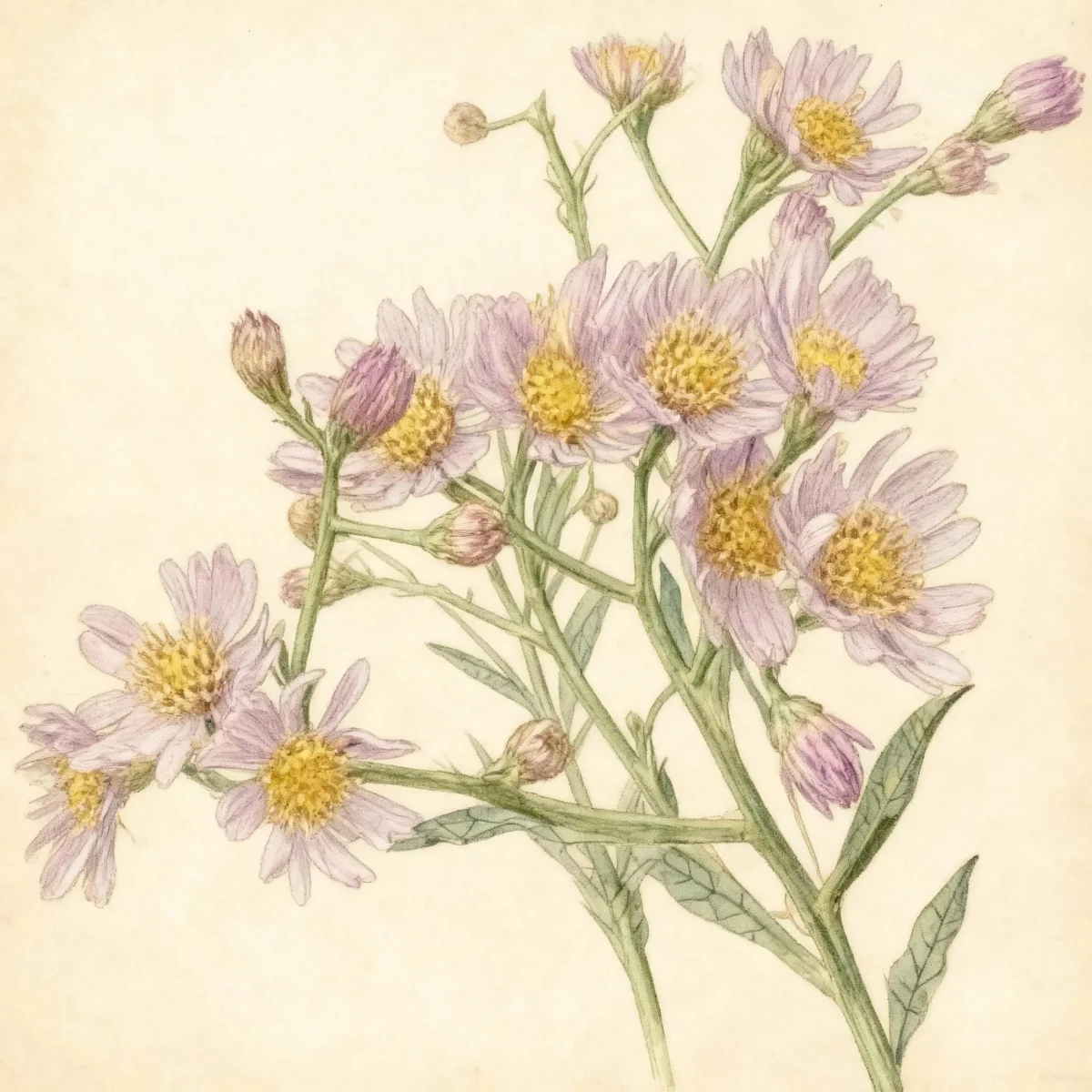
False aster (Boltonia asteroides)
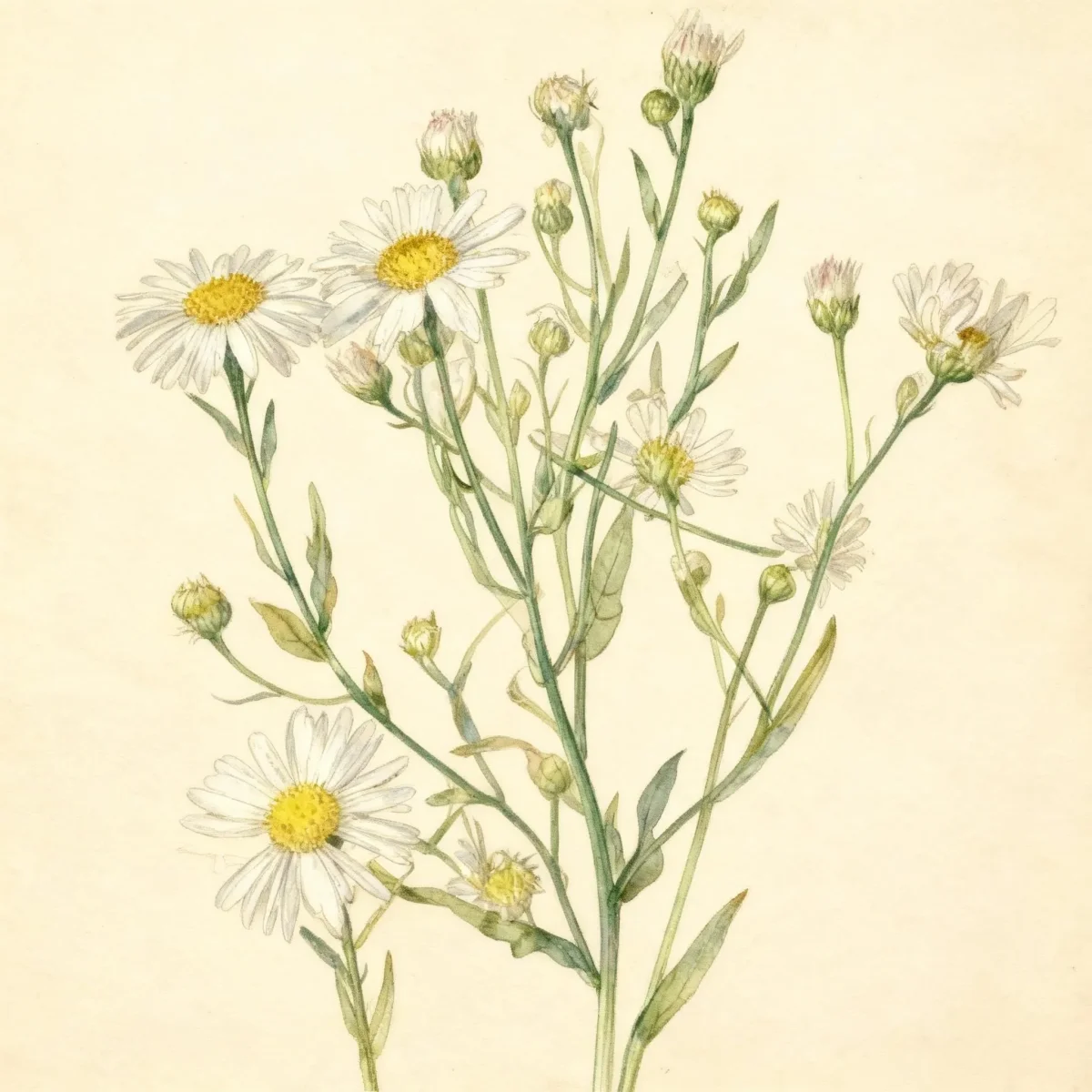
Boltonia asteroides, or False aster, delivers masses of late-season daisy flowers. This sturdy perennial needs full sun to thrive.
Scroll down to discover growing tips, care requirements, companion plants, and more
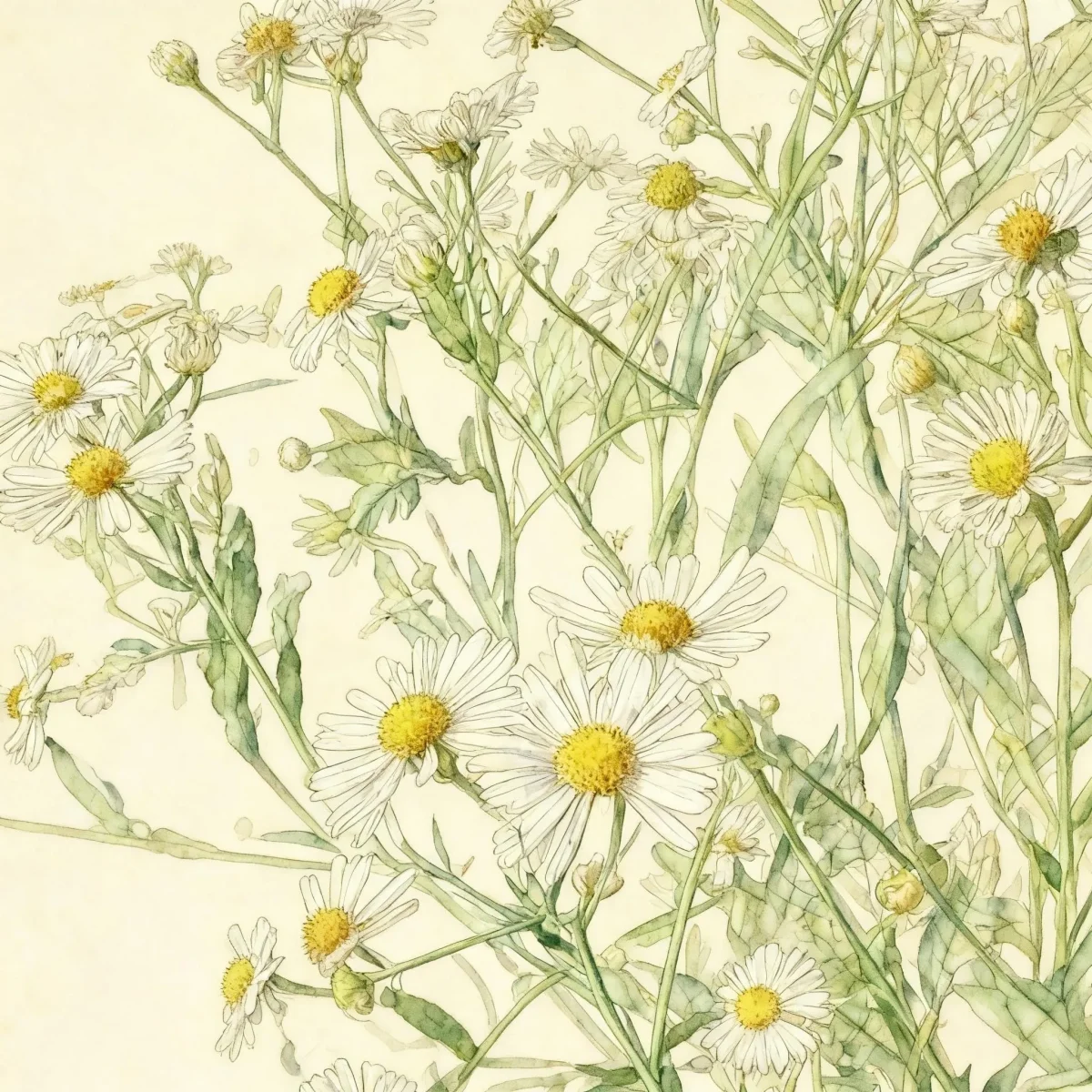
Complete Plant Information
Overview
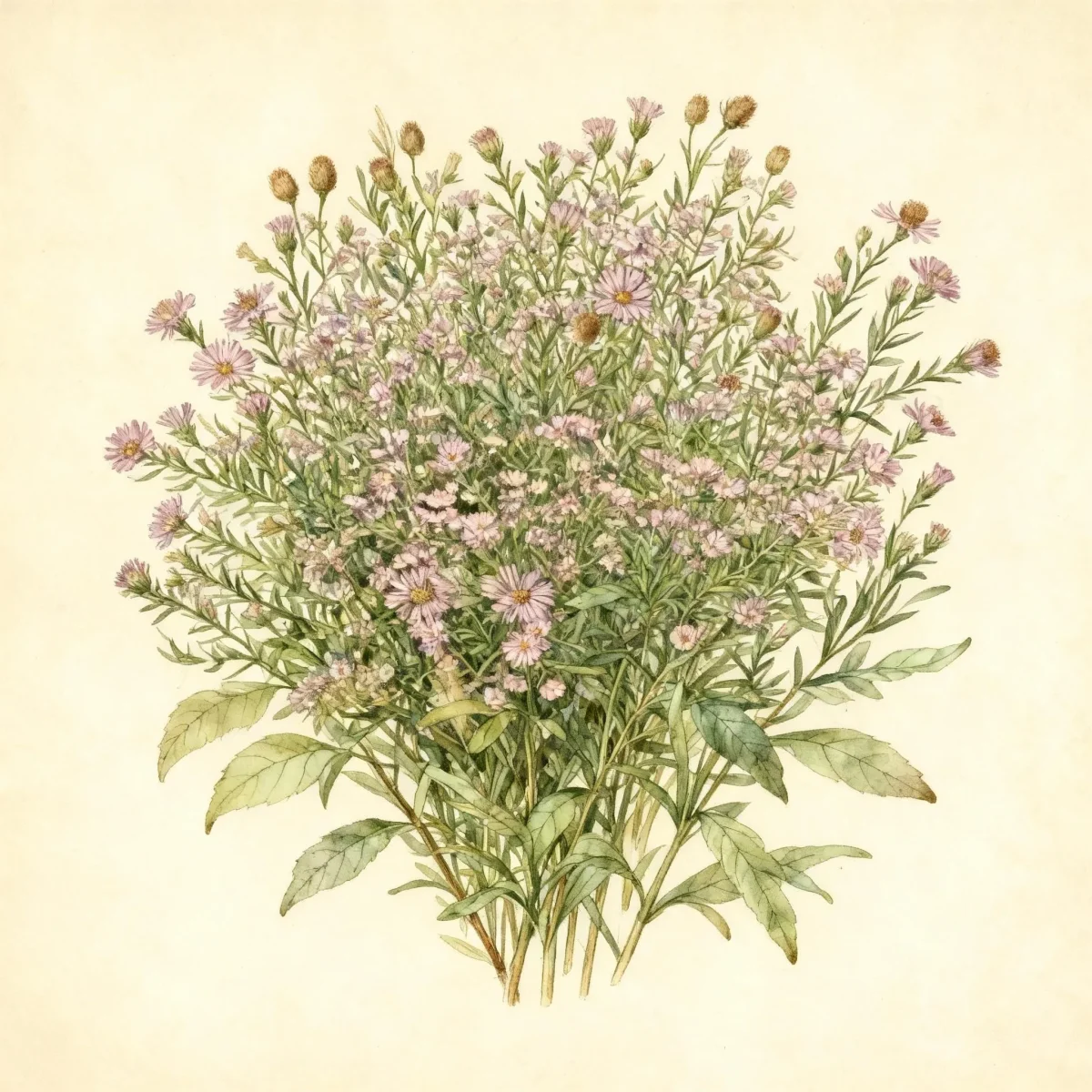
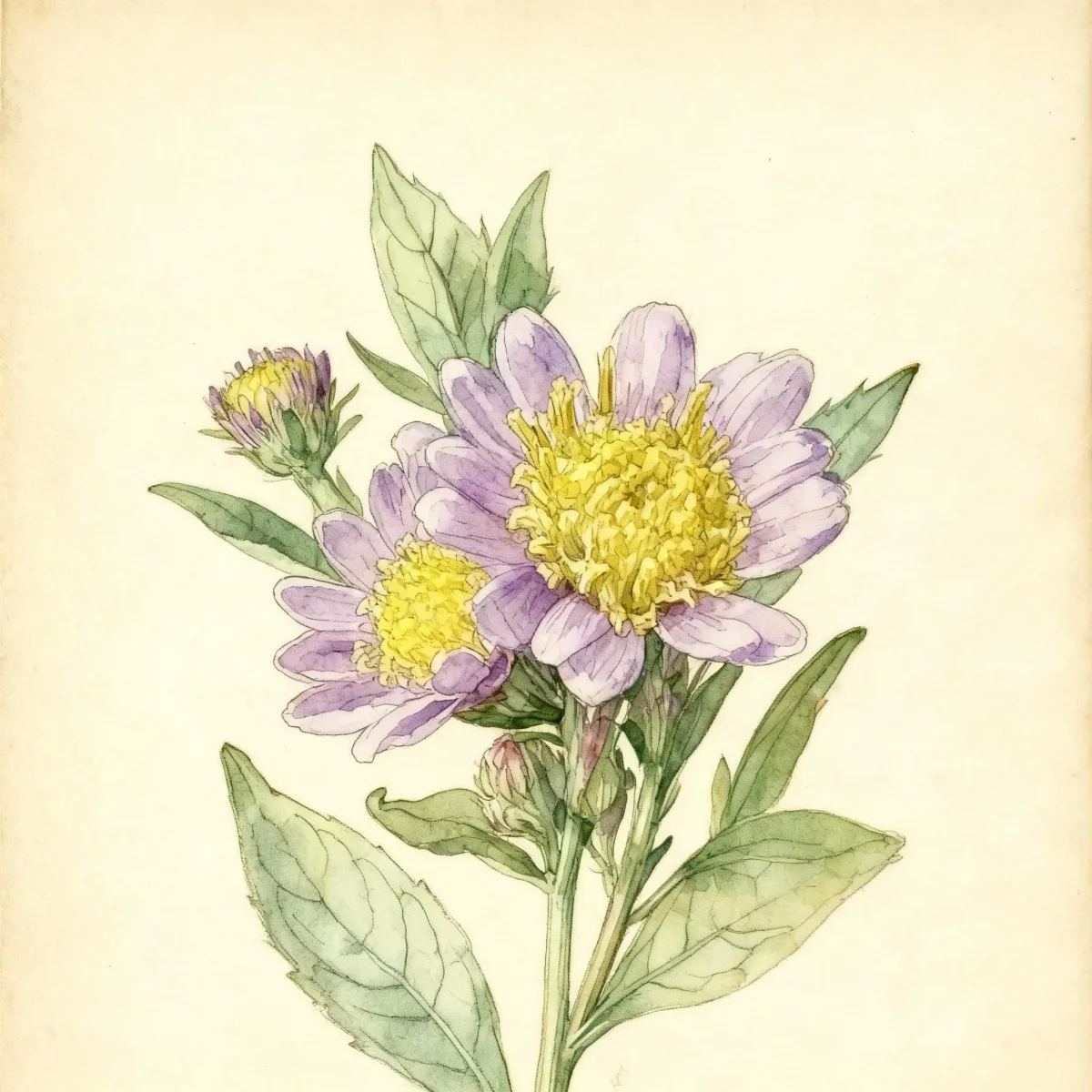
Boltonia asteroides, known widely as False aster, is a commanding presence in the late-summer garden, offering a profusion of daisy-like blooms when many spring and summer perennials start fading. This robust herbaceous perennial covers itself in white, pink, lilac, or purple flowers, providing excellent visual structure near the end of the growing season. As a rhizomatous grower, Boltonia asteroides slowly spreads, effectively naturalizing areas with its reliable autumn color display.
Its towering stature makes it valuable as a background plant, capable of reaching 5 to 6 feet tall. While it tolerates a wide range of conditions, success depends on providing sufficient sunlight to maintain sturdy growth. Gardeners should be aware that in overly rich or overly moist soils, this plant may present challenges with flopping stems, necessitating strategic placement or timely pruning.
The False aster offers high aesthetic impact with relatively straightforward care once established. It excels in naturalized settings, native plant gardens, or cottage borders where its height can be leveraged. For those seeking dependable, towering structure and a fantastic late-season floral finale, Boltonia asteroides is a compelling choice.
Fast Facts
- Plant Family: Asteraceae
- Plant Type: Herbaceous perennial
- Native Range: Eastern United States
- Hardiness Zones: USDA Zones 3-10
- Size at Maturity:
- Height: 5-6 ft
- Spread: 2-4 ft
- Bloom Time: August to September
- Bloom Description: White, pink, lilac, purple with yellow centers
- Sun Exposure: Full sun
- Water Needs: Medium
- Maintenance Level: Medium
How to Grow
Planting Boltonia asteroides is best done in spring or fall in locations receiving full sun. This species is remarkably adaptable, thriving in average, medium-moisture, well-drained soils. A key advantage is its tolerance for various soil types, including moderately dry conditions and clay soils. Avoid placing the False aster in deep or heavy shade, as reduced light combined with rich soil often promotes weak, floppy stems that require staking.
Watering should be consistent during establishment, meeting its medium water requirements. Generally, supplemental watering is not needed once established, especially if located in a robust native garden setting. Fertilization is rarely required; overly rich soil encourages excessive vegetative growth over flowering.
For gardeners concerned about the substantial height of Boltonia asteroides (up to 6 feet), preventative cultural management is crucial. In late spring or early summer, you can pinch or shear the stems back by about one-third. This practice reduces the final height and significantly strengthens the structure, minimizing the need for support later in the season when the plant is covered in blooms.
Landscape Uses
The primary role for Boltonia asteroides in the landscape is within large, naturalized drifts or meadows where its height is an asset rather than a liability. It is ideal for native plant gardens or expansive cottage gardens, providing excellent vertical accents against fences or walls. While species plants can sometimes appear slightly weedy, this is often part of their charm when massed effectively.
When using the species form in more manicured borders, consider placement toward the rear, combining it with shorter, sturdier perennials that complement its daisy flowers. For more restrained border applications, look toward cultivars specifically bred for compactness, such as Boltonia asteroides var. Latisquama ‘Snowbank’, which stays much shorter at 3-4 feet tall.
Its late blooming period means False aster pairs wonderfully with late-flowering grasses or mums, extending the season of interest. Since it slowly spreads by creeping rhizomes, choose a spot where you allow it room to colonize slightly over time, fulfilling its destiny as a naturalizing perennial.
Standout Features
Flower Qualities
- Showy
- Good Cut
Noteworthy Characteristics
Boltonia asteroides, commonly called false chamomile or false aster, is a rhizomatous perennial which typically grows to 5-6’ tall on erect, usually branching stems clad with alternate, linear, lance-shaped, stalkless, gray-green leaves. Tiny, daisy-like flowers (to 3/4” diameter) in loose panicles typically cover this aster-like plant with a profuse bloom from late summer to early fall. The genus name honors James Bolton, an English botanist, and the species epithet references its obvious similarity to asters.
Tolerances
- Clay Soil
Potential Problems
Generally, the False aster exhibits high resistance to most serious insect pests and diseases. The main cultural issue arises with taller plants becoming top-heavy and potentially flopping, which is best managed by pinching the stems back in early summer or ensuring the plant is sited in full, unamended sun. Gardeners should monitor for powdery mildew, a fungal issue that can appear late in the season, especially if air circulation is poor or if plants are stressed by excessive moisture in rich soil.
Frequently Asked Questions
What hardiness zones is False aster suitable for?
Boltonia asteroides is remarkably adaptable, thriving across USDA Zones 3 through 10.
How large does False aster grow?
This perennial typically reaches heights between 5 and 6 feet, with a spread generally ranging from 2 to 4 feet wide.
When does Boltonia asteroides bloom?
The peak bloom time for Boltonia asteroides is late in the season, generally spanning from August through September, noted for abundant white, pink, lilac, or purple daisy-like flowers.
What sun exposure does False aster need?
Full sun is required for Boltonia asteroides to achieve its best height and flowering display without becoming weak and floppy.
Conclusion
The striking late-season display produced by Boltonia asteroides ensures consistent garden interest well into the fall months, making it a functional giant in the perennial border. Its tolerance for various soils, including clay, adds considerable appeal to the False aster for various gardening situations. Before planting, ensure you commit to a full-sun location and consider early pinching if you are gardening in rich soils to guarantee rigid structure.
Companion Planting Ideas
Considering the height and blooming time of Boltonia asteroides, pairing it with robust, structural plants is highly recommended. It integrates well with other late-season bloomers such as Sedum (‘Autumn Joy’ types) or tall ornamental grasses like Miscanthus varieties, which share similar sun and water needs. Avoid placing it in areas where it will be shaded by taller shrubs, as this exacerbates the tendency to flop.
In a native garden setting, combine the False aster with ironweed (Vernonia) or tall goldenrods (Solidago species). These combinations create rich textural contrast and maintain a cohesive planting scheme designed for mid-to-late summer pollinators. Ensure ample space is allowed, as this plant can spread slowly via creeping rhizomes.
Seasonal Care Calendar
Spring is the ideal time to assess the previous year’s growth of your Boltonia asteroides. Cut back any dead foliage from the previous season once new growth begins to emerge from the crown. If you did not pinch the young stems the prior year, make the strategic, preventative shearing cut (up to 1/3 the height) in late May or early June to promote bushier, supported stems.
Summer care focuses primarily on monitoring for signs of powdery mildew if conditions become hot and humid with low air movement. If the season is exceptionally dry, provide a medium soaking to sustain flowering, although the plant handles moderate dryness well. Be vigilant for floppy stems; if supports are required, install them before the plant reaches its full, weighty bloom.
Fall cleanup involves removing the spent flower stalks after the blooms have faded in September or October. While the seed heads can offer some winter interest, removing them prevents self-seeding, which can sometimes be excessive. Winter preparation is minimal, as this is a sturdy herbaceous perennial rated down to Zone 3.