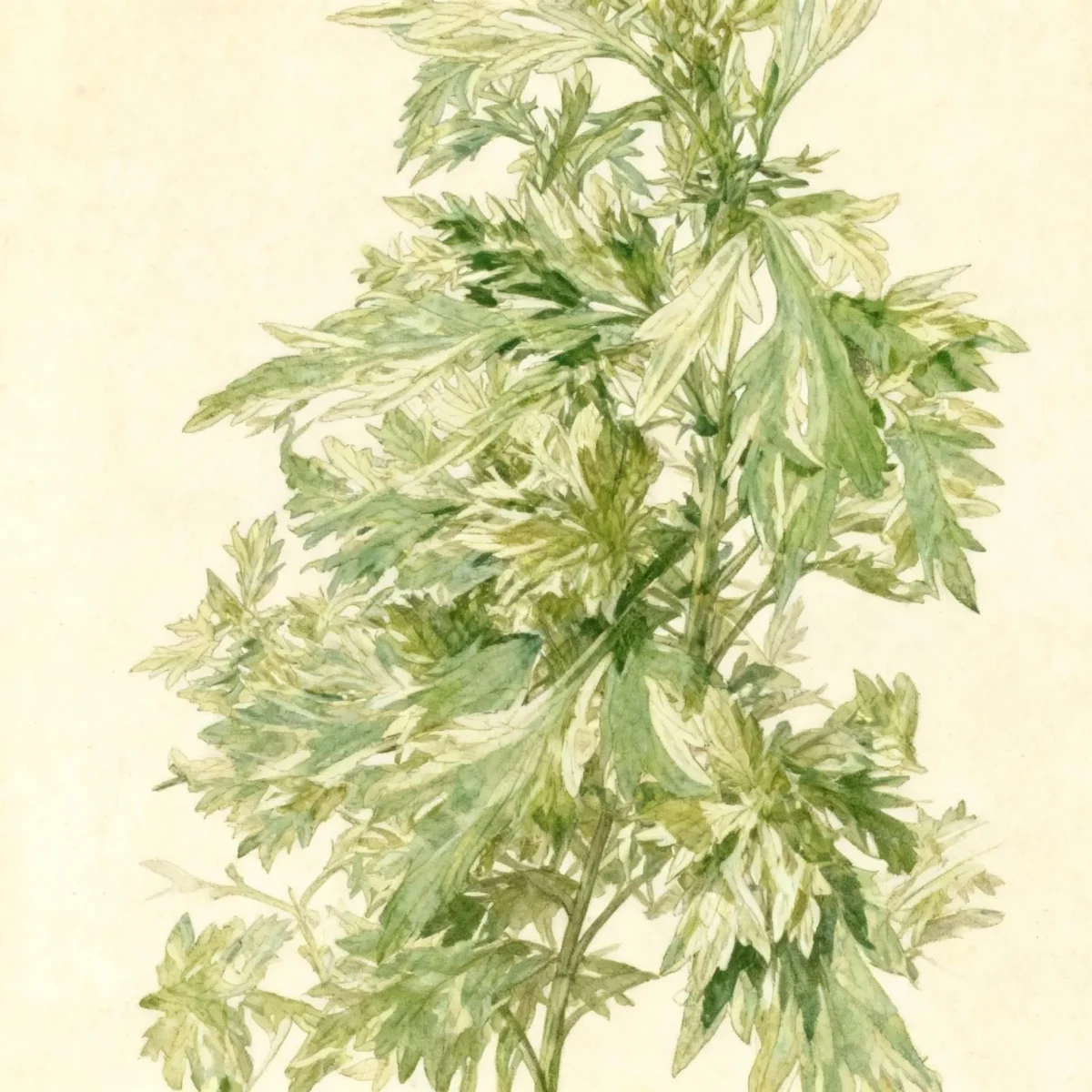
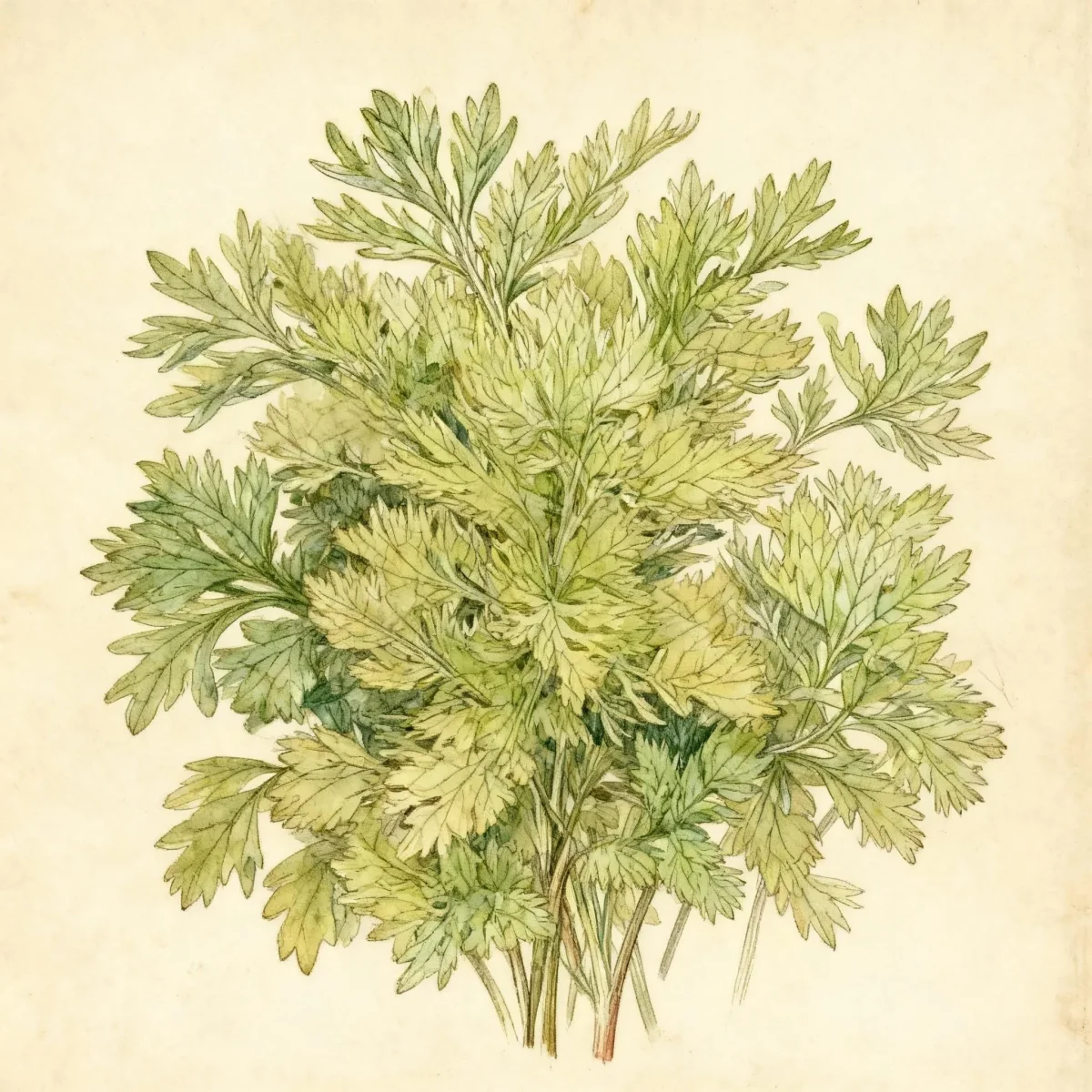
Sunflower (Helianthus occidentalis)
Discover Helianthus occidentalis, a tough, drought-tolerant Sunflower for sunny borders, thriving easily in Zones 4-8.
Scroll down to discover growing tips, care requirements, companion plants, and more
Complete Plant Information
Overview
Helianthus occidentalis, often known as the western sunflower, is a highly valued native perennial offering reliable summer color in difficult locations. This specific Sunflower variety is notable for its compact stature compared to taller cousins, typically reaching only 2 to 4 feet in height. It establishes dense colonies over time via creeping rhizomes, making it excellent for mass plantings and stabilizing slopes.
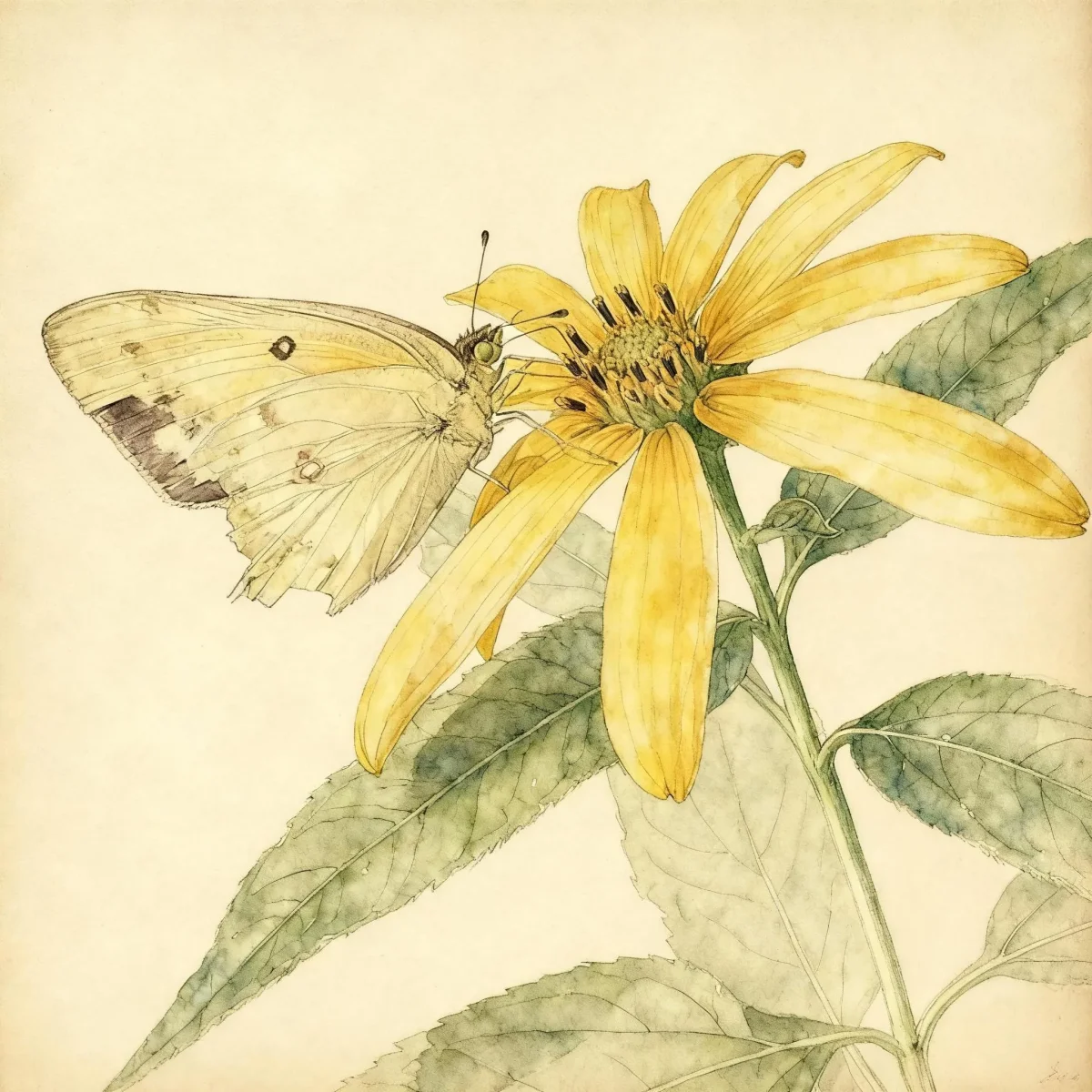
Gardeners appreciate this plant for its striking blooms—orange-yellow rays surrounding bright yellow disks—that persist from late summer into early fall. Beyond its aesthetics, Helianthus occidentalis is exceptionally tough, tolerating poor soils, dry conditions, and mild deer pressure common in prairie or meadow settings.
For those looking to introduce authentic North American flora, this species offers a medium-maintenance perennial that requires minimal fuss once established. Its presence supports native ecology while providing structure in native plant gardens and sunny borders throughout the growing season.
Fast Facts
- Plant Family: Asteraceae
- Plant Type: Herbaceous perennial
- Native Range: Central and eastern United States
- Hardiness Zones: USDA Zones 4-8
- Size at Maturity:
- Height: 2-4 ft
- Spread: 1.5-2 ft
- Bloom Time: August to September
- Bloom Description: Orange-yellow rays and yellow disks
- Sun Exposure: Full sun
- Water Needs: Dry to medium
- Maintenance Level: Medium
How to Grow
Helianthus occidentalis thrives when planted in average, dry to medium, well-drained soils. Select a site that receives full sun throughout the day, as insufficient light will reduce flowering and increase stem weakness. While adaptable, this Sunflower tolerates poor sandy soils, loam, and even certain clay compositions, though extremely heavy, unamended clay should generally be avoided.
Watering requirements are minimal once the plant is established. Because it tolerates dry soils and drought conditions well, water sparingly, allowing the soil to dry out between applications during the first growing season. Fertilization is rarely necessary; this species performs best when lean nutrients are provided, reflecting its native habitat preferences.
Maintenance is straightforward. The foliage clump remains low (4-8 inches), with the flowers appearing on stiff, nearly leafless flowering stems. To maintain vigor and control potential spread via rhizomes, plan to divide the clumps every three to four years. Deadheading spent flowers can encourage a slight rebloom but is not essential for overall health.
Landscape Uses
The primary suggested use for Helianthus occidentalis is to naturalize areas, where it can form colonies and spread gently year after year. This makes it an outstanding choice for establishing low-maintenance native prairies or large meadow drifts where its sturdy, upright habit offers vertical interest without becoming unruly. Its impressive tolerance for dry, poor soils makes it ideal for slopes and areas where turf struggles.
Position this medium-sized Sunflower in sunny borders where it can mingle with other drought-tolerant perennials like coneflowers (Echinacea) or sturdy salvias. It works exceptionally well in cottage garden designs where a less formal atmosphere is desired, contrasting nicely with fine-textured grasses. Furthermore, its ability to hold dry soils makes it a functional asset for erosion control.
For a dynamic display, plant Helianthus occidentalis alongside plants that bloom earlier or later in the season to extend visual interest throughout the summer landscape. Its strong structural presence acts as a reliable mid-season anchor.
Standout Features
Flower Qualities
- Showy
- Good Cut
Noteworthy Characteristics
Helianthus occidentalis, commonly called western sunflower, is one of the shortest of the many sunflowers that are native to the United States. It is a Missouri native plant that occurs in glades, prairies, dry meadows, fields and rocky open woods in central and southern Missouri. Sunflowers (to 2” diameter) with orange-yellow rays and yellow disks appear on stiff, almost naked, flower stems that typically rise to a height of 2-3’. The specific epithet means west in the sense that North America is west of Europe.
Tolerances
- Deer
- Drought
- Erosion
- Clay Soil
- Dry Soil
- Shallow-Rocky Soil
Potential Problems
This reliably tough Sunflower generally avoids serious insect or disease pressures, contributing to its low maintenance profile. The most significant operational concern relates to height management: taller plants developing in slightly richer, wetter soil conditions may occasionally require staking or other physical support to keep stems rigid, especially when clustered thickly. Avoid over-fertilizing or planting in perpetually waterlogged conditions to promote naturally sturdy growth.
Frequently Asked Questions
What hardiness zones is Sunflower suitable for?
Helianthus occidentalis is suitable for USDA Hardiness Zones 4 through 8.
How large does Sunflower grow?
This perennial Sunflower typically reaches a height between 2 and 4 feet and spreads moderately, generally between 1.5 and 2 feet wide.
What sun exposure does Sunflower need?
This plant absolutely requires full sun to thrive, bloom vigorously, and maintain strong stems.
When does Sunflower bloom?
This native Sunflower blooms reliably from August through September, featuring blooms described as orange-yellow rays and yellow disks.
Conclusion
The Helianthus occidentalis provides gardeners with a robust, native perennial that excels in sunny, drier conditions where many other garden plants struggle. This versatile Sunflower integrates perfectly into naturalized settings while offering high-quality blooms for cutting. Ensure your planting locale provides full sun and planning for propagation division every few years to keep your Helianthus occidentalis looking its best.
Wildlife Benefits
As a native species originating from prairies and fields, this Sunflower is a valuable asset for supporting local insect populations. The prominent yellow disks are highly attractive to a wide variety of native bees and butterflies searching for pollen and nectar throughout the late summer season. Allow some flower heads to remain standing after blooming finishes, as the seeds produced are a reliable food source for small seed-eating birds, including finches, during the late fall and winter months.
Companion Planting
Due to the requirement for well-drained soil and full sun, pair this Sunflower with other rugged prairie residents. Good companions include drought-tolerant Purple Coneflower (Echinacea purpurea), Butterfly Weed (Asclepias tuberosa), and various native prairie grasses like Little Bluestem (Schizachyrium scoparium). These partners share similar cultural needs, ensuring that watering and soil amendments benefit the entire grouping equally, promoting a unified, low-input landscape.