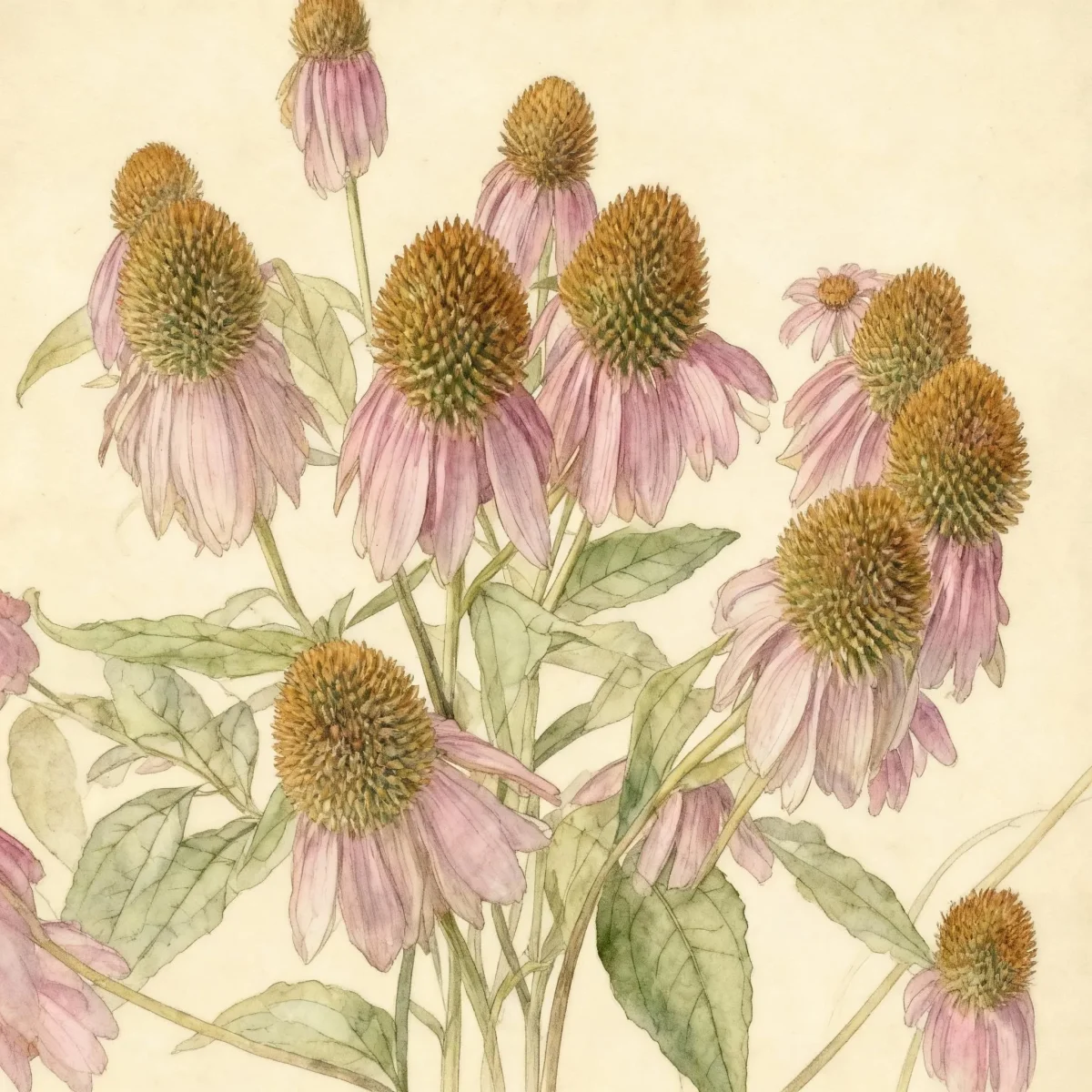
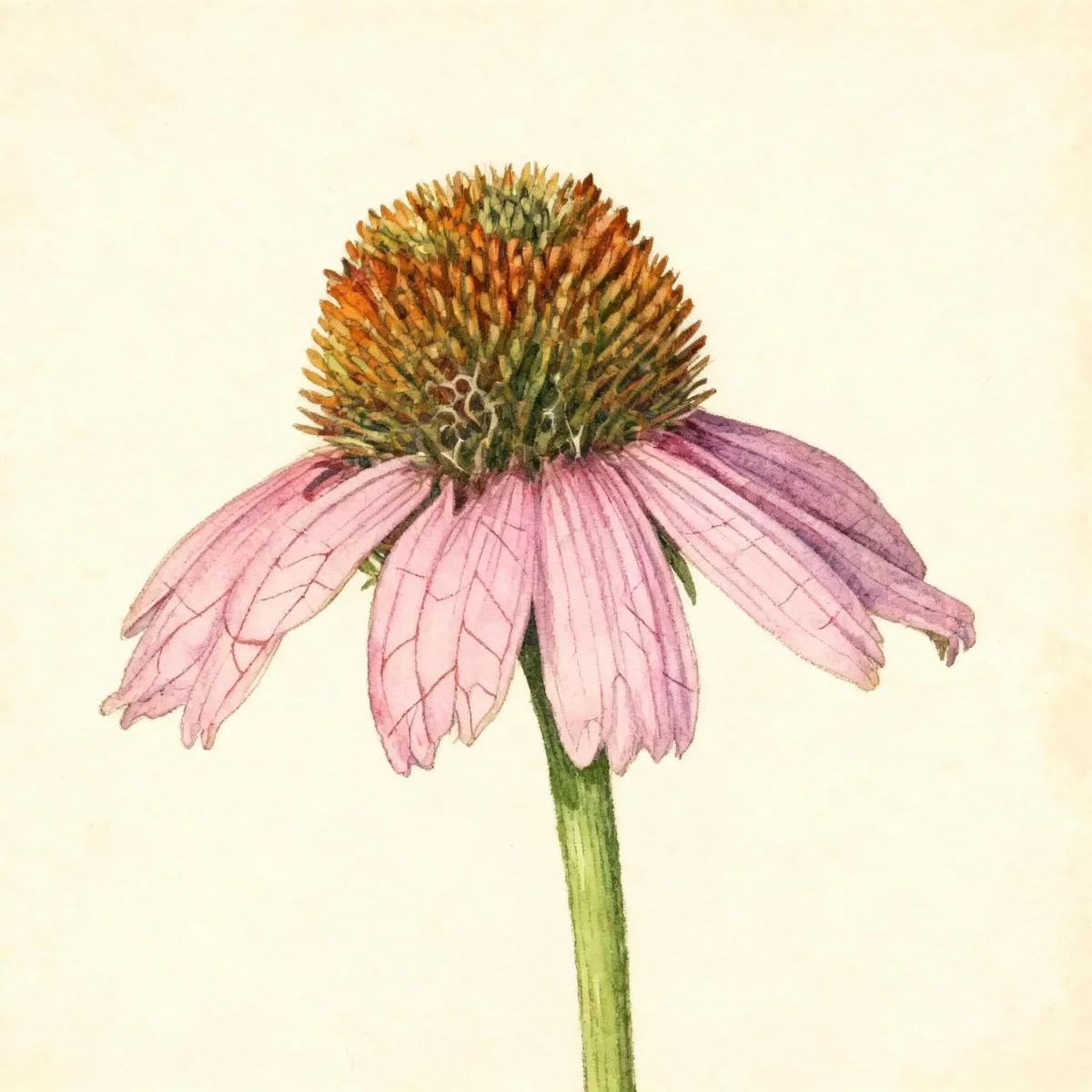
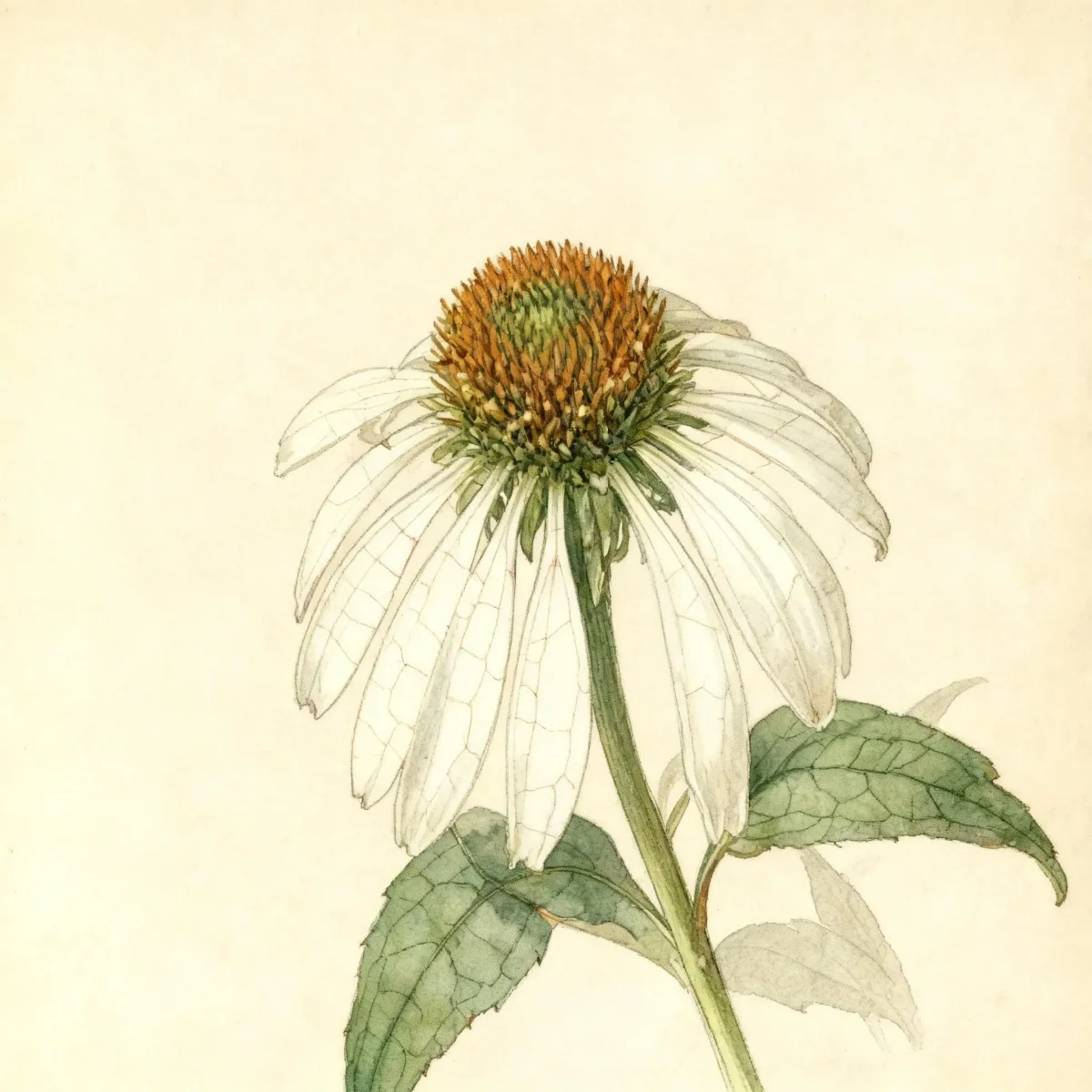
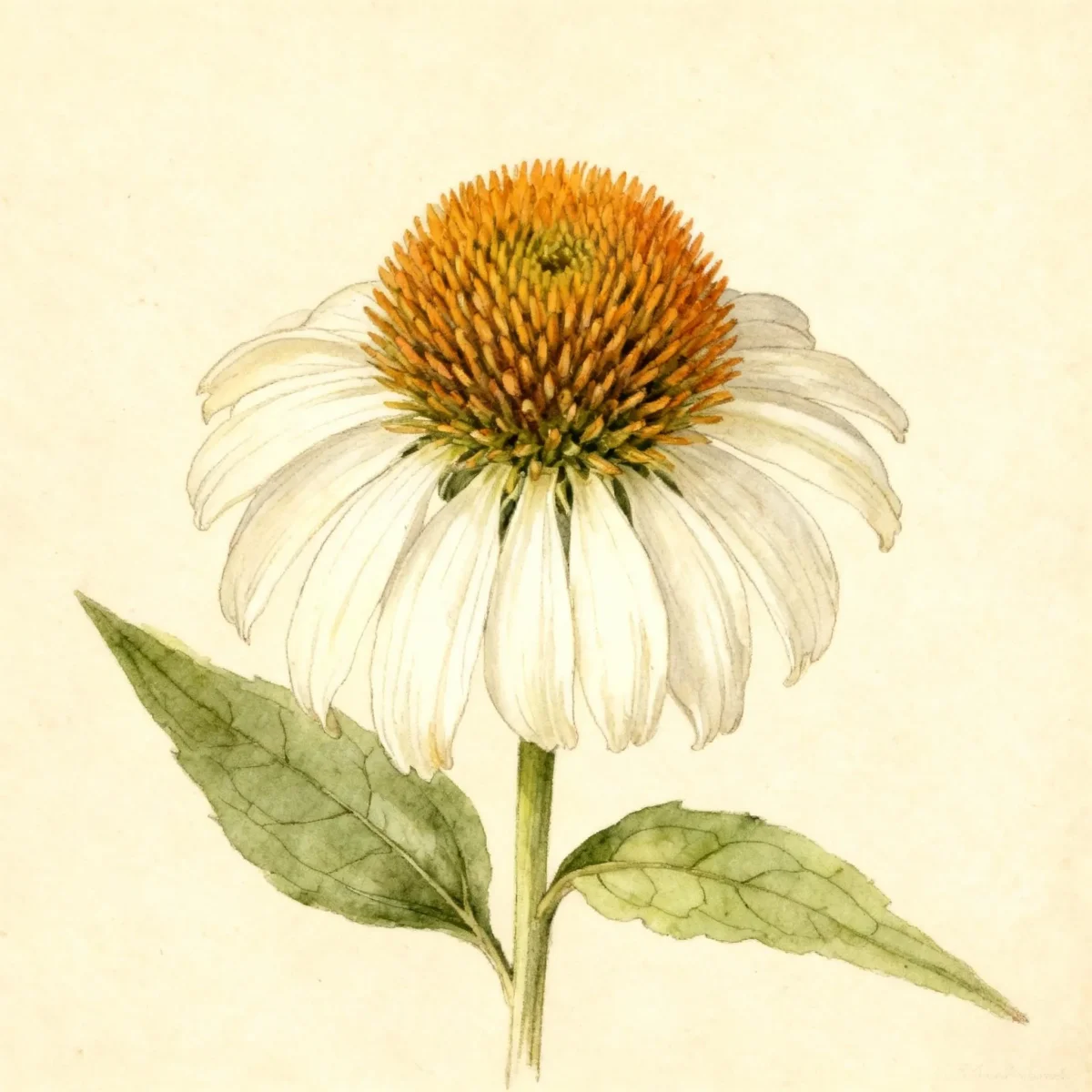
Jerusalem artichoke (Helianthus tuberosus)
Discover Helianthus tuberosus, the Jerusalem artichoke, a tall native perennial producing edible tubers and showy late-season sunflowers.
Scroll down to discover growing tips, care requirements, companion plants, and more
Complete Plant Information
Overview
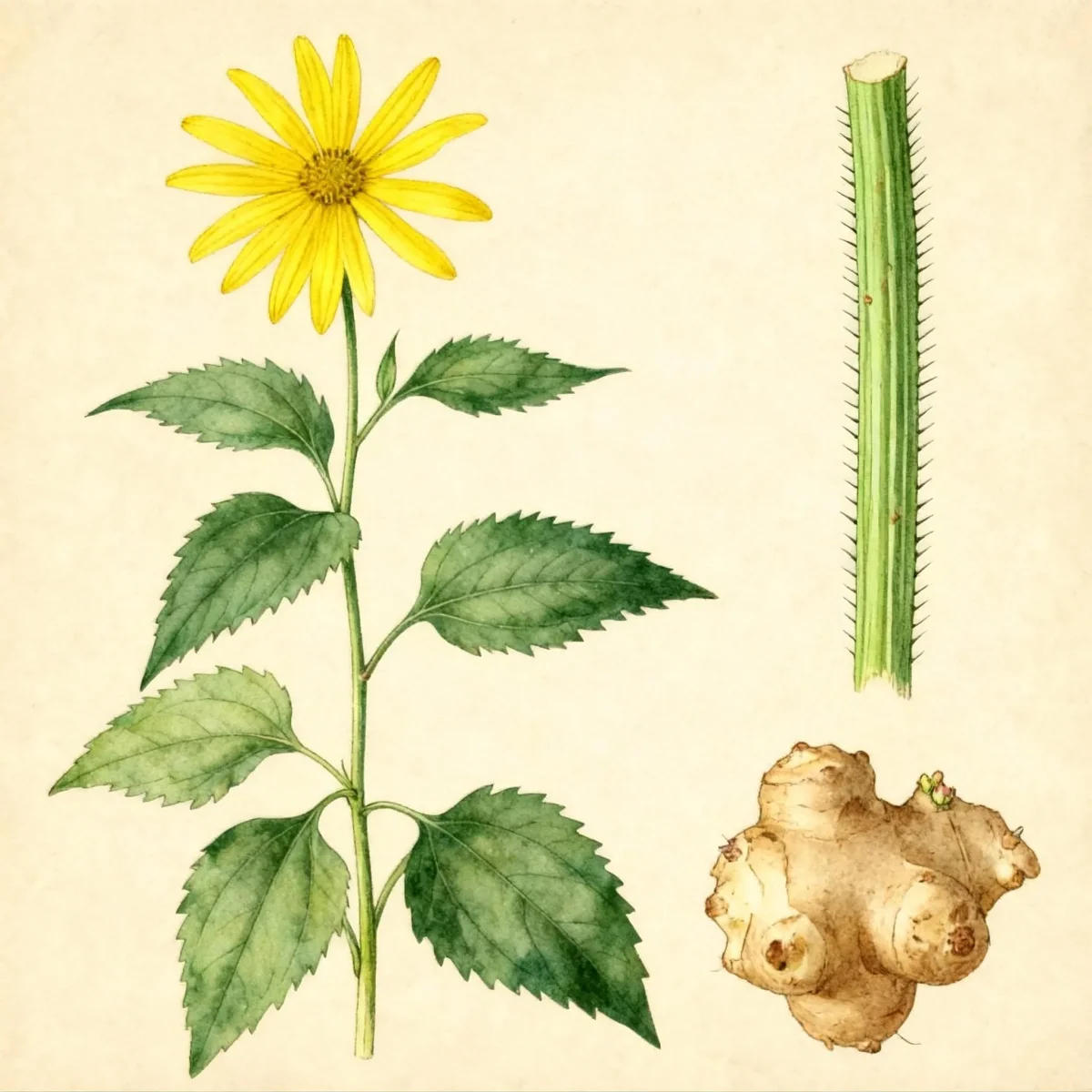
Helianthus tuberosus, commonly known as Jerusalem artichoke or sunchoke, is a highly valuable, tall-growing native sunflower prized both for its ornamental late-season yellow blooms and its delicious, knobby edible tubers. This herbaceous perennial offers gardeners robust, low-maintenance scenery backed by a unique culinary harvest. Growing vigorously from rhizomes, it establishes itself reliably across many regions of North America.
As a member of the Asteraceae family, Helianthus tuberosus displays the characteristic, cheerful yellow flowers of its relatives, appearing when many other garden plants are finished for the year. While it is exceptionally easy to grow and highly tolerant, this plant demands respect for its spreading nature; it is best situated where its colony-forming tendencies can be accommodated. Gardeners appreciate the dual purpose of Helianthus tuberosus as both a screen for the back border and a source of starchy-free root vegetables.
This plant thrives in average conditions, asking only for well-drained soil and ample sunlight to reach its substantial height of 6 to 10 feet. Its low maintenance level, combined with its tolerance for dry soils and drought, makes the Jerusalem artichoke an excellent choice for naturalized areas or sustainable food production landscapes.
Fast Facts
- Plant Family: Asteraceae
- Plant Type: Herbaceous perennial
- Native Range: Eastern North America
- Hardiness Zones: USDA Zones 3-9
- Size at Maturity:
- Height: 6-10 ft
- Spread: 3-5 ft
- Bloom Time: August to September
- Bloom Description: Yellow
- Sun Exposure: Full sun to part shade
- Water Needs: Dry to medium
- Maintenance Level: Low
How to Grow
Plant Helianthus tuberosus tubers in the garden soon after the last spring frost, or alternatively, plant them in the fall after the first frost has occurred. Ensure they are sited in a location that offers some shelter from strong winds, as their height can make them susceptible to lodging. They adapt well to various soil types but require good drainage to successfully produce the subterranean tubers.
Maintenance of Jerusalem artichoke is generally minimal. While they perform best with consistent moisture, the species exhibits notable tolerance once established, particularly in dry or shallow, rocky soils. Do not worry about heavy fertilizing; average, well-drained soil is sufficient. If you allow the plants to mature, leaving the seed heads intact benefits local finches and other songbirds throughout the winter.
Be aware that this plant spreads aggressively via rhizomes and self-seeding, quickly forming dense colonies. For this reason, plants are best sited where their spread into refined perennial beds or vegetable plots will not cause issues, as removal once established can be extremely difficult; even small tuber pieces left behind will sprout. Applying mulch when the spring shoots reach about one foot tall can help conserve soil moisture during establishment.
Landscape Uses
The impressive height and late-season flowers make Helianthus tuberosus a striking background plant, ideally suited for naturalized areas or the rear corners of large perennial borders. Its suggested uses include mass plantings, creating informal screens, or incorporating into cottage, bird, or butterfly gardens where its wildflower appearance is welcome. Because of its tendency to spread aggressively, this plant is generally not recommended for formal landscape settings where containment is critical.
Jerusalem artichoke excels in meadow-style plantings where its size can be utilized to full effect alongside other tall natives like goldenrods or perennial sunflowers. The bright yellow blooms attract numerous butterflies during late summer and early autumn, providing late-season nectar sources for these pollinators. Furthermore, the seeds are a valuable resource for seed-eating songbirds throughout the winter months.
For vegetable gardeners, planting the Jerusalem artichoke in a dedicated plot or large, bottomless container sunk into the ground is highly recommended to manage its spreading rhizomes. This manages the invasive potential while ensuring you still benefit from the unique, nutty-flavored tubers harvested after the foliage has died back.
Standout Features
Flower Qualities
- Showy
- Good Cut
Noteworthy Characteristics
Helianthus tuberosus, commonly called Jerusalem artichoke, sunchoke or sunroot, is a type of sunflower which is native to old fields, moist thickets, forest margins, streambanks, railroads, road margins and open places in North America. This plant is ornamentally grown in landscapes for its attractive late summer to fall sunflowers and/or in vegetable gardens for its knobby edible tubers which are produced below-ground on white rhizomes. Containing inulin rather than starch, the tubers offer a better sugar alternative for those managing blood glucose levels.
Tolerances
- Drought
- Dry Soil
- Shallow-Rocky Soil
Potential Problems
The primary concerns related to Helianthus tuberosus involve potential foliage diseases and pest activity. Rust, leaf fungal spots, and powdery mildew are somewhat common, particularly in humid or shaded conditions. Caterpillars and various species of beetles may also chew on the rough foliage throughout the growing season.
To mitigate disease susceptibility, ensure the Jerusalem artichoke is planted in a spot receiving sufficient sunlight and maintaining good air circulation, as overcrowding exacerbates fungal issues. Taller plants, especially in windy sites, may require staking for support if they begin to lean significantly. Vigorous management of foliage health helps ensure a reliable tuber set below ground.
Frequently Asked Questions
What hardiness zones is Jerusalem artichoke suitable for?
Helianthus tuberosus is an adaptable perennial suitable for USDA Zones 3 through 9, offering a broad range for gardeners across much of the continent.
How large does Jerusalem artichoke grow?
This species typically reaches impressive heights between 6 and 10 feet tall, with a spread generally ranging from 3 to 5 feet, forming dense colonies over time.
What sun exposure does Helianthus tuberosus need?
This plant thrives best in full sun settings but can tolerate partial or part shade conditions, though flowering and tuber production might be slightly reduced in lower light.
When does Jerusalem artichoke bloom?
Look forward to the cheerful yellow flowers of the Jerusalem artichoke blooming relatively late in the season, generally from August through September.
Conclusion
The Jerusalem artichoke (Helianthus tuberosus) remains a dynamic and rewarding addition to the garden, offering both decorative late-season sunflowers and a unique, digestible root vegetable. Its low maintenance requirements and adaptability across various drought-tolerant conditions make it a staple for naturalized plantings. Before planting this season, confirm your USDA hardiness zone and select a dedicated space to enjoy the bounty of the Helianthus tuberosus season after season.
Companion Planting
Due to its considerable height and vigorous growth, Helianthus tuberosus works best alongside other tall, robust perennials that can handle competition for resources and root space. Consider pairing it with plants that share similar sun and water needs, such as Joe Pye Weed (Eutrochium purpureum) or other sturdy native sunflowers. Its structure also makes it an excellent backdrop for shorter, sun-loving prairie flowers that appreciate the late-season color display.
Avoid planting highly sensitive or slow-growing ornamental perennials immediately adjacent to the Jerusalem artichoke, as the spreading rhizomes can aggressively outcompete less aggressive neighbors, particularly during establishment. Think of this plant as forming an edge or border rather than fitting into a delicate mixed border design.
Wildlife Benefits
The late-season bloom time of the Helianthus tuberosus flower heads provides crucial nectar and pollen for late-season butterflies and bees that are still active as summer wanes. Once the flowers mature, the resulting seed heads become an important food source for various songbirds, notably finches, throughout the late fall and winter garden.
Gardeners looking to fully support local wildlife can practice “lazy gardening” by leaving the stalks standing after the first hard frosts. This provides essential winter cover for beneficial insects and seeds for birds, improving the garden’s ecological value until spring cleanup. Harvesting tubers does not usually interfere with the bird feeding opportunity, provided the seed heads are left accessible.