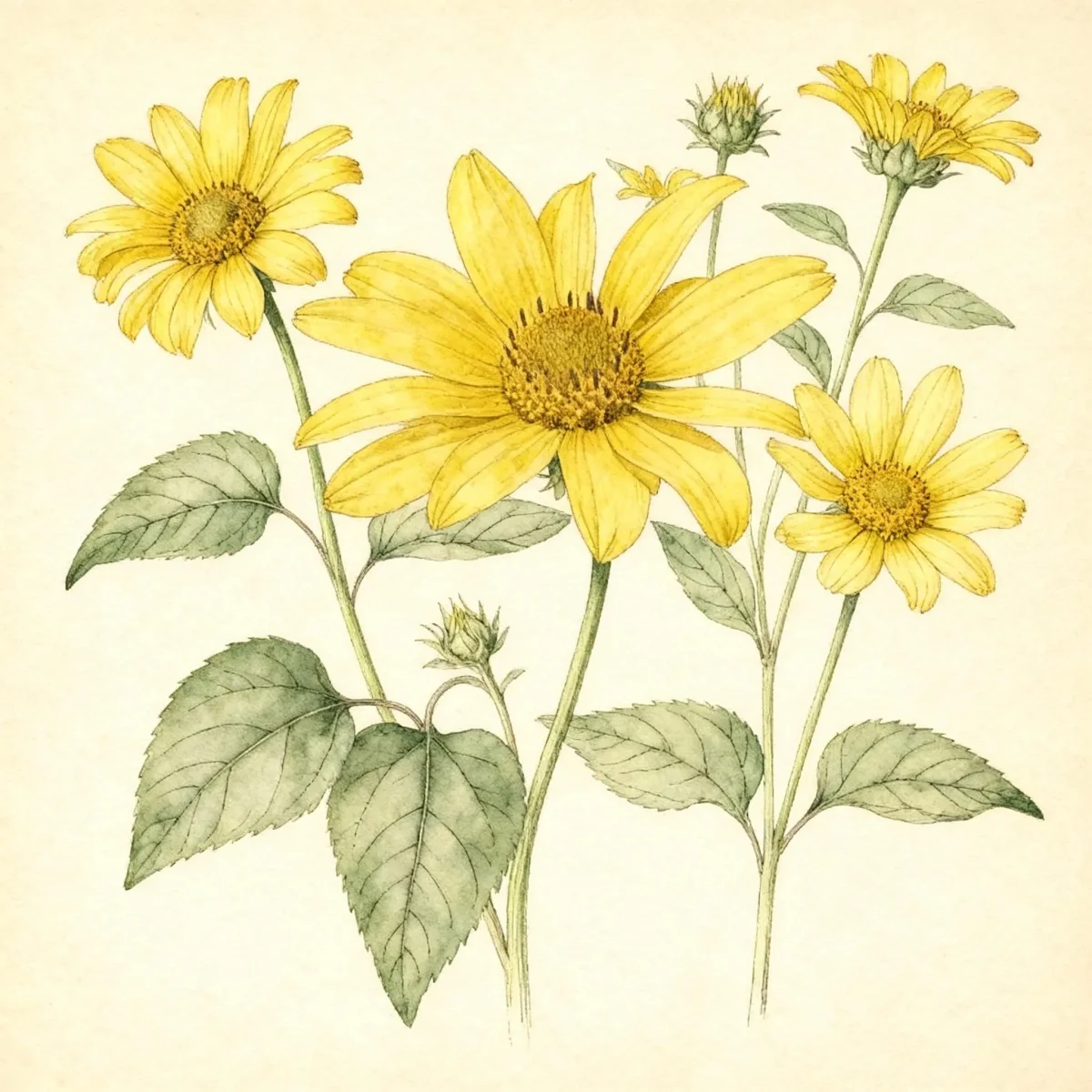
Oxeye sunflower (Heliopsis helianthoides)
Heliopsis helianthoides, the Oxeye sunflower, is a low-maintenance perennial blooming June-August. Excellent for borders and cut arrangements.
Scroll down to discover growing tips, care requirements, companion plants, and more
Complete Plant Information
Overview
The Oxeye sunflower, Heliopsis helianthoides, is a highly valuable addition to sunny gardens, celebrated for its long season of vibrant color. This upright, clump-forming perennial looks similar to the true sunflower but offers excellent loyalty in the perennial border. Its daisy-like flowers provide consistent visual interest from mid-summer well into August.
Heliopsis helianthoides is remarkably undemanding, thriving in average soils with minimal fuss once established. Native to central and eastern North America, it naturally adapts to various soil conditions, making it a reliable choice for challenging spots. Gardeners appreciate this plant not only for its aesthetic appeal but also for its ecological contributions, attracting numerous pollinators throughout its lengthy bloom period.
Consider incorporating Heliopsis helianthoides when designing drought-tolerant landscapes or native plant gardens. With its substantial height range, this Oxeye sunflower delivers significant vertical structure without requiring excessive pampering, solidifying its role as a staple, low-maintenance summer performer.
Fast Facts
- Plant Family: Asteraceae
- Plant Type: Herbaceous perennial
- Native Range: Central and eastern North America
- Hardiness Zones: USDA Zones 3-9
- Size at Maturity:
- Height: 3-6 ft
- Spread: 2-4 ft
- Bloom Time: June to August
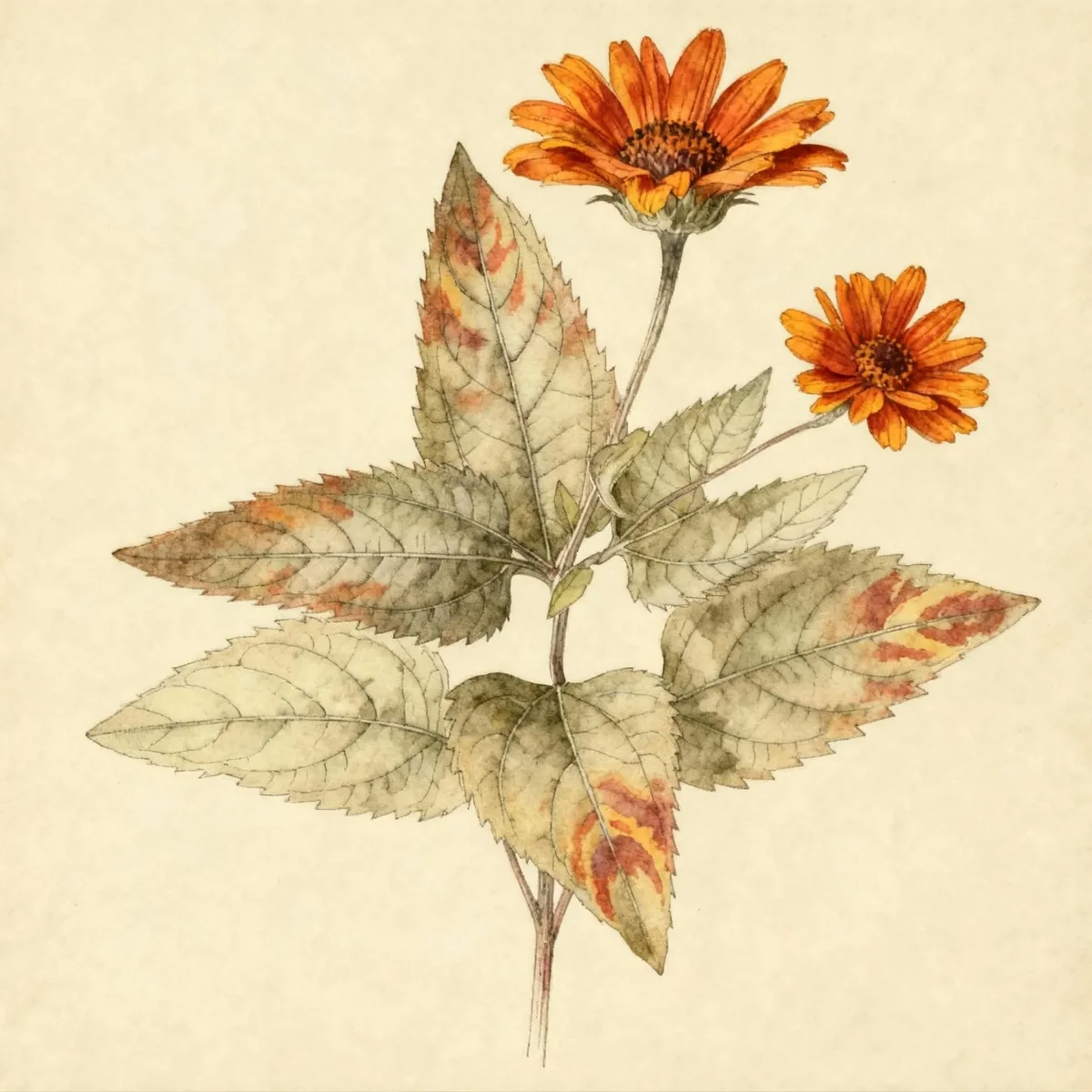
- Bloom Description: Orange-yellow rays with brown center disks
- Sun Exposure: Full sun
- Water Needs: Dry to medium
- Maintenance Level: Low
How to Grow
Establish Heliopsis helianthoides in full sun for the most robust growth and best flowering display. While it tolerates some light shade, plants grown in reduced light become leggy and often require physical support. It prefers average, dry to medium, well-drained soil, but it exhibits wide adaptability, successfully handling poor, dry, and clayey conditions. Planting during the spring allows the Oxeye sunflower ample time to establish its root system before summer heat arrives.
Maintenance for this perennial is refreshingly low. Although Heliopsis helianthoides tolerates drought, consistent watering during establishment and through dry spells will yield better vigor. Fertilizing is generally unnecessary; amending heavy clay soils is usually sufficient preparation.
To optimize the bloom period, deadhead spent flowers regularly. If the plant becomes too tall or floppy late in the season, you can use a preventative technique in late May: cut the stems back by approximately one-third to one-half to encourage shorter, stockier growth before the summer rush. This early pruning helps stems remain upright without needing staking later on.
Landscape Uses
The Oxeye sunflower is a fantastic choice for building mid-to-back layer structure within a mixed perennial border, offering bold color contrast against blues and purples. Its height (up to 6 feet) means it serves well towards the back of borders, preventing shorter inhabitants from being obscured. Due to its resistance to drying out, it fits perfectly into native plant communities or prairie-style plantings where water conservation is key.
Beyond traditional borders, Heliopsis helianthoides excels in cutting gardens. The flowers persist well after being harvested, providing rustic, sunny texture for summer arrangements. For a naturalized effect, plant drifts of the Oxeye sunflower alongside ornamental grasses or other native summer bloomers like Coneflowers or Milkweed.
This plant’s ability to handle various soil types, including clay and dry patches, makes it an ideal candidate for roadside plantings or large, low-maintenance drifts where consistent performance is mandatory.
Standout Features
Flower Qualities
- Showy
- Good Cut
Noteworthy Characteristics
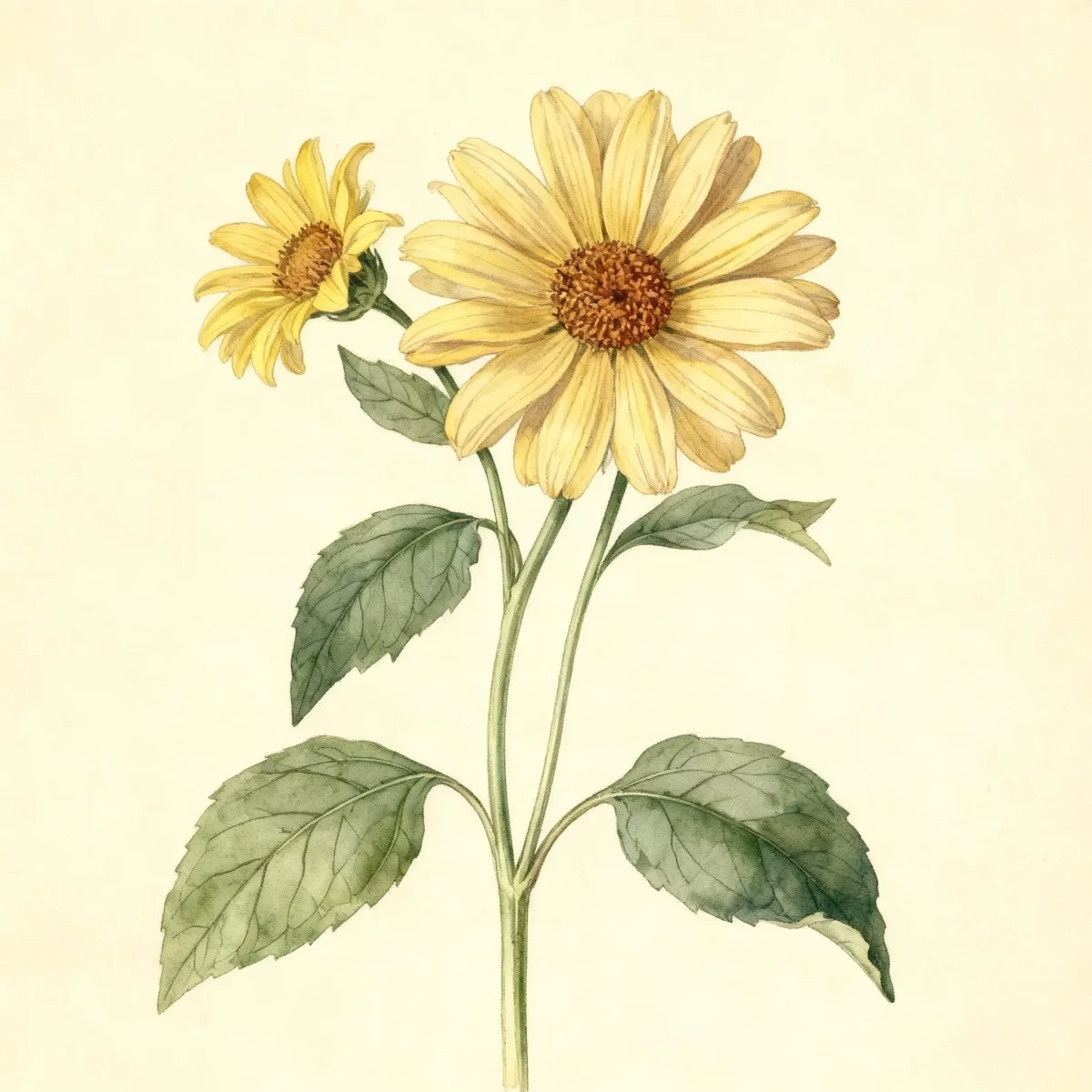
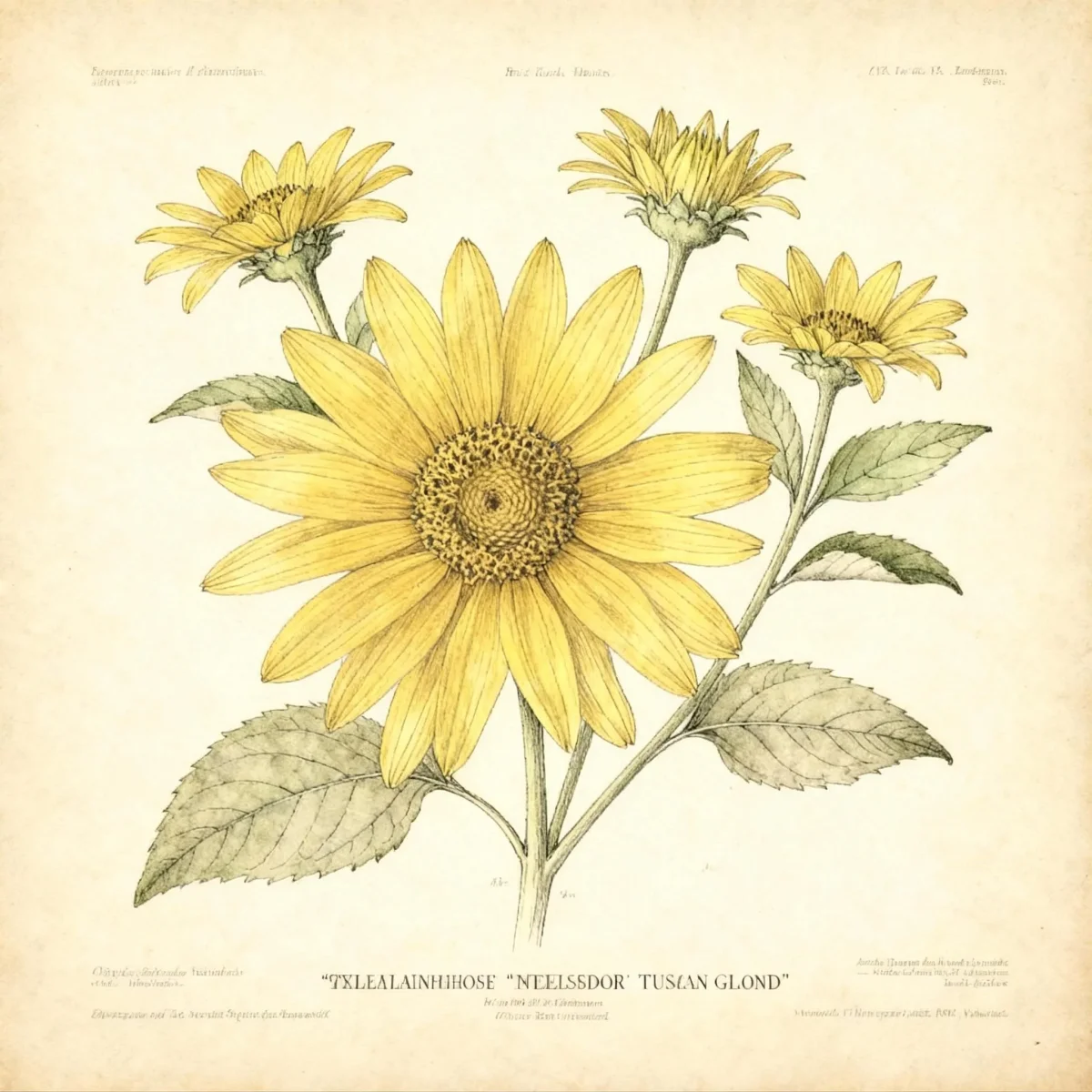
Heliopsis helianthoides, commonly called oxeye sunflower or ox-eye daisy, is an upright, clump-forming perennial native to eastern and central North America, valued for its daisy-like flowers typically measuring 2-3 inches across. These blooms feature attractive yellow-orange rays surrounding brownish-yellow center cones, blooming continuously throughout the summer. Genus name comes from the Greek words helios meaning the sun and opsis meaning resembling in allusion to the rayed yellow flower heads.
Tolerances
- Drought
- Erosion
- Clay Soil
- Dry Soil
- Shallow-Rocky Soil
Potential Problems
The Oxeye sunflower boasts excellent disease resistance, meaning serious issues are rare. Gardeners should monitor for sporadic aphid infestations, particularly on new growth early in the season; these pests can usually be managed with a strong spray of water or insecticidal soap if necessary. The primary structural concern is height management. Taller specimens, especially those receiving partial shade or too much nitrogen, may benefit from early pruning or staking to prevent stems from collapsing under their own weight by mid-summer.
Frequently Asked Questions
What hardiness zones is Oxeye sunflower suitable for?
Heliopsis helianthoides is reliably hardy across USDA Zones 3 through 9, offering a wide range of suitability across the continent.
How large does Oxeye sunflower grow?
This perennial typically reaches a mature height between 3 and 6 feet, with a spread of 2 to 4 feet, creating a substantial presence in the garden.
When does Oxeye sunflower bloom?
The blooming period for this plant generally spans from June all the way through August, offering consistent color described by orange-yellow rays with brown center disks.
What sun exposure does Oxeye sunflower need?
The plant requires full sun exposure to maintain vigorous growth and profuse flowering, though it can tolerate light shade if necessary.
Conclusion
The Oxeye sunflower, Heliopsis helianthoides, provides exceptional value through its low maintenance needs and abundant, season-long blooms. Its tolerance for difficult soils and drought makes it a resilient foundation plant for sunny landscapes. Before planting, confirm your location falls within its hardiness range (Zones 3-9) and utilize the optional late-spring pruning technique to ensure stout stems throughout the summer.
Companion Planting
When placed alongside other sun-loving, dry-tolerant perennials, Heliopsis helianthoides creates stunning textural contrast. Consider pairing the tall, bright yellow blooms with late-summer bloomers that share similar cultural needs, such as Russian Sage (Perovskia atriplicifolia) or various forms of Coneflower (Echinacea). For a more cottage garden feel, plant it near taller Lavender varieties, which benefit from the air circulation created by the sunflower’s structure.
Wildlife Benefits
The daisy-like flower heads of Heliopsis helianthoides are a significant attractor for nectar-feeding insects. The abundant, accessible blooms regularly draw in butterflies seeking sustenance throughout the hot summer months. Furthermore, as the season wanes, the resulting seed heads provide a crucial food source for small seed-eating birds. Planting the Oxeye sunflower promotes pollinator health and supports local bird populations simultaneously.