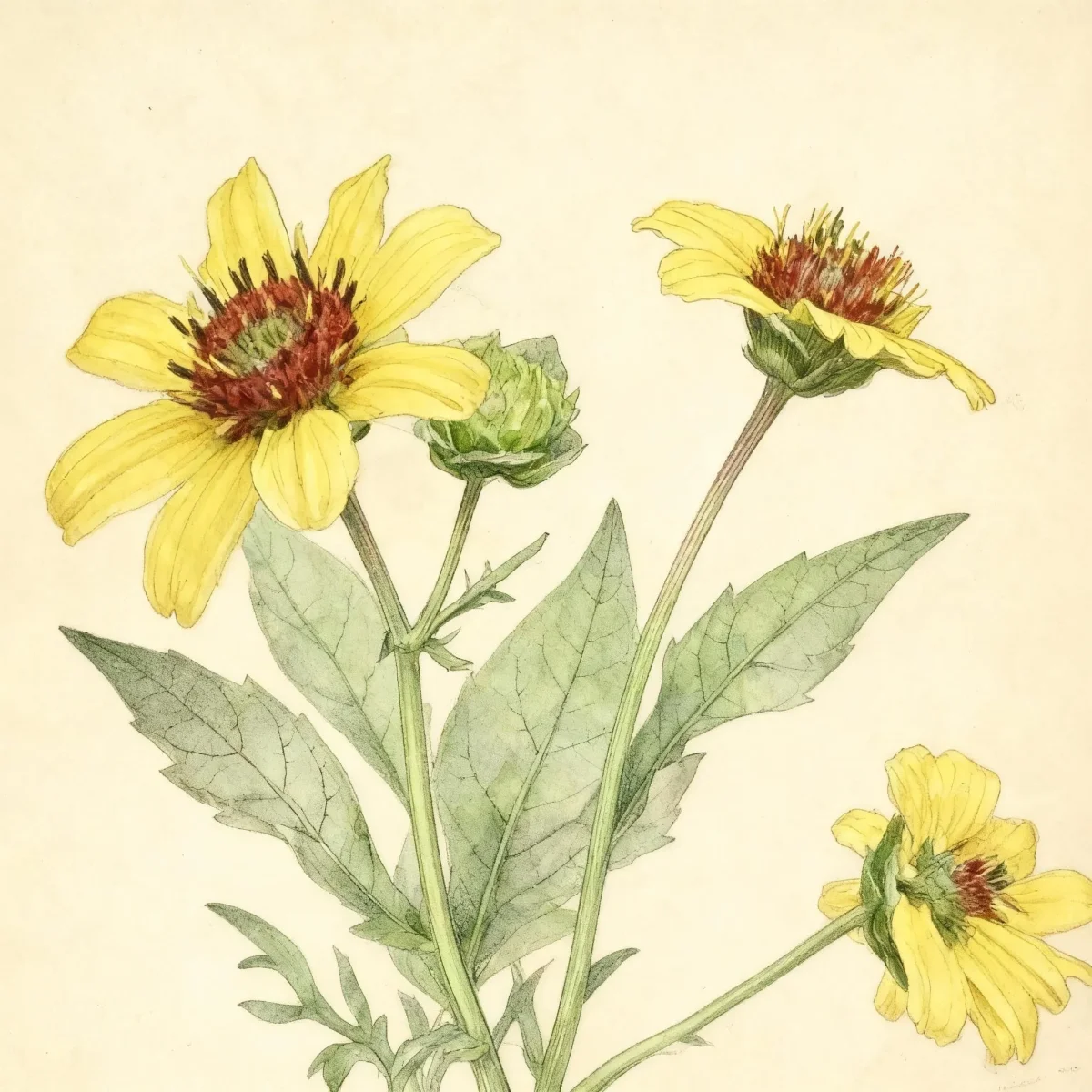
Golden aster (Heterotheca camporum)
Discover Golden aster (Heterotheca camporum), a low-maintenance perennial featuring cheerful yellow blooms from mid-summer to fall.
Scroll down to discover growing tips, care requirements, companion plants, and more

Complete Plant Information
Overview
The Golden aster, scientifically known as Heterotheca camporum, is a resilient, coarse upright perennial highly valued for its late-season cheer. This native species brings vibrant yellow, aster-like flowers to the garden precisely when many other summer bloomers begin to fade, extending the season of interest into fall. Gardeners appreciate Heterotheca camporum for its exceptional drought tolerance once established and its preference for challenging, drier soils.
Growing typically between one and three feet tall, the Hairy golden aster features rigid, hairy stems supporting numerous 1 to 1.5-inch flowers, which contrast nicely against the lance-shaped green foliage. Its ability to thrive in full sun with minimal water makes it an excellent structural anchor for naturalized areas or the back of sunny, dry borders.
As a low-maintenance native plant, the Golden aster supports local ecosystems while providing reliable, cheerful color. Its historical use in open, sandy ground underscores its suitability for modern xeriscaping and prairie garden designs where water conservation is a priority.
Fast Facts
- Plant Family: Asteraceae
- Plant Type: Herbaceous perennial
- Native Range: Central United States
- Hardiness Zones: USDA Zones 4-8
- Size at Maturity:
- Height: 1-3 ft
- Spread: 1-2 ft
- Bloom Time: July to September
- Bloom Description: Yellow
- Sun Exposure: Full sun
- Water Needs: Dry to medium
- Maintenance Level: Low
How to Grow
Planting Heterotheca camporum is best achieved in the spring after the danger of hard frost has passed, allowing it to establish its roots before summer heat. This plant thrives in average soil but excels where drainage is excellent, especially in sandy compositions. Ensure it receives full sun exposure throughout the day, as insufficient light will lead to leggier growth and reduced flowering.
Care for the Golden aster is remarkably simple, fitting its “Low” maintenance profile. Due to its excellent drought tolerance, supplemental watering is usually unnecessary once the plant is mature, except during prolonged, severe dry spells. Avoid rich or heavily amended soils, as these can encourage weak stems. Fertilization is rarely required for this tough perennial.
Minimal pruning is generally needed. Deadheading spent flowers can sometimes encourage a slight rebloom, though the primary goal is usually to maintain its natural upright habit. In late winter or very early spring, cut back the dried stems close to the ground to make way for new seasonal growth. The hardiness of Heterotheca camporum means it handles winter conditions well across its recommended zones.
Landscape Uses
The inherent drought tolerance and sun-loving nature of Heterotheca camporum make it a perfect candidate for difficult, hot locations. Utilize this perennial as a reliable component in the mid-borders where its upright structure adds texture and its late summer color provides necessary visual pop. It is exceptionally well-suited for prairie areas or naturalized plantings designed to mimic native ecosystems.
For a truly ecological design, incorporate the Golden aster into native plant gardens alongside other sun-loving, dry-tolerant species like coneflowers (Echinacea) or coreopsis varieties. Its strong vertical lines contrast beautifully against mounding groundcovers. Avoid placing it in areas requiring consistent moisture, as soggy conditions are detrimental to its health.
This species is an excellent choice for areas requiring robust, non-fussy plantings such as low-maintenance commercial landscapes or large naturalized sweeps where maintenance staff time is limited. The robust structure of Heterotheca camporum ensures it remains tidy without constant aesthetic intervention.
Standout Features
Flower Qualities
- Showy
Noteworthy Characteristics
Heterotheca camporum, commonly called prairie golden aster, is a coarse upright perennial which typically grows 1-3’ tall on rigid, hairy stems. It is a Missouri native plant which occurs in open sandy ground, fallow fields and along roads and railroads (Steyermark). Features yellow aster-like flowers (1-1.5” in diameter) with bright yellow ray flowers and flattened, darker yellow center disks. Genus name comes from the Greek heleros meaning different and theka meaning a case as the achenes of the ray florets are unlike those of the disk florets.
Tolerances
- Drought
Potential Problems
This plant is highly regarded because it presents no serious insect or disease problems, making it a favorite for organic gardening practices. Unlike some showier perennials, Heterotheca camporum rarely succumbs to common garden pests or fungal issues when sited correctly. The primary concern is improper soil conditions, specifically poor drainage or excessive moisture, which can lead to root rot rather than pest infestation. Ensure your planting site meets its requirement for dry to medium, well-drained soil.
Frequently Asked Questions
What hardiness zones is Golden aster (Heterotheca camporum) suitable for?
The Golden aster is suitable for USDA hardiness zones 4 through 8, offering reliable perennial performance across a wide range of climates.
How large does Golden aster grow?
Heterotheca camporum typically reaches a mature height of 1 to 3 feet and spreads between 1 and 2 feet wide, creating an upright, somewhat coarse presence.
What sun exposure does Golden aster need?
This plant requires full sun exposure to maintain its rigid structure and maximize its bloom production throughout the summer and early fall.
When does Golden aster bloom?
The bloom time for Heterotheca camporum is reliably from July through September, displaying distinct, cheerful yellow flowers.
Conclusion
The Heterotheca camporum, or Golden aster, delivers exceptional value as a tough, sun-loving perennial that offers brilliant yellow blooms late in the season. Its superior drought tolerance and low maintenance requirements make it an indispensable choice for sustainable and ecologically mindful landscapes. Before planting, confirm that your site provides the necessary full sun and well-drained conditions appropriate for USDA Zones 4-8.
Companion Planting
When planning your garden arrangements, look for other sturdy, sun-loving perennials that appreciate dry soil, mirroring the cultural needs of Heterotheca camporum. Excellent companions include various Sedums, which offer contrasting textures and similar drought resistance. Other complementary late-summer bloomers native to dry prairies, such as certain varieties of Coneflower (Echinacea), will create a unified, high-impact display that requires minimal supplemental care.
Wildlife Benefits
The late bloom cycle of the Golden aster is a significant ecological asset, providing crucial nectar resources when many spring and early summer flowers have faded. Bees and butterflies, actively preparing for migration or overwintering, rely heavily on late-season bloomers like Heterotheca camporum. Planting this native sunshine in masses not only brightens the late garden but actively supports local pollinator populations during a critical time of the growing season.