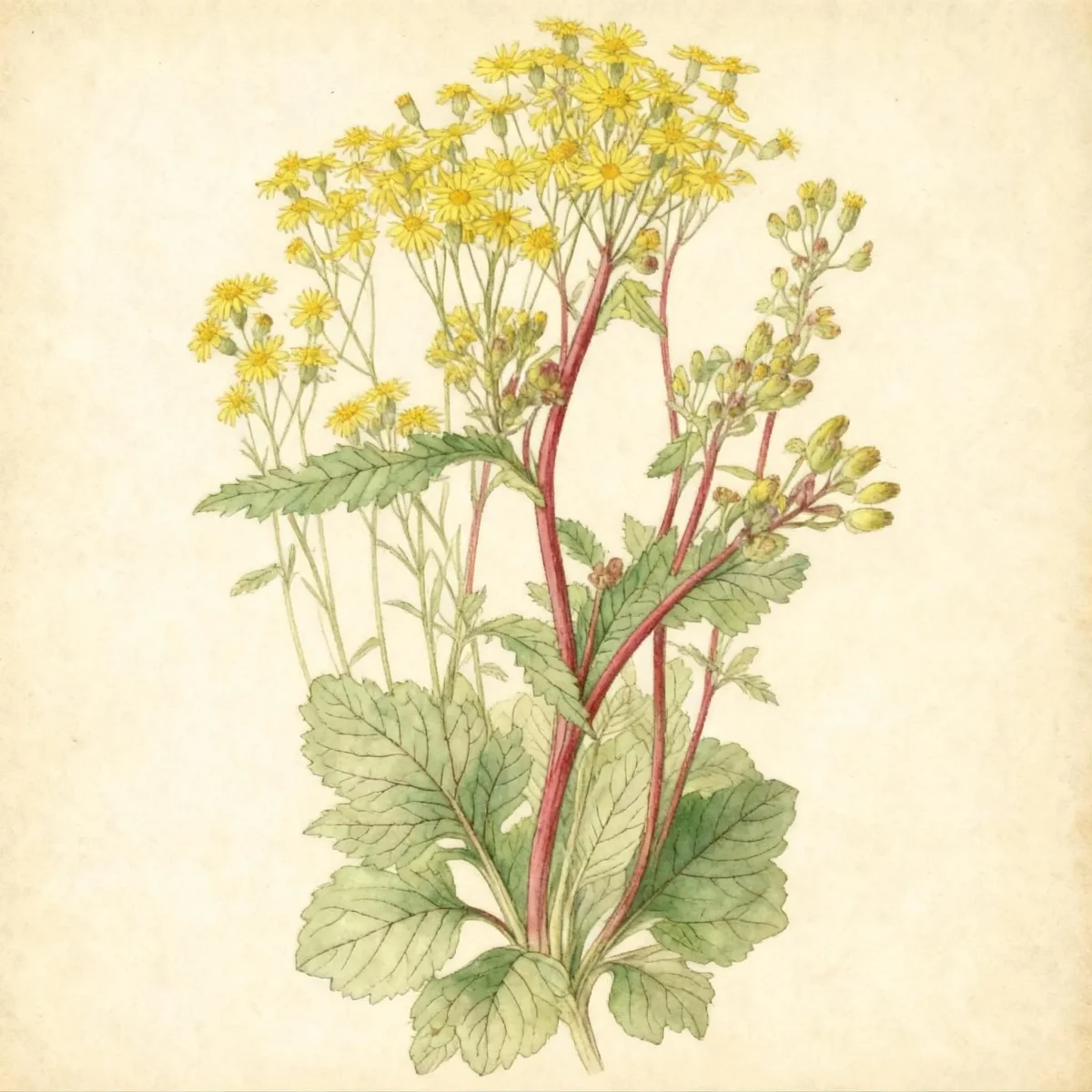
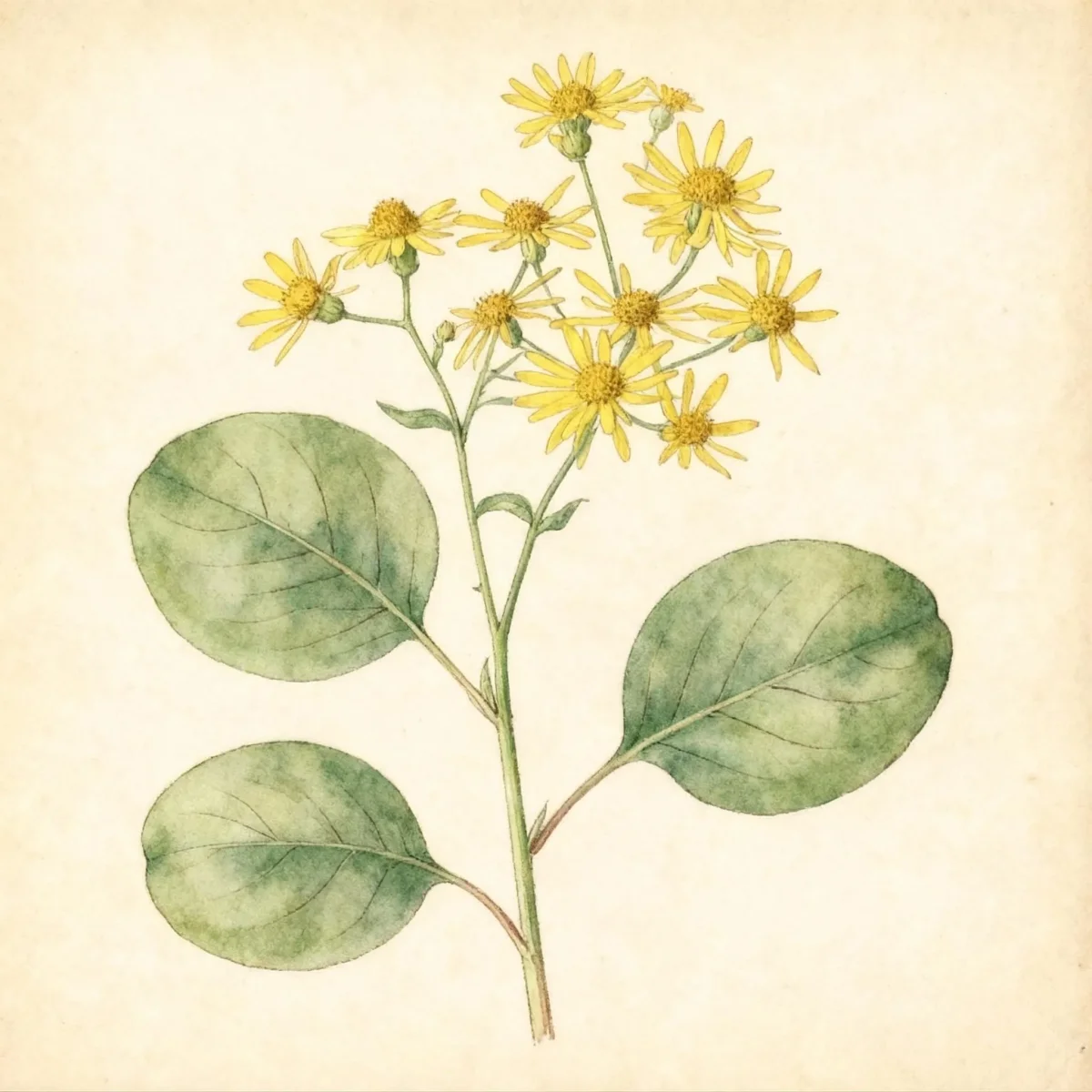
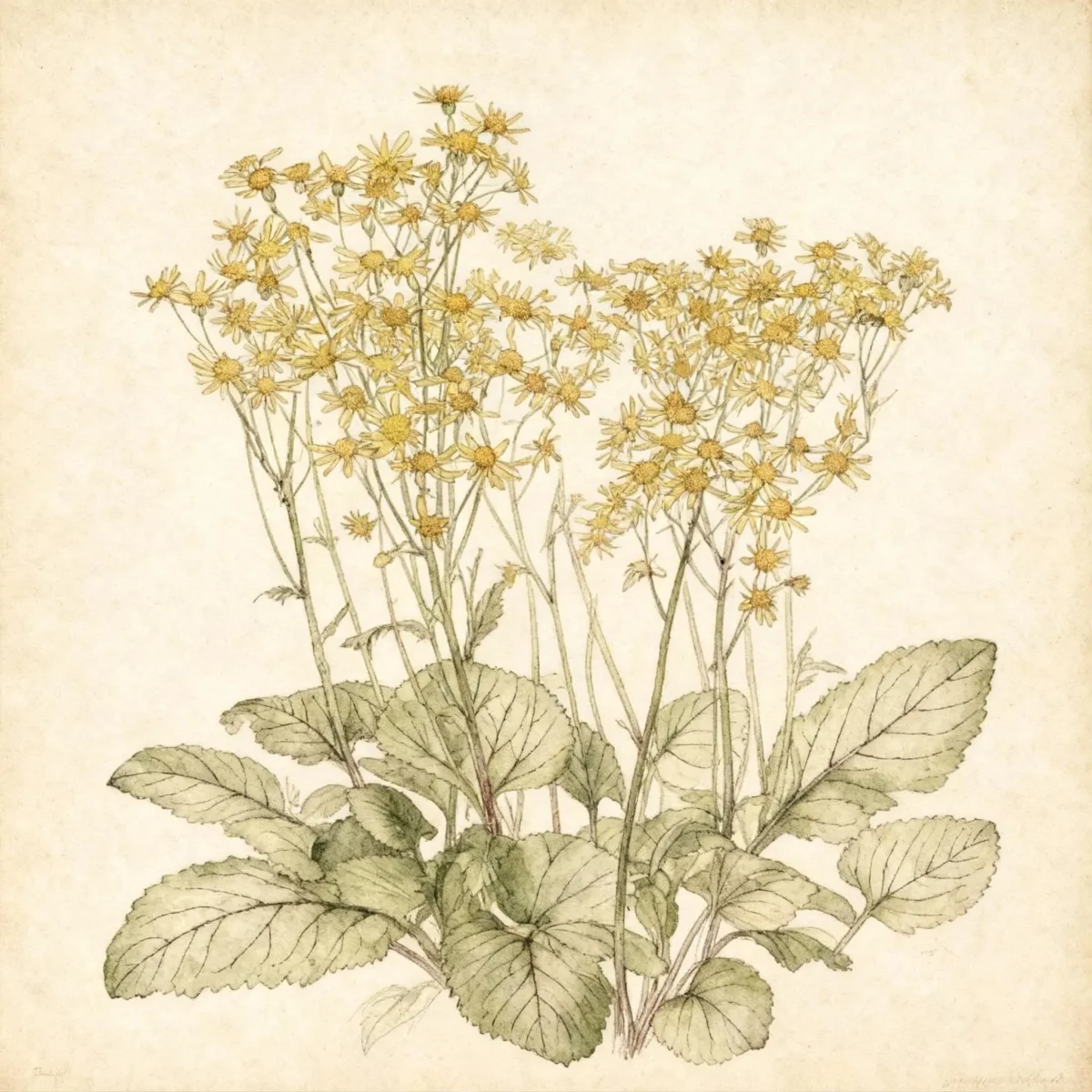
Golden ragwort (Packera aurea)
Golden ragwort (Packera aurea) is a rhizomatous perennial offering bright yellow spring flowers. Ideal for moist soils and part shade areas.
Scroll down to discover growing tips, care requirements, companion plants, and more
Complete Plant Information
Overview
Packera aurea, widely known as golden ragwort, is a highly valuable, spreading herbaceous perennial celebrated for its early spring color. This native plant explodes with flat-topped clusters of cheerful yellow, daisy-like flowers, often appearing when few other plants are in bloom. Its rhizomatous nature allows it to form dense colonies, making it an excellent choice for covering difficult, damp areas of the garden.
The value of Packera aurea extends beyond its showy spring display; the basal foliage provides consistent green cover throughout the season, often persisting as semi-evergreen in warmer hardiness zones. Its ability to thrive in moist soils under sun or shade conditions makes it incredibly versatile for ecologically minded designers. Furthermore, the blooms of the golden ragwort are an important early nectar source for emerging pollinators.
Gardeners should note that Packera aurea naturalizes easily and may require some occasional management to keep it within bounds, though its primary requirement is consistent moisture. Providing the proper wet soil conditions ensures the basal foliage remains attractive and the plant establishes into a spectacular naturalized planting.
Fast Facts
- Plant Family: Asteraceae
- Plant Type: Herbaceous perennial
- Native Range: Eastern North America to Texas
- Hardiness Zones: USDA Zones 3-8
- Size at Maturity:
- Height: 0.5-2.5 ft
- Spread: 0.5-1.5 ft
- Bloom Time: April
- Bloom Description: Yellow
- Sun Exposure: Full sun to part shade
- Water Needs: Medium to wet
- Maintenance Level: Medium
How to Grow
Plant Packera aurea in the spring or fall in prepared garden beds, ensuring the soil is consistently medium to wet. While these plants tolerate full sun, they often bloom better and maintain better foliage when sited in partial shade, replicating their native woodland edge habitat. The soil structure is less critical than moisture content; average soil amended with organic matter works well, provided drainage does not lead to drying.
Watering is the most crucial aspect of care for golden ragwort. The soils must not be allowed to dry out at any point during the growing season for the foliage to remain attractive. Fertilizing is rarely necessary, as the plant is well-adapted to its native, often lean, environments. Maintenance mainly involves managing its tendency to spread.
After the yellow flowers have finished blooming and seed dispersal, consider removing the flowering stems to tidy the appearance. Packera aurea is very easy to establish from seed and spreads readily via rhizomes, quickly forming large colonies ideal for larger, naturalized areas. In zones 6 through 8, the basal foliage provides excellent evergreen ground cover if consistent moisture is maintained through winter.
Landscape Uses
The robustness and moisture requirements of Packera aurea guide its best applications. It excels as a dense ground cover specifically for moist, shady areas where turf grasses struggle. Large naturalized plantings of golden ragwort in woodland settings create a brilliant yellow carpet effect early in the season, making them spectacular focal points.
This plant is highly effective in specialized landscape features targeting water management. Use Packera aurea in bog gardens, rain gardens, or planted closely along the edges of streams or ponds where consistent saturation is assured. They are equally welcome in cottage gardens or native plant borders that complement damp conditions.
Companion planting works well with other moisture-loving natives such as ferns, cardinal flower (Lobelia cardinalis), or irises, allowing you to build layers of texture and color throughout the season while ensuring all inhabitants share a similar thirst.
Standout Features
Flower Qualities
- Showy
Noteworthy Characteristics
Packera aurea, commonly called golden ragwort or golden groundsel, is a rhizomatous, spreading, herbaceous perennial native to moist woods, meadows, gravel bars, and stream banks in the eastern United States and southeastern Canada. Features flat-topped clusters (corymbs) of yellow, daisy-like flowers (to 1” diameter) atop sparsely-leaved stems in early spring. The foliage is one of the few larval food sources for the northern metalmark butterfly.
Tolerances
- Wet Soil
Potential Problems
This plant generally exhibits strong pest and disease resistance, making Packera aurea a low-worry addition to the garden. There are no serious insect or disease problems typically reported for golden ragwort when it is growing under its preferred conditions. The primary management issue is controlling its aggressive spread rather than fighting off pests.
If grown in conditions that are too dry, the plant will look stressed and may fail to thrive, but this is cultural stress rather than disease. Ensure consistent moisture, especially during the summer months, to prevent foliage decline.
Frequently Asked Questions
What hardiness zones is Golden ragwort suitable for?
Packera aurea is highly adaptable, thriving in USDA Zones 3 through 8.
How large does Golden ragwort grow?
This species typically reaches a height between 0.5 and 2.5 feet, with a spread of 0.5 to 1.5 feet as it naturalizes.
When does Golden ragwort bloom?
Golden ragwort produces its signature yellow flowers primarily in April.
What sun exposure does Packera aurea need?
Packera aurea successfully grows in a range stretching from full sun locations to areas receiving part shade.
Conclusion
The combination of dazzling early spring performance and crucial water tolerance establishes Packera aurea as an indispensable native plant for damp garden situations. Utilizing golden ragwort ensures continuous ground cover while providing vital early-season support for local wildlife. Before planting, always verify that your intended area can reliably provide the medium to wet soil conditions this perennial demands.
Companion Planting
Selecting companions for Packera aurea should focus on species that share a preference for moist to wet soils and can handle similar sun exposure levels. Look for plants that bloom later to extend the color interest beyond the early April display of the golden ragwort.
Plants like Blue Flag Iris (Iris versicolor) or various native sedges integrate perfectly, as they enjoy consistent moisture. Furthermore, pairing the bright yellow blooms with contrasting deep greens or blues, such as those found in certain Carex species or Caltha palustris (Marsh Marigold), enhances the visual impact of the woodland edge.
Wildlife Benefits
The early blooming period of Packera aurea offers significant ecological value when most other nectar sources are unavailable. The daisy-like flowers are readily visited by early-waking bees and butterflies seeking their first meal of the season.
Beyond nectar, the foliage supports specific lepidoptera; specifically, the leaves serve as one of the few larval food sources for the specialized northern metalmark butterfly. Integrating this native perennial into your landscape directly contributes to local biodiversity support systems.