Mexican hat plant (Ratibida columnifera)
The striking Ratibida columnifera, or Mexican hat plant, offers vibrant summer color with unique, sombrero-shaped blooms, perfect for dry landscapes.
Scroll down to discover growing tips, care requirements, companion plants, and more
Complete Plant Information
Overview
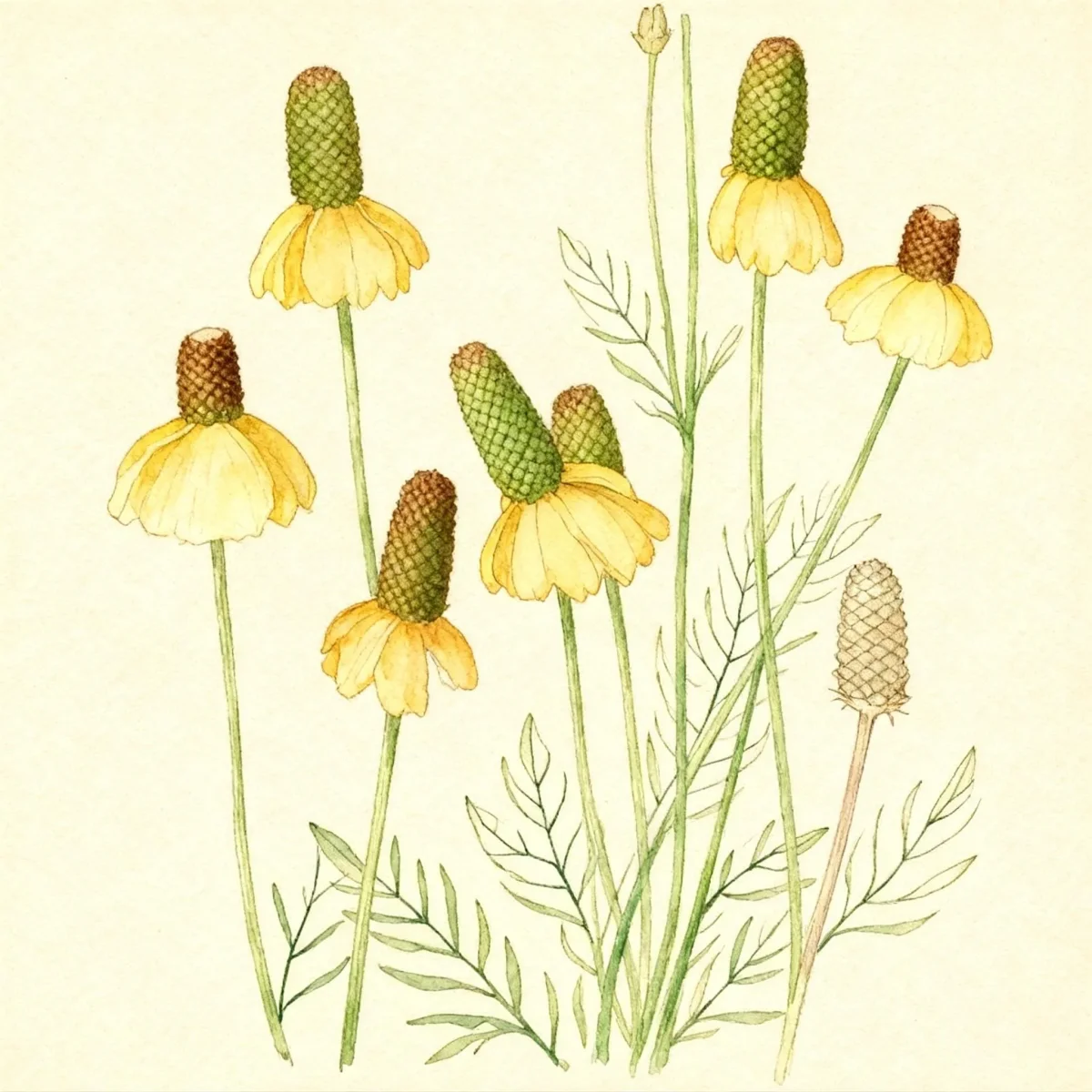
The Mexican hat plant (Ratibida columnifera) is a highly distinctive North American native celebrated for its unusual and long-lasting summer blooms. The flowers feature prominent, dark brown cylindrical centers reminiscent of a slender sombrero, which gives this Ratibida columnifera its popular moniker. This upright, hairy perennial provides excellent vertical interest in native gardens.
Valued for its resilience, Ratibida columnifera thrives where many cultivated flowers struggle, preferring drier conditions and full sun exposure. It contributes robust texture and color reliably from early summer well into fall. Its unique form makes it a fantastic choice for naturalistic plantings, meadows, and borders where drought tolerance is a key requirement.
As a member of the Asteraceae family, the Mexican hat plant is an important component of prairie restoration and xeriscaping projects across its native range. Its ability to tolerate less-than-ideal soils, combined with its striking aesthetic, ensures that Ratibida columnifera remains a functional and beautiful addition to contemporary and sustainable landscapes.
Fast Facts
- Plant Family: Asteraceae
- Plant Type: Herbaceous perennial
- Native Range: North America
- Hardiness Zones: USDA Zones 4-9
- Size at Maturity:
- Height: 1-3 ft
- Spread: 1-1.5 ft
- Bloom Time: June to September
- Bloom Description: Yellow rays and dark brown center disk
- Sun Exposure: Full sun
- Water Needs: Dry to medium
- Maintenance Level: Medium
How to Grow
Plant Mexican hat plant in spring or fall once the danger of hard frost has passed. Ratibida columnifera performs best in average, dry to medium, well-drained soils. It requires full sun exposure to maintain its compact, upright habit and maximize flowering potential. While it tolerates somewhat poor soils, it is intolerant of moist, heavy clay conditions, which can lead to rot.
Care for this perennial is relatively straightforward, classifying its maintenance as medium. Water sparingly once established, relying on rainfall if possible in dry climates. Fertilization is generally unnecessary; rich soil often leads to floppy stems. Deadheading spent blooms can sometimes encourage a secondary, light flush of flowers, though this is not strictly required.
Propagation is easily achieved via seed, though plants grown from seed typically do not flower until their second year. For overwintering, established plants require minimal care; mulch lightly in the coldest zones if necessary, but established clumps are hardy. The structural remnants of the flower heads can be left standing for winter interest before being cut back in early spring.
Landscape Uses
The unique structure of the Mexican hat plant lends itself well to informal garden designs. It is highly recommended for use in sunny borders where its height can add vertical rhythm among shorter drought-tolerant companions. Grouping or massing Ratibida columnifera is crucial, as individual plants can sometimes appear sparse due to their fine, cut foliage.
This excellent prairie native belongs alongside other xeric-loving perennials such as coneflowers (Echinacea), blanket flowers (Gaillardia), and native ornamental grasses. Its robust nature makes it suitable for foundational plantings in native plant areas and naturalized meadows. Consider using the Mexican hat plant in rock gardens where excellent drainage mimics its native dry, shallow-soil environment.
Standout Features
Flower Qualities
- Showy
Noteworthy Characteristics
Ratibida columnifera, commonly called long-headed coneflower or prairie coneflower, is an erect, hairy, clump-forming plant that typically grows to 1-3’ tall. This member of the aster family is perhaps most noted for the long, cylindrical, center disk of each flower and its deeply cut leaves. The cylindrical center disks are dark brown and somewhat resemble in shape the crown of a slender sombrero, contributing to the Mexican hat plant common name.
Tolerances
- Drought
- Dry Soil
- Shallow-Rocky Soil
Potential Problems
Ratibida columnifera is notably resistant to serious pest and disease pressures, which significantly lowers its overall maintenance needs. Gardeners should focus primarily on preventing overly wet conditions, especially during the growing season, as root rot is the most likely issue in poorly drained or heavy clay soils. Ensure proper spacing to allow air circulation. Rarely, common garden pests might cause minor cosmetic damage, but significant intervention is usually unwarranted for this tough perennial.
Frequently Asked Questions
What hardiness zones is Mexican hat plant suitable for?
The Mexican hat plant (Ratibida columnifera) is well-adapted to USDA Hardiness Zones 4 through 9.
How large does Ratibida columnifera grow?
This plant typically reaches a height between 1 and 3 feet, with a moderate spread of 1 to 1.5 feet.
When does Mexican hat plant bloom?
It provides reliable summer color, blooming generally from June through September, featuring its signature yellow rays and dark brown center disk.
What sun exposure does Ratibida columnifera need?
For best performance, Mexican hat plant absolutely requires full sun exposure.
Conclusion
The resilience and unique floral structure of Ratibida columnifera make it an indispensable plant for gardeners seeking low-maintenance, high-impact native flora. The distinct look of the Mexican hat plant adds essential texture to dry borders and meadows. Before planting, confirm that your site provides full sun and dry to medium soil conditions to ensure years of successful, vibrant blooms from this prairie favorite.
Companion Planting
Choosing appropriate companions enhances the visual appeal and mimics the natural environment of the Mexican hat plant. Since Ratibida columnifera prefers dry conditions, pair it exclusively with other functionally similar drought-tolerant plants. Excellent companions include other mid-sized prairie natives like Stiff Goldenrod (Solidago rigida), Butterfly Weed (Asclepias tuberosa), and various shorter purple coneflowers (Echinacea purpurea). Avoid moisture-loving perennials, as competition for water may stress the Ratibida, or the wetter conditions may harm the Ratibida itself.
Wildlife Benefits
The blooms of Mexican hat plant are highly attractive to a range of beneficial insects, making it a strong addition for biodiversity enhancement. The prominent cylindrical center disks provide ample landing platforms and rich pollen sources for various native bees and beneficial wasps. While the primary visual feature is the flower, the seeds produced after flowering are often utilized by small seed-eating birds throughout the late fall and winter months, offering extended value beyond the main bloom season. Planning for these wildlife interactions is easy when incorporating Ratibida columnifera into your garden design.