Old field goldenrod (Solidago nemoralis)
Solidago nemoralis is a low-maintenance perennial perfect for dry soils, offering reliable July-September yellow blooms.
Scroll down to discover growing tips, care requirements, companion plants, and more
Complete Plant Information
Overview
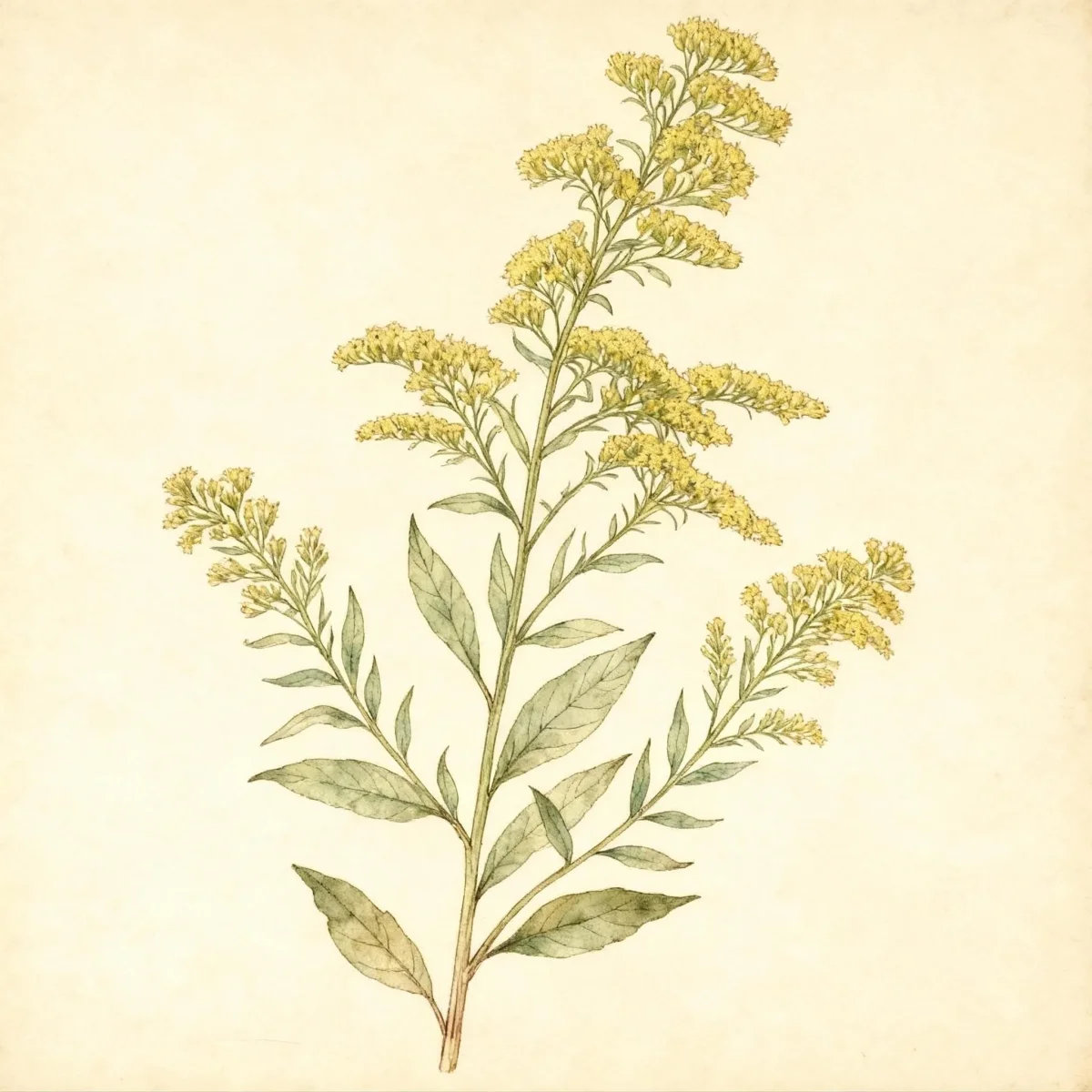
Old field goldenrod (Solidago nemoralis) is a highly valuable native perennial known for its compact stature and exceptional drought tolerance. As one of the smallest goldenrod species, it provides significant late-season color without the towering height often associated with its relatives. This species thrives in challenging, dry conditions where many garden favorites struggle, making it invaluable for difficult sites.
The reliably yellow plumes of Solidago nemoralis appear from late summer into fall, attracting numerous pollinators when many other flowers have finished blooming. Its preference for poor, dry, and even rocky soils defines its ideal naturalized setting. Gardeners appreciate the low maintenance required to maintain healthy stands of this robust North American native.
While it spreads via rhizomes and self-seeding, Solidago nemoralis is generally manageable, especially when planted in wild gardens or meadows where its spreading nature is desired. Its adaptability and striking late-season display confirm its status as a gardener’s workhorse, especially beneficial for supporting local ecosystems.
Fast Facts
- Plant Family: Asteraceae
- Plant Type: Herbaceous perennial
- Native Range: Canada, United States
- Hardiness Zones: USDA Zones 3-9
- Size at Maturity:
- Height: 0.5-2 ft
- Spread: 0.5-2 ft
- Bloom Time: August to September
- Bloom Description: Yellow
- Sun Exposure: Full sun
- Water Needs: Dry to medium
- Maintenance Level: Low
How to Grow
Plant Old field goldenrod in the spring or fall when conditions are relatively mild, ensuring it establishes a strong root system before summer heat or winter cold arrives. It requires significantly less coddling than many garden plants, provided the site receives full sun. While it adapts well to various soil types, it truly excels in average, dry to medium soils that are well-drained, tolerating slightly acidic conditions and rocky or sandy substrates gracefully.
Water sparingly once established; Solidago nemoralis is highly drought-tolerant and excessive moisture is more likely to cause issues like root rot than extended dry spells. Fertilizer is generally unnecessary, as rich soils can encourage overly vigorous growth and less compact habits. If management of spreading is critical, the most effective step is removing flower heads promptly before seeds ripen to limit natural dispersal.
This species often requires minimal seasonal attention. Cleanup involves cutting back the stems after the foliage dies back in late fall or early spring before new growth begins. Because it tolerates light shade but performs best in full sun, site selection based on light requirements is the most crucial initial care step for Solidago nemoralis.
Landscape Uses
Because of its rhizomatous spread and tendency to self-seed, Old field goldenrod is typically avoided in highly formal garden beds. Instead, it serves best in naturalized plantings, meadows, and large-scale landscapes where its relaxed growth habit is an asset. It integrates beautifully into cottage gardens designed to mimic native prairie communities, especially when planted alongside other sun-loving, drought-tolerant natives.
This plant functions exceptionally well in challenging locations, such as dry banks, roadside plantings, or areas with poor, shallow-rocky soil where traditional ornamental perennials often fail. Pair it with other late-season bloomers like asters, or contrasting foliage plants that appreciate dry feet. Its fine texture contrasts nicely with bolder, broad-leafed prairie species, creating visual interest well into autumn.
Standout Features
Flower Qualities
- Showy
Noteworthy Characteristics
Solidago nemerosa, commonly called old field goldenrod, is a rhizomatous, upright perennial of the sunflower family; it is one of the smallest of the many species of goldenrod, typically growing only 6” to 24” tall. It is native across North America, found in open fields, dry slopes, and roadsides. Flowering from August through November, the stems terminate in bright yellow plumes, attracting significant numbers of bees and butterflies.
Tolerances
- Deer
- Drought
- Dry Soil
- Shallow-Rocky Soil
Potential Problems
This species exhibits few serious insect or disease problems when sited correctly, typically thriving without chemical intervention. The primary risk comes from poor drainage, which can lead to root rot, especially if planted in heavy, water-retentive clay. If conditions are overly wet or rich, the plant may become susceptible to fungal issues like rust, anthracnose, or powdery mildew.
If you wish to control its aggressive spreading via rhizomes and self-seeding, consistent monitoring is key. Physically removing spent flower heads before they set seed is an effective, non-chemical method to limit its colonization range within the garden, ensuring the Solidago nemoralis stays where you want it.
Frequently Asked Questions
What hardiness zones is Old field goldenrod suitable for?
Solidago nemoralis is exceptionally adaptable, thriving across USDA Zones 3 through 9.
How large does Old field goldenrod grow?
This compact perennial typically reaches a height between 0.5 and 2 feet, with a spread of 0.5 to 2 feet.
When does Old field goldenrod bloom?
It provides reliable late-season color, blooming yellow from August into September.
What sun exposure does Solidago nemoralis need?
This goldenrod performs best when situated in full sun, though it can tolerate very light shade.
Conclusion
The Old field goldenrod is an essential choice for low-maintenance gardening, offering reliable yellow blooms for pollinators late in the season while handling extreme dryness. Whether you are filling a difficult, dry slope or enhancing a naturalized meadow, Solidago nemoralis provides structure and color with minimal effort. Check your local hardiness zone compatibility and plan to plant this tough native during the cooler seasons for guaranteed success.
Companion Planting
When establishing Solidago nemoralis in a meadow setting, consider companions that share its love for dry conditions and full sun exposure. Pairing it with other native perennials that bloom at different times creates layered seasonal interest. Excellent partners include various species of native Silphium (Rattlesnake Master), Purple Coneflower (Echinacea purpurea), and drought-tolerant ornamental grasses that offer contrasting texture throughout the year.
Integrating compatible blooming species ensures constant foraging opportunities for beneficial insects. Look for later-blooming Asters (Symphyotrichum species) that share its Asteraceae family traits and dry soil tolerance. This combination results in a low-intervention, thriving ecosystem that remains attractive from early summer through deep into the fall frost.
Wildlife Benefits
The late-season flowering of Old field goldenrod provides crucial nectar sources when many other garden plants have finished their cycle. This makes it highly attractive to late-season bees, butterflies, and migrating monarchs needing energy reserves. Unlike its commonly misidentified cousins, Solidago nemoralis is not a major culprit in hay fever; its pollinator-focused, heavy pollen does not travel well on the wind.
Beyond nectar sources, the persistent seed heads feed smaller seed-eating birds throughout the winter months. Its dense, clumping habit also offers low cover for beneficial ground insects staying warm during colder periods. Planting this species directly supports local biodiversity by providing late-season sustenance for key native fauna.