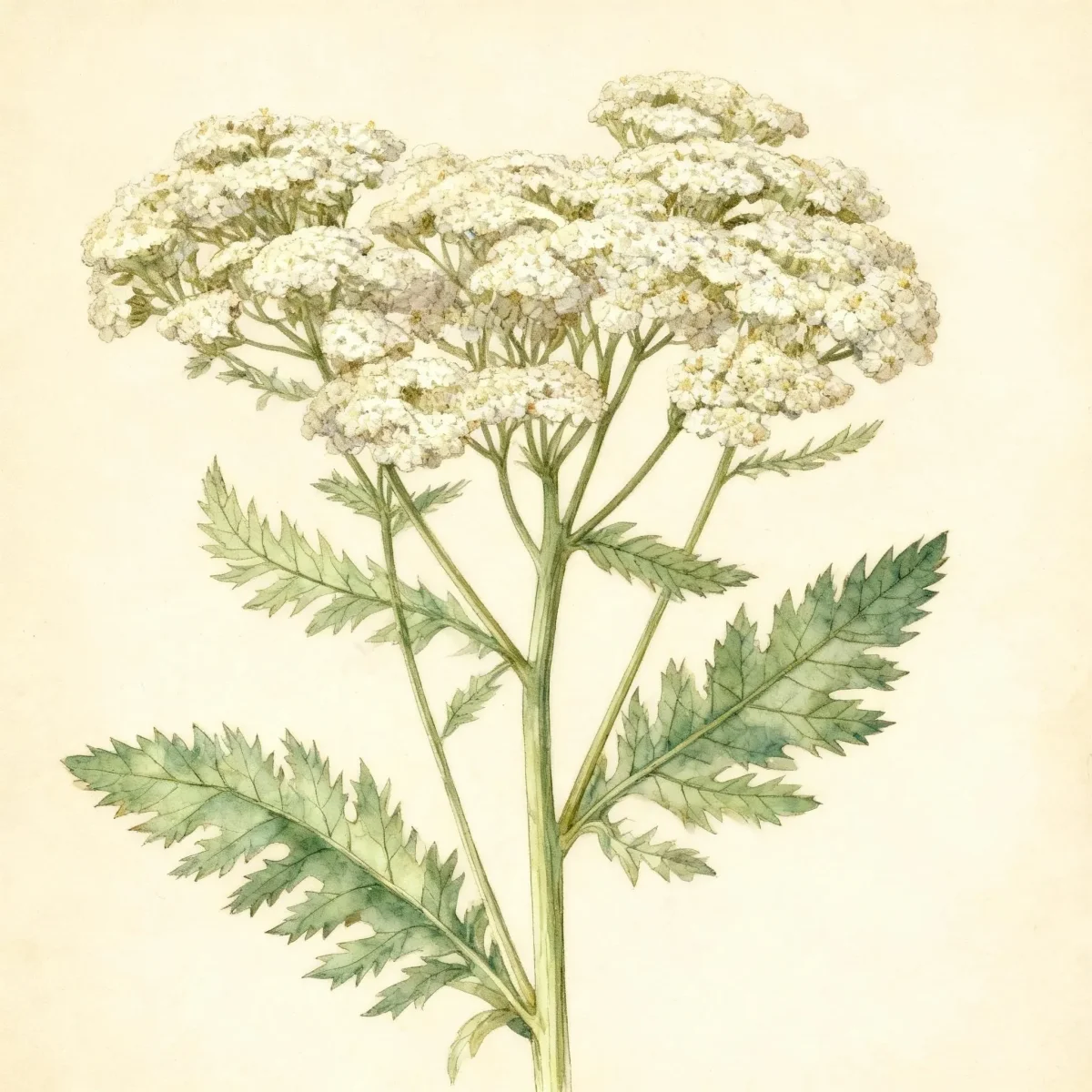
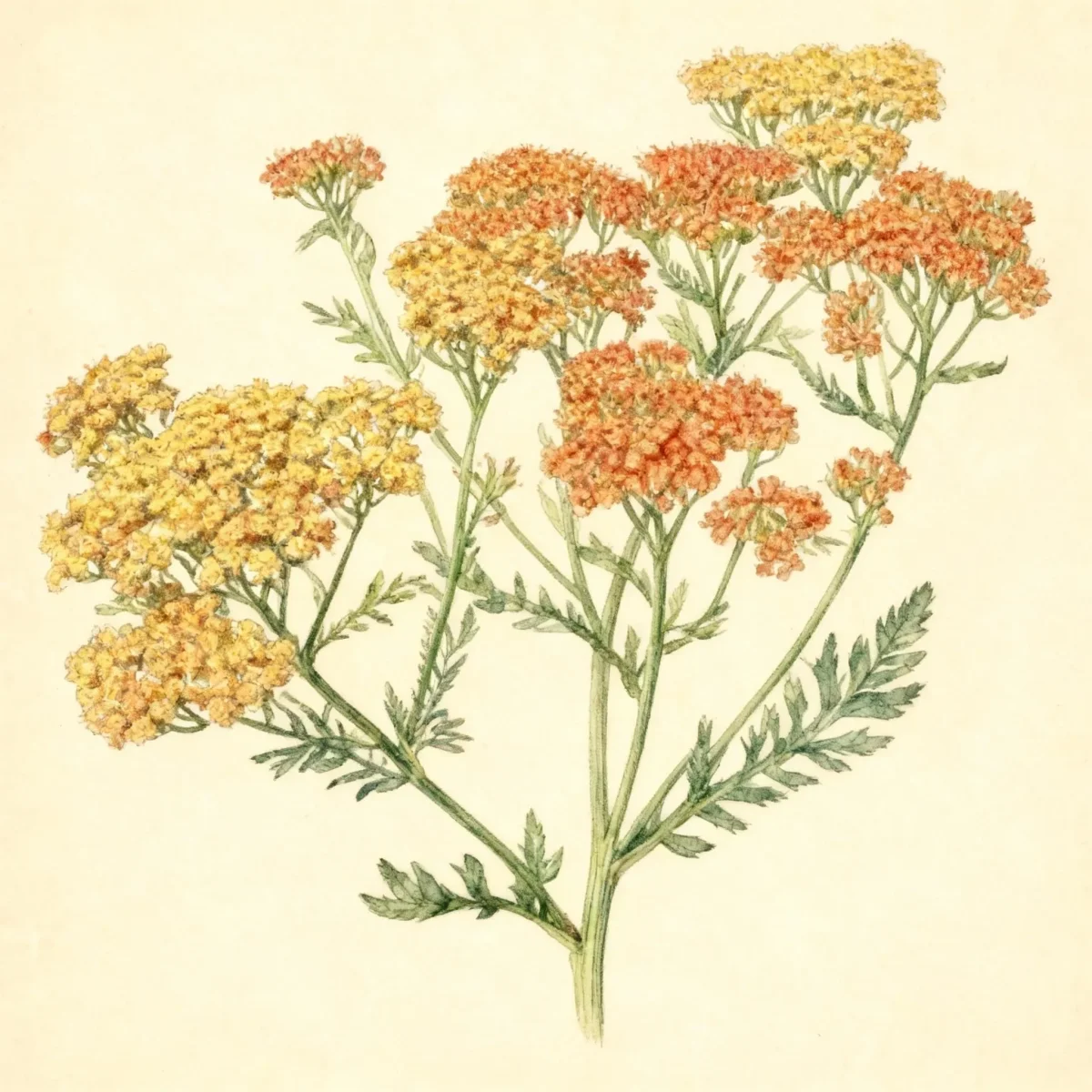
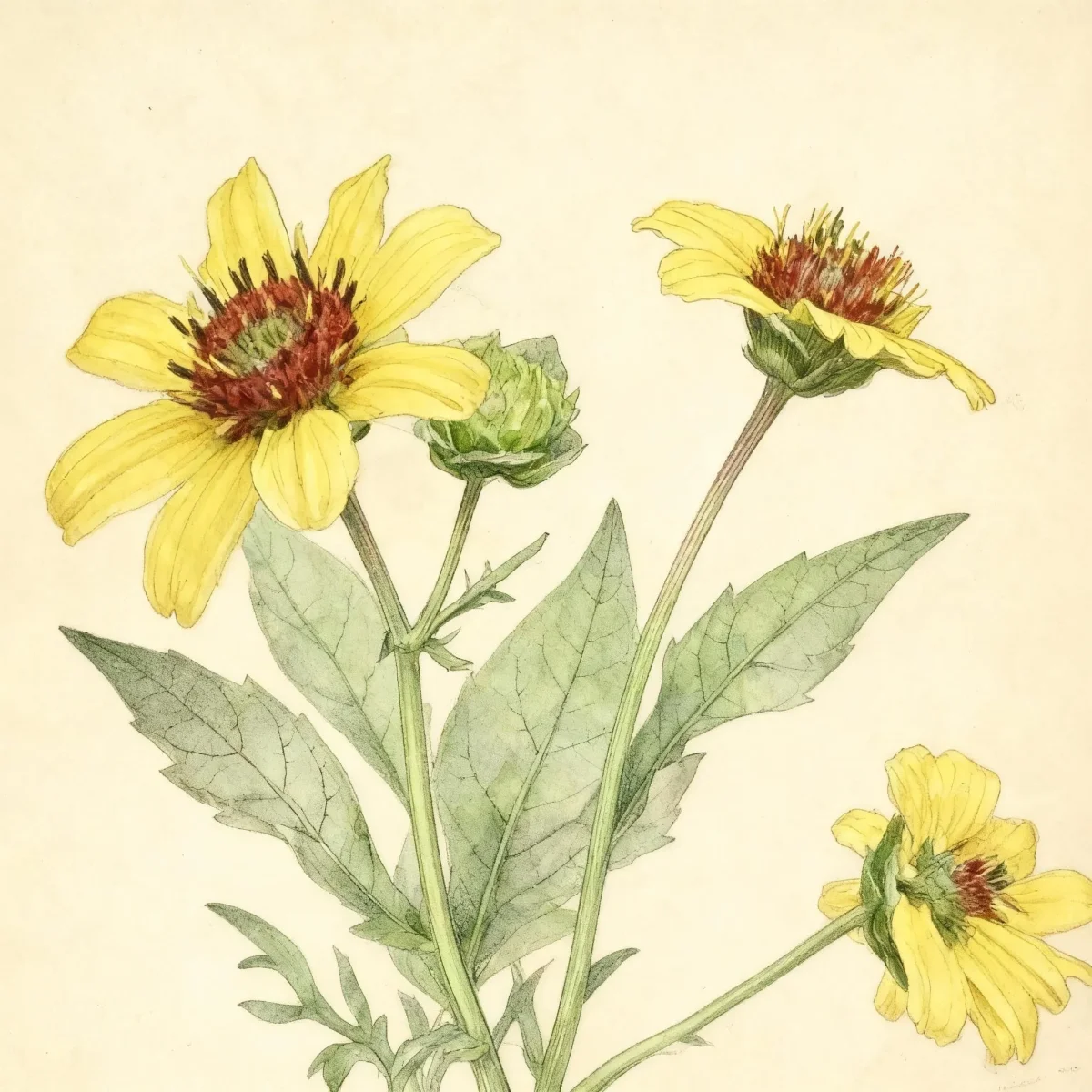
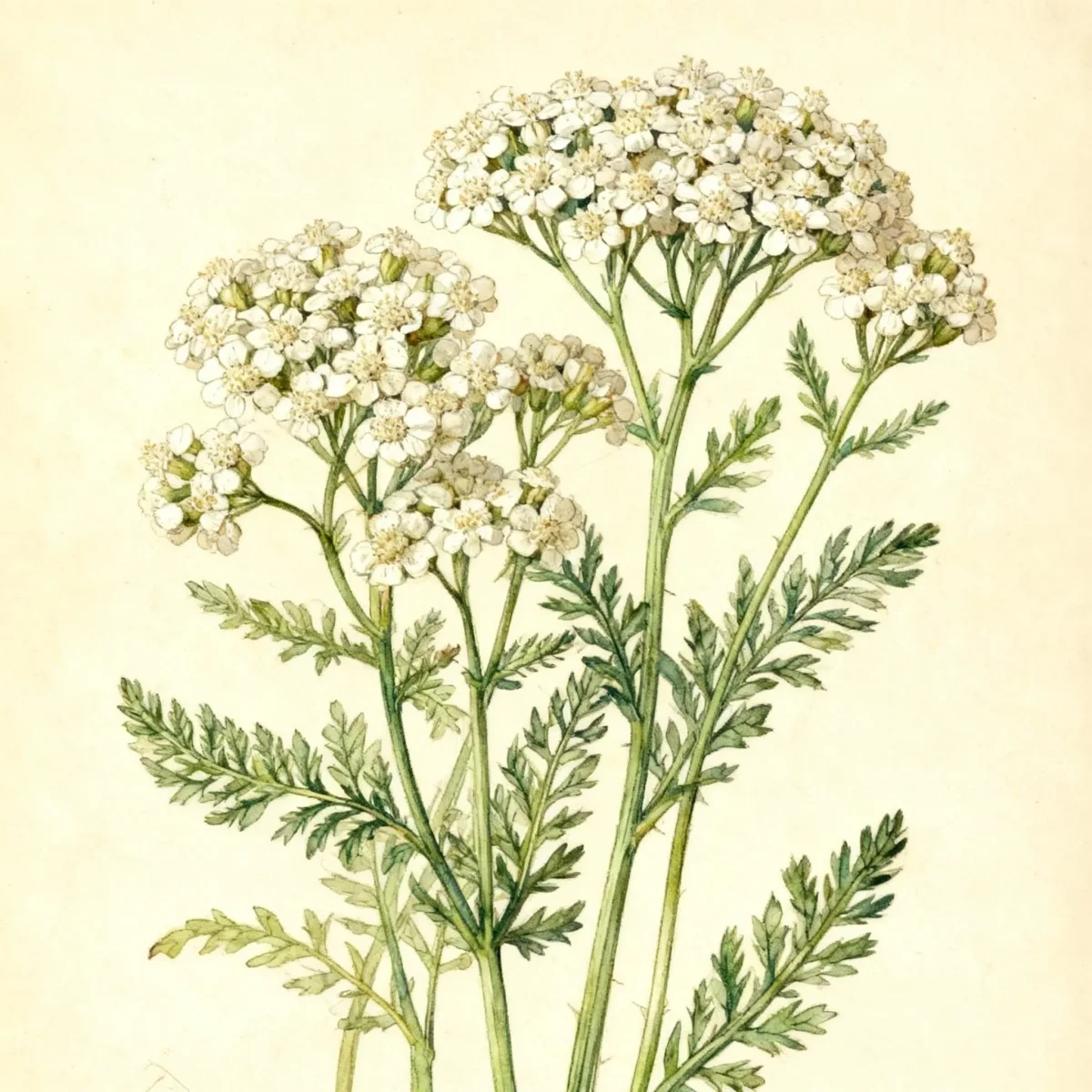
Prairie aster (Solidago ptarmicoides)
Prairie aster (Solidago ptarmicoides) is a low-maintenance perennial offering masses of white, daisy-like flowers late summer through fall in full sun.
Scroll down to discover growing tips, care requirements, companion plants, and more
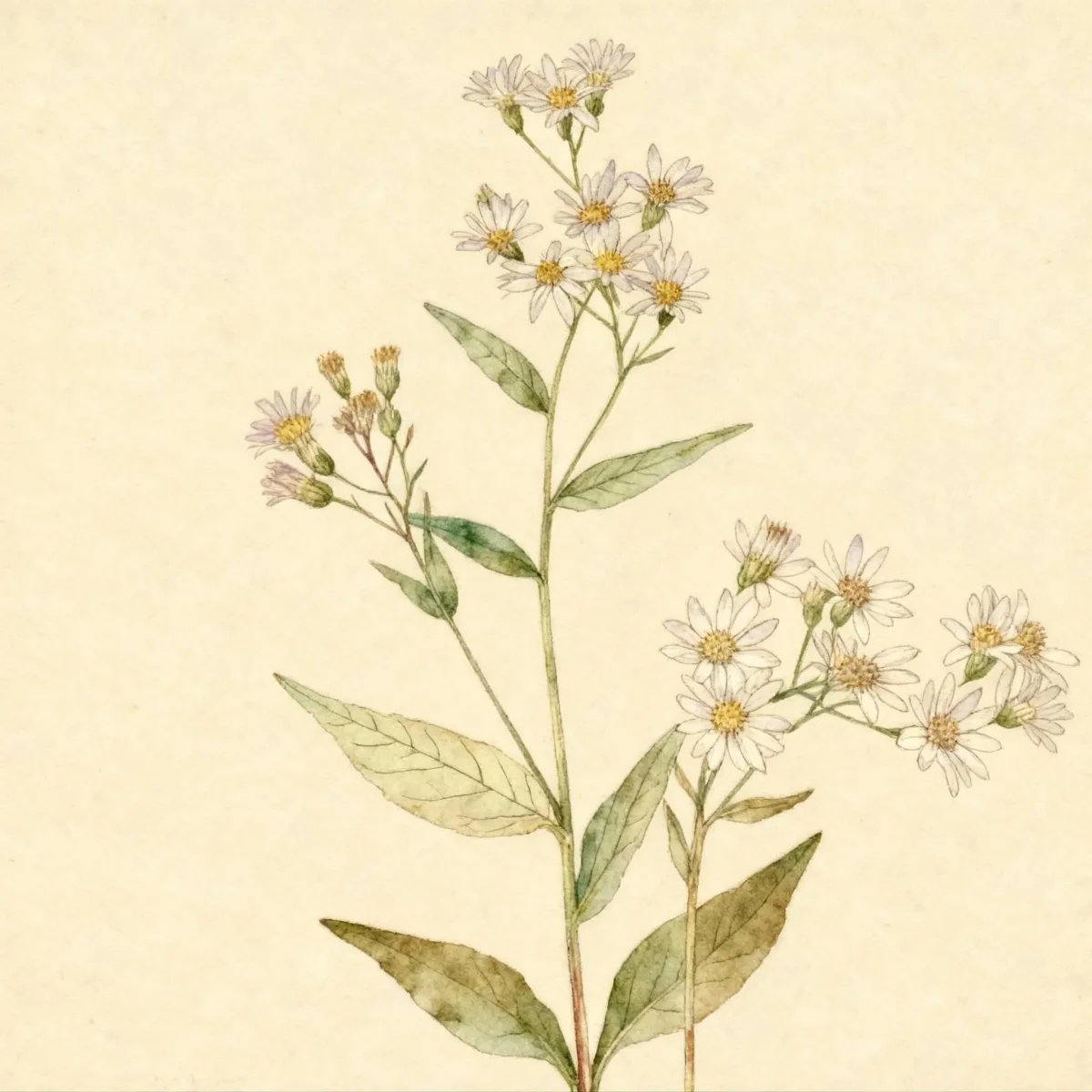
Complete Plant Information
Overview
The Prairie aster, scientifically known as Solidago ptarmicoides, is a valuable native perennial renowned for its late-season visual impact. Unlike many popular goldenrods, this species displays attractive white ray petals, giving it an aster-like appearance, yet it retains goldenrod foliage structure. This adaptability and late bloom time make it a crucial addition to gardens needing structure and color after the peak summer rush.
Solidago ptarmicoides thrives in conditions mimicking its native habitat: dry, often calcareous, open prairies and rocky slopes across Central North America. Gardeners appreciate its low maintenance requirements and drought tolerance once established, making it suitable for challenging, drier areas of the landscape. It reliably forms neat, low mounds of foliage that transform into a spectacular display of daisy-like flowers from late summer into autumn.
This hardy perennial offers significant ecological benefits, particularly as a late-season nectar source, while its structure provides visual interest even after flowering, as goldfinches flock to consume the seeds housed in the fluffy seed heads. Planting Solidago ptarmicoides ensures season-long garden productivity with minimal input from the gardener.
Fast Facts
- Plant Family: Asteraceae
- Plant Type: Herbaceous perennial
- Native Range: Central North America
- Hardiness Zones: USDA Zones 3-8
- Size at Maturity:
- Height: 1-2 ft
- Spread: 1-2 ft
- Bloom Time: August to October
- Bloom Description: White with pale yellow centers
- Sun Exposure: Full sun
- Water Needs: Dry to medium
- Maintenance Level: Low
How to Grow
Plant Solidago ptarmicoides during the spring or fall when conditions are moderate. It requires a location receiving full sun for the best flowering performance, although it tolerates some light shade. The ideal soil is dry, sandy, or gravelly, particularly if calcareous, mirroring its native preference. While it tolerates moist loams, ensure excellent drainage, as root rot can occur in poorly drained sites.
Watering for this plant should be minimal once it is established; the Prairie aster possesses substantial drought tolerance. Avoid unnecessary fertilization, as rich soils can lead to floppier growth, which compromises its naturally neat mound habit. If stems become untidy, they may be cut back to the ground in late fall after flowering concludes.
To manage potential seed dispersal, removal of flower heads before the seeds fully ripen and release their white fluff is an option, though goldfinches greatly enjoy this late-season food source. As this species is winter hardy through Zone 8, minimal winter preparation is usually necessary beyond ensuring the plant is not situated in waterlogged soil heading into freezing temperatures.
Landscape Uses
The primary function of the Prairie aster in landscape design is to provide massed late-season brilliance where drier conditions prevail. The suggestion to “naturalize in dry locations” means allowing clumps to spread naturally across meadows, open slopes, or along pathways where mowing is infrequent or where constant irrigation is undesirable. This plant grows initially as a somewhat unexceptional mound of green foliage, making it a strong structural element waiting for its late-summer flowering explosion.
Pair Solidago ptarmicoides with other drought-tolerant, late-blooming natives to create a cohesive tapestry of texture and color. It works beautifully alongside coneflowers (Echinacea), late-blooming Sedum varieties, and grasses that stand tall into autumn. Because of its flat-topped flower clusters, it offers a structured contrast to more vase-shaped flowers in the late perennial border.
For sunny, dry borders, use Solidago ptarmicoides as a mid-layer plant, providing reliable structure just before many other perennials fade. Its requirement for full sun and poor, dry soil makes it an indispensable component in prairie garden reconstructions or xeriscape applications seeking native American flora.
Standout Features
Flower Qualities
- Showy
Noteworthy Characteristics
Solidago ptarmicoides, which was once classified as Aster ptarmicoides, is noted for its white, daisy-like flowers with pale yellow centers, distinguishing it from many yellow-flowered goldenrods. This herbaceous perennial typically reaches 12–24 inches tall and spreads across dry, sandy, frequently calcareous soils native to prairies and rocky outcrops from Quebec south to Georgia. The flat-topped flower clusters contain numerous blooms, offering excellent late-season color before the formation of fluffy seed heads consumed by finches.
Tolerances
- Drought
- Dry Soil
Potential Problems
Solidago ptarmicoides is relatively robust, suffering from no serious, common insect or disease problems when sited correctly. The most significant issue arises when cultural needs are ignored; root rot is a likely outcome if the plant is situated in overly moist or poorly-drained soils that remain constantly soggy. Good siting away from swampy areas is the best defense against this.
Fungal issues like rust, powdery mildew, and leaf spot can occasionally appear, particularly if air circulation is poor or humidity is high. Ensure adequate spacing between plants during the initial planting stage to encourage air flow, limiting the opportunity for foliage diseases to take hold.
While generally pest-free, potential minor insect pests include various beetles, aphids, and gall-forming insects. These rarely cause lasting damage to a mature, healthy Prairie aster specimen, but monitoring growth during the early season can catch minor infestations before they become problematic.
Frequently Asked Questions
What hardiness zones is Prairie aster suitable for?
The Prairie aster (Solidago ptarmicoides) is reliably cold-hardy across USDA Zones 3 through 8.
How large does Solidago ptarmicoides grow?
This species typically matures to a height between 1 and 2 feet tall, with a corresponding spread of 1 to 2 feet wide, forming a compact mound.
What sun exposure does Solidago ptarmicoides need?
This plant demands full sun exposure to achieve its best performance and dense flowering habit.
When does Prairie aster bloom?
The bloom time for Solidago ptarmicoides is reliably late in the season, occurring from August well into October, featuring white flowers with distinctive pale yellow centers.
Conclusion
The Prairie aster (Solidago ptarmicoides) is an indispensable native perennial for gardeners seeking long-lasting, low-maintenance color in dry, sunny spots. Its unique white flowers—uncommon for a goldenrod—provide excellent late-season structure and wildlife value, especially for goldfinches. Before planting, confirm your site offers full sun and well-drained, even dry, soil conditions to ensure this resilient favorite thrives for years to come.
Companion Planting
Given the preference of Solidago ptarmicoides for dry, full-sun locations, selecting companion plants with similar xerophytic needs will streamline maintenance. Pairing it with Prairie Dropseed (Sporobolus heterolepis) creates an excellent texture contrast, as the grass provides fine texture throughout the summer before the blooms emerge. Other excellent matches include Butterfly Weed (Asclepias tuberosa) for its contrasting orange flowers earlier in the season, or other prairie staples like Purple Coneflower (Echinacea purpurea).
Wildlife Benefits
While the flowers of Solidago ptarmicoides are an important nectar source for late-season pollinators, the seeds provide crucial winter sustenance. After the flowers fade in October, small seeds develop, each topped with white fluff, which attracts goldfinches and other seed-eating birds throughout the colder months. Allowing the stems to stand through winter supports overwintering beneficial insects, contributing to a healthier, more self-sustaining native ecosystem in your garden space.