Smooth aster (Symphyotrichum laeve)
Discover Symphyotrichum laeve, the smooth aster, valued for its low maintenance, drought tolerance, and late-season violet blooms.
Scroll down to discover growing tips, care requirements, companion plants, and more
Complete Plant Information
Overview
The Symphyotrichum laeve, widely known as the smooth aster, is a highly valued native perennial celebrated for providing crucial color late in the season when many other flowers have faded. This species offers vibrant violet to purple blooms, making it an excellent late-season landscape anchor. Gardeners appreciate its resilience and adaptability across a wide range of conditions.
This herbaceous perennial typically forms upright clumps, reaching heights between two and four feet. Its structure is generally unbranched, featuring smooth, bluish-green foliage that is attractive even before flowering begins. Symphyotrichum laeve is low maintenance and easily established, making it perfect for gardeners seeking impactful native flora without intensive upkeep.
Beyond its aesthetic appeal, the smooth aster plays an important functional role. These late-blooming flowers are magnets for late-season pollinators, including essential butterflies. When designing a sustainable garden, incorporating the Symphyotrichum laeve ensures continuous habitat support well into autumn.
Fast Facts
- Plant Family: Asteraceae
- Plant Type: Herbaceous perennial
- Native Range: North America
- Hardiness Zones: USDA Zones 3-8
- Size at Maturity:
- Height: 2-4 ft
- Spread: 1-2 ft
- Bloom Time: September to October
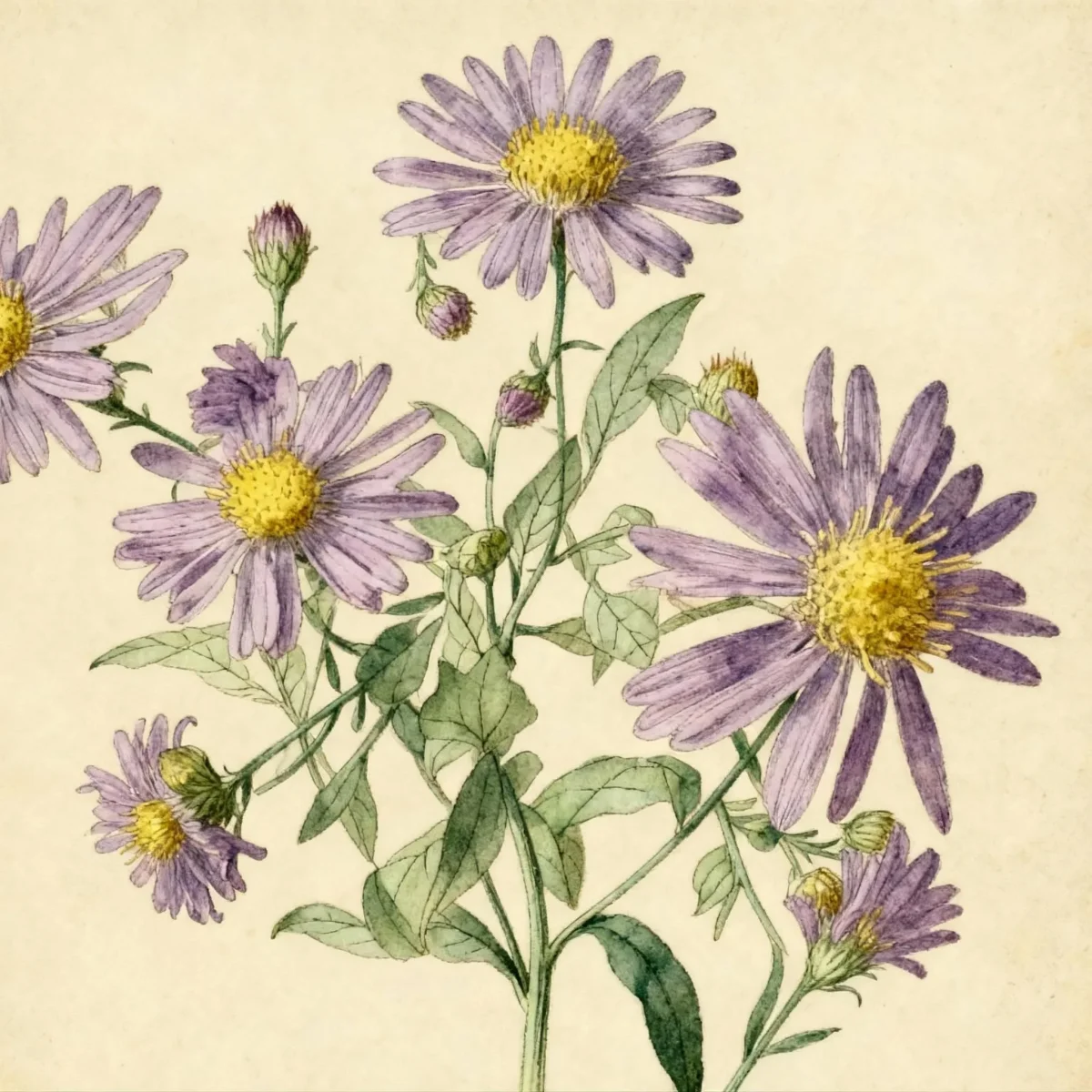
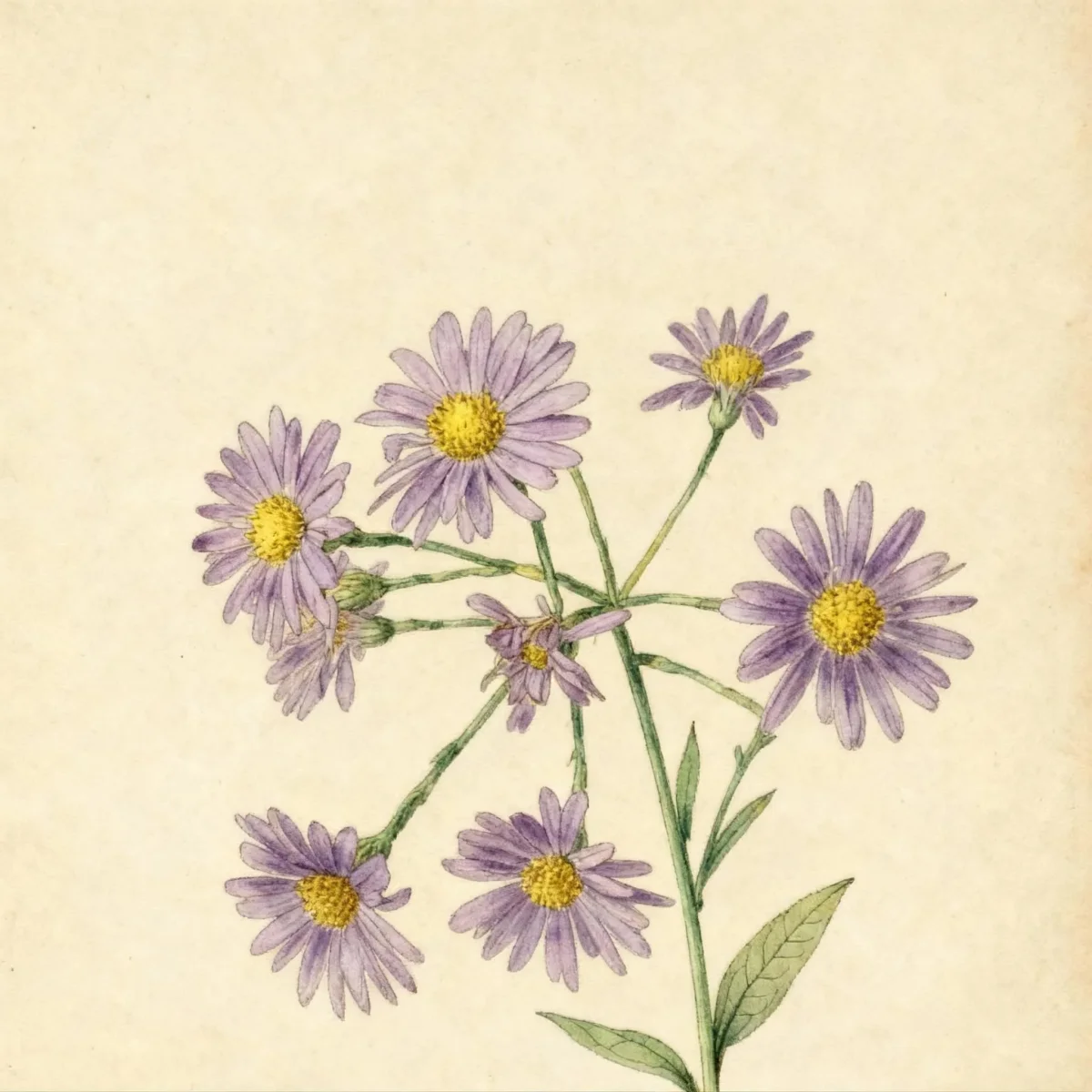
- Bloom Description: Violet to purple rays and yellow centers
- Sun Exposure: Full sun
- Water Needs: Dry to medium
- Maintenance Level: Low
How to Grow
Plant Symphyotrichum laeve in spring or fall after the last hard frost, ensuring it receives full sun exposure for the best bloom performance. It thrives in average, dry to medium soils, provided they are well-drained. Amending the soil heavily is usually unnecessary, as this native excels in drier, even somewhat lean conditions; avoid overly rich or heavy clay soils that retain too much moisture.
Once established, the smooth aster requires minimal supplementary watering, tolerating drought well. Fertilizing is rarely needed; excess nutrients can encourage weak, floppy growth that requires staking. If the plant does become too tall or floppy, a mid-season ‘Chelsea Chop’ (cutting back the stems by about one-third before mid-July) can encourage shorter, sturdier habits.
Symphyotrichum laeve has a tendency to self-seed readily in ideal locations, which is beneficial if you wish to naturalize large drifts. To control spread or maintain crisp borders, simply remove spent flower heads before seeds mature, or allow them to remain to provide winter texture and food for birds. Minimal cleanup is required in the fall; cutting back stalks in early spring allows wildlife to utilize the stems throughout winter.
Landscape Uses
The late-season flowering of Symphyotrichum laeve makes it an indispensable element for the border or as a filler in wildflower meadows. Its height of 2 to 4 feet allows it to anchor the middle-to-back of perennial groupings, providing vertical interest when summer perennials are fading. It is a fantastic component for naturalize plantings, filling open spaces with reliable color.
This plant pairs exceptionally well with other mid-to-late season bloomers that share similar habitat needs. Visualize groupings of Symphyotrichum laeve growing harmoniously alongside robust sun-lovers such as Helianthus (sunflowers) or various species of Solidago (goldenrod). This combination creates a classic, high-impact North American prairie or cottage garden scene.
For cottage gardens, the upright structure of the smooth aster contrasts nicely with mounding plants. Consider using it near the edge of a dry, sunny slope where its drought tolerance will be fully appreciated.
Standout Features
Flower Qualities
- Showy
Noteworthy Characteristics
Symphyotrichum laeve, commonly called smooth aster, is a Missouri native that typically occurs in prairies, rocky glades, dry open woods, roadside banks and thickets. Stems are usually unbranched with variable, mostly toothed, smooth, bluish green foliage. Small flowers (.75 to 1.25” across) with violet blue to purple (sometimes white) rays and yellow center disks appear in open, loose, panicle-like clusters in autumn.
Tolerances
- Drought
- Erosion
- Dry Soil
- Shallow-Rocky Soil
Potential Problems
The good news for cultivation is that Symphyotrichum laeve exhibits low susceptibility to common problems. It generally faces no serious insect or disease issues when sited correctly in full sun with good air circulation. The main practical concern reported is that taller stems may occasionally require staking, especially if grown in richer soil or areas protected from moderate wind. To mitigate this, use the recommended mid-season shearing technique mentioned in the care section.
Frequently Asked Questions
What hardiness zones is Smooth aster suitable for?
Symphyotrichum laeve is suitable for gardeners in USDA Zones 3 through 8.
How large does Symphyotrichum laeve grow?
This plant typically achieves a height range of 2 to 4 feet and spreads between 1 and 2 feet wide at maturity.
What sun exposure does Smooth aster need?
For optimal health and flowering, Symphyotrichum laeve requires consistent full sun exposure throughout the day.
When does Symphyotrichum laeve bloom?
The bloom time for smooth aster is late in the season, generally spanning from September through October, displaying beautiful violet to purple rays and yellow centers.
Conclusion
The Symphyotrichum laeve, or smooth aster, is an outstanding choice for gardeners seeking resilient, low-maintenance color that supports local ecosystems late into the year. Known for its drought tolerance and adaptability to dry, rocky spots, this native perennial deserves a primary spot in meadow or cottage garden designs. Before planting, confirm that your site offers full sun conditions, and plan to enjoy the cheerful autumn display of the smooth aster.
Companion Planting
When selecting neighbors for Symphyotrichum laeve, focus on species that also prefer full sun and tolerate dry to medium soil conditions. Planting companions that bloom earlier, such as certain Rudbeckias or Echinacea, ensures a continuous sequence of color emerging from the same garden bed. Conversely, pairing it with later bloomers is less common, but hardy late grasses can offer excellent textural contrast against the aster’s finer foliage.
Consider the natural companions mentioned, Helianthus and Solidago, as they share the prairie aesthetic and cultural needs of the smooth aster. Placing these vertical elements nearby creates a dynamic visual tapestry throughout late summer and into the fall season. Using native pairings often simplifies overall garden management, as needs for water and soil fertility align perfectly.
Wildlife Benefits
The most significant functional benefit of adding Symphyotrichum laeve to your landscape is its crucial role in sustaining pollinator populations as the growing season winds down. In North America, many butterflies rely heavily on late-blooming asters for nectar reserves needed for migration or overwintering preparation. This species offers both readily available nectar and pollen when floral resources become scarce elsewhere.
Beyond butterflies, the seeds produced after flowering are an important food source for various small seed-eating birds during the winter months. By leaving the spent flower heads intact until early spring cleanup, you provide both shelter and sustenance. This makes the smooth aster a cornerstone plant for any ecologically focused garden design aimed at maximizing local biodiversity.