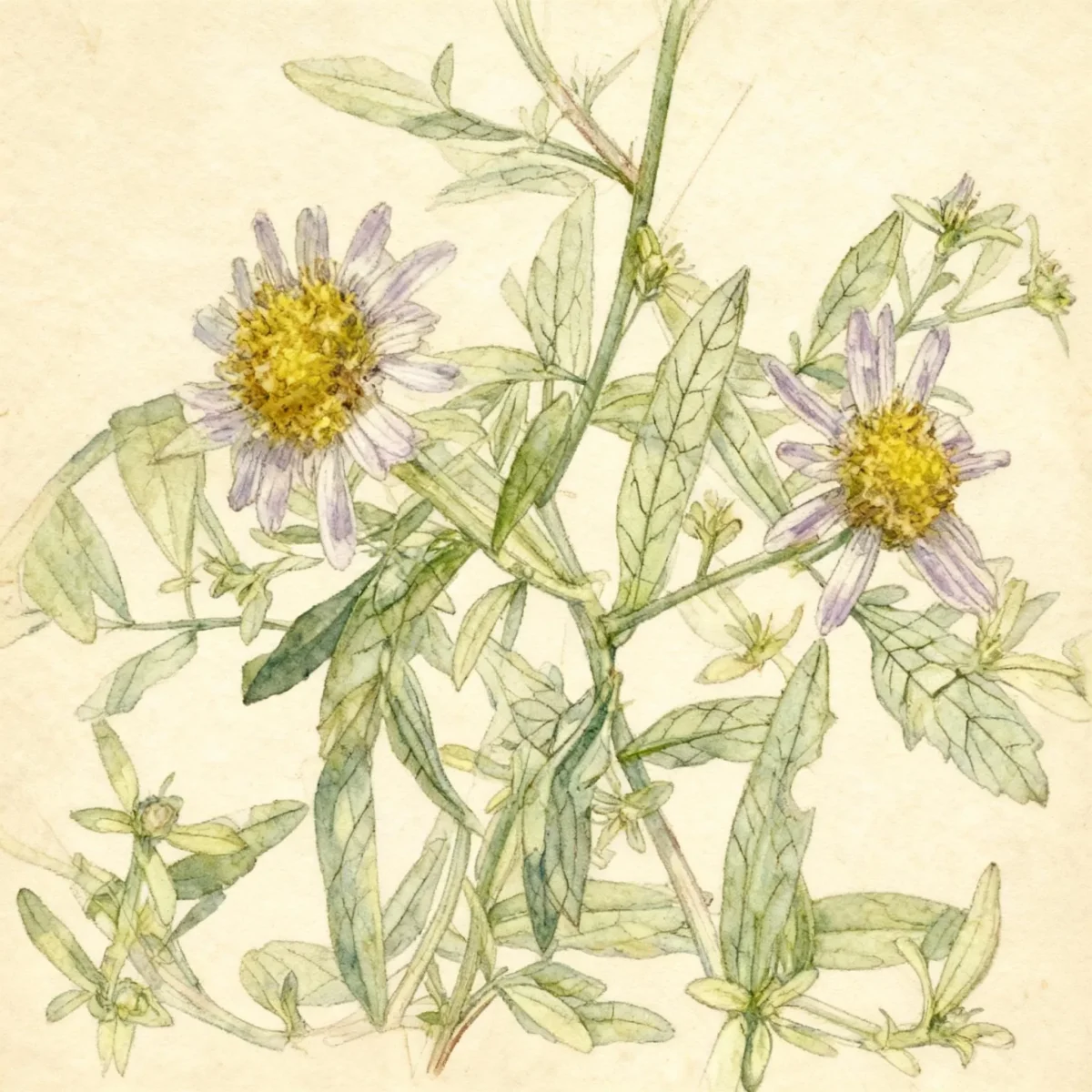
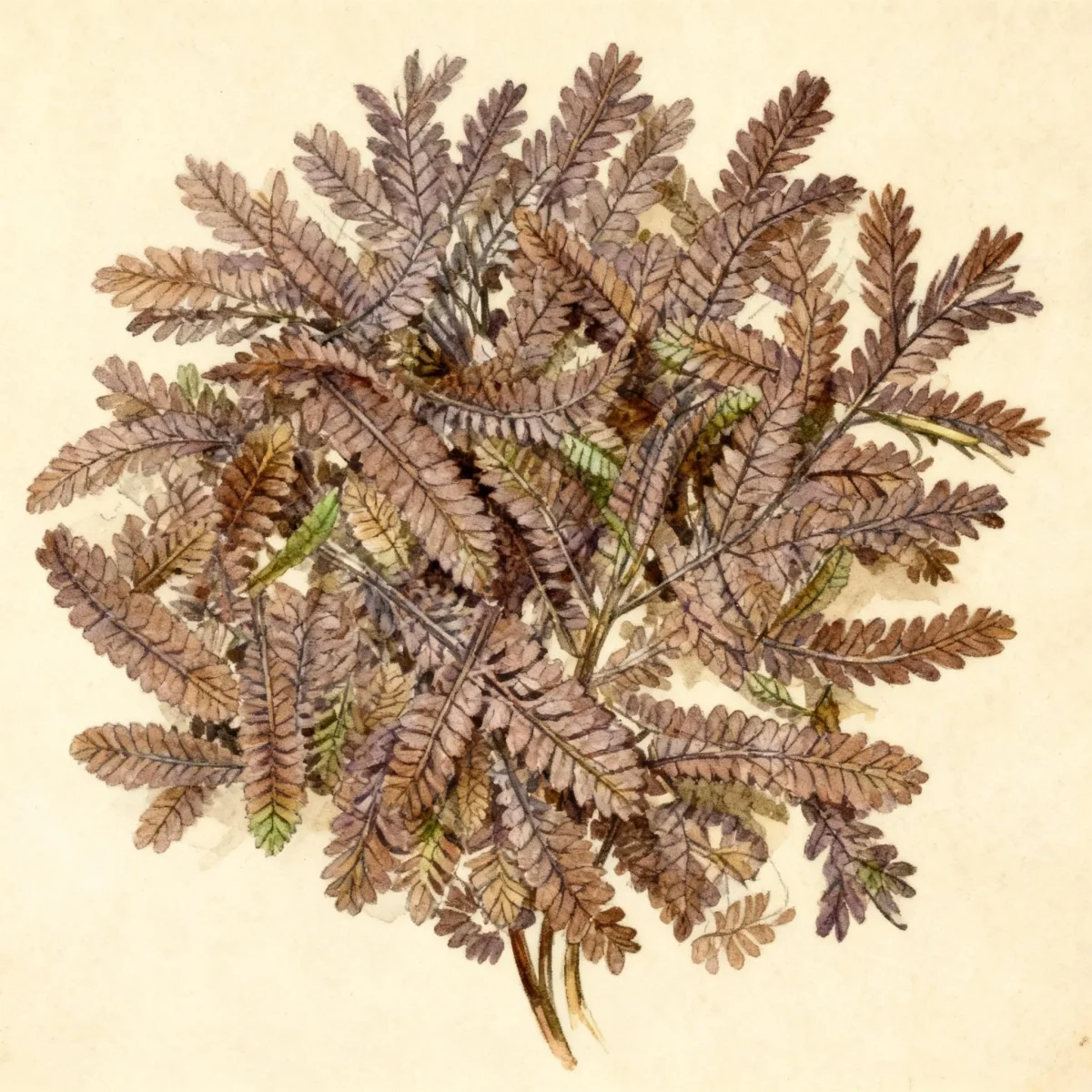
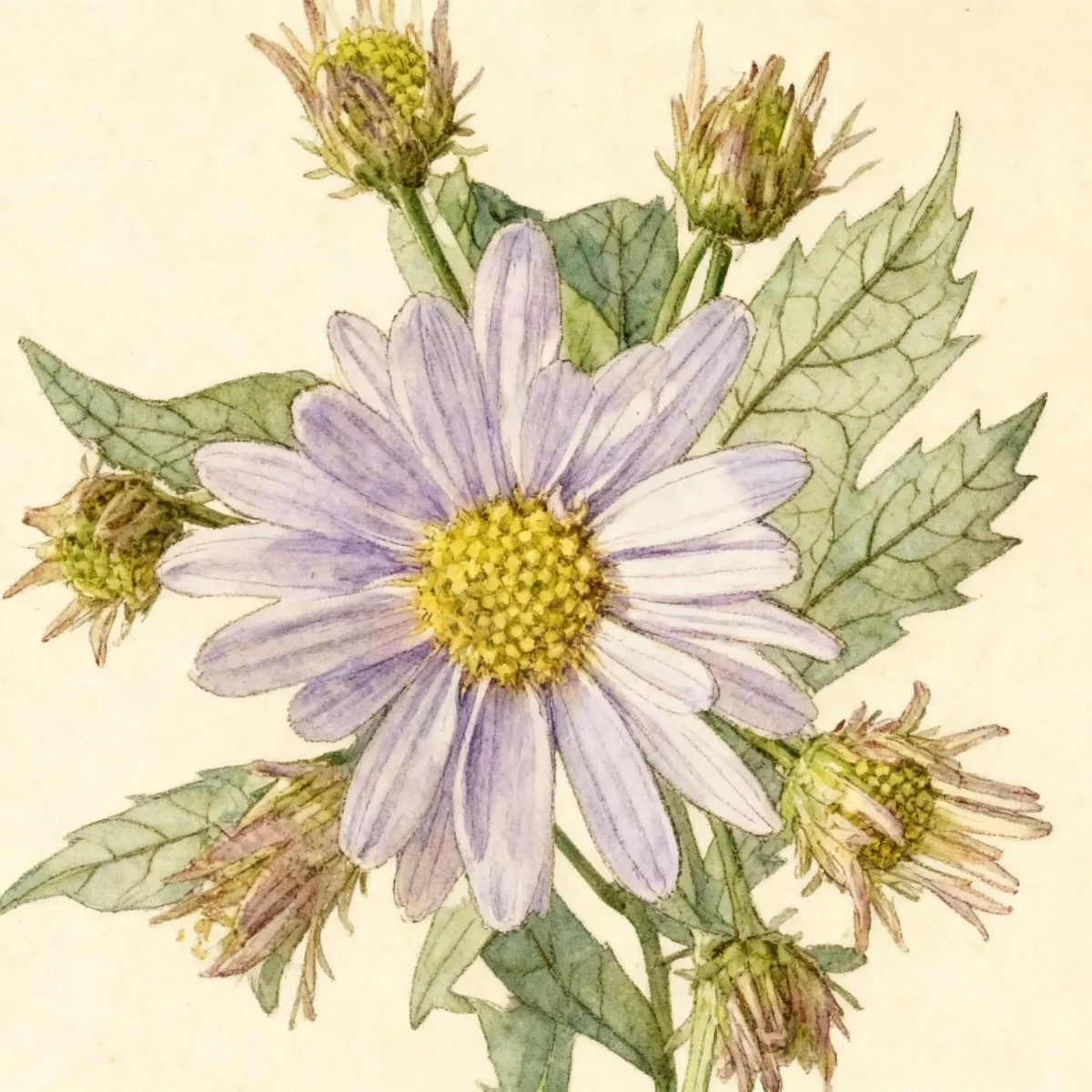
White woodland aster (Symphyotrichum lateriflorum)
Enhance late-season gardens with the White woodland aster (Symphyotrichum lateriflorum), a low-maintenance perennial blooming white in fall.
Scroll down to discover growing tips, care requirements, companion plants, and more
Complete Plant Information
Overview
The White woodland aster, botanically known as Symphyotrichum lateriflorum, offers a reliable burst of late-season color when many other garden perennials are fading. Its delicate structure and masses of starry white flowers make it a quintessential component of late summer and autumn borders. This herbaceous perennial is valued not only for its aesthetic appeal but also for its ease of care and adaptability across diverse garden settings.
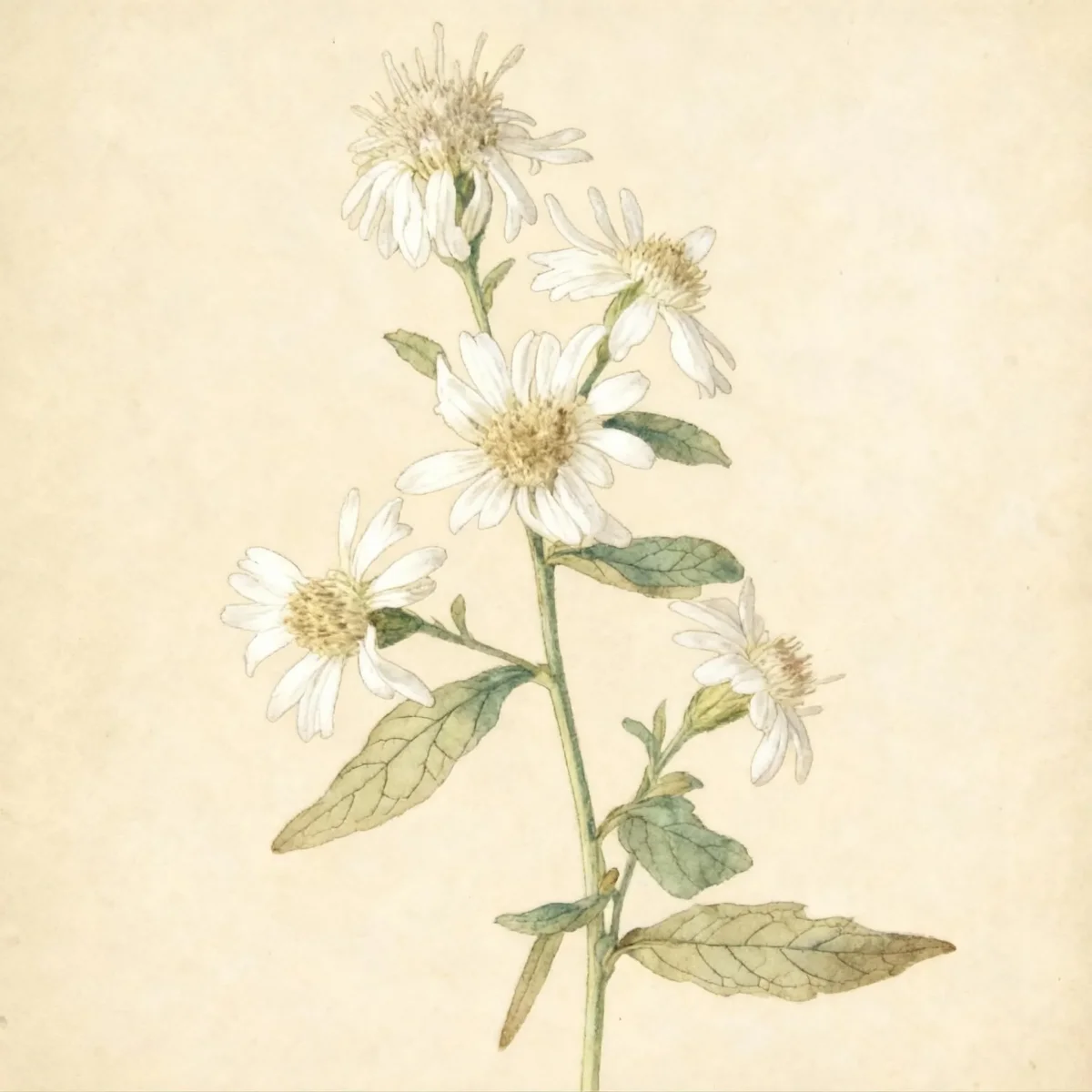
Symphyotrichum lateriflorum is native across much of eastern and central North America, thriving in habitats ranging from moist woodlands to open prairies. It typically forms a bushy clump reaching 2 to 3 feet tall, displaying rough, dark green foliage that often takes on coppery tones as summer concludes. The flowers, small yet numerous, feature white to purple-tinged rays surrounding distinct reddish-purple centers, creating excellent textural contrast.
Gardeners appreciate the low maintenance requirement of the White woodland aster. It readily establishes itself in moist, well-drained soils and provides crucial nectar resources for late-season pollinators. Whether used for mass planting or as an accent along paths, Symphyotrichum lateriflorum reliably delivers natural beauty well into the fall season.
Fast Facts
- Plant Family: Asteraceae
- Plant Type: Herbaceous perennial
- Native Range: North America
- Hardiness Zones: USDA Zones 4-8
- Size at Maturity:
- Height: 2-3 ft
- Spread: 2-3 ft
- Bloom Time: September to October
- Bloom Description: White with reddish-purple centers
- Sun Exposure: Full sun to part shade
- Water Needs: Medium
- Maintenance Level: Low
How to Grow
The Symphyotrichum lateriflorum is easily established when planted in autumn or spring. Optimal siting requires moist, well-drained soils. While it performs best in naturalized settings like moist, semi-shaded woodland margins, it tolerates full sun, especially in cooler summer climates. In regions where summer heat consistently exceeds 90°F, providing it with some afternoon shade will ensure superior performance and less stress.
Maintenance for this plant is generally low. Water requirements are medium; ensure consistent moisture, especially during establishment and dry spells. Fertilization is rarely necessary if the soil quality is adequate. For gardeners preferring a tidier, shorter silhouette, the stems of the White woodland aster can be pinched back by several inches in late spring or early summer. This encourages bushier growth rather than legginess.
This species is robust and rarely encounters serious pest or disease issues, adding to its appeal as a reliable perennial. While relatively sturdy, taller specimens may occasionally require staking, particularly if grown rapidly in rich soil or if subjected to heavy rain or wind. Prepare zones outdoors for winter by leaving the dead stems standing until early spring cleanup.
Landscape Uses
The upright habit and late bloom time make Symphyotrichum lateriflorum incredibly versatile for late-season structure. It works exceptionally well planted in drifts along woodland edges or defining borders adjacent to walkways where its flowers can be easily admired. Consider massing groups of White woodland aster to create a striking impact as the fall color palette emerges elsewhere in the garden.
This perennial also serves effectively as a casual, soft perennial hedging plant along paths or driveways, softening hardscape edges. Pair it with other late bloomers like goldenrods (Solidago) or sedums for a vibrant autumn display that maximizes pollinator support right through the season. Its natural growth habit blends seamlessly into meadow-style plantings.
Standout Features
Flower Qualities
- Showy
Noteworthy Characteristics
Symphyotrichum lateriflorum, commonly known as calico aster, side-flowering aster, starved aster or white woodland aster, is an herbaceous, somewhat bushy perennial that typically grows to 2-3’ tall with a slightly smaller spread. The small white flowers, about 1/2” across, bloom in clusters along the branches from mid/late August into October, featuring rays surrounding a central disc that matures to purplish-red. The species name lateriflorum references the fact that the flowers generally are located on one side of the stems, a unique characteristic of this Symphyotrichum.
Tolerances
- Tolerates periodic flooding
Potential Problems
This White woodland aster is known for its resistance to serious insect infestations or common diseases, making initial management straightforward. The primary concern for gardeners relates to plant structure; taller specimens may benefit from slight intervention to prevent floppiness. Pinching back stems in early summer directs energy into side-branch development, resulting in shorter, denser plants less prone to leaning later in the season.
Frequently Asked Questions
What hardiness zones is White woodland aster suitable for?
Symphyotrichum lateriflorum is reliably hardy in USDA Zones 4 through 8.
How large does White woodland aster grow?
This herbaceous perennial typically reaches a mature height between 2 and 3 feet, with a comparable spread of 2 to 3 feet wide.
When does White woodland aster bloom?
The bloom period for Symphyotrichum lateriflorum is late in the season, generally occurring from September into October, displaying its characteristic white flowers with reddish-purple centers.
What sun exposure does White woodland aster need?
It thrives in full sun to part shade conditions, appreciating afternoon shade in the hottest climates.
Conclusion
The White woodland aster (Symphyotrichum lateriflorum) is an invaluable asset for any gardener seeking reliable, low-maintenance color as summer wanes. Its attractive late flowers and general hardiness ensure garden interest well into the autumn months. Always check your local USDA zone rating before planting this resilient native North American species.
Companion Planting
Selecting appropriate partners ensures the White woodland aster looks its best throughout its long season of interest. Since it prefers medium moisture, pair it with other moisture-tolerant fall bloomers like New England Asters (other Symphyotrichum species) or Ironweed (Vernonia). For textural contrast in sunnier spots, plant it alongside ornamental grasses that will develop lovely plumes by the time the aster begins flowering.
Seasonal Care Calendar
Spring is the ideal time for final structural adjustments; cut back any old stems you left standing over winter. If you desire a shorter plant, implement the recommended late spring pinch to control its 3-foot maximum height. Summer watering should remain consistent—aim for medium moisture but avoid letting the soil become waterlogged, even though Symphyotrichum lateriflorum tolerates flooding. Deadheading is generally unnecessary as the seed heads often persist attractively into winter.