Ox-eye daisy (Telekia speciosa)
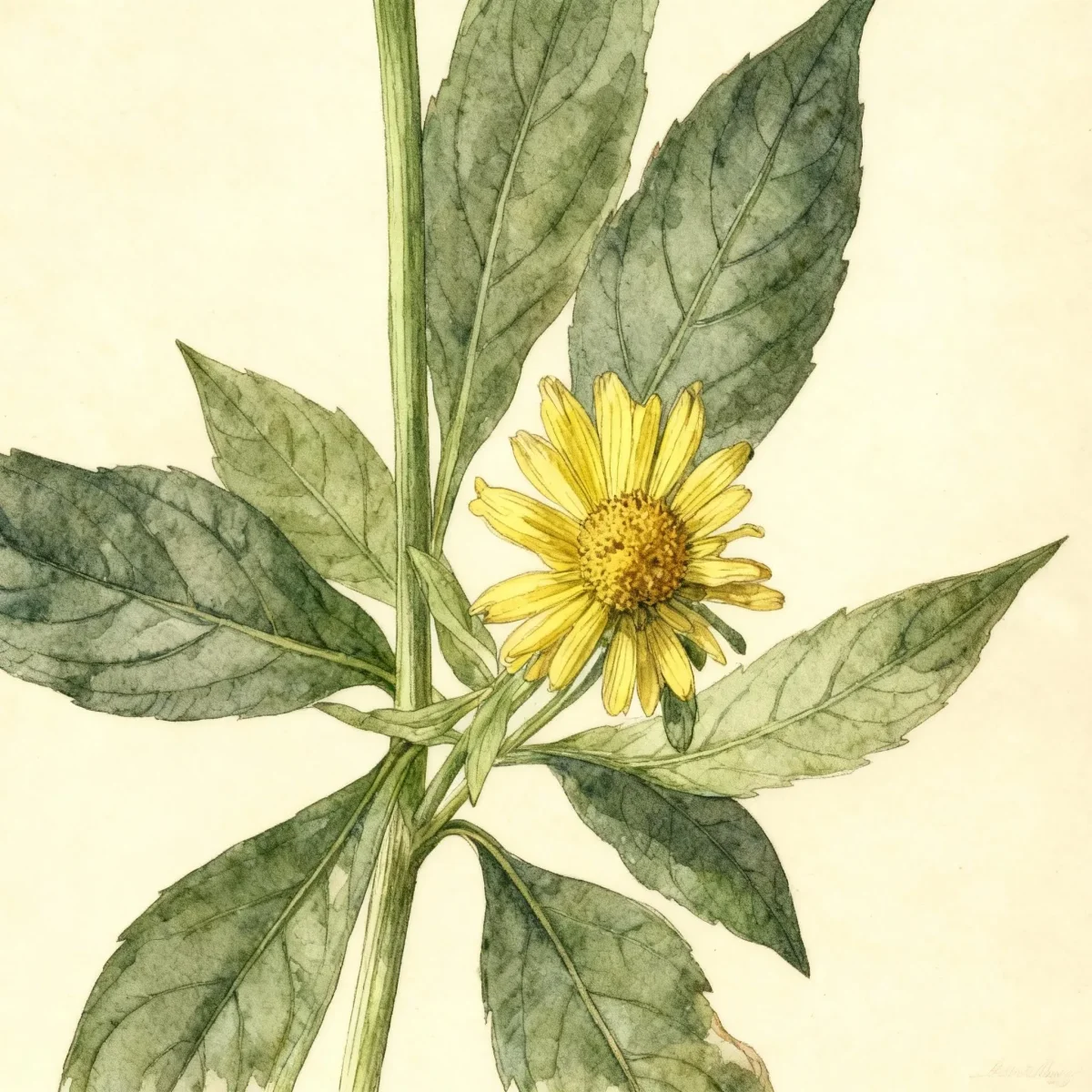
The striking Ox-eye daisy (Telekia speciosa) is a robust herbaceous perennial producing yellow, sunflower-like blooms late summer through early fall.
Scroll down to discover growing tips, care requirements, companion plants, and more
Complete Plant Information
Overview
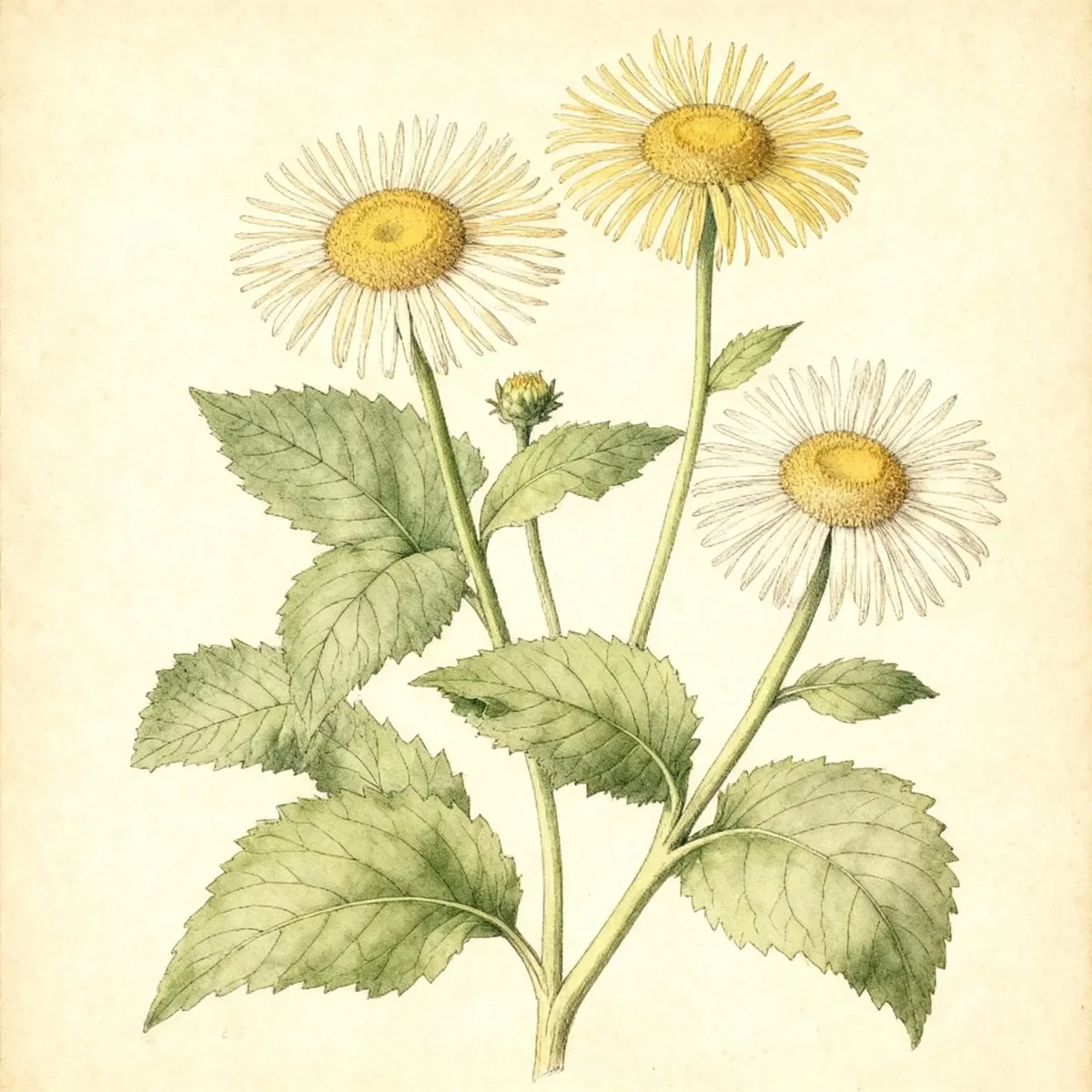
The Ox-eye daisy, scientifically known as Telekia speciosa, offers a bold, late-season presence in the perennial garden. This rhizomatous plant is distinguished by its sprays of single, daisy-like flower heads featuring bright yellow rays surrounding large, flattened, orange-yellow central disks, making it an excellent late-season focal point. Telekia speciosa thrives in relatively low-maintenance conditions, provided its soil moisture requirements are met.
As an herbaceous perennial, this plant offers substantial vertical interest, reaching heights between 4 and 6 feet. Its coarse, aromatic, heart-shaped basal leaves provide excellent foliage contrast throughout the growing season before the massive late summer bloom period commences. Gardeners value the Ox-eye daisy for filling out the rear of deep borders or naturalizing effectively in damp, partially shaded areas.
Despite its size, Telekia speciosa is surprisingly adaptable, tolerating full sun if soil moisture is consistently maintained. Its overall low maintenance level and relatively few pest issues make it a dependable structural element for large-scale or informal plantings where its somewhat coarse texture can be appreciated from a distance.
Fast Facts
- Plant Family: Asteraceae
- Plant Type: Herbaceous perennial
- Native Range: Western Asia, eastern Europe
- Hardiness Zones: USDA Zones 3-7
- Size at Maturity:
- Height: 4-6 ft
- Spread: 2-3 ft
- Bloom Time: August to September
- Bloom Description: Yellow
- Sun Exposure: Full sun to part shade
- Water Needs: Medium
- Maintenance Level: Low
How to Grow
Establishing Telekia speciosa is straightforward; the best time to plant is typically in the spring after the last frost date for container-grown specimens. This plant prefers average, well-drained soils but is highly flexible; it performs well in part shade but tolerates full sun provided the moisture level remains medium and consistent. Ensure that locations chosen are sheltered from strong winds, as the tall stems can benefit from reduced exposure.
Routine care for the Ox-eye daisy is minimal. Water moderately, ensuring the soil does not dry out, especially if planted in a sunny location. Fertilization is generally unnecessary unless the soil is exceptionally poor. A key step in post-flowering maintenance is to cut back the plant after the blooms fade, which tidies the appearance and keeps the spread controlled.
Because Telekia speciosa is easily grown from seed and may readily self-seed under ideal conditions, gardeners should monitor dispersal if they wish to restrict its spread. In late winter or very early spring, perform basic cleanup, removing any dead foliage from the previous season before new growth emerges.
Landscape Uses
The robust structure and late-season yellow flowers of the Ox-eye daisy make it perfectly suited for areas requiring height and bulk, such as the back of deep perennial borders or open woodland settings. Its tendency to naturalize, coupled with its preference for moisture, means it excels in ecological plantings or alongside natural water features like streams or ponds.
Many sources suggest that the coarse texture of the foliage means gardeners should sparingly use Telekia speciosa in highly formal or close-up specimen plantings where fine texture is desired. Instead, pair it with other large-leaved or robust perennials that share similar moisture needs, allowing it to blend into naturalized groupings.
Consider planting this strong vertical element with moisture-loving companion plants such as Astilbes, tall ornamental grasses, or Rodgersia varieties to create a vibrant, late-summer tapestry that maintains interest until the first hard fall frost.
Standout Features
Flower Qualities
- Showy
Noteworthy Characteristics
Telekia speciosa is a rhizomatous, sunflower-like perennial originating primarily from mountainous regions across Southern Europe and Turkey, noted by its sprays of daisy-like flower heads reaching up to 3.5 inches wide. The basal leaves are notably coarse, aromatic, triangular, and large, growing up to 12 inches long with deeply cordate bases. The genus name honors the Hungarian nobleman Samuel Teleki de Szek, highlighting the plant’s “showy” nature indicated by its specific epithet.
Tolerances
- No serious insect or disease problems. Watch for snails and slugs.
Potential Problems
While generally durable, taller stands of the Ox-eye daisy may benefit from judicious staking or grouping to prevent lodging in heavy rain or strong winds, especially as the season progresses. The primary management concern relates to soft-bodied pests; gardeners should routinely inspect new growth for the presence of snails and slugs, treating them proactively if populations become high. Disease issues are rare, making Telekia speciosa a relatively worry-free choice for structure.
Frequently Asked Questions
What hardiness zones is Ox-eye daisy suitable for?
The hardiness range for this robust perennial, Telekia speciosa, is USDA Zones 3 through 7.
How large does Ox-eye daisy grow?
This plant generally matures to a height between 4 and 6 feet, with a spread maintained between 2 and 3 feet wide.
When does Ox-eye daisy bloom?
The blooming period for the Ox-eye daisy is late in the season, typically running from August into September, producing attractive yellow flowers.
What sun exposure does Telekia speciosa need?
Telekia speciosa thrives in full sun conditions if consistent medium moisture is guaranteed, but it is equally happy in partial shade.
Conclusion
The Ox-eye daisy offers significant, low-maintenance structure and enduring late-season yellow color, making Telekia speciosa a powerful asset for mid-to-large scale garden designs. Its reliability and dramatic blooms ensure a bold impact near the end of the growing season. Before planting, confirm your location falls within USDA Zones 3-7 and plan for moist soil to maximize the tropical look of this beautiful wildflower relative.
Companion Planting
Selecting appropriate companions enhances the visual appeal of Telekia speciosa by balancing its coarse texture. Pair it with plants that appreciate similar moist soil conditions and partial shade. Good visual partners include Japanese Forest Grass (Hakonechloa macra) which offers fine, weeping texture at the base, or tall, dark-leafed perennials like Rodgersia or Ligularia, which share the need for consistent moisture.
Seasonal Care Calendar
Spring preparation involves removing old dead foliage cut back after flowering the previous year. Focus on checking soil moisture levels as temperatures rise in late spring, increasing water if growing in a full sun exposure area. Summer is mostly hands-off, though staking should be addressed early for taller plants before their massive flower heads emerge in late summer. Fall cleanup primarily involves cutting back the spent stalks after the Ox-eye daisy has finished blooming to prepare the clump for dormancy.