Zinnia (Zinnia elegans)
Zinnia elegans (Zinnia) is a versatile annual known for vibrant, continuous blooms from June to frost in full sun gardens across zones 2-11.
Scroll down to discover growing tips, care requirements, companion plants, and more
Complete Plant Information
Overview
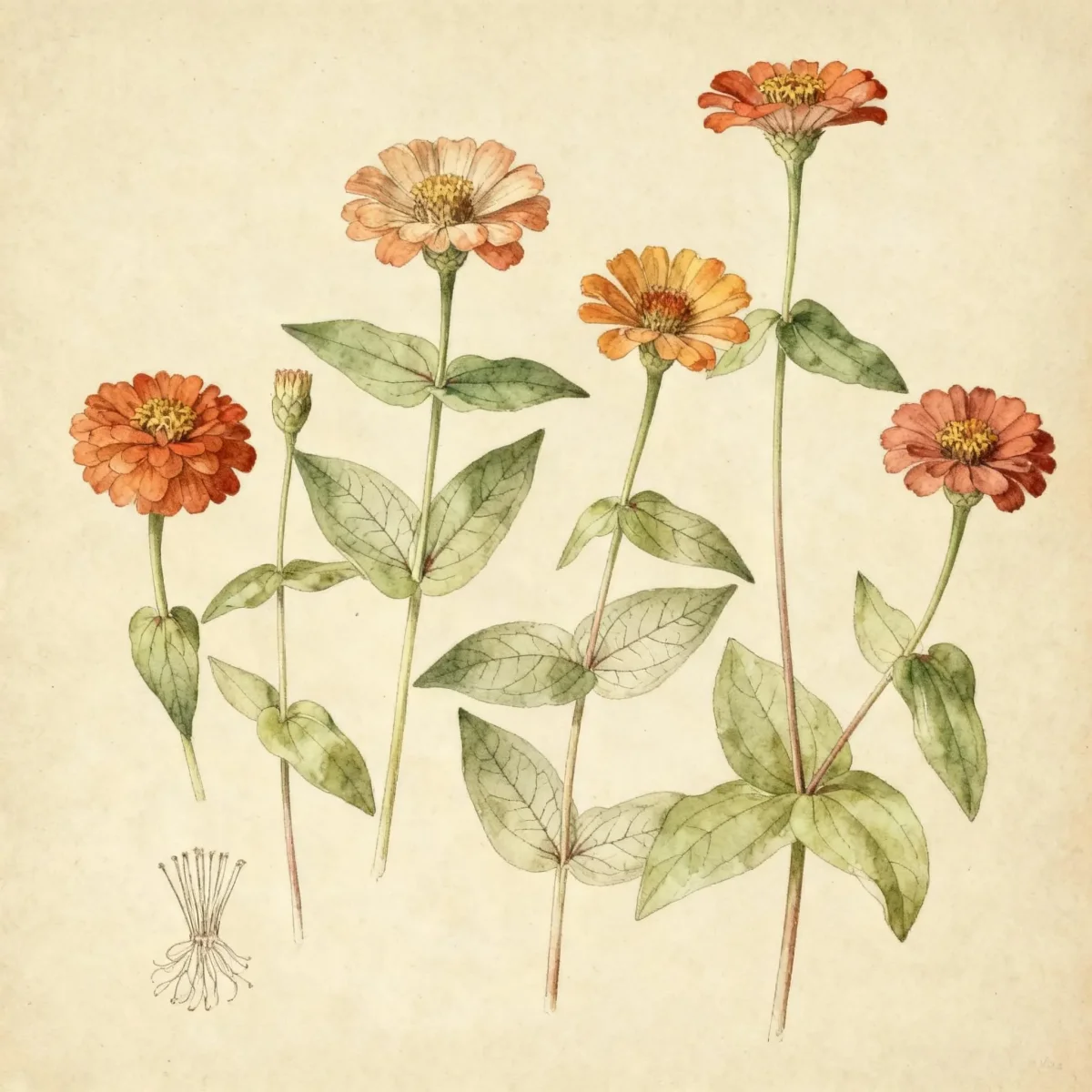
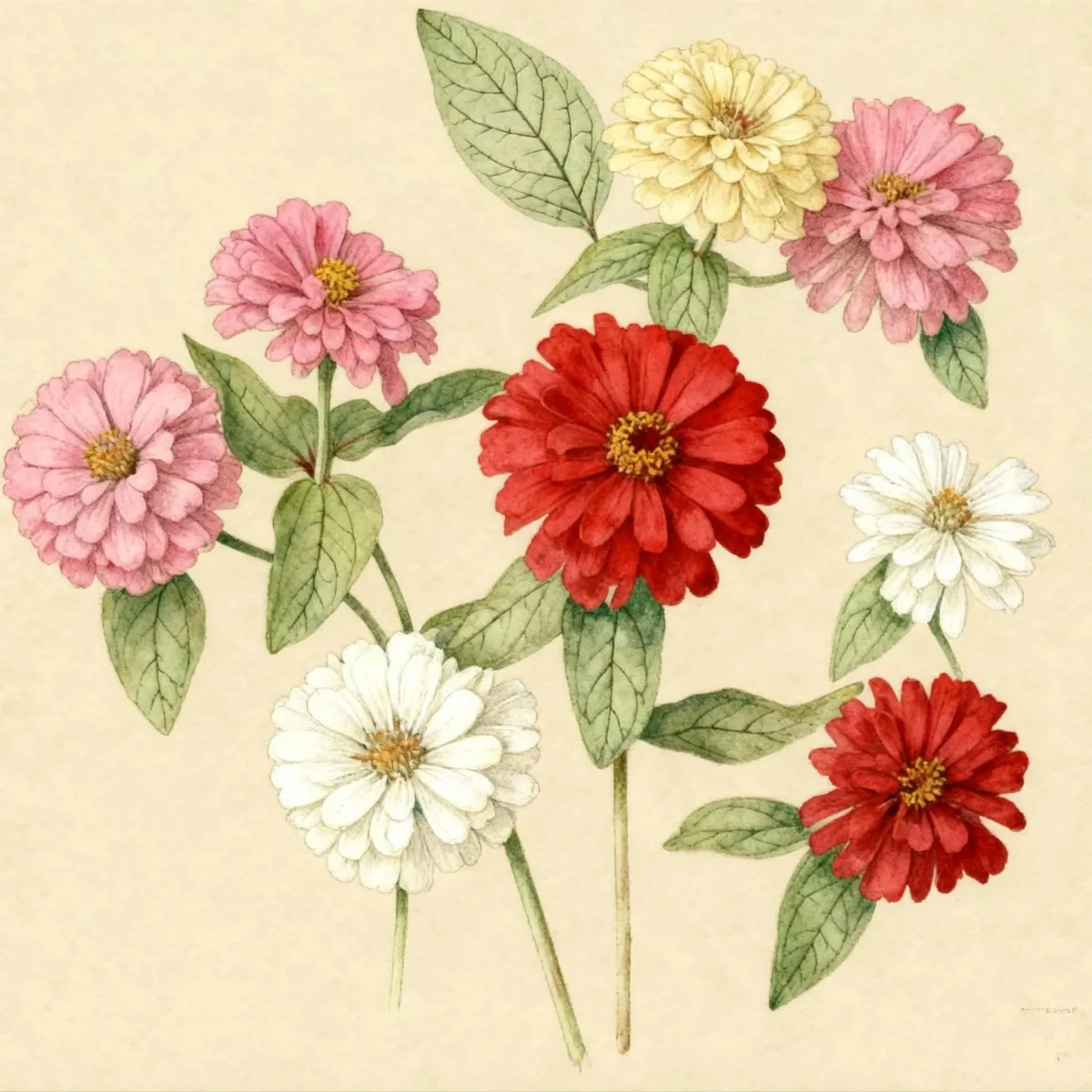
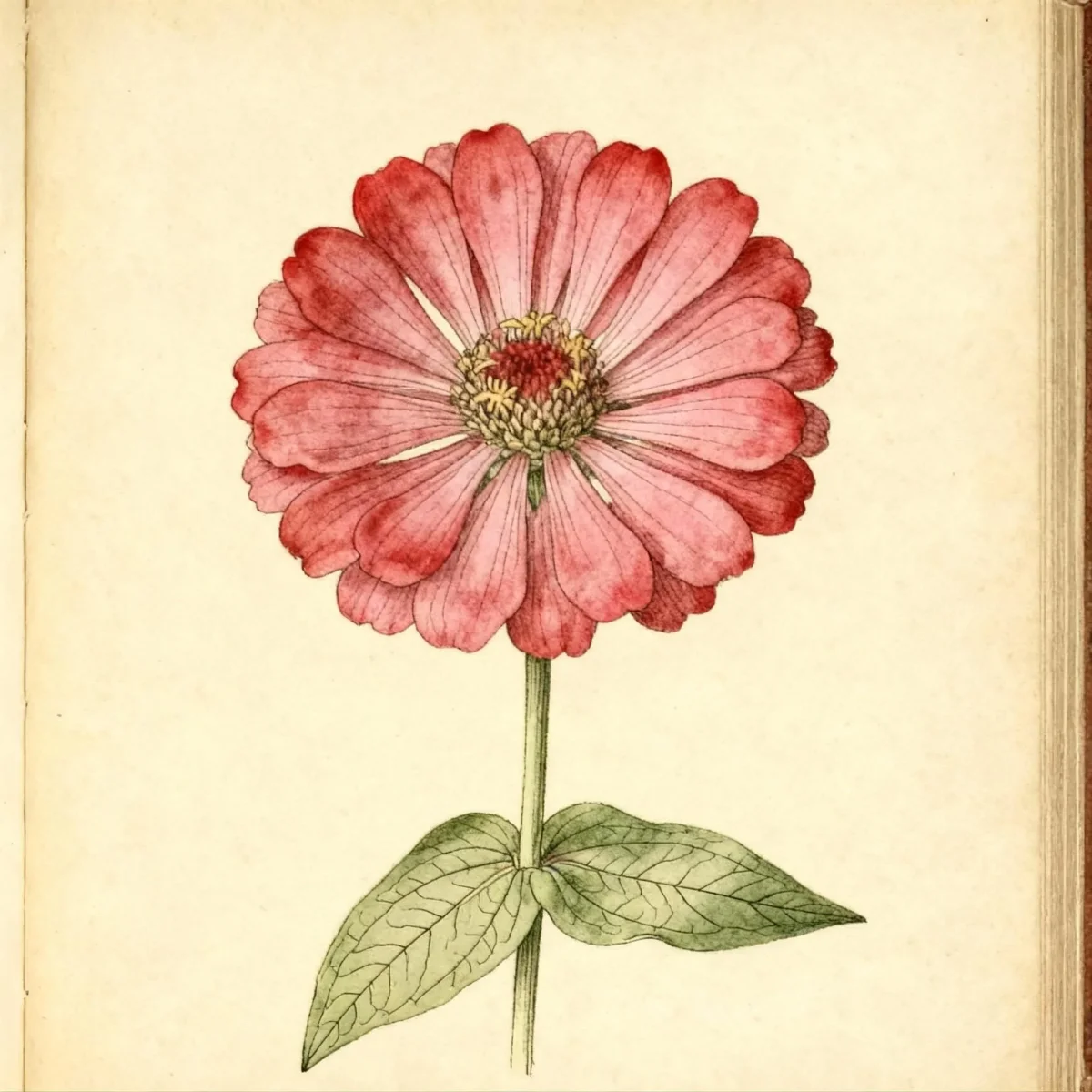
The Zinnia (Zinnia elegans), commonly known as Zinnia, is an indispensable, highly rewarding annual beloved by gardeners for its relentless color production throughout the summer season. As an old garden favorite, Zinnia elegans offers incredible diversity, ranging from compact bedding plants to towering specimens perfect for dramatic backdrops. Their vivid palette—encompassing shades of red, yellow, pink, and white—ensures they serve as stunning anchors in annual displays.
One of the primary draws of the Zinnia is its ease of cultivation and continuous performance, especially when provided with full sun exposure and diligent deadheading. These bushy, leafy annuals provide excellent material for cutting gardens, offering fresh bouquets week after week until the first hard frost arrives. Beyond aesthetics, successfully growing healthy Zinnia contributes significantly to the vibrancy of mixed borders.
This species thrives in warm conditions, establishing quickly from seed sown directly outdoors after all danger of frost has passed. Gardeners seeking reliable, low-maintenance performance for mass plantings or intricate design work will consistently turn to the reliable structure and exuberant flowers of Zinnia elegans.
Fast Facts
- Plant Family: Asteraceae
- Plant Type: Annual
- Native Range: Mexico
- Hardiness Zones: USDA Zones 2-11
- Size at Maturity:
- Height: 1-4 ft
- Spread: 0.75-1 ft
- Bloom Time: June to frost
- Bloom Description: Red, yellow, orange, pink, rose, lavender, green and white
- Sun Exposure: Full sun
- Water Needs: Medium
- Maintenance Level: Medium
How to Grow
Sow Zinnia seed directly into the ground once soil temperatures have warmed and the risk of frost is gone. Zinnia elegans prefers humusy, evenly moist, well-drained soils, thriving best when planted in full sun locations. For a season-long succession of blooms, sow new seeds every two to three weeks until the end of June. Alternatively, start seeds indoors roughly 4 to 6 weeks prior to your area’s last frost date to achieve earlier spring color.
Cultures agree that good air circulation is essential for managing common fungal issues. When setting out seedlings, be sure to space them adequately. Pinching young plants back lightly will encourage a bushier, more compact architecture rather than leggy, sparse growth.
Watering should remain consistent; maintain even moisture without allowing the soil to become waterlogged, as this can invite root rots. Deadheading—removing spent blooms regularly—is critical maintenance for any Zinnia. This simple task signals the plant to divert energy into producing new flowers instead of setting seed, maintaining peak appearance until frost.
If growing in very hot and humid summers, prioritize disease-resistant varieties available from local nurseries to ensure robust performance throughout the peak season.
Landscape Uses
Zinnias are celebrated for their versatility across the garden spectrum. Their upright habit and continuous flowering make them ideal fillers for mixed borders, providing cheerful texture among perennials and structure plants. Smaller dwarf varieties perform exceptionally well in welcoming containers, while taller types create dynamic backdrops in cottage gardens.
The excellent cut-flower quality of Zinnia elegans means they should be a staple in any dedicated cutting garden, providing an endless supply of vibrant material for indoor arrangements. Plant them alongside complementary sun-lovers like cosmos, sunflowers, or dark-leafed basil to create high-impact color blocks. Designing mass plantings creates the best visual impact, allowing the varying sizes and shapes available within the Zinnia genus to shine.
Standout Features
Flower Qualities
- Showy
Noteworthy Characteristics
Zinnia elegans, known as common zinnia, is an old garden favorite with may cultivars available. They are bushy, leafy annuals that typically grow 1-3’ (less frequently to 4’) tall on upright, hairy, branching stems. Many flower forms (single, semi-double and double) and colors are available, making this genus a staple for maximizing summer impact.
Tolerances
- Black Walnut
Potential Problems
Zinnias are susceptible to several fungal diseases, including powdery mildew, leaf spots, and blight, particularly when air circulation is poor or humidity is high. Root rots and Botrytis can also occur, especially in overly wet soils. Gardeners should also monitor for common pests like Japanese beetles, which are sometimes attracted to the flowers. To mitigate disease, ensure adequate spacing between plants and water the soil directly, avoiding wetting the foliage, especially in the late afternoon.
Frequently Asked Questions
What hardiness zones is Zinnia suitable for?
The common Zinnia is suitable for USDA Zones 2 through 11, offering reliable annual performance across nearly the entire continental US.
How large does Zinnia grow?
Depending on the cultivar, Zinnia elegans typically reaches heights between 1 and 4 feet tall, with a spread ranging from 0.75 to 1 foot wide.
What sun exposure does Zinnia need?
This annual requires full sun exposure to perform optimally, produce the best flower counts, and maintain strong, disease-resistant stems.
When does Zinnia bloom?
Zinnia provides reliable bloom coverage starting in June and continuing steadily until the arrival of the first killing frost.
Conclusion
The Zinnia remains a foundational plant for summer gardens due to its exceptional reliability, wide array of colors, and near-constant bloom cycle. Utilizing Zinnia elegans ensures your borders and cutting buckets remain fully stocked with vibrant color until autumn. Review your local planting dates and ensure you provide plenty of sunlight to maximize the glorious display this versatile annual delivers.
Companion Planting
When planning your companion planting strategy around Zinnia, focus on other heat-loving annuals that share a need for full sun and comparable medium water requirements. Marigolds and French marigolds are excellent neighbors, offering dense, low foliage that can help shade the soil around the base of taller Zinnias. Planting taller Zinnia elegans varieties with lower-growing bedding plants like dwarf petunias or verbena creates dimensional interest without crowding them severely.
Alternatively, pairing Zinnias with structural perennials like Coneflowers (Echinacea) or Salvias extends the season of interest. The upright, airy nature of the Zinnia contrasts beautifully with the more mounding habits of many companion plants, creating a tapestry effect in mixed borders.
Design Ideas for Containers
While Zinnias are famous for borders, selecting compact or “profusion” type Zinnia elegans cultivars makes them outstanding subjects for container gardening. Use the “thriller, filler, spiller” method, placing a taller, dramatic Zinnia variety as the thriller in the center. They work exceptionally well as the primary vertical element in large mixed patio planters.
Ensure containers are generously sized, as Zinnias develop substantial root systems, even the smaller varieties. Excellent filler companions for containers include trailing sweet potato vine or calibrachoa, plants that share the Zinnia’s heat tolerance. Maintaining consistent, medium watering in containers is crucial, as pots dry out faster than in-ground beds, which supports the Zinnia’s need for even moisture.