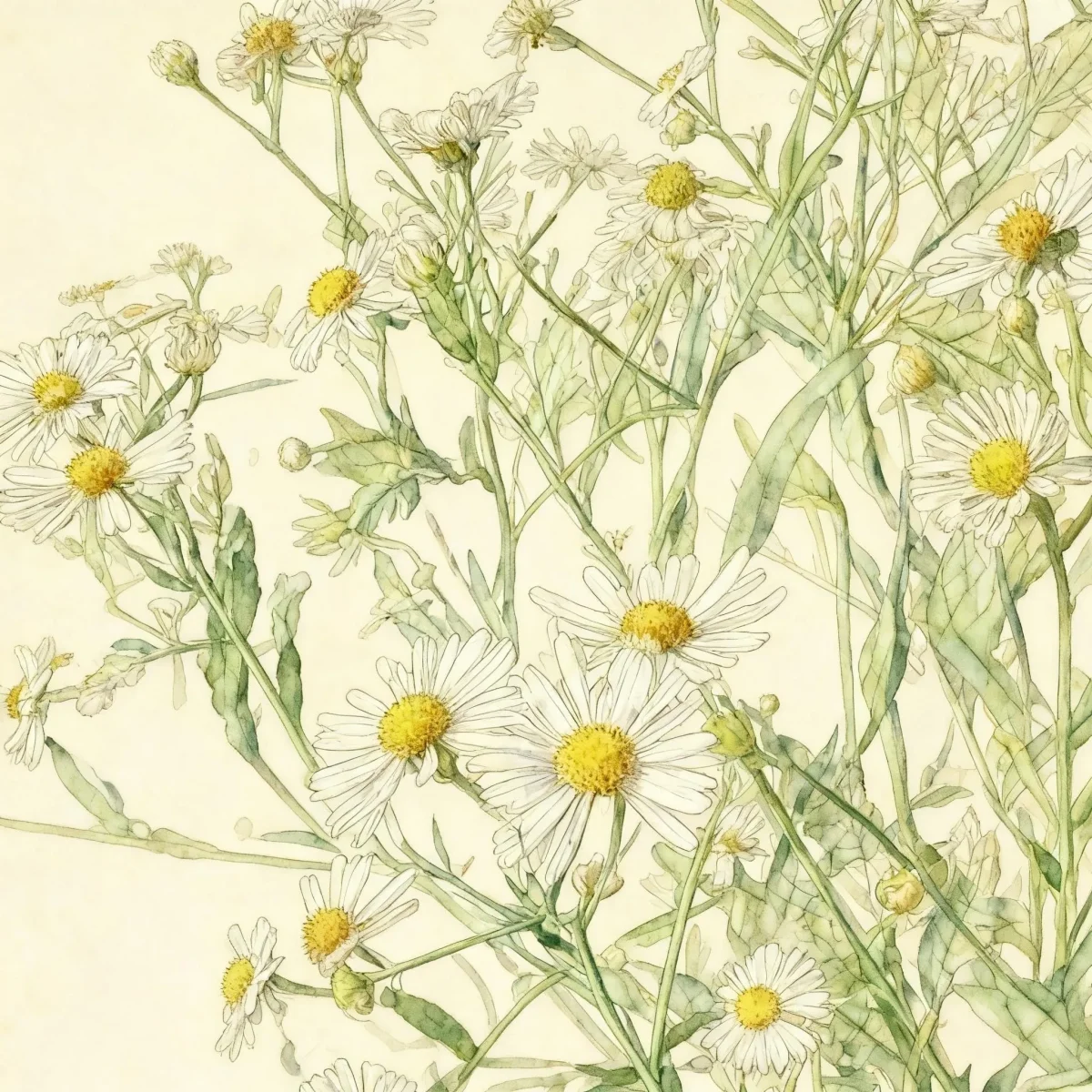
Tartarian aster (Aster tataricus)
The tall, reliable Tartarian aster (Aster tataricus) provides violet-blue autumn color and butterfly interest. Easy to grow in full sun.
Scroll down to discover growing tips, care requirements, companion plants, and more
Complete Plant Information
Overview
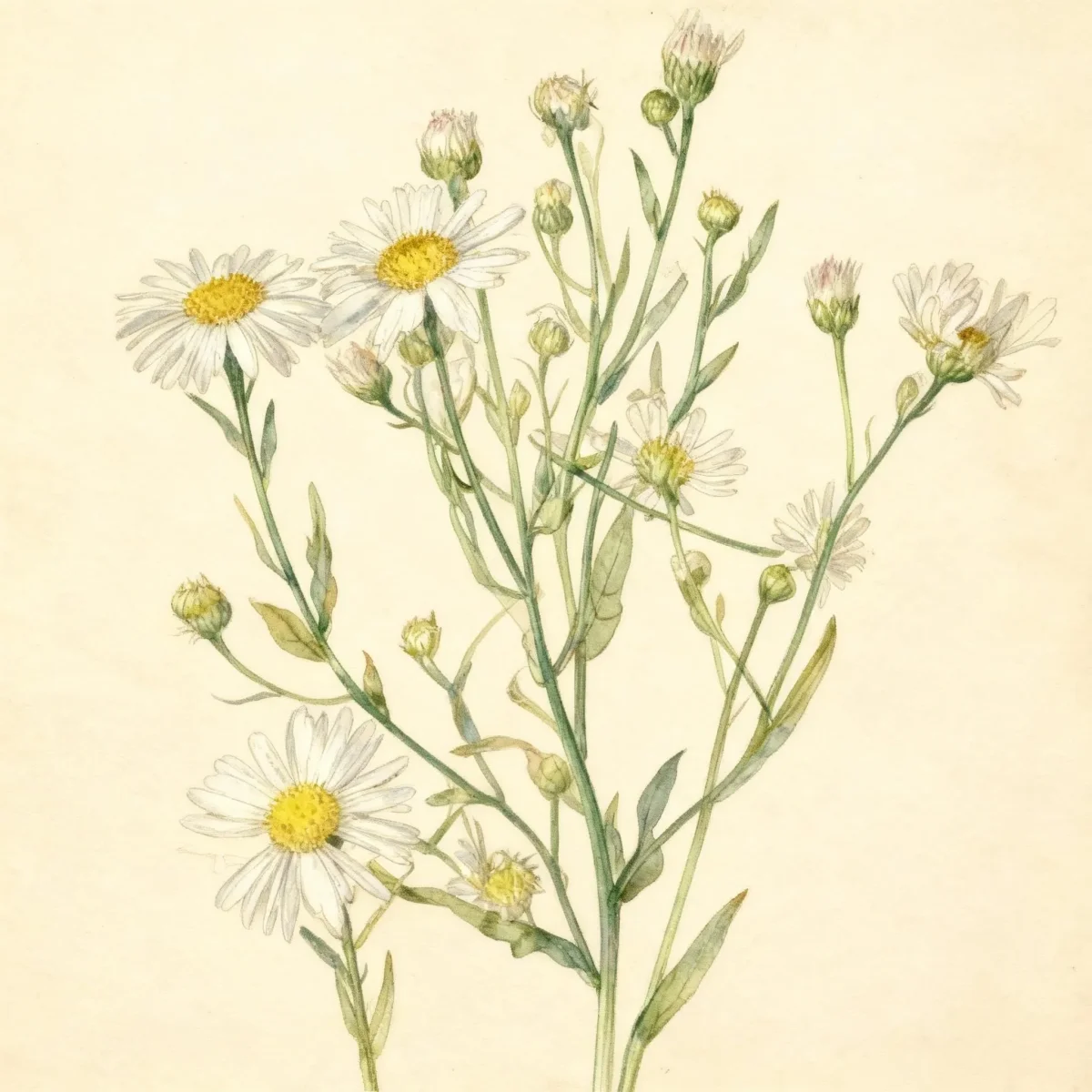
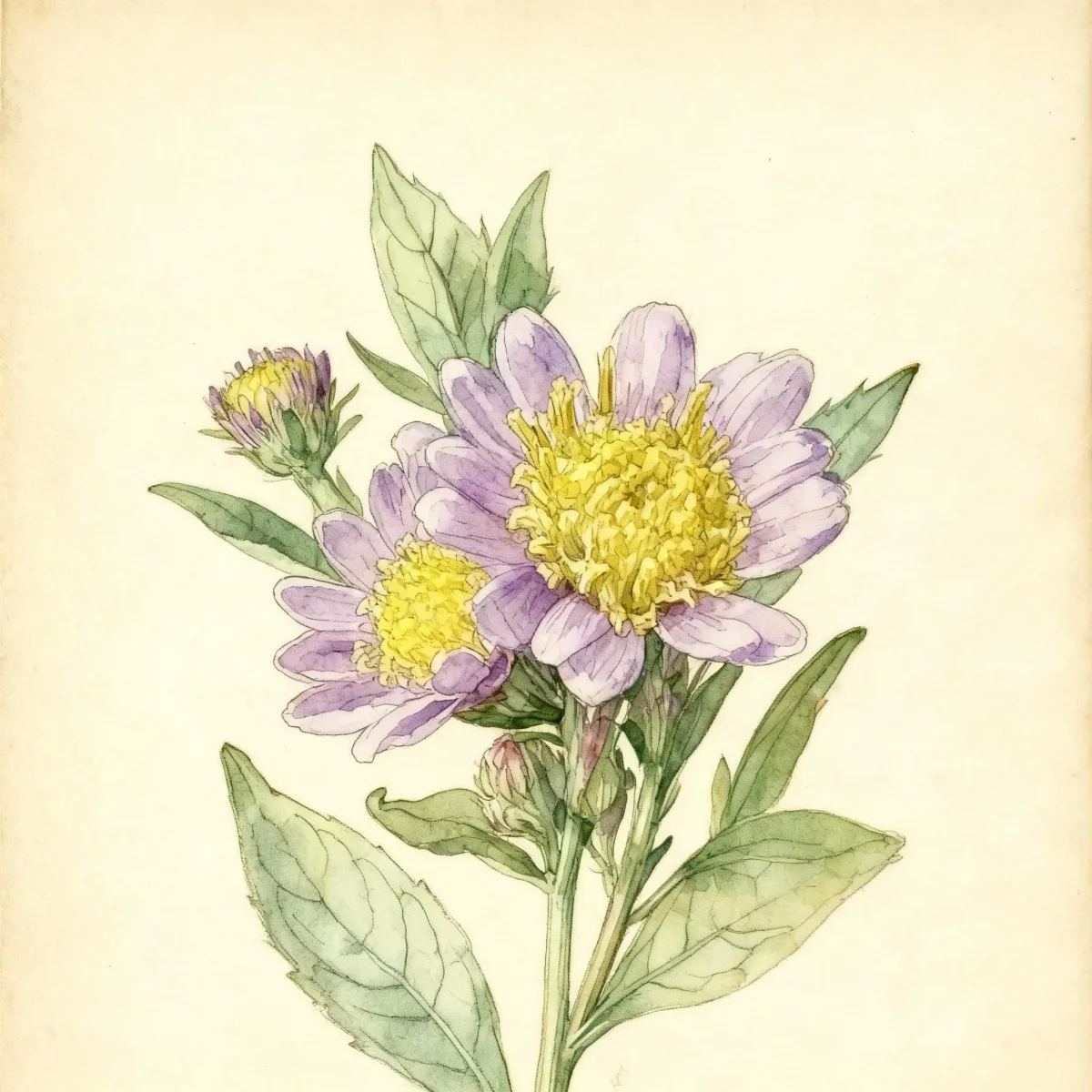
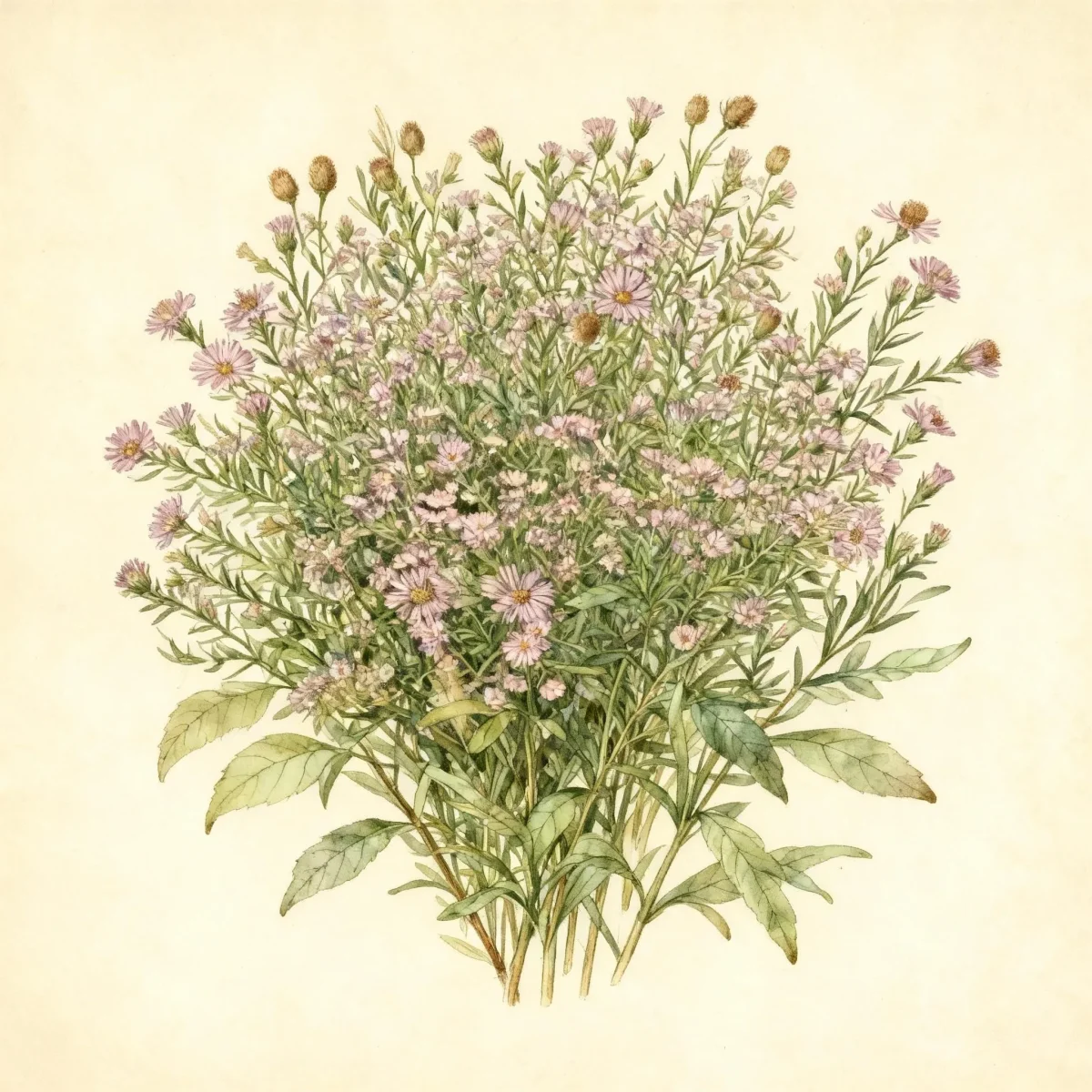
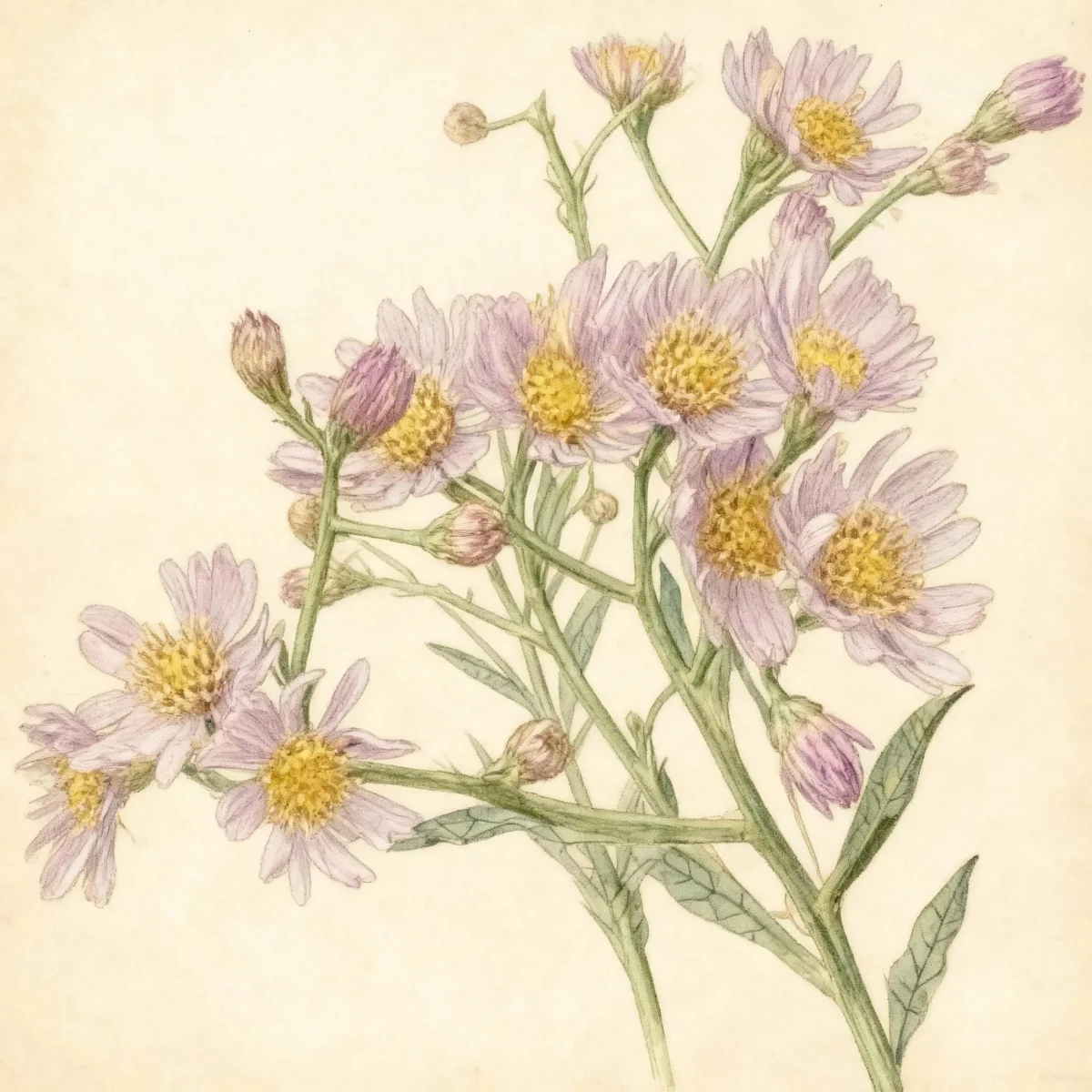
The Tartarian aster, Aster tataricus, is a standout herbaceous perennial prized for its exceptional height and late-season bloom, bringing structure to the garden when many other plants are fading. This variety, often referred to simply as Tartarian aster, features abundant, small flowers with deep violet-blue rays and bright yellow centers appearing reliably in September. Reaching heights up to six feet, Aster tataricus offers significant vertical interest.
This species is valued not only for its late color display but also for its robust, erect habit, which generally minimizes the need for staking even at its maximum height. Distinctive large, paddle-shaped lower leaves contrast with smaller foliage higher up, offering textural contrast throughout the season before the autumn flower show begins. Gardeners appreciate Tartarian aster for its ease of care and its appeal to late-season pollinators, particularly butterflies.
Native to Eastern Asia, Aster tataricus thrives across a wide range of climates, making it a dependable choice for adding reliable autumn structure. Its vigorous nature thanks to rhizomatous spreading means it establishes well, though occasional division may be necessary for management in optimum conditions.
Fast Facts
- Plant Family: Asteraceae
- Plant Type: Herbaceous perennial
- Native Range: Eastern Asia
- Hardiness Zones: USDA Zones 3-9
- Size at Maturity:
- Height: 3-6 ft
- Spread: 2-3 ft
- Bloom Time: September
- Bloom Description: Violet-blue with yellow center
- Sun Exposure: Full sun
- Water Needs: Medium
- Maintenance Level: Medium
How to Grow
Aster tataricus is adaptable and relatively easy to establish. For best results, plant in the spring or fall in a location receiving full sun. This plant thrives in average, medium-moisture soils, provided they are well-drained. Avoid heavy, waterlogged sites, as excellent drainage is crucial for long-term health.
Once established, care for your Tartarian aster is straightforward. Water moderately, allowing the top inch or two of soil to dry slightly between deep soakings. Fertilization is rarely required; overly rich soil can encourage floppy growth. The primary cultural consideration for managing the spread of Aster tataricus is division, which should be performed every 3 to 4 years, especially if clumps become too dense or start to crowd neighbors.
As a late-season bloomer, Aster tataricus often remains attractive even after the first hard frost, providing late interest. There is generally no need for heavy pruning outside of removing spent foliage in early spring, though deadheading faded flowers might slightly prolong attractiveness before winter dormancy sets in.
Landscape Uses
The impressive stature of Tartarian aster makes it an excellent anchor plant, ideally situated toward the back of the border where its height (up to 6 feet) will not overshadow shorter perennials. It excels in naturalizing meadows or wildflower areas, where its self-sufficiency can be fully utilized, creating expansive drifts of late-season color.
Designers often use the vertical accent of Aster tataricus to frame views or provide a stunning contrast against mid-sized shrubs that have finished blooming for the season. Because it draws significant attention from butterflies in autumn, consider placing it near seating areas or windows to enjoy the wildlife activity it invites. Companion planting should focus on species that appreciate similar sun and moisture conditions, such as tall ornamental grasses or other sturdy late bloomers.
Standout Features
Flower Qualities
- Showy
Noteworthy Characteristics
Aster tataricus, commonly called tatarian aster, is an erect, tall-growing species (to 6’) which seldom requires staking. Distinctive paddle-shaped, lower leaves are up to 24” long and 6” wide, but leaves are significantly smaller in size higher up on the plant. Small but abundant flowers (to 1” across) with deep lavender to blue rays and yellow centers appear in flat-topped clusters in autumn. A late blooming aster that still looks fresh at time of first frost. Attractive to butterflies. Genus name comes from the Latin word aster meaning star for the shape of the flowers.
Tolerances
Potential Problems
Aster tataricus is generally recognized for its excellent pest and disease resistance, meaning gardeners rarely need to intervene with chemical controls for serious issues. The main cultural concern involves plant support; staking may become necessary for plants grown in moist, overly fertile soils where vertical growth is excessively lush, leading to leaning. To encourage strong, shorter stems, ensure the plant receives sufficient sunlight and avoid excessive nitrogen fertilization. Monitoring for common aster issues like fungal leaf spot is wise, especially in humid conditions, though Aster tataricus tends to be less afflicted than some other varieties.
Frequently Asked Questions
What hardiness zones is Tartarian aster suitable for?
The Tartarian aster (Aster tataricus) is well-suited for USDA Hardiness Zones 3 through 9.
How large does Tartarian aster grow?
This tall perennial typically reaches a mature height between 3 and 6 feet, with a spread between 2 and 3 feet.
What sun exposure does Aster tataricus need?
Aster tataricus requires full sun exposure to maintain its most robust habit and maximize its prolific autumn bloom.
When does Aster tataricus bloom?
This reliable autumn bloomer begins flowering in September, displaying violet-blue flowers with yellow centers.
Conclusion
The Tartarian aster brings indispensable structure, vibrant late-season color, and essential support for pollinators to the late summer garden. Its low-maintenance needs and tolerance across a wide range of tough conditions solidify Aster tataricus as a staple for reliable perennial borders. Be sure to check your local USDA zone before planning your autumn landscape renewal with this magnificent perennial.
Wildlife Benefits
As a premier late-season food source, Tartarian aster is extremely attractive to a wide variety of butterflies as they prepare for migration or winter. The dense clusters of nectar-rich, composite flowers offer crucial late-season fuel when other nectar sources have diminished. Planting Aster tataricus ensures that your garden remains active well into the fall months.
Propagation Tips
The primary method for propagating Aster tataricus is through division, which also serves as a necessary maintenance task. Because this species spreads by rhizomes, you can successfully divide large clumps every three to four years, ideally in the early spring before new growth begins in earnest. Dig up the established clump, gently tease apart sections, ensuring each new division has a healthy root mass and several growing points. Replant these divisions immediately into prepared, well-drained soil to maintain the vigor of your Tartarian aster patch.