Mountain bluet (Centaurea montana)
Discover Centaurea montana, the durable Mountain bluet. A low-maintenance perennial with showy blue blooms in full sun.
Scroll down to discover growing tips, care requirements, companion plants, and more
Complete Plant Information
Overview
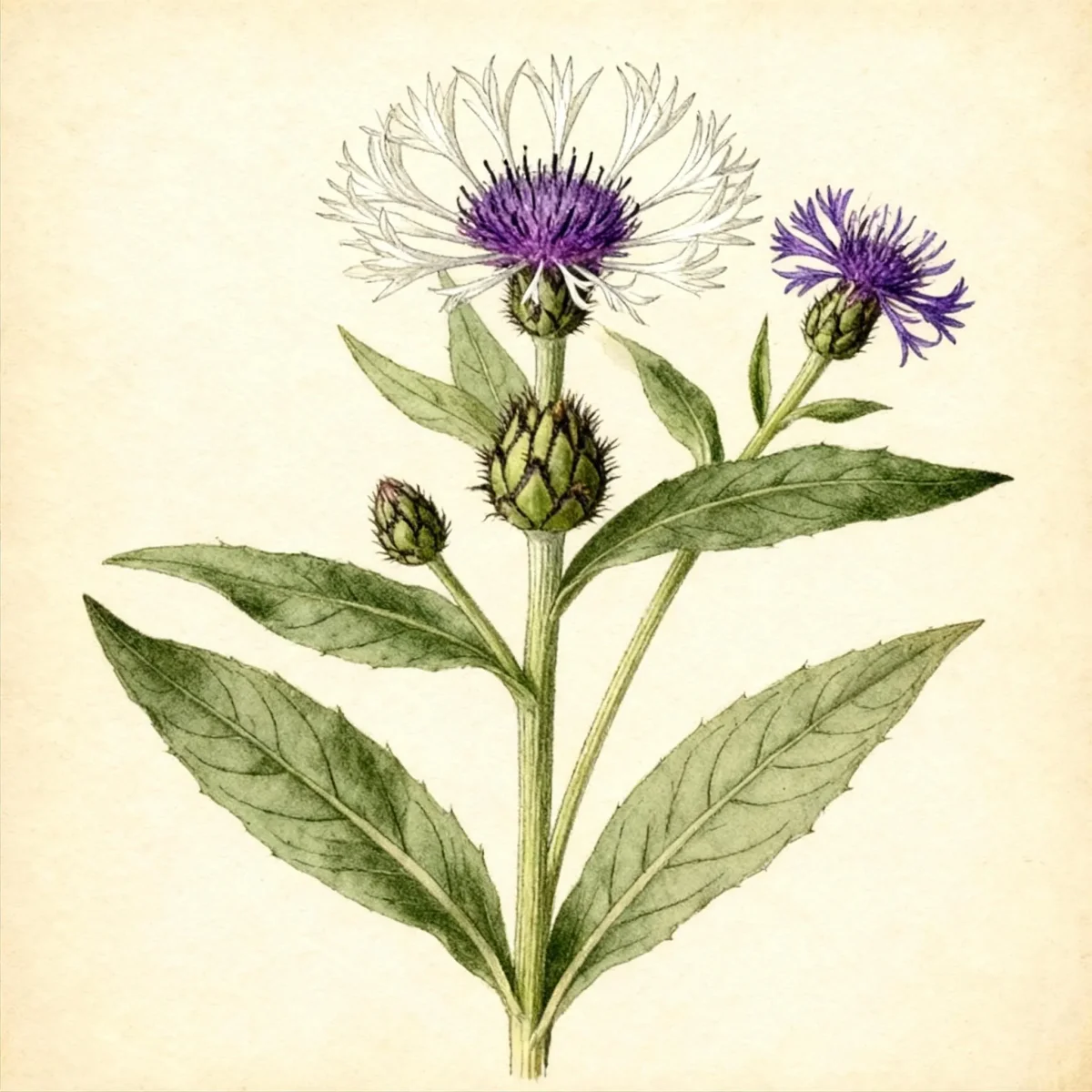
The Centaurea montana, commonly known as the Mountain bluet, is a highly valued herbaceous perennial prized for its vibrant, solitary blue flowers that offer a classic cottage garden aesthetic. Its striking blooms, featuring rich blue petals and dark-edged centers, make it a standout element when planted in mass. This species thrives under relatively low-input conditions, making it an excellent choice for gardeners seeking dependable color without intensive care.
Originating from Europe, the Centaurea montana is adaptable once established, rewarding growers with persistent flowers primarily in late spring. It forms upright clumps and can occasionally spread via stolons, naturally colonizing sunny areas. Its ease of cultivation and drought tolerance solidify its place as a garden favorite for borders and naturalized settings.
Beyond its visual appeal, the Mountain bluet offers structural interest throughout the season, even when not in bloom, thanks to its lance-shaped, gray-green foliage. Successfully incorporating Centaurea montana brings reliable texture, striking blue hue, and low maintenance to the perennial landscape.
Fast Facts
- Plant Family: Asteraceae
- Plant Type: Herbaceous perennial
- Native Range: Europe
- Hardiness Zones: USDA Zones 3-8
- Size at Maturity:
- Height: 1-2 ft
- Spread: 1-1.5 ft
- Bloom Time: May to June
- Bloom Description: Blue
- Sun Exposure: Full sun
- Water Needs: Dry to medium
- Maintenance Level: Low
How to Grow
Plant Centaurea montana in the spring or fall once the soil is workable. Locate it in a spot receiving full sun, which is crucial for maximizing bloom production. This perennial prefers average soil conditions but is highly adaptable, flourishing even in dry to medium moisture, well-drained soils. Avoid overly rich, fertile soils, as these can encourage excessive vegetative growth and rapid spreading, especially important in cooler northern climates where the plant is naturally more robust.
Once established, the Mountain bluet demonstrates notable drought tolerance, requiring supplemental water only during prolonged dry spells. Fertilization is generally unnecessary; richness in the soil should actively be avoided. Deadhead spent flower stalks promptly after the main bloom finishes to tidy the appearance, although this may sometimes encourage a sparse rebloom later in the season.
Routine care for Centaurea montana involves division every two to three years. Dividing congested clumps maintains plant vigor and controls its spread. In the spring, clean up old dead foliage, and ensure good air circulation around the plants to help mitigate potential disease issues like mildew.
Landscape Uses
The Centaurea montana is most effective when planted where its massed color can be fully appreciated, making it perfectly suited for border fronts. Its upright habit serves well to anchor the middle layer of a mixed planting. The genus name Centaurea suggests a historical connection, offering a layer of interest in traditional settings.
Consider using the Mountain bluet extensively in cottage gardens, where its informal nature blends seamlessly with roses, salvia, and ornamental grasses. For a softer, unstructured look, naturalize colonies of Centaurea montana in appropriate sunny meadows or open woodland edges where they can spread gently without competition from aggressive turf. This use maximizes its low-maintenance requirement.
Standout Features
Flower Qualities
- Showy
Noteworthy Characteristics
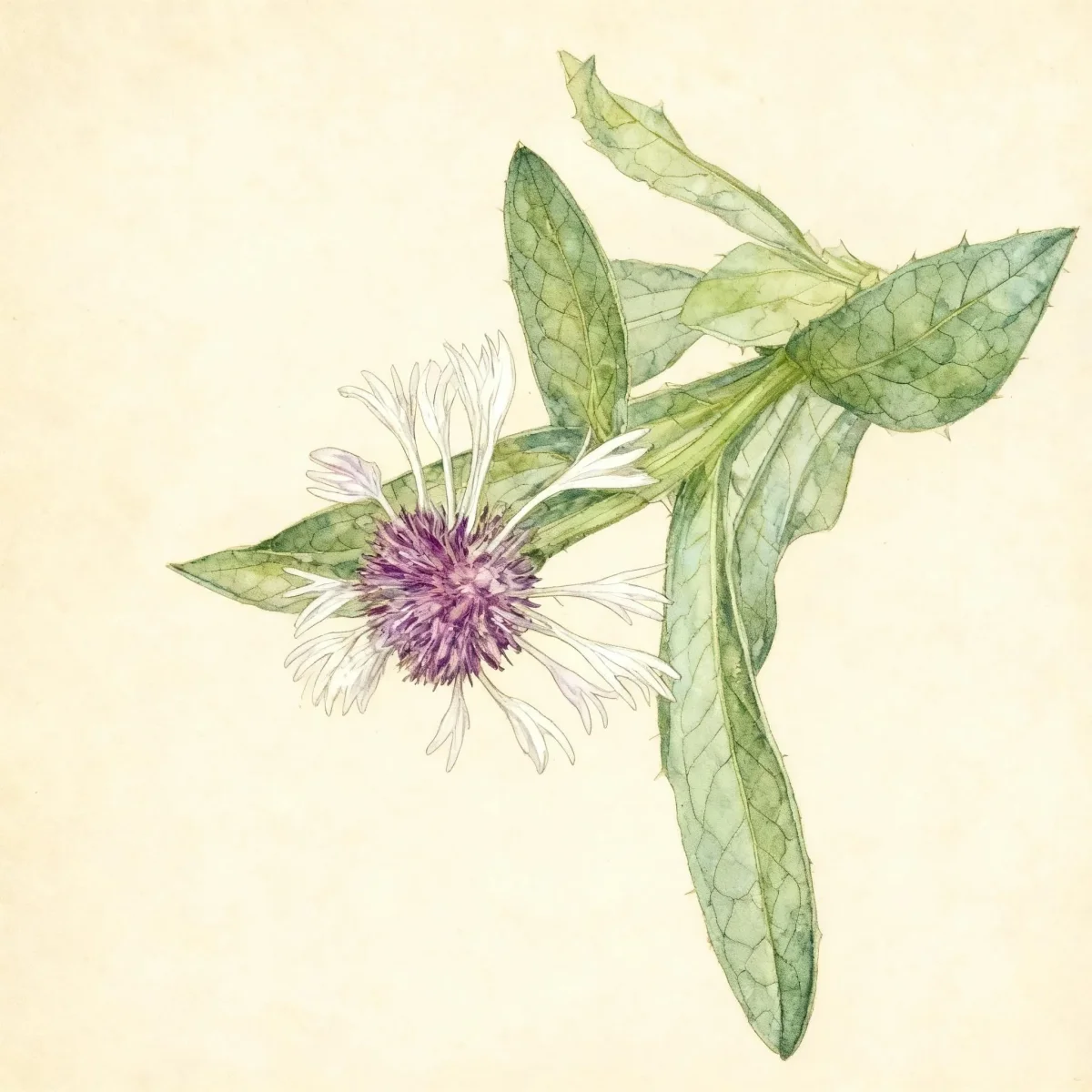
Centaurea montana is an erect, stoloniferous, clump-forming perennial which features solitary, fringed, rich blue cornflowers (2” diameter) with reddish blue centers and black-edged involucre bracts. Flowers appear in late spring atop unbranched stems typically growing 1-2’ tall. Gray-green, lance-shaped lower leaves to 7” long. Commonly called mountain bluet, perennial cornflower or perennial bachelor’s button.
Tolerances
- Drought
- Dry Soil
Potential Problems
The Mountain bluet generally benefits from an excellent pest and disease resistance profile, meaning gardeners rarely face serious issues. However, occasional problems can include fungal diseases like rust, stem rot, or powdery mildew, particularly in areas with high humidity or poor air circulation. Aster yellows is another, less common concern. Prevention is key: ensure good drainage and adequate spacing between plants to maintain airflow. If mildew appears, treat promptly with an appropriate fungicide if necessary.
Frequently Asked Questions
What hardiness zones is Mountain bluet suitable for?
The Centaurea montana is hardy across USDA Zones 3 through 8, offering reliable perennial performance across a wide range of climates.
How large does Centaurea montana grow?
This perennial typically reaches a mature height between 1 and 2 feet, with a spread of 1 to 1.5 feet.
When does Mountain bluet bloom?
Centaurea montana presents its signature bloom time from May into June, offering deep blue flowers during the late spring season.
What sun exposure does Centaurea montana need?
For the best performance and most abundant flowering, Centaurea montana requires full sun exposure throughout the day.
Conclusion
The low-maintenance nature coupled with the stunning azure blue flowers makes the Centaurea montana a staple for sunny borders and naturalized plantings. By avoiding overly rich soils and planning for biennial division, you can ensure robust colonies of this dependable Mountain bluet. Check your local USDA zone compatibility before planning your spring planting schedule.
Companion Planting
When selecting neighbors for Centaurea montana, focus on plants that share its love for full sun and well-drained to dry soil conditions. Good companions include silvery foliage plants like Lamb’s Ears (Stachys byzantina) or Artemisia, which contrast beautifully with its blue flowers. Plants like Siberian Iris or certain hardy Alliums also thrive in similar moisture regimes and offer complementary bloom times or architectural structure.
Propagation Tips
The primary and recommended method for multiplying Centaurea montana is through division. Because the plant spreads by stolons, it can be divided easily every 2 to 3 years, ideally in the early spring before new growth substantially begins or in early fall. Carefully dig up the clump, use a sharp spade to separate viable sections containing healthy roots and foliage, and replant these divisions immediately into their new locations at the same soil depth.