Chrysanthemum (Chrysanthemum zawadskii)
Discover Chrysanthemum zawadskii: A low-maintenance, clue-forming perennial with white and yellow daisy-like flowers in mid-summer.
Scroll down to discover growing tips, care requirements, companion plants, and more
Complete Plant Information
Overview
Chrysanthemum zawadskii, commonly known as the Zawadzki chrysanthemum, is a highly valuable addition to the late-summer garden. This compact, clump-forming perennial offers attractive daisy-like flowers when many other perennials are fading, bringing consistent color from July through September. Its rhizomatous nature allows it to form attractive colonies over time, providing reliable texture in borders.
This hardy herbaceous perennial is native to the grasslands and streambanks across East Asia, giving it natural resilience. Given its low maintenance needs and ability to thrive in full sun, the Chrysanthemum offers significant aesthetic payoff for minimal effort once established. Gardeners appreciate its ability to withstand browsing animals, making it a functional choice for open landscapes.
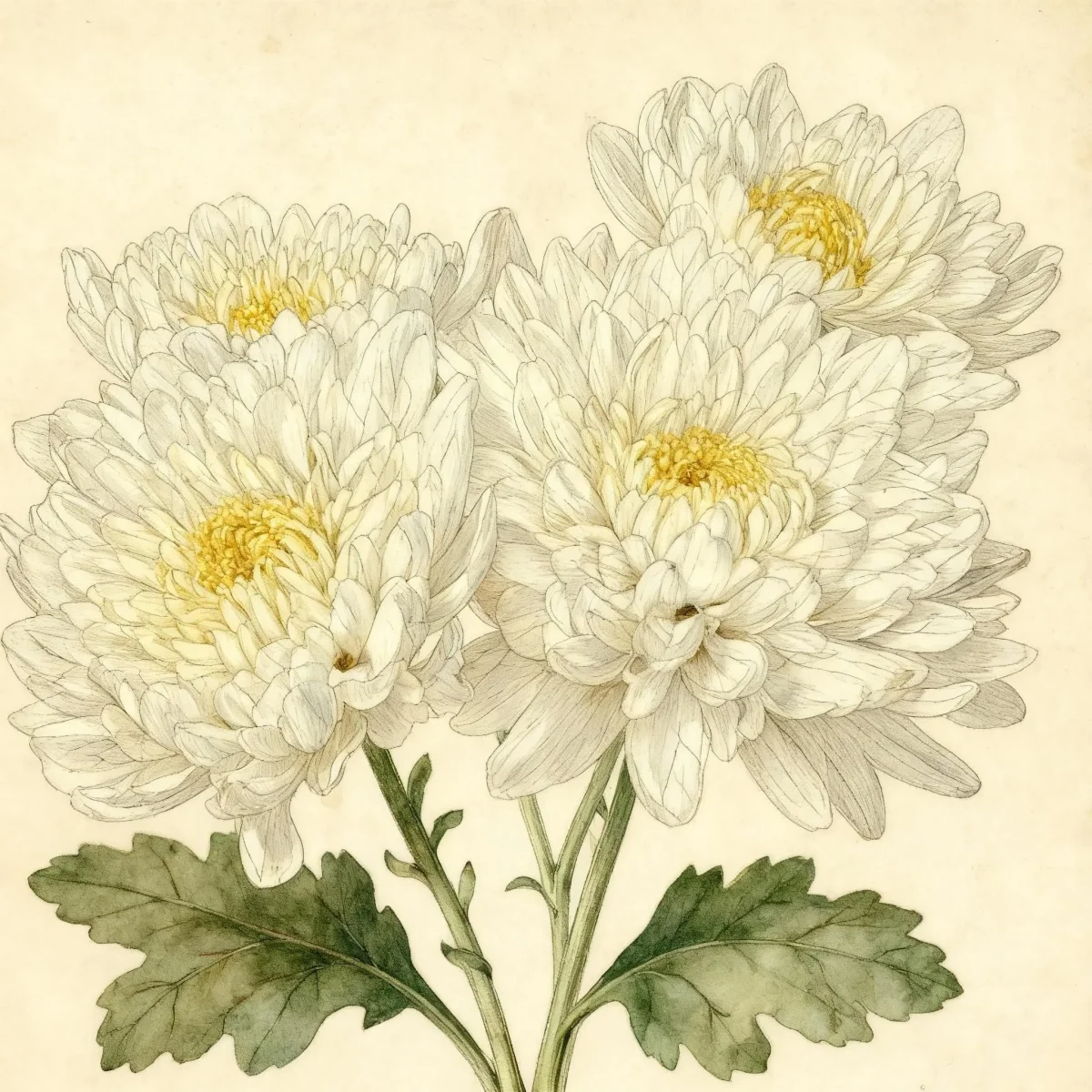
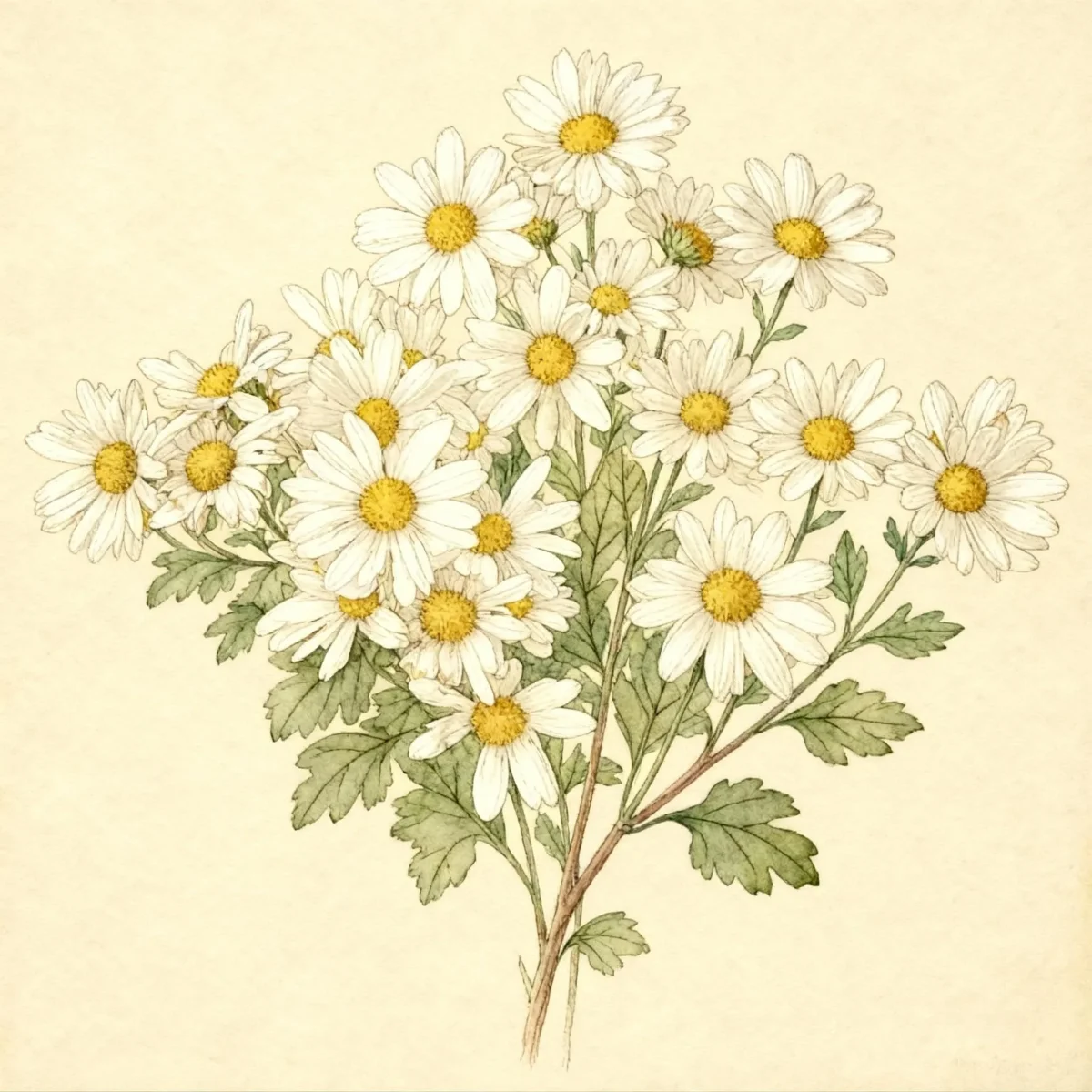
The delicate white rays contrasted by bright yellow center discs make this Chrysanthemum zawadskii a beacon in the late season. Whether used for mass planting or subtle edging, incorporating this species ensures your garden retains vitality deep into the fall schedule.
Fast Facts
- Plant Family: Asteraceae
- Plant Type: Herbaceous perennial
- Native Range: China, Japan, Korea
- Hardiness Zones: USDA Zones 5-9
- Size at Maturity:
- Height: 1-1.5 ft
- Spread: 1-1.5 ft
- Bloom Time: July to September
- Bloom Description: White rays with yellow center disc
- Sun Exposure: Full sun
- Water Needs: Medium
- Maintenance Level: Low
How to Grow
For optimal establishment, plant Chrysanthemum zawadskii in humusy, fertile, consistently moist, well-drained soils. While it prefers full sun, it can tolerate very light shade, though too much shade can cause the plants to sprawl unattractively. Southern gardeners should ensure the plant receives some afternoon protection from the intense summer heat.
To control its height and promote a denser, bushier habit, pinch the stems back from late spring until mid-summer (around Memorial Day to the 4th of July). If you desire a looser habit with earlier bloom, skip this pinching routine. Feed plants several times during the growing season to promote the best possible flower production.
Divide established clumps every two to three years, transplanting sections in spring or fall. After flowering concludes, cut the stems back hard to about 6 inches above the soil line. In colder zones (4-5), leave the spent top growth in place over winter to protect the crowns, applying a layer of loose mulch like straw for added insulation. This robust Chrysanthemum spreads slowly via rhizomes, naturally expanding its presence.
Landscape Uses
This resilient Chrysanthemum excels when used in mass plantings or groups, creating impactful drifts of late-season color. Its modest stature, reaching only 1 to 1.5 feet tall, makes it ideal for defining the front edge of mixed perennial borders where taller species might obscure shorter companions.
The plant’s clean habit also lends itself perfectly to creating crisp edgings along pathways or driveways, providing structure through late summer. Furthermore, its tolerance for containers allows gardeners to place this reliable bloomer on patios or balconies, adding seasonal interest wherever needed.
Because Chrysanthemum zawadskii typically flowers later in the season, pair it with early or mid-summer bloomers that fade gracefully, such as catmint or early salvias. This ensures a continuous display of color in the planting scheme.
Standout Features
Flower Qualities
- Showy
Noteworthy Characteristics
Chrysanthemum zawadskii, commonly known as Zawadzki chrysanthemum, is a compact, clump-forming, herbaceous perennial that typically grows from woody purplish creeping rhizomes to 12-18”. It is native to a variety of habitats including alpine slopes, streambanks, forest understories, grasslands, and open places from eastern Europe (including in particular the Carpathian and Ural mountains), to Siberia, Japan, Korea, and northern China. Solitary (infrequently appearing in a loose corymb) daisy-like flowers (to 2 3/8” across) feature white rays and yellow center discs.
Tolerances
- Rabbit
- Deer
Potential Problems
Common pests attacking this Chrysanthemum include aphids, thrips, and spider mites, which can cause significant cosmetic damage or weaken the overall plant slightly. Monitor foliage regularly, especially during dry spells, to catch infestations early.
Disease risks are manageable but require good air circulation and proper soil drainage. Watch for fungal issues such as Botrytis (gray mold), leaf spots, rust, and powdery mildew. Stem and root rots can also develop in overly saturated soils.
Management focuses on good horticultural practice: ensuring the planting site drains well and avoiding overhead watering late in the day. If diseases like aster yellows or viruses are suspected, remove and destroy infected plants promptly to prevent spread.
Frequently Asked Questions
What hardiness zones is Chrysanthemum suitable for?
The Chrysanthemum zawadskii is reliably hardy in USDA Zones 5 through 9, offering versatility across many temperate climates.
How large does Chrysanthemum grow?
This species generally achieves a height between 1 and 1.5 feet, with a similar spread of 1 to 1.5 feet, creating a compact mound.
When does Chrysanthemum bloom?
The bloom time for this Chrysanthemum is typically from July extending through September, featuring attractive white rays with a yellow center disc.
What sun exposure does Chrysanthemum need?
Chrysanthemum zawadskii requires full sun for strongest performance, although it can tolerate a small degree of light shade, particularly in hot summer regions.
Conclusion
The Chrysanthemum zawadskii offers gardeners a low-maintenance perennial that reliably delivers refreshing white and yellow blooms throughout the mid-to-late summer season. Its hardiness and spreading habits make it an excellent, durable choice for naturalizing areas or filling perennial borders. Check your USDA zone compatibility and plan your pinching schedule in late spring to ensure the best flowering display from your new Chrysanthemum.
Propagation Tips
Due to its rhizomatous growth habit, the most straightforward way to propagate Chrysanthemum zawadskii is division. Wait until early spring or early fall when the plant is not actively blooming or during active slow growth periods. Dig carefully around the clump and lift sections, ensuring each new division has a healthy network of roots and some emerging shoots.
Division should ideally occur every 2-3 years to maintain vigor, as overcrowded clumps tend to become leggy and produce fewer flowers. If growing in mild winter areas, division can be done in the fall immediately after flowering subsides.
While propagation from seed is possible, the resulting plants may not maintain the exact characteristics of the parent species, especially if hybridization is involved. Stick to division for reliable results that ensure you maintain the desirable white-rayed flowers of Chrysanthemum zawadskii.
Companion Planting
To create a cohesive, season-long garden, pair Chrysanthemum zawadskii with plants that have similar cultural requirements—full sun and medium water needs. Because this Chrysanthemum flowers heavily in late summer, use it to transition the garden from the blues and purples of high summer to the richer tones of autumn.
Consider planting complementary textures near its daisy-like flowers. Ornamental grasses act as excellent structural companions, contrasting the solid mound of the Chrysanthemum with airy movement. Also, late-blooming ornamental salvias or compact sedums work well, thriving in similar soil conditions and echoing the late-season bloom window.
Ensure that any neighboring plants do not crowd the Chrysanthemum zawadskii too closely, especially in the growing season, as adequate air movement is crucial to prevent fungal issues like powdery mildew. Keeping space around these clumps promotes the vigorous, bushy growth desired.